On This Page
Description
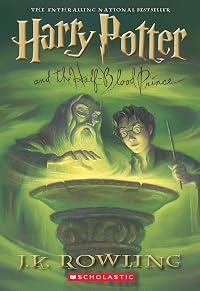
There it was, hanging in the sky above the school: the blazing green skull with a serpent tongue, the mark Death Eaters left behind whenever they had entered a building... wherever they had murdered...When Dumbledore arrives at Privet Drive one summer night to collect Harry Potter, his wand hand is blackened and shrivelled, but he does not reveal why. Secrets and suspicion are spreading through the wizarding world, and Hogwarts itself is not safe. Harry is convinced that Malfoy bears the show more Dark Mark: there is a Death Eater amongst them. Harry will need powerful magic and true friends as he explores Voldemort's darkest secrets, and Dumbledore prepares him to face his destiny...
Having become classics of our time, the Harry Potter stories never fail to bring comfort and escapism. With their message of hope, belonging and the enduring power of truth and love, the story of the Boy Who Lived continues to delight generations of new listeners.
. show less
Tags
Recommendations


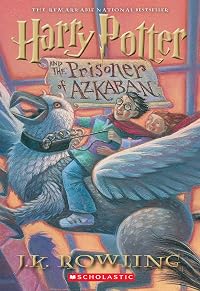
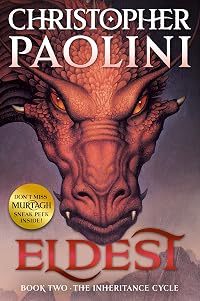
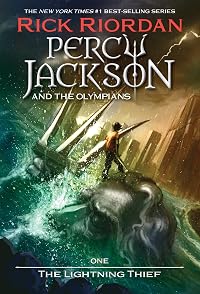
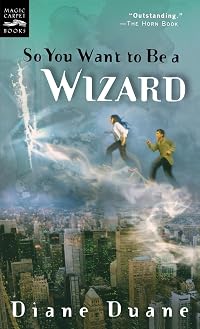

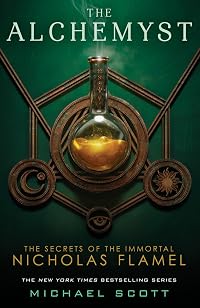
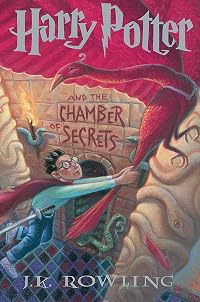
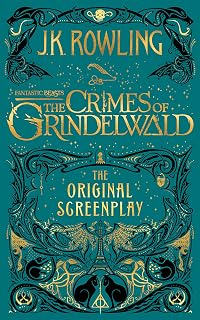
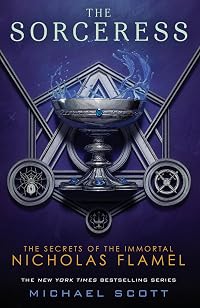
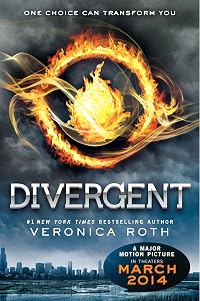
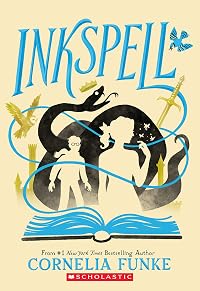
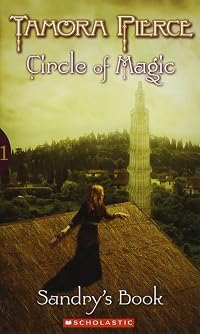

Member Recommendations

anonymous user It is a very similar book to harry potter. There is a series of 8. This is a must read. It screams READ ME!!! It is about kids who live in a magical land. Check it out. DO IT!!! DO IT!!! Please
18
Member Reviews
Oof. J.K. Rowling really knows how to write a heart-wrenching ending.
The last 100 pages aside, and despite the fear that's part of everyone's lives, this is a weirdly comforting book. No teachers are torturing Harry, Malfoy isn't as much of a bully, Harry's not in the middle of some huge plot—just sit back, relax, and enjoy some magical education. Really the only criticism I have of this book is Harry's obsession with Malfoy—even though Harry's absolutely right, I have zero interest in that little mystery. The rest of the book is brilliant. Seeing how much Harry has matured after Sirius' death is immensely satisfying. No wonder Dumbledore loves that kid so much.
The last 100 pages aside, and despite the fear that's part of everyone's lives, this is a weirdly comforting book. No teachers are torturing Harry, Malfoy isn't as much of a bully, Harry's not in the middle of some huge plot—just sit back, relax, and enjoy some magical education. Really the only criticism I have of this book is Harry's obsession with Malfoy—even though Harry's absolutely right, I have zero interest in that little mystery. The rest of the book is brilliant. Seeing how much Harry has matured after Sirius' death is immensely satisfying. No wonder Dumbledore loves that kid so much.
**If you haven’t read this book, just skip this review. I tried to avoid spoilers, but there is just too much to talk about.**
I’d forgotten how much I adore this book. It’s one of my favorites of the whole series. The stakes are high as Voldemort begins his full-force attack. People are disappearing or dying and all of the main characters realize that they will probably lose some loved ones before it’s all said and done.
I love the way Rowling beings the book in the office of the British prime minister as he receives a visit from Fudge. It was the perfect way to catch readers up on all the mayhem that happened over the summer. It also helps us understand how the two ministries (magical and non) work together or at least touch show more base on occasion.
Harry’s trip to Slughorn’s with Dumbledore is incredibly awkward because they’ve never had a private conversation outside of Hogwarts. Also, their relationship changed forever at the end of Book 5, when Harry was broken-hearted and screamed and railed at Dumbledore. Throughout this book we watch their relationship deepen as they spend more time one-on-one and Dumbledore treats Harry more like an equal, instead of as a student. He is training Harry, like an apprentice, in what he’ll need to know to fight Voldemort.
I love the scenes where Dumbledore and Harry explore the memories that shed light on Tom Riddle’s transformation into Voldemort. We see his parents and horrible grandfather. We learn about his time at the orphanage and tendency towards violence before he even knew he was a wizard. We see him as a loveable, manipulative student and a charming young shop clerk. These scenes are what make Voldemort such a great villain. We see behind the curtain of pure evil into the roots of his desire for power and control.
Dumbledore was incredibly observant during his first meeting with Riddle. When he looks back on that memory he realizes just how much information he gathered. Tom liked to collect treasures from his victims; he had no friends and didn’t want help from anyone; he used magic to control and dominant others; he desperately wanted to be different and “special.” All of those elements are very much a part of Voldemort and help Dumbledore find his weaknesses.
During Christmas break Harry stands up to the new Minister, Scrimgeour, and sides with Dumbledore instead of the ministry. He shows such bravery and loyalty. I love the scene later when he tells Dumbledore about the exchange …
“He accused me of being ‘Dumbledore’s man through and through.’”
“How very rude of him.”
“I told him I was.”
Dumbledore opened his mouth to speak and then closed it again.
It always broke my heart that Dumbledore died at the end, but now on my fourth re-read, I think I finally understand why it was crucial for it to happen that way. Harry has to fight the final battle on his own. Dumbledore was the only other person who truly could have helped him, so he had to die for Harry’s path to become inevitable.
A few things I'd forgotten about the sixth book:
1) Harry’s the Quidditch captain this year. I honestly think I they could have cut out half of the Quidditch scenes in the series and I wouldn’t have noticed. I like the fact that they’re used to demonstrate things like Ron finding self-confidence, but I’m just not a big fan of those parts.
2) At Dumbledore’s funeral Harry has a strange urge to laugh. That’s such a relatable moment for me. When you’re grieving your emotions are so raw and laughter is nestled right to crying.
3) Ginny is so sassy in this book. She and Ron fight, she dates other guys and she stands up for her friends. I love how her relationship with Harry develops as he gets to know her better.
4) In one scene Mrs. Weasley says, “It was a lucky day for the Weasleys when Ron decided to sit in your compartment on the Hogwart’s Express, Harry.”
I feel like it was lucky for Harry as well, because Ron, with all his bumbling faults, is such a wonderful friend for Harry. He keeps him grounded in the normalcy of being a teen.
5) Dumbledore tells Harry he should tell Ron and Hermione exactly what the prophecy said, because he needs his friends. He’s so wise.
"But he understood at last what Dumbledore had been trying to tell him. It was, he thought, the difference between being dragged into the arena to face a battle to the death and walking into the arena with your head held high. Some people, perhaps, would say that there is little to choose between the two ways, but Dumbledore knew - and so do I, thought Harry, with a rush of fierce pride, and so did my parents - that there was all the difference in the world." show less
I’d forgotten how much I adore this book. It’s one of my favorites of the whole series. The stakes are high as Voldemort begins his full-force attack. People are disappearing or dying and all of the main characters realize that they will probably lose some loved ones before it’s all said and done.
I love the way Rowling beings the book in the office of the British prime minister as he receives a visit from Fudge. It was the perfect way to catch readers up on all the mayhem that happened over the summer. It also helps us understand how the two ministries (magical and non) work together or at least touch show more base on occasion.
Harry’s trip to Slughorn’s with Dumbledore is incredibly awkward because they’ve never had a private conversation outside of Hogwarts. Also, their relationship changed forever at the end of Book 5, when Harry was broken-hearted and screamed and railed at Dumbledore. Throughout this book we watch their relationship deepen as they spend more time one-on-one and Dumbledore treats Harry more like an equal, instead of as a student. He is training Harry, like an apprentice, in what he’ll need to know to fight Voldemort.
I love the scenes where Dumbledore and Harry explore the memories that shed light on Tom Riddle’s transformation into Voldemort. We see his parents and horrible grandfather. We learn about his time at the orphanage and tendency towards violence before he even knew he was a wizard. We see him as a loveable, manipulative student and a charming young shop clerk. These scenes are what make Voldemort such a great villain. We see behind the curtain of pure evil into the roots of his desire for power and control.
Dumbledore was incredibly observant during his first meeting with Riddle. When he looks back on that memory he realizes just how much information he gathered. Tom liked to collect treasures from his victims; he had no friends and didn’t want help from anyone; he used magic to control and dominant others; he desperately wanted to be different and “special.” All of those elements are very much a part of Voldemort and help Dumbledore find his weaknesses.
During Christmas break Harry stands up to the new Minister, Scrimgeour, and sides with Dumbledore instead of the ministry. He shows such bravery and loyalty. I love the scene later when he tells Dumbledore about the exchange …
“He accused me of being ‘Dumbledore’s man through and through.’”
“How very rude of him.”
“I told him I was.”
Dumbledore opened his mouth to speak and then closed it again.
It always broke my heart that Dumbledore died at the end, but now on my fourth re-read, I think I finally understand why it was crucial for it to happen that way. Harry has to fight the final battle on his own. Dumbledore was the only other person who truly could have helped him, so he had to die for Harry’s path to become inevitable.
A few things I'd forgotten about the sixth book:
1) Harry’s the Quidditch captain this year. I honestly think I they could have cut out half of the Quidditch scenes in the series and I wouldn’t have noticed. I like the fact that they’re used to demonstrate things like Ron finding self-confidence, but I’m just not a big fan of those parts.
2) At Dumbledore’s funeral Harry has a strange urge to laugh. That’s such a relatable moment for me. When you’re grieving your emotions are so raw and laughter is nestled right to crying.
3) Ginny is so sassy in this book. She and Ron fight, she dates other guys and she stands up for her friends. I love how her relationship with Harry develops as he gets to know her better.
4) In one scene Mrs. Weasley says, “It was a lucky day for the Weasleys when Ron decided to sit in your compartment on the Hogwart’s Express, Harry.”
I feel like it was lucky for Harry as well, because Ron, with all his bumbling faults, is such a wonderful friend for Harry. He keeps him grounded in the normalcy of being a teen.
5) Dumbledore tells Harry he should tell Ron and Hermione exactly what the prophecy said, because he needs his friends. He’s so wise.
"But he understood at last what Dumbledore had been trying to tell him. It was, he thought, the difference between being dragged into the arena to face a battle to the death and walking into the arena with your head held high. Some people, perhaps, would say that there is little to choose between the two ways, but Dumbledore knew - and so do I, thought Harry, with a rush of fierce pride, and so did my parents - that there was all the difference in the world." show less
Harry Potter and the Half-Blood Prince is the most complex, multi-layered, and emotional book of series so far. After a slow start, the momentum picks up like a snow ball rolling down an icy cliff until a the breathtaking, unnerving, and unflinching climax. Rowling stays true to form the entire ride. The characters become deeper and more thoughtful in a well-written book of imagination and originality. Rowling doesn't dumb down her characters; she illustrates them as they should be... as real, complicated teenagers. As such, Harry, Ron, and Hermione (and to some extent, Ginny) have matured considerably since the previous book. They are now older teenagers and are developing strong ties to the opposite sex.
Ultimately, the central theme show more is discovering who Lord Voldemort really is. Much is learned about Voldemort in this novel, a brilliant setup for what will most likely be a spectacular showdown in the final novel . There are other subplots galore, of course, that I’m guessing will tie up the various loose ends in book 7.
This book is not rushed; it has no rushed ending. It is filled with insight and emotion. It is a much darker and much more “adult” book, especially the last quarter of the book. Obviously, the novel is a setup for the final showdown. It leaves the reader hanging off of a cliff, but it is written with beauty and flawless description. Rowling gives her audience a realistic portrait of human souls in a fantasy world. I felt more character depth in this novel than any of the others.
Besides all the beauty and imagination, this book is relentless, transcending the level mere entertainment. It gives depth and wonder. It expands on the characters, not just the events. It has the usual mind-boggling wonders and creative new inventions. The ending was incredibly moving and sets up questions in the reader's mind as to what’s coming in the final volume.
It could be argued that “Harry Potter and the Half-Blood Prince” is the best of the series so far. Given what has come before, that is saying a lot. Harry is growing up before the reader’s eyes, and one can't help rooting for him to prevail. Regardless of what the future holds, the present holds many rich wonders for readers and the hints of the possibilities to come are tantalizing. show less
Ultimately, the central theme show more is discovering who Lord Voldemort really is. Much is learned about Voldemort in this novel, a brilliant setup for what will most likely be a spectacular showdown in the final novel . There are other subplots galore, of course, that I’m guessing will tie up the various loose ends in book 7.
This book is not rushed; it has no rushed ending. It is filled with insight and emotion. It is a much darker and much more “adult” book, especially the last quarter of the book. Obviously, the novel is a setup for the final showdown. It leaves the reader hanging off of a cliff, but it is written with beauty and flawless description. Rowling gives her audience a realistic portrait of human souls in a fantasy world. I felt more character depth in this novel than any of the others.
Besides all the beauty and imagination, this book is relentless, transcending the level mere entertainment. It gives depth and wonder. It expands on the characters, not just the events. It has the usual mind-boggling wonders and creative new inventions. The ending was incredibly moving and sets up questions in the reader's mind as to what’s coming in the final volume.
It could be argued that “Harry Potter and the Half-Blood Prince” is the best of the series so far. Given what has come before, that is saying a lot. Harry is growing up before the reader’s eyes, and one can't help rooting for him to prevail. Regardless of what the future holds, the present holds many rich wonders for readers and the hints of the possibilities to come are tantalizing. show less
For a book that’s over five hundred pages, it felt like not enough happened, not until the final quarter. Until then, this semi-entertaining sequel was kind of repetitive, mostly scenes of Harry using an old textbook to cheat in class, scenes of Harry and Dumbledore eavesdropping on Voldemort’s past, and scenes of romantic drama (where none of the couples bar Fleur and Bill felt even borderline romantic to me).
While I did find Harry endearing in the first book, as the series progresses I’ve yet to become a full on fan of Harry and this book did very little for his cause in my eyes, between his unconvincing out of nowhere feelings for a certain someone, along with his desire to use that textbook even after something dangerous show more happened, not to mention the lack of remorse or punishment for that incident, Harry came across as more immature, spoiled, and selfish at sixteen years old than he did at ten years old which maybe those traits are somewhat true to a boy that age, I don’t know, but I can’t say I enjoyed his regression all that much.
As for Harry’s adventures with Dumbledore, I know this is a beloved relationship by the fandom, and maybe if I’d read this at a younger age I would have felt similiarly but as an adult reader their scenes tend to grate on me rather than move me. Dumbledore almost always withholds information, handing it out piecemeal to Harry, and since there is never a concrete explanation for why Dumbledore spoon feeds pertinent information to the supposed chosen one, this slow doling out of info seems designed for the sole purpose of lengthening each book, dragging out story, yet inevitably in the end of nearly every book it clearly would have helped had Harry not been kept in the dark.
With Harry and Dumbledore “investigating” Voldemort’s past in this sequel, not only is it baffling that Dumbledore hadn’t done all his homework on Voldemort way back when Harry’s parents were killed, it also seemed questionable that he needed Harry’s help with putting it together. Then there wasn’t even really enough to Voldemort’s “past” scenes to justify devoting so many pages to it, all they did was solidify what we already know, Voldemort’s a bad seed and the history behind the making of that bad seed probably could have been summed up in a couple concise paragraphs rather than spread out in chunks throughout this book, this is one of those rare instances where telling probably would have been better than bothering to show something that wasn’t actually all that relevatory. So again it felt like more of the author relying on Dumbledore as a means of stretching a thin plot into a larger book and maybe that’s why I’ve never quite warmed to Dumbledore as to me he seems more like a plot device than a three-dimensional character who behaves logically.
The side characters tend to be the standouts in this series for me. I adore the Weasley family scenes but this unfortunately offered few of those, although the difficulty of working them into the story is understandable given that some of the kids don’t attend Hogwarts anymore, what’s less understandable is how the previous book incorporated characters like Luna and Neville so well into the story, growing them into such interesting people in their own right only to seemingly have no room for them here despite the high page count, reducing them pretty much to glorified cameos which is a shame since both bring unique energy that could have nicely broken up the repetitive nature of the story that I mentioned earlier.
Hermione, my favorite character ended up the most disappointing aspect of this one. By now I’m used to watching the movies and seeing her sidelined in one fashion or another, much of her story from the books wind up cut out of the movies but I hadn’t expected a similar experience in the books. Not that she was sidelined exactly, she was definitely present, it’s just that mostly all she got to do was be jealous over a boy and I’ve come to expect her to be so much more than that, I desperately missed the fully formed intelligent girl who had so much more going on in her head and in her life than who’s kissing who, hopefully my preferred version of her returns in the final installment. show less
While I did find Harry endearing in the first book, as the series progresses I’ve yet to become a full on fan of Harry and this book did very little for his cause in my eyes, between his unconvincing out of nowhere feelings for a certain someone, along with his desire to use that textbook even after something dangerous show more happened, not to mention the lack of remorse or punishment for that incident, Harry came across as more immature, spoiled, and selfish at sixteen years old than he did at ten years old which maybe those traits are somewhat true to a boy that age, I don’t know, but I can’t say I enjoyed his regression all that much.
As for Harry’s adventures with Dumbledore, I know this is a beloved relationship by the fandom, and maybe if I’d read this at a younger age I would have felt similiarly but as an adult reader their scenes tend to grate on me rather than move me. Dumbledore almost always withholds information, handing it out piecemeal to Harry, and since there is never a concrete explanation for why Dumbledore spoon feeds pertinent information to the supposed chosen one, this slow doling out of info seems designed for the sole purpose of lengthening each book, dragging out story, yet inevitably in the end of nearly every book it clearly would have helped had Harry not been kept in the dark.
With Harry and Dumbledore “investigating” Voldemort’s past in this sequel, not only is it baffling that Dumbledore hadn’t done all his homework on Voldemort way back when Harry’s parents were killed, it also seemed questionable that he needed Harry’s help with putting it together. Then there wasn’t even really enough to Voldemort’s “past” scenes to justify devoting so many pages to it, all they did was solidify what we already know, Voldemort’s a bad seed and the history behind the making of that bad seed probably could have been summed up in a couple concise paragraphs rather than spread out in chunks throughout this book, this is one of those rare instances where telling probably would have been better than bothering to show something that wasn’t actually all that relevatory. So again it felt like more of the author relying on Dumbledore as a means of stretching a thin plot into a larger book and maybe that’s why I’ve never quite warmed to Dumbledore as to me he seems more like a plot device than a three-dimensional character who behaves logically.
The side characters tend to be the standouts in this series for me. I adore the Weasley family scenes but this unfortunately offered few of those, although the difficulty of working them into the story is understandable given that some of the kids don’t attend Hogwarts anymore, what’s less understandable is how the previous book incorporated characters like Luna and Neville so well into the story, growing them into such interesting people in their own right only to seemingly have no room for them here despite the high page count, reducing them pretty much to glorified cameos which is a shame since both bring unique energy that could have nicely broken up the repetitive nature of the story that I mentioned earlier.
Hermione, my favorite character ended up the most disappointing aspect of this one. By now I’m used to watching the movies and seeing her sidelined in one fashion or another, much of her story from the books wind up cut out of the movies but I hadn’t expected a similar experience in the books. Not that she was sidelined exactly, she was definitely present, it’s just that mostly all she got to do was be jealous over a boy and I’ve come to expect her to be so much more than that, I desperately missed the fully formed intelligent girl who had so much more going on in her head and in her life than who’s kissing who, hopefully my preferred version of her returns in the final installment. show less
The worst book of the series by far. If I wanted to read about the tangled love lives of teenagers, I would have picked up Gossip Girl instead. The romantic plot lines were not interesting in the least and certainly added little to the overall story. Interspersed between these romantic entanglements were Harry's lessons with Dumbledore, which are meant to prepare him to face Voldemort but is really just Rowling's way of telling Voldemort's backstory. It seemed like she forgot to mention it sometime during the previous five books and so decided to cram it all into this one in preparation for the last book. What should have been an interesting look at the great villain of the series was really only a history of the character's life and show more offered little insight on him. I would have liked to know just why he was so evil, what makes him tick, what are his motivations, what is his purpose in doing what he does, and so on. (Just making Tom Riddle an evil kid who wants power is a lazy way to write a villain.) What happened to the magic, the adventure, and the sense of wonder that made the first half of this series good? The fifth book was disappointing, but this one was just downright awful. show less
This is my favourite of the Harry Potter books. There's so much going on here, though admittedly most of it is rather quiet. There are few action sequences, but the little details more than make up for it.
We get tons and tons of new information here, and a few more pieces of the puzzle click into place. I found the sequences dealing with Voldemort's rise to power particularly interesting. It was also really nice to see the trio growing up: learning to apparate, coming of age, hooking up with people... all that jazz.
And there's some truly heartwrenching stuff in here, too. Harry's really forced to let go of his childhood; it's a painful process, but I also feel like it really opened up the possibilities for the last book. I can't show more wait.
Utterly fantastic stuff. I absolutely recommend this series and urge you to try them out. Read them in order, though; they're puzzle books, and the pieces won't come together nearly as nicely out of order. show less
We get tons and tons of new information here, and a few more pieces of the puzzle click into place. I found the sequences dealing with Voldemort's rise to power particularly interesting. It was also really nice to see the trio growing up: learning to apparate, coming of age, hooking up with people... all that jazz.
And there's some truly heartwrenching stuff in here, too. Harry's really forced to let go of his childhood; it's a painful process, but I also feel like it really opened up the possibilities for the last book. I can't show more wait.
Utterly fantastic stuff. I absolutely recommend this series and urge you to try them out. Read them in order, though; they're puzzle books, and the pieces won't come together nearly as nicely out of order. show less
This one might actually be able to challenge Prisoner of Azkaban for favorite in the series. And that's really saying something because I LOVE that book like crazysauce. But reading through this series a second time with the ability to know what's coming and just sort of relax into the words and pick up all the brilliant details JK Rowling has left sprinkled along the way makes it that much better. Slughorn and Harry's sudden improvement in potions? Hilarious. The whole furtive thing with Ginny. Loved it. The Draco storyline, which before I only picked up on pieces of? SO SO good. And let's not even try to get into Snape without spoiler tags. The way this was written to say one thing and oh so carefully mean another was masterfully show more done. Snape, who has forever been the cruel teacher who despises Harry, which Harry simply can't see past, even here, has another side, and the scenes between him and Dumbledore, then him and Harry after Dumbledore's death... shivers... show less
Members
- Recently Added By
Lists

1001 Books You Must Read Before You Die
1,448 works; 1,134 members

Read the book and saw the movie
1,170 works; 195 members

Best Fantasy Novels
821 works; 361 members

Best Young Adult
399 works; 101 members

Top-Rated Books on LibraryThing
272 works; 117 members

NPRs your favorites: 100 Best Ever Teen Novels
237 works; 49 members

1001 Children's Books You Must Read Before You Grow Up
774 works; 101 members
Banned Books Week 2014
268 works; 62 members
NPRs Ultimate Backseat Bookshelf: 100 Must-Reads for kids 9-14
222 works; 30 members
Favorite Long Books
330 works; 42 members
Favourite Books
1,819 works; 316 members
501 Must-Read Books
529 works; 72 members

Best 21st Century Books (So Far)
670 works; 85 members

Female Author
1,234 works; 67 members
Best School Stories
219 works; 22 members

Books That Made Me Cry
199 works; 105 members

Here There Be Dragons
143 works; 23 members
The 100 Best Fantasy Books of All Time
100 works; 15 members

Comfort Reads
221 works; 41 members

Huxley's reading log 2016
84 works; 3 members
Books with Noble Titles
179 works; 11 members

XXX
3 works; 1 member

Top 100 to Read before you Die
109 works; 7 members

Books With Characters I'd Like to Date
18 works; 9 members
Mind Expanding Books by hackerkid
581 works; 8 members

Best Books Set in Boarding Schools
160 works; 57 members

NPRs audience picks: 100 best beach reads
105 works; 12 members

Books Read in 2023
5,638 works; 147 members

2000s (the decade, not the century)
184 works; 9 members

SLJ's 100 Must-Have YA books
36 works; 2 members

Most Popular Young Adult Lit on LT
100 works; 4 members

PASTE magazine The 50 Best Fantasy Books of the 21st Century (So Far)
15 works; 1 member
Travel from real to fantasy world -- children's/young adult fiction
125 works; 11 members

Books with Twins
175 works; 12 members

Movie Adaptations
111 works; 4 members
Fate vs. Free Will
63 works; 8 members
Most Frequently Tagged "Read in 2015"
70 works; 1 member

Secrets Books
94 works; 3 members

Biggest Disappointments
606 works; 168 members

The Five Books That Represent Us
391 works; 149 members

Books With Body Parts in the Title
153 works; 9 members

Books Read in 2019
4,052 works; 110 members

Books About Murder
313 works; 7 members
Books Read in 2018
4,360 works; 110 members
Books We Couldn't Put Down
443 works; 197 members

READ IN 2020
172 works; 1 member

Favorite Books of All Time Ranked
8 works; 1 member

Contemporary Fantasy to Read
63 works; 5 members

Read
27 works; 1 member

H
177 works; 2 members
'Books You Can't Live Without: The Top 100', The Guardian, 2007
156 works; 7 members

Books That Made Us Cry
278 works; 145 members
Banned Books I have read
16 works; 2 members
Favorite Books of All Time Ranked
8 works; 1 member
Books Read in 2007
326 works; 8 members
Harry Potter Books Ranked
8 works; 1 member
Lucy's Long List
69 works; 1 member
Books We Want To Read Again For The First Time
384 works; 160 members
Science Fiction and Fantasy
63 works; 4 members

Have read
18 works; 1 member

Books Read in 2021
5,361 works; 114 members

Elaina's
183 works; 1 member

Books I need to read
20 works; 1 member
Five star books
1,767 works; 110 members
Penultimate Books
5 works; 1 member

Unread books
1,063 works; 87 members
Banned or Challenged Books
400 works; 41 members

You Couldn't Pay Me to Read That (Take 2)
203 works; 86 members
You Couldn't Pay Me to Read That
25 works; 8 members
Novels featuring Orphans
76 works; 10 members

Allie's Favourite 150 Books
145 works; 3 members

Best books I read in 2013
152 works; 3 members
Witches and Wizards Oh My
135 works; 12 members
Delete This List
18 works; 2 members

Watched the Movie, Probably Won't Read the Book
185 works; 34 members

2000s decade
85 works; 7 members

Books Read in 2012
816 works; 34 members

My favourite books
96 works; 3 members

Books About Boys
175 works; 15 members

Crime and Mysteries to Read
746 works; 31 members

Blue Pyramid 1,276 Best Books of All Time
1,248 works; 32 members

Summer Reading 2015
18 works; 1 member

Books Read in 2015
3,299 works; 129 members
Books Read in 2016
4,666 works; 197 members

Books on my Kindle
162 works; 3 members
Scholastic
15 works; 1 member

Books Read in 2005
182 works; 7 members

Books Read in 2017
4,249 works; 129 members

Other Wizard Fiction
45 works; 1 member
Speculative Fiction to Read
706 works; 32 members
Childhood Favorites
427 works; 24 members

20th Century Literature
1,161 works; 55 members

Magic Realism
371 works; 52 members
Talk Discussions
Past Discussions
Half Blood Prince Discussion; chapters 11-15 in Hogwarts Express (February 2017)
Harry Potter and the Re/Read of The Half-Blood Prince in 75 Books Challenge for 2014 (August 2014)
Half Blood Prince FINAL Discussion - Chapters 26-30 in Hogwarts Express (June 2008)
Half Blood Prince Discussion Chapters 16-20 in Hogwarts Express (June 2008)
Half Blood Prince Discussion, chapters 6-10 in Hogwarts Express (June 2008)
Half Blood Prince Discussion Chapters 1-5 in Hogwarts Express (June 2008)
Half-Blood Prince Discussion Chapters 21-25 in Hogwarts Express (June 2008)
Author Information

J. K. (Joanne Kathleen) Rowling was born in Gloucestershire, U. K. on July 31, 1965. She also writes fiction novels under the name of Robert Galbraith. Rowling attended Tutshill Primary and then went on to Wyedean Comprehensive where she was made Head Girl in her final year. She received a degree in French from Exeter University. She later took show more some teaching classes at Moray House Teacher Training College and a teacher-training course in Manchester, England. This extensive education created a perfect foundation to spark the Harry Potter series that Rowling is renowned for. After college, Rowling moved to London to work for Amnesty International, where she researched human rights abuses in Francophone Africa, and worked as a bilingual secretary. In 1992, Rowling quit office work to move to Portugal and teach English as a Second Language. There she met and married her husband, a Portuguese TV journalist. But the marriage dissolved soon after the birth of their daughter. It was after her stint teaching in Portugal that Rowling began to write the premise for Harry Potter. She returned to Britain and settled in Edinburgh to be near her sister, and attempted to at least finish her book, before looking for another teaching job. Rowling was working as a French teacher when her book, Harry Potter and the Philosopher's Stone was published in June of 1997 and was an overnight sensation. Harry Potter and the Philosopher's Stone won the British Book Awards Children's Book of the Year, was shortlisted for the Guardian Fiction Award, and received a Commended citation in the Carnegie Medal awards. She also received 8,000 pounds from the Scottish Arts Council, which contributed to the finishing touches on The Chamber of Secrets. Rowling continued on to win the Smarties Book Prize three years in a row, the only author ever to do so. At the Bologna Book Fair, Arthur Levine from Scholastic Books, bought the American rights to Harry Potter and the Philosopher's Stone for the unprecedented amount of $105,000.00. The book was retitled Harry Potter and the Sorcerer's Stone for it's American release, and proceeded to top the Best Seller's lists for children's and adult books. The American edition won Best of the Year in the School Library Journal, Publishers Weekly, Parenting Magazine and the Cooperative Children's Book Center. It was also noted as an ALA Notable Children's Book as well as Number One on the Top Ten of ALA's Best Books for Young Adults. The Harry Potter Series consists of seven books, one for each year of the main character's attendance at the Hogwarts School of Witchcraft and Wizardry. All of the books in the series have been made into successful movies. She is number 1 on the Hollywood Reporter's '25 Most Powerful Authors' 2016 list. She has also written Fantastic Beasts and Where to Find Them, Quidditch Through the Ages, and The Tales of Beedle the Bard. She won the 2016 PEN/Allen Foundation Literary Service Award. In 2016 she, along with Jack Thorne and John Tiffany, published the script of the play Harry Potter and the cursed child. It became an instant bestseller. Rowling's first novel for an adult audience,The Casual Vacancy, was published by Little Brown in September 2012. She made The New York Times Best Seller List with her title Very Good Lives: The Fringe Benefits of Failure and the Importance of Imagination. She published two bestselling fiction novels under the name of Robert Galbraith: The Cuckoo's Calling and The Silkworm. (Bowker Author Biography) show less
Some Editions
Awards and Honors
Awards
Distinctions
Series

Belongs to Publisher Series
Estrela do Mar (83)
Work Relationships
Is contained in
Has the adaptation
Has as a reference guide/companion
Has as a commentary on the text
Has as a student's study guide
Common Knowledge
- Canonical title
- Harry Potter and the Half-Blood Prince
- Original title
- Harry Potter and the Half-Blood Prince
- Original publication date
- 2005-07-16
- People/Characters
- Harry James Potter; Hermione Jean Granger; Ronald Bilius "Ron" Weasley; Albus Percival Wulfric Brian Dumbledore; Draco Malfoy; Severus Snape (show all 49); Lord Voldemort; Ginevra Molly "Ginny" Weasley; Vernon Dursley; Petunia Dursley; Bellatrix Lestrange; Narcissa Malfoy; Horace Slughorn; Minerva McGonagall; Remus John Lupin; Nymphadora Tonks; Alastor "Mad-Eye" Moody; Firenze; Rubeus Hagrid; Rufus Scrimgeour; Kreacher; Dobby; Cornelius Oswald Fudge; Lavender Brown; Luna Lovegood; Neville Longbottom; Dean Thomas; Fleur Isabelle Delacour; Bill Weasley; Arthur Weasley; Molly Weasley; Aberforth Dumbledore; Cho Chang; Colin Creevey; Crookshanks; Dolores Jane Umbridge; Dudley Dursley; Filius Flitwick; Fred Weasley; George Weasley; Grawp; Gregory Goyle; Kingsley Shacklebolt; Parvati Patil; Percy Ignatius Weasley; Peter Pettigrew; Rita Skeeter; Sybill Patricia Trelawney; Vincent Crabbe
- Important places
- Hogwarts School of Witchcraft and Wizardry, Scotland, UK (fictional); Number 4 Privet Drive, Little Whinging, Surrey, England, UK (fictional); Surrey, England, UK; The Burrow, Ottery St. Catchpole, Devon, England, UK (fictional); Devon, England, UK; Diagon Alley, London, England, UK (fictional) (show all 12); Hogsmeade, Scotland, UK (fictional); Scotland, UK; London, England, UK; King's Cross Station, London, England, UK; Platform 9 3/4, King's Cross Station, London, England, UK (fictional); England, UK
- Related movies
- Harry Potter and the Half-Blood Prince (2009 | IMDb | David Yates)
- Dedication
- To Mackenzie,
my beautiful daughter,
I dedicate
her ink-and-paper twin. - First words
- It was nearing midnight and the Prime Minister was sitting alone in his office, reading a long memo that was slipping through his brain without leaving the slightest trace of meaning behind.
- Quotations
- People are craving to know more about you, dear boy, craving! If you were prepared to grant me a few interviews, say in four- or five-hour sessions, why, we could have the book finished within months. And all with very little... (show all) effort on your part, I assure you -- ask Sanguini here if it isn't quite -- ^Sanguini, stay here!^" ...***
- Last words
- (Click to show. Warning: May contain spoilers.)His hand closed automatically around the fake Horcrux, but in spite of everything, in spite of the dark and twisting path he saw stretching ahead for himself, in spite of the final meeting with Voldemort he knew must come, whether in a month, in a year, or in ten, he felt his heart lift at the thought that there was still one last golden day of peace left to enjoy with Ron and Hermione.
- Publisher's editor*
- Salamandra
- Original language
- English
- Canonical DDC/MDS
- 823.92
- Canonical LCC
- PR6068.O93
*Some information comes from Common Knowledge in other languages. Click "Edit" for more information.
Classifications
Statistics
- Members
- 113,430
- Popularity
- 6
- Reviews
- 1,002
- Rating
- (4.36)
- Languages
- 45 — Afrikaans, Albanian, Arabic, Basque, Bengali, Bulgarian, Catalan, Chinese, Czech, Danish, Dutch, English, Estonian, Finnish, French, German, Greek, Hebrew, Hindi, Hungarian, Icelandic, Indonesian, Italian, Japanese, Korean, Latvian, Lithuanian, Malay, Norwegian (Bokmål), Norwegian, Farsi/Persian, Polish, Romanian, Russian, Croatian, Slovak, Slovenian, Spanish, Swedish, Thai, Turkish, Ukrainian, Vietnamese, Portuguese (Portugal), Portuguese (Brazil)
- Media
- Paper, Audiobook, Ebook
- ISBNs
- 360
- UPCs
- 4
- ASINs
- 146