On This Page
Description
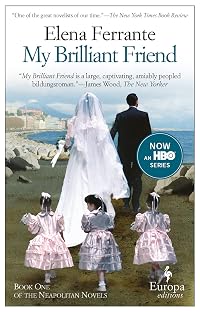
Now an HBO series: the first volume in the New York Times bestselling "enduring masterpiece" (The Atlantic) about a lifelong friendship between two women from Naples.Beginning in the 1950s in a poor but vibrant neighborhood on the outskirts of Naples, Elena Ferrante's four-volume story spans almost sixty years, as its main characters, the fiery and unforgettable Lila and the bookish narrator, Elena, become women, wives, mothers, and leaders, all the while maintaining a complex and at times show more conflicted friendship.
This first novel in the series follows Lila and Elena from their fateful meeting as ten-year-olds through their school years and adolescence. Through the lives of these two women, Ferrante tells the story of a neighborhood, a city, and a country as it is transformed in ways that, in turn, also transform the relationship between two women.
. show less
Tags
Recommendations
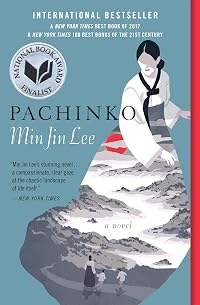
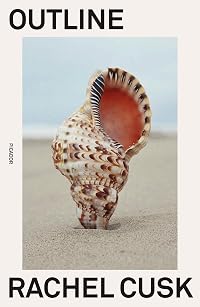
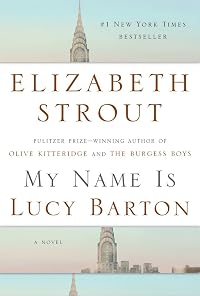
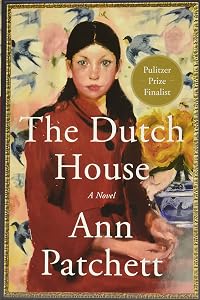



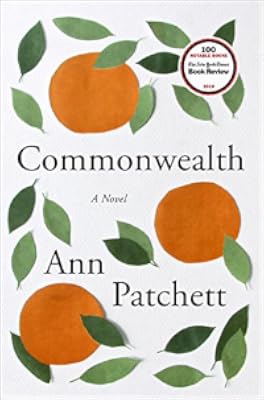
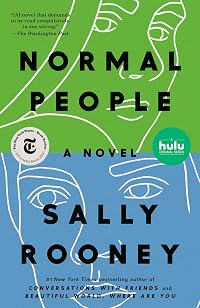
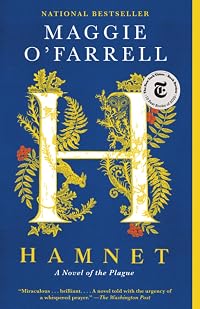
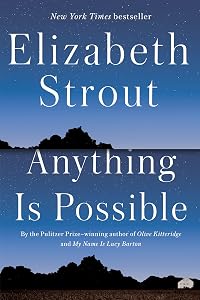
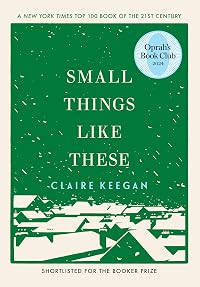
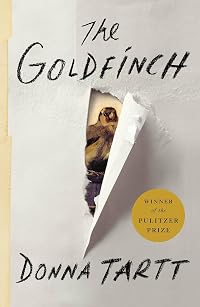
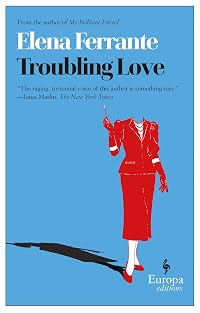
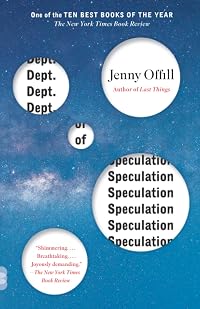
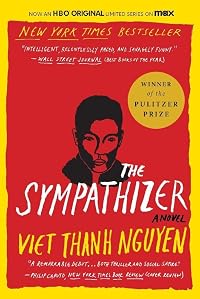
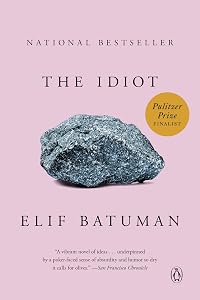
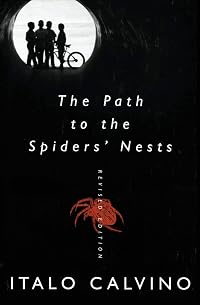
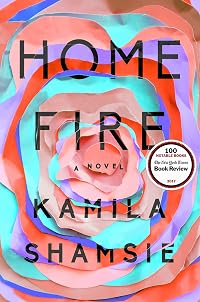
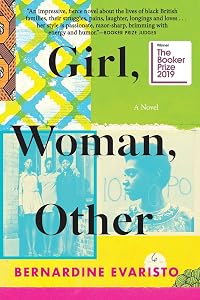

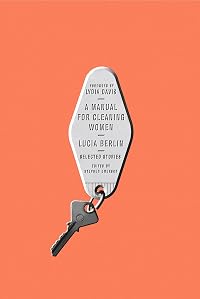
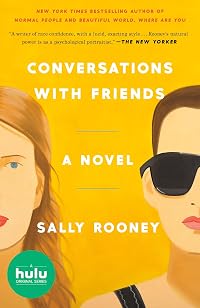
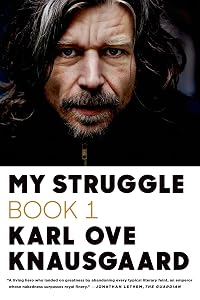
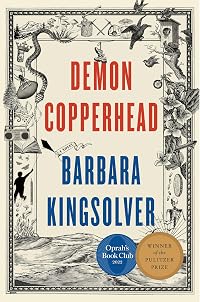
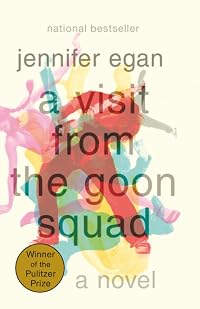
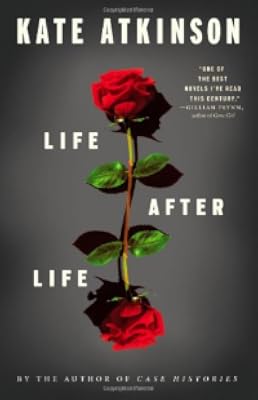
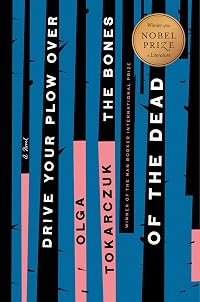
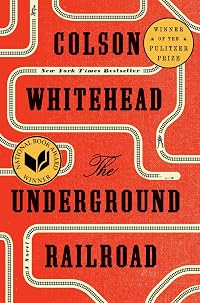
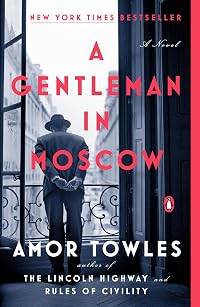
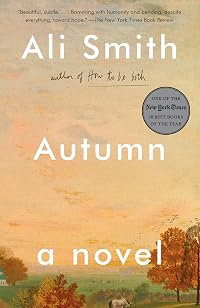
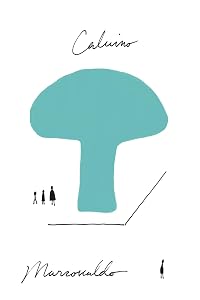
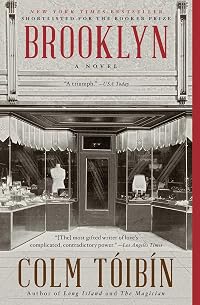
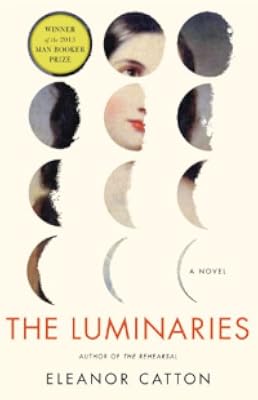

Member Recommendations

susanbooks Both are gorgeous novels about young girls' friendships and how they're complicated by class, family, desire.
20
aileverte Carol Shields and Elena Ferrante have similar sensibilities, write about the lives of slightly less than average women, offer insights into the writer's craft.
RidgewayGirl Both novels center around a girl living in a poor Italian community. Both share the same translator.
Widsith Two books about growing up in Naples in the 1950s, with illuminating differences – Ferrante writing the start of an epic series following girls from the housing estates, De Luca a short, concise look at a boy in the historical centre… both fascinating in divergent ways.
by Romerillo
Member Reviews
This novel is not what it's been portrayed to be -- at least, not as in book reviews, bookshop promotions, or social media content I've come across. It is the better for it.
These portrayals: it's not they completely mistake the novel. Reading My Brilliant Friend as Bildungsroman; as story of a friendship; as soap opera set in a working class Neapolitan neighbourhood -- these are not wrong, but they seem to me incidental. Reflecting on these interpretations as I read through the novel, I recognised what was being picked out, latched onto. But none get to the heart of the book. They seem tropes, ways of telling the story, but not the story.
Though myriad gestures at genre type are freely recognisable throughout the text, the various show more portrayals and reviews somehow each plunk for just one over many on offer, and just as interestingly, seemingly find it unnecessary to even acknowledge there are others. Then, too, the selection seems constrained: few if any mention the distinct irruptions of Weird, the various bits of metafiction dispersed into the narrative.
My reading left the impression that the two protagonists, Elena and Lila, were in fact the same person -- or, not quite the same thing: were one person considered from different vantage points and placed in one story as separate, interacting characters. Lila seems to depict the experience of someone trying to reach potential within their given context (often literally finding unexpected roles within her given social milieux). Elena, the same struggle but looking outside their given context (often through reading novels, or higher education, and new milieux made available by these). The various genre tropes are Ferrante's efforts at describing the person in differing ways, suggesting ultimately that the center of that person's experience is an uneasiness, an inability to fit comfortably or wholly within a single accepted social role. I came to think of My Brilliant Friend as a biography in which the author opted to represent their subject not as one personality, but as two.
If I continue with the remaining novels of the Neapolitan Quartet, I suspect a prevailing motivation will be my curiosity as to whether this reading holds or perhaps expands. show less
These portrayals: it's not they completely mistake the novel. Reading My Brilliant Friend as Bildungsroman; as story of a friendship; as soap opera set in a working class Neapolitan neighbourhood -- these are not wrong, but they seem to me incidental. Reflecting on these interpretations as I read through the novel, I recognised what was being picked out, latched onto. But none get to the heart of the book. They seem tropes, ways of telling the story, but not the story.
Though myriad gestures at genre type are freely recognisable throughout the text, the various show more portrayals and reviews somehow each plunk for just one over many on offer, and just as interestingly, seemingly find it unnecessary to even acknowledge there are others. Then, too, the selection seems constrained: few if any mention the distinct irruptions of Weird, the various bits of metafiction dispersed into the narrative.
My reading left the impression that the two protagonists, Elena and Lila, were in fact the same person -- or, not quite the same thing: were one person considered from different vantage points and placed in one story as separate, interacting characters. Lila seems to depict the experience of someone trying to reach potential within their given context (often literally finding unexpected roles within her given social milieux). Elena, the same struggle but looking outside their given context (often through reading novels, or higher education, and new milieux made available by these). The various genre tropes are Ferrante's efforts at describing the person in differing ways, suggesting ultimately that the center of that person's experience is an uneasiness, an inability to fit comfortably or wholly within a single accepted social role. I came to think of My Brilliant Friend as a biography in which the author opted to represent their subject not as one personality, but as two.
If I continue with the remaining novels of the Neapolitan Quartet, I suspect a prevailing motivation will be my curiosity as to whether this reading holds or perhaps expands. show less
Sometimes I’m late to jump on a bandwagon. I don’t always like to follow the pack and I like to be cautious as to whether said bandwagon is worth catching (for example, I didn’t get stuck into Harry Potter until book 4 was released)! In the case of Elena Ferrante and her Neapolitan novels, I can confirm that it is a bandwagon worth jumping on. Every single second of your time reading the first book, My Brilliant Friend will be worth it. Will you come out a better person? I don’t know, but you certainly will be fully in the grasp of Ferrante Fever.
Sometimes books in translation can be a little stilted or awkward for me. I’m never sure whether this is the author’s intent, the culture of the story or just ‘lost in show more translation’. Ann Goldstein’s translation from Italian to English contains none of this – the story is just as rich, passionate and full of the range of emotions of its protagonists. This book is enchanting, I don’t think I’ve been as wholly taken over by a book since Enid Blyton days. It has a magic touch to it – somehow all the characters come to life as rich as if they were before you. The story is relatively simple – two girls growing up in a poor area of Naples in the late 1950s but at the same time it is complex with the relations between families, friends and how to get ahead.
Book 1 tackles the childhood and adolescence of Elena, who tells the story and Lila (aka Raffaella or Lina). There is a prologue that gives the barest of hints as to what is to come as adults for the pair, but the focus is on their childhood. Elena and Lila become friends after Lila drops Elena’s doll into the cellar. It seems like a strange start to a friendship, but this is no ordinary one. Already the pair are in a relationship that is part destructive, yet will go on to spur both of them to aim higher, do better. This continues until the end of elementary school, where it is decided that Elena will continue her education; Lila becomes lost without education and firm direction, working in the family business and secretly studying. As the girls grow into teenagers, they are driven further apart, yet come together when solace and inspiration is needed. Elena’s story becomes painful at times as she becomes more and more different to her idol Lila – she’s not pretty, she needs glasses and she feels increasingly awkward. There’s the inner turmoil where she considers how far she needs to go with a boy to ‘match’ Lila and the painful experience with the father of the boy she desires.
The entire story reads as though it was Elena Ferrante telling her story. The author is reclusive, nobody knows who she is (or if she is a man, a group of writers or her history). So it’s somewhat contradictory at how open the story is. Elena the character tells it all, there are no secrets, allusions or mysterious symbolism – what you read is what you get. Of course, you can read into the story and what the characters symbolise deeply: why is Lila’s brother Nino such a hot-headed, lazy idiot? What is the role of Donato Sarretore as poet, conductor and alleged friend/lover of widows? Are Lila and Elena symbolic of Italy?
The emotion conveyed is raw and untempered. Lila and Elena are blissfully unaware of their poverty until later in their teens (possibly, Lila is never aware of it at all). Life without fripperies, without new clothes is usual to them. When the local bullies, the Solara brothers, get a car, it’s an event in the neighbourhood. Likewise, beatings are nothing unusual – the children fight each other after seeing their father hit their mother. Elena has never even left the neighbourhood (except for one fanciful journey with Lila) before high school. Nothing is sugar-coated, everything is blunt on the page.
It’s perhaps this simplicity that makes My Brilliant Friend so engaging. It doesn’t pretend to be anything fancy, but a story. It is one that is everlasting and will take over your thoughts while you’re reading it and beyond. I enjoyed it so much that I will need to read the other three books in the series very, very soon.
For more reviews, please visit http://samstillreading.wordpress.com show less
Sometimes books in translation can be a little stilted or awkward for me. I’m never sure whether this is the author’s intent, the culture of the story or just ‘lost in show more translation’. Ann Goldstein’s translation from Italian to English contains none of this – the story is just as rich, passionate and full of the range of emotions of its protagonists. This book is enchanting, I don’t think I’ve been as wholly taken over by a book since Enid Blyton days. It has a magic touch to it – somehow all the characters come to life as rich as if they were before you. The story is relatively simple – two girls growing up in a poor area of Naples in the late 1950s but at the same time it is complex with the relations between families, friends and how to get ahead.
Book 1 tackles the childhood and adolescence of Elena, who tells the story and Lila (aka Raffaella or Lina). There is a prologue that gives the barest of hints as to what is to come as adults for the pair, but the focus is on their childhood. Elena and Lila become friends after Lila drops Elena’s doll into the cellar. It seems like a strange start to a friendship, but this is no ordinary one. Already the pair are in a relationship that is part destructive, yet will go on to spur both of them to aim higher, do better. This continues until the end of elementary school, where it is decided that Elena will continue her education; Lila becomes lost without education and firm direction, working in the family business and secretly studying. As the girls grow into teenagers, they are driven further apart, yet come together when solace and inspiration is needed. Elena’s story becomes painful at times as she becomes more and more different to her idol Lila – she’s not pretty, she needs glasses and she feels increasingly awkward. There’s the inner turmoil where she considers how far she needs to go with a boy to ‘match’ Lila and the painful experience with the father of the boy she desires.
The entire story reads as though it was Elena Ferrante telling her story. The author is reclusive, nobody knows who she is (or if she is a man, a group of writers or her history). So it’s somewhat contradictory at how open the story is. Elena the character tells it all, there are no secrets, allusions or mysterious symbolism – what you read is what you get. Of course, you can read into the story and what the characters symbolise deeply: why is Lila’s brother Nino such a hot-headed, lazy idiot? What is the role of Donato Sarretore as poet, conductor and alleged friend/lover of widows? Are Lila and Elena symbolic of Italy?
The emotion conveyed is raw and untempered. Lila and Elena are blissfully unaware of their poverty until later in their teens (possibly, Lila is never aware of it at all). Life without fripperies, without new clothes is usual to them. When the local bullies, the Solara brothers, get a car, it’s an event in the neighbourhood. Likewise, beatings are nothing unusual – the children fight each other after seeing their father hit their mother. Elena has never even left the neighbourhood (except for one fanciful journey with Lila) before high school. Nothing is sugar-coated, everything is blunt on the page.
It’s perhaps this simplicity that makes My Brilliant Friend so engaging. It doesn’t pretend to be anything fancy, but a story. It is one that is everlasting and will take over your thoughts while you’re reading it and beyond. I enjoyed it so much that I will need to read the other three books in the series very, very soon.
For more reviews, please visit http://samstillreading.wordpress.com show less
Many years ago, in the early 90's I think, I had a conversation with a creative writing instructor at a well known university about why no one teaches Somerset Maugham. I consider him to be one of the finest storytellers ever and would argue that he documented a time and place and subculture as well and Fitzgerald did a slightly different one. He didn't disagree with me about the quality of Maugham's catalogue, but said that the writing style felt dated, and that there was not much to teach from those texts. I thought about that conversation a lot while I read this book because in reading it I finally had a response to that assertion. I love well-crafted prose (really, look at what I read, Columbia and Syracuse and Iowa writers are show more really overrepresented.) But even more than I love the craft of great writing I love the art of great storytelling. This is great storytelling! In my imagination I became a smart working class Neapolitan girl as I read this. And who doesn't love a story about plucky smart girls? Elena and Lila grabbed me like Lizzy Bennett, and Jo March, and Anne Shirley grabbed me. This tale is more sophisticated than Anne of Green Gables or Little Women (a book our heroines fall in love with in this book), but there are parallels. A nuanced and engrossing and authentic story very, very well told. Brava! I am going to get the next book this week. I need to know what happens next!
Addendum: I listened to the audiobook for this, and the reader was very good. show less
Addendum: I listened to the audiobook for this, and the reader was very good. show less
I wasn't sure at first if this was going to turn into a sappy, girly friendship, happy ending story. Nope! I kept feeling drawn onward and ended up being impressed. It is a relationship story between two girls starting in childhood, yet it is much more. It is the story of two smart girls caught in their local culture which strives valiantly to keep them from leaving socially and intellectually. Such an emotional, subtle battle! It is the story of the superficial versus the profound, of emerging whole versus being subsumed, and of the painfully confusing process of sorting it all out. How does one allow the life of the mind to fly freely while simultaneously finding a way to remain among one's cultural home and stay sane. I show more wholeheartedly look forward to the second of this four volume set. show less
I wanted to like this book, which was recommended to me, and felt I should like such a character-centric story, but I just didn't. Getting through 300 pages took me a week, a break to read something else and the strong urge to DNF. I think my main issue was with the fate of the narrator and her friend - possessive men, poverty and motherhood, when the girls are still children themselves - which is no doubt historically accurate and the point of the story but was deeply depressing to read this side of 1950s Italy. That Elena and Lila are both intelligent enough to realise that they need to use their minds before men can use their bodies makes their situation even worse. Run, girls, run!
I know this is the first book in a series and I'm show more hoping for better things in Elena's future, but I don't think I can stand another three hundred pages of domestic drudgery and abuse just yet. show less
I know this is the first book in a series and I'm show more hoping for better things in Elena's future, but I don't think I can stand another three hundred pages of domestic drudgery and abuse just yet. show less
[bc:My Brilliant Friend|13586707|My Brilliant Friend (The Neapolitan Novels, #1)|Elena Ferrante|https://d.gr-assets.com/books/1343064947s/13586707.jpg|19174054]
My Brilliant Friend - Ferrante
Audio performance by H. Huber
4 stars
This book disturbed me. It left me unsettled. That is a good indication of a well written book, but it doesn’t bode well for my interest in reading the rest of series.
I thought it would be a story of a supportive, lifelong friendship. This friendship may be lifelong, but even in its earlier stages, Elena and Lila’s relationship seems unhealthy. I’ve seen it described as a love/hate friendship and that is part of it. It’s also competitive, manipulative, and desperate. These girls are a reflection of the show more poor, restricted, violent culture of their Napolian neighborhood. Their options are limited. Ferrante’s first person storytelling is very intense. I could see the potential disasters ahead for each of these girls as they stretch the limits placed on them. I just didn’t feel any of the joy or warmth that might balance the relationship or soothe the scars. It’s powerful writing, but it left me feeling depressed. show less
My Brilliant Friend - Ferrante
Audio performance by H. Huber
4 stars
This book disturbed me. It left me unsettled. That is a good indication of a well written book, but it doesn’t bode well for my interest in reading the rest of series.
I thought it would be a story of a supportive, lifelong friendship. This friendship may be lifelong, but even in its earlier stages, Elena and Lila’s relationship seems unhealthy. I’ve seen it described as a love/hate friendship and that is part of it. It’s also competitive, manipulative, and desperate. These girls are a reflection of the show more poor, restricted, violent culture of their Napolian neighborhood. Their options are limited. Ferrante’s first person storytelling is very intense. I could see the potential disasters ahead for each of these girls as they stretch the limits placed on them. I just didn’t feel any of the joy or warmth that might balance the relationship or soothe the scars. It’s powerful writing, but it left me feeling depressed. show less
Elena, Mitte 60, erhält einen überraschenden Anruf vom Sohn ihrer besten Freundin Lila: Diese ist verschwunden. Und mit ihr alles, was in irgendeiner Form ein Beweis für ihre Existenz sein könnte. Elena ist davon weit weniger überrascht als Lilas Sohn und nimmt dieses Ereignis zum Anlass, die Geschichte ihrer Freundschaft schriftlich festzuhalten.
Sie beginnt Mitte der 50er Jahre im Rione, einem armen Viertel von Neapel. Vermögend ist dort niemand (und wenn, dann bestimmt nicht auf legalem Weg), Gewalt bestimmt den Alltag. Man verdient nicht viel, trinkt dafür umso mehr und Streitigkeiten werden mit den Fäusten ausgetragen und vererben sich von den Eltern auf die Kinder. Hier begegnen sich die freche Lila und die schüchterne show more Elena und sind bald unzertrennlich. Sie wetteifern darum, wer die Beste in der Schule ist, was Lila überaus leicht fällt. Doch während Elenas fleißiges Lernen mit dem Besuch einer weiterführenden Schule belohnt wird, muss Lila in der Schusterei ihres Vaters mithelfen.
Es ist eine grausame und archaische Zeit, in der die beiden Mädchen aufwachsen. Doch Lila verfügt über eine derart große Intelligenz, Wissbegier und ein immenses Selbstbewusstsein, dass sich selbst die Jungen vor ihr fürchten und manche Erwachsene eingeschüchtert sind. Elena, ebenfalls intelligent, findet in Lila ein Vorbild, dass ihr die Kraft gibt, sich anzustrengen um in der Schule voranzukommen - ein Weg, der Lila verwehrt bleibt. Während Elena eine Klasse nach der anderen besucht und sogar auf das Gymnasium kommt, wird es für Lila immer schwieriger je älter sie wird, ihre Unabhängigkeit zu bewahren.
Das Buch ist weit mehr als 'nur' die Geschichte einer Kinder- und Jugendfreundschaft. Die unter einem Pseudonym schreibende Autorin lässt ein Neapel auferstehen, das ich beim Lesen stets deutlich vor Augen hatte: die Armut, den Dreck, die heruntergekommenen Häuser und mittendrin die Menschen, die sich so gut wie möglich durchschlagen. Es ist ein Sittengemälde des Neapels der Fünfziger Jahre, das so eindrucksvoll und überzeugend geschrieben ist, dass ich mit an Sicherheit grenzender Wahrscheinlichkeit auch die folgenden Bände lesen werde, die in Italien bereits vor mehreren Jahren erschienen sind. Vielleicht ist es nicht ganz einfach zu lesen (jede Menge 'Personal' mit italienischen Namen - aber es gibt ein Personenverzeichnis) und nicht immer eine chronologische Erzählweise, aber die Mühe lohnt sich. Mir sind alle Figuren sehr ans Herz gewachsen und ich freue mich schon auf den Folgeband! show less
Sie beginnt Mitte der 50er Jahre im Rione, einem armen Viertel von Neapel. Vermögend ist dort niemand (und wenn, dann bestimmt nicht auf legalem Weg), Gewalt bestimmt den Alltag. Man verdient nicht viel, trinkt dafür umso mehr und Streitigkeiten werden mit den Fäusten ausgetragen und vererben sich von den Eltern auf die Kinder. Hier begegnen sich die freche Lila und die schüchterne show more Elena und sind bald unzertrennlich. Sie wetteifern darum, wer die Beste in der Schule ist, was Lila überaus leicht fällt. Doch während Elenas fleißiges Lernen mit dem Besuch einer weiterführenden Schule belohnt wird, muss Lila in der Schusterei ihres Vaters mithelfen.
Es ist eine grausame und archaische Zeit, in der die beiden Mädchen aufwachsen. Doch Lila verfügt über eine derart große Intelligenz, Wissbegier und ein immenses Selbstbewusstsein, dass sich selbst die Jungen vor ihr fürchten und manche Erwachsene eingeschüchtert sind. Elena, ebenfalls intelligent, findet in Lila ein Vorbild, dass ihr die Kraft gibt, sich anzustrengen um in der Schule voranzukommen - ein Weg, der Lila verwehrt bleibt. Während Elena eine Klasse nach der anderen besucht und sogar auf das Gymnasium kommt, wird es für Lila immer schwieriger je älter sie wird, ihre Unabhängigkeit zu bewahren.
Das Buch ist weit mehr als 'nur' die Geschichte einer Kinder- und Jugendfreundschaft. Die unter einem Pseudonym schreibende Autorin lässt ein Neapel auferstehen, das ich beim Lesen stets deutlich vor Augen hatte: die Armut, den Dreck, die heruntergekommenen Häuser und mittendrin die Menschen, die sich so gut wie möglich durchschlagen. Es ist ein Sittengemälde des Neapels der Fünfziger Jahre, das so eindrucksvoll und überzeugend geschrieben ist, dass ich mit an Sicherheit grenzender Wahrscheinlichkeit auch die folgenden Bände lesen werde, die in Italien bereits vor mehreren Jahren erschienen sind. Vielleicht ist es nicht ganz einfach zu lesen (jede Menge 'Personal' mit italienischen Namen - aber es gibt ein Personenverzeichnis) und nicht immer eine chronologische Erzählweise, aber die Mühe lohnt sich. Mir sind alle Figuren sehr ans Herz gewachsen und ich freue mich schon auf den Folgeband! show less
Members
- Recently Added By
Lists

Recommend the 20 best books you've read in the last five years
2,168 works; 601 members

Favourite Books
1,819 works; 316 members

Best 21st Century Books (So Far)
670 works; 85 members

Top Five Books of 2013
1,562 works; 715 members

Italian Literature
558 works; 39 members

Books Set in Italy
167 works; 19 members

Female Author
1,234 works; 67 members

Best Feminist Literature
188 works; 26 members

Top Five Books of 2015
811 works; 241 members

The Guardian's 100 best books of the 21st century
100 works; 21 members

Top Five Books of 2017
757 works; 230 members

Best Friendship Stories
205 works; 16 members
Top Five Books of 2018
802 works; 264 members
EU Fiction: 1950-2022
223 works; 70 members

Top Five Books of 2014
1,064 works; 398 members

Vulture's 100 Best Books of the 21st Century (So Far)
98 works; 9 members

50 Books by Women Authors
50 works; 10 members

Books Read in 2017
4,249 works; 129 members

Books Read in 2016
4,666 works; 197 members

Five star books
1,767 works; 110 members

One Book, Many Authors
441 works; 40 members

Fiction about the Working Class
74 works; 10 members

Finished in 2020
12 works; 2 members

A's favorite novels
100 works; 3 members

Books on my Kindle
162 works; 3 members
Books Read in 2015
3,299 works; 126 members

2016 UpROOTed
11 works; 1 member

Books Read in 2020
4,379 works; 124 members

NYT Readers best of 21st C
100 works; 8 members

Favorite Books in Translation
320 works; 133 members

Books Read in 2024
4,623 works; 126 members

Retrospective of 20th- and 21st-century literature
154 works; 1 member

el
1,139 works; 1 member

Coming of Age
33 works; 1 member

.
184 works; 1 member

Class mobility in fiction
18 works; 1 member

1001 Books You Must Read Before You Die
1,448 works; 1,134 members
NYT 100 best books of 21st C
100 works; 31 members
IMPAC Dublin Literary Award 2014 longlist
150 works; 3 members

Top Five Books of 2023
767 works; 317 members

Queen Camilla's Reading Room
65 works; 6 members

Mustich's 1000 Books to Read Before You Die: A Life Changing List
1,001 works; 19 members

books featured on the book struggles twt
97 works; 2 members

Books Read in 2019
4,052 works; 110 members
Overdue Podcast
806 works; 9 members

2021
26 works; 1 member
Ten Novels About Disappearing
10 works; 1 member

KayStJ's to-read list
1,616 works; 11 members

Anti-heroines in fiction
59 works; 9 members
Book Recommendations Masterlist
28 works; 1 member
Author Information
44+ Works 28,015 Members
Elena Ferrante was born in Naples, Italy. Her work includes Those Who Leave and Those Who Stay, The Story of the Lost Child, The Story of a New Name, The Lost Daughter, Fragments, and My Brilliant Friend. She is the author of My Brilliant Friend which made The New York Times Bestsellers List and The New Zealand Best Seller List 2015. She was show more included on Time magazine's annual list of the 100 most influential people in the world. (Bowker Author Biography) show less
Some Editions
Awards and Honors
Awards
Distinctions
Notable Lists
Series

Belongs to Publisher Series
Work Relationships
Is contained in
Has the adaptation
Has as a reference guide/companion
Common Knowledge
- Canonical title
- My Brilliant Friend
- Original title
- L'amica geniale
- Alternate titles*
- L'amie prodigieuse. Tome 1 : L'amie prodigieuse, enfance, adolescence
- Original publication date
- 2011 (1e édition originale italienne) (1e édition originale italienne); 2014-10-01 (1e traduction et édition française, Du monde entier, Gallimard) (1e traduction et édition française, Du monde entier, Gallimard); 2016-01-01 (Réédition française, Folio, Gallimard) (Réédition française, Folio, Gallimard)
- People/Characters
- Raffaella "Lila" Cerullo; Elena Greco (Lenuccia); Nino Sarratore; Rino Cerullo; Stefano Carracci; Pasquale Peluso (show all 12); Carmela Peluso; Ada Cappuccio; Antonio Cappuccio; Enzo Scanno; Marcello Solara; Michele Solara
- Important places
- Naples, Campania, Italy; Italy; Ischia, Campania, Italy
- Related movies
- My Brilliant Friend (2018 | IMDb)
- Epigraph
- THE LORD: Therein thou’rt free, according to thy merits;
The like of thee have never moved My hate.
Of all the bold, denying Spirits,
The waggish knave least trouble doth create.
Man’s active n... (show all)ature, flagging, seeks too soon the level;
Unqualified repose he learns to crave;
Whence, willingly, the comrade him I gave,
Who works, excites, and must create, as Devil.--J.W. GOETHE, Faust, translation by Baynard Taylor - Dedication*
- /
- First words
- This morning Rino telephoned.
- Last words
- (Click to show. Warning: May contain spoilers.)Era il paio che lei aveva realizzato insieme a Rino facendo e disfacendo per mesi, rovinandosi le mani.
(Click to show. Warning: May contain spoilers.)It was the pair she had made with Rino, making and unmaking them for months, ruining her hands. - Blurbers
- Wise, Louis; Gilmore, Jennifer; Lahiri, Jhumpa; Proctor, Minna; Gould, Emily; Sebold, Alice (show all 7); Wood, James
- Original language
- Italian
- Canonical DDC/MDS
- 853.92; 853.914
- Canonical LCC
- PQ4866.E6345
*Some information comes from Common Knowledge in other languages. Click "Edit" for more information.
Classifications
- Genres
- General Fiction, Fiction and Literature, Historical Fiction
- DDC/MDS
- 853.92 — Literature & rhetoric Italian, Romanian & related literatures Italian fiction 1900- 21st Century
- LCC
- PQ4866 .E6345 — Language and Literature French, Italian, Spanish and Portuguese literatures Italian literature Individual authors, 1961-2000
- BISAC
Statistics
- Members
- 9,510
- Popularity
- 1,092
- Reviews
- 389
- Rating
- (3.89)
- Languages
- 26 — Arabic, Bosnian, Catalan, Chinese, Czech, Danish, Dutch, English, Estonian, Finnish, French, German, Greek, Hungarian, Icelandic, Italian, Norwegian (Nynorsk), Norwegian, Polish, Portuguese, Romanian, Russian, Croatian, Spanish, Swedish, Turkish
- Media
- Paper, Audiobook, Ebook
- ISBNs
- 134
- UPCs
- 1
- ASINs
- 31
