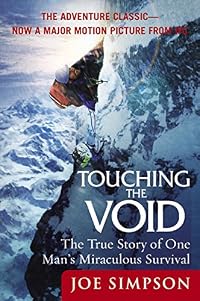
Touching the Void: The True Story of One Man's Miraculous Survival
by Joe Simpson
On This Page
Description
The 25th Anniversary ebook, now with more than 50 images. 'Touching the Void' is the tale of two mountaineer's harrowing ordeal in the Peruvian Andes. In the summer of 1985, two young, headstrong mountaineers set off to conquer an unclimbed route. They had triumphantly reached the summit, when a horrific accident mid-descent forced one friend to leave another for dead. Ambition, morality, fear and camaraderie are explored in this electronic edition of the mountaineering classic, with never show more before seen colour photographs taken during the trip itself. show lessTags
Recommendations




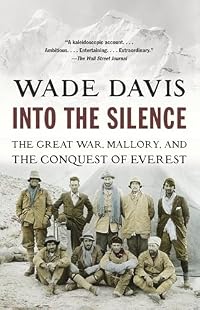
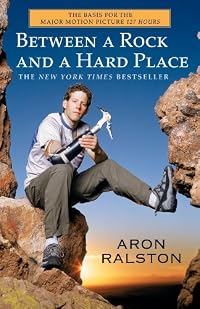
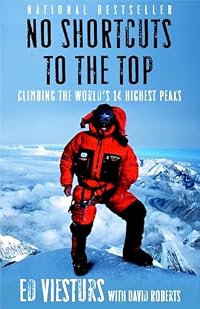
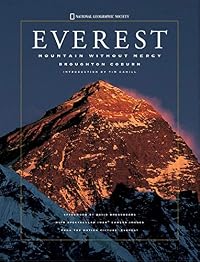
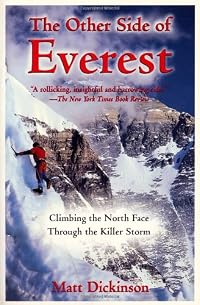
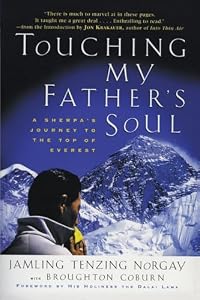
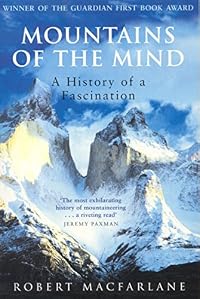
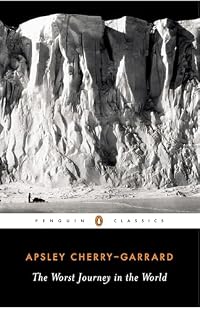

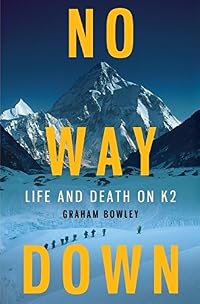
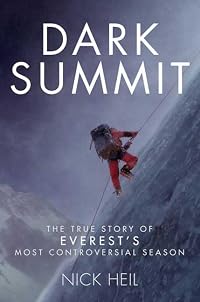


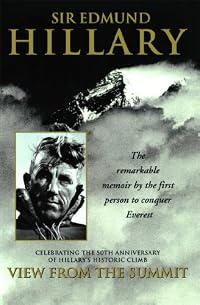
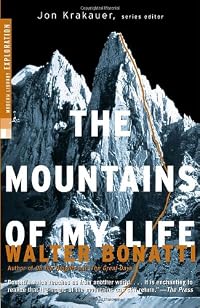
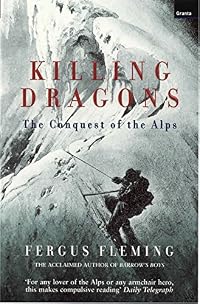
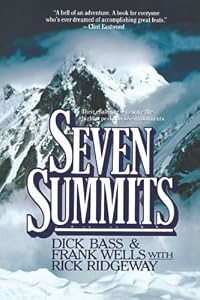




Member Recommendations
blondegarnet For some reason, I am captivated by mountaineering books (possibly my life is the opposite of exciting; therefore, I'm living my life vicariously through such books). Since reading Into Thin Air, I can't get enough, and Dark Summit was captivating.
srdr Although this book is about WW II rather than mountain climbing, it is an equally gripping survival story set in the mountains of Norway.
Frozen in Time: An Epic Story of Survival and a Modern Quest for Lost Heroes of World War II by Mitchell Zuckoff
srdr A WW II story about survival under arctic conditions.
Member Reviews
Set 10 years before Jon Krakauer's account of the Everest disaster in Into Thin Air, the setting of this mountaineering disaster memoir is Siula Grande in Peru.
The premise of these mountaineering disaster books is generally familiar - a group of total nut jobs decide to scale some utterly impossible mountain face, weather closes in, horrific accident happens. Nonetheless, these climbing books draw me in every time. The mountains are my happy place, and when I watched serious climbers going up and down the Mont Blanc cable car in Chamonix a couple of years ago I had a stab of envy at their nerve, their freedom of not being held back by their fears. I could never take the risks they take (I worry about the ski lifts holding), but I'm show more quite happy to join in their adventures from my armchair. It's interesting that so many mountaineers are truly excellent writers as well, and Joe Simpson is no exception.
Touching the Void is famous for recounting the disaster where Simpson's climbing mate Simon Yates ends up cutting the rope that Simpson is dangling from over the side of a cliff to save himself. The subsequent documentary film that followed the book left Yates feeling angry that it was a one-sided portrayal of the accident, with the film leaving out the extensive hours he'd spent trying to save Simpson's life before he made that fateful decision. In this memoir, Simpson is unequivocal in his support for Yates' actions. Having fallen and badly broken his leg, Yates spent hours lowering Simpson down the mountain before unwittingly lowering him over a cliff in the dark. With Simpson tangling in mid air, when the rope ran out Yates was unable to pull Simpson back up, and as Simpson's weight would ultimately pull him off the mountain too he eventually took the decision to cut Simpson away.
This is the ultimate story of survival against the odds, and despite falling many feet down a crevasse Simpson somehow survives and manages to literally crawl back to camp three days later (I hope this isn't a spoiler, but as he wrote the book I think it's fairly obvious that he didn't die).
My own perspective on Yates' action is that yes, he had no other choice if he wanted to stay alive, and Simpson was likely to die anyway either way. However, I did find myself questioning his actions after he got down the mountain and regained some strength. He automatically assumed that Simpson was dead and made no attempt to go back to the lower slopes of the mountain to check, or to see if the body could be recovered for his family. The two climbers had no radios and were climbing in a very remote area without any rescue helicopters on speed dial, so I was surprised that he was so quick to assume the worst and not clutch on to any chance of survival and rescue. He was only 21 at the time, and part of me wonders if he feared Simpson giving a more damning perspective of his actions if he survived. Some sections were Yates' account (written by Simpson but with Yates' input and blessing), and I was surprised by his cool mental ability after a day or so to try to already put the accident behind him. The two are no longer friends today, with Yates stating that they "no longer have anything in common", and I'm not overly surprised.
The fact that Simpson carried on climbing after two years of rehabilitation, and went on to have another accident in a serious mountain climb tells you everything about the mentality of mountaineers. They know the risks are very real, but the pull of the mountain and the climbing experience transcends everything.
5 stars - I was totally gripped by this book and would have read it in one sitting if circumstances had allowed. The quality of writing was excellent, and I'll definitely be seeking out some of Simpson's other titles. show less
The premise of these mountaineering disaster books is generally familiar - a group of total nut jobs decide to scale some utterly impossible mountain face, weather closes in, horrific accident happens. Nonetheless, these climbing books draw me in every time. The mountains are my happy place, and when I watched serious climbers going up and down the Mont Blanc cable car in Chamonix a couple of years ago I had a stab of envy at their nerve, their freedom of not being held back by their fears. I could never take the risks they take (I worry about the ski lifts holding), but I'm show more quite happy to join in their adventures from my armchair. It's interesting that so many mountaineers are truly excellent writers as well, and Joe Simpson is no exception.
Touching the Void is famous for recounting the disaster where Simpson's climbing mate Simon Yates ends up cutting the rope that Simpson is dangling from over the side of a cliff to save himself. The subsequent documentary film that followed the book left Yates feeling angry that it was a one-sided portrayal of the accident, with the film leaving out the extensive hours he'd spent trying to save Simpson's life before he made that fateful decision. In this memoir, Simpson is unequivocal in his support for Yates' actions. Having fallen and badly broken his leg, Yates spent hours lowering Simpson down the mountain before unwittingly lowering him over a cliff in the dark. With Simpson tangling in mid air, when the rope ran out Yates was unable to pull Simpson back up, and as Simpson's weight would ultimately pull him off the mountain too he eventually took the decision to cut Simpson away.
This is the ultimate story of survival against the odds, and despite falling many feet down a crevasse Simpson somehow survives and manages to literally crawl back to camp three days later (I hope this isn't a spoiler, but as he wrote the book I think it's fairly obvious that he didn't die).
My own perspective on Yates' action is that yes, he had no other choice if he wanted to stay alive, and Simpson was likely to die anyway either way. However, I did find myself questioning his actions after he got down the mountain and regained some strength. He automatically assumed that Simpson was dead and made no attempt to go back to the lower slopes of the mountain to check, or to see if the body could be recovered for his family. The two climbers had no radios and were climbing in a very remote area without any rescue helicopters on speed dial, so I was surprised that he was so quick to assume the worst and not clutch on to any chance of survival and rescue. He was only 21 at the time, and part of me wonders if he feared Simpson giving a more damning perspective of his actions if he survived. Some sections were Yates' account (written by Simpson but with Yates' input and blessing), and I was surprised by his cool mental ability after a day or so to try to already put the accident behind him. The two are no longer friends today, with Yates stating that they "no longer have anything in common", and I'm not overly surprised.
The fact that Simpson carried on climbing after two years of rehabilitation, and went on to have another accident in a serious mountain climb tells you everything about the mentality of mountaineers. They know the risks are very real, but the pull of the mountain and the climbing experience transcends everything.
5 stars - I was totally gripped by this book and would have read it in one sitting if circumstances had allowed. The quality of writing was excellent, and I'll definitely be seeking out some of Simpson's other titles. show less
Joe Simpson and Simon Yates went to Peru to make a first climb of the West face of Siula Grande, 21,000 feet. The climb is harrowing and a bit reckless (supplies for 4 days, no pre-study of weather conditions, no tents) though not total amateurs. After finally making the summit and starting the descent, Joe falls and breaks his leg. The route gets altered and the weather worsens. Simon uses controlled drops/slides to lower Joe until Joe goes over a cliff. Simon is slowly being pulled off the face with no hope of pulling Joe up. He finally cuts the rope to save himself. Joe drops to a glacier field and then through a snow cover into a crevasse. Guilt and sorrow plagues Simon on the rest of the trip to base camp and he delays leaving show more hoping for the impossible. Meanwhile Joe spends 3 days with no food or water crawling back to camp. The crevasse escape seeming like the end at every drop. The story is tense and thought-provoking. Controversy arose over Simon's decision, though not from Joe. The book was made into a documentary in 2003. I'll have to see if I can find a copy. show less
A real-life survival story that is scarcely believable, Touching the Void is, to begin with, scarcely readable but goes on to become a psychological tour de force. The first fifty or sixty pages are a slog, as the build-up to the disaster lacks any real, well, build-up. There's no attempt at providing context or explanation to the trek or a portrait of mountaineering in itself, leaving the reader at a loss. There's also a lot of jargon unexplained, from belays and sticht plates to cols and Prussik knots, and the writing in this early part is clunky and laden with unnecessary prosing. In these early sections, it's almost as if the text was written for serialization in a mountaineering magazine than for the general public.
All of these show more middling concerns go out the window when disaster strikes at around page seventy, and the rest of the book is indescribably enthralling. Most people know the story by now: Joe Simpson broke his leg near the top of a fearsome mountain in the Andes and his climbing partner leveraged him down an almost vertical cliff-face in the pitch dark to try and get him to safety. When things go wrong during the descent, Joe's partner Simon is forced to cut the rope holding them together and Joe plunges hundreds of feet into a crevasse. Simon understandably believes Joe to be dead and returns to camp, so Joe crawls out of the crevasse and, without food and water, drags his mushy purpling broken leg – now six inches shorter than his healthy one – through blizzards and over rocky ground back to camp over the course of days.
It is a phenomenal feat of endurance, and in contrast to the early pages is well-told by Simpson. From describing the cringe-inducing gruesomeness of the untreated broken leg, through the terror of the pitch-black descent, the lurch of the severed rope and the existential dread of the crevasse, to the delusion and desperation of the crawl back to camp, Simpson is clear-minded, eloquent and completely riveting. The time spent in the crevasse is particularly astonishing: to my mind no greater expression of the communion between man and the raw forces of nature can be found. There's no story quite like this and, speaking selfishly, it is to our great benefit that the person it all happened to was also one able to tell the story so eloquently. show less
All of these show more middling concerns go out the window when disaster strikes at around page seventy, and the rest of the book is indescribably enthralling. Most people know the story by now: Joe Simpson broke his leg near the top of a fearsome mountain in the Andes and his climbing partner leveraged him down an almost vertical cliff-face in the pitch dark to try and get him to safety. When things go wrong during the descent, Joe's partner Simon is forced to cut the rope holding them together and Joe plunges hundreds of feet into a crevasse. Simon understandably believes Joe to be dead and returns to camp, so Joe crawls out of the crevasse and, without food and water, drags his mushy purpling broken leg – now six inches shorter than his healthy one – through blizzards and over rocky ground back to camp over the course of days.
It is a phenomenal feat of endurance, and in contrast to the early pages is well-told by Simpson. From describing the cringe-inducing gruesomeness of the untreated broken leg, through the terror of the pitch-black descent, the lurch of the severed rope and the existential dread of the crevasse, to the delusion and desperation of the crawl back to camp, Simpson is clear-minded, eloquent and completely riveting. The time spent in the crevasse is particularly astonishing: to my mind no greater expression of the communion between man and the raw forces of nature can be found. There's no story quite like this and, speaking selfishly, it is to our great benefit that the person it all happened to was also one able to tell the story so eloquently. show less
Amazing true story of climbers Joe Simpson and Simon Yates and their horrifying ordeal on Siula Grande in 1985 in the Peruvian Andes. After reaching the summit via the previously unclimbed west face, they ran into trouble on the descent. Joe Simpson takes the reader through his near-death experience on the mountain. During the critical segments of the climb, Simon Yates’s perspective is included. The writing is wonderful, especially considering Simpson never set out to be a writer. It is filled with vivid descriptions of the terrain as well as the details of mountaineering techniques. I felt fully immersed in the narrative. Simpson has a knack for conveying his innermost thoughts and emotions in a relatable manner. It is intense and show more engrossing. It is a story of physical and psychological trauma, as well as one of friendship. I have always been fascinated by those who take extreme risks to accomplish a self-imposed goal, and especially if they involve activities in an exceptionally cold environment. Highly recommended to those who enjoy true stories of survival, mountaineering, or extremely perilous adventures. show less
Since I deliberately seek out books about mountaineering disasters and obssess about those just as much as the mountains themselves, I can hardly complain that in most of the those books, people die. It's my own damn fault.
Despite that it was so nice to read a book where, just this once, everybody lives! It's quite amazing in that way, but I guess with only three people around, one staying in base camp, the odds for everyone surviving was slightly highter than usual.
Except, the fact that Joe Simpson survive is seriously unbelievable. Since breaking my ankle last year I've become quite sensitive to reading descriptions about bones breaking and oh my gods, I can't believe he managed to do a single thing of what he did with a broken leg, show more nevermind all of them. It took two hours for me to get to a hospital and get some drugs, it took him well over a week. I can't even begin to understand the amount of pain one has to be in to survive that.
I also can't believe he went back to shoot the documentary and there was zero psychological help available to him? True, he doesn't seem like he believes in that kind of thing, but the film crew surely must have known better? No wonder he got panic attacks, especially when they LEFT HIM ALONE!? I liked the documentary, but that was pretty fucked up.
Anyway, this truly is an amazing story about survival at all odds and it's nice to see that sometimes, occassionally, people do manage to beat all the odds. show less
Despite that it was so nice to read a book where, just this once, everybody lives! It's quite amazing in that way, but I guess with only three people around, one staying in base camp, the odds for everyone surviving was slightly highter than usual.
Except, the fact that Joe Simpson survive is seriously unbelievable. Since breaking my ankle last year I've become quite sensitive to reading descriptions about bones breaking and oh my gods, I can't believe he managed to do a single thing of what he did with a broken leg, show more nevermind all of them. It took two hours for me to get to a hospital and get some drugs, it took him well over a week. I can't even begin to understand the amount of pain one has to be in to survive that.
I also can't believe he went back to shoot the documentary and there was zero psychological help available to him? True, he doesn't seem like he believes in that kind of thing, but the film crew surely must have known better? No wonder he got panic attacks, especially when they LEFT HIM ALONE!? I liked the documentary, but that was pretty fucked up.
Anyway, this truly is an amazing story about survival at all odds and it's nice to see that sometimes, occassionally, people do manage to beat all the odds. show less
I had seen the documentary film Touching the Void several years ago so, going in, I knew the story Joe Simpson's book tells. Like many books that are the basis of a film, the book was better and the sense of danger, fear, pain, hopelessness and hopefullness came through even stronger. Most people know the story of the Everest descent tragedy of 1996. Touching the Void tracks the experience of two European climbers testing their skill in the Peruvian Andes in 1985.
Joe Simpson and Simon Yeats set a goal of being the first to climb the previously unscaled west face of Siula Grande. Both were very experienced high mountain climbers having scaled many peaks in Europe, Asia and North America together and with other climbing partners. Both show more were considered strong and capable climbers. Neither were fully prepared for the dangers held in the powder snows of Siula Grande.
Taking a little longer than expected, they overcame the upward obstacles to summit the mountain via the west face. On the way down the north ridge, Joe had a sliding fall and, at the bottom, landed with his knees locked. Now, hikers will tell you that, if you fall, be sure your knees are not locked. Why? Because there is no where for the shock of the sudden stop of your feet to go except up through the bone pushing through the knee. Joe's right leg broke. Badly. Small comfort though it was, the bone did not go through the skin and bleeding was not an additional issue.
But there is a rule. A rule of survival. If there are two climbers and one breaks his leg, ankle or knee, he is left behind. One climber cannot safely and successfully bring down a badly injured climber. Both Joe and Simon knew the rule though neither spoke it. Joe continued to work at moving around obstacles in the snow, slowly crossing about 100 feet. Simon watched from above and thought about Toni Kurz, fighting to stay alive on the Eiger in 1936 while rescuers tried in vain to reach him before he died. Seeing Joe's determination, Simon simply could not abandon him on the mountain, relegating him to a slow and painful death.
They determined a method of setting up a belaying seat where Simon would sit and he would let Joe slide down the slope to the full length of the rope, his leg screaming in pain with each bump or jolt. Then Joe would find a way to ease tension on the rope, like standing up, and Simon would climb down to him. In eight such moves, the pair descended from over 19,000 feet to within 3000 to 2500 feet of the glacier. Simon figured three more of these belaying moves and they would make it to a place where they could move at a much more gentle slope to the glacier. Joe slid downward, massive pain in his broken leg and suddenly he was hanging loose, twisting around at the end of the rope. He had gone over an ice edge they had not seen. But his hands were too cold and the rope too stiff to allow him to tie a Prusik knot that would allow him to ascend the rope. He tried to swing to the ice wall and use his ice axes, but could not get close enough. All he could do was hang there. Wind of a building storm prevented his voice from carrying to Simon.
Above, Simon was aware that Joe must have gone over an edge. For half an hour, then an hour, then an hour and a half, there was no vibration in the rope suggesting Joe was tring to reclimb the rope. For all Simon knew, Joe was unconscious from the pain, hanging at the end of the rope or he was dead. Even before their moves to get Joe down the mountain, Simon had some black fingers and some white ones, certain signs of frostbite. Efforts to get blood flowing back into them failed. It was snowing, there were strong winds and the belay seat was crumbling. If Simon waited, he would die on the mountain. He tied off the rope, scrounged through his backpack and found his knife. Without any more hesitation, Simon sliced through the rope in a single stroke.
Simon managed to create a snow hole, climbed into his sleeping bag and started warming up. He slept fitfully. He woke in the morning to a bright cloudless day, the storm of the night before burying all signs of the drama of the night before. Simon came back down the mountain. He stopped and looked into the deep, black cravasse where Joe's body had fallen. Simon struggled on, getting lost a few times, worrying about crossing the crevasse field near the end of glacier hoping he did not step on a weak snow bridge and end up dead in a crevasse like Joe. He finally got back to camp and told their campmate Richard that Joe was dead.
Now, friend reader, what you must remember from the first sentence of my review is that this book is written by Joe. Not by Simon. By Joe. show less
Joe Simpson and Simon Yeats set a goal of being the first to climb the previously unscaled west face of Siula Grande. Both were very experienced high mountain climbers having scaled many peaks in Europe, Asia and North America together and with other climbing partners. Both show more were considered strong and capable climbers. Neither were fully prepared for the dangers held in the powder snows of Siula Grande.
Taking a little longer than expected, they overcame the upward obstacles to summit the mountain via the west face. On the way down the north ridge, Joe had a sliding fall and, at the bottom, landed with his knees locked. Now, hikers will tell you that, if you fall, be sure your knees are not locked. Why? Because there is no where for the shock of the sudden stop of your feet to go except up through the bone pushing through the knee. Joe's right leg broke. Badly. Small comfort though it was, the bone did not go through the skin and bleeding was not an additional issue.
But there is a rule. A rule of survival. If there are two climbers and one breaks his leg, ankle or knee, he is left behind. One climber cannot safely and successfully bring down a badly injured climber. Both Joe and Simon knew the rule though neither spoke it. Joe continued to work at moving around obstacles in the snow, slowly crossing about 100 feet. Simon watched from above and thought about Toni Kurz, fighting to stay alive on the Eiger in 1936 while rescuers tried in vain to reach him before he died. Seeing Joe's determination, Simon simply could not abandon him on the mountain, relegating him to a slow and painful death.
They determined a method of setting up a belaying seat where Simon would sit and he would let Joe slide down the slope to the full length of the rope, his leg screaming in pain with each bump or jolt. Then Joe would find a way to ease tension on the rope, like standing up, and Simon would climb down to him. In eight such moves, the pair descended from over 19,000 feet to within 3000 to 2500 feet of the glacier. Simon figured three more of these belaying moves and they would make it to a place where they could move at a much more gentle slope to the glacier. Joe slid downward, massive pain in his broken leg and suddenly he was hanging loose, twisting around at the end of the rope. He had gone over an ice edge they had not seen. But his hands were too cold and the rope too stiff to allow him to tie a Prusik knot that would allow him to ascend the rope. He tried to swing to the ice wall and use his ice axes, but could not get close enough. All he could do was hang there. Wind of a building storm prevented his voice from carrying to Simon.
Above, Simon was aware that Joe must have gone over an edge. For half an hour, then an hour, then an hour and a half, there was no vibration in the rope suggesting Joe was tring to reclimb the rope. For all Simon knew, Joe was unconscious from the pain, hanging at the end of the rope or he was dead. Even before their moves to get Joe down the mountain, Simon had some black fingers and some white ones, certain signs of frostbite. Efforts to get blood flowing back into them failed. It was snowing, there were strong winds and the belay seat was crumbling. If Simon waited, he would die on the mountain. He tied off the rope, scrounged through his backpack and found his knife. Without any more hesitation, Simon sliced through the rope in a single stroke.
Simon managed to create a snow hole, climbed into his sleeping bag and started warming up. He slept fitfully. He woke in the morning to a bright cloudless day, the storm of the night before burying all signs of the drama of the night before. Simon came back down the mountain. He stopped and looked into the deep, black cravasse where Joe's body had fallen. Simon struggled on, getting lost a few times, worrying about crossing the crevasse field near the end of glacier hoping he did not step on a weak snow bridge and end up dead in a crevasse like Joe. He finally got back to camp and told their campmate Richard that Joe was dead.
Now, friend reader, what you must remember from the first sentence of my review is that this book is written by Joe. Not by Simon. By Joe. show less
Joe Simpson and his climbing partner Simon Yates make a first ascent on a difficult peak in the Andes. They have barely started their descent when Joe breaks his leg, which is pretty much sure death under the circumstances. Nevertheless they manage somehow to continue down, but they reach am impasse where both can't move anymore. The only way is for Simon to cut the rope on which Joe hangs over the abyss. Miraculously both of them eventually make it back to base camp.
This is a gripping tale, a vivid description of a dangerous climbing adventure. It gives great insights into what motivates people to go on such expeditions. It's also a moving tale of friendship and morality - and free of the mud slinging that is so often part of such show more dramatic tales. It's fascinating to accompany both Joe and Simon on their separate ways down from the mountain, both under the influence of the events and especially for Joe at or beyond their physical limits.
The 25th anniversary edition includes original pictures from the climb and afterwords added later on that revisit critical decisions and recount the impact of going back years later to record some sequences for the movie based on the book. show less
This is a gripping tale, a vivid description of a dangerous climbing adventure. It gives great insights into what motivates people to go on such expeditions. It's also a moving tale of friendship and morality - and free of the mud slinging that is so often part of such show more dramatic tales. It's fascinating to accompany both Joe and Simon on their separate ways down from the mountain, both under the influence of the events and especially for Joe at or beyond their physical limits.
The 25th anniversary edition includes original pictures from the climb and afterwords added later on that revisit critical decisions and recount the impact of going back years later to record some sequences for the movie based on the book. show less
Members
- Recently Added By
Lists

Non-Fiction Worth Reading
1,015 works; 260 members

Accidents, Disasters, and Tragedies
175 works; 7 members

Adventure Travel & Exploration In South America
6 works; 3 members

Books about sports
65 works; 3 members

Best Survival Stories
97 works; 15 members

Folio Society
831 works; 53 members

BBC Radio 4 Bookclub
304 works; 13 members

Books Read in 2015
3,298 works; 129 members

100 Biographies and Memoirs to Read in a (Single) Lifetime
98 works; 12 members
Page Turners
185 works; 11 members
Author Information

10+ Works 4,110 Members
All Editions
Some Editions
Awards and Honors
Awards
Distinctions
Series
Belongs to Publisher Series
Work Relationships
Has the adaptation
Is abridged in
Has as a student's study guide
Common Knowledge
- Original title
- Touching the void
- Original publication date
- 1988
- People/Characters
- Joe Simpson; Simon Yates; Richard; Mackey, Brendan as Joe Simpson
- Important places
- Cordillera Huayhuash, Peru (in the Peruvian Andes); Andes Mountains
- Related movies
- Touching the Void (2003 | IMDb)
- Epigraph
- All men dream: but not equally.
Those who dream by night in the dusty
recesses of their minds wake in the day
to find that it was vanity: but the dreamers
of the day are dangerous men, for they may
act thei... (show all)r dreams with open eyes, to make it
possible.
- T.E. Lawrence, The Seven Pillars of Wisdom - Dedication
- To Simon Yates for a debt I can never repay.
And to those friends who have gone to the mountains and have not returned. - First words
- I was lying in my sleeping bag, staring at the light filtering through the red and green fabric of the dome tent.
- Last words
- (Click to show. Warning: May contain spoilers.)Darkness slipped over the lights and slowly all sounds muffled down to silence.
- Original language
- English
Classifications
- Genres
- Sports and Leisure, Travel, General Nonfiction, Biography & Memoir, Nonfiction
- DDC/MDS
- 796.522092 — Arts & recreation Recreation, sports, and performing arts Athletic and outdoor sports and games Outdoor leisure Walking and exploring by kind of terrain Mountains, hills and rocks standard subdivisions History, geographic treatment, biography
- LCC
- GV199.92 .S57 .A3 — Geography, Anthropology and Recreation Recreation. Leisure Recreation. Leisure
- BISAC
Statistics
- Members
- 2,919
- Popularity
- 6,099
- Reviews
- 78
- Rating
- (4.16)
- Languages
- 16 — Catalan, Chinese, Czech, Danish, Dutch, English, French, German, Hungarian, Italian, Polish, Portuguese, Romanian, Slovenian, Spanish, Swedish
- Media
- Paper, Audiobook, Ebook
- ISBNs
- 65
- ASINs
- 18