On This Page
Description
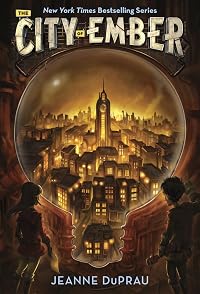
In the year 241, twelve-year-old Lina trades jobs on Assignment Day to be a Messenger to run to new places in her decaying but beloved city, perhaps even to glimpse Unknown Regions.Tags
Recommendations
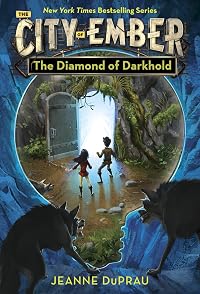
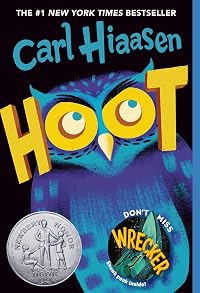
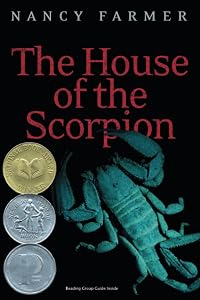
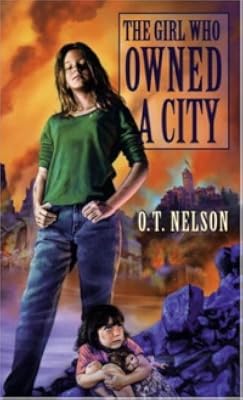
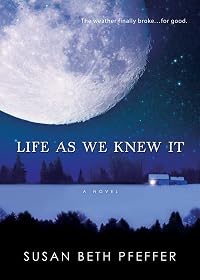
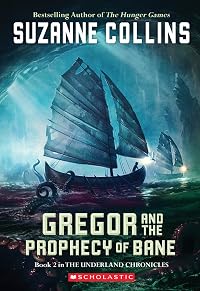
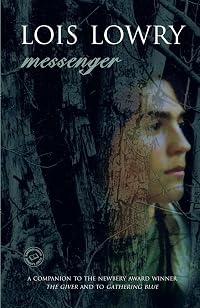
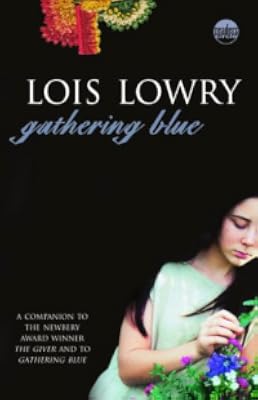
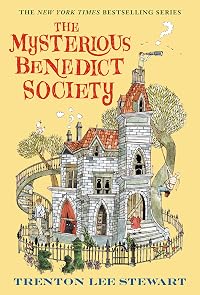
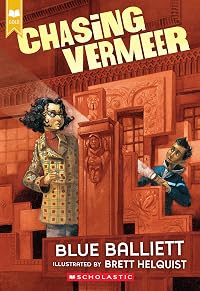
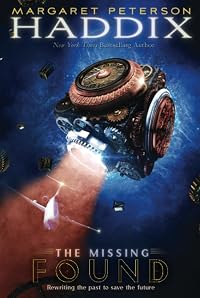
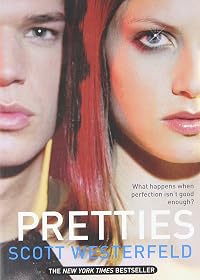
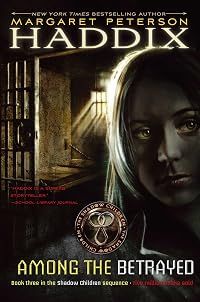
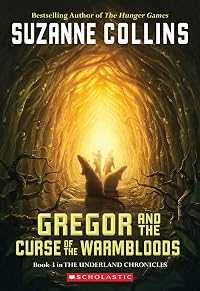
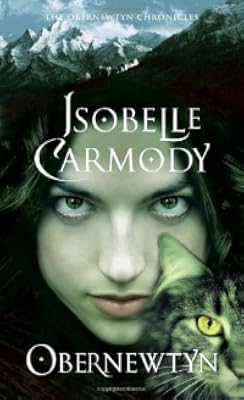
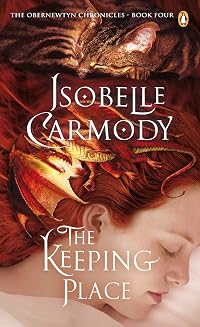
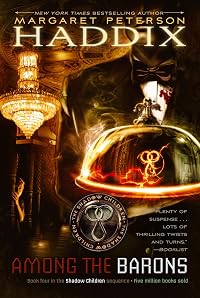


Member Recommendations
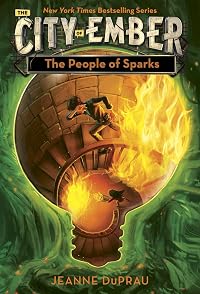
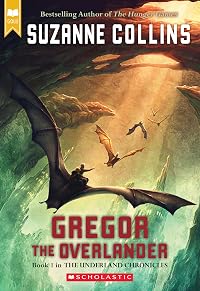
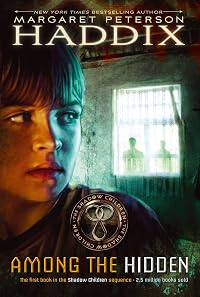
atimco Z for Zachariah treats the same basic theme — the destruction of earth and what the characters must do to survive — but O'Brien's book is much more sophisticated. It's probably not the greatest for young readers, but an adult will find much to enjoy here.
21
FFortuna Mostly dissimilar, but the Redwall books deal with the same kinds of puzzles if that's the draw.



Member Reviews
I'm tempted to attribute the dumbed down world building, logic flaws, and flat characters to the fact that this is written as children's literature, but I've read far too many excellent stories in that category to accept that children don't need or deserve better. Much of the ignorance of the people of Ember is explained at the end - that the adults who were chosen to populate that world were under strict orders to not pass on knowledge of the world before, but that just seems like a cop-out to me. Children ask questions, and their caregivers didn't have anyone preventing them from answering after they were dropped off in Ember. There was no satisfactory explanation for why the Builders demanded that their history be erased. In fact, show more it's nonsensical, if they expected that their descendants would need to emerge from Ember and re-integrate into the outside world some 200 years later. This is just one of the many logical flaws that kept me disengaged from the book. The characters and their relationships with one another had no depth. Lina feels very little grief for her grandmother, and forgets her death almost immediately. She seems to feel very little for her sister except concern when the child wanders off and is lost. When she refuses to leave Ember without her sister later, it seems borne of a sense of responsibility rather than any actual connection. She might as well have been refusing to leave without her only pair of shoes. I finished the story mostly because it was on audio and kept me company while doing some chores around the house, but if I had been actually reading the book, I probably would have put it down halfway through and not picked it up again. show less
The City of Ember by Jeanne Duprau is a delightful young adult read. The main appeal of the Duprau’s tale is the sense of mystery that pervades everything about her cleverly constructed world. In the tale, carefree and impetuous Lina Mayfleet, and her classmate, the more convicted and determined Doon Harrow, find themselves caught up in a centuries old mystery. In the process they become entangled in blackmarket dealings, political malfeasance, and the selfishness of humanity as their aged city begins to fail.
As a parent I really appreciated the value of truth and virtue presented by Duprau in the story. Through the book Duprau touches on the unbecoming responses of humans to an ominous future, covering the gambit from deluded show more activists, self-serving opportunists, and resigned gluttons. Interestingly, throughout all the plights and struggles against the baser human nature, there is a thread of hope and promise that is closely tied to virtue, and compassion. Traits that are clearly praised in the book are dedication, passion, thoughtfulness, and family ties.
If I were to over-analyze the book for its theological grounds I would say that it takes a rather hopeful agnostic approach to the existence of God and things of eternity. As a Christian I was a little worried that the ‘believers’ presented in the world would be used to disparage the undeniably similar Christian faith as some other authors like to do. As it turned out, the believers, while mistaken and perhaps self deceived into apathy toward their plight, were not ridiculed nor did were they presented as the worst of human nature in the face of slow impending doom. Despite seeming to quietly dismiss the self willed false-hope of the believers, Duprau consistently points to a hope beyond human invention, something tied to the creation, growth, and the progression of life.
I would heartily recommend this tale to any young reader as it is full of mystery, adventure, and virtue.
###
But, as a writer, I cannot help but to also critique the story. Please note the difference between critique and criticism. There are flaws and missteps in every novel. I like this story and it is in most ways a better work than I could produce. When I look for flaws, I’m not trying to disparage the author, but trying to better my own writing and nothing more. The following is my critical analysis of what Duprau, perhaps, could have done better and where the flaws in the book lie. SPOILER ALERT!
My biggest concern with ‘The City of Ember’ is that Duprau seems to have written herself out of her intended trilogy. The entire appeal of her story is in the world which she so thoughtfully developed. Her characters are decent, but not the most vivid I have read, and her narrative voice, while clean and uncluttered, is not a strength that would bring me back to a sequel in and of itself. To me the appeal of Ember is the mystery of the world; how it works, why it was made, who made it, and how it will survive. But by the end of the tale Duprau packages all of that up (rather satisfyingly) and puts it away. Where is there to go from here? I’m not sure, but the hints I got from the end of the book, and the sneak peak of the sequel don’t give me much hope for another world that could possible be as engaging as the City of Ember.
It’s hard to complain too much about a book written for young adults, but I will note that the occasional dues ex machina is employed to circumvent problems or move the plot along. Some that come to mind are, convenient black-outs, learning how to strike a match, learning of the word ‘Egress’ (which I can’t imagine anyone ever actually using as was done by the Builders), and Doon’s discovery of the E on the rock. Likewise, I like a little more symmetry and mirroring in my fiction and there were a few loose/dead ends that could have been better employed. I liked Lina’s bean sprout, and Doon’s moth, but the were ultimately very diffuse in their allegory and didn’t connect much with the plot.
The whole red herring with the secret store room in the pipeworks would have been more satisfying if it had been employed somehow as a mechanism for Doon and Lina’s escape once the truth was discovered. Another device not terribly well used was the death of Lina’s grandmother. In the immediate sense it was used to help break Lina’s ties to Ember, and both show Doon’s sensitive character and build the bond between him and Lina, but after that, it is nearly forgotten, which is odd for such a life changing event as the death of a caretaker and guardian.
There were a few places, where the action picked up, that I thought the author did some ‘head-hopping’, but over all the writing was very solid even if it lacked flare. While the characters were well developed the narrative voice felt reserved and the images of the characters in my mind were seldom as vivid as the feel of the city itself.
For a first novel ‘The City of Ember’ is very good. Like I said, I think Duprau’s strengths are in her world building and sense of mystery. Second to that comes plot, followed by character development, and finally narrative voice. If I were to advise Duprau on her next novel (for which it is already too late) I would suggest making the most of her strength in world building and working up a sense of mystery as the key hook to the story, and then to really focus on improving her narrative voice to give it more character and make it more engaging to the reader in and of itself. Overall the City of Ember is a great read, and an excellent first novel from Jeanne Duprau. show less
As a parent I really appreciated the value of truth and virtue presented by Duprau in the story. Through the book Duprau touches on the unbecoming responses of humans to an ominous future, covering the gambit from deluded show more activists, self-serving opportunists, and resigned gluttons. Interestingly, throughout all the plights and struggles against the baser human nature, there is a thread of hope and promise that is closely tied to virtue, and compassion. Traits that are clearly praised in the book are dedication, passion, thoughtfulness, and family ties.
If I were to over-analyze the book for its theological grounds I would say that it takes a rather hopeful agnostic approach to the existence of God and things of eternity. As a Christian I was a little worried that the ‘believers’ presented in the world would be used to disparage the undeniably similar Christian faith as some other authors like to do. As it turned out, the believers, while mistaken and perhaps self deceived into apathy toward their plight, were not ridiculed nor did were they presented as the worst of human nature in the face of slow impending doom. Despite seeming to quietly dismiss the self willed false-hope of the believers, Duprau consistently points to a hope beyond human invention, something tied to the creation, growth, and the progression of life.
I would heartily recommend this tale to any young reader as it is full of mystery, adventure, and virtue.
###
But, as a writer, I cannot help but to also critique the story. Please note the difference between critique and criticism. There are flaws and missteps in every novel. I like this story and it is in most ways a better work than I could produce. When I look for flaws, I’m not trying to disparage the author, but trying to better my own writing and nothing more. The following is my critical analysis of what Duprau, perhaps, could have done better and where the flaws in the book lie. SPOILER ALERT!
My biggest concern with ‘The City of Ember’ is that Duprau seems to have written herself out of her intended trilogy. The entire appeal of her story is in the world which she so thoughtfully developed. Her characters are decent, but not the most vivid I have read, and her narrative voice, while clean and uncluttered, is not a strength that would bring me back to a sequel in and of itself. To me the appeal of Ember is the mystery of the world; how it works, why it was made, who made it, and how it will survive. But by the end of the tale Duprau packages all of that up (rather satisfyingly) and puts it away. Where is there to go from here? I’m not sure, but the hints I got from the end of the book, and the sneak peak of the sequel don’t give me much hope for another world that could possible be as engaging as the City of Ember.
It’s hard to complain too much about a book written for young adults, but I will note that the occasional dues ex machina is employed to circumvent problems or move the plot along. Some that come to mind are, convenient black-outs, learning how to strike a match, learning of the word ‘Egress’ (which I can’t imagine anyone ever actually using as was done by the Builders), and Doon’s discovery of the E on the rock. Likewise, I like a little more symmetry and mirroring in my fiction and there were a few loose/dead ends that could have been better employed. I liked Lina’s bean sprout, and Doon’s moth, but the were ultimately very diffuse in their allegory and didn’t connect much with the plot.
The whole red herring with the secret store room in the pipeworks would have been more satisfying if it had been employed somehow as a mechanism for Doon and Lina’s escape once the truth was discovered. Another device not terribly well used was the death of Lina’s grandmother. In the immediate sense it was used to help break Lina’s ties to Ember, and both show Doon’s sensitive character and build the bond between him and Lina, but after that, it is nearly forgotten, which is odd for such a life changing event as the death of a caretaker and guardian.
There were a few places, where the action picked up, that I thought the author did some ‘head-hopping’, but over all the writing was very solid even if it lacked flare. While the characters were well developed the narrative voice felt reserved and the images of the characters in my mind were seldom as vivid as the feel of the city itself.
For a first novel ‘The City of Ember’ is very good. Like I said, I think Duprau’s strengths are in her world building and sense of mystery. Second to that comes plot, followed by character development, and finally narrative voice. If I were to advise Duprau on her next novel (for which it is already too late) I would suggest making the most of her strength in world building and working up a sense of mystery as the key hook to the story, and then to really focus on improving her narrative voice to give it more character and make it more engaging to the reader in and of itself. Overall the City of Ember is a great read, and an excellent first novel from Jeanne Duprau. show less
I found The City of Ember to be a very entertaining read that is somewhat difficult to categorize. It is essentially part science fiction, part fantasy with healthy doses of adventure, suspense, and mystery thrown in for good measure. It has a rather post-apocalyptic feel to it with a little government conspiracy on the side, although since this is a children's book, it wasn't nearly as dark as most stories of that type. My sense of this theme was confirmed when I read on the author's website that part of her inspiration for the novel was her experiences growing up in the 1950's when many people were concerned about a possible nuclear war and were building bomb shelters just in case. Having grown up in an older house that had a bomb show more shelter, I could definitely relate. I also thought I detected a bit of an environmental message in the story, mainly fueled by Lina and Doon's fascination with the things of nature, which was also something that Jeanne DuPrau said she hoped would be conveyed in her narrative. Trying to figure out the mystery of what and where Ember is and why it was created was a lot of fun. Some of these details were disclosed by the end of the book and others were not, but Ms. DuPrau stated that the remaining mysteries would be revealed in the next book of the series, The People of Sparks. I also think there was a morality tale embedded in The City of Ember that explored the idea that there is both light and dark inside each one of us, and which we choose to follow can affect not only ourselves but those around us too. There is a bit of a spiritual aspect to the story as well in the form of The Believers who are essentially the religious pulse of Ember. I would have liked to learn a little more about them, and perhaps they will play a bigger role in future books in the series. Ultimately though, I thought that The City of Ember was a tale about hope, courage, determination and selflessness in the face of a crisis.
I really liked the two protagonists, Lina and Doon. They are only twelve years old when the book begins, but not unlike their counterparts in similar stories, they take on semi-adult roles. Lina is a very energetic, determined and strong girl who is a survivor and very responsible for her age, having taken on a lot of the care-giving duties for her baby sister after the deaths of the adults in her life. I think I was particularly taken by Doon, a very curious boy who is fascinated by all thing, both natural and mechanical. He loves to study the few living creatures he can find in Ember, mostly insects, and is equally eager and adept at taking things apart to figure out how they work and putting them back together again. Doon has a bit of a temper problem, but underneath it all he has a good and kind heart. I loved the advice his father gave him, “The trouble with anger is, it gets hold of you. And then you aren't the master of yourself anymore. Anger is..... And when anger is the boss, you get....unintended consequences." I thought it was a great adage for kids and adults alike who might struggle with anger issues. I also think that Doon has an underlying desire to "be somebody" or “do something important,” because he always seems to be waiting for that "big moment" to reveal the things he learns about Ember and admits later that it was probably the wrong thing to do. Maybe he even has a little bit of a hero complex. Overall though, Doon and Lina both were very likable characters. I was impressed with how the author shows them sometimes being tempted to do something that would be unethical, but in the end, they make the right decisions for the good of everyone in Ember and not just themselves.
This book is highly character driven, and Jeanne DuPrau has a talent for vividly describing the sights, sounds and environment of Ember as well as the way certain things make Doon and Lina feel. In fact, I found it interesting (and difficult) to imagine what absolute darkness feels like, since Ember has no light whatsoever during the blackouts and nighttime hours. While the plot of The City of Ember moves steadily forward, the lush portraits the author paints sometimes gives it a rather languid pace. It also starts out a little slow, taking a while to build the action and suspense. I personally like the rich descriptions and am well aware of the challenges in establishing the characters and setting for a fantasy world, so these things didn't really bother me. However, I could see how kids with shorter attention spans might get bored at times. If given a chance though, the story can definitely grab both the adult and child imagination. My daughter was not entirely pleased when I announced The City of Ember as my choice for our next book to read together, but about halfway in she was enjoying it, and by the end, she was begging for the sequel. I too am very eager to read the next book of the series, since The City of Ember did have what I would characterize as a cliffhanger ending. It is followed by The People of Sparks, The Prophet of Yonwood, and The Diamond of Darkhold. For a children's book that is aimed at tweens in the 9-12 year age range, The City of Ember certainly caught my adult attention and in doing so, has earned a spot on my keeper shelf. show less
I really liked the two protagonists, Lina and Doon. They are only twelve years old when the book begins, but not unlike their counterparts in similar stories, they take on semi-adult roles. Lina is a very energetic, determined and strong girl who is a survivor and very responsible for her age, having taken on a lot of the care-giving duties for her baby sister after the deaths of the adults in her life. I think I was particularly taken by Doon, a very curious boy who is fascinated by all thing, both natural and mechanical. He loves to study the few living creatures he can find in Ember, mostly insects, and is equally eager and adept at taking things apart to figure out how they work and putting them back together again. Doon has a bit of a temper problem, but underneath it all he has a good and kind heart. I loved the advice his father gave him, “The trouble with anger is, it gets hold of you. And then you aren't the master of yourself anymore. Anger is..... And when anger is the boss, you get....unintended consequences." I thought it was a great adage for kids and adults alike who might struggle with anger issues. I also think that Doon has an underlying desire to "be somebody" or “do something important,” because he always seems to be waiting for that "big moment" to reveal the things he learns about Ember and admits later that it was probably the wrong thing to do. Maybe he even has a little bit of a hero complex. Overall though, Doon and Lina both were very likable characters. I was impressed with how the author shows them sometimes being tempted to do something that would be unethical, but in the end, they make the right decisions for the good of everyone in Ember and not just themselves.
This book is highly character driven, and Jeanne DuPrau has a talent for vividly describing the sights, sounds and environment of Ember as well as the way certain things make Doon and Lina feel. In fact, I found it interesting (and difficult) to imagine what absolute darkness feels like, since Ember has no light whatsoever during the blackouts and nighttime hours. While the plot of The City of Ember moves steadily forward, the lush portraits the author paints sometimes gives it a rather languid pace. It also starts out a little slow, taking a while to build the action and suspense. I personally like the rich descriptions and am well aware of the challenges in establishing the characters and setting for a fantasy world, so these things didn't really bother me. However, I could see how kids with shorter attention spans might get bored at times. If given a chance though, the story can definitely grab both the adult and child imagination. My daughter was not entirely pleased when I announced The City of Ember as my choice for our next book to read together, but about halfway in she was enjoying it, and by the end, she was begging for the sequel. I too am very eager to read the next book of the series, since The City of Ember did have what I would characterize as a cliffhanger ending. It is followed by The People of Sparks, The Prophet of Yonwood, and The Diamond of Darkhold. For a children's book that is aimed at tweens in the 9-12 year age range, The City of Ember certainly caught my adult attention and in doing so, has earned a spot on my keeper shelf. show less
I really enjoyed this. Lina and Doon live in Ember, a city that is always dark, lit only by electric lights. But the city is old and creaking, store rooms are running low and the electricity is precariously near to breaking.
It really captures the air of a society that has outlived its predicted time, and is run by people who have very little idea of how anything works, and have become very disempowered in their response to problems. The generator is a black box where they apply sticking plaster fixes to each increasingly common fault. There is a pervasive sense of hopelessness - everyone on Doon's team do their one assigned task, and then knock off for the day, to have what fun they can in their doomed city.
It is very show more made-for-young-teenagers post-apocalyptic fiction. Probably not best to come here if you want razor sharp world building - for example, it feels implausible that everyone has forgotten fire, and the ending, where our protagonists skip out into sunshine for the first time, meet a fox, and are joyfully enchanted by the beauty of everything, contrasts interestingly with the agoraphobia and sunburn of when the protagonists of Room get out. Also, I think if you were intelligent enough to build Ember, you probably wouldn't make the exit depend on one wooden box and a rollercoaster boat ride down a river. The Hunger Games this is not, it is managing a U for Mild Peril. But it is good story telling.
The description of really selfishly just wanting something, knowing it's a waste of money and you ought to be being responsible but just desperately craving the thing is very well drawn. In fact, the whole book feels very rich in understanding of human nature - the laziness, the corruption, people sliding into being bad out of hopelessness - but also deeply deeply hopeful. The force that turns the caterpillar into a butterfly means that escape and change and sunshine is possible for the People of Ember, if they are brave.
[I also really like that it reads very well as a standalone novel. Not that I'm not looking forward to the rest of the series, but it is not one book split over three books just because it needs to be a trilogy.] show less
It really captures the air of a society that has outlived its predicted time, and is run by people who have very little idea of how anything works, and have become very disempowered in their response to problems. The generator is a black box where they apply sticking plaster fixes to each increasingly common fault. There is a pervasive sense of hopelessness - everyone on Doon's team do their one assigned task, and then knock off for the day, to have what fun they can in their doomed city.
It is very show more made-for-young-teenagers post-apocalyptic fiction. Probably not best to come here if you want razor sharp world building - for example, it feels implausible that everyone has forgotten fire, and the ending, where
The description of really selfishly just wanting something, knowing it's a waste of money and you ought to be being responsible but just desperately craving the thing is very well drawn. In fact, the whole book feels very rich in understanding of human nature - the laziness, the corruption, people sliding into being bad out of hopelessness - but also deeply deeply hopeful. The force that turns the caterpillar into a butterfly means that escape and change and sunshine is possible for the People of Ember, if they are brave.
[I also really like that it reads very well as a standalone novel. Not that I'm not looking forward to the rest of the series, but it is not one book split over three books just because it needs to be a trilogy.] show less
This is one of those books about which I'd heard great things, but never got around to checking out. Now that it's being made (or has been?) into a movie, I figured it was time. And, wow, do I wish I'd tried it out sooner! It's fascinating, fast-paced and a bit creepy - which are all things I dig - though I also very much liked the two protagonists, Lina and Doon. Yes, it does end on a MAJOR cliff-hanger, it manages to both resolve one storyline while compelling you to read the next in the series in order to follow the *next* story. A great read! (And guess what book I'm immediately going to put on hold? : D)
I really really love the idea of a post-disaster society of people living underground. And I especially love the idea of reading about that society several generations in, where they no longer remember what daylight is, or why the city they live in is theren- or even where exactly their city is. I like the idea of this society making up their own myths about 'the dark' and having new origin stories and singing songs amid candles lit against the ever-present night. However, all those enchanting pieces of The City of Ember are just tiny footnote details in what's really a fairly decent adventure story. The setting of an underground sort of steampunk like society surviving post-collapse without any connections to their past is merely the show more place where this book begins. I really enjoyed this story, and am excited to read more in the series, but I wish this book had been about twice as long and had about three times the depth. I really feel like the author here was on the verge of creating a whole new world, maybe not with the intricacy and pull of the Harry Potter universe, but something heading in that direction. Instead everything - setting and plot and characters et cetera - is at a pretty basic level and merely serves as the dressing around the main story, which is a somewhat didactical examination of the ills of society and scarcity mentality hidden inside an engaging adventure story of two plucky pre-teens trying to save their people. show less
I'm tempted to attribute the dumbed down world building, logic flaws, and flat characters to the fact that this is written as children's literature, but I've read far too many excellent stories in that category to accept that children don't need or deserve better. Much of the ignorance of the people of Ember is explained at the end - that the adults who were chosen to populate that world were under strict orders to not pass on knowledge of the world before, but that just seems like a cop-out to me. Children ask questions, and their caregivers didn't have anyone preventing them from answering after they were dropped off in Ember. There was no satisfactory explanation for why the Builders demanded that their history be erased. In fact, show more it's nonsensical, if they expected that their descendants would need to emerge from Ember and re-integrate into the outside world some 200 years later. This is just one of the many logical flaws that kept me disengaged from the book. The characters and their relationships with one another had no depth. Lina feels very little grief for her grandmother, and forgets her death almost immediately. She seems to feel very little for her sister except concern when the child wanders off and is lost. When she refuses to leave Ember without her sister later, it seems borne of a sense of responsibility rather than any actual connection. She might as well have been refusing to leave without her only pair of shoes. I finished the story mostly because it was on audio and kept me company while doing some chores around the house, but if I had been actually reading the book, I probably would have put it down halfway through and not picked it up again. show less
Members
- Recently Added By
Published Reviews
ThingScore 75
While a book like ''Faerie Wars'' diverts young readers from their daily lives, one like ''The City of Ember'' encourages them to tackle the most ambitious tasks. Hard work can save the day, it promises. It's an old-fashioned lesson that is somehow easier to swallow when delivered in a futuristic setting.
added by Aerrin99
Lists

Best Dystopias
280 works; 277 members

Books Read in 2018
4,360 works; 110 members

Female Protagonist
1,056 works; 57 members

AR Level 5 in cloudLibrary
170 works; 1 member
Favorite Science Fiction by Women Authors
737 works; 202 members

Main Character is aged 10-19
363 works; 6 members

Books Read in 2004
211 works; 7 members

4th Grade Books
312 works; 5 members

Speculative Fiction to Read
706 works; 32 members

Children's Science Fiction
33 works; 3 members

An End of the World Reading List
63 works; 4 members

Readers Guide to Steampunk
65 works; 1 member

Novels Set Underground
28 works; 7 members

Underground/dome to outside - children's/YA science fiction/fantasy
67 works; 7 members

Most Popular Young Adult Lit on LT
100 works; 4 members

al.vick-wishlist-YA
127 works; 3 members

My Wishlist - YA
57 works; 2 members

Books Read in 2015
3,299 works; 126 members

Books About Boys
175 works; 15 members

Satori Smiles Children's Book List
262 works; 7 members

Children's and YA Dystopias
123 works; 11 members

Unshelved Book Clubs
579 works; 5 members

It's the end of the world as we know it!
90 works; 23 members

NPRs Ultimate Backseat Bookshelf: 100 Must-Reads for kids 9-14
222 works; 30 members
Best middle grade books
130 works; 24 members

Favorite Kids Books (chapter, middle grade)
170 works; 4 members
Talk Discussions
Past Discussions
Found: YA Dystopian- kids leave underground society in Name that Book (January 2021)
Author Information

20+ Works 26,203 Members
Some Editions
Awards and Honors
Awards
Distinctions
Series

Work Relationships
Is contained in
Has the adaptation
Has as a student's study guide
Has as a teacher's guide
Common Knowledge
- Canonical title
- The City of Ember
- Original title
- The City of Ember
- Alternate titles*
- Sintel
- Original publication date
- 2003-01-01
- People/Characters
- Lina Mayfleet; Doon Harrow; Poppy Mayfleet; Mrs. Murdo; Granny; Lizzie Bisco (show all 7); Mayor Cole
- Important places
- Ember; Pipeworks
- Important events
- Apocalypse
- Related movies
- City of Ember (2008 | IMDb | Playtone | Gil Kenan)
- First words
- When the city of Ember was just built and not yet inhabited, the chief builder and the assistant builder, both of them weary, sat down to speak of the future.
- Quotations
- In the city of Ember, the sky was always dark. The only light came from great floodlamps mounted on the buildings and at the top of poles in the middle of the larger squares.
- Last words
- (Click to show. Warning: May contain spoilers.)She began to untie it.
- Original language*
- Engels
*Some information comes from Common Knowledge in other languages. Click "Edit" for more information.
Classifications
Statistics
- Members
- 12,615
- Popularity
- 656
- Reviews
- 424
- Rating
- (3.85)
- Languages
- 12 — Chinese, Czech, Dutch, English, French, German, Hungarian, Indonesian, Italian, Portuguese, Spanish, Turkish
- Media
- Paper, Audiobook, Ebook
- ISBNs
- 57
- UPCs
- 2
- ASINs
- 27