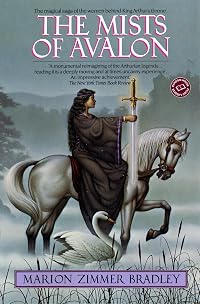
The Mists of Avalon
by Marion Zimmer Bradley
Avalon, Published Order (1), Avalon, Chronological Order (7)
On This Page
Description
When Morgan le Fay (Morgaine) has to sacrifice her virginity during fertility rites, the man who impregnates her is her younger brother Arthur, whom she turns against when she thinks he has betrayed the old religion of Avalon.Tags
Recommendations

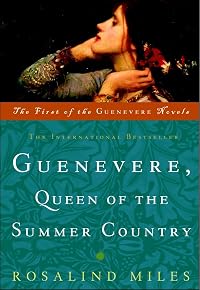
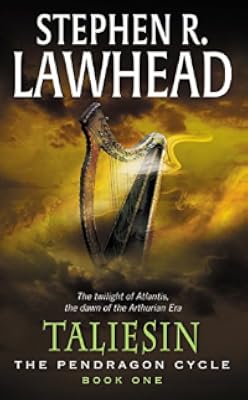
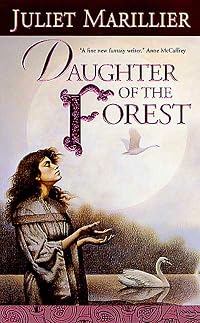
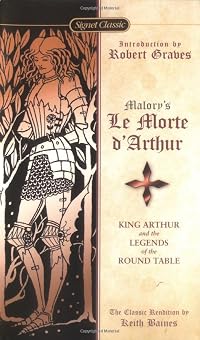
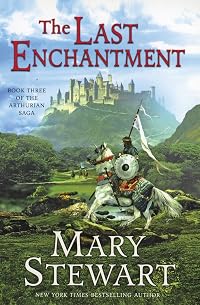
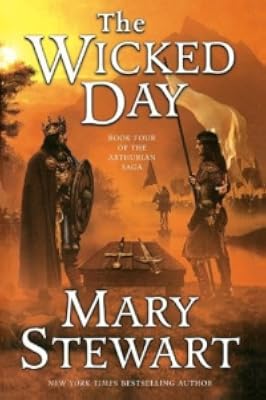
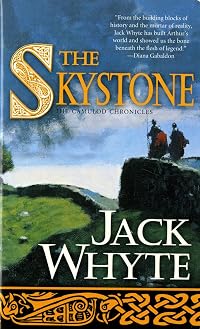

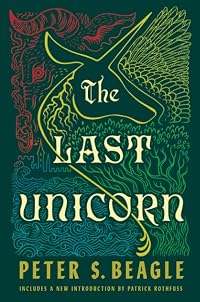

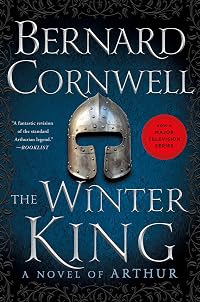
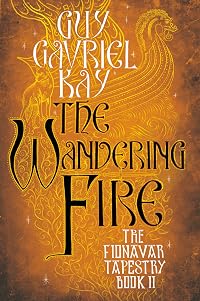


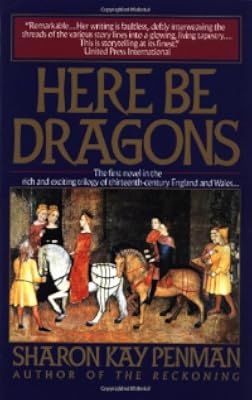
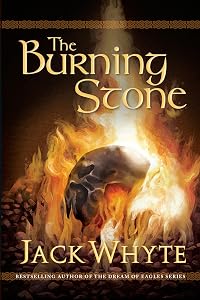



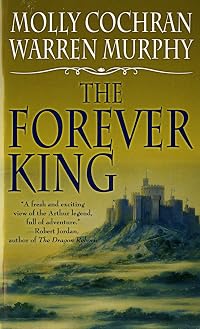

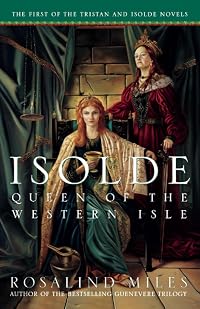

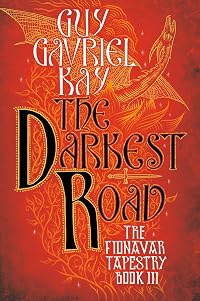
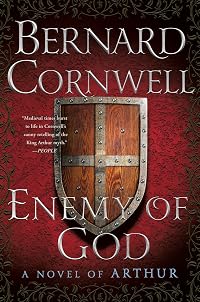

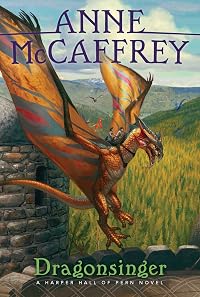
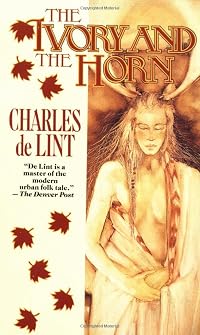
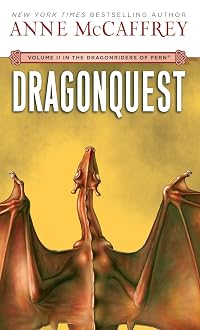
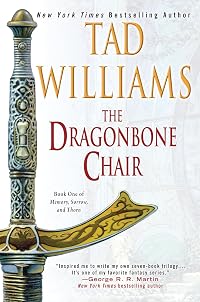
Member Recommendations

krasiviye.slova Similar decline and fall of the matriarchy theme, with different spins.
122
LamontCranston Very similar subject on mythology, Celts, Druids, and Matriarchy.
70
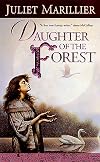
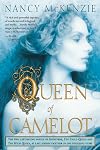
lannabrooke13 I personally thought Mckenzie's version was much more realistic and engaging!
wordcauldron My favorite retelling of Arthurian legend. Period.
31

The Song of Albion Collection: The Paradise War, The Silver Hand, and The Endless Knot by Stephen Lawhead
charlie68 Also a fun blend of early British myths.
20
legxleg I am pairing these two books together because both have a thread of female-centric religion struggling to survive.
20
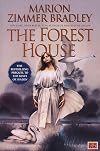
AniIma Fantastic, mythical, Arthurian Legend. Wonderful and skillfull storytelling by the author, Marion Zimmer Bradley.
20
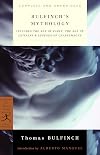
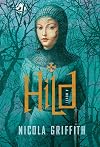
by kiwiflowa
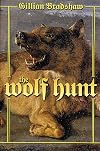

ktoonen Similar writing style, with strong feminist themes in epic fantasy.
11

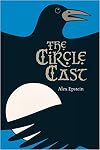
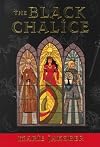
lquilter Like Bradley's Mists of Avalon, Marie Jakober's The Black Chalice has similar patriarchy-superseding-matriarchal-magic themes, but with Germanic mythology. Beautifully written.
12

by Vulco1
Member Reviews
https://nwhyte.livejournal.com/3765102.html
One of those classic works of fantasy which I must have first read soon after it was published in 1983, and which is now tarnished by association with its author's personal history of child abuse.
The novel has some merits, but it has deeper flaws than may be initially apparent. It's great to take a traditionally male story - King Arthur, Lancelot, Galahad, etc etc - and tell it mainly from the point of view of the women in the story, in particular Morgaine who is very much the villain of the original legendarium - Arthur's half-sister, mother of their incestuously conceived son Mordred who eventually kills his own father. The book is a thousand pages long, but doesn't drag; we know what the show more ending is going to be, but the journey there is exciting and somewhat magical, with three different versions of Glastonbury coexisting in parallel strands of the same geography, two of them accessible only by the adept.
But. A lot of readers took to the portrayal of lovely paganism in contrast with rigid and blinkered Christianity, and sighed when at the end the Christians largely won. But the portrayal of Christianity is much darker than the reality of the time. The sexually repressive arm of recent Christianity has been transplanted by Bradley to the Dark Ages. Actual research on medieval Celtic Christianity shows that it was much more relaxed, including saints who actually performed abortions. The key baddie, the puritanical bigot bishop Patricius, is obviously meant to be St Patrick, who is supposedly buried at Glastonbury (though Downpatrick will disagree). But the real St Patrick seems to have been relatively relaxed about sex; he was much more upset about theft and murder. One of his two surviving works is a letter pleading for the freedom of enslaved kidnap victims. (You can read what you want into his autobiography's allusion to an otherwise unidentified sin committed when he was fifteen). Even in my teens, I felt that Bradley's portrayal of him was rather unfair.
On top of that, the paganism espoused by most of the key characters is actually rather repressive too. Arthur and Morgaine conceive Mordred in a drug-fuelled pagan ritual which they are given no choice about participating in. Avalon's women have no more choice about which men they are given to than Camelot's women do; the only difference is that the Lady of the Lake personally determines the fate of her subjects in Avalon, whereas patriarchal Camelot is more diffuse. (And, gulp, a mother figure deciding who the young people in her care will have sex with, some of them well below what we'd consider the age of consent today, is very creepy given what we now know about the writer.) Avalon also fetishises virginity more than the Christianity portrayed here. (See this really good analysis by Alexandra Lindstrom, from 2005, on these and other points.) I hope that those readers who developed an interest in paganism based on this book were alert to the negative nuances as well.
So, yes, interesting to return to it after many years, but its flaws have become more obvious with time. show less
One of those classic works of fantasy which I must have first read soon after it was published in 1983, and which is now tarnished by association with its author's personal history of child abuse.
The novel has some merits, but it has deeper flaws than may be initially apparent. It's great to take a traditionally male story - King Arthur, Lancelot, Galahad, etc etc - and tell it mainly from the point of view of the women in the story, in particular Morgaine who is very much the villain of the original legendarium - Arthur's half-sister, mother of their incestuously conceived son Mordred who eventually kills his own father. The book is a thousand pages long, but doesn't drag; we know what the show more ending is going to be, but the journey there is exciting and somewhat magical, with three different versions of Glastonbury coexisting in parallel strands of the same geography, two of them accessible only by the adept.
But. A lot of readers took to the portrayal of lovely paganism in contrast with rigid and blinkered Christianity, and sighed when at the end the Christians largely won. But the portrayal of Christianity is much darker than the reality of the time. The sexually repressive arm of recent Christianity has been transplanted by Bradley to the Dark Ages. Actual research on medieval Celtic Christianity shows that it was much more relaxed, including saints who actually performed abortions. The key baddie, the puritanical bigot bishop Patricius, is obviously meant to be St Patrick, who is supposedly buried at Glastonbury (though Downpatrick will disagree). But the real St Patrick seems to have been relatively relaxed about sex; he was much more upset about theft and murder. One of his two surviving works is a letter pleading for the freedom of enslaved kidnap victims. (You can read what you want into his autobiography's allusion to an otherwise unidentified sin committed when he was fifteen). Even in my teens, I felt that Bradley's portrayal of him was rather unfair.
On top of that, the paganism espoused by most of the key characters is actually rather repressive too. Arthur and Morgaine conceive Mordred in a drug-fuelled pagan ritual which they are given no choice about participating in. Avalon's women have no more choice about which men they are given to than Camelot's women do; the only difference is that the Lady of the Lake personally determines the fate of her subjects in Avalon, whereas patriarchal Camelot is more diffuse. (And, gulp, a mother figure deciding who the young people in her care will have sex with, some of them well below what we'd consider the age of consent today, is very creepy given what we now know about the writer.) Avalon also fetishises virginity more than the Christianity portrayed here. (See this really good analysis by Alexandra Lindstrom, from 2005, on these and other points.) I hope that those readers who developed an interest in paganism based on this book were alert to the negative nuances as well.
So, yes, interesting to return to it after many years, but its flaws have become more obvious with time. show less
Back in the mid-90's everyone was telling me how I simply HAD to read this book, yadda yadda yadda. Well I finally did. In 2018.
It's billed as the Arthurian legend told from the women's point of view. Neat idea. And it's fun in a "all the pagans pray in the moonlight and they're wise, gracious, and powerful, and the Christians are just repressive and stodgy and superstitious and uptight and boooo," kind of way, which is...pretty much what I expected to find, really. I can see why the book did so well when it did. It was a very popular mentality at the time; I remember when every prep school girl on the Upper East Side who had just seen "The Craft" thought she could become a sorceress by buying a pack of tarot cards and wearing a show more pentacle which she would hide from her parents. I get it though, you have to go the pagan route to tell the story this way, because, let's just be 100% honest here, Christianity back then (and today? eh? no further comment from me) wasn't really all that interested in hearing from women.
A LOT of liberties are taken with what the Druids supposedly preached and practiced because pretty much all of the truth about the old religion is gone, thanks to the Romans and their successors the Christians, so we have to fill in the gaps by 'inferring' where we can, and simply making stuff up where we can't. I also understand it's therefore very tempting to paint them with these rose-colored lenses of being all-knowing and wise; personally I suspect the reality is that they were a leeetle bit closer to being just as stupid as everybody else on the planet is (although it is a fact that they *were* miles ahead of the rest of the world in certain areas like women's rights; i.e. they thought they had some).
When it comes to re-interpretations of characters I've known for years, they were mostly handled very well, but I was seriously let down by her Guinevere (or Gwenhwyfar, in this book. I have mixed feelings about the rampant name-changing although I see why she did it.). I really don't like her. See, my first real exposure to the whole Arthur deal as a complete story was T.H. White's "The Once and Future King" which set a pretty high bar. And even though White doesn't devote nearly as many pages to her and her thoughts, with just a few strokes he paints a picture of a mature, thinking, complicated, and sympathetic woman in her own right, as much a victim of fate as any of the male characters, instead of simply being a vehicle for it. Bradley's Guinevere is exactly what people thought (or, for some, still think - again with the commentary) a woman was supposed to be: an overly pious idiot who can barely see past her own needlepoint (the fact that Bradley makes her nearsighted was an interesting touch) and doesn't even think it's her place to bother trying to understand what the men are talking about. Bradley's Gwen is also an agoraphobe, which speaks volumes: she's most comfortable in an enclosed space.
Ultimately what I respect and appreciate most about the book was that different point of view or no, she was true (or true enough) to the legend. Too often when someone takes on this story, they change a whole bunch of stuff to make it "their own." I guess authors need to feel like they can say I Made a Contribution and it makes them do something completely stupid. Not this time. show less
It's billed as the Arthurian legend told from the women's point of view. Neat idea. And it's fun in a "all the pagans pray in the moonlight and they're wise, gracious, and powerful, and the Christians are just repressive and stodgy and superstitious and uptight and boooo," kind of way, which is...pretty much what I expected to find, really. I can see why the book did so well when it did. It was a very popular mentality at the time; I remember when every prep school girl on the Upper East Side who had just seen "The Craft" thought she could become a sorceress by buying a pack of tarot cards and wearing a show more pentacle which she would hide from her parents. I get it though, you have to go the pagan route to tell the story this way, because, let's just be 100% honest here, Christianity back then (and today? eh? no further comment from me) wasn't really all that interested in hearing from women.
A LOT of liberties are taken with what the Druids supposedly preached and practiced because pretty much all of the truth about the old religion is gone, thanks to the Romans and their successors the Christians, so we have to fill in the gaps by 'inferring' where we can, and simply making stuff up where we can't. I also understand it's therefore very tempting to paint them with these rose-colored lenses of being all-knowing and wise; personally I suspect the reality is that they were a leeetle bit closer to being just as stupid as everybody else on the planet is (although it is a fact that they *were* miles ahead of the rest of the world in certain areas like women's rights; i.e. they thought they had some).
When it comes to re-interpretations of characters I've known for years, they were mostly handled very well, but I was seriously let down by her Guinevere (or Gwenhwyfar, in this book. I have mixed feelings about the rampant name-changing although I see why she did it.). I really don't like her. See, my first real exposure to the whole Arthur deal as a complete story was T.H. White's "The Once and Future King" which set a pretty high bar. And even though White doesn't devote nearly as many pages to her and her thoughts, with just a few strokes he paints a picture of a mature, thinking, complicated, and sympathetic woman in her own right, as much a victim of fate as any of the male characters, instead of simply being a vehicle for it. Bradley's Guinevere is exactly what people thought (or, for some, still think - again with the commentary) a woman was supposed to be: an overly pious idiot who can barely see past her own needlepoint (the fact that Bradley makes her nearsighted was an interesting touch) and doesn't even think it's her place to bother trying to understand what the men are talking about. Bradley's Gwen is also an agoraphobe, which speaks volumes: she's most comfortable in an enclosed space.
Ultimately what I respect and appreciate most about the book was that different point of view or no, she was true (or true enough) to the legend. Too often when someone takes on this story, they change a whole bunch of stuff to make it "their own." I guess authors need to feel like they can say I Made a Contribution and it makes them do something completely stupid. Not this time. show less
This retelling of the legend of King Arthur is one of the most powerful and captivating I've encountered. I've read this book four times and every time I read something new! Marion Zimmer Bradley never fails in her attention to detail. Whether it is some point of historical accuracy or her descriptive style, she brings the story vividly to life.
She tells the story of Arthur from the perspective of the women involved, giving often misunderstood characters motivations that make them relatable and human rather than evil. Her writing skill and style make the emotions of the characters palpable, visceral things. I find this aspect consistently lacking in other versions of the Arthurian legends.
Only occasionally did I find her a bit wordy, show more and sometimes I felt as though the story were dragging a little. I think that occasional drag and wordiness may just be inevitable when taking on a task as monumental as the complete re-envisioning of such an important and complex story. Overall I would recommend this book to any woman, to anyone interested in paganism, to any lover of myth, or to anyone in need of an exceptional read. show less
She tells the story of Arthur from the perspective of the women involved, giving often misunderstood characters motivations that make them relatable and human rather than evil. Her writing skill and style make the emotions of the characters palpable, visceral things. I find this aspect consistently lacking in other versions of the Arthurian legends.
Only occasionally did I find her a bit wordy, show more and sometimes I felt as though the story were dragging a little. I think that occasional drag and wordiness may just be inevitable when taking on a task as monumental as the complete re-envisioning of such an important and complex story. Overall I would recommend this book to any woman, to anyone interested in paganism, to any lover of myth, or to anyone in need of an exceptional read. show less
One of the most well written novels probably of the 20th century. But once you learn a little about the author it immediately puts you on the fence and your morals kick in. I tried so hard to just enjoy the story and forget about her and husbands actions...…..but It was impossible. It just got in the way of the story.
Lines like the following near the end of the book would not resonate if they had not been paid for each step of the way.
'Morgaine,' he whispered. His eyes were bewildered and full of pain. 'Morgaine, was it all for nothing then, what we did, and all that we tried to do? Why did we fail?'
King Arthur in his final moments is bewildered, the bewilderment of the beast at the moment of slaughter. He thought he was beloved by the world only to watch as his kingdom crumbled and his life blood ebbed, all as if fated.
Bradley is able to tell this whole sweeping tale of Arthur's reign and to capture the pity of it not just for Arthur, but for any of us who live long enough to see and understand and love things that have been built over time show more crumble into ruin and dust. Arthur asks his question for all of us.It is hard not to share his bewilderment and loss in one's very being.
Bradley has helped me re-see the tale of Arthur and Camelot as an ur-tale for what humans attempt to build in this world and the great arc of all these attempts in which the seeds of destruction and oblivion that are sewn in the moments of creation. Humans are fated to sow, to reap, and to destroy, to destroy even those things most beautiful things. For while there are creators, there are also those who destroy because they must or because they have lost all sense of what is good and worth preserving, those who walk into the sweep of history when things are as good as they might be who only have destruction to offer.
In her epilogue, Bradley allows Morgaine to attempt to answer Arthur's question, and I find it hard to believe that Bradley herself could believe that it would be satisfying or convincing. Morgaine says, 'You held this land in peace for many years, so the Saxons did not destroy it. You held back the darkness for a whole generation, until they were civilized men, with learning, and music, and faith in God, who will fight to save something of the beauty of the times that are past."
For me, this is too much to be hoped for. Had Morgaine said only: "You held back the darkness for a whole generation," this might seem a fitting answer, an answer, that is, fit to what is within the realm of possibility for any generation. For any generation, a holding action against the darkness might well be the best that can be hoped for and achieved. And that has to be enough because that is all there is. show less
'Morgaine,' he whispered. His eyes were bewildered and full of pain. 'Morgaine, was it all for nothing then, what we did, and all that we tried to do? Why did we fail?'
King Arthur in his final moments is bewildered, the bewilderment of the beast at the moment of slaughter. He thought he was beloved by the world only to watch as his kingdom crumbled and his life blood ebbed, all as if fated.
Bradley is able to tell this whole sweeping tale of Arthur's reign and to capture the pity of it not just for Arthur, but for any of us who live long enough to see and understand and love things that have been built over time show more crumble into ruin and dust. Arthur asks his question for all of us.It is hard not to share his bewilderment and loss in one's very being.
Bradley has helped me re-see the tale of Arthur and Camelot as an ur-tale for what humans attempt to build in this world and the great arc of all these attempts in which the seeds of destruction and oblivion that are sewn in the moments of creation. Humans are fated to sow, to reap, and to destroy, to destroy even those things most beautiful things. For while there are creators, there are also those who destroy because they must or because they have lost all sense of what is good and worth preserving, those who walk into the sweep of history when things are as good as they might be who only have destruction to offer.
In her epilogue, Bradley allows Morgaine to attempt to answer Arthur's question, and I find it hard to believe that Bradley herself could believe that it would be satisfying or convincing. Morgaine says, 'You held this land in peace for many years, so the Saxons did not destroy it. You held back the darkness for a whole generation, until they were civilized men, with learning, and music, and faith in God, who will fight to save something of the beauty of the times that are past."
For me, this is too much to be hoped for. Had Morgaine said only: "You held back the darkness for a whole generation," this might seem a fitting answer, an answer, that is, fit to what is within the realm of possibility for any generation. For any generation, a holding action against the darkness might well be the best that can be hoped for and achieved. And that has to be enough because that is all there is. show less
I loved this book! I found myself harboring pretty strong feelings about each and every one of the main characters (though if they were kind feelings is not quite so certain), and I was definitely wrapped up in the story. Bradley does a wonderful job writing the Arthurian legend from a new angle -- the woman's angle. Never before had I seen this story the way it's presented by Bradley. Women are in power, women are strong and willful and people listen to them... until Christianity comes through and patriarchal reasoning becomes the way of the land, pushing the more feminine pagan ways into the past (and further into the mist, becoming harder and harder to reach).
It's long and it's involving, but it is worth it in every regard. There show more are characters you come to love, and characters you come to hate -- I personally came to loathe Gwenhwyfar, and love Morgaine. I will definitely be rereading this. show less
It's long and it's involving, but it is worth it in every regard. There show more are characters you come to love, and characters you come to hate -- I personally came to loathe Gwenhwyfar, and love Morgaine. I will definitely be rereading this. show less
Our lives are made up of stories which are neither wholly nonfiction nor completely fiction. Things happen to us, sure, but our telling of them becomes a narrative. No person alive has ever related something that happened to them or that they experienced without omitting certain things and embellishing others. But here’s the thing about narratives: we, the audience and/or reader, have a tendency to accept them at face value. I think that it is a subconscious instinct to believe what we hear. It’s easy and comfortable to think that what someone is telling you is the truth (whatever that is). This is a bad instinct. Every so often we learn that what we had blindly accepted as truth is anything but that, but still more frequently we go show more through life with the simple assumption that things we have been taught, such as the Arthurian legends, are true. Not true in the sense that these events all actually happened necessarily, but rather in the sense that we do not question the perspective from which the story is related, and almost never consider that there may be another side to it.
It’s like how you felt as a high school student, learning in a passive, osmosis-like way about such grand sounding things as manifest destiny, conquistadors, and imperialism. When we are teenagers, we often accept as true what we are told by teachers and parents, figures that we have been taught to regard as the final word, the guiding light of “what really happened”. Conscious critical thinking is something you may or may not have developed as you matured. I remember taking my first American Indian studies course in college and later a class on American Involvement in Central American Issues and sitting in my seat, stunned and horrified. We did WHAT?! I felt ashamed by what my country had done (is doing), ashamed of the color of my skin, the complicity of my ancestors, knowing or otherwise, in the injustices and genocides (a term NEVER applied to the U.S. in high school history) that happened on their watch. As uncomfortable an experience as those classes were for me, I learned something invaluable: never take narratives at face value. You have to make a conscious decision to keep in mind that there is always at least one other side to the story. There is always a different perspective from which to view the action.
The same is true for fiction as it is for History. In the novel I just finished, Marion Zimmer Bradley’s The Mists of Avalon, which just so happens to be my first deviation from The List, perspective is everything. It is a story most of us know by heart. The legend of King Arthur is one of the most famous tales in the English language, but it’s usually told from an outsider’s perspective; not an ambivalent one, but one who focuses on the doings of Arthur and his Knights of the Round Table, and on Merlin. Never have we heard the story from the perspective of the many important women in the story, like Arthur’s mother Igraine or his famous sister Morgan le Fay. Most of us never even realized that we were lacking this perspective. This is exactly what Bradley gives us in The Mists of Avalon: the side of the story we never knew we needed.
This is how deeply our subconscious tendency to believe what we’re told runs: never once, in all the times that I’ve read or watched some version of this story, whether it’s that one made-for-tv Merlin with Sam Neill or Bulfinch’s Mythologies or Camelot on Netflix instant watch, have I stopped and wondered, “I wonder how Morgan le Fay felt about having her brother’s baby” or “I bet Igraine wasn’t too happy when she realized that Uther had tricked her into sleeping with him by using magic to resemble her husband, the Duke of Cornwall (whom Uther had killed, though Igraine didn’t know that yet)”. Bradley answers all these questions, although usually not in the manner I was expecting. She imbues these characters with life, gives them their own motives and passions, fears and weaknesses, thereby fleshing them out in intriguing and believable ways. In Bradley’s version, these women are not the passive porcelain dolls flung about by the ambitions of men in the games of lust and power, but main characters in their own right. The lineage of the Lady of the Lake, which includes Igraine and her daughter, Morgan, are responsible for setting Arthur on the throne and later for casting him down when he betrays Avalon and the old ways for the Christian religion. Gwenhyfar (Bradley’s spelling) herself is the one who fights fiercely for the christianization of Britain. None of these women are helpless. In fact, they often appear to be stronger than the famous men of the story: Morgan holds enormous power over Arthur and many of the men in her life. Gwenhyfar, who appears strikingly weak at first, turns out to be much stronger than her lover, Lancelet. The mastery of Bradley’s telling is the dynamic nature of her female characters. The reader’s opinion when they first come to know Igraine, for example, will be worlds different from their opinion later on, and the same holds true for most of the women in the story.
The long and the short of it is that I found myself deeply surprised by the fact that I had never considered this story from the perspective of the women. I learned all about reading through different critical lenses in college, the feminist viewpoint being one of the ones I focused on most. What surprised me wasn’t that Bradley was able to take these minor characters and transform them into world-shaking valkyries, but rather that I had never even considered that possibility. To me, that is evidence of just how deep-seated is our inclination to believe, and not question, what we are told is just “the way the story goes”. That my conscious mind simply allowed what I had previously heard and read to be true without questioning what may have been omitted is a scary thing. If I open that can of worms, what other things does my consciousness accept without the slightest tremor of doubt?
For more book reviews (err... book musings?), visit my blog For Love and Allegory at http://www.forloveandallegory.wordpress.com/ show less
It’s like how you felt as a high school student, learning in a passive, osmosis-like way about such grand sounding things as manifest destiny, conquistadors, and imperialism. When we are teenagers, we often accept as true what we are told by teachers and parents, figures that we have been taught to regard as the final word, the guiding light of “what really happened”. Conscious critical thinking is something you may or may not have developed as you matured. I remember taking my first American Indian studies course in college and later a class on American Involvement in Central American Issues and sitting in my seat, stunned and horrified. We did WHAT?! I felt ashamed by what my country had done (is doing), ashamed of the color of my skin, the complicity of my ancestors, knowing or otherwise, in the injustices and genocides (a term NEVER applied to the U.S. in high school history) that happened on their watch. As uncomfortable an experience as those classes were for me, I learned something invaluable: never take narratives at face value. You have to make a conscious decision to keep in mind that there is always at least one other side to the story. There is always a different perspective from which to view the action.
The same is true for fiction as it is for History. In the novel I just finished, Marion Zimmer Bradley’s The Mists of Avalon, which just so happens to be my first deviation from The List, perspective is everything. It is a story most of us know by heart. The legend of King Arthur is one of the most famous tales in the English language, but it’s usually told from an outsider’s perspective; not an ambivalent one, but one who focuses on the doings of Arthur and his Knights of the Round Table, and on Merlin. Never have we heard the story from the perspective of the many important women in the story, like Arthur’s mother Igraine or his famous sister Morgan le Fay. Most of us never even realized that we were lacking this perspective. This is exactly what Bradley gives us in The Mists of Avalon: the side of the story we never knew we needed.
This is how deeply our subconscious tendency to believe what we’re told runs: never once, in all the times that I’ve read or watched some version of this story, whether it’s that one made-for-tv Merlin with Sam Neill or Bulfinch’s Mythologies or Camelot on Netflix instant watch, have I stopped and wondered, “I wonder how Morgan le Fay felt about having her brother’s baby” or “I bet Igraine wasn’t too happy when she realized that Uther had tricked her into sleeping with him by using magic to resemble her husband, the Duke of Cornwall (whom Uther had killed, though Igraine didn’t know that yet)”. Bradley answers all these questions, although usually not in the manner I was expecting. She imbues these characters with life, gives them their own motives and passions, fears and weaknesses, thereby fleshing them out in intriguing and believable ways. In Bradley’s version, these women are not the passive porcelain dolls flung about by the ambitions of men in the games of lust and power, but main characters in their own right. The lineage of the Lady of the Lake, which includes Igraine and her daughter, Morgan, are responsible for setting Arthur on the throne and later for casting him down when he betrays Avalon and the old ways for the Christian religion. Gwenhyfar (Bradley’s spelling) herself is the one who fights fiercely for the christianization of Britain. None of these women are helpless. In fact, they often appear to be stronger than the famous men of the story: Morgan holds enormous power over Arthur and many of the men in her life. Gwenhyfar, who appears strikingly weak at first, turns out to be much stronger than her lover, Lancelet. The mastery of Bradley’s telling is the dynamic nature of her female characters. The reader’s opinion when they first come to know Igraine, for example, will be worlds different from their opinion later on, and the same holds true for most of the women in the story.
The long and the short of it is that I found myself deeply surprised by the fact that I had never considered this story from the perspective of the women. I learned all about reading through different critical lenses in college, the feminist viewpoint being one of the ones I focused on most. What surprised me wasn’t that Bradley was able to take these minor characters and transform them into world-shaking valkyries, but rather that I had never even considered that possibility. To me, that is evidence of just how deep-seated is our inclination to believe, and not question, what we are told is just “the way the story goes”. That my conscious mind simply allowed what I had previously heard and read to be true without questioning what may have been omitted is a scary thing. If I open that can of worms, what other things does my consciousness accept without the slightest tremor of doubt?
For more book reviews (err... book musings?), visit my blog For Love and Allegory at http://www.forloveandallegory.wordpress.com/ show less
Members
- Recently Added By
Published Reviews
ThingScore 100
In ''The Mists of Avalon,'' Marion Zimmer Bradley's monumental reimagining of the Arthurian legends, the story begins differently, in the slow stages of female desire and of moral, even mythic, choice. Stepping into this world through the Avalon mists, we see the saga from an entirely untraditional perspective: not Arthur's, not Lancelot's, not Merlin's. We see the creation of Camelot from the show more vantage point of its principal women - Viviane, Gwynyfar, Morgaine and Igraine. This, the untold Arthurian story, is no less tragic, but it has gained a mythic coherence; reading it is a deeply moving and at times uncanny experience. show less
added by Shortride
Lists

Best Fantasy Novels
821 works; 361 members

Best Historical Fiction
620 works; 261 members

NPRs your picks: top 100 Sci-Fi/Fantasy books
297 works; 80 members

Best Arthurian Fiction
104 works; 31 members

Historical Fiction
889 works; 91 members
Favorite Long Books
330 works; 42 members

Female Author
1,234 works; 65 members

Top Five Books of 2013
1,562 works; 721 members

Books I've Read More Than Once
602 works; 49 members

Best Feminist Literature
188 works; 26 members

Recommend the 20 best books you've read in the last five years
2,168 works; 603 members
Favourite Books
1,820 works; 310 members

Celtic Fiction
26 works; 10 members
Female Protagonist
1,056 works; 57 members
500 Great Books by Women
507 works; 60 members

20th Century Literature
1,161 works; 55 members

Bookriot's 100 Must-Read Sci-Fi Fantasy Novels By Female Authors
100 works; 9 members

Faerie Mythology
87 works; 13 members

Top Five Books of 2016
795 works; 228 members

1980s
356 works; 23 members
Literature About Women and Girls
426 works; 40 members
Books tagged favorites
390 works; 30 members

Parallel Novels
37 works; 6 members
Page Turners
185 works; 11 members

Carole's List
445 works; 13 members

Myth (Reuse and Retelling)
188 works; 24 members
Overdue Podcast
808 works; 9 members
Modern Arthurian Fiction
237 works; 16 members

American Lit for Eng 11 Research Project
368 works; 6 members

al.vick-series
381 works; 2 members
Books We Want To Read Again For The First Time
384 works; 160 members

um actually
76 works; 3 members
Books We'd Want on a Desert Island
204 works; 133 members

In-Yun: Historias de Amores Escritos en las Estrellas
11 works; 1 member

Florida
366 works; 3 members

Elaina's
183 works; 1 member
Books We Love to Reread
695 works; 298 members

Gen X Library
245 works; 4 members
Our Favorite Comfort Reads
334 works; 200 members

Witchy Fiction
253 works; 126 members

Recommended Speculative Fiction by Women and People of Color
298 works; 45 members
Read These Too
458 works; 9 members

KayStJ's to-read list
1,616 works; 11 members

Religion in Fantasy and Horror
38 works; 9 members

Roman Britain
42 works; 12 members

Books We Resisted Reading
178 works; 113 members
Speculative Fiction to Read
706 works; 32 members

Amazon's 100 Science Fiction & Fantasy Books to Read in a Lifetime
87 works; 23 members

Survey of Science Fiction and Fantasy
101 works; 13 members
Five star books
1,767 works; 109 members
Women's Stories
88 works; 13 members
Survey of Fantasy Classics
111 works; 23 members
Best Feminist Science Fiction
188 works; 34 members

Blue Pyramid 1,276 Best Books of All Time
1,248 works; 32 members

Unread books
1,063 works; 87 members

Best of British Literature
226 works; 40 members
Talk Discussions
Past Discussions
MISTS OF AVALON Group Read discussion Thread in 2014 Category Challenge (October 2015)
Book Discussion: Arthurian Themed Read *Spoiler Free* in The Green Dragon (March 2008)
Author Information

410+ Works 99,097 Members
Marion Zimmer Bradley is a science-fiction and fantasy writer, novelist, and editor. She was born in Albany, New York on June 3, 1930. Bradley attended the New York State College for Teachers from 1946 to 1948. She earned a B.A. from Hardin Simmons University in 1964. Bradley did graduate work at the University of California at Berkeley from 1965 show more to 1967. Bradley sold her first story to Fantastic Amazing Stories as part of an amateur fiction contest. She sold her first professional story to Vortex Science Fiction in 1952. Her novels include The Sword of Aldones and The Planet Savers. Both novels were set on Darkover, the setting for more than 20 subsequent Bradley novels. Bradley also wrote The Mists of Avalon, a reworking of the King Arthur legend with more emphasis on the female characters. She used the same approach with The Firebrand, which was based on The Iliad. In addition to writing more than 85 books, Bradley was the editor of an annual anthology for DAW Books, as well as the editor of Marion Zimmer Bradley's Fantasy Magazine. Bradley died in 1999. (Bowker Author Biography) Marion Zimmer Bradley was the bestselling author of "The Mists of Avalon", "Lady of Avalon", "The Forest House", & "The Firebrand", as well as the popular Darkover series of science fiction novels. She died in 1999. (Bowker Author Biography) show less
Some Editions
Awards and Honors
Series


Work Relationships
Is contained in
Contains
Has the adaptation
Has as a commentary on the text
Has as a student's study guide
Common Knowledge
- Canonical title
- The Mists of Avalon
- Original title
- The Mists of Avalon
- Original publication date
- 1982
- People/Characters
- Morgan le Fay (Morgaine); Viviane; King Arthur; Guinevere (as Gwenhwyfar); Lancelot du Lac (as Lancelet); Merlin (show all 15); Mordred; Uther Pendragon; Igraine; Gorlois; Morgause; Nimue; Niniane; Taliesin (Merlin); Ambrosius Aurelianus
- Important places
- Camelot; Avalon; Cornwall, England, UK; Glastonbury, Somerset, England, UK; Somerset, England, UK; Tintagel, Cornwall, England, UK
- Related movies
- The Mists of Avalon (2001 | IMDb)
- Epigraph
- "...Morgan le Fay was not married, but put to school in a nunnery, where she became a great mistress of magic."
— Malory, Morte d'Arthur - First words
- Morgaine speaks...In my time I have been called many things: sister, lover, priestess, wise-woman, queen.
- Quotations
- a land ruled by priests is a land filled with tyrants on Earth and in Heaven
the faith of Christ is a fitting faith for slaves who think themselves sinners and humble
What of the King Stag, when the young stag is grown? - Last words
- (Click to show. Warning: May contain spoilers.)Her work was done.
- Blurbers
- Asimov, Isaac; Auel, Jean M.; L'Engle, Madeleine; Renault, Mary
- Original language
- English
- Canonical DDC/MDS
- 813.54
- Canonical LCC
- PS3552.R228
- Disambiguation notice
- The French edition is divided into 2 volumes.
The Brazilian and Spanish editions are divided into 4 volumes.
Classifications
- Genres
- Fantasy, Fiction and Literature, General Fiction, Historical Fiction
- DDC/MDS
- 813.54 — Literature & rhetoric American literature in English American fiction in English 1900-1999 1945-1999
- LCC
- PS3552 .R228 — Language and Literature American literature American literature Individual authors 1961-
- BISAC
Statistics
- Members
- 17,906
- Popularity
- 363
- Reviews
- 311
- Rating
- (4.06)
- Languages
- 18 — Czech, Danish, Dutch, English, Finnish, French, German, Hebrew, Hungarian, Italian, Norwegian (Bokmål), Norwegian, Polish, Romanian, Russian, Spanish, Swedish, Portuguese (Portugal)
- Media
- Paper, Audiobook, Ebook
- ISBNs
- 97
- UPCs
- 2
- ASINs
- 72