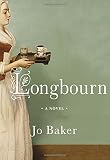
Longbourn
by Jo Baker
On This Page
Description
• Pride and Prejudice was only half the story •If Elizabeth Bennet had the washing of her own petticoats, Sarah often thought, she’d most likely be a sight more careful with them.
In this irresistibly imagined belowstairs answer to Pride and Prejudice, the servants take center stage. Sarah, the orphaned housemaid, spends her days scrubbing the laundry, polishing the floors, and emptying the chamber pots for the Bennet household. But there is just as much romance, heartbreak, and show more intrigue downstairs at Longbourn as there is upstairs. When a mysterious new footman arrives, the orderly realm of the servants’ hall threatens to be completely, perhaps irrevocably, upended.
Jo Baker dares to take us beyond the drawing rooms of Jane Austen’s classic—into the often overlooked domain of the stern housekeeper and the starry-eyed kitchen maid, into the gritty daily particulars...
. show less
Tags
Recommendations


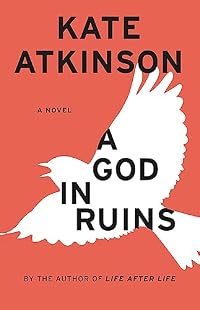

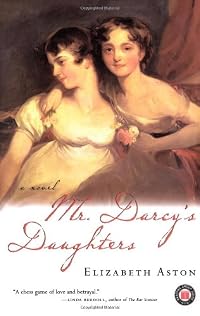
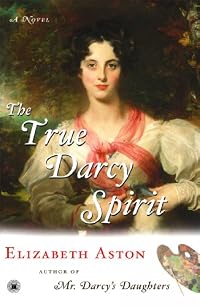
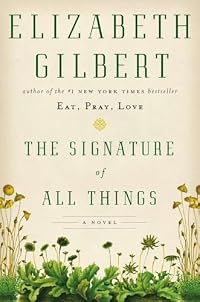

Member Recommendations
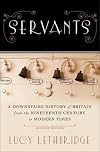
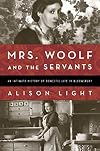
Limelite Another age but the same perspective of downstairs' view of upstairs. Parallel nonfiction examination of same theme of classism in England at the end of the serving class era.
20
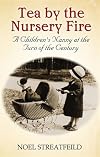
MarthaJeanne The one book is a fictional account of servants' lives in England around 1800. The other a biographical account of the life of an actual servant a century later. But really, not that much had changed.
20
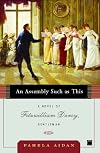
BookshelfMonstrosity With narratives that run parallel to the events of Pride and Prejudice, these historical novels should enchant Jane Austen fans. An Assembly Such as This tells Mr. Darcy's story, while Longbourn examines the everyday lives of the Bennett family's servants.


nessreader They're both Austen from the servants' hall sequels.
BookshelfMonstrosity Although Mina takes place in Victorian, not Regency, England, like Longbourn it centers around the relationship between two domestic servants -- both outsiders in different ways -- whose bond is threatened by the secrets in their pasts.
Member Reviews
Longbourn is the family home in Pride and Prejudice as well as the title of Jo Baker's novel. It's set in the Bennet home, during and after the events described in Pride and Prejudice, but it's about the lives of the servants, with the Bennet family in the background. Sarah came to Longbourn when she was six, the only surviving member of her family. Taken in by the kind-hearted housekeeper and cook, Mrs. Hill, she grows up in the house. The same age as Lizzie Bennet, she is leading a different life that her mistress, rising early and going to bed after the family does, as she performs the many tasks that allow the Bennets the lifestyle they take for granted.
Looking from the servants' perspective gives the reader a different way to see show more the Bennets, but this is not a book about them. Darcy is barely noticed by the servants, but Mr. Collins, to whom Longbourn is entailed, is very important to their futures and his visit is treated accordingly. This isn't Austen's genteel society; here pigs must be slaughtered, chamber pots emptied and if the weather won't allow the Bennet girls to go to Meryton to buy new roses to decorate their dancing slippers, a proxy must be sent. This isn't about the officers in their fine red coats, but about the grittier life of the enlisted man.
I enjoyed this book enormously. I've felt compelled, over the years, to read many books based on [Pride and Prejudice] and, for the most part, they are not good. This, on the other hand, is a fantastically rich and interesting book, and not a dull copy hoping to hang on those famous shirttails. Sure, Baker's version shows the characters differently than I imagine them (Wickham, especially) but that's part of the fun. The downside of this novel is that I will certainly read more terrible books based on Jane Austen's novels in the hope of finding another Longbourn. show less
Looking from the servants' perspective gives the reader a different way to see show more the Bennets, but this is not a book about them. Darcy is barely noticed by the servants, but Mr. Collins, to whom Longbourn is entailed, is very important to their futures and his visit is treated accordingly. This isn't Austen's genteel society; here pigs must be slaughtered, chamber pots emptied and if the weather won't allow the Bennet girls to go to Meryton to buy new roses to decorate their dancing slippers, a proxy must be sent. This isn't about the officers in their fine red coats, but about the grittier life of the enlisted man.
I enjoyed this book enormously. I've felt compelled, over the years, to read many books based on [Pride and Prejudice] and, for the most part, they are not good. This, on the other hand, is a fantastically rich and interesting book, and not a dull copy hoping to hang on those famous shirttails. Sure, Baker's version shows the characters differently than I imagine them (Wickham, especially) but that's part of the fun. The downside of this novel is that I will certainly read more terrible books based on Jane Austen's novels in the hope of finding another Longbourn. show less
I enjoyed this novel far more than I expected to. This is the story of the servants in the Bennett's house as the tale of Pride and Prejudice unfolds. Sarah, the housemaid, and James, the footman, take front and center: we follow their budding relationship and learn about each of their backgrounds. Elizabeth and Jane and Mr. and Mrs. Bennett are side figures although their centrality to the lives of the servants is never shirked. The novel is more than a shadow spin-off from the great classic, though. It is a rich and thoughtful exploration of the human tendency to long for that which is out of reach, and the possibility of finding contentment by focusing on what one has and being clear about what truly matters. In our current era of show more rampant materialism (I'm part of it too, having recently ordered my next iPhone), the themes are timely and relevant and sweetly poignant. Very much recommended, but only if you're familiar with Pride and Prejudice. show less
Longbourn isn't written in remotely the same writing style as Pride and Prejudice. Frequently, the familiar characters of Elizabeth, Mr. Darcy, and the rest seem like strangers with very little to do with their Austen versions. But Longbourn is also a thought-provoking book, because it shines light on the people Austen chose not to notice: the servants. Elizabeth may not care that her petticoats were three inches deep in mud, but the servants who cleaned the petticoats certainly do. Mr. Collins' sudden arrival at Longbourn may be an unexpected inconvenience for the Bennets, but it's a full-blown disaster for the servants.
Beyond the drama (which verges on soap operatic at times, sadly), Longbourn makes the worthwhile point that as much show more as we love Austen's characters, they lived in a time in which servants were treated as lesser humans. That doesn't make Elizabeth et al bad people, and they were very much products of their time. But for the servants, the whole novel was kind of a miserable experience. show less
Beyond the drama (which verges on soap operatic at times, sadly), Longbourn makes the worthwhile point that as much show more as we love Austen's characters, they lived in a time in which servants were treated as lesser humans. That doesn't make Elizabeth et al bad people, and they were very much products of their time. But for the servants, the whole novel was kind of a miserable experience. show less
"Longbourn" was the first book I read for my "Pride Prejudice and Pastiches" reading challenge. I found it to be an extremely powerful and emotionally moving book.
It tells the story of a young woman who makes the hard choices to win a life for herself and to share that life with the man she loves. No, her name is not Elizabeth Bennet. Her name is Sarah and she's a maid at Longbourn. The story is mainly focused on Sarah, Mrs Hill, the housekeeper and James, the footman. The relationships between the three are deep and complex and entirely believable.
At first, I thought that focusing on Longbourn's domestic staff was a curious premise, like viewing Hogwarts through the eyes of the House Elves but I soon saw that it was much more than show more that.
Although it shares the same timeline as "Pride And Prejudice" and features all the main characters, with some, like Mr Wickham, being pivotal to the plot, "Longbourn" stands proudly on its own. It is not a pastiche, it's a work in the same universe. If you had never read "Pride And Prejudice", "Longbourn" would still be a powerful read. If you have read "Pride and Prejudice" then your appreciation of both books is deepened.
Like "Pride And Prejudice", "Longbourn" accepts the economic reality of avoiding destitution and the political reality of the inferior status of women and tries to understand what a woman might do, in these circumstances, to ensure her happiness and to commit her life to the man she loves.
The difference in social class adds additional challenges for Sarah and James (who definitely does not have £20,000 a year) which, to be understood, need to be set in the context of what was happening to working people in England during the Napoleonic wars: the lack of work, the surfeit of beggars, the fate of enlisted men, the destruction of the livelihoods of the weavers and so on. The "little bit of ivory" that Jo Baker works on abutts the one that Jane Austen used but is not the same.
The things that stuck with me most from this book:
Sarah's courage and dignity as she navigates her limited choices and her strong passions. Her refusal to settle for the safe when the is the possibility to live a full and meaningful life.
The brutality and futility of James' life as a soldier at war in Spain and Portugal, the scars it left and the strong, quiet man it created.
The recognition of Wickham as a molester of young girls. Although I knew from "Pride and Prejudice" that Wickham has taken Lydia away when she was fifteen what that meant and the kind of man it made him hadn't sunk in. Watching him groom a very young maid with sweets and pennies made things much clearer.
Sarah's sense of fading into invisibility when Darcy and others strode past her, paying her no more attention than a piece of furniture. It brought home the impact on identity of being a servant.
I strongly recommend this book to anyone with an interest in the history of the period, in "Pride and Prejudice" or in a powerful story about a struggle for dignity and happiness. show less
It tells the story of a young woman who makes the hard choices to win a life for herself and to share that life with the man she loves. No, her name is not Elizabeth Bennet. Her name is Sarah and she's a maid at Longbourn. The story is mainly focused on Sarah, Mrs Hill, the housekeeper and James, the footman. The relationships between the three are deep and complex and entirely believable.
At first, I thought that focusing on Longbourn's domestic staff was a curious premise, like viewing Hogwarts through the eyes of the House Elves but I soon saw that it was much more than show more that.
Although it shares the same timeline as "Pride And Prejudice" and features all the main characters, with some, like Mr Wickham, being pivotal to the plot, "Longbourn" stands proudly on its own. It is not a pastiche, it's a work in the same universe. If you had never read "Pride And Prejudice", "Longbourn" would still be a powerful read. If you have read "Pride and Prejudice" then your appreciation of both books is deepened.
Like "Pride And Prejudice", "Longbourn" accepts the economic reality of avoiding destitution and the political reality of the inferior status of women and tries to understand what a woman might do, in these circumstances, to ensure her happiness and to commit her life to the man she loves.
The difference in social class adds additional challenges for Sarah and James (who definitely does not have £20,000 a year) which, to be understood, need to be set in the context of what was happening to working people in England during the Napoleonic wars: the lack of work, the surfeit of beggars, the fate of enlisted men, the destruction of the livelihoods of the weavers and so on. The "little bit of ivory" that Jo Baker works on abutts the one that Jane Austen used but is not the same.
The things that stuck with me most from this book:
Sarah's courage and dignity as she navigates her limited choices and her strong passions. Her refusal to settle for the safe when the is the possibility to live a full and meaningful life.
The brutality and futility of James' life as a soldier at war in Spain and Portugal, the scars it left and the strong, quiet man it created.
The recognition of Wickham as a molester of young girls. Although I knew from "Pride and Prejudice" that Wickham has taken Lydia away when she was fifteen what that meant and the kind of man it made him hadn't sunk in. Watching him groom a very young maid with sweets and pennies made things much clearer.
Sarah's sense of fading into invisibility when Darcy and others strode past her, paying her no more attention than a piece of furniture. It brought home the impact on identity of being a servant.
I strongly recommend this book to anyone with an interest in the history of the period, in "Pride and Prejudice" or in a powerful story about a struggle for dignity and happiness. show less
I thought this retelling of Pride and Prejudice from the servants point of view was a lot of fun. It was a great way to relive one of my favorite books without someone other than Austen intruding on my sense of the characters. There is definitely a different spin on the characters from P&P than I think Austen intended, but because the book stays focused mainly on the servants, it didn't bother me. And I think it is probable that servants would get a different view of their "masters" than would be presented in P&P.
I liked how the book pointed out all the work that would have gone on behind the scenes and how understaffed the Bennets were for the face they tried to present to the world. The contrast with the servant life at the show more Netherfield and then at Pemberly was interesting.
One of the most eye-opening ideas was the idea of freedom. At the beginning, you feel how confined the servants are. They rarely leave their estates, working long days with no to little opportunity to meet others in their class. At an estate as small as Longbourn, there are few to no choices for love or friends. When the Bingleys come to Netherfield, it opens up society not only for the ladies of Longbourn, but also for the servants. But as confined and isolated as the servants are, by the end of the book you see that in some ways they do have more choices than their employers, who are utterly bound by tradition and customs.Sara, the main character, is able to strike out on her own to find love of her choosing. It's arguable that although some of the ladies in P&P do end up in happy marriages, it is less of their choosing than most people consider.
I also thought it was interesting that she brought up how important it was for the servants to impress Mr. Collins when he came to visit. They would hope to be kept on when he came into the property of Longbourn, and hoped to impress upon him how well things were run already so he wouldn't replace them all with servants of his own choosing.
Mr. Bennett does not come off very well in this book, and Wickham is even more evil than Austen portrayed. Mrs. Bennett is cut a little slack and I kind of liked this reversal of her and Mr. Bennett, even if I don't know that I really believe it. It sort of tempered my view of both of them.
I really liked this P&P spin off. I haven't read many, because I just love the original too much but this worked for me because of the different angle. I'd recommend it to fans of Pride and Prejudice. show less
I liked how the book pointed out all the work that would have gone on behind the scenes and how understaffed the Bennets were for the face they tried to present to the world. The contrast with the servant life at the show more Netherfield and then at Pemberly was interesting.
One of the most eye-opening ideas was the idea of freedom. At the beginning, you feel how confined the servants are. They rarely leave their estates, working long days with no to little opportunity to meet others in their class. At an estate as small as Longbourn, there are few to no choices for love or friends. When the Bingleys come to Netherfield, it opens up society not only for the ladies of Longbourn, but also for the servants. But as confined and isolated as the servants are, by the end of the book you see that in some ways they do have more choices than their employers, who are utterly bound by tradition and customs.
I also thought it was interesting that she brought up how important it was for the servants to impress Mr. Collins when he came to visit. They would hope to be kept on when he came into the property of Longbourn, and hoped to impress upon him how well things were run already so he wouldn't replace them all with servants of his own choosing.
Mr. Bennett does not come off very well in this book, and Wickham is even more evil than Austen portrayed. Mrs. Bennett is cut a little slack and I kind of liked this reversal of her and Mr. Bennett, even if I don't know that I really believe it. It sort of tempered my view of both of them.
I really liked this P&P spin off. I haven't read many, because I just love the original too much but this worked for me because of the different angle. I'd recommend it to fans of Pride and Prejudice. show less
I usually don't enjoy "spin-off" novels but absolutely loved this one. I liked the way that the familiar plot of Pride and Prejudice served merely as the backdrop for this entirely original story of the servants at Longbourn. While some familiar characters in P & P were given a more rounded depiction, the focus remained on the lives of the servants themselves.
What happens when you combine a great idea with graceful writing? The great idea in Longbourn is to tell the complementary story to Pride and Prejudice, much of it from the perspective of the servants who took care of the Bennets, the Bingleys and others of the upper middle class. In carrying out that great idea, author Jo Baker also manages to make sly comments on P & P, open the story up to the wider world, and work a nice contrast between romantic stories of those serving and those served. A common criticism of Jane Austen's books, for example, is that they are set during the Napoleonic wars, but a reader would hardly know it. That likely, of course, contributes to the stories' timelessness. Nonetheless, here that omission is show more rectified, as one of the new characters experiences the sordid dregs of the Spanish war and is forever changed by them.
When reading about Lizzie's famous penchant for walking, did we ever think about who would clean the mud from her dress? "Sarah leaned over the washboard, rubbing at a stained hem. The petticoat had been three inches deep in mud when she'd retrieved it from the girls' bedroom floor and had had a night's soaking in lye already; the soap was not shifting the mark, but it was biting into her hands, already cracked and chapped and chilblained, making them sting. If Elizabeth had the washing of her own petticoats, Sarah often thought, she'd most likely be a sight more careful with them." Elizabeth at least is quite kind to Sarah, as is Jane. The sisters simply live on a different plane, and descend occasionally from it, perhaps to loan Sarah a book, or give her an outdated dress. Sarah is even more affected by this disparity when Darcy and Colonel Fitzwilliams appear:
"A blur of rich colors - one green velvet coat, one blue - and the soft creak of good leather, and a scent off them like pine sap and fine candlewax and wool. She watched their glossy boots scatter her tea leaves across the floor. The two gentlemen were so smooth, and so big, and of such substance: it was as though they belonged to a different order of creation entirely, and moved in a separate element, and were as different as angels."
She dreams of what it would be like to live "life as a country dance, where everything is lovely and graceful and ordered." But those angels need Sarah and others to handle the grosser, unseen essentials, whether it be chamberpots, or mucking the stables and grooming the horses, or such things as making soap from pig fat. As we learn how soap was made, Sarah observes, "It had never failed to astonish her, down the years of helping Mrs. Hill {the housekeeper and cook}, how soap that made things clean was such a foul thing in its own making. She stripped the pale dried lavender, and dropped the buds into the curdling porridge."
Baker explains in an Afterword that "the events of this novel are mapped directly into Jane Austen's. When a meal is served in Pride and Prejudice, it has been prepared in Longbourn." She has given names to the butler, footman and second housemaid, and their stories, along with Sarah's and Mrs. Hill's, end up being as mesmerizing as the glimpses we get of other, familiar characters from the original novel. As you can tell, much of the book is from Sarah's perspective, and her romantic ordeals contrast strikingly with those of Lizzie and Jane, including a critical decision involving Pemberley. The portrayal of the P & P characters is insightful throughout, including a servants-eye examination of Mr. and Mrs. Bennet's relationship. "The mistress had no understanding of her husband; she persisted in tackling him head-on when, as everybody else already knew, you were better off taking a more circuitous path and weaving around the obstacles." An established servant at one point has the bravery to point out to Mr. Bennet that some of the fault lies with him, and we learn more of what led to this clever man holing up in the library with his treasured books.
All our favorite P & P characters make appearances. Mr. Collins is as ridiculous as ever, and Baker shows us that Mary may have been the best Bennet match for him. Wickham is even more repugnant than we thought, as we see him trying to seduce an innocent servant girl and otherwise conniving. It was a great risk to bring the new servant characters to the story, but Baker makes it work wonderfully well. We come to know Sarah, and James the footman, veteran of the Spanish war, and the oddly-paired Mr. and Mrs. Hill, and other well-drawn characters, including a memorable ex-slave servant of Bingley. We also learn some of the surprising secrets of the Bennet household. Among the many "meh" or worse novels that have built on Jane Austen's world over the years, this one is the exception, and it is an exceptional success. show less
When reading about Lizzie's famous penchant for walking, did we ever think about who would clean the mud from her dress? "Sarah leaned over the washboard, rubbing at a stained hem. The petticoat had been three inches deep in mud when she'd retrieved it from the girls' bedroom floor and had had a night's soaking in lye already; the soap was not shifting the mark, but it was biting into her hands, already cracked and chapped and chilblained, making them sting. If Elizabeth had the washing of her own petticoats, Sarah often thought, she'd most likely be a sight more careful with them." Elizabeth at least is quite kind to Sarah, as is Jane. The sisters simply live on a different plane, and descend occasionally from it, perhaps to loan Sarah a book, or give her an outdated dress. Sarah is even more affected by this disparity when Darcy and Colonel Fitzwilliams appear:
"A blur of rich colors - one green velvet coat, one blue - and the soft creak of good leather, and a scent off them like pine sap and fine candlewax and wool. She watched their glossy boots scatter her tea leaves across the floor. The two gentlemen were so smooth, and so big, and of such substance: it was as though they belonged to a different order of creation entirely, and moved in a separate element, and were as different as angels."
She dreams of what it would be like to live "life as a country dance, where everything is lovely and graceful and ordered." But those angels need Sarah and others to handle the grosser, unseen essentials, whether it be chamberpots, or mucking the stables and grooming the horses, or such things as making soap from pig fat. As we learn how soap was made, Sarah observes, "It had never failed to astonish her, down the years of helping Mrs. Hill {the housekeeper and cook}, how soap that made things clean was such a foul thing in its own making. She stripped the pale dried lavender, and dropped the buds into the curdling porridge."
Baker explains in an Afterword that "the events of this novel are mapped directly into Jane Austen's. When a meal is served in Pride and Prejudice, it has been prepared in Longbourn." She has given names to the butler, footman and second housemaid, and their stories, along with Sarah's and Mrs. Hill's, end up being as mesmerizing as the glimpses we get of other, familiar characters from the original novel. As you can tell, much of the book is from Sarah's perspective, and her romantic ordeals contrast strikingly with those of Lizzie and Jane, including a critical decision involving Pemberley. The portrayal of the P & P characters is insightful throughout, including a servants-eye examination of Mr. and Mrs. Bennet's relationship. "The mistress had no understanding of her husband; she persisted in tackling him head-on when, as everybody else already knew, you were better off taking a more circuitous path and weaving around the obstacles." An established servant at one point has the bravery to point out to Mr. Bennet that some of the fault lies with him, and we learn more of what led to this clever man holing up in the library with his treasured books.
All our favorite P & P characters make appearances. Mr. Collins is as ridiculous as ever, and Baker shows us that Mary may have been the best Bennet match for him. Wickham is even more repugnant than we thought, as we see him trying to seduce an innocent servant girl and otherwise conniving. It was a great risk to bring the new servant characters to the story, but Baker makes it work wonderfully well. We come to know Sarah, and James the footman, veteran of the Spanish war, and the oddly-paired Mr. and Mrs. Hill, and other well-drawn characters, including a memorable ex-slave servant of Bingley. We also learn some of the surprising secrets of the Bennet household. Among the many "meh" or worse novels that have built on Jane Austen's world over the years, this one is the exception, and it is an exceptional success. show less
Members
- Recently Added By
Published Reviews
ThingScore 100
Like Austen, Baker has written an intoxicating love story but, also like Austen, the pleasure of her novel lies in its wit and fierce intelligence. Longbourn is a profound exploration of injustice, of poverty and dependence, of loyalty and the price of principle; running through the quiet beauty of much of Baker's writing is the unmistakable glint of anger.
added by charl08
Jo Baker’s interesting novel focuses on the downstairs life at Longbourn, the house where the Bennets of “Pride and Prejudice” live. The author makes no attempt to imitate Austen’s style, and pays relatively little attention to Austen’s major characters...Jo Baker’s thoroughly researched description of the servants’ toil expands the tiny piece of ivory that Jane Austen worked on show more by showing how the lives of the middle and upper classes depended on work that’s now hard to imagine...Certainly, of the many literary rethinkings of Austen’s work, “Longbourn” is one of the most engaging and rewarding show less
added by vancouverdeb
Baker deploys them to good effect not only for their intrinsic interest but as a moral corrective. She has also fashioned an absorbing and moving story about the servants at Longbourn...If part of Baker’s inspiration could have come from Charlotte Brontë, there’s also an aside straight out of “Les Misérables... But to mention these classics is not to condemn as pastiche a work that’s show more both original and charming, even gripping, in its own right. show less
added by vancouverdeb
Lists

Top Five Books of 2013
1,564 works; 722 members

ALA The Reading List
490 works; 28 members

Historical Fiction
889 works; 90 members

Best 21st Century Books (So Far)
670 works; 86 members

Austenland
165 works; 12 members

Global Reads: Books Set in the United Kingdom and Ireland
109 works; 5 members

Love and Marriage
93 works; 10 members

METAfiction
21 works; 4 members

My E-Book Collection - Opinions Welcome
92 works; 10 members
Literature About Women and Girls
391 works; 39 members

Books Read in 2014
2,341 works; 86 members

Phi Beta Kappa reading list
260 works; 8 members

Stories Inspired by Other Fiction
127 works; 24 members
Books Read in 2016
4,666 works; 197 members
Books Read in 2015
3,298 works; 129 members

Historical fiction by women authors
15 works; 5 members

Books Read in 2020
4,379 works; 124 members

Books Read in 2022
5,164 works; 113 members

Book Club 2017
8 works; 2 members

Kirkus Reviews Best Fiction of 2013
99 works; 6 members

Books read in 2015
213 works; 5 members

Books Read in 2019
4,052 works; 108 members

Allie's Wishlist
217 works; 2 members

KayStJ's to-read list
1,616 works; 11 members
Talk Discussions
Past Discussions
Is Anyone Reading Longbourn by Jo Baker? in I Love Jane Austen (March 2014)
Author Information

8+ Works 4,213 Members
Jo Baker was born and raised in the village of Arkholme, Lancashire, England. She attended Kirby Lonsdale and Somerville College, Oxford. She later moved to Belfast in 1995 to study for an MA in Irish literature at Queen's University, where she also completed a PhD on the Anglo-Irish novelist Elizabeth Bowen. She is now the author of six novels, show more including the bestseller, Longbourn. (Bowker Author Biography) show less
Some Editions
Awards and Honors
Awards
Distinctions
Notable Lists
Series
Belongs to Publisher Series
Work Relationships
Is a reply to
Common Knowledge
- Canonical title*
- Longbourn House
- Original title
- Longbourn
- Original publication date
- 2013-08-15
- People/Characters
- Sarah; James Smith; Elizabeth Bennet; Fitzwilliam Darcy; Margaret Hill; Jane Bennet (show all 11); Charlotte Lucas Collins; Polly; Ptolemy Bingley; Mr Bennet; Mrs Bennet
- Important places
- Pemberley, Derbyshire, England, UK; Longbourn, Hertfordshire, England, UK
- Important events
- Napoleonic Wars
- Epigraph
- What praise is more valuable than the praise of an intelligent servant?
- Dedication
- With Clare, with thanks for her attention, forbearance, patience.
- First words
- There could be no wearing of clothes without their laundering, just as surely as there could be no going without clothes, not in Hertfordshire anyway, and not in September.
- Quotations
- If Elizabeth had the washing of her own petticoats, Sarah often thought, she'd most likely be a sight more careful with them.
- Last words*
- (Click to show. Warning: May contain spoilers.)Together, they strode down the lane to Longbourn.
- Blurbers
- Maggie Shipstead; James Collins
- Original language
- English
*Some information comes from Common Knowledge in other languages. Click "Edit" for more information.
Classifications
Statistics
- Members
- 3,038
- Popularity
- 5,787
- Reviews
- 206
- Rating
- (3.73)
- Languages
- 13 — Catalan, Czech, Danish, Dutch, English, Finnish, French, German, Italian, Norwegian, Portuguese, Spanish, Swedish
- Media
- Paper, Audiobook, Ebook
- ISBNs
- 49
- ASINs
- 14