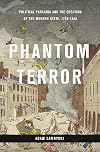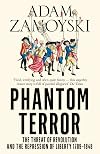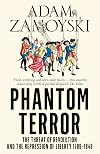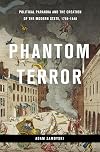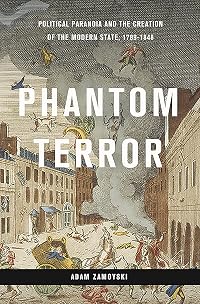
Phantom Terror: Political Paranoia and the Creation of the Modern State, 1789-1848
by Adam Zamoyski
On This Page
Description
The French Revolution and the blood-curdling violence it engendered terrified the ruling and propertied classes of Europe. Unable to grasp how such horrors could have come about, many concluded that it was the result of a devilish conspiracy hatched by Freemasons inspired by the ideas of the Enlightenment with the aim of overthrowing the entire social order, along with the legal and religious principles it stood on. Others traced it back to the Reformation or the Knights Templar and ascribed show more even more sinister aims to it. Faced by this apparently occult threat, they resorted to repression on an unprecedented scale, expanding police and spy networks in the process. This compelling history, occasionally chilling and often hilarious, tells how the modern state evolved through the expansion of its organs of control, and holds urgent lessons for today. show lessTags
Recommendations





















Member Recommendations









Member Reviews
This is a book about a paranoia. After the French Revolution and the Napoleonic Era, the powers that met in Vienna the establish the settlement of 1815 tried to turn back the clock. But the conservative governments clearly lacked confidence that they had achieved a stable solution, and in hindsight they had good reason to doubt it. Adam Zamoyski tells the story of their fears, their attempts at policing and repression, and their tendency to hypnotise themselves with lurid conspiracy theories.
It is an account that strips many of the protagonists of their dignity. Metternich emerges not as a diplomatic genius, but as an increasingly irrational statesman, constantly panicking at small incidents and derided for it by his more cool-headed show more colleagues. The drift into mysticism of Czar Alexander and his growing belief in his own martyrdom is described mercilessly, and his successor does not get any clemency either. Zamoyski's study of the police archives delivers a large list of ridiculous accusations and absurd conspiracies.
Zamoyski believes that the fears of conservative governments were misguided because there was no grand international conspiracy to overthrow the existing order, nor a comité directeur in Paris to lead it. But the stark reality was that they were sitting on a volcano, or, as the British government described it to Metternich, a "pressure vessel without a safety valve", they just misjudged what the threat was. A later generation of historians and theoreticians would start to think in terms of the great impersonal forces of history and the evolution of society, which would ultimately sweep away the absolute monarchies of Europe. Most of the statesmen of 1815 had not learnt to think in these terms. Confronted with the forces of nationalism, liberalism and socialism that would ultimately defeat them, they struggled to give them a face, and in doing so they often fell victim to conspiracy theories.
For the modern reader too, the lack of clear protagonists and antagonists makes the story confusing. Zamoyski describes the ebb and flow of popular opinion, the interactions of movements and counter-movements. He occasionally devotes longer sections of text to particularly important personalities (such as Metternich and Alexander), but on the whole this is the story of a society on the boil, with its bubbles, turbulence and steam. It is hard to get a clear view and some sections of the book are, in consequence, rather dull. Others are hilarious. (I'm still inclined to recommend Mike Duncan's excellent Revolutions podcast, which among its many chapters also includes sections on the revolutions of 1830, 1848, and 1871. It's really good and very entertaining.)
Ultimately, the book is somewhat lacking in theme and conclusion. Zamoyski in his own conclusions merely argues that the climate of conservative repression that beset Europe in the late 19th century was harmful. It's hard to dispute that, but still a somewhat weak conclusion about the emerging police state. show less
It is an account that strips many of the protagonists of their dignity. Metternich emerges not as a diplomatic genius, but as an increasingly irrational statesman, constantly panicking at small incidents and derided for it by his more cool-headed show more colleagues. The drift into mysticism of Czar Alexander and his growing belief in his own martyrdom is described mercilessly, and his successor does not get any clemency either. Zamoyski's study of the police archives delivers a large list of ridiculous accusations and absurd conspiracies.
Zamoyski believes that the fears of conservative governments were misguided because there was no grand international conspiracy to overthrow the existing order, nor a comité directeur in Paris to lead it. But the stark reality was that they were sitting on a volcano, or, as the British government described it to Metternich, a "pressure vessel without a safety valve", they just misjudged what the threat was. A later generation of historians and theoreticians would start to think in terms of the great impersonal forces of history and the evolution of society, which would ultimately sweep away the absolute monarchies of Europe. Most of the statesmen of 1815 had not learnt to think in these terms. Confronted with the forces of nationalism, liberalism and socialism that would ultimately defeat them, they struggled to give them a face, and in doing so they often fell victim to conspiracy theories.
For the modern reader too, the lack of clear protagonists and antagonists makes the story confusing. Zamoyski describes the ebb and flow of popular opinion, the interactions of movements and counter-movements. He occasionally devotes longer sections of text to particularly important personalities (such as Metternich and Alexander), but on the whole this is the story of a society on the boil, with its bubbles, turbulence and steam. It is hard to get a clear view and some sections of the book are, in consequence, rather dull. Others are hilarious. (I'm still inclined to recommend Mike Duncan's excellent Revolutions podcast, which among its many chapters also includes sections on the revolutions of 1830, 1848, and 1871. It's really good and very entertaining.)
Ultimately, the book is somewhat lacking in theme and conclusion. Zamoyski in his own conclusions merely argues that the climate of conservative repression that beset Europe in the late 19th century was harmful. It's hard to dispute that, but still a somewhat weak conclusion about the emerging police state. show less
This books demonstrates that political misinformation was almost as abundant 200 years ago as it is today, at least in some circles. The author describes how various notable politicians of the early 19th century - especially Metternich in Austria and tsars Alexander and Nikolai in Russia - were so deeply shaken by the French revolution that their fear of history repeating itself lasted for decades.
The most interesting part of the story is that even though no real threat actually existed, the surveillance machinery which monitored signs of new uprisings (and was incentivized to discover them) mass-produced false accusations and reports. This misinformation heightened and perpetuated the concerns of leaders which feared the empowerment show more of the people more than anything else. In the afterword of the book the author puts it nicely: "the unnecessary repression of moderate liberal tendencies arrested the natural development of European society and helped create a culture of control of the individual by the state".
So the story is certainly interesting, but the book is a bit too long at 500 pages. The narrative seems to pass around the same circles again and again. It recounts how this or that political leader was afraid of upheaval, how he collected information through a terribly incompetent and biased filter, and how he then made bad decisions which had catastrophic consequences for more or less randomly selected innocent citizens. I would have liked to see the author occasionally take a few steps back from the details of who-said-what to provide some kind of bird's-eye view of the underlying system of government. show less
The most interesting part of the story is that even though no real threat actually existed, the surveillance machinery which monitored signs of new uprisings (and was incentivized to discover them) mass-produced false accusations and reports. This misinformation heightened and perpetuated the concerns of leaders which feared the empowerment show more of the people more than anything else. In the afterword of the book the author puts it nicely: "the unnecessary repression of moderate liberal tendencies arrested the natural development of European society and helped create a culture of control of the individual by the state".
So the story is certainly interesting, but the book is a bit too long at 500 pages. The narrative seems to pass around the same circles again and again. It recounts how this or that political leader was afraid of upheaval, how he collected information through a terribly incompetent and biased filter, and how he then made bad decisions which had catastrophic consequences for more or less randomly selected innocent citizens. I would have liked to see the author occasionally take a few steps back from the details of who-said-what to provide some kind of bird's-eye view of the underlying system of government. show less
A history of conservative/reactionary claims about the dangers posed by revolutionaries, or reformers who they saw as revolutionaries. Presents this as a feedback loop, where repression stems from fantasy but, almost inevitably, generates more resistance—or what looks like resistance—as the state strengthens in response.
Horrible. The author may be an eminent historian, but this book goes nowhere and proves nothing, except that governments are idiots when it comes to their own security. I have read about 130 pages of this tripe and I am done with it. The problem is that the topic does not lend itself to a normal
historical treatment, and this isn't one.
historical treatment, and this isn't one.
Ratings
Members
- Recently Added By
Lists

Books Read in 2016
4,666 works; 197 members
Author Information

27+ Works 3,272 Members
Adam Zamoyski was born in New York, was educated at Oxford, & lives in London. His other books include biographies of Chopin & Paderewski & a history of Poland. (Bowker Author Biography)
Awards and Honors
Common Knowledge
- Canonical title
- Phantom Terror: Political Paranoia and the Creation of the Modern State, 1789-1848
- Original publication date
- 2014
- People/Characters
- Napoleon Bonaparte (Emperor of the French); Alexander I, Emperor of Russia; Francis II, Holy Roman Emperor; Leopold II, Holy Roman Emperor; Joseph II, Holy Roman Emperor; William Pitt the Younger (show all 180); Klemens Wenzel Nepomuk Lothar, Prince von Metternich-Winneburg zu Beilstein; Baroness Barbara Juliane von Krüdener; Johann Amadeus Franz de Paula, Freiherr von Thugut; Joseph-Marie, Comte de Maistre; Edmund Burke; Augustin Barruel; Johann Anton Graf von Pergen; Franz Josef Graf von Saurau; Adam Weishaupt; Thomas Hardy (political reformer); John Thelwall; Edward Marcus Despard; Spencer Perceval; Lord Edward FitzGerald; Charles James Fox; Theobald Wolfe Tone; James Napper Tandy; William Grenville, 1st Baron Grenville; Arthur Wellesley, 1st Duke of Wellington; Charles Watson-Wentworth, 2nd Marquess of Rockingham; William Henry Cavendish-Bentinck, 3rd Duke of Portland; Robert Banks Jenkinson, 2nd Earl of Liverpool; Henry Dundas, 1st Viscount Melville; George John Spencer, 2nd Earl Spencer; Henry Addington, 1st Viscount Sidmouth; Louis XVIII, King of France; Louis-Philippe, King of France; Charles X, King of France; Charles André, Comte Pozzo di Borgo; Charles Ferdinand d'Artois, Duke of Berry; Joseph Fouché; Élie-Louis, 1st Duke of Decazes and Glücksburg; Antoine Marie Chamans, comte de Lavalette; Eugene de Beauharnais; Henri-Benjamin Constant de Rebecque; Charles-Maurice de Talleyrand-Périgord; Armand-Emmanuel de Vignerot du Plessis, 5th Duke of Richelieu and Fronsac; Robert Stewart, 2nd Marquess of Londonderry, Lord Castlereagh; Samuel Romilly; William Cobbett; Henry "Orator" Hunt; Sir Francis Burdett, 5th Baronet; John Cartwright (political reformer); Arthur Thistlewood; Princess Dorothea von Lieven; August von Kotzebue; Karl Ludwig Sand; Prince Christopher Henry von Lieven, Lord of Mesothen; François-René, vicomte de Chateaubriand; Konstantin Alexander, Graf von Benckendorff; Ludwig Graf von Lebzeltern; Laurent de Gouvion Saint-Cyr, 1st Marquis of Gouvion-Saint-Cyr; Frédéric-César de La Harpe; Frederick William III, King of Prussia; Karl August Fürst von Hardenberg; August Wilhelm Graf Neidhardt von Gneisenau; Count Karl Robert Nesselrode; Richard Le Poer Trench, 2nd Earl of Clancarty, 1st Marquess of Heusden; Friedrich von Gentz; Carl Friedrich Emil von Ibell; Wilhelm Ludwig Georg Fürst zu Sayn-Wittgenstein - Hohenstein; Karl Justus von Gruner; Francis Place; Samuel Bamford; George Wilson (reformer); Lord Byron; George III, King of the United Kingdom; George IV, King of the United Kingdom; Caroline of Brunswick, Queen Consort of the United Kingdom; Ercole Consalvi; Robert Southey; Friedrich Ludwig Jahn; Ferdinand VII, King of Spain; Ferdinand I, King of the Two Sicilies; Count Ioannis Antonios Kapodistrias; Joachim Murat; Alexandros Ypsilantis; Guglielmo Pepe; Charles Vane, 3rd Marquess of Londonderry (Lord Stewart); Victor Emmanuel I, King of Sardinia and Duke of Savoy; Louis Charles Victor de Riquet de Caraman; Charles Albert, King of Sardinia-Piedmont; Colonel Pavel Ivanovich Pestel; Nicholas I, Emperor of Russia; Konstantin Alexander Carl Wilhelm Christoph Graf von Benckendorff; Prince Sergei Petrovich Trubetskoy; Count Alexey Andreyevich Arakcheyev; Count Mikhail Andreyevich Miloradovich; Ferdinand Johannes Wit von Dörring; Count Nikolay Nikolayevich Novosiltsev; Robert Peel; Pierre Louis Auguste Ferron, Count de La Ferronnays; Jean-Baptiste Sylvère Gay, 1st Viscount of Martignac; Jean-Baptiste Guillaume Joseph, 1st Count of Villèle; Rafael del Riego y Flórez; Auguste Frédéric Louis Viesse de Marmont, Duke of Ragusa; Guy Louis Jean-Baptiste Delavau; Grand Duke Konstantin Pavlovich of Russia; Grand Duke Michael Pavlovich of Russia; Christian Günther Graf von Bernstorff; Jacques Laffitte; George Canning; Alexandre-Philippe Andryane; Karl Albert Christoph Heinrich Freiherr von Kamptz; Johann Peter Friedrich Ancillon; Peter von Meyendorff; William Wentworth-Fitzwilliam, 4th Earl Fitzwilliam; James Harris, 1st Earl of Malmesbury; Dorothea von Biron, Princess of Courland, Duchess of Dino; General John Fane, 11th Earl of Westmorland (aka Lord Burghersh); William Lamb, 2nd Viscount Melbourne; Lieutenant-General Lord William Henry Cavendish-Bentinck, Governor-General of India; Charles Grey, 2nd Earl Grey; Achille Léonce Victor Charles, 3rd Duke of Broglie; Marie Caroline of Bourbon-Two Sicilies, Duchess of Berry; Philippe Buonarroti; Giuseppe Mazzini; George Gordon, 4th Earl of Aberdeen; Antonio Quiroga y Hermida; Sir William à Court, 1st Baron Heytesbury; Louis Antoine, Duke of Angoulême; General Leontii Vasilevich Dubelt; Graf Anton Apponyi von Nagy-Apponyi; Marc-René de Voyer de Paulmy d'Argenson, 4th Marquis d'Argenson; Paul Louis Alphonse Canler; Henri, Count of Chambord; General Alexander Dmitriyevich Balashov; Pierre-Jean de Béranger; Louis Jean Joseph Charles Blanc; Joseph Bonaparte, King of Spain; Field Marshal Hans Karl Friedrich Anton Freiherr von Diebitsch und Narten; Prince Pál III Antal Esterházy von Galántha; Alexander Herzen; Henry Richard Vassall-Fox, 3rd Baron Holland; Frederick William IV, King of Prussia; Pyotr Yakovlevich Chaadayev; Friedrich Franz Karl Hecker; Richard Charles Francis Meade, 3rd Earl of Clanwilliam; François Pierre Guillaume Guizot; Count Franz Anton von Kolowrat-Liebsteinsky; Gabriel Abraham Marguerite Delessert; Thomas De Quincey; Jean-Paul Didier; Nikolai Vasilievich Gogol; Alexander von Humboldt; Henri Gisquet; Charles Kinnaird, 8th Lord Kinnaird; Prince Alexander Nikolayevich Golitsyn; Gilbert du Motier, Marquis de Lafayette; Giuseppe Marco Fieschi; Count Sergey Semionovich Uvarov; Jules de Polignac, Prince of Polignac; Gustav von Struve; General Nikolay Alexandrovich Vassilchikov; Nicolas-Charles, baron de Vincent; Alphonse de Lamartine; Marie Louise, Empress of the French; Mikhail Nikolayevich Magnitsky; Baron Claude Philibert Édouard Mounier; Anne-Adrien-Pierre de Montmorency, duc de Laval; François Dominique de Reynaud, Comte de Montlosier; Charles François Marie, Comte de Rémusat; Napoléon François Charles Joseph Bonaparte, King of Rome, Duke of Reichstadt; Alexis de Tocqueville; Étienne-Denis, duc de Pasquier; Maksim Yakovlevich von Vock; Henry John Temple, 3rd Viscount Palmerston; Josef Graf Sedlnitzky Odrowąż von Choltitz; Prince Ferdinand Philippe, Duke of Orléans; Prince Alvaro Ruffo della Scaletta; Heinrich Friedrich Karl Reichsfreiherr vom und zum Stein; William I, King of the Netherlands; William I, King of Württemberg; Leopold I, King of the Belgians
- Important places*
- London, England, UK; Paris, Île-de-France, France; Vienna, Austria; Moscow, Russia; Saint Petersburg, Russia; Karlovy Vary, Czech Republic
- Important events
- Aliens Act (1793); Treason trials (1794); Treason Act (1795); Seditious Meetings Act (1795); Despard Plot (1802); French expedition to Ireland (1796) (show all 44); Irish rebellion (1798); Spa Fields Riots (1816); Cato Street Conspiracy (1820); Peterloo Massacre (1819); Blanketeers March (1817); Corn Laws (1815-1846); Training Prevention Act (1819); Seizure of Arms Act (1819); Seditious Meetings Act (1819); Misdemeanors Act (1819); Blasphemous and Seditious Libels Act (1819); Newspaper and Stamp Duties Act (1819); Pentrich Rising (1817); Congress of Aix-la-Chapelle (1818); Attempted assassination of Louis-Philippe, King of France (1835); Carlsbad Decrees (1819); Congress of Vienna (1814&ndash | 1815); Congress of Troppau (1820); Congress of Laibach (1821); Decembrist Uprising (1825); Swing Riots (1830); Bourbon Restoration (1815); Congress of Verona (1822); Hundred Thousand Sons of Saint Louis (1823); July Revolution (1830); Hundred Days (1815); Belgian Revolution (1830); Reform Act (1832); Poor Law Amendment Act (1834); Metropolitan Police Act (1829); Bristol riots (1831); Spanish constitution (1812); Ominous Decade (1823-1833); Rebecca riots (1839-1843); French Revolution (1848); June Days Uprising (1848); Assassination of Charles Ferdinand d'Artois, Duke of Berry (1820); Assassination of August von Kotzebue (1819)
*Some information comes from Common Knowledge in other languages. Click "Edit" for more information.
Classifications
- Genres
- History, Nonfiction, General Nonfiction
- DDC/MDS
- 940.27 — History & geography History of Europe History of Europe Europe: Renaissance, Reformation, Enlightenment, Napolean Napoleonic period 1789-1815
- LCC
- D359 .Z36 — History of Europe, Asia, Africa and Oceania History (General) Modern history, 1453- 1789- 19th century. 1801-1914/1920
- BISAC
Statistics
- Members
- 212
- Popularity
- 153,996
- Reviews
- 4
- Rating
- (3.67)
- Languages
- Dutch, English, German
- Media
- Paper, Audiobook, Ebook
- ISBNs
- 13
- ASINs
- 6