The Giant of the French Revolution: Danton, A Life
by David Lawday
On This Page
Description
In the first biography of Danton in over forty years, the historian David Lawday reveals the tragic, larger-than-life figure who joined the fray at the storming of the Bastille in 1789 at age twenty-nine and was dead five years later.Tags
Recommendations












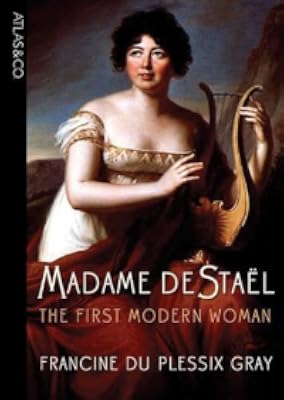








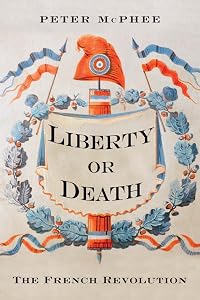


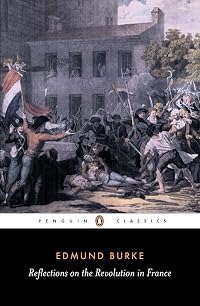

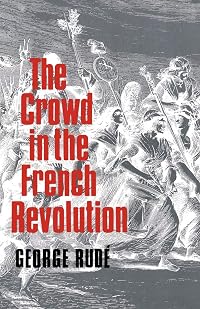








Member Recommendations







Member Reviews
The Giant of the French Revolution: Danton by David Lawday is the best book I have read about the French Revolution. It's not the most detailed or complete, ending as it does with Danton's death, but it combines a relentless forward momentum with a clear description of the factions, policies and events of the time. Not only could I only put the book down reluctantly, but I now can also tell you the names and activities of the various factions, from Les Cordeliers and Les Feuillants to who pushed for the establishment of the fearsome Committee for Public Safety and which generals were secret royalists. That's an accomplishment. It was confused time, with internal strife competing for attention with the foreign powers who immediately show more invaded France.
France was ready for revolution long before it began. With a system that gave all of the power to a small percentage of the population, the Church and the Nobility, and then exempted them from all taxation, and an empty treasury, it took only a bad harvest or two to send the people into the streets, ready to die fighting instead of waiting to starve. The small middle class were the children of the enlightenment and proved willing to call for reform.
As things simmered, a young man named Danton came to Paris to become a lawyer. The book focuses tightly on Danton, which simplifies the story enormously, for all that he was one of the two towering figures of the Revolution. Danton was gigantic in everything he did. Larger and uglier than everyone else, he had a voice that carried and a talent for public speaking. He also was free of the blind ideology that sent so many of his contemporaries into dead ends. What did him in, in the end, was his out-sized personality which both threatened and annoyed his rivals, as well as his realization that the Terror had to be limited. show less
France was ready for revolution long before it began. With a system that gave all of the power to a small percentage of the population, the Church and the Nobility, and then exempted them from all taxation, and an empty treasury, it took only a bad harvest or two to send the people into the streets, ready to die fighting instead of waiting to starve. The small middle class were the children of the enlightenment and proved willing to call for reform.
As things simmered, a young man named Danton came to Paris to become a lawyer. The book focuses tightly on Danton, which simplifies the story enormously, for all that he was one of the two towering figures of the Revolution. Danton was gigantic in everything he did. Larger and uglier than everyone else, he had a voice that carried and a talent for public speaking. He also was free of the blind ideology that sent so many of his contemporaries into dead ends. What did him in, in the end, was his out-sized personality which both threatened and annoyed his rivals, as well as his realization that the Terror had to be limited. show less
I chose this book because I'm planning to read Hilary Mantel's A Place of Greater Safety this year and I know very little of the details of the French Revolution. Most of my knowledge embarrassingly comes from A Tale of Two Cities or my knowledge of American politics at the time (Jefferson vs. Adams, Washington's relationship with LaFayette, etc.). This book fit the bill. It's an exciting, fast-paced look at Danton's life, death, and impact on the Revolution. I liked the writing style. Lawday is a journalist and he has a way with words. I suspect he took some liberties in imagining some of Danton's thoughts and reactions. He admits that Danton left few clues to his life because he left almost no written record. He was, however, an show more amazing orator and many of his speeches were preserved by those who witnessed them.
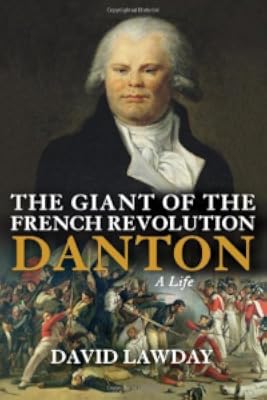
Just as a side note, I don't know how well you can see the cover, but wow Danton was an ugly man! He used his physical attributes to command respect and, to some degree, fear from those he led. A very interesting man who blazed into Paris and the revolution, helped inspire the storming of the Bastille in 1789 and was guillotined just 5 years later. It's an amazing and horrifying time in history and this book captures it well. show less
Just as a side note, I don't know how well you can see the cover, but wow Danton was an ugly man! He used his physical attributes to command respect and, to some degree, fear from those he led. A very interesting man who blazed into Paris and the revolution, helped inspire the storming of the Bastille in 1789 and was guillotined just 5 years later. It's an amazing and horrifying time in history and this book captures it well. show less
In college I took a class on the French Revolution, and I remember the figure of Danton, who was just as important and compelling as the more infamous Robespierre, being particularly fascinating. This biography hints at this interesting man, who exercised enormous influence over the course of the revolution, even setting off the Reign of Terror that would ultimately end his own life. Danton is a less extreme figure than Robespierre, who he was initially allied with before becoming adversaries. This biography is an excellent introduction to a fascinating man who deserves as much attention as his rival Robespierre receives.
Ratings
Members
- Recently Added By
Author Information

3 Works 191 Members
Educated at Oxford, David Lawday is a writer and journalist who spent twenty years as a correspondent for The Economist. The author of Napoleon's Master: A Life of Prince Talleyrand, he now lives in Paris with his French wife.
Common Knowledge
- Original title
- The Giant of the French Revolution: Danton, A Life
- Original publication date
- 2009
- People/Characters
- Georges Danton; Camille Desmoulins; Maximilien de Robespierre; Madame Roland; Jean-Baptiste du Val-de-Grâce, Baron de Clootz (aka Anacharsis Clootz); Jean Sylvain Bailly (show all 53); François Claude Amour du Chariol, marquis de Bouillé; Jacques Pierre Brissot; Charles William Ferdinand, Duke of Brunswick-Wolfenbüttel; François Nicolas Léonard Buzot; Jean-Marie Collot d'Herbois; Marie Jean Antoine Nicolas de Caritat, Marquis de Condorcet; Georges Auguste Couthon; Antoinette Gabrielle Danton; Jérôme François Charpentier; Louise Danton; Madeleine Danton; Camille Desmoulins; Lucile Desmoulins; Julie-Françoise Duhauttoir; Charles François Dumouriez; Maurice Duplay; Philippe François Fabre d'Églantine; Antoine Quentin Fouquier-Tinville; Charles James Fox; Louis Marie Stanislas Fréron; Jacques Hébert; Marie-Jean Hérault de Séchelles; Martial Joseph Armand Herman; Jean-François Delacroix; Gilbert du Motier, Marquis de Lafayette; Alexandre-Théodore-Victor, comte de Lameth; Louis Legendre; Louis XVI, King of France; Jean-Paul Marat; Marie Antoinette; Honoré Gabriel Riqueti, Count of Mirabeau; Antoine François Bertrand de Molleville; Louis Philippe II, Duke of Orléans, "Philippe Égalité"; Thomas Paine; Jules-François Paré; Jérôme Pétion de Villeneuve; Pierre Philippeaux; William Pitt the Younger; Jean-Marie Roland, Vicomte de la Platière; Philippe Jacques Rühl; Louis Antoine de Saint-Just; Emmanuel Joseph Sieyès; Charles Maurice de Talleyrand-Périgord, prince de Bénévent, prince de Talleyrand; Marc-Guillaume Alexis Vadier; Pierre Victurnien Vergniaud; François Joseph Westermann; Martial Joseph Armand Herman
- Important places
- Paris, France
- Important events
- French Revolution; Convention of the Estates-General of 1789; Tennis Court Oath (1789); Storming of the Bastille (1789); Declaration of the Rights of Man and the Citizen (1789); Women's March on Versailles (1789) (show all 27); Foundation of the Cordeliers Club (1790); Civil Constitution of the Clergy (1790); Fête de la Fédération (1790); Nancy Affair (1790); Death of Mirabeau (1791); Flight to Varennes (1791); Foundation of the Feuillants Club (1791); Champ de Mars Massacre (1791); Declaration of Pillnitz (1791); French Constitution of 1791; War of the First Coalition (1792–1797); Brunswick Manifesto (1792); Austrian and Prussian Invasion of France (1792); Storming of the Tuileries Palace (1792); September Massacres (1792); Battle of Valmy (1792); French Revolutionary Invasion of Belgium (1792); L'armoire de Fer Discovery (1792); Execution of Louis XVI (1793); Vendeé Revolt (1793-1796); Battle of Neerwinden (1793)
- Epigraph
- "No beast so fierce but knows some touch of pity." Shakespeare, Richard III, Act I, Scene 2
- Quotations
- "Il nous faut de l'audace! Encore de l'audace! Toujours de l'audace!"
"Make sure you show it to the people. It is worth a look." - Original language
- English
Classifications
- Genres
- History, Nonfiction, Biography & Memoir, General Nonfiction
- DDC/MDS
- 944.04092 — History & geography History of Europe France and Monaco France Revolution 1789-1804
- LCC
- DC146 .D2 .L39 — History of Europe, Asia, Africa and Oceania France – Andorra – Monaco History of France Modern, 1515- Revolutionary and Napoleonic period, 1789-1815
- BISAC
Statistics
- Members
- 91
- Popularity
- 351,523
- Reviews
- 3
- Rating
- (3.91)
- Languages
- English, French
- Media
- Paper, Ebook
- ISBNs
- 5
- ASINs
- 3