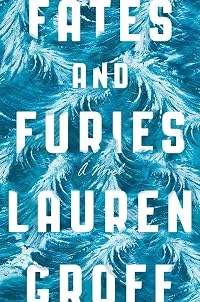
Fates and Furies
by Lauren Groff
On This Page
Description
A FINALIST FOR THE NATIONAL BOOK AWARDNEW YORK TIMES BESTSELLER
NAMED A BEST BOOK OF THE YEAR BY: THE WASHINGTON POST, NPR, TIME, THE SEATTLE TIMES, MINNEAPOLIS STAR-TRIBUNE, SLATE, LIBRARY JOURNAL, KIRKUS, AND MANY MORE
“Lauren Groff is a writer of rare gifts, and Fates and Furies is an unabashedly ambitious novel that delivers – with comedy, tragedy, well-deployed erudition and unmistakable glimmers of brilliance throughout.” —The New York Times Book Review (cover review)
From show more the award-winning, New York Times-bestselling author of The Monsters of Templeton, Arcadia, Florida and Matrix, an exhilarating novel about marriage, creativity, art, and perception.
Fates and Furies is a literary masterpiece that defies expectation. A dazzling examination of a marriage, it is also a portrait of creative partnership written by one of the best writers of her generation.
Every story has two sides. Every relationship has two perspectives. And sometimes, it turns out, the key to a great marriage is not its truths but its secrets. At the core of this rich, expansive, layered novel, Lauren Groff presents the story of one such marriage over the course of twenty-four years.
At age twenty-two, Lotto and Mathilde are tall, glamorous, madly in love, and destined for greatness. A decade later, their marriage is still the envy of their friends, but with an electric thrill we understand that things are even more complicated and remarkable than they have seemed. With stunning revelations and multiple threads, and in prose that is vibrantly alive and original, Groff delivers a deeply satisfying novel about love, art, creativity, and power that is unlike anything that has come before it. Profound, surprising, propulsive, and emotionally riveting, it stirs both the mind and the heart. show less
Tags
Recommendations
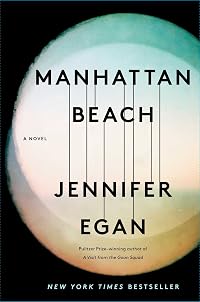
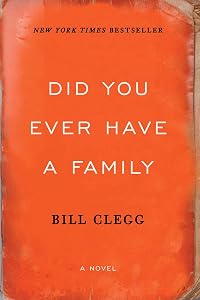
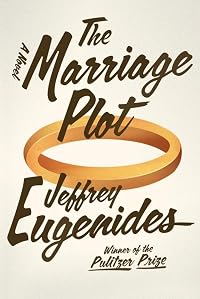
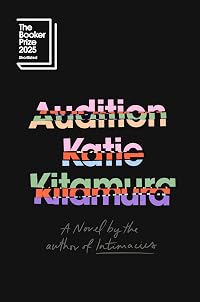
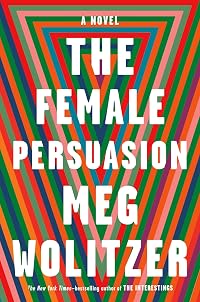
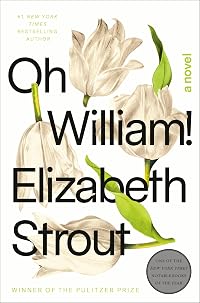
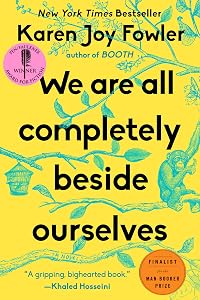
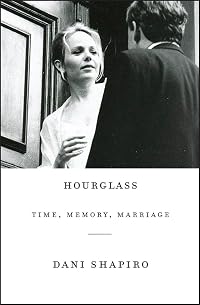
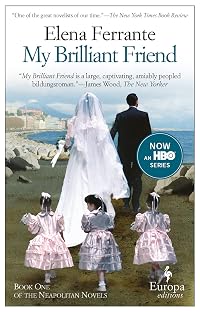
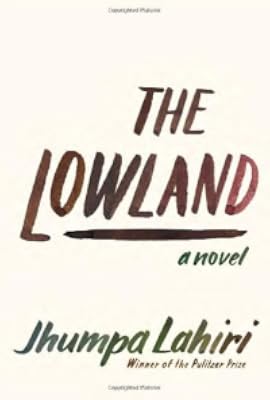
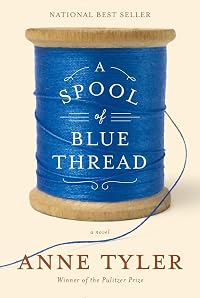
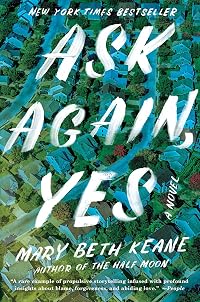
Member Recommendations

by sturlington

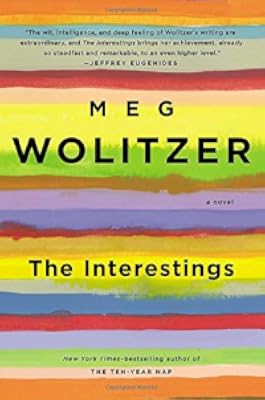
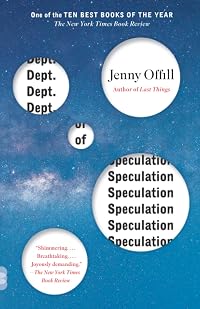
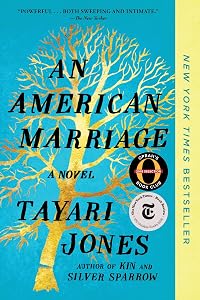
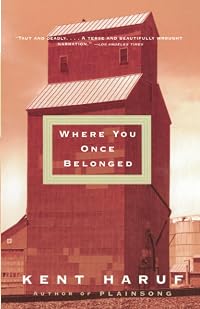
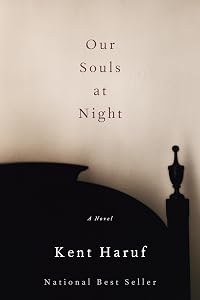
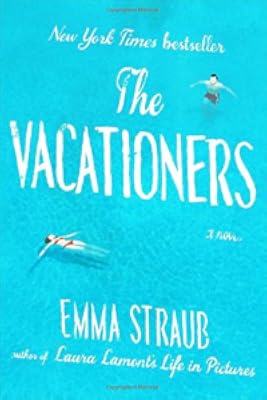
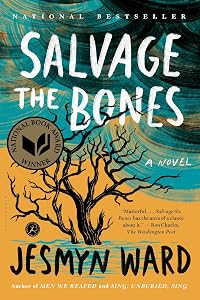
BookshelfMonstrosity These literary domestic fiction novels examine the nature of married love and the inner thoughts and perceptions of family members as they interact. Both are character-driven and portray the importance of perception and expectation in marriage.
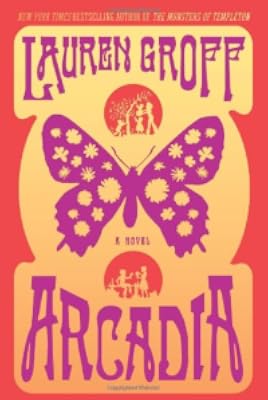
pbirch01 Both have protagonists that use rare artworks to get what they want and execute their plan over many years
11


beyondthefourthwall Families that seem close on the surface but under the surface turn out to have a lot of multilayered mysterious secrets.
beyondthefourthwall A marriage inextricable from life in the theatre turns out to look very different to one partner from how it does to the other, and the character dynamics as things unfold will prove to be tricky indeed.
beyondthefourthwall ...and then, halfway through, we discover that all is not as it seems.
Member Reviews
Ostensibly this is supposed to be a novel about marriage, but I think the question Laura Goff is actually posing in this tale – which just happens to involve a marriage – is: “To what extent are we capable of truly knowing ourselves?”
Lancelot “Lotto” Satterwhite, raised to believe himself a young prince – wealthy, charismatic, handsome – fashions a whole life around this self-delusion. So convincing is he, the people around him become willing participants in helping to create and maintain the self-delusion. He never seems to question why he should be so universally beloved even though he rarely gives more than he gets; why he shouldn’t attain celebrity as a playwright, in spite of the fact that he’s never really show more written anything; or why he shouldn’t be entitled to the “perfect wife,” in spite of the fact that he almost never bothers to wonder what it is that he has to offer her. His life, in short, seems wholly shaped by the “Fates” referenced in the title of the novel.
Whereas Lotto’s inamorata, Mathilde, constructs a life shaped by Furies – ancient Greek spirits believed to wreak vengeance on those who commit crimes. Having been raised to believe she possesses a fundamentally wicked nature, it never seems to occur to Mathilde that there are other ways to pay for college than pimping herself to a ghastly older man who enjoys debasing her; or that she might possess enough love to share with both a husband and a child; or that she might be worthy of love without having to constantly earn it.
Given that Goff is supposed to be such a terrific writer, one might wonder why this novel has received so many so-so reviews from readers. I suspect it comes down to frustration – frustration over the inability of her characters to engage in honest self-reflection. Most of the stories we’re drawn to – as children, and later as adults - contain strong character arcs: either humble everymen who develop into heroes, or heroes who experience a hubristic plummet into humility. In contrast, no one in this novel (with the notable exception of Lotto’s younger sister Rachel) ever learns, changes, matures, or grows.
Where Goff’s talent shows itself to best advantage is in the way she has crafted this modern morality tale. Unveiling both halves of the relationship at once would have been a more conventional approach. But by first presenting the marriage through Lotto’s eyes and then, later, through Mathilde’s eyes, Goff forces her readers to explore how these differences in perception are shaped not just by who the characters are, but who they believe themselves to be.
Which, in turn, spawns a host of weighty questions – questions sure to trigger many a juicy book club discussion. To what extent are we, as adults, able to defy or transcend the forces that mold us throughout our psychologically fragile childhood years? To what extent do we unconsciously (or consciously) become complicit in sustaining the self-delusions of the people in our lives? Do we have a “duty” to seek self-understanding? (And, if so, a duty to who? Ourselves? Our family? The people we love?) Is being able to experience love predicated on self-awareness? On honesty? On being able to love (or at least forgive) ourselves? And what constitutes a “good marriage” anyway – is it the ability to gain from one’s partner the support one needs, or the support one “deserves”?
Fairly early on, readers will realize that Goff intends her work to be appreciated not just as a story, but as a literary construct. In addition to the deliberately artful method of storytelling described above, there are plenty of references to Greek plays and myths – including frequent bracketed comments that – in the style of a Greek chorus – constantly comment on the main action of the story. But none of this need distract from the fact that many of us continue to live lives shaped by fate and fury, if only we possess the self-awareness to perceive it. show less
Lancelot “Lotto” Satterwhite, raised to believe himself a young prince – wealthy, charismatic, handsome – fashions a whole life around this self-delusion. So convincing is he, the people around him become willing participants in helping to create and maintain the self-delusion. He never seems to question why he should be so universally beloved even though he rarely gives more than he gets; why he shouldn’t attain celebrity as a playwright, in spite of the fact that he’s never really show more written anything; or why he shouldn’t be entitled to the “perfect wife,” in spite of the fact that he almost never bothers to wonder what it is that he has to offer her. His life, in short, seems wholly shaped by the “Fates” referenced in the title of the novel.
Whereas Lotto’s inamorata, Mathilde, constructs a life shaped by Furies – ancient Greek spirits believed to wreak vengeance on those who commit crimes. Having been raised to believe she possesses a fundamentally wicked nature, it never seems to occur to Mathilde that there are other ways to pay for college than pimping herself to a ghastly older man who enjoys debasing her; or that she might possess enough love to share with both a husband and a child; or that she might be worthy of love without having to constantly earn it.
Given that Goff is supposed to be such a terrific writer, one might wonder why this novel has received so many so-so reviews from readers. I suspect it comes down to frustration – frustration over the inability of her characters to engage in honest self-reflection. Most of the stories we’re drawn to – as children, and later as adults - contain strong character arcs: either humble everymen who develop into heroes, or heroes who experience a hubristic plummet into humility. In contrast, no one in this novel (with the notable exception of Lotto’s younger sister Rachel) ever learns, changes, matures, or grows.
Where Goff’s talent shows itself to best advantage is in the way she has crafted this modern morality tale. Unveiling both halves of the relationship at once would have been a more conventional approach. But by first presenting the marriage through Lotto’s eyes and then, later, through Mathilde’s eyes, Goff forces her readers to explore how these differences in perception are shaped not just by who the characters are, but who they believe themselves to be.
Which, in turn, spawns a host of weighty questions – questions sure to trigger many a juicy book club discussion. To what extent are we, as adults, able to defy or transcend the forces that mold us throughout our psychologically fragile childhood years? To what extent do we unconsciously (or consciously) become complicit in sustaining the self-delusions of the people in our lives? Do we have a “duty” to seek self-understanding? (And, if so, a duty to who? Ourselves? Our family? The people we love?) Is being able to experience love predicated on self-awareness? On honesty? On being able to love (or at least forgive) ourselves? And what constitutes a “good marriage” anyway – is it the ability to gain from one’s partner the support one needs, or the support one “deserves”?
Fairly early on, readers will realize that Goff intends her work to be appreciated not just as a story, but as a literary construct. In addition to the deliberately artful method of storytelling described above, there are plenty of references to Greek plays and myths – including frequent bracketed comments that – in the style of a Greek chorus – constantly comment on the main action of the story. But none of this need distract from the fact that many of us continue to live lives shaped by fate and fury, if only we possess the self-awareness to perceive it. show less
Lotto is excessively tall, handsome, white, rich, full of the self-confidence of an actor (he is an actor; later a playwright), charismatic, and ferociously loyal and faithful to the woman he loves, his wife, Mathilde. Mathilde is excessively tall, strikingly beautiful, white, rich, brimming with steely determination, ruthlessly loyal and faithful to the man she loves, her husband, Lotto. They make a lovely couple and their story, right up to the surprising death of Lotto in mid-life is one of romantic hardships braved together and eventual success (Lotto’s as a playwright) earned on their own terms. But the story continues after Lotto’s death and both thereafter and through numerous flashbacks to Mathilde’s life before Lotto we show more learn that she, at least, has never been fully what she seemed.
It’s a novel, you might say, of two halves. But are they equal halves?
Mathilde’s backstory is so extreme that it makes a nonsense of her life of more than 20 years with Lotto. She is revealed as essentially dissembling, diabolical, murderous, unsentimental, even fiendish. But she’s always been this way, we learn. Meanwhile Lotto’s character remains consistent in the second half of the novel. There are no stunning turnarounds, though we do see that he has been ignorant of more than just Mathilde’s true character over the course of his life.
I think the concept for this novel was perhaps more interesting than the accomplishment. This, despite the fact that Groff is so evidently a fine writer. I thoroughly enjoyed her synopses of Lotto’s plays and the unfinished opera. There is verve in the writing and it would still have been a fine novel even if it had ended at the midpoint. However, our discovery that Mathilde is practically a Bond-villain in her duplicitousness undercuts what had been achieved to that point. For surely, given that this novel is written in close third-person, we do not have two sides of the same story. We only have one story for which we were deliberately misled by the author throughout the first half. And that doesn’t work, at least for me. It’s not merely that Lotto and Mathilde have different viewpoints on the same events. I hardly think that would be surprising. Rather, it’s that Lotto’s viewpoint is lessened to be merely naive. What we are left with is simply Mathilde’s story with the now childish and child-like Lotto in the shadows. And in fact, from the novelist’s perspective and ours as readers, that’s all we’ve ever had.
Lauren Groff is an exceptional writer whose work I will continue to read with interest. Nevertheless, on this occasion, not recommended. show less
It’s a novel, you might say, of two halves. But are they equal halves?
Mathilde’s backstory is so extreme that it makes a nonsense of her life of more than 20 years with Lotto. She is revealed as essentially dissembling, diabolical, murderous, unsentimental, even fiendish. But she’s always been this way, we learn. Meanwhile Lotto’s character remains consistent in the second half of the novel. There are no stunning turnarounds, though we do see that he has been ignorant of more than just Mathilde’s true character over the course of his life.
I think the concept for this novel was perhaps more interesting than the accomplishment. This, despite the fact that Groff is so evidently a fine writer. I thoroughly enjoyed her synopses of Lotto’s plays and the unfinished opera. There is verve in the writing and it would still have been a fine novel even if it had ended at the midpoint. However, our discovery that Mathilde is practically a Bond-villain in her duplicitousness undercuts what had been achieved to that point. For surely, given that this novel is written in close third-person, we do not have two sides of the same story. We only have one story for which we were deliberately misled by the author throughout the first half. And that doesn’t work, at least for me. It’s not merely that Lotto and Mathilde have different viewpoints on the same events. I hardly think that would be surprising. Rather, it’s that Lotto’s viewpoint is lessened to be merely naive. What we are left with is simply Mathilde’s story with the now childish and child-like Lotto in the shadows. And in fact, from the novelist’s perspective and ours as readers, that’s all we’ve ever had.
Lauren Groff is an exceptional writer whose work I will continue to read with interest. Nevertheless, on this occasion, not recommended. show less
So here's a conundrum: The overriding theme of all the Greek myths is the conflict between man, who thinks he can control his fate, and the gods, who have the true power and must choose how and why they wield it. And it's a major theme of Groff's book, with the manipulations divided between actual, honest-to-god (ha) fates and humans standing in for them, with those humans also succumbing to the flaws that catch the gods' unwanted attention in the first place: narcissism, hubris, lust, etc. I totally get what Groff was doing here, and I applaud her for taking it on. It's a really interesting and complex setup.
But oh, that ending—in which Groff falls prey to some really serious authorial hubris. I actually stepped back a moment, after show more closing the book, and wondered if that was the point she was trying to make with this awful deus ex machina action. Is it a meta-commentary on her own novel, on her godlike role as its author? But... nah, I don't think so. Not after an effort like that. I think she was the victim of her own all-too-human hamartia there. Which kind of makes the whole thing awesome, but not in the way she'd intended, I don't think, and as a reader it frustrated the hell out of me.
I had a love-hate relationship with the book in general. Didn't like the writing style, which I found a bit too show-offy—like someone who comes to a party with their clever lines at the ready—but style is personal, and I got used to it. And I really did like what she was doing with the book. But the ending made me gnash my teeth. Whom the gods would destroy, I guess.
Anyway, I'm glad I read it. Groff's talented, and I'm interested to see what she comes up with next (and need to go back and read Arcadia. show less
But oh, that ending—in which Groff falls prey to some really serious authorial hubris. I actually stepped back a moment, after show more closing the book, and wondered if that was the point she was trying to make with this awful deus ex machina action. Is it a meta-commentary on her own novel, on her godlike role as its author? But... nah, I don't think so. Not after an effort like that. I think she was the victim of her own all-too-human hamartia there. Which kind of makes the whole thing awesome, but not in the way she'd intended, I don't think, and as a reader it frustrated the hell out of me.
I had a love-hate relationship with the book in general. Didn't like the writing style, which I found a bit too show-offy—like someone who comes to a party with their clever lines at the ready—but style is personal, and I got used to it. And I really did like what she was doing with the book. But the ending made me gnash my teeth. Whom the gods would destroy, I guess.
Anyway, I'm glad I read it. Groff's talented, and I'm interested to see what she comes up with next (and need to go back and read Arcadia. show less
An intricately detailed and intimate portrait of a marriage as told from both sides. It's a novel about love and the things we do for love: the lies we tell, the burdens we bear, and the secrets we keep.
When Lancelot marries Mathilde, his shrewish mother disinherits them. Both don't care, they'll make it on their own with the power of their love. Eventually they do, although it takes most of their twenties. Lotto wants to be an actor but is unsuccessful. But after drunkenly writing part of a play one night when blackout drunk, they collectively discover his gift. After the first play comes many more and Lancelot becomes a world renowned playwright.
Their marriage weathers much but endures until Lancelot's death at 46. That's when the show more reader is first truly introduced to Mathilde whose life has been overshadowed in every way by her husband. Who is this mysterious woman, and what is her story?
I found this novel vital and I drank it down as quickly as I could. The story is not exactly happy or sad, but beautiful and surprising. The author's voice is powerful and painfully unique. Unusual turns of phrase became a narrative norm. So refreshing. show less
When Lancelot marries Mathilde, his shrewish mother disinherits them. Both don't care, they'll make it on their own with the power of their love. Eventually they do, although it takes most of their twenties. Lotto wants to be an actor but is unsuccessful. But after drunkenly writing part of a play one night when blackout drunk, they collectively discover his gift. After the first play comes many more and Lancelot becomes a world renowned playwright.
Their marriage weathers much but endures until Lancelot's death at 46. That's when the show more reader is first truly introduced to Mathilde whose life has been overshadowed in every way by her husband. Who is this mysterious woman, and what is her story?
I found this novel vital and I drank it down as quickly as I could. The story is not exactly happy or sad, but beautiful and surprising. The author's voice is powerful and painfully unique. Unusual turns of phrase became a narrative norm. So refreshing. show less
People want to lick other people's faces way too much in this novel. Like, once is enough for that particular gesture to occur to a character out of the blue, don't you think? You may disagree but personally I don't think most people have regular thoughts about how they want to lick one another's faces. So to have characters think somewhat regularly or even more than once about licking one another's faces, in the same novel, felt odd to me.
Indeed I have many questions about this novel. My main question is: Huh? Because it's not just the licking, let's face it, it's the whole damn book, every sentence, that feels gloopy, and a little gross. You may find yourself reading along like I was reading along, thinking that this language sounds show more great and witty. But at some point, unlucky you, you might just slow down enough listen to these particular words on the page in front of you, and you may eventually find you are pondering their meaning, instead of just being carried away by their sense impression. And then, well, watch out, because the rest of your reading experience will be wondering what the heck the author meant to say. People in this novel say things like "My family traded me for three mules and a bucket of butter" and "Bridget is to dating Lotto the way a remora is to dating a shark." Do these things mean anything to you? Well. Then this novel is for you. Eventually I stopped saying to myself "wow how original" and started saying instead "but wait, that actually doesn't mean anything" and even "Of all the silly nonsense, this is the stupidest tea party I've ever been to in all my life."
The staccato style of not-sentences crammed with unlikely verbs reminds me of Annie Proulx's [b:The Shipping News|7354|The Shipping News|Annie Proulx|https://d.gr-assets.com/books/1386924131s/7354.jpg|310090], but I didn't mind that style back in 1993, because it was new and not derivative, and also because the style was attached to an interesting story about a vanishing way of life, whereas Fates & Furies just seems attached to the author's navel.
That's about my take. Try reading it yourself and see what you think. Everyone else seems to think this novel is heart-palpitatingly amazing and you might agree. show less
Indeed I have many questions about this novel. My main question is: Huh? Because it's not just the licking, let's face it, it's the whole damn book, every sentence, that feels gloopy, and a little gross. You may find yourself reading along like I was reading along, thinking that this language sounds show more great and witty. But at some point, unlucky you, you might just slow down enough listen to these particular words on the page in front of you, and you may eventually find you are pondering their meaning, instead of just being carried away by their sense impression. And then, well, watch out, because the rest of your reading experience will be wondering what the heck the author meant to say. People in this novel say things like "My family traded me for three mules and a bucket of butter" and "Bridget is to dating Lotto the way a remora is to dating a shark." Do these things mean anything to you? Well. Then this novel is for you. Eventually I stopped saying to myself "wow how original" and started saying instead "but wait, that actually doesn't mean anything" and even "Of all the silly nonsense, this is the stupidest tea party I've ever been to in all my life."
The staccato style of not-sentences crammed with unlikely verbs reminds me of Annie Proulx's [b:The Shipping News|7354|The Shipping News|Annie Proulx|https://d.gr-assets.com/books/1386924131s/7354.jpg|310090], but I didn't mind that style back in 1993, because it was new and not derivative, and also because the style was attached to an interesting story about a vanishing way of life, whereas Fates & Furies just seems attached to the author's navel.
That's about my take. Try reading it yourself and see what you think. Everyone else seems to think this novel is heart-palpitatingly amazing and you might agree. show less
Audiobook performed by Will Damron and Julia Whelan
From the book jacket: They meet in the final months of college, and by graduation, they have married. It’s 1991. …A decade or so later, though, Lotto and Mathilde are on their way. He is a world-famous playwright, she is integral to his success. Their life and marriage are the envy of friends, the very definition of successful partnership.
My Reactions
Well I certainly didn’t see THAT coming! I don’t read the book jacket summaries before reading a book-club selection, so had no warning of “an explosive twist” other than the title.
The book is told by the two central characters. Lancelot / Lotto tells their story in the first section: Fates. Groff is masterful building these show more characters, with qualities that draw the reader into their circle. They are young, in love, each other’s champion against the world. Mathilde never stops believing in Lotto, encouraging him, supporting them with her small gallery job as he struggles as an actor. When his mother cuts them off, Mathilde makes sure Lotto’s Aunt Sallie and little sister, Rachel, are welcomed for annual visits. She hosts parties for their friends, and includes his childhood buddy Chollie, who seems not much more than a moocher. They are a devoted couple. Apparently.
One revelation breaks the bond. Forcing first Lotto, and then Mathilde to examine their relationship.
When Mathilde takes over narrating in the Furies section the truths and lies tumble one after another, leaving this reader reeling. Every single character’s “other side” is revealed. No one and nothing is what it seemed at first. By the end I’m left feeling battered and bruised and stunned. I want to start reading it again from the beginning so I can pick up any clues Groff may have buried.
Will Damron and Julia Whelan are perfect in performing the audio version. I absolutely believed in their characters, was drawn in and held captive from beginning to end.
Readers take note: There is considerable sex in the book, some of it disturbing. show less
From the book jacket: They meet in the final months of college, and by graduation, they have married. It’s 1991. …A decade or so later, though, Lotto and Mathilde are on their way. He is a world-famous playwright, she is integral to his success. Their life and marriage are the envy of friends, the very definition of successful partnership.
My Reactions
Well I certainly didn’t see THAT coming! I don’t read the book jacket summaries before reading a book-club selection, so had no warning of “an explosive twist” other than the title.
The book is told by the two central characters. Lancelot / Lotto tells their story in the first section: Fates. Groff is masterful building these show more characters, with qualities that draw the reader into their circle. They are young, in love, each other’s champion against the world. Mathilde never stops believing in Lotto, encouraging him, supporting them with her small gallery job as he struggles as an actor. When his mother cuts them off, Mathilde makes sure Lotto’s Aunt Sallie and little sister, Rachel, are welcomed for annual visits. She hosts parties for their friends, and includes his childhood buddy Chollie, who seems not much more than a moocher. They are a devoted couple. Apparently.
One revelation breaks the bond. Forcing first Lotto, and then Mathilde to examine their relationship.
When Mathilde takes over narrating in the Furies section the truths and lies tumble one after another, leaving this reader reeling. Every single character’s “other side” is revealed. No one and nothing is what it seemed at first. By the end I’m left feeling battered and bruised and stunned. I want to start reading it again from the beginning so I can pick up any clues Groff may have buried.
Will Damron and Julia Whelan are perfect in performing the audio version. I absolutely believed in their characters, was drawn in and held captive from beginning to end.
Readers take note: There is considerable sex in the book, some of it disturbing. show less
I was a little surprised at how negatively my book circle members reacted to this novel.
The first section centers on Lotto (Lancelot) Satterwhite, scion of a wealthy but strange Florida family, given all the advantages. But his controlling mother disowns him, disapproving of his fairy-tale marriage, and, struggling as an actor, he is supported emotionally and financially by his wife Mathilde, his aunt, his sister, his friends from school, until his eventual and remarkable success as a playwright. He loves his wife, trusts his friends, and seems the golden boy. I got somewhat tired of it. When his story ends, Mathilde's steps out of his shadow. Who is she really? We have learned so little about her as the novel concentrates on Lotto. And show more there is a lot to learn. She, of course, is one of the furies, but how much of her story is true? Her early life, her odd family, are completely hidden from her husband, but drive her actions and her own need for control and revenge. The author is not above using spectacular events to punctuate the narrative, both in the forward journey of the plot and the backward look at origins, and I suspect some of the group found the author as controlling as the characters. But I enjoyed the story, in spite of some eyebrow-raising coincidences at the end . show less
The first section centers on Lotto (Lancelot) Satterwhite, scion of a wealthy but strange Florida family, given all the advantages. But his controlling mother disowns him, disapproving of his fairy-tale marriage, and, struggling as an actor, he is supported emotionally and financially by his wife Mathilde, his aunt, his sister, his friends from school, until his eventual and remarkable success as a playwright. He loves his wife, trusts his friends, and seems the golden boy. I got somewhat tired of it. When his story ends, Mathilde's steps out of his shadow. Who is she really? We have learned so little about her as the novel concentrates on Lotto. And show more there is a lot to learn. She, of course, is one of the furies, but how much of her story is true? Her early life, her odd family, are completely hidden from her husband, but drive her actions and her own need for control and revenge. The author is not above using spectacular events to punctuate the narrative, both in the forward journey of the plot and the backward look at origins, and I suspect some of the group found the author as controlling as the characters. But I enjoyed the story, in spite of some eyebrow-raising coincidences at the end . show less
Members
- Recently Added By
Published Reviews
ThingScore 94
‘Fates and Furies,’’ Lauren Groff’s pyrotechnic new novel, tells the story of a marriage and of marriage writ large. It is also an exploration of character — good, evil, flat, round, genetic, forged by circumstance, all of the above — and a wild play upon literary history. Groff grafts the contemporary fiction of suburban anomie and New York manners onto künstlerroman, myth, and show more epic in a dazzling fusion of classic and (post)modern, tragedy and comedy. show less
added by smasler
Lauren Groff is a writer of rare gifts, and “Fates and Furies” is an unabashedly ambitious novel that delivers — with comedy, tragedy, well-deployed erudition and unmistakable glimmers of brilliance throughout.
added by Laura400
The novel tells the story of Lotto and Mathilde Satterwhite. He is the darling of a prosperous Florida family – “Lotto was special. Golden”. She, an apparent “ice princess”, is the survivor of a past about which her husband has only the fuzziest idea beyond it being “sad and dark”, and above all “blank behind her”. The first half of the book offers Lotto’s view of their show more life together as he rises from charming but failed actor to celebrated playwright, thanks in no small part to Mathilde’s editorial finesse. The second half reveals that Mathilde has, through implacable willpower, transcended circumstances that read like a hotchpotch of Greek tragedy, fable and detective novel. Much of what Lotto takes for granted in his good fortune, it turns out, is due to Mathilde’s ruthless machination, right down to their marriage itself. She genuinely loves him, but she initially set out to win him for mercenary reasons. show less
added by smasler
Lists

2016 Tournament of Books
17 works; 20 members

Recommend the 20 best books you've read in the last five years
2,168 works; 606 members

Best 21st Century Books (So Far)
679 works; 86 members

Female Author
1,234 works; 67 members

Books recommended by Barack Obama
295 works; 28 members

Top Five Books of 2015
811 works; 241 members

National Book Award Finalists - Fiction
377 works; 12 members

Books Set in New York State
65 works; 11 members

Top Five Books of 2016
795 works; 229 members
Contemporary Fiction
109 works; 7 members

Kirkus Starred Fiction Reviews of Books Published in 2015
310 works; 6 members
Books Read in 2016
4,666 works; 199 members

Elena Ferrante's 40 favourite books by female authors
40 works; 10 members

Dysfunctional Families
133 works; 7 members

Books Read in 2023
5,638 works; 147 members

Indie Next Picks
196 works; 4 members
Books Read in 2015
3,299 works; 129 members

NYT: Notable Books of 2015 (Fiction & Poetry)
20 works; 1 member
International Dublin Literary Award Longlist 2017
147 works; 3 members

Dublin Literary Award Longlist 2017
147 works; 2 members

Secrets Books
94 works; 3 members

Obama Reads
181 works; 3 members

Netgalley Reads
468 works; 3 members

Kirkus Reviews Best Fiction of 2015
98 works; 6 members

Books Read in 2019
4,052 works; 110 members

2015 National Book Award for Fiction
10 works; 3 members

Biggest Disappointments
606 works; 168 members

Florida's Book Bans and Challenges
311 works; 4 members

Anti-heroines in fiction
59 works; 9 members
LitHub's Best Novels of the Decade 2010-2019
39 works; 1 member

The Atlantic's The Great American Novel
136 works; 12 members
Author Information

34+ Works 15,071 Members
Lauren Groff graduated from Amherst College and received an MFA in fiction from the University of Wisconsin at Madison. Her books include The Monsters of Templeton, Delicate Edible Birds, and Fates and Furies. Arcadia won of the Medici Book Club Prize. Her fiction has also won the Paul Bowles Prize for Fiction, the PEN/O. Henry Award, and the show more Pushcart Prize. Her work has appeared in numerous magazines including the New Yorker, the Atlantic Monthly, Harper's, Tin House, One Story, McSweeney's, and Ploughshares, and in the anthologies 100 Years of the Best American Short Stories, The Pushcart Prize: Best of the Small Presses, PEN/O. Henry Prize Stories, and three editions of the Best American Short Stories. (Bowker Author Biography) show less
Some Editions
Awards and Honors
Awards
Distinctions
Series
Belongs to Publisher Series
İthaki Modern (14)
Work Relationships
Has as a reference guide/companion
Common Knowledge
- Canonical title
- Fates and Furies
- Original publication date
- 2015-09-15
- People/Characters
- Lancelot “Lotto” Satterwhite; Antoinette Satterwhite; Mathilde Yoder
- Important places
- Manhattan, New York, New York, USA
- Dedication
- For Clay
[Of course] - First words
- A thick drizzle from the sky, like a curtain's sudden sweeping. The seabirds stopped their tuning, the ocean went mute. Houselights over the water dimmed to gray. -Chapter 1
- Quotations
- Hot milk of a world, with its skin of morning fog in the window.
In her sleep her eyelids were so translucent that he always thought if he looked hard, he could see her dreams pulsing like jellyfish across her brain. - Last words
- (Click to show. Warning: May contain spoilers.)Yes, she would have said. Sure.
- Publisher's editor
- Sarah McGrath
- Blurbers
- Wolitzer, Meg; Walter, Jess
- Original language
- English
- Canonical DDC/MDS
- 813.6
- Canonical LCC
- PS3607.R6344
Classifications
Statistics
- Members
- 4,367
- Popularity
- 3,445
- Reviews
- 226
- Rating
- (3.61)
- Languages
- 15 — Chinese, Czech, Danish, Dutch, English, Estonian, French, German, Italian, Korean, Polish, Spanish, Swedish, Turkish, Portuguese (Portugal)
- Media
- Paper, Audiobook, Ebook
- ISBNs
- 53
- ASINs
- 16