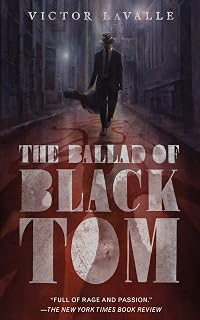
The Ballad of Black Tom
by Victor LaValle
On This Page
Description
People move to New York looking for magic and nothing will convince them it isn't there. Charles Thomas Tester hustles to put food on the table, keep the roof over his father's head, from Harlem to Flushing Meadows to Red Hook. He knows what magic a suit can cast, the invisibility a guitar case can provide, and the curse written on his skin that attracts the eye of wealthy white folks and their cops. But when he delivers an occult tome to a reclusive sorceress in the heart of Queens, Tom show more opens a door to a deeper realm of magic, and earns the attention of things best left sleeping. A storm that might swallow the world is building in Brooklyn. Will Black Tom live to see it break? show lessTags
Recommendations






Member Recommendations

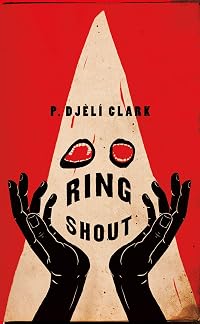
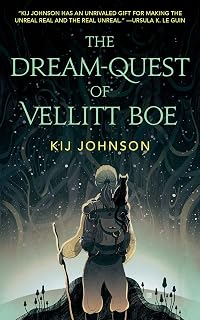
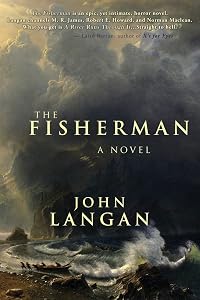
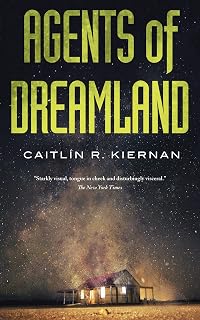
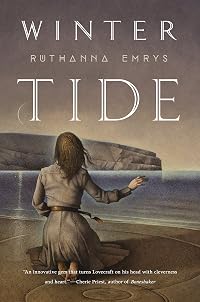
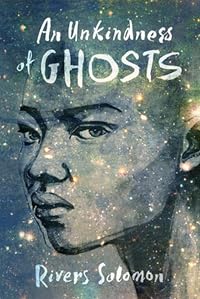
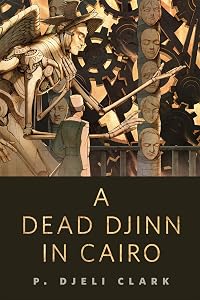
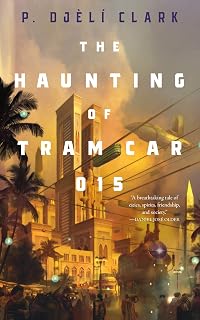
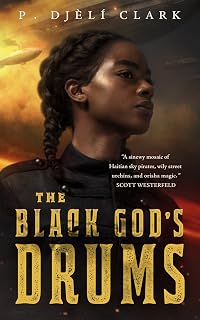
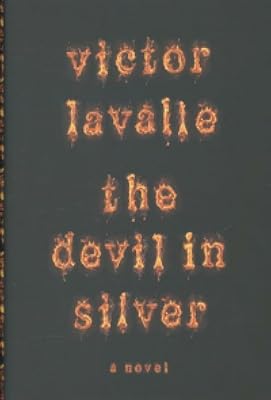
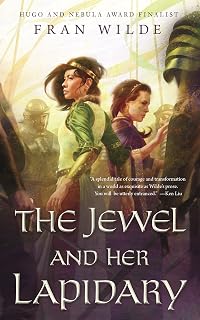
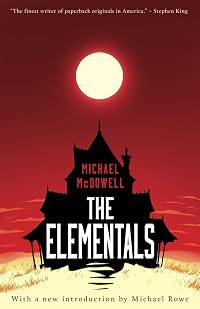
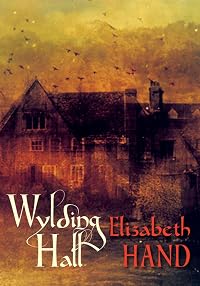
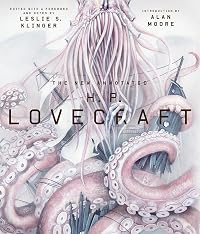
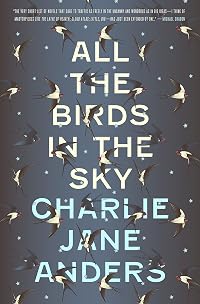
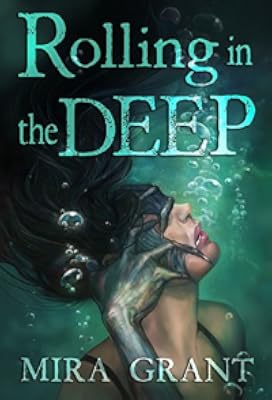
Sammelsurium Two books in dialogue with and critical of Lovecraft's depiction of New York.

sturlington Read these books back-to-back and they seemed very similar in certain ways.
Member Reviews
A book with a grabbing premise and setting from the get-go. Juxtaposing the inhumanity of the Outer Gods with that of systematic oppression is a great move, and it does a solid job of setting up a kind of dialectic relationship between the state/status quo embodied by Detective Malone and rebellion against it enacted by Tom.
Some aspects of the overall narrative do feel a little weird though, specifically in terms of how the novel recycles racist rhetoric: racists think Tom is a monster, and then he actually becomes one; racists think immigrants are conspiring with one another, and then they actually are. That first thread is deconstructed a little towards the end, but I think both deserved a more thorough dissection--the story could show more have gone deeper into how mainstream culture constructs these narratives or alternative narratives that arise within marginalized communities or something, rather than allowing them to go largely unremarked upon. As it stands, it feels like the novella struggles to decide between engaging with the anxieties--racial or otherwise--depicted in Lovecraft's original work, and dismissing them to focus on the more sympathetic worries of marginalized people themselves, and I think the story suffers from it.
I was also really confused by one specific passage on historic immigration to the United States. This quote introduces Detective Malone's role in anti-immigrant policing: "The legal immigrants of Europe--German and English, Scottish and Italian, Jewish, French, Irish, and Scandinavian--all were welcomed through the immigration center on Ellis Island. A number of Chinese were permitted through this channel as well. But what about the rest? Malone's beat in Brooklyn brought him through neighborhoods thick with Syrians and Persians, Africans, too. How did they arrive in Brooklyn in such hordes?" I'm not an expert on immigration history, but there are a few things I find weird about this passage.
First of all, the novel takes place in the same year that the Immigration Act of 1924 was passed, which redefined America's immigration system for the next forty years--namely by making it massively more restrictive, especially to Asian Americans. If the novel is interested in immigration, why doesn't it make any reference to this incredibly important piece of legislation?
Secondly, at this time, not all immigrants from Europe were as welcome in the United States as the quote suggests. Restricting the number of Central and South European immigrants to the US, which included Italians and many Jews, was an explicit goal of both the 1924 law and the Emergency Quota Act three years previous.
Thirdly, it's strange to single out the Chinese as a permitted ethnicity when they were at this point the most restricted and policed group of immigrants in the entire United States. From 1882 until 1943, Chinese laborers were completely barred from legal immigration to the United States (with the exception of members of specific skilled professions). From 1892, Chinese residents were required to carry resident permits demonstrating their right to be in the United States or face deportation, the only group of immigrants facing this requirement. So they were pretty far from any kind of acceptance in 1924. Also, I can't imagine many Chinese were entering the United States through Ellis Island--most traveled through Angel Island on the West Coast.
Finally, I'm pretty sure that at this point in history, regulation of immigration was generally enforced at the ports themselves, rather than by dedicated domestic police forces. With the exception of the Chinese, most immigrants didn't even need documentation to show their immigration was legal, and were not subject to deportation unless they faced additional legal issues. And I don't know why even a racist cop would be puzzled by the presence of certain ethnic groups in New York in 1924, when almost completely open immigration was the norm in the United States up until three years prior.
It's just a short passage, but I was so surprised by the amount of ahistorical claims it made that I had to stop reading and go refresh my understanding of America's immigration history before continuing. Maybe it's not a huge problem in the grand scheme of things, but I do think that if the aim of your novel is to bring life to a group of marginalized and maligned people, you have a duty to be true to the lives they actually lived, rather than making the easy pull from modern rhetoric surrounding immigration. I hope my summary clears up some of the misconceptions present in the text and demonstrates how modern the United States (anti-)immigration legal infrastructure and ideology is within the scope of the country's history. show less
Some aspects of the overall narrative do feel a little weird though, specifically in terms of how the novel recycles racist rhetoric: racists think Tom is a monster, and then he actually becomes one; racists think immigrants are conspiring with one another, and then they actually are. That first thread is deconstructed a little towards the end, but I think both deserved a more thorough dissection--the story could show more have gone deeper into how mainstream culture constructs these narratives or alternative narratives that arise within marginalized communities or something, rather than allowing them to go largely unremarked upon. As it stands, it feels like the novella struggles to decide between engaging with the anxieties--racial or otherwise--depicted in Lovecraft's original work, and dismissing them to focus on the more sympathetic worries of marginalized people themselves, and I think the story suffers from it.
I was also really confused by one specific passage on historic immigration to the United States. This quote introduces Detective Malone's role in anti-immigrant policing: "The legal immigrants of Europe--German and English, Scottish and Italian, Jewish, French, Irish, and Scandinavian--all were welcomed through the immigration center on Ellis Island. A number of Chinese were permitted through this channel as well. But what about the rest? Malone's beat in Brooklyn brought him through neighborhoods thick with Syrians and Persians, Africans, too. How did they arrive in Brooklyn in such hordes?" I'm not an expert on immigration history, but there are a few things I find weird about this passage.
First of all, the novel takes place in the same year that the Immigration Act of 1924 was passed, which redefined America's immigration system for the next forty years--namely by making it massively more restrictive, especially to Asian Americans. If the novel is interested in immigration, why doesn't it make any reference to this incredibly important piece of legislation?
Secondly, at this time, not all immigrants from Europe were as welcome in the United States as the quote suggests. Restricting the number of Central and South European immigrants to the US, which included Italians and many Jews, was an explicit goal of both the 1924 law and the Emergency Quota Act three years previous.
Thirdly, it's strange to single out the Chinese as a permitted ethnicity when they were at this point the most restricted and policed group of immigrants in the entire United States. From 1882 until 1943, Chinese laborers were completely barred from legal immigration to the United States (with the exception of members of specific skilled professions). From 1892, Chinese residents were required to carry resident permits demonstrating their right to be in the United States or face deportation, the only group of immigrants facing this requirement. So they were pretty far from any kind of acceptance in 1924. Also, I can't imagine many Chinese were entering the United States through Ellis Island--most traveled through Angel Island on the West Coast.
Finally, I'm pretty sure that at this point in history, regulation of immigration was generally enforced at the ports themselves, rather than by dedicated domestic police forces. With the exception of the Chinese, most immigrants didn't even need documentation to show their immigration was legal, and were not subject to deportation unless they faced additional legal issues. And I don't know why even a racist cop would be puzzled by the presence of certain ethnic groups in New York in 1924, when almost completely open immigration was the norm in the United States up until three years prior.
It's just a short passage, but I was so surprised by the amount of ahistorical claims it made that I had to stop reading and go refresh my understanding of America's immigration history before continuing. Maybe it's not a huge problem in the grand scheme of things, but I do think that if the aim of your novel is to bring life to a group of marginalized and maligned people, you have a duty to be true to the lives they actually lived, rather than making the easy pull from modern rhetoric surrounding immigration. I hope my summary clears up some of the misconceptions present in the text and demonstrates how modern the United States (anti-)immigration legal infrastructure and ideology is within the scope of the country's history. show less
This is Victor LaValle's attempt to reconcile his obvious love of H.P. Lovecraft's weird fiction with the writer's frequently unpalatable racism. Here LaValle inverts the story of [b:The Horror at Red Hook|2582189|The Horror at Red Hook|H.P. Lovecraft|https://images.gr-assets.com/books/1266939978s/2582189.jpg|2598040], wherein illegal immigrants in Brooklyn are corralled into a cultist's ceremony to open an interdimensional portal. The racist implication is that the many ethnicities of New York City are barely different then hideous aliens in their own right. LaValle reframes the story through the perspective of one of Lovecraft's "swarthy multitudes." Injecting racial empathy into a Lovecraft story is an admirable challenge but I show more suspect it is a futile one.
This is the trouble I have with almost all fanfiction. The universe an author creates is a reflection of who they are; the hopes, fears, prejudices, and life story of an author combine into an unconscious soup from which stories are ladled out. Many complain when a new writer in a TV show makes a beloved character behave inconsistently, but most fan works do this with an entire setting. Lovecraft was able to conjure so effectively his paranoid and hateful cosmos because he was a fundamentally paranoid and hateful person. The Ballad of Black Tom's attempts at reconciling this universe with a compassionate narrator results in bathetic tonal shifts. It's a real mess. This isn't to say that the cosmic horror genre is inseparable from a reactionary mode, only that it requires a unique setting to do so. show less
This is the trouble I have with almost all fanfiction. The universe an author creates is a reflection of who they are; the hopes, fears, prejudices, and life story of an author combine into an unconscious soup from which stories are ladled out. Many complain when a new writer in a TV show makes a beloved character behave inconsistently, but most fan works do this with an entire setting. Lovecraft was able to conjure so effectively his paranoid and hateful cosmos because he was a fundamentally paranoid and hateful person. The Ballad of Black Tom's attempts at reconciling this universe with a compassionate narrator results in bathetic tonal shifts. It's a real mess. This isn't to say that the cosmic horror genre is inseparable from a reactionary mode, only that it requires a unique setting to do so. show less
I really loved a lot of elements about this book--LaValle's writing is 🔥🔥🔥 mainly, and I loved the sense of place and the complexity of Tom's character. I appreciate that this is LaValle's homage to that ol' jerk Lovecraft, but I'm also realizing that Lovecraft's schtick is not my thing. I was all in with the creepy Suydam and Ma Att and old houses, the constant dread, and the looming (and occasionally realized) threats of violence, but the whole philosophizing over the Sleeping King and all that noise kept breaking the tension. The very real racial tensions and tremendous historical placement was undermined by the fantastical moments. Sorry, Mr. Cthulhu.
BUT I loved everything else about this book and suspect LaValle might be show more a new favorite author for me. show less
BUT I loved everything else about this book and suspect LaValle might be show more a new favorite author for me. show less
This story hits well above its weight class. It is superlative fan fiction, commenting on both the source material and the world, simultaneously a gripping story, astonishing meta, and a complete transformation of the source.
Lovecraft's work is infested with his racism as well as his imaginary terrors; LaValle turns that inside out by making this the story of a Black man and his encounter with both mundane horror -- racism, white people, oppression -- and supernatural horror -- Cthulhu and Lovecraftian mysteries. And, honestly, by the time you get to the supernatural horror,all of the insanity and darkness of the Elder Gods seems mild in comparison to the mundane horrors Tom has already endured, and I, for one, was like, sure, destroy show more the world, Tom. This is a reasonable response to the shit you've been through .
LaValle doesn't over-egg the pudding; every step of the way, this works as a story. And the setting is so well-realized; 1920s New York City, and especially Harlem, are perfect here, without the homogeny that many writers choose.
It isn't often I read horror, let alone love it, but I am so very glad I read this. It's better than Lovecraft on every level. (While being something Lovecraft himself would probably have a permanent fit of the vapors over.) A fantastic book. show less
Lovecraft's work is infested with his racism as well as his imaginary terrors; LaValle turns that inside out by making this the story of a Black man and his encounter with both mundane horror -- racism, white people, oppression -- and supernatural horror -- Cthulhu and Lovecraftian mysteries. And, honestly, by the time you get to the supernatural horror,
LaValle doesn't over-egg the pudding; every step of the way, this works as a story. And the setting is so well-realized; 1920s New York City, and especially Harlem, are perfect here, without the homogeny that many writers choose.
It isn't often I read horror, let alone love it, but I am so very glad I read this. It's better than Lovecraft on every level. (While being something Lovecraft himself would probably have a permanent fit of the vapors over.) A fantastic book. show less
"The Ballad Of Black Tom" is a powerful novella which appropriates H, P, Lovecraft's occult lore and ancient gods and places a young black man at the centre of the story.
I'm not a Lovecraft fan but I was fascinated by the way Victor LaValle took possession and Lovecraft's world and used it to explore a black man's rage at how he and his father are treated by the white men.
In less than 150 pages, we follow Charles Thomas Tester's transformation from a savvy twenty-year-old hustler with a passing knowledge of the occult and a flair for dissembling to Black Tom, a bringer of death and a herald of doom. The means for this transformation comes from occult knowledge provided acquired from the rich power-hungry white people who buy his time. show more The motive for the transformation comes from the contempt and violence he receives from the white men around him.
The text is vivid and full of energy. LaValle perfectly captures the sense of threat a lone black man experiences when venturing outside of Harlem. The scene where Tester learns of the brutal act of violence by a white private detective is chilling and makes a perfect trigger for his transformation into Black Tom.
Towards the end of the novella, Tester reflects on his own transformation into a monster by the way in which white people saw him, saying of white people:
“Every time I was around them, they acted like I was a monster. So I said goddamnit, I’ll be the worst monster you ever saw!”
He also recognises that his rage has cost him his connection with his own community and stripped him of his humanity.
H. P. Lovecraft's racism is well known so it interested me that the racist white private detective's surname is Howard, which was Lovecraft's first name. show less
I'm not a Lovecraft fan but I was fascinated by the way Victor LaValle took possession and Lovecraft's world and used it to explore a black man's rage at how he and his father are treated by the white men.
In less than 150 pages, we follow Charles Thomas Tester's transformation from a savvy twenty-year-old hustler with a passing knowledge of the occult and a flair for dissembling to Black Tom, a bringer of death and a herald of doom. The means for this transformation comes from occult knowledge provided acquired from the rich power-hungry white people who buy his time. show more The motive for the transformation comes from the contempt and violence he receives from the white men around him.
The text is vivid and full of energy. LaValle perfectly captures the sense of threat a lone black man experiences when venturing outside of Harlem. The scene where Tester learns of the brutal act of violence by a white private detective is chilling and makes a perfect trigger for his transformation into Black Tom.
Towards the end of the novella, Tester reflects on his own transformation into a monster by the way in which white people saw him, saying of white people:
“Every time I was around them, they acted like I was a monster. So I said goddamnit, I’ll be the worst monster you ever saw!”
He also recognises that his rage has cost him his connection with his own community and stripped him of his humanity.
H. P. Lovecraft's racism is well known so it interested me that the racist white private detective's surname is Howard, which was Lovecraft's first name. show less
An excellent addition to the Lovecraftian Old Ones mythos. I enjoyed the hell out of this, and I particularly loved how LaValle took the racism aspect head on.
Just a note on that. Yes, Lovecraft was a racist fuck. He also was, for all intents and purposes, a reasonably shitty writer. But the man had some brilliant ideas.
I think there's a lot of reprehensible writers out there that, if we had insight into their personal beliefs, we likely wouldn't read them. Orson Scott Card comes to mind. And William Peter Blatty was, by all accounts, an asshole and a raging homophobe. But people still read their shit.
Hmmm...Orson Scott Card. William Peter Blatty. Howard Phillips Lovecraft. Maybe we should just stay away from authors going by three show more names?
I digress. My point here is, even the nastiest author can spin some gold, and it's always fascinating when someone else comes along and turns that gold into treasure, as LaValle has done.
I'll definitely be searching out more of LaValle's stuff. show less
Just a note on that. Yes, Lovecraft was a racist fuck. He also was, for all intents and purposes, a reasonably shitty writer. But the man had some brilliant ideas.
I think there's a lot of reprehensible writers out there that, if we had insight into their personal beliefs, we likely wouldn't read them. Orson Scott Card comes to mind. And William Peter Blatty was, by all accounts, an asshole and a raging homophobe. But people still read their shit.
Hmmm...Orson Scott Card. William Peter Blatty. Howard Phillips Lovecraft. Maybe we should just stay away from authors going by three show more names?
I digress. My point here is, even the nastiest author can spin some gold, and it's always fascinating when someone else comes along and turns that gold into treasure, as LaValle has done.
I'll definitely be searching out more of LaValle's stuff. show less
This is the second rewrite of Lovecraft's Horror at Red Hook I've read this year, after Moore's Neonomicon. I suppose there's a reason that story feels relevant to revisit in the 21st century; on one hand, it's easily one of Lovecraft's most blatantly racist, misogynist and just downright... messy stories. On the other, it's about an America (specifically, a pre-gentrification Brooklyn) struggling to find its identity in the conflict between haves and havenots, Anglos and illegal immigrants (specifially, Syrians), Order and Chaos.
There's always the question if you can rewrite Lovecraft without acknowledging and doing something with the less appetizing bits of his writing. Moore skipped part of that by setting his rewrite in the show more more-or-less present, post-aforementioned-gentrification, and partly by simply revelling in it through his openly racist narrator. LaValle does something cleverer; brings more life to 1925 New York than Lovecraft did, shifts the focus, offers a counter-narrative, plays a counterpoint on a beat-up blues guitar and Son House's lyrics. There's more than one story in America. As people have pointed out, what's horrible in Lovecraft - the realisation that you're not the centre of the universe, that being a bigoted white man doesn't automatically earn you points with a cold uncaring cosmos - is just what everyone else has always had to live with, and built their stories around.
Who's that writing - John the Revelator
Enter Black Tom, who knows his people always lose, but at least he's going to matter. show less
There's always the question if you can rewrite Lovecraft without acknowledging and doing something with the less appetizing bits of his writing. Moore skipped part of that by setting his rewrite in the show more more-or-less present, post-aforementioned-gentrification, and partly by simply revelling in it through his openly racist narrator. LaValle does something cleverer; brings more life to 1925 New York than Lovecraft did, shifts the focus, offers a counter-narrative, plays a counterpoint on a beat-up blues guitar and Son House's lyrics. There's more than one story in America. As people have pointed out, what's horrible in Lovecraft - the realisation that you're not the centre of the universe, that being a bigoted white man doesn't automatically earn you points with a cold uncaring cosmos - is just what everyone else has always had to live with, and built their stories around.
Who's that writing - John the Revelator
Enter Black Tom, who knows his people always lose, but at least he's going to matter. show less
Members
- Recently Added By
Lists

Best Horror Books
281 works; 85 members

Scary Stories for the Season
160 works; 94 members

Top Five Books of 2017
757 works; 231 members

NPR Reader Poll: 100 Best Horror Novels and Stories
100 works; 20 members
Top Five Books of 2018
802 works; 264 members

2017 Hugo Eligible Novellas
25 works; 4 members

Short and Sweet
246 works; 24 members

Black Authors
384 works; 32 members

LitReactor Best Horror of the Decade
20 works; 1 member

Diverse Horror
262 works; 6 members

Books Read in 2023
5,547 works; 145 members

Best Horror Mega-List
342 works; 6 members

Historical Fantasy
93 works; 14 members

Books Read in 2017
4,249 works; 130 members

Books with Colourful Titles
171 works; 8 members

Stories Inspired by Other Fiction
127 works; 24 members

Books Read in 2016
4,666 works; 197 members

Recommended Speculative Fiction by Women and People of Color
298 works; 45 members
Spooky United States: The Scariest Books Set in Each State
50 works; 3 members

Retellings of the Stories of HP Lovecraft
7 works; 1 member

A Rainbow of Books: Colors in the Title
570 works; 24 members

Books Read in 2019
4,052 works; 110 members

Fiction with Men's Given Names in the Title
302 works; 11 members

Ultimate Thriller Guide
52 works; 4 members

hypatian_kat to-read
429 works; 3 members

Strange Cities
30 works; 7 members
Kate & Cheyanne's Horror Extravaganza
144 works; 6 members
Horror Then & Now
44 works; 4 members

Reading Glasses Podcast
410 works; 3 members

Books Read in 2024
4,623 works; 126 members
Author Information

55+ Works 8,123 Members
Victor D. LaValle is an assistant professor in the graduate writing program at Columbia University. He lives in Brooklyn, New York.
Awards and Honors
Awards
Distinctions
Series
Belongs to Publisher Series
Une heure-lumière (13)
Work Relationships
Is contained in
Is a retelling of
Is abridged in
Common Knowledge
- Canonical title*
- La ballade de Black Tom
- Original title
- The Ballad of Black Tom
- Original publication date
- 2016-02-16
- People/Characters
- Charles Thomas Tester; Otis Tester; Robert Suydam; Thomas F. Malone; George Hurley; Ma Att (show all 7); Cthulhu
- Important places
- New York, New York, USA; Harlem, New York, New York, USA; Flatbush, Brooklyn, New York, New York, USA; Red Hook, Brooklyn, New York, New York, USA
- Dedication
- For H. P. Lovecraft, with all my conflicted feelings
- First words
- People who move to New York always make the same mistake.
- Quotations
- Mankind didn't make messes, mankind was the mess.
"The seas will rise and our cities will be swallowed by the oceans," Black Tom said. "The air will grow so hot we won't be able to breathe. The world will be remade for Him, and His kind. That white man was afraid of indiffer... (show all)ence; well, now he's going to find out what it's like."
The smell of age, meaning undifferentiated time, had settled throughout the home, a musty odor, as if the winds of the present never blew through here.
Nobody ever thinks of himself as a villain, does he? Even monsters hold high opinions of themselves. - Last words
- (Click to show. Warning: May contain spoilers.)Buckeye turned in time to see him leap, but Tommy Tester's body was never found. Zig zag zig.
- Blurbers
- Barron, Laird
- Original language
- English
- Canonical DDC/MDS
- 813.6
- Canonical LCC
- PS3562.A8458
*Some information comes from Common Knowledge in other languages. Click "Edit" for more information.
Classifications
Statistics
- Members
- 2,040
- Popularity
- 10,226
- Reviews
- 102
- Rating
- (3.85)
- Languages
- 7 — English, French, Hungarian, Italian, Polish, Spanish, Portuguese (Portugal)
- Media
- Paper, Audiobook, Ebook
- ISBNs
- 18
- ASINs
- 3