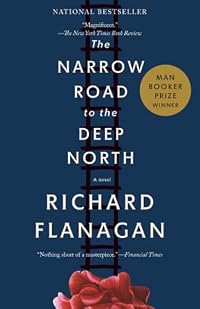
The Narrow Road to the Deep North
by Richard Flanagan
On This Page
Description
"A novel of love and war that traces the life of one man--an Australian surgeon--from a prisoner-of-war camp on the Thai-Burma Death Railway during World War II, up to the present"--Tags
Recommendations
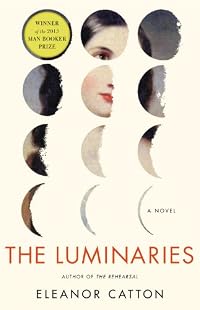
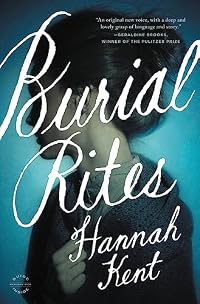
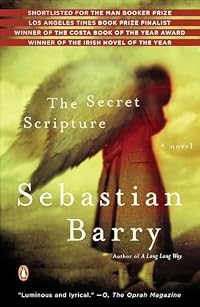
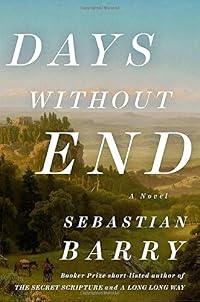

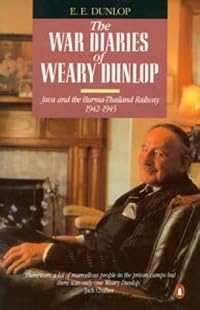

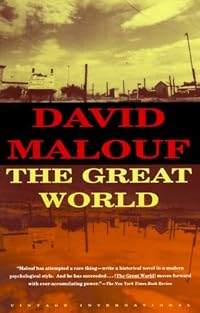
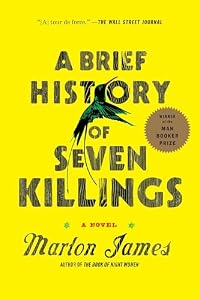
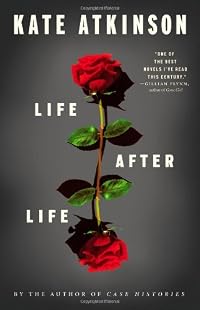
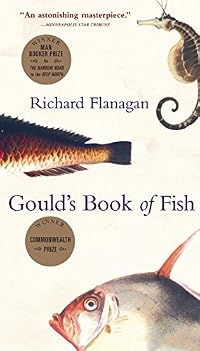
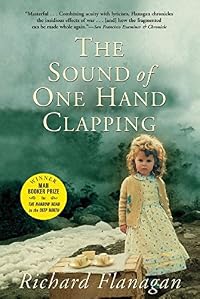
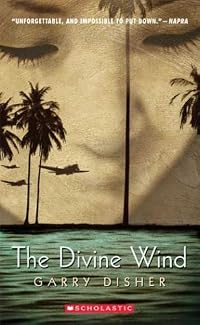
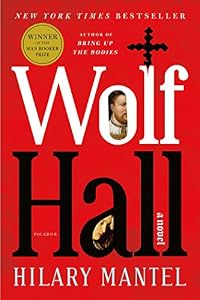
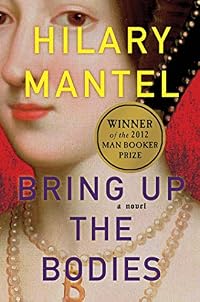
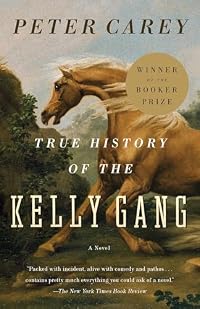

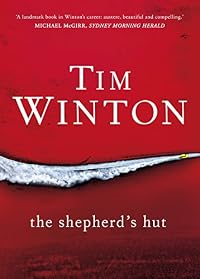
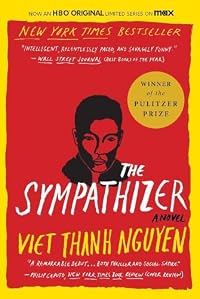
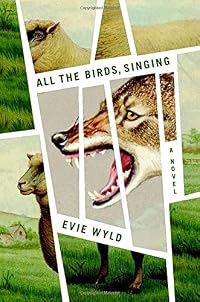
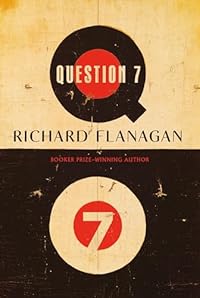
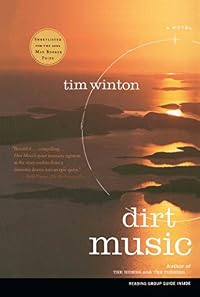
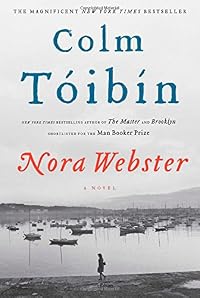
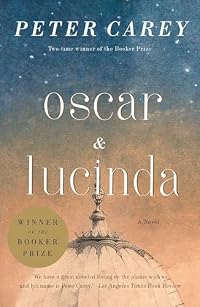

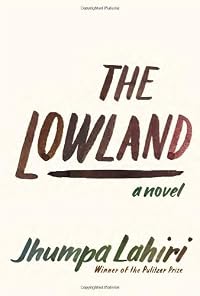
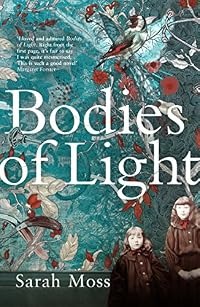
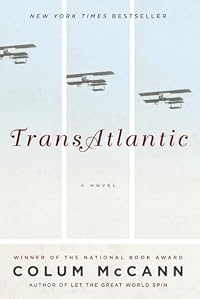
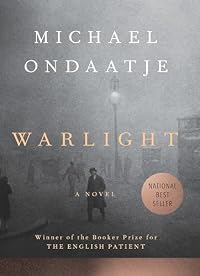
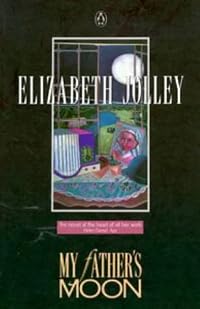

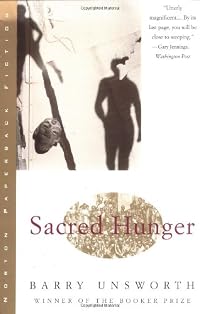

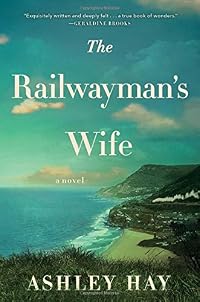


Member Recommendations

gust In beide boeken speelt de dramatisch verlopen aanleg van een spoorweg tussen Thaïland en Birma door krijgsgevangenen van de Japanners tijdens de tweede wereldoorlog een belangrijke rol.
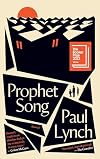
kjuliff Both extremely well written novels on the effects of war on civilians or POWs.


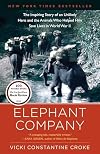
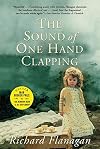
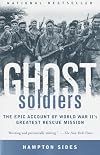
kjuliff Both WWII POW historical war novels
Member Reviews
Writing about great atrocities, especially when the atrocity is well-known and the experience is described at second-hand, can be a tricky business - it's all too easy for a writer to employ cheap tricks to milk our emotions without actually saying anything that changes the way we think about the events described. And of course we all know (in outline) about the Burma death railway, and given the number of people caught up in World War II, it's not unlikely that we've met someone who was a prisoner of the Japanese "and has not been the same since" (or heard of husbands and sons who never came back). Whilst the survivors I've met hardly ever spoke directly about what had happened to them, you only needed to see the way they reacted to a show more casual comment about the excellence of Japanese cars or hifi systems to get an idea of the impact the experience had on them.
Which is all a way of saying that Flanagan has to do something special and unexpected to make it worth our while reading this book. And he does, in several different, complementary ways. We get the inevitable vivid and painful descriptions of atrocities, but they are carefully unemotional and objective, obviously rooted in Flanagan's research, focussing on very specific physical things - hunger, injuries, the symptoms of disease - and on the social and cultural mismatch between the Australian prisoners and the Japanese guards. Unlike most writers of PoW stories, Flanagan takes viewpoint characters from both sides, and tries to show us why the Japanese act in the ways they do, and drill down into how a love of poetry can be reconciled with arbitrary beatings and decapitations, and with forcing people to work under conditions where around 20% of the POW workforce (and perhaps 50% of the Asian slave-workers) died in the course of 1942-3. We don't quite get to engage sympathetically with Major Nakamura and Colonel Kota, but we do get at least a thought-provoking glimmer of what the railway project might have looked like to them.
The other major thing that Flanagan does is to put the experience of 1942-3 in the context of his characters' whole lives. What happens when a relatively ordinary person, who has found an ability in himself to respond extraordinarily to an extraordinary situation, returns to "normal life", where such demands don't exist? And what if the experience that you think is defining for your whole life is something completely different from that episode of heroism/war-crimes? This is again risky for Flanagan, because his main Australian character, Dorrigo Evans, tends to act in unattractive ways at home (he's a serial philanderer, and only moderately competent as a surgeon), and we have to spend a good deal of time with him. But he's entirely human: the recurrent references to Tennyson's Ulysses give him a sense of direction we can identify with despite all the motel room adultery, the harping on a lost pre-war love, and the awkward duty-visits to ex-comrades and their widows.
A difficult and challenging book, which perhaps doesn't always hit exactly the note it is aiming for, but it does consistently get close enough to compel you to stay with it despite the occasional dull passage. Very powerful writing in the set-piece scenes, necessary context elsewhere. show less
Which is all a way of saying that Flanagan has to do something special and unexpected to make it worth our while reading this book. And he does, in several different, complementary ways. We get the inevitable vivid and painful descriptions of atrocities, but they are carefully unemotional and objective, obviously rooted in Flanagan's research, focussing on very specific physical things - hunger, injuries, the symptoms of disease - and on the social and cultural mismatch between the Australian prisoners and the Japanese guards. Unlike most writers of PoW stories, Flanagan takes viewpoint characters from both sides, and tries to show us why the Japanese act in the ways they do, and drill down into how a love of poetry can be reconciled with arbitrary beatings and decapitations, and with forcing people to work under conditions where around 20% of the POW workforce (and perhaps 50% of the Asian slave-workers) died in the course of 1942-3. We don't quite get to engage sympathetically with Major Nakamura and Colonel Kota, but we do get at least a thought-provoking glimmer of what the railway project might have looked like to them.
The other major thing that Flanagan does is to put the experience of 1942-3 in the context of his characters' whole lives. What happens when a relatively ordinary person, who has found an ability in himself to respond extraordinarily to an extraordinary situation, returns to "normal life", where such demands don't exist? And what if the experience that you think is defining for your whole life is something completely different from that episode of heroism/war-crimes? This is again risky for Flanagan, because his main Australian character, Dorrigo Evans, tends to act in unattractive ways at home (he's a serial philanderer, and only moderately competent as a surgeon), and we have to spend a good deal of time with him. But he's entirely human: the recurrent references to Tennyson's Ulysses give him a sense of direction we can identify with despite all the motel room adultery, the harping on a lost pre-war love, and the awkward duty-visits to ex-comrades and their widows.
A difficult and challenging book, which perhaps doesn't always hit exactly the note it is aiming for, but it does consistently get close enough to compel you to stay with it despite the occasional dull passage. Very powerful writing in the set-piece scenes, necessary context elsewhere. show less
The Narrow Road to the Deep North is a story of the forced labor construction of the Burmese Railway by Australian POW’s in WWII. If you have ever seen Bridge on the River Kwai, you know about the Railway, but even then you may not be aware of the extreme cruelty and horrid conditions under which these men labored and died. I can scarcely bear to read about it, how on earth did any of them survive it? Is it any wonder that so few men who returned ever wanted to talk about these times and experiences?
Of course, this is a fiction, so there is a personal story that swims through the historical one. It is the story of Dorrigo Evans, a doctor who helps to hold together the men of the camp, and who suffers from his own anguish that stems show more from his affair with his uncle’s young wife. This book courses with realism, to an extent that is hard to bear. I found myself at many points simply unable to go any further without taking a step away from the book and the time that preyed on my mind so deeply. It must have been an excruciating book to write.
As well, I was constantly wanting to stop and record passages that bore remembering, particularly those dealing with the facing of the threat of death on a daily basis and those regarding memory.
Do you know the poem, Bonox? It’s by Kipling. It’s not about remembering. It’s about forgetting--how everything gets forgotten.
Far-called, our navies melt away;
On dune and headland sinks the fire:
Lo, all our pomp of yesterday
Is one with Neneveh and Tyre!
Judge of the Nations, spare us yet,
Lest we forget--lest we forget!
Nothing endures. Don't you see, Bonox? That's what Kipling meant. Not empires, not memories. We remember nothing. Maybe for a year or two. Maybe most of a life, if we live. Maybe. But then we will die, and who will ever understand any of this? And maybe we remember nothing most of all when we put our hands on our hearts and carry on about not forgetting."
If anything lays testament to the elusive nature of life, this ordeal does. These men are confronted with life as merely a path to death, and survival at any cost as a goal hardly worth holding onto. What one man is able to do to another, and to justify to themselves, is astonishing...and it is always astonishing, regardless of how many such stories you hear or how many such acts you witness.
I knew very well a man who had been a soldier in Vietnam. He found it difficult to talk about what he had seen in the jungles there, and yet, his mind never strayed far from that place or that time. He replayed events and lost people and atrocities that seemed impossible to have happened to such a sweet, kind American boy. I used to ponder over what he might have been had he not been haunted by that intrusion into his life, if he had never felt the need to drown his memories and silence those ghostly voices. I thought of him as I read this book. War is hell, in ways that even Sherman could not have imagined, and is it any wonder that those who survive are never the same?
The things he believed in were heading out to sea, vanishing, lost forever. The things he thought he was coming home to. The things that he had hoped to become and make his life. It turned out that they weren’t worth a brass razoo.
Can anyone ever atone for such horror? If you do such things but afterward live a life of “goodness”, does it matter? And, why do the good, the honest, the brave often suffer, while the vile, the horrid, the ones who make the hell even more hellish prosper and never pay?
He told himself that, through his service of this cosmic goodness, he had discovered he was not one man but many, that he could do the most terrible things he might otherwise have thought were evil if he had not known that they were in the service of the ultimate goodness. For he loved poetry above all, and the Emperor was a poem of one word…
And what of the good man who finds his own worth in the chaos and horror that is war?
He could never admit to himself that it was death that had given his life meaning.
Dorrigo Evans, Darky Gardiner, Tenji Nakamura, even Amy Mulvaney are characters I will likely never forget. What a deserving winner for the Man Booker, what a remarkable piece of literature, what an astounding capacity to glimpse into the souls of people Richard Flanagan displays. This is one of those rare books that make me wish Goodreads would give us one more button to push, because this book is not a five-star read, it is a ten. show less
Of course, this is a fiction, so there is a personal story that swims through the historical one. It is the story of Dorrigo Evans, a doctor who helps to hold together the men of the camp, and who suffers from his own anguish that stems show more from his affair with his uncle’s young wife. This book courses with realism, to an extent that is hard to bear. I found myself at many points simply unable to go any further without taking a step away from the book and the time that preyed on my mind so deeply. It must have been an excruciating book to write.
As well, I was constantly wanting to stop and record passages that bore remembering, particularly those dealing with the facing of the threat of death on a daily basis and those regarding memory.
Do you know the poem, Bonox? It’s by Kipling. It’s not about remembering. It’s about forgetting--how everything gets forgotten.
Far-called, our navies melt away;
On dune and headland sinks the fire:
Lo, all our pomp of yesterday
Is one with Neneveh and Tyre!
Judge of the Nations, spare us yet,
Lest we forget--lest we forget!
Nothing endures. Don't you see, Bonox? That's what Kipling meant. Not empires, not memories. We remember nothing. Maybe for a year or two. Maybe most of a life, if we live. Maybe. But then we will die, and who will ever understand any of this? And maybe we remember nothing most of all when we put our hands on our hearts and carry on about not forgetting."
If anything lays testament to the elusive nature of life, this ordeal does. These men are confronted with life as merely a path to death, and survival at any cost as a goal hardly worth holding onto. What one man is able to do to another, and to justify to themselves, is astonishing...and it is always astonishing, regardless of how many such stories you hear or how many such acts you witness.
I knew very well a man who had been a soldier in Vietnam. He found it difficult to talk about what he had seen in the jungles there, and yet, his mind never strayed far from that place or that time. He replayed events and lost people and atrocities that seemed impossible to have happened to such a sweet, kind American boy. I used to ponder over what he might have been had he not been haunted by that intrusion into his life, if he had never felt the need to drown his memories and silence those ghostly voices. I thought of him as I read this book. War is hell, in ways that even Sherman could not have imagined, and is it any wonder that those who survive are never the same?
The things he believed in were heading out to sea, vanishing, lost forever. The things he thought he was coming home to. The things that he had hoped to become and make his life. It turned out that they weren’t worth a brass razoo.
Can anyone ever atone for such horror? If you do such things but afterward live a life of “goodness”, does it matter? And, why do the good, the honest, the brave often suffer, while the vile, the horrid, the ones who make the hell even more hellish prosper and never pay?
He told himself that, through his service of this cosmic goodness, he had discovered he was not one man but many, that he could do the most terrible things he might otherwise have thought were evil if he had not known that they were in the service of the ultimate goodness. For he loved poetry above all, and the Emperor was a poem of one word…
And what of the good man who finds his own worth in the chaos and horror that is war?
He could never admit to himself that it was death that had given his life meaning.
Dorrigo Evans, Darky Gardiner, Tenji Nakamura, even Amy Mulvaney are characters I will likely never forget. What a deserving winner for the Man Booker, what a remarkable piece of literature, what an astounding capacity to glimpse into the souls of people Richard Flanagan displays. This is one of those rare books that make me wish Goodreads would give us one more button to push, because this book is not a five-star read, it is a ten. show less
Dorrigo Evans came from a life of poverty in Tasmania to become one of the establishment, a well-respected Doctor. His life was shaped by events both before and during the Second World War. Firstly he found and lost love. Secondly he was captured and became a medical officer in a work-camp charged with the building of a section of the Burma railway - The Line. The horrors of this time and its aftermath are described from the perspective of both the prisoners of war and their captors.
This is a stunning book. The language used and the metaphors throughout are poetic. The descriptions of life on The Line are horrific and yet, as we know from a multitude of other sources, not underplayed. What grounds this book is the descriptions of life show more before and after the war. Dorrigo is never fully satisfied with his life, he finds it hard to love, but when his family is in danger his protective instinct comes out. The difficulty of readjustment for both the prisoners and their capturers is beautifully imagined. In fact both sides are trapped by society, the Japanese with their discipline and structure, the Koreans with their poverty and servitude, and the Australians with their class distinctions and camarardery.
Often prize winning books are too complex or intellectual, often a hard read. This is a deserved winner of the Booker Prize. show less
This is a stunning book. The language used and the metaphors throughout are poetic. The descriptions of life on The Line are horrific and yet, as we know from a multitude of other sources, not underplayed. What grounds this book is the descriptions of life show more before and after the war. Dorrigo is never fully satisfied with his life, he finds it hard to love, but when his family is in danger his protective instinct comes out. The difficulty of readjustment for both the prisoners and their capturers is beautifully imagined. In fact both sides are trapped by society, the Japanese with their discipline and structure, the Koreans with their poverty and servitude, and the Australians with their class distinctions and camarardery.
Often prize winning books are too complex or intellectual, often a hard read. This is a deserved winner of the Booker Prize. show less
The horrific details of survival for both Australian POWs and their Japanese (and one Korean) enslavers in the dank depths of the Thai-Burmese jungled border to construct a Japanese railway during WWII are difficult to read and yet compelling. Their attempts to return to something approaching normalcy in the post-war period are equally discomforting and yet compelling. I found myself drawn to the Japanese characters, not because of any sympathy for them, but because their stories are so rarely told (the rare exceptions being Japanese works available in translation, like Ooka Shohei's 'Fires on the Plain' (Philippines) and Ishikawa Tatsuzo's 'Soldiers Alive' (China). The two love stories of the main character, Dorrigo Evans, somewhat show more paralleled by the post-war love story of Nakamura, a Japanese officer, are a stark contrast to the jungle. The love relationships seem remote and sterile compared to the endless rain, mud, feces, starvation, emaciation, ulcers, tiredness, and death in the jungle. While the novel is well-written on the whole, some parts seem overwritten, overwrought; nonetheless it's a compelling novel. show less
This is not an easy book to sum up in a short trite description. The core of the book deals with the experiences of Australian prisoners of war and their barbaric treatment by the Japanese - these sections are unflinching but moving.
The book as a whole is a much more wide ranging reflection on the nature of love, death and humanity, and the nature of simplistic labels like heroism. Flanagan also explores the motivations and post war experiences of the Japanese guards, interwoven with haikus such as the one that gives the book its title.
A brilliant, moving story on an epic stage, this is a book that fully deserves the hype.
The book as a whole is a much more wide ranging reflection on the nature of love, death and humanity, and the nature of simplistic labels like heroism. Flanagan also explores the motivations and post war experiences of the Japanese guards, interwoven with haikus such as the one that gives the book its title.
A brilliant, moving story on an epic stage, this is a book that fully deserves the hype.
"He had placed it on the dark wood bedside table next to his pillow, aligning it carefully with his head. He believed books had an aura that protected him, that without one beside him he would die. He happily slept without women. He never slept without a book."
'The Narrow Road to the Deep North' is the story of Australian surgeon Dorrigo Evans who grew up in rural Tasmania who during his Army training has a passionate love affair with his uncle's young wife despite being engaged to another woman, an affair that will haunt him for the rest of his life. Dorrigo is captured by the Japanese in Java and is forced to work in a Japanese labour camp building the Burma Death Railway.
"They were men like other young men, unknown to themselves. show more So much that lay within them they were now travelling to meet."
Struggling to save the men under his command from starvation, from cholera, from various infections and beatings Dorrigo draws on the memories of his ardent affair but receives a letter that will change his life for ever. Slowly the story expands to include the first person perspective of a other characters in Dorrigo's life, including love interest Amy and several Japanese soldiers from the camp, which was particularly surprising.
The narrative moves back and forth in time (before/during/after the war) without any obvious indications of timeframes which I found it bit disorienting at times along with the lack of punctuation for dialogue. The story of the Burma Death Railway is fairly well known thanks to the movie 'The Bridge Over the River Kwai' but reading about the tropical diseases, malnutrition, starvation, beatings, exhaustion and despair they endured - in addition to the countless deaths- makes this one of the most harrowing books that I've ever read. Flanagan doesn't flinch from portraying the living conditions and violence Dorrigo and his fellow POWs experienced that was nothing short of horrific. The prose however, was often intensely intimate and emotive. The perspectives of the Japanese soldiers as to their conduct and individual contributions to the war effort was particularly disturbing but also demonstrated a real courage by the author. Apparently Flanagan's own father was a Japanese POW during WWII.
There were so many heart-breaking moments and this is a haunting novel about the savagery of war, camaraderie of men, national identity, legacy and the depths of love that rightly won it the Man Booker Prize in 2014. Personally I would have preferred to have seen this maybe as a trilogy (before, during, after the war) so we could have learnt a little more about the recovery or otherwise of Dorrigo's fellow comrades. Equally I wasn't convinced that the part about the bushfire was absolutely neccesary. Whilst he subject matter doesn't make this a particularly easy read I would still highly recommend it. show less
'The Narrow Road to the Deep North' is the story of Australian surgeon Dorrigo Evans who grew up in rural Tasmania who during his Army training has a passionate love affair with his uncle's young wife despite being engaged to another woman, an affair that will haunt him for the rest of his life. Dorrigo is captured by the Japanese in Java and is forced to work in a Japanese labour camp building the Burma Death Railway.
"They were men like other young men, unknown to themselves. show more So much that lay within them they were now travelling to meet."
Struggling to save the men under his command from starvation, from cholera, from various infections and beatings Dorrigo draws on the memories of his ardent affair but receives a letter that will change his life for ever. Slowly the story expands to include the first person perspective of a other characters in Dorrigo's life, including love interest Amy and several Japanese soldiers from the camp, which was particularly surprising.
The narrative moves back and forth in time (before/during/after the war) without any obvious indications of timeframes which I found it bit disorienting at times along with the lack of punctuation for dialogue. The story of the Burma Death Railway is fairly well known thanks to the movie 'The Bridge Over the River Kwai' but reading about the tropical diseases, malnutrition, starvation, beatings, exhaustion and despair they endured - in addition to the countless deaths- makes this one of the most harrowing books that I've ever read. Flanagan doesn't flinch from portraying the living conditions and violence Dorrigo and his fellow POWs experienced that was nothing short of horrific. The prose however, was often intensely intimate and emotive. The perspectives of the Japanese soldiers as to their conduct and individual contributions to the war effort was particularly disturbing but also demonstrated a real courage by the author. Apparently Flanagan's own father was a Japanese POW during WWII.
There were so many heart-breaking moments and this is a haunting novel about the savagery of war, camaraderie of men, national identity, legacy and the depths of love that rightly won it the Man Booker Prize in 2014. Personally I would have preferred to have seen this maybe as a trilogy (before, during, after the war) so we could have learnt a little more about the recovery or otherwise of Dorrigo's fellow comrades. Equally I wasn't convinced that the part about the bushfire was absolutely neccesary. Whilst he subject matter doesn't make this a particularly easy read I would still highly recommend it. show less
WOW! This is some of the finest writing I've ever encountered.
This is the story of Australian POWs in Burma, centered around Dorrigo Evans. Just before being shipped out, Dr. Evans fell in love with Amy, a young woman married to his uncle. Through flashbacks, we see their early relationship, as well as that of Dr. Evans with his fiancée, Ella. We also get to know many of the POWs and the Japanese and Korean camp officers.
What makes this story extraordinary is the writing. As one prisoner is struggling to walk after an injury, I actually hoped he would die to end his suffering. The writing is so vivid that it made the scenes of torture hard to read, yet I couldn't stop. The descriptions of love, of Amy's mannerisms....just tugged me show more into the story. Several times, I went back and re-read certain scenes as new information was revealed.
I liked that we had the perspectives of the Japanese and Korean soldiers. I liked the strong sense among POWs that they had to survive collectively -- we and us being the operating principle. I liked the descriptions of how Dorrigo felt about Ella vs Amy vs other women -- with all the subtleties and nuances.
Read this! show less
This is the story of Australian POWs in Burma, centered around Dorrigo Evans. Just before being shipped out, Dr. Evans fell in love with Amy, a young woman married to his uncle. Through flashbacks, we see their early relationship, as well as that of Dr. Evans with his fiancée, Ella. We also get to know many of the POWs and the Japanese and Korean camp officers.
What makes this story extraordinary is the writing. As one prisoner is struggling to walk after an injury, I actually hoped he would die to end his suffering. The writing is so vivid that it made the scenes of torture hard to read, yet I couldn't stop. The descriptions of love, of Amy's mannerisms....just tugged me show more into the story. Several times, I went back and re-read certain scenes as new information was revealed.
I liked that we had the perspectives of the Japanese and Korean soldiers. I liked the strong sense among POWs that they had to survive collectively -- we and us being the operating principle. I liked the descriptions of how Dorrigo felt about Ella vs Amy vs other women -- with all the subtleties and nuances.
Read this! show less
Members
- Recently Added By
Published Reviews
ThingScore 50
This novel would have been far more powerful and coherent if Amy were excised from the story. It is the story of Dorrigo, as one man among many P.O.W.’s in the Asian jungle, that is the beating heart of this book: an excruciating, terrifying, life-altering story that is an indelible fictional testament to the prisoners there. Taken by themselves, these chapters create a slim, compelling show more story: Odysseus’s perseverance through a bloody war and his return home at last to Penelope (in this case, Ella) and his efforts, like his fellow soldiers’, to see if he can put the horrors and suffering of war in the rearview mirror, and somehow construct a fulfilling Act II to a broken life. show less
added by ozzer
Lists

Best 21st Century Books (So Far)
670 works; 86 members

Top Five Books of 2013
1,564 works; 722 members

Top Five Books of 2014
1,064 works; 397 members

Recommend the 20 best books you've read in the last five years
2,167 works; 601 members

Booker Prize
491 works; 62 members
Favourite Booker Prize contenders
73 works; 21 members

Books recommended by Barack Obama
295 works; 28 members

Man Booker Prize Longlist 2014
13 works; 9 members

Top Five Books of 2015
811 works; 241 members

Historical Fiction
889 works; 91 members
International IMPAC Dublin Literary Award
179 works; 6 members

Pleasant Surprises: Books That Exceeded Our Expectations
418 works; 143 members

2015 Notable Books for Adults
26 works; 4 members

Five star books
1,755 works; 107 members

Books about World War II
241 works; 22 members

Books Read in 2014
2,341 works; 89 members
Top Five Books of 2016
795 works; 228 members

BBC Radio 4 Bookclub
340 works; 13 members

Australia, New Zealand and Oceania
88 works; 20 members

Folio Prize 2015 Longlist
79 works; 2 members

Books Set in Australia
41 works; 9 members
Contemporary Fiction
109 works; 7 members

Asia
178 works; 7 members

2016 Book Club Choices
52 works; 7 members

Books Read in 2017
4,248 works; 130 members

Books Read in 2016
4,666 works; 199 members

Maybe This Year? Books to Look Forward To
406 works; 9 members

Tracks of my tears ~ novels that I sobbed through
15 works; 2 members

My Favourite Books
86 works; 5 members
Books Read in 2015
3,298 works; 126 members

Obama Reads
181 works; 3 members
World Books
51 works; 4 members

Australia, Oceania, Antarctica
51 works; 5 members

Books Read in 2019
4,052 works; 110 members

Allie's Wishlist
217 works; 2 members

Booker Prize
2 works; 1 member

THE WAR ROOM
813 works; 24 members

BBC World Book Club
261 works; 5 members
Best Australian Books of the 21st Century
88 works; 2 members

Clues about Australia
38 works; 1 member

Flashbacks
11 works; 1 member

Books recommended in the history category on FiveBooks.com
329 works; 4 members

Library List - Pulitzer Adjacent
39 works; 1 member
Talk Discussions
Past Discussions
ANZAC Challenge January 2015- Richard Flanagan and Fiona Kidman in 75 Books Challenge for 2015 (January 2015)
2014 Booker Prize longlist: The Narrow Road to the Deep North in Booker Prize (December 2014)
Author Information

21+ Works 9,947 Members
Richard Flanagan was born in Longford, Tasmania, in 1961. He received a Master of Letters degree from Oxford University. His first novel, Death of a River Guide, won Australia's National Fiction Award. His works include The Sound of One Hand Clapping, The Unknown Terrorist, and four history books. He has received numerous awards including the show more Commonwealth Writers Prize for Gould's Book of Fish, the 2011 Tasmania Book Prize for Wanting, and the 2014 Man Booker Prize for The Narrow Road to the Deep North. He directed a feature film version of The Sound of One Hand Clapping. He was also shortlisted for the UK Indie Booksellers Award with The Narrow Road to the Deep North. This same title was won the Margaret Scott Prize for best book by a Tasmanian writer 2015. In 2018, The Narrow Road to the Deep North will be made into an international television series. The University of Melbourne has appointed him as the Boisbouvier Founding Chair in Australian Literature at the University of Melbourne, a new professorship to 'advance the teaching, understanding and public appreciation of Australian literature'. (Bowker Author Biography) show less
Some Editions
Awards and Honors
Awards
Distinctions
Notable Lists
Common Knowledge
- Canonical title
- The Narrow Road to the Deep North
- Original title
- The Narrow Road to the Deep North
- Original publication date
- 2013
- People/Characters
- Dorrigo Evans; Darky Gardner; Tom Evans; Jimmie Bigelow; Tiny Middleton; Amy Mulvaney (show all 13); Ella Evans (nee Lansbury); Keith Mulvaney; Colonel Koto; Major Nakamura; Lt. Fukuhara; Cpl. Tomokawa; Rooster MacNeice
- Important places
- Burma; Adelaide, South Australia, Australia; Thailand; Tasmania, Australia; Launceston, Tasmania, Australia
- Important events
- WWII Thai-Burma Railway
- Epigraph
- Mother, they write poems.
Paul Celan
A bee
staggers out
of the peony.
Basho - Dedication
- For prisoner san byaku ju go (335)
- First words
- Why at the beginning of things is there always light?
- Quotations
- But sometimes things are said and they're not just words. They are everything that one person thinks of another in a sentence. Just one sentence. . . . . .There are words and words and none mean anything. And then one sent... (show all)ence means everything.
- Last words
- (Click to show. Warning: May contain spoilers.)Then he straightened back up and continued on his way.
- Blurbers
- Wyld, Evie
- Original language
- English
Classifications
- Genres
- General Fiction, Fiction and Literature, Historical Fiction
- DDC/MDS
- 823.914 — Literature & rhetoric English & Old English literatures English fiction 1900- 1901-1999 1945-1999
- LCC
- PR9619.3 .F525 .N37 — Language and Literature English English Literature English literature: Provincial, local, etc.
- BISAC
Statistics
- Members
- 3,709
- Popularity
- 4,296
- Reviews
- 163
- Rating
- (4.01)
- Languages
- 17 — Catalan, Czech, Danish, Dutch, English, French, German, Hungarian, Italian, Lithuanian, Polish, Portuguese, Romanian, Slovenian, Spanish, Swedish, Turkish
- Media
- Paper, Audiobook, Ebook
- ISBNs
- 71
- ASINs
- 13