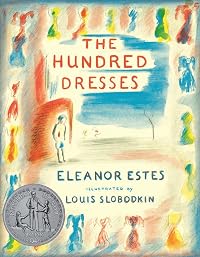
The Hundred Dresses
by Eleanor Estes (Author), Louis Slobodkin (Illustrator)
On This Page
Description
At the heart of the story is Wanda Petronski, a Polish girl in a Connecticut school who is ridiculed by her classmates for wearing the same faded blue dress every day. Wanda claims she has one hundred dresses at home, but everyone knows she doesn?t and bullies her mercilessly. The class feels terrible when Wanda is pulled out of the school, but by that time it?s too late for apologies. Maddie, one of Wanda?s classmates, ultimately decides that she is "never going to stand by and say nothing show more again." show lessTags
Recommendations
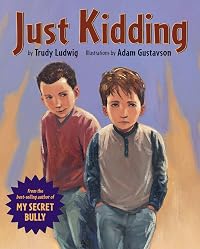
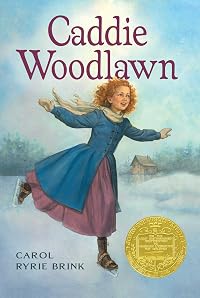

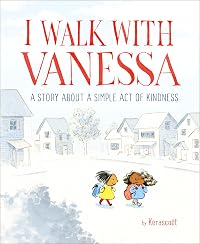
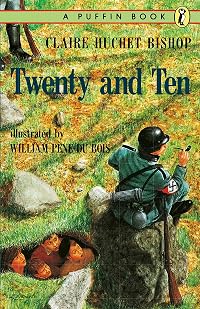
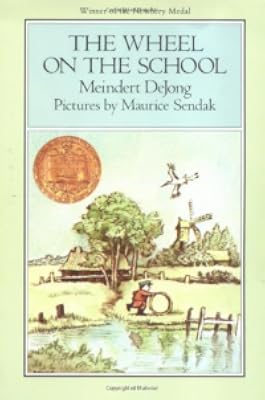
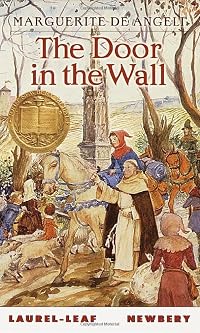
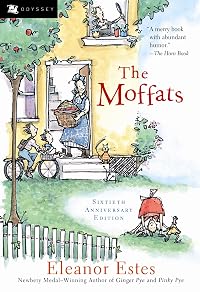
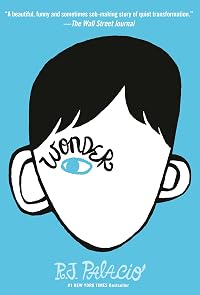




Member Recommendations

by bookel


Member Reviews
Ok, so the story's about kid-bullying and shaming poor children, and about being a kid and becoming aware of this behavior. I'm not sure I liked the message, though, because while Maddie seemed to learn something and grow up a little bit from it, it's not at all clear that Peggy did. And both girls just kind of side stepped ever actually apologizing or even talking about things directly and somehow in the end they just made it all ok in their minds because there was a note and Magda drew their portraits in the dresses -- which feels like the whole thing was about Maddie and Peggy and the important question was whether Magda liked them after all -- and that isn't really the sort of message I'd want to send on to kids. Somehow the show more peripheral nature of Magda never seems at all resolved to me, and I didn't love that. I like clearer plot lines, clearer messages for resolving damaging behavior or circumstances. show less
This sensitive story was written in 1944 and due to "human nature" things haven't changed one iota since then. It is the tale of one poor immigrant girl's way of coping with her poverty and the constant teasing she gets from other little girls at her school. The other girls are very materialistic and judge others by their clothing. It's not a pretty picture. The story is thoughtful and doesn't make the in-crowd clique of girls seem awful, only immature and insensitive. One of the girls even feels pretty bad about the teasing and harassing of the little Polish girl, but she doesn't come forward because she doesn't want to lose her own social standing. What I love about this book the most is that it is a wonderful opportunity for adults show more to talk with children about the insidious damage caused by teasing and singling others out. Let's face it most adults haven't really grown out of that way of behaving. Keep your ears open in a corporate lunch room some time. If we hope to make this a better world we need more books like this one and we need to actively teach our kids a better more loving way of being. We also need to help them stand up for their own gut-feelings of right and wrong instead of teaching them to go along with the status quo as we so often do by our own examples. The simple, straight-forward text and the beautiful, evocative yet simple illustrations make this story accessible and unforgettable. It can help you bring up an important topic and discuss it with your children. I recommend it for every parent and every teacher. show less
This Newbery Honor classic, illustrated by a Caldecott Medalist, is a beautifully written tribute to the power of kindness, acceptance, and standing up for what's right. Wanda Petronski is ridiculed by her classmates for wearing the same faded blue dress every day. She claims she has one hundred dresses at home, but everyone knows she doesn’t. When Wanda is pulled out of school one day, the class feels terrible, and classmate Maddie decides that she is "never going to stand by and say nothing again." A timeless, gentle tale about bullies, bystanders, and having the courage to speak up.
Wanda Petronski hasn't been to school in a few days, but no one has really noticed. After all, she's quiet and strange and even possibly delusional (how could she even think that anyone would believe she has 100 dresses in her closet when she only ever wears the same one). But gradually it dawns on everyone that Wanda and her family are gone. The Hundred Dresses tells the story of what happens next. How gradually the girls realize how wrongly they judged Wanda and about how sometimes there are things you can never take back. It's a story that is just as relevant now as it was in the 1940s.
What is really remarkable about the book though is just how well it's aged. I first read the book in a Dallas elementary school in the 1990s, and show more since there aren't a lot of Poles there was unfamiliar with anti-Polish xenophobia, but Wanda's father's letter about how in the city "no one holler Pollack" has stuck with me these 20+ years long after I forgot the rest of the book. It's an honest explanation of how peer pressure and bullying happen and deserves a place on every child's bookshelf (although girls will probably appreciate it more than boys). Highly, highly recommended. show less
What is really remarkable about the book though is just how well it's aged. I first read the book in a Dallas elementary school in the 1990s, and show more since there aren't a lot of Poles there was unfamiliar with anti-Polish xenophobia, but Wanda's father's letter about how in the city "no one holler Pollack" has stuck with me these 20+ years long after I forgot the rest of the book. It's an honest explanation of how peer pressure and bullying happen and deserves a place on every child's bookshelf (although girls will probably appreciate it more than boys). Highly, highly recommended. show less
An interesting story about bullying. While I enjoyed the premise and writing, I'd hesitate to give this to a modern kid because of how gendered it is, which is very reflective of the time it was written.
Originally published in 1944 and chosen as a Newbery Honor Book in 1945, this slim children's novel - only eighty pages - follows the story of Maddie, a young Connecticut schoolgirl who realizes, too late, that she has been unkind to one of her fellow pupils. Led by Peggy, Maddie's best friend and the most popular girl in school, the students ridicule new girl Wanda Petronski, whose 'odd' name, foreign accent, and poverty make her a target. Most of all, though, the girls ridicule for her claim - clearly false - that she possess one hundred beautiful dresses. It is only when Wanda wins the class drawing contest, for her one hundred pictures of various beautiful dresses, that Maddie and Peggy realize what Wanda was talking about. show more Unfortunately, Wanda's family has left town, seeking a more tolerant home in the big city, where their differences will cause less comment. Will Maddie ever be able to atone for her participation in the bullying of Wanda, and if not, how will she cope with her regret...?
A sweet story, one which is, according the the foreword written by the author's daughter, Helena Estes, based upon an episode from Eleanor Estes' own childhood, The Hundred Dresses offers a poignant examination of schoolyard bullying and belonging, of immigration and intolerance, and of the regret that comes with realizing the hurt caused by one's own wrongdoing too late to really atone. Wanda is misunderstood by her peers, and her desire to join the group, to share their love of beautiful dresses, leads her to try to share a private part of her life - the drawings which must have been a great comfort to her in her drab home in poverty-stricken Boggins Heights - only to meet with disbelief and ridicule. I found myself moved by the story here, but not quite as much as I expected to be, given its longstanding popularity, and its theme. Somehow I thought I would be close to crying, as I was reading Jacqueline Woodson's recent picture-book, Each Kindness, which covers much of the same territory as Estes' book. But while I enjoyed the story, appreciated the message, and found the artwork by Louis Slobodkin - winner of the 1944 Caldecott Medal for James Thurber's Many Moons - appealing, I wasn't as moved emotionally as I thought I would be. Still, this is a classic for a reason, and I do recommend it to anyone looking for children's stories about bullying, immigrants, prejudice, and living with regret. show less
A sweet story, one which is, according the the foreword written by the author's daughter, Helena Estes, based upon an episode from Eleanor Estes' own childhood, The Hundred Dresses offers a poignant examination of schoolyard bullying and belonging, of immigration and intolerance, and of the regret that comes with realizing the hurt caused by one's own wrongdoing too late to really atone. Wanda is misunderstood by her peers, and her desire to join the group, to share their love of beautiful dresses, leads her to try to share a private part of her life - the drawings which must have been a great comfort to her in her drab home in poverty-stricken Boggins Heights - only to meet with disbelief and ridicule. I found myself moved by the story here, but not quite as much as I expected to be, given its longstanding popularity, and its theme. Somehow I thought I would be close to crying, as I was reading Jacqueline Woodson's recent picture-book, Each Kindness, which covers much of the same territory as Estes' book. But while I enjoyed the story, appreciated the message, and found the artwork by Louis Slobodkin - winner of the 1944 Caldecott Medal for James Thurber's Many Moons - appealing, I wasn't as moved emotionally as I thought I would be. Still, this is a classic for a reason, and I do recommend it to anyone looking for children's stories about bullying, immigrants, prejudice, and living with regret. show less
This magnificently illustrated more-than-a-picture book manages to squeeze a story of cruelty, exclusion, talent, guilt, and empathy into 81-odd pages. Slobodkin's colored pencil illustrations are amazing, blurred yet clear, with color bringing out important scenes and details.
Maddie and Peggy, and the other girls tease Wanda because of her Polish last name, the one dress she wears every day, and the fact that she lives out of town. She stands up for herself, claiming to have 100 dresses at home. Maddie always feels nervous, as she too is poor and the cruelty bothers her--but she also fears losing her social standing as popular girl Peggy's best friend. After Wanda moves to the city, they find she did have 100 amazing dresses, drawn by show more herself. And Maddie learns that Peggy feels badly also. show less
Maddie and Peggy, and the other girls tease Wanda because of her Polish last name, the one dress she wears every day, and the fact that she lives out of town. She stands up for herself, claiming to have 100 dresses at home. Maddie always feels nervous, as she too is poor and the cruelty bothers her--but she also fears losing her social standing as popular girl Peggy's best friend. After Wanda moves to the city, they find she did have 100 amazing dresses, drawn by show more herself. And Maddie learns that Peggy feels badly also. show less
Members
- Recently Added By
Lists

Favorite Childhood Books
1,651 works; 519 members
1001 Children's Books You Must Read Before You Grow Up
774 works; 101 members

Best Newbery Honor Books
257 works; 32 members

Best School Stories
219 works; 22 members

Mensa for Kids Excellence in Reading Award Program (Grades K-3)
64 works; 6 members

my children books reading list-from 100 great books
101 works; 7 members
NPRs Ultimate Backseat Bookshelf: 100 Must-Reads for kids 9-14
222 works; 30 members
Ambleside Books
459 works; 18 members

Elevenses
316 works; 88 members

Books About Girls
219 works; 17 members
Honey For a Child's Heart
1,152 works; 25 members

Sonlight Books
1,487 works; 25 members

Best Friendship Stories
205 works; 16 members

Children's Classics Worth Reading
68 works; 9 members

Children's Chapter Books from 1940s, ...
77 works; 4 members

Satori Smiles Children's Book List
262 works; 7 members

CCE 1000 Good Books List
1,033 works; 12 members

Newbery Honor Books By Year - I - 1922-1980
199 works; 3 members

4th Grade Books
312 works; 5 members

Books Mentioned in The Wedding Planner's Daughter series
107 works; 2 members

Children's Literature 1900 - 1950 in order
413 works; 8 members

Recommended Reading List
219 works; 1 member

Torchlight & Build Your Library Level 1
29 works; 1 member

Beautiful Feet Books
304 works; 7 members

Books Read in 2023
5,638 works; 147 members

For My Kids
25 works; 2 members

Before Austen Comes Aesop
318 works; 9 members

Youth: Social Values
194 works; 1 member

Bullies
44 works; 2 members

Frequently sought stories - Name that Book group
149 works; 11 members

Books Read in 2010
631 works; 11 members

Build Your Library Level 3
30 works; 1 member
Author Information

Eleanor Estes was born in West Haven, Connecticut on May 9, 1906. She graduated from the Pratt Institute Library School and worked as a children's librarian in branches of the New York Public Library system. Her first book, The Moffats, was published in 1941. Her other works include The Hundred Dresses and Ginger Pye, which won a John Newbery show more Medal for the most distinguished children's book in 1952. She also wrote a single adult novel entitled The Echoing Green. She died of complications following a stroke on July 15, 1988 at the age of 82. (Bowker Author Biography) show less

Some Editions
Awards and Honors
Awards
Series
Belongs to Publisher Series
Vintage Scholastic (TW2272)
Work Relationships
Is contained in
Has as a teacher's guide
Common Knowledge
- Original publication date
- 1944
- People/Characters
- Wanda Petronski; Maddie; Peggy; Miss Mason
- Important places
- Boggins Heights
- First words
- Today, Monday, Wanda Petronski was not in her seat.
- Quotations
- She stood by silently, and that was just as bad as what Peggy had done.
- Last words
- (Click to show. Warning: May contain spoilers.)"Yes, she must have," agreed Maddie, and she blinked away the tears that came every time she thought of Wanda standing alone in that sunny spot in the school yard close to the wall, looking stolidly over at the group of laughing girls after she had walked off, after she had said, 'Sure, a hundred of them - all lined up....'
- Original language
- English
Classifications
- Genres
- Children's Books, Fiction and Literature
- DDC/MDS
- 813.54 — Literature & rhetoric American literature in English American fiction in English 1900-1999 1945-1999
- LCC
- PZ7 .E749 .H — Language and Literature Fiction and juvenile belles lettres Fiction and juvenile belles lettres Juvenile belles lettres
- BISAC
Statistics
- Members
- 8,352
- Popularity
- 1,327
- Reviews
- 141
- Rating
- (4.02)
- Languages
- 6 — Chinese, English, French, Italian, Korean, Spanish
- Media
- Paper, Audiobook, Ebook
- ISBNs
- 52
- ASINs
- 31