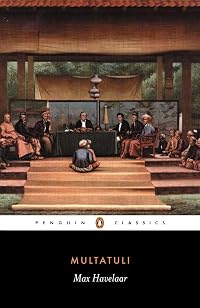
Max Havelaar, Or, The Coffee Auctions of the Dutch Trading Company
by Multatuli
On This Page
Description
"The Dutch East Indies, January 1856. The new assistant resident, Max Havelaar, arrives in the remote regency of Lebak, preceded by his reputation as a quixotic idealist. Some think him a fool, others a genius, but "one thing is certain: he was an unusual man, and worthy of observation." As Havelaar crusades against corruption, he makes a few unsettling observations of his own. Why don't the financial statements add up? Did the previous assistant resident really die a natural death? And why show more are his superiors obstructing his efforts to learn the truth? A few years later in Amsterdam, the stolid Dutch coffee broker Batavus Drystubble obtains Havelaar's papers from the threadbare Shawlman, who wanders the streets in search of work. Drystubble pores over the documents in the hopes of lucrative revelations about the coffee trade. But his spirited young son Frits and romanticsouled German assistant Ernest Stern discover something much more astonishing: a scandal that strikes at the heart of the whole Dutch colonial enterprise... Based on the author's true experiences as an administrator in Java, Max Havelaar is a fiery indictment of colonial misrule and one of the masterpieces of Dutch literature. This is the first new English translation of Multatuli's furious and funny masterpiece in more than fifty years"-- show lessTags
Recommendations


Member Recommendations
petergt Both books have a main character who fights against injustice, and are set in the Dutch colonial past.

Member Reviews
In 1859, Edward Douwes Dekker, a highly frustrated official in the Dutch East Indies wrote this novel using the pseudonym Multatuli (“he who has borne much”). It is a ferocious condemnation of the hypocrisy and abuses that Dutch rule wreaked upon Indonesia by a tax system intended to make the Indies profitable (for the Netherlands) while paying lip service to protecting its people. The system generated a great deal of money for the Netherlands…at the price of famine and extreme exploitation of the poorer classes. The frame tale is narrated by a coffee broker who is the epitome of a petty bourgeois: an unimaginative, self-important, miserly man—a one-man symbol of Dutch exploitation. His commentary regularly intrudes as the show more somewhat complicated frame story surrounding the guts of the work: a manuscript by Max Havelaar, midlevel Dutch colonial official. This tale is heavily based on what the author experienced in Java in the 1840s and 1850s. Havelaar speaks for the oppressed population of Java; his complaints and efforts on behalf of the Javanese are routinely thwarted by his superiors leading to his eventual dismissal from the colonial service. Storylines are interwoven with a deft touch, illustrating the practical consequences of Dutch policies. The book ends with a passionate plea directly to the King (stepping outside the frame of the novel) to accept responsibility for and finally address the endemic abuses and corruption. As may be guessed, the plot is secondary; Douwes Dekker expressly invokes Uncle Tom’s Cabin and although he writes well and compellingly, the novel also reads from time to time as what it is: a powerful if occasionally heavy-handed indictment of colonialism. Even today, it remains one of the most popular and important novels in Dutch history and is well worth the time. show less
READ IN DUTCH
Ik heb me aan het eind van de zomervakantie dan toch door het 'beste' boek uit de Nederlandse literatuurgeschiedenis heen gewerkt. Max Havelaar of de Koffiveilingen der Nederlansche Handelmaatschappy wilde ik graag gelezen hebben voor mijn mondeling vorige week. We hadden dit boek al uitvoerig besproken voor ik het ging lezen, en dit maakte het wel makkelijker om sommige dingen te begrijpen.
Het overbekende verhaal gaat over een handelaar in koffie, die van een vroegere vriend, die hij 'Sjaalman' noemt een pakket papieren krijgt over ondere andere koffie. Uit dat pakket komt dan uiteindelijk ook het verhaal van Max Havelaar naar voren, die adsistent-resident was in Lebak. Hij probeerde iets aan de mistanden aldaar te doen.
Ik show more denk dat, om dit boek hier te kunnen beoordelen, ik een splitsing zal moeten maken. Je hebt namelijk het verhaal zelf, en het doel ervan buiten het boek. Voor mijn mondeling heb ik een twintigtal pagina's uitreksel over dit boek gelezen, om mijn kennis weer helemaal op te frissen, en daar zat ook een groot deel interpretatie in. Dit boek is bedoeld geweest, enerzijds om die aanklacht tegen misbruik in Indië aan het publiek kenbaar te maken (vandaar ook die ondertitel; iedereen was bekend met de Nederlandsche Handelmaatschappy), en anderzijds om er geld mee te verdienen. Als ik kijk naar het deel ervan dat bedoeld is om de misstanden daar aan te kaarten, dan vind ik dat dapper en goed, zeker in die tijd en los van het feit dat ik uit zijn biografie heb opgemaakt dat ik hem geen sympathieke man vind. Maar kijk ik daarna puur naar het verhaal, het boek, dan kan ik niet zo enthousiast worden. Eerlijk gezegd vind ik het dan vooral erg saai. Eigenlijk is het hele boek een aanklacht, overal wordt melding gemaakt van alles wat er mis is in Indië. Verder vond ik, en eigenlijk is het wel nodig, maar het zorgt niet voor leesplezier, dat er teveel werd uitgelegd en te diep werd ingegaan op de uitwerking van het precieze bestuurlijke systeem aldaar. Daardoor wordt het verhaal steeds stil gelegd en krijg je nooit echt de kans om in het verhaal te komen, terwijl dat nou altijd zo leuk is. Daarbij las ik ook nog de oorspronkelijk tekst, in het nederlands van de 19de eeuw, dit maakte het er ook niet makkelijker op. Kortom, ik vind het boek goed in die zin dat het zeer gewaagd was de koning op die manier aan te vallen, maar als leesboek vond ik het niet zo goed (misschien speelt ook nog mee dat de hele Indië kwestie niet meer meespeelt. Niet dat er geen mensen meer worden uitgezogen, maar daar is Beatrix dan zeg maar niet meer verantwoordelijk voor). Toch denk ik dat het boek voor veel mensen een mustread is, al is het dan voor school...
PS. Ben ik nog vergeten te melden dat bij mij op school dit enkel een aanrader is, en geen verplicht leesvoer. show less
Ik heb me aan het eind van de zomervakantie dan toch door het 'beste' boek uit de Nederlandse literatuurgeschiedenis heen gewerkt. Max Havelaar of de Koffiveilingen der Nederlansche Handelmaatschappy wilde ik graag gelezen hebben voor mijn mondeling vorige week. We hadden dit boek al uitvoerig besproken voor ik het ging lezen, en dit maakte het wel makkelijker om sommige dingen te begrijpen.
Het overbekende verhaal gaat over een handelaar in koffie, die van een vroegere vriend, die hij 'Sjaalman' noemt een pakket papieren krijgt over ondere andere koffie. Uit dat pakket komt dan uiteindelijk ook het verhaal van Max Havelaar naar voren, die adsistent-resident was in Lebak. Hij probeerde iets aan de mistanden aldaar te doen.
Ik show more denk dat, om dit boek hier te kunnen beoordelen, ik een splitsing zal moeten maken. Je hebt namelijk het verhaal zelf, en het doel ervan buiten het boek. Voor mijn mondeling heb ik een twintigtal pagina's uitreksel over dit boek gelezen, om mijn kennis weer helemaal op te frissen, en daar zat ook een groot deel interpretatie in. Dit boek is bedoeld geweest, enerzijds om die aanklacht tegen misbruik in Indië aan het publiek kenbaar te maken (vandaar ook die ondertitel; iedereen was bekend met de Nederlandsche Handelmaatschappy), en anderzijds om er geld mee te verdienen. Als ik kijk naar het deel ervan dat bedoeld is om de misstanden daar aan te kaarten, dan vind ik dat dapper en goed, zeker in die tijd en los van het feit dat ik uit zijn biografie heb opgemaakt dat ik hem geen sympathieke man vind. Maar kijk ik daarna puur naar het verhaal, het boek, dan kan ik niet zo enthousiast worden. Eerlijk gezegd vind ik het dan vooral erg saai. Eigenlijk is het hele boek een aanklacht, overal wordt melding gemaakt van alles wat er mis is in Indië. Verder vond ik, en eigenlijk is het wel nodig, maar het zorgt niet voor leesplezier, dat er teveel werd uitgelegd en te diep werd ingegaan op de uitwerking van het precieze bestuurlijke systeem aldaar. Daardoor wordt het verhaal steeds stil gelegd en krijg je nooit echt de kans om in het verhaal te komen, terwijl dat nou altijd zo leuk is. Daarbij las ik ook nog de oorspronkelijk tekst, in het nederlands van de 19de eeuw, dit maakte het er ook niet makkelijker op. Kortom, ik vind het boek goed in die zin dat het zeer gewaagd was de koning op die manier aan te vallen, maar als leesboek vond ik het niet zo goed (misschien speelt ook nog mee dat de hele Indië kwestie niet meer meespeelt. Niet dat er geen mensen meer worden uitgezogen, maar daar is Beatrix dan zeg maar niet meer verantwoordelijk voor). Toch denk ik dat het boek voor veel mensen een mustread is, al is het dan voor school...
PS. Ben ik nog vergeten te melden dat bij mij op school dit enkel een aanrader is, en geen verplicht leesvoer. show less
Max Havelaar adalah cerita fiksi yang terasa nyata. Kisah ini sendiri didasarkan atas apa yang dialami oleh Douwes Dekker saat menjadi pegawai pemerintah Hindia Belanda 18 tahun lamanya. Membaca kisah ini akan segera sadar apa sebenarnya politik divide et impera yang diterapkan Belanda.
Pemerintah Kerajaan Belanda sadar atas apa yang mereka lakukan selama ini di Hindia Belanda. Rakyat pribumi yang mereka paksa bertanam kopi dan teh tak ubahnya mesin bagi mereka. Kondisi diperburuk dengan banyaknya masyarakat Hindia Belanda yang belajar sifat makelar lewat instingnya mempertahankan hidup. Ada yang hidup nyaman dengan menjadi makelar budak untuk Belanda, tapi ada yang hidup mengabdikan diri bekerja selamanya untuk mereka agar keluarganya show more tidak dihancurkan. Semua yang mengubah tatanan itu dianggap merusak keseimbangan yang terjadi di Hindia Belanda dan Douwes Dekker adalah salah sedikit di antaranya.
Douwes Dekker lewat sudut pandang Stern dan Drogstoppel menunjukkan kisahnya di masa yang berbeda. Stern menceritakan dirinya saat menjadi asisten residen sementara Drogstoppel yang terus-terusan memanggilnya Sjaalman bercerita saat dia hidup miskin di Belanda. Namun lewat sudut pandang Multatuli, Douwes Dekker terus memastikan ceritanya akan terus dibaca dan menjadi usahanya menghentikan ketidakadilan walaupun dia sendiri terbelenggu dalam sikap white man's washing complex yang selalu menyerang warga kolonial yang hendak membebaskan masyarakat jajahan dari pemerintahan negaranya sendiri.
Cerita ini menjemukan bagi rakyat Indonesia, karena mengingat masa lalu tidak pernah mudah. Cerita ini berakhir dengan tragis karena pahlawan kita harus gugur sebelum berperang. Namun cerita ini telah dibaca dan akan terus dibaca. show less
Pemerintah Kerajaan Belanda sadar atas apa yang mereka lakukan selama ini di Hindia Belanda. Rakyat pribumi yang mereka paksa bertanam kopi dan teh tak ubahnya mesin bagi mereka. Kondisi diperburuk dengan banyaknya masyarakat Hindia Belanda yang belajar sifat makelar lewat instingnya mempertahankan hidup. Ada yang hidup nyaman dengan menjadi makelar budak untuk Belanda, tapi ada yang hidup mengabdikan diri bekerja selamanya untuk mereka agar keluarganya show more tidak dihancurkan. Semua yang mengubah tatanan itu dianggap merusak keseimbangan yang terjadi di Hindia Belanda dan Douwes Dekker adalah salah sedikit di antaranya.
Douwes Dekker lewat sudut pandang Stern dan Drogstoppel menunjukkan kisahnya di masa yang berbeda. Stern menceritakan dirinya saat menjadi asisten residen sementara Drogstoppel yang terus-terusan memanggilnya Sjaalman bercerita saat dia hidup miskin di Belanda. Namun lewat sudut pandang Multatuli, Douwes Dekker terus memastikan ceritanya akan terus dibaca dan menjadi usahanya menghentikan ketidakadilan walaupun dia sendiri terbelenggu dalam sikap white man's washing complex yang selalu menyerang warga kolonial yang hendak membebaskan masyarakat jajahan dari pemerintahan negaranya sendiri.
Cerita ini menjemukan bagi rakyat Indonesia, karena mengingat masa lalu tidak pernah mudah. Cerita ini berakhir dengan tragis karena pahlawan kita harus gugur sebelum berperang. Namun cerita ini telah dibaca dan akan terus dibaca. show less
Max Havelaar adalah cerita fiksi yang terasa nyata. Kisah ini sendiri didasarkan atas apa yang dialami oleh Douwes Dekker saat menjadi pegawai pemerintah Hindia Belanda 18 tahun lamanya. Membaca kisah ini akan segera sadar apa sebenarnya politik divide et impera yang diterapkan Belanda.
Pemerintah Kerajaan Belanda sadar atas apa yang mereka lakukan selama ini di Hindia Belanda. Rakyat pribumi yang mereka paksa bertanam kopi dan teh tak ubahnya mesin bagi mereka. Kondisi diperburuk dengan banyaknya masyarakat Hindia Belanda yang belajar sifat makelar lewat instingnya mempertahankan hidup. Ada yang hidup nyaman dengan menjadi makelar budak untuk Belanda, tapi ada yang hidup mengabdikan diri bekerja selamanya untuk mereka agar keluarganya show more tidak dihancurkan. Semua yang mengubah tatanan itu dianggap merusak keseimbangan yang terjadi di Hindia Belanda dan Douwes Dekker adalah salah sedikit di antaranya.
Douwes Dekker lewat sudut pandang Stern dan Drogstoppel menunjukkan kisahnya di masa yang berbeda. Stern menceritakan dirinya saat menjadi asisten residen sementara Drogstoppel yang terus-terusan memanggilnya Sjaalman bercerita saat dia hidup miskin di Belanda. Namun lewat sudut pandang Multatuli, Douwes Dekker terus memastikan ceritanya akan terus dibaca dan menjadi usahanya menghentikan ketidakadilan walaupun dia sendiri terbelenggu dalam sikap white man's washing complex yang selalu menyerang warga kolonial yang hendak membebaskan masyarakat jajahan dari pemerintahan negaranya sendiri.
Cerita ini menjemukan bagi rakyat Indonesia, karena mengingat masa lalu tidak pernah mudah. Cerita ini berakhir dengan tragis karena pahlawan kita harus gugur sebelum berperang. Namun cerita ini telah dibaca dan akan terus dibaca. show less
Pemerintah Kerajaan Belanda sadar atas apa yang mereka lakukan selama ini di Hindia Belanda. Rakyat pribumi yang mereka paksa bertanam kopi dan teh tak ubahnya mesin bagi mereka. Kondisi diperburuk dengan banyaknya masyarakat Hindia Belanda yang belajar sifat makelar lewat instingnya mempertahankan hidup. Ada yang hidup nyaman dengan menjadi makelar budak untuk Belanda, tapi ada yang hidup mengabdikan diri bekerja selamanya untuk mereka agar keluarganya show more tidak dihancurkan. Semua yang mengubah tatanan itu dianggap merusak keseimbangan yang terjadi di Hindia Belanda dan Douwes Dekker adalah salah sedikit di antaranya.
Douwes Dekker lewat sudut pandang Stern dan Drogstoppel menunjukkan kisahnya di masa yang berbeda. Stern menceritakan dirinya saat menjadi asisten residen sementara Drogstoppel yang terus-terusan memanggilnya Sjaalman bercerita saat dia hidup miskin di Belanda. Namun lewat sudut pandang Multatuli, Douwes Dekker terus memastikan ceritanya akan terus dibaca dan menjadi usahanya menghentikan ketidakadilan walaupun dia sendiri terbelenggu dalam sikap white man's washing complex yang selalu menyerang warga kolonial yang hendak membebaskan masyarakat jajahan dari pemerintahan negaranya sendiri.
Cerita ini menjemukan bagi rakyat Indonesia, karena mengingat masa lalu tidak pernah mudah. Cerita ini berakhir dengan tragis karena pahlawan kita harus gugur sebelum berperang. Namun cerita ini telah dibaca dan akan terus dibaca. show less
The story of Max Havelaar is a social commentary on colonialism as well as a political statement of the abuse of government and the ineffectiveness of Christianity without charity. The story is set in 1853 or there abouts in Indonesia (Java) at that time and is the story of why change is almost impossible in systems that are as large as governments and even a good person is basically unable to make any good change.
This is a 4 star read for me. I hated the poor condition of my kindle edition and having to constantly correct the typos and other errors in my head to make any sense out of some of the sentences but I fell for this social commentary of the abuse of people by colonialism but also by their own people. The book was a little show more difficult. I believe it is what is called a frame story. A story within a story. It seems like we had the story that was being told by Mr Drystubble (what a social commentary of whited sepulcher), Stern's story taken from Max Havelaar's (shawlman's notes) and then the story written by Multatuli as the author of the whole social commentary. Loved the love story, made me want to cry. Cry for the water buffalo and cry for the poor boy. That alone made this a 4 star story for me. I will never look at a water buffalo in the same way again. show less
This is a 4 star read for me. I hated the poor condition of my kindle edition and having to constantly correct the typos and other errors in my head to make any sense out of some of the sentences but I fell for this social commentary of the abuse of people by colonialism but also by their own people. The book was a little show more difficult. I believe it is what is called a frame story. A story within a story. It seems like we had the story that was being told by Mr Drystubble (what a social commentary of whited sepulcher), Stern's story taken from Max Havelaar's (shawlman's notes) and then the story written by Multatuli as the author of the whole social commentary. Loved the love story, made me want to cry. Cry for the water buffalo and cry for the poor boy. That alone made this a 4 star story for me. I will never look at a water buffalo in the same way again. show less
Finalmente l'ho finito dopo averlo preso e riposto per due mesi.
Una grande delusione per il mio amore per i Paesi Bassi. Un libro mortalmente noioso e sconclusionato.
Intanto è un libro di Iperborea. Meritevolissima casa editrice, non c'è che dire. Ma le 360 pagine del romanzo rendono scomoda la lettura nel formato iperboreo. Scomodità che sarebbe sostenibile se il libro filasse via come una lippa (vedi le 496 pagine di Long John Silver).
Ma il testo è ostico per almeno la metà delle pagine e ci si stufa di tenere aperte a fatica le strette pagine.
La struttura del romanzo - in cui consiste la sua originalità - stenta a far lievitare la storia.
Dopo la metà migliora, ma ormai non si smette di arrancare: il fastidio iniziale ha show more frustrato il lettore.
Eppure, letta l'ultima pagina, viene voglia di ricominciare.
Dove ho sbagliato con questo libro mi sono detta?
La storia è grandiosa: un donchisciotte olandese di carta che parla a nome del donchisciotte olandese in carne e ossa che ha scritto il libro; storie d'amore tenere e senza speranza; satira durissima contro l'ipocrisia calvinista dell'affarista olandese; una perfetta vivisezione dell'indifferente crudele macchina burocratico-coloniale; commenti purissimi e entusiasmanti sulla letteratura e la sua funzione sociale.
Alla faccia del tulipano gentile, tollerante, operoso e cordiale dello stereotipo.
Insomma un grande libro, un libro la leggere - per me da rileggere - assolutamente.
Per ora gli lascio le stelline del disinganno apparente. Ma sono sicura che quando lo rileggerò il loro numero, per lo meno, raddoppierà. show less
Una grande delusione per il mio amore per i Paesi Bassi. Un libro mortalmente noioso e sconclusionato.
Intanto è un libro di Iperborea. Meritevolissima casa editrice, non c'è che dire. Ma le 360 pagine del romanzo rendono scomoda la lettura nel formato iperboreo. Scomodità che sarebbe sostenibile se il libro filasse via come una lippa (vedi le 496 pagine di Long John Silver).
Ma il testo è ostico per almeno la metà delle pagine e ci si stufa di tenere aperte a fatica le strette pagine.
La struttura del romanzo - in cui consiste la sua originalità - stenta a far lievitare la storia.
Dopo la metà migliora, ma ormai non si smette di arrancare: il fastidio iniziale ha show more frustrato il lettore.
Eppure, letta l'ultima pagina, viene voglia di ricominciare.
Dove ho sbagliato con questo libro mi sono detta?
La storia è grandiosa: un donchisciotte olandese di carta che parla a nome del donchisciotte olandese in carne e ossa che ha scritto il libro; storie d'amore tenere e senza speranza; satira durissima contro l'ipocrisia calvinista dell'affarista olandese; una perfetta vivisezione dell'indifferente crudele macchina burocratico-coloniale; commenti purissimi e entusiasmanti sulla letteratura e la sua funzione sociale.
Alla faccia del tulipano gentile, tollerante, operoso e cordiale dello stereotipo.
Insomma un grande libro, un libro la leggere - per me da rileggere - assolutamente.
Per ora gli lascio le stelline del disinganno apparente. Ma sono sicura che quando lo rileggerò il loro numero, per lo meno, raddoppierà. show less
A very interesting read - a 19th century Dutch novel, written to highlight the injustices of the Dutch control of Java. The author - Eduard Douwes Dekker (Multatuli is a pseudonym) - was not pleased that people found it 'entertaining' - and yet it is, for various reasons (all of which make it a 'Classic', rather than a book-of-its-time). Firstly, the author uses a most interesting narrative structure, with multiple voices which continually calls attention to the fictitious nature of the narrative - Charlotte Bronte's "Reader, I married him" pales into insiginifcance. Secondly, the book genuinely is entertaining: there are parts where I felt the description of politicing in the Indies was too long, but mostly the movement from one kind show more of writing to another is done so neatly, at exactly the right point, that oral storytelling techniques, humour, description, dialogue and suspense are all played in turn in an elegant sufficiency. Also fascinating those words which Multatuli felt needed glosses which are now familiar to English readers: gong, batik, sarong, gamalan. show less
Members
- Recently Added By
Lists

1001 Books You Must Read Before You Die
1,448 works; 1,136 members

Classics you know you should have read but probably haven't
421 works; 409 members

Canon van de Nederlandse letterkunde
125 works; 5 members

1,001 BYMRBYD Concensus
723 works; 27 members

Five star books
1,767 works; 110 members

Books Read in 2017
4,249 works; 129 members

Trinity College Booklist (1951): Class Nine, Foreign Literatures
161 works; 3 members

Books We Resisted Reading
178 works; 113 members

Books that changed the world
67 works; 64 members
Author Information

Multatuli is the most important Netherlandic novelist of the nineteenth century. His best-known work is Max Havelaar (1860), which was based on his experiences as a government official in the Dutch East Indies. In it, he lambasts the colonial regime for its alleged exploitation and maltreatment of the native population. The book's documentary show more value is open to question, but in literary and aesthetic terms it was far ahead of its time. (Bowker Author Biography) show less
Some Editions
Awards and Honors
Awards
Notable Lists
Series
Belongs to Publisher Series
Donker pockets (23)
Dietse letteren (8)
Work Relationships
Is contained in
Contains
Inspired
Has as a reference guide/companion
Common Knowledge
- Canonical title
- Max Havelaar, Or, The Coffee Auctions of the Dutch Trading Company
- Original title
- Max Havelaar, of De koffieveilingen der Nederlandsche Handel-Maatschappij
- Alternate titles*
- Max Havelaar
- Original publication date
- 1860-05-17
- People/Characters
- Batavus Droogstoppel; Sjaalman; Verbrugge; Duclari; Tine Havelaar; Busselinck & Waterman (show all 9); Raden Adipati Karta Nata Nagara; Saïdjah; Adinda
- Important places
- Java, Indonesia; Lebak, Java, Indonesia; Indonesia; Rangkas-Betoeng; Dutch East Indies
- Related movies
- Max Havelaar (1976)
- Dedication*
- Aan de diep vereerde nagedachtenis van / EVERDINE HUBERTE BARONESSE VAN WYNBERGEN / der trouwe gade / der heldhaftige liefdevolle moeder / der edele vrouw
- First words
- Ik ben makelaar in koffie, en woon op de Lauriergracht no 37.
- Quotations
- Batavia, 23 mei 1856
Excellentie! Mijn ambtshalve bij missive van 28 februari gedaan verzoek om aangaande de Lebakse zaken te worden gehoord, is zonder gevolg gebleven.
Evenzo heeft Uwe Excellentie niet gelieven te vold... (show all)oen aan mijn herhaalde verzoeken om audiëntie.
Uwe Excellentie heeft dus een ambtenaar die gunstig bij het gouvernement bekend stond -- dit zijn Uwer Excellentie's eigen woorden! -- iemand die zeventien jaren het land in deze gewesten diende, iemand die niet alleen niets misdeed, maar zelfs met ongekende zelfverloochening het goede beoogde en voor eer en plicht alles veil had ... zó iemand heeft Uwe Excellentie gesteld beneden de misdadiger. Want die hoort men tenminste.
Dat men Uwe Excellentie omtrent mij misleid heeft, begrijp ik. Maar dat Uwe Excellentie niet de gelegenheid heeft aangegrepen om die misleiding te ontgaan, begrijp ik niet.
Morgen gaat Uwe Excellentie van hier, en ik mag haar niet laten vertrekken zonder nog eenmaal gezegd te hebben dat ik mijn PLICHT heb gedaan, GEHEEL EN AL MIJN PLICHT, met beleid, met bezadigdheid, met menslievendheid, met zachtheid en met moed.
De gronden waarop gebaseerd is de afkeuring in Uwer Excellentie's kabinetsmissive van 23 maart, zijn geheel en al verdicht en logenachtig.
Ik kan dit bewijzen, en dit ware reeds geschied, als Uwe Excellentie mij één half uur gehoor had willen schenken. Als Uwe Excellentie één half uur tijd had kunnen vinden om recht te doen!
Dit is zo niet geweest! Een deftig gezin is daardoor tot de bedelstaf gebracht ...
Hierover evenwel klaag ik niet.
Maar Uwe Excellentie heeft gesanctioneerd: HET STELSEL VAN MISBRUIK VAN GEZAG, VAN ROOF EN MOORD, WAARONDER DE ARME JAVAAN GEBUKT GAAT, en dáárover klaag ik. Dàt schreit ten hemel!
Er kleeft bloed aan de overgegaarde penningen van uw dus ontvangen Indisch traktement, Excellentie!
Nog éénmaal vraag ik om een ogenblik gehoor, zij het deze nacht, zij het morgenvroeg! En alweer vraag ik dit niet voor mij, maar voor de zaak die ik voorsta, de zaak van rechtvaardigheid en menselijkheid, die tevens de zaak is van welbegrepen politiek.
Als Uwe Excellentie het met haar geweten kan overeenbrengen, van hier te vertrekken zonder mij te horen, het mijne zal gerust zijn bij de overtuiging al het mogelijke te hebben aangewend om de treurige, bloedige gebeurtenissen te voorkomen, die weldra 't gevolg zullen wezen van de eigenwillige onkunde waarin de regering wordt gelaten ten opzichte van hetgeen er omgaat onder de bevolking.
MAX HAVELAAR - Last words
- (Click to show. Warning: May contain spoilers.)En dat daarginds Uw meer dan dertig miljoen onderdanen worden MISHANDELD EN UITGEZOGEN IN UW NAAM?
(Click to show. Warning: May contain spoilers.)Aan U durf ik met vertrouwen vragen of het Uw Keizerlyke wil is:
Dat de Havelaars worden bespat door den modder van Slijmeringen en Droogstoppels
en dat daar-ginds Uwe meer dan dertig millioenen onderdanen worden MISHANDELD EN UITGEZOGEN IN UWEN NAAM? - Original language*
- Nederlands
*Some information comes from Common Knowledge in other languages. Click "Edit" for more information.
Classifications
Statistics
- Members
- 1,837
- Popularity
- 11,883
- Reviews
- 35
- Rating
- (3.79)
- Languages
- 13 — Danish, Dutch, English, French, German, Hungarian, Italian, Japanese, Norwegian (Bokmål), Russian, Spanish, Swedish, Portuguese (Portugal)
- Media
- Paper, Ebook
- ISBNs
- 115
- ASINs
- 18