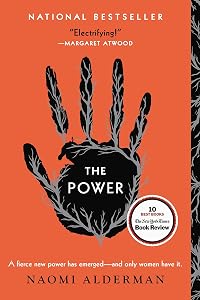
The Power
by Naomi Alderman
On This Page
Description
In this stunning bestseller praised as "our era's Handmaid's Tale," a fierce new power has emerged--and only women have it (Washington Post). In The Power, the world is a recognizable place: there's a rich Nigerian boy who lounges around the family pool; a foster kid whose religious parents hide their true nature; an ambitious American politician; a tough London girl from a tricky family. But then a vital new force takes root and flourishes, causing their lives to converge with devastating show more effect. Teenage girls now have immense physical power: they can cause agonizing pain and even death. And, with this small twist of nature, the world drastically resets. From award-winning author Naomi Alderman, The Power is speculative fiction at its most ambitious and provocative, at once taking us on a thrilling journey to an alternate reality, and exposing our own world in bold and surprising ways. "Captivating, fierce, and unsettling...I was riveted by every page. Alderman's prose is immersive and, well, electric." --New York Times Book Review show lessTags
Recommendations


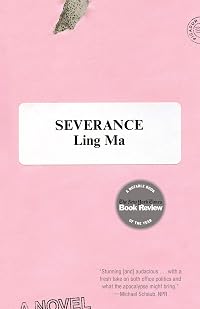
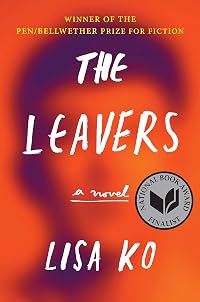
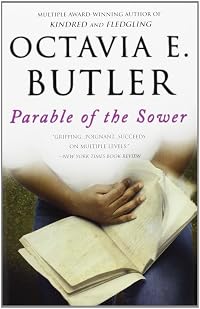
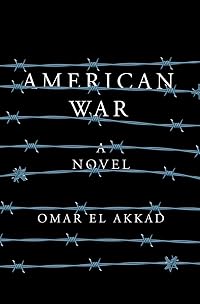

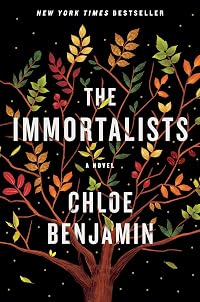
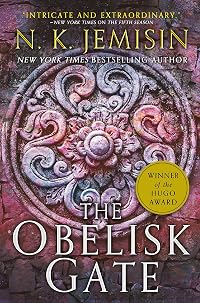

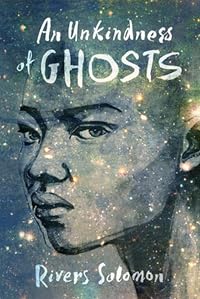
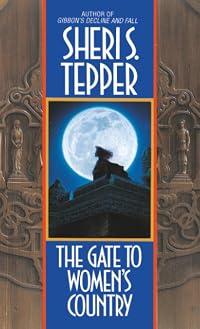
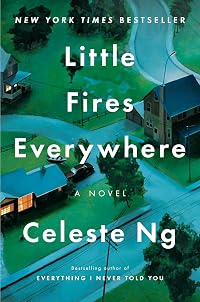
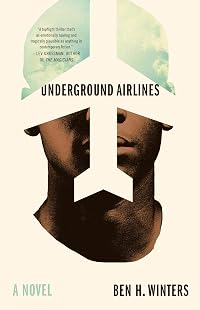
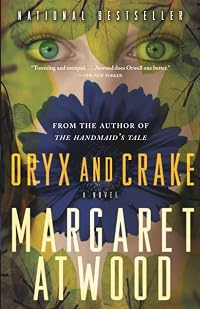
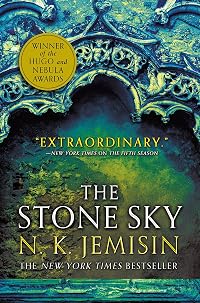

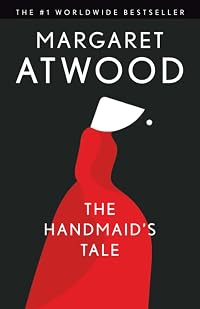
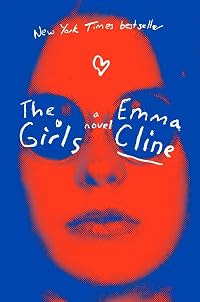
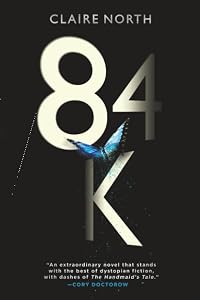

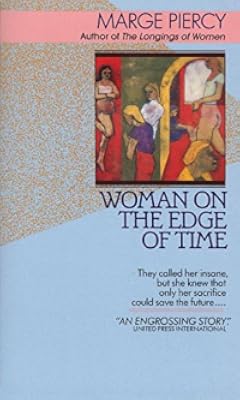
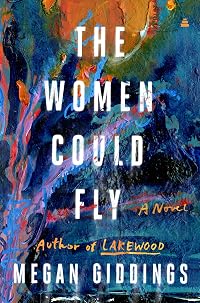
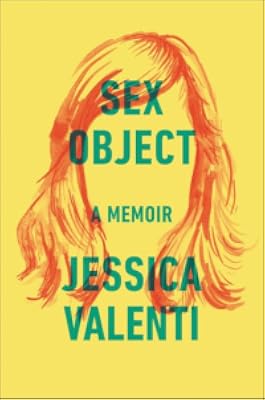
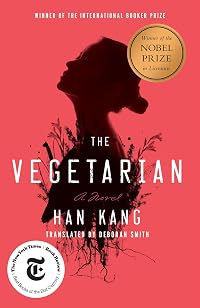
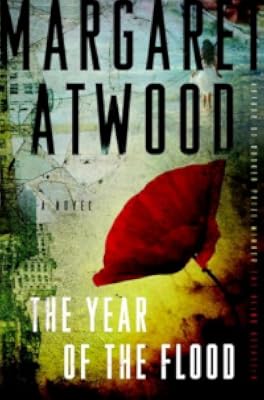
Member Recommendations

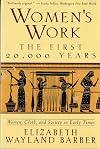
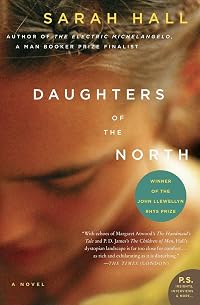
Women's Work: The First 20,000 Years Women, Cloth, and Society in Early Times by Elizabeth Wayland Barber
EerierIdyllMeme A book about achaeology giving evidence that common assumptions about gender roles are not borne out by the evidence, and a near future narrative framed as a story told from the far future based on archaeology exploring gender roles and possible far future assumptions about them.
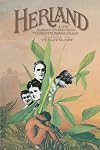
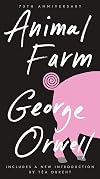
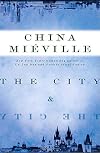
charl08 Both books ask questions about what we take for granted in our everyday realtors..
14
Amy_Tector A couple of the stories had a very "The Power" feel, but funnier.
Member Reviews
Hooooooooooly crap, y'all. This book is AMAZING. And seriously violent and triggery and, on many levels, a depressing meditation on the fact that humans are garbage. At the same time, however, it is absolutely cathartic; while it may very well trigger those who have had sexual assault and abuse experiences, I would encourage fellow survivors to read it anyway, because the process of the book creates an emotional and experiential arc that, in the end, is both horrifying and deeply, deeply satisfying.
Let's be clear: this is speculative fiction that looks toward the near future and is drawn straight from today's very real gender dynamics. In the book, teenage girls and women manifest the power to produce electricity in their bodies show more sufficient to electrocute -- you might imagine that such power turns society on its head, and it is that upheaval that the novel follows. It's also set up a book-within-a-book, with far future citizens looking back at what would be our near future and arguing amongst themselves about what's true in their history. That very set up creates enough distance to make even the more violent scenarios of the internal story fascinating in context.
A friend of mine told me that there are two camps of people who read this book: those who think it should be viewed purely as a meditation on the absolute corruption of power (which, on many levels, it definitely is) and those who finish the book with the phrase "Burn it all down" on their lips. I leave you to decide which camp you are in, but I'm telling you that you need to read this book. The very last line of the very last far-future letter puts the entire novel in perspective -- when you read it, it will hit you. Amazing. Seriously. show less
Let's be clear: this is speculative fiction that looks toward the near future and is drawn straight from today's very real gender dynamics. In the book, teenage girls and women manifest the power to produce electricity in their bodies show more sufficient to electrocute -- you might imagine that such power turns society on its head, and it is that upheaval that the novel follows. It's also set up a book-within-a-book, with far future citizens looking back at what would be our near future and arguing amongst themselves about what's true in their history. That very set up creates enough distance to make even the more violent scenarios of the internal story fascinating in context.
A friend of mine told me that there are two camps of people who read this book: those who think it should be viewed purely as a meditation on the absolute corruption of power (which, on many levels, it definitely is) and those who finish the book with the phrase "Burn it all down" on their lips. I leave you to decide which camp you are in, but I'm telling you that you need to read this book. The very last line of the very last far-future letter puts the entire novel in perspective -- when you read it, it will hit you. Amazing. Seriously. show less
What if women, starting with teen girls, suddenly developed an extraordinary electrostatic ability? How does this change gender dynamics? Politics? The whole world? With this new ability, women finally have the power to upend the patriarchy.
The story follows the lives of just a handful of people in this new world: a young woman in Britain from a crime family, a young mixed-race woman in America who has been in the foster system most of her life, the mayor of a major city whose daughter shares her power with her, and a Nigerian reporter (the only male POV in the story) who travels the world documenting the political changes as they happen.
The first half of the book is incredibly empowering to read as a woman. The women in this book no show more longer have to be afraid to walk alone at night. They can seek their own retribution. It kicks ass. Come the second half of the book, though, things take a turn for the worse. Our main characters suffer some defeats, and the world itself becomes more and more dystopic. (Of course, since the author basically just gender flipped everything, to call a world in which women are in charge and men are subjugated a dystopia, means that we also have to recognize that the real world we live in where women are subjugated, is also a dystopia. Food for thought there, for sure.)
Overall, I really enjoyed the book. Some characters took some time to grow on me, and most of them surprised me in their own ways. I wish the author had included more diverse perspectives. What happens to trans people in this world? What about black women in America? Or anywhere else? What of people in Asia? There is so much more room for other stories within this world and I wish the author had taken that opportunity. Nonetheless, I think this book will appeal to readers of science fiction and feminist stories. show less
The story follows the lives of just a handful of people in this new world: a young woman in Britain from a crime family, a young mixed-race woman in America who has been in the foster system most of her life, the mayor of a major city whose daughter shares her power with her, and a Nigerian reporter (the only male POV in the story) who travels the world documenting the political changes as they happen.
The first half of the book is incredibly empowering to read as a woman. The women in this book no show more longer have to be afraid to walk alone at night. They can seek their own retribution. It kicks ass. Come the second half of the book, though, things take a turn for the worse. Our main characters suffer some defeats, and the world itself becomes more and more dystopic. (Of course, since the author basically just gender flipped everything, to call a world in which women are in charge and men are subjugated a dystopia, means that we also have to recognize that the real world we live in where women are subjugated, is also a dystopia. Food for thought there, for sure.)
Overall, I really enjoyed the book. Some characters took some time to grow on me, and most of them surprised me in their own ways. I wish the author had included more diverse perspectives. What happens to trans people in this world? What about black women in America? Or anywhere else? What of people in Asia? There is so much more room for other stories within this world and I wish the author had taken that opportunity. Nonetheless, I think this book will appeal to readers of science fiction and feminist stories. show less
When I heard that Naomi Alderman’s mentor is the queen of speculative fiction Margaret Atwood, I knew The Power was a book I had to read. The Power is written as a book within a book. It starts with a letter from an author named Neil Adam Armon (an anagram of Naomi Alderman) to another author named Naomi. Neil has written a historical fiction novel set 5000 years ago (which would make it set in the present day) about what happened when teenage girls suddenly developed the power to shoot powerful volts of electricity out of their hands. The balance of power in the world shifts when women are suddenly able to overpower men whenever they want.
It turns out that power corrupts women just as much as it corrupts men and a female-dominated show more society isn’t the benevolent matriarchy one might imagine. It’s an interesting thought experiment that Alderman engages in. She does so with nuance and a touch of dark humor. Once I finished, I immediately wanted to read it again because I know I’ll get even more out of it when I know where the story is headed. We read this book for one of my book clubs and there was a lot to talk about – it makes for a great discussion. My book club is all-female – I’d be really interested in what male readers think of it. I’m guessing most would find it pretty eye-opening. Highly recommended. show less
It turns out that power corrupts women just as much as it corrupts men and a female-dominated show more society isn’t the benevolent matriarchy one might imagine. It’s an interesting thought experiment that Alderman engages in. She does so with nuance and a touch of dark humor. Once I finished, I immediately wanted to read it again because I know I’ll get even more out of it when I know where the story is headed. We read this book for one of my book clubs and there was a lot to talk about – it makes for a great discussion. My book club is all-female – I’d be really interested in what male readers think of it. I’m guessing most would find it pretty eye-opening. Highly recommended. show less
"The shape of power is always the same; it is the shape of a tree. Root to tip, central trunk branching and re-branching, spreading wider in ever-thinner, searching fingers. The shape of power is the outline of a living thing straining outward, sending its fine tendrils a little further, and a little further yet." - page 3
Originally, the premise for this book seemed a bit outlandish. BUT page three immediately had be nodding along with the set up. I saw Alderman comparing power to the branches and roots of trees, and rivers leading to the ocean, and lightning, and was really rooting for her to make the connection to the nervous system...and she did. I've always thought that trees are like the blood vessels of the world. Trees do create show more oxygen, after all. The world is a beautiful coincidence (or a system of perfection). I appreciate that Alderman noticed that too.
The book is set up as historical fiction, as if the writer is basing the plot from recently discovered history. Alderman speculates on what might happen if the power in the world was in the hands of women rather than men. Suddenly, young girls have the power of electricity emanating from their body at will. It causes quite a rabbit hole of a plot. The book's setup mainly follows four characters: Allie, passed through the foster system as an orphan who hears a voice called 'Mother Eve' from a young age and becomes much more than an orphan. Margot, a mayor who is rising up the ranks of government and a mom of a teenager with the power. Tunde, a college boy from Nigeria who starts traveling the world to become the chronicler of the revolution. Roxy, a young girl who first uses her power when her mom is killed because of her family's penchant for crime. All of the characters start to intertwine and I'm amazed at Alderman's skill at representing all four characters equally. And all four are equally essential to this story. The newfound power the women have quite changes their thinking, a bit too riotously. The power shifts too much and of course the men are scared. The characters are a little too man hating. I was thinking this book was just alright, but there were a couple more things I appreciated: Allie has a grand realization that should have been a Hail Mary (pun intended) for saving the world, which might have been too easy for the narrative. So I appreciated the book for that realization AND that it wasn't enough for redemption. This made the book for me. show less
Originally, the premise for this book seemed a bit outlandish. BUT page three immediately had be nodding along with the set up. I saw Alderman comparing power to the branches and roots of trees, and rivers leading to the ocean, and lightning, and was really rooting for her to make the connection to the nervous system...and she did. I've always thought that trees are like the blood vessels of the world. Trees do create show more oxygen, after all. The world is a beautiful coincidence (or a system of perfection). I appreciate that Alderman noticed that too.
The book is set up as historical fiction, as if the writer is basing the plot from recently discovered history. Alderman speculates on what might happen if the power in the world was in the hands of women rather than men. Suddenly, young girls have the power of electricity emanating from their body at will. It causes quite a rabbit hole of a plot. The book's setup mainly follows four characters: Allie, passed through the foster system as an orphan who hears a voice called 'Mother Eve' from a young age and becomes much more than an orphan. Margot, a mayor who is rising up the ranks of government and a mom of a teenager with the power. Tunde, a college boy from Nigeria who starts traveling the world to become the chronicler of the revolution. Roxy, a young girl who first uses her power when her mom is killed because of her family's penchant for crime. All of the characters start to intertwine and I'm amazed at Alderman's skill at representing all four characters equally. And all four are equally essential to this story. The newfound power the women have quite changes their thinking, a bit too riotously. The power shifts too much and of course the men are scared. The characters are a little too man hating. I was thinking this book was just alright, but there were a couple more things I appreciated: Allie has a grand realization that should have been a Hail Mary (pun intended) for saving the world, which might have been too easy for the narrative. So I appreciated the book for that realization AND that it wasn't enough for redemption. This made the book for me. show less
I really enjoyed this book, devouring it where I could. Loved the premise, though I disagreed with some of the choices she made in the direction it took towards the end.
I liked her visualisation of power as an organic network, branching and rebranching. I also enjoyed the insertion of "historical artefacts" depicting women with the power. It was incredibly easy to read. I even liked the correspondence bookending the main story, with the evolutionary psychology theories about why women are more aggressive than men (to protect babies, obviously) and talking about avoiding being pigeonholed as a "male author". It definitely made me laugh.
I think there's an assumption made about the "cycle of abuse" that, first of all, it is a cycle. It's show more taken as a given that abuse causes more abusers, and while many abusers were abused, many of the abused (esp. female) do not become abusers - whether this is because of current power dynamics or what, I can't say. I don't think that things would flip so quickly that all these women with recent memories of abuse would become what they hated. Perhaps I'm too optimistic.
There was also very little talk of motherhood, which I was a little sad about because I think it would have been fascinating to see how that could change under those circumstances. Also a sad lack of women's same sex relationships, which I'm sure would flourish.
I found it interesting that she mentioned that there was porn of this new ability, without addressing the complete change that the porn industry would have undergone had women developed this power. An industry with a large base in degradation of women and ignoring their consent could not survive in that form after such an event, but I imagine the images would survive as a power fantasy for the men - contraband they would have dealt around to deal with the complete collapse of the system they'd lived with for so long.
Obviously she had a limited amount of space to explore every issue, and was focusing more on a few key players to drive the story, which I do understand. I'm just pointing out what I'd explore more given a chance. The ending wasn't awful - I thought she struck quite a good balance between personal battles and politics/global events.
It didn't feel at all like the historical document (even historical fiction) that it was emulating, aside from the few pictures and correspondence telling you what it was. This wasn't a problem, and probably for most people that would be preferable. It was an easy read that I'm going to recommend to others.
I had a great time reading this book. The pure exhilaration at the beginning was incredible, and I didn't want to stop reading because I'd leave that world. To me, that's a great compliment for a book, so I'll leave my review at that. show less
I liked her visualisation of power as an organic network, branching and rebranching. I also enjoyed the insertion of "historical artefacts" depicting women with the power. It was incredibly easy to read. I even liked the correspondence bookending the main story, with the evolutionary psychology theories about why women are more aggressive than men (to protect babies, obviously) and talking about avoiding being pigeonholed as a "male author". It definitely made me laugh.
I think there's an assumption made about the "cycle of abuse" that, first of all, it is a cycle. It's show more taken as a given that abuse causes more abusers, and while many abusers were abused, many of the abused (esp. female) do not become abusers - whether this is because of current power dynamics or what, I can't say. I don't think that things would flip so quickly that all these women with recent memories of abuse would become what they hated. Perhaps I'm too optimistic.
There was also very little talk of motherhood, which I was a little sad about because I think it would have been fascinating to see how that could change under those circumstances. Also a sad lack of women's same sex relationships, which I'm sure would flourish.
I found it interesting that she mentioned that there was porn of this new ability, without addressing the complete change that the porn industry would have undergone had women developed this power. An industry with a large base in degradation of women and ignoring their consent could not survive in that form after such an event, but I imagine the images would survive as a power fantasy for the men - contraband they would have dealt around to deal with the complete collapse of the system they'd lived with for so long.
Obviously she had a limited amount of space to explore every issue, and was focusing more on a few key players to drive the story, which I do understand. I'm just pointing out what I'd explore more given a chance. The ending wasn't awful - I thought she struck quite a good balance between personal battles and politics/global events.
It didn't feel at all like the historical document (even historical fiction) that it was emulating, aside from the few pictures and correspondence telling you what it was. This wasn't a problem, and probably for most people that would be preferable. It was an easy read that I'm going to recommend to others.
I had a great time reading this book. The pure exhilaration at the beginning was incredible, and I didn't want to stop reading because I'd leave that world. To me, that's a great compliment for a book, so I'll leave my review at that. show less
Science fiction dystopian novel that follows the lives of four primary characters to show how the world might change if women were physically stronger than men. In this dystopian future, women have a skein near their collarbones that enables them to conduct an electrical current, capable of inflicting great harm or even death. This novel provides one view of the impact of such a change on religion, politics, crime, education, social mores, families, and culture. It is cleverly concealed in the format of a “book within a book.”
I thought the author came up with an extremely creative premise. I found it engrossing, especially Tunde’s story, which was the only segment from a male character’s perspective. I thought the characters show more were rather thinly drawn, and the writing style very straight-forward.
The extreme violence against men in this book can be shocking until one realizes that these men are being treated in the same manner that females are currently treated in the real world. Content warnings include: descriptions of slaughterhouse processing, extreme violence (murder, rape, assault, torture), a profusion of profanity, and a variety of sex-related topics.
I found it extremely thought-provoking, though I would not classify it as a pleasant reading experience. Recommended to fans of dystopian fiction and book clubs, as I imagine it could engender strong opinions and interesting discussions.
A role reversal dystopia that provides a rather grim view of human nature. show less
I thought the author came up with an extremely creative premise. I found it engrossing, especially Tunde’s story, which was the only segment from a male character’s perspective. I thought the characters show more were rather thinly drawn, and the writing style very straight-forward.
The extreme violence against men in this book can be shocking until one realizes that these men are being treated in the same manner that females are currently treated in the real world. Content warnings include: descriptions of slaughterhouse processing, extreme violence (murder, rape, assault, torture), a profusion of profanity, and a variety of sex-related topics.
I found it extremely thought-provoking, though I would not classify it as a pleasant reading experience. Recommended to fans of dystopian fiction and book clubs, as I imagine it could engender strong opinions and interesting discussions.
A role reversal dystopia that provides a rather grim view of human nature. show less
This one is good, and might end up in my top five or ten for the year.
Girls have electrical power in their skein and it turns the world on its head - slowly they start to escape all the parochial oppression, rapes, sex-trafficking, and tyranny of male perpetrators and the tide turns. At first I was put off by the twisting of religion into a feminist text because I did not know where the author was taking it. I think it demonstrates how men have twisted the bible to justify their actions historically, so I was able to go with it. The tide takes a full parabola as the power shifts from men to women, which also has great social commentary and questions the assumption that women would run the world better or differently than men (assuming show more that assumption exists in the general populace to begin with).
The story unveils through Allie, Roxy, Tunde (the only male voice), and Margery (might have her name wrong) as well as a few others. There are a lot of side issues brought up too, so this book would make a great book club selection. It is Sci Fi officially but more dystopia than typical sci-fi. show less
Girls have electrical power in their skein and it turns the world on its head - slowly they start to escape all the parochial oppression, rapes, sex-trafficking, and tyranny of male perpetrators and the tide turns. At first I was put off by the twisting of religion into a feminist text because I did not know where the author was taking it. I think it demonstrates how men have twisted the bible to justify their actions historically, so I was able to go with it. The tide takes a full parabola as the power shifts from men to women, which also has great social commentary and questions the assumption that women would run the world better or differently than men (assuming show more that assumption exists in the general populace to begin with).
The story unveils through Allie, Roxy, Tunde (the only male voice), and Margery (might have her name wrong) as well as a few others. There are a lot of side issues brought up too, so this book would make a great book club selection. It is Sci Fi officially but more dystopia than typical sci-fi. show less
Members
- Recently Added By
Published Reviews
ThingScore 100
Alderman [...] imagines our present moment — with our history, our wars, our gender politics — complicated by the sudden widespread manifestation of “electrostatic power” in women. Young girls wake up one morning with the ability to generate powerful electric shocks from their bodies, having developed specialized muscles — called “skeins” — at their collarbones, which they can show more flex to deliver anything from mild stings to lethal jolts of electricity. The power varies in its intensity but is almost uniform in its distribution to anyone with two X chromosomes, and women vary in their capacity to control and direct it, but the result is still a vast, systemic upheaval of gender dynamics across the globe. show less
added by melmore
Alderman has written our era's "Handmaid's Tale," and, like Margaret Atwood's classic, "The Power" is one of those essential feminist works that terrifies and illuminates, enrages and encourages.
added by melmore
The novel is constructed as a big, brash, page-turning, drug-running, globetrotting thriller, one in which people say things such as: “It’s only you I’ve blimmin come to find, isn’t it?” and “You wanna stand with me? Or you wanna stand against me?” But it’s also endlessly nuanced and thought-provoking, combining elegantly efficient prose with beautiful meditations on the show more metaphysics of power, possibility and change. show less
added by melmore
Lists

Favorite Science Fiction by Women Authors
737 works; 202 members

Best Dystopias
280 works; 277 members

Best Science Fiction Novels
816 works; 430 members

Best Feminist Science Fiction
188 works; 35 members

Best Feminist Literature
188 works; 26 members

ALA The Reading List
490 works; 28 members
Best Contemporary Literary Fiction (Around the Last 30 Years)
388 works; 124 members

Dystopian and Apocalyptic Literature
350 works; 74 members

2018 Hugo Eligible Novels
170 works; 16 members

Best 21st Century Books (So Far)
670 works; 86 members

Recommend the 20 best books you've read in the last five years
2,168 works; 601 members

Top Five Books of 2018
802 works; 265 members

Baileys Women's Prize for Fiction Winners and Shortlisted Books
61 works; 11 members

2017 Baileys Women's Prize for Fiction
16 works; 7 members
Recommended Speculative Fiction by Women and People of Color
298 works; 45 members

One Book, Many Authors
441 works; 40 members

Top Five Books of 2022
736 works; 272 members

Female Author
1,234 works; 65 members

An End of the World Reading List
63 works; 4 members

SFFKit 2018
14 works; 1 member

Speculative Fiction to Read
706 works; 31 members

Angry Women Reading List
17 works; 2 members
Dystopia Must-Reads
18 works; 2 members
Favorite Science Fiction
456 works; 218 members

Books Read in 2026
1,993 works; 67 members

LQW Research Reading List
75 works; 1 member

BBC World Book Club
265 works; 5 members
Barack Obama's Favorite Books of 2017
12 works; 1 member

Reading Glasses Podcast
410 works; 3 members

Books Read in 2017
4,249 works; 129 members

Strong Characters
39 works; 2 members

Recommended Science-Fiction Books
40 works; 3 members

Books Read in 2023
5,638 works; 147 members
College Reads (Lit Edition)
75 works; 5 members
Top Five Books of 2017
757 works; 231 members
Female Protagonist
1,056 works; 57 members
International Dublin Literary Award Longlist 2018
22 works; 2 members

Stories of War and Revolution
143 works; 54 members
Banned or Challenged Books
400 works; 41 members

Caroline Calloway Reading Challenge (Adapted from Reddit)
27 works; 1 member

Kirkus Starred Fiction Reviews of Books Published in 2017
412 works; 7 members

Books recommended by Barack Obama
295 works; 28 members

Women's Prize for Fiction
29 works; 5 members
Books Read in 2018
4,360 works; 110 members

Books Read in 2020
4,379 works; 124 members

Literature About Women and Girls
394 works; 39 members
Overdue Podcast
806 works; 9 members

Books Read in 2019
4,052 works; 108 members

Banging Book Club
36 works; 1 member

World Book Club (BBC World Service)
212 works; 1 member
Talk Discussions
Past Discussions
The Power by Naomi Alderman in Dystopian novels (August 2019)
Author Information

20+ Works 8,738 Members
Some Editions
Awards and Honors
Series
Belongs to Publisher Series
Common Knowledge
- Canonical title*
- Ragazze elettriche
- Original title
- The Power
- Original publication date
- 2016-10-27
- People/Characters
- Roxanne 'Roxy' Monke; Olatunde 'Tunde' Edo; Alison 'Allie' Montgomery-Taylor (Mother Eve); Margot Cleary; Jocelyn Cleary; Darrell Monke (show all 8); Tatiana Moskalev; UrbanDox
- Important places
- Lagos, Nigeria; Riyadh, Saudi Arabia; Manfouha, Saudi Arabia; Chișinău, Moldova; Delhi, India; Tucson, Arizona, USA (show all 7); Basarabeasca, Moldova
- Related movies
- The Power (2023 | IMDb)
- Epigraph
- The people came to Samuel and said: Place a King over us, to guide us.
And Samuel said to them: This is what a King will do if he reigns over you: he’ll take your sons and make them run with his chariots and horses. ... (show all)He’ll dispose them however he wants: he’ll make them commanders of thousands or captains of fifties, he’ll send them to plough, to reap, to forge his weapons and his chariots. He’ll take your daughters to make perfume for him, or cook his food or do his baking. He’ll take your fields and your vineyards and your olive groves – oh, he’ll take the very best of those and give them to his cronies. He’ll take much more. A tenth of your grain and your wine – those will go to his favourite aristocrats and faithful servants. Your manservants and your maidservants, your best men, your donkeys – yes, he’ll take those for his own use. He’ll take one tenth of your flocks and you yourselves will become his slaves. On that day, believe me, you will cry out for relief from this King, the King you asked for, but the Lord will not answer you on that day.
But the people would not listen to Samuel. They said: No. Give us a King over us. So that we can be like all the other nations. Give us a King to guide us and lead us into battle.
When Samuel heard what the people said, he told it to the Lord.
The Lord answered, Give them a King.
1 Samuel 8 - Dedication
- For Margaret and for Graeme, who have shown me wonders
- First words
- Dear Naomi,
I've finished the bloody book. - Last words
- (Click to show. Warning: May contain spoilers.)Neil, I know this might be very distasteful to you, but have you considered publishing this book under a woman's name?
Best love, Naomi - Blurbers
- Atwood, Margaret; Cory Doctorow
- Original language
- English
- Canonical DDC/MDS
- 823.92
- Canonical LCC
- PR6101.L43
*Some information comes from Common Knowledge in other languages. Click "Edit" for more information.
Classifications
Statistics
- Members
- 6,046
- Popularity
- 2,119
- Reviews
- 300
- Rating
- (3.73)
- Languages
- 14 — Danish, Dutch, English, Finnish, French, German, Italian, Korean, Polish, Russian, Spanish, Swedish, Turkish, Portuguese (Portugal)
- Media
- Paper, Audiobook, Ebook
- ISBNs
- 57
- ASINs
- 15