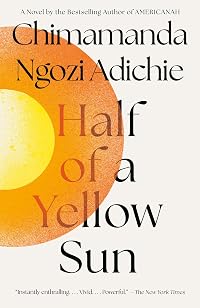
Half of a Yellow Sun
by Chimamanda Ngozi Adichie
On This Page
Description
A haunting story of love and war from the best-selling author of Americanah and We Should All Be Feminists. With effortless grace, celebrated author Chimamanda Ngozi Adichie illuminates a seminal moment in modern African history: Biafra's impassioned struggle to establish an independent republic in southeastern Nigeria during the late 1960s. We experience this tumultuous decade alongside five unforgettable characters: Ugwu, a thirteen-year-old houseboy who works for Odenigbo, a university show more professor full of revolutionary zeal; Olanna, the professor's beautiful young mistress who has abandoned her life in Lagos for a dusty town and her lover's charm; and Richard, a shy young Englishman infatuated with Olanna's willful twin sister Kainene. Half of a Yellow Sun is a tremendously evocative novel of the promise, hope, and disappointment of the Biafran war. show lessTags
Recommendations
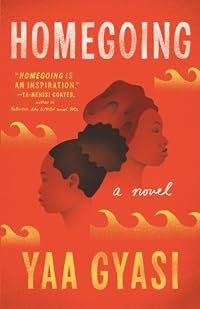
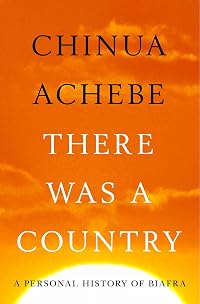
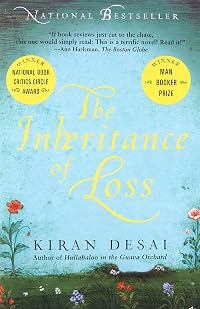
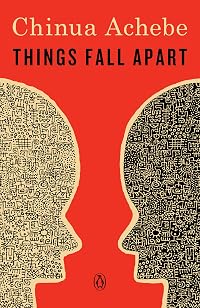

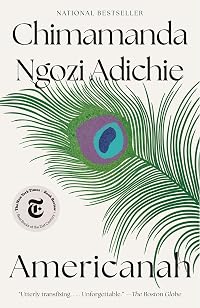
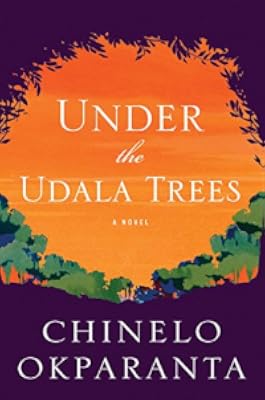
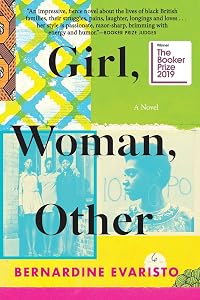
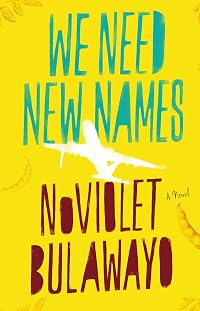
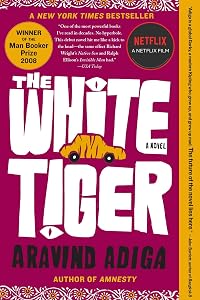
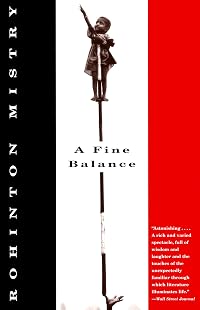
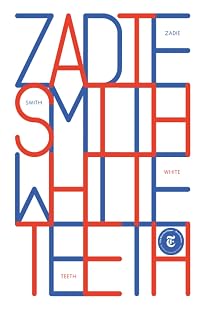

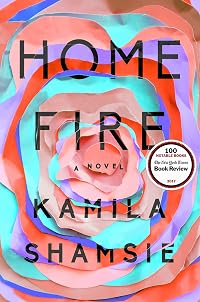
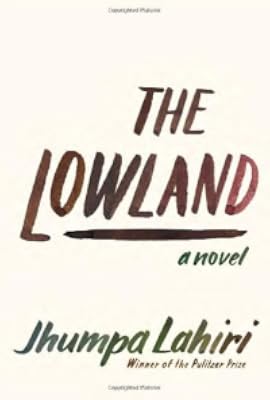
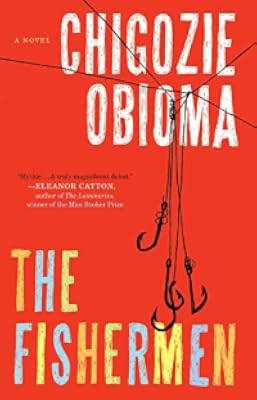

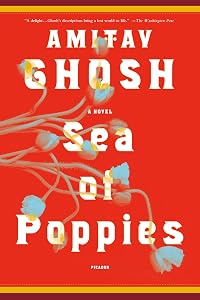
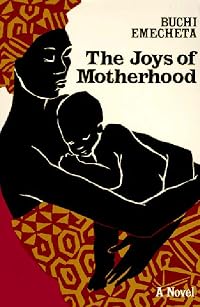
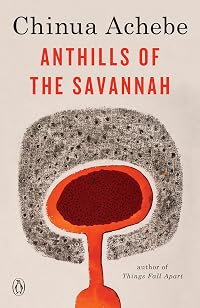
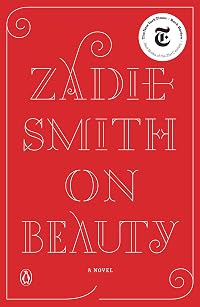
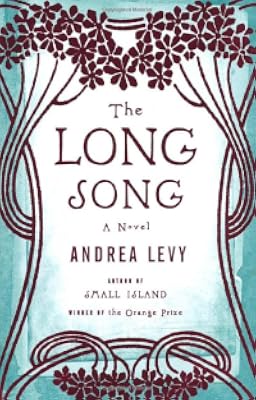
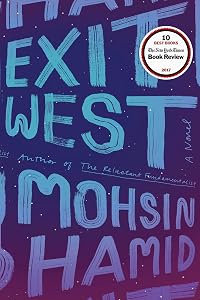
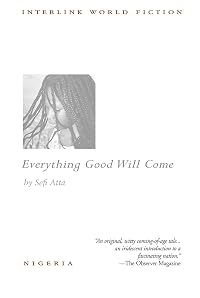
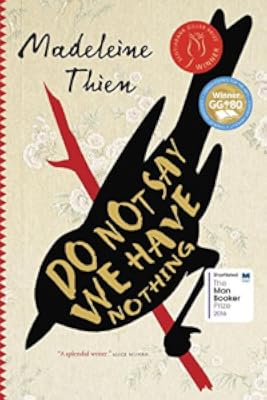
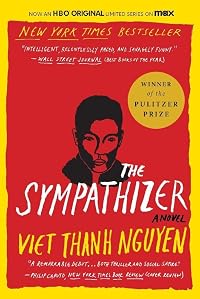
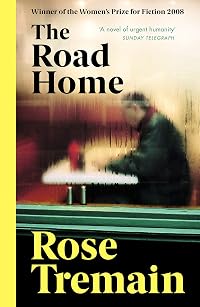
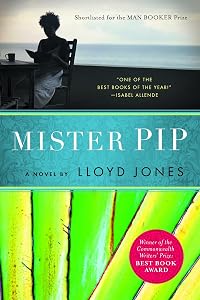
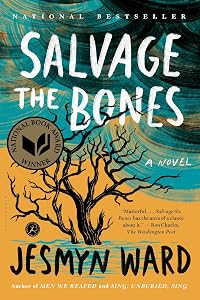
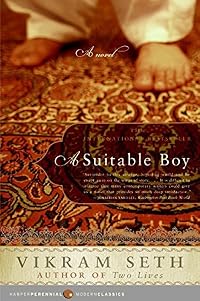
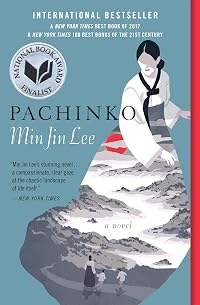

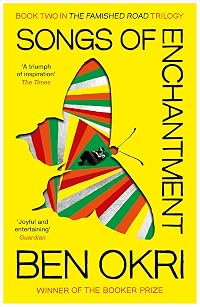
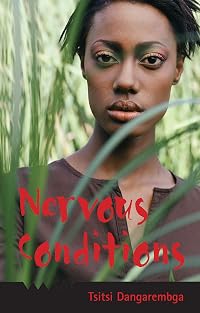
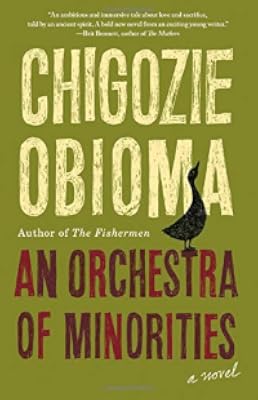
Member Recommendations
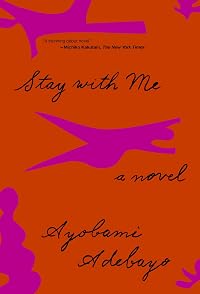
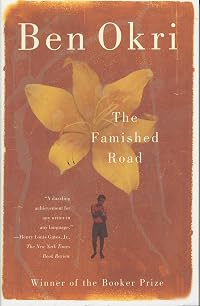
dsstukes Cited by Adichie in her Author's Note.
20
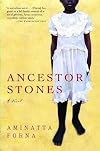

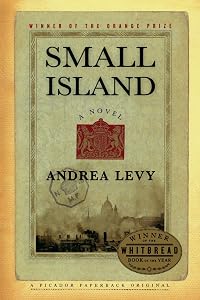
dsstukes A novel about the Biafra war. Cited by Adichie in her Author's Note.
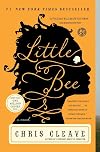
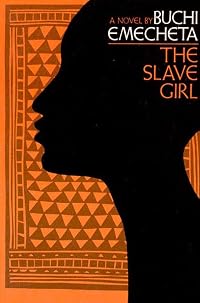
BookshelfMonstrosity The stories of a impoverished countryside boy and two upper-class sisters are told against the backdrop of the 1960s Biafran War. This book, by one of Nigeria's most famous authors, should appeal to readers interested in Nigeria's history, Nigerian society and the lives of women in Nigeria.
21
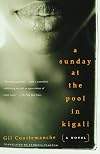
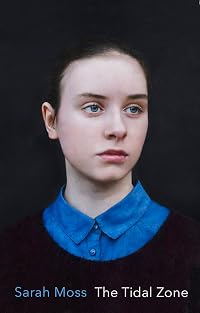
imyril Another difficult novel of modern Africa, focusing on the Nigeria civil war and the Biafra famine rather than Rwanda.


Member Reviews
I wish we could give 4.5 stars (or can we??). I loved Purple Hibiscus and I really enjoyed this book too. The story takes us into the lives of an extended family of intellectuals, their staff and their friends, set during the Biafran struggle and ultimate failure to secede from Nigeria in the late 1960's. Reading this now you see it could be the story of many places currently struggling for freedom today.
A family saga of sorts with lots of richly drawn characters, yet tightly edited to keep the reader engaged, Half of a Yellow Sun is deserving of all its accolades. Perhaps my favourite feature of the story is that the ending is written in such a way as to invoke in the reader empathy with the characters. We are left feeling confused, show more hopeful and this made me realise how many people must be completely displaced by war.
I always enjoy a novel that manages to not only entertain, but educate us on a topic or slice of history. The author has used a structure whereby you move from pre-war to the time during the war in 4 sections. This cleverly moves the story along without diluting the wartime experience. I think a straight chronological order would have seen the reader becoming bogged down in the reality of their daily struggles, the misery of their new existence and their material losses, rather than understanding how each character evolves (or not in some cases). Adichie does not shy away from describing the violence and the cruelty suffered by the Biafrans, or the complexities of family loyalty either.
I expect lots of further non fiction reading will be inspired by this book. A very good book club book too, as there are so many discussion points. We discussed the themes of power & forgiveness; the way the war was conducted and the general historical context; the parallels with our current global strife; and whether the title "best of the best" was deserved and what are the parameters by which a book is judged. show less
A family saga of sorts with lots of richly drawn characters, yet tightly edited to keep the reader engaged, Half of a Yellow Sun is deserving of all its accolades. Perhaps my favourite feature of the story is that the ending is written in such a way as to invoke in the reader empathy with the characters. We are left feeling confused, show more hopeful and this made me realise how many people must be completely displaced by war.
I always enjoy a novel that manages to not only entertain, but educate us on a topic or slice of history. The author has used a structure whereby you move from pre-war to the time during the war in 4 sections. This cleverly moves the story along without diluting the wartime experience. I think a straight chronological order would have seen the reader becoming bogged down in the reality of their daily struggles, the misery of their new existence and their material losses, rather than understanding how each character evolves (or not in some cases). Adichie does not shy away from describing the violence and the cruelty suffered by the Biafrans, or the complexities of family loyalty either.
I expect lots of further non fiction reading will be inspired by this book. A very good book club book too, as there are so many discussion points. We discussed the themes of power & forgiveness; the way the war was conducted and the general historical context; the parallels with our current global strife; and whether the title "best of the best" was deserved and what are the parameters by which a book is judged. show less
I knew nothing about the Biafran conflict in the late 1960s. I know considerably more now. Yellow Sun is an eye-opener. Very movingly written and yet never far away from the resolute humour that characterises many of the novel’s cast.
The book begins in Ugwu’s village. He goes to work for a university professor and by entering the world of the literati teaches himself to read and write and to think about the world beyond the village. Various other characters enter the orbit of the professor’s family and then the war breaks out and everything changes forever.
Adichie writes very well and you’re never tempted to flick ahead a few pages to see if she picks up the pace. It’s not fast-paced though, don’t get me wrong. It’s show more measured and thoughtful. She has spent time crafting sentences in what is not a short novel. The whole is thus lent a grace which belies its subject matter which is, at times, quite brutal and graphic.
The strength of the novel lies in its characterisation. The actors are strong and the writing changes just ever so slightly with the focus on each one. From Ugwu’s viewpoint, the professor is always Master or Master Odenigbo at best, but from his peers, he is just Odenigbo. I liked the fact that she still managed to retain subtlety like this in a novel whose subject matter is anything but.
The story is told from the Biafran side and it is a side of suffering and sorrow. I learned more than I’d ever known before and was grateful for it. I hope to pass it on to a friend whose working in Nigeria now. I wonder what kind of reception it gets there? show less
The book begins in Ugwu’s village. He goes to work for a university professor and by entering the world of the literati teaches himself to read and write and to think about the world beyond the village. Various other characters enter the orbit of the professor’s family and then the war breaks out and everything changes forever.
Adichie writes very well and you’re never tempted to flick ahead a few pages to see if she picks up the pace. It’s not fast-paced though, don’t get me wrong. It’s show more measured and thoughtful. She has spent time crafting sentences in what is not a short novel. The whole is thus lent a grace which belies its subject matter which is, at times, quite brutal and graphic.
The strength of the novel lies in its characterisation. The actors are strong and the writing changes just ever so slightly with the focus on each one. From Ugwu’s viewpoint, the professor is always Master or Master Odenigbo at best, but from his peers, he is just Odenigbo. I liked the fact that she still managed to retain subtlety like this in a novel whose subject matter is anything but.
The story is told from the Biafran side and it is a side of suffering and sorrow. I learned more than I’d ever known before and was grateful for it. I hope to pass it on to a friend whose working in Nigeria now. I wonder what kind of reception it gets there? show less
I had been putting off reading this novel because I thought it would be worthy and harrowing. However, I picked it up recently as it was chosen by Woman's Hour on Radio Four as the best of the best women's prize for fiction to celebrate ten years of that prize. The description of the novel on the radio and the votes from listeners gave me the push I needed to read this.
It is a fantastic novel and I don't know why it took me so long to get round to it. It is beautifully written, interesting and has good strong characters that engaged me from the start. Of course there are harrowing sections but not as many as I expected and I was able to deal with these.
The novel made me look at the history and geography of Biafra and Nigeria. I liked show more that Olanna was a good person, as well as beautiful, but not perfect and Ugwu, the houseboy, was a marvellous narrator. The horror of war was well told and there were so many times when I thought, what would I do in that situation. show less
It is a fantastic novel and I don't know why it took me so long to get round to it. It is beautifully written, interesting and has good strong characters that engaged me from the start. Of course there are harrowing sections but not as many as I expected and I was able to deal with these.
The novel made me look at the history and geography of Biafra and Nigeria. I liked show more that Olanna was a good person, as well as beautiful, but not perfect and Ugwu, the houseboy, was a marvellous narrator. The horror of war was well told and there were so many times when I thought, what would I do in that situation. show less
A weak family drama forcibly wedged into a turbulent period of Nigerian history and the Biafran war, the novel illustrates and personalises the effects of war on the individual, but disappoints with its poor characterisations and contrived dramatic plots.
Here is a group of privileged people who are supposed to be intelligent and educated yet comes across as naïve to the point of denial and juvenile in their interpersonal relationships. Each character is particularly one-note in their defining traits which end up being of no influence on the plot. Olanna, Kainene and Richard are "unique" because, respectively, they are beautiful and therefore the kindest and most generous person to have ever livedexcept since her de-facto slept with show more his mother's help, she now needs to revenge sex with her twin sister's lover and by the way, she really wishes that she and her sister can recover the close relationship they had when they were younger - was this the type of close she meant? , smoke like a common prostitute - as one other character says, and indeed, the photo of her smoking seems to be the main defining point of Kainene but she is essentially the best character, no? Independent, capable, less-talk-more-action which made her willingness to continue a relationship with needy, cheating, have-fantasised-what-it's-like-to-sleep-with-Olanna Richard all the more unlikely and loves braided pots - golly, a white man liking one artefact of one culture, he must be some sort of expert on this entire culture now, let us not even start on his smugness at "surprising" people with his ability to speak Igbo.
I love it when authors write about fictional mathematicians and the inevitable minimum sentence or paragraph about how much they worship the unambiguity of numbers or the way mathematics make order out of chaos, or the obsession and secludedness of such a profession, or whatever other nonsense, but I tolerate these because they are a means to an end, they indicate something of the character's behaviour and the methodical way they approach things. However, what was the point of Odenigbo being a mathematician? It was never mentioned again, nobody ever talked about it, he could have been liberal arts graduate for all that mattered for his main role of organising salonsand blaming his mother, alcohol, anything else but himself for committing adultery and even implicitly places the blame on Olanna with his continual excuse of "it" only happening "once" to get her to forgive him . (half star off)
Looking past the flat characters, the odd pacing and the unnecessary build-up to dramatise the reveal ofthe affairs , the novel is a beautiful portrait of the brutality and duplicity of war, the conflicting nature of idealism in war, how the war builds up from buried resentments and outside interference, the way the individuals suffer horrific violences and extreme starvation for an advance of an imaginary boundary. If you had a choice like the twins' parents, would you stay behind as a passive stance of defiance/solidarity or would you get out while you can? Stay and die idealistically or live realistically? It is an ugly truth that despite the insistence of a character - the world has to know the truth of what is happening because they simply cannot remain silent while we die -, the world can and majority of it will. show less
Here is a group of privileged people who are supposed to be intelligent and educated yet comes across as naïve to the point of denial and juvenile in their interpersonal relationships. Each character is particularly one-note in their defining traits which end up being of no influence on the plot. Olanna, Kainene and Richard are "unique" because, respectively, they are beautiful and therefore the kindest and most generous person to have ever lived
I love it when authors write about fictional mathematicians and the inevitable minimum sentence or paragraph about how much they worship the unambiguity of numbers or the way mathematics make order out of chaos, or the obsession and secludedness of such a profession, or whatever other nonsense, but I tolerate these because they are a means to an end, they indicate something of the character's behaviour and the methodical way they approach things. However, what was the point of Odenigbo being a mathematician? It was never mentioned again, nobody ever talked about it, he could have been liberal arts graduate for all that mattered for his main role of organising salons
Looking past the flat characters, the odd pacing and the unnecessary build-up to dramatise the reveal of
Extraordinary novel of lives lived in the run-up to and during the Nigerian Civil War. An intelligent, privileged young woman, a house-boy and an English expatriate all become part of the struggle for Biafra, a hopeful and idealistic movement for independence and its protracted and horrible demise in violence and starvation are seen through the experiences of Olanna, Ugwa and Richard as they struggle to live, love and survive thought loss and grief and privation. It's a harrowing tale, though full of life, romance, humour and rich complexity, all told in a tone that is unsentimental but throbbing with emotion, intelligence, irony, compassion and ultimately a kind of shattering poignancy.
This is a beautiful and difficult book. Difficult because of the painful narratives of the Biafran War, but beautiful in the characters who are so vivid and real in their flaws, their hopes, and their lived existence. We meet Ugwu, a thirteen year old boy from a small village who works as a servant for Odenigbo, Professor of Mathematics at Nsukka University. Odenigbo's girlfriend, then wife, is Olanna, daughter of the influential Chief Ozobia, and more significantly, twin sister to Kainene, who was one of my favorite characters in the book. Not blessed with Olanna's commonly-accepted beauty, Kainene is fearless, acerbic, and honest (especially in the latter half of the book when war reaches her heart). Kaynene takes up with Richard, an show more English writer who comes to Nigeria to write a book about the art. Adichie artfully uses Richard to express the more subtle racism (whereas his ex-girlfriend is outright and obviously racist). For example, in Chapter 6, Kainene says to Richard: "...it's wrong of you to think that love leaves room for nothing else. It's possible to love something, and still condescend to it." This powerful statement is made after Richard is called out at a party for going on and on about the amazing details and complexity of some African bronzes, not realizing the implication of his surprise--why would they NOT be amazing and complex? Richard is one of the three main narrative voices and the way he grows, partially due to his love for and relationship with Kainene, is really thoughtful and not a single narrative. None of the main characters are unidimensional. Odenigbo moves from idealist to grieving son. Ugwu moves from innocent to war-worn and morally compromised. But perhaps it is mostly the story of the two sisters, Olanna and Kainene where this book touched me most. The horrors of war have their own narratives, but Adichie does not lose sight of the human story that perseveres -- love, betrayal, friendship, enmity--everyone with a heart that has to question some of the time.
Adichie does not sidestep some of the particulars of the Biafran War, however. The book is an opportunity to understand better (particularly for those of us who were not taught about the Igbo and the Hausa) the complex politics, racism, and global manipulations/voyeurism that brought about between 500,000 and two million Biafran civilians dying of starvation. show less
Adichie does not sidestep some of the particulars of the Biafran War, however. The book is an opportunity to understand better (particularly for those of us who were not taught about the Igbo and the Hausa) the complex politics, racism, and global manipulations/voyeurism that brought about between 500,000 and two million Biafran civilians dying of starvation. show less
'Half of a Yellow Sun' is a beautiful title, referring here to the symbol which featured on the Biafran's flag -the Republic born out of a secession North-South in Nigeria back in the 1960s, and which barely lasted three years (1967-1970), collapsing after an horrendous conflict. Here's a poetical hint, then, which is also a perfect title for this novel; a tumultuous story where the fate of various characters are thrown against each others with Nigeria's independence as a background, including this horrendous conflict against Biafra.
There are the two Igbo sisters, products of Nigerian's well-off social classes: Olanna, idealist, in love with the scholar and socialist Odenigbo (whose house serves as a meeting point for a whole show more revolutionary and independentist intelligentsia), and Kainene, more cynical, her in love with Richard, A White British man searching for himself in this 1960s' Africa prey to every passions and tensions. We also meet Ugwu, caretaker of Odenigbo and Olanna's house, a young villager with a poor education yet whose life will, also, be radically transformed too.
The thing is, the author does more than simply displaying complex romances which are made then unmade, weaving thus small pieces of lives in all their humanity, hopes and ambitions, strengths and weaknesses. She also exposes how such lives will brutally change because of a terrible war, a war of which she shows all the horror and full impact upon her various characters.
The Biafran war (1967-1970), a sad examples of the tribal hatred created then used by Western colonial powers, killed more than 2 million people and will forever be remembered for the dreadful famine it caused. 'Half of A Yellow Sun' is not an historical novel per se (events are not retold in their correct, real chronology) yet it remains an excellent book capturing brilliantly this traumatic experience, which completely blew apart a lot of ideals and that Nigeria, even to these days, struggles to fully confront.
Here's a great read! show less
There are the two Igbo sisters, products of Nigerian's well-off social classes: Olanna, idealist, in love with the scholar and socialist Odenigbo (whose house serves as a meeting point for a whole show more revolutionary and independentist intelligentsia), and Kainene, more cynical, her in love with Richard, A White British man searching for himself in this 1960s' Africa prey to every passions and tensions. We also meet Ugwu, caretaker of Odenigbo and Olanna's house, a young villager with a poor education yet whose life will, also, be radically transformed too.
The thing is, the author does more than simply displaying complex romances which are made then unmade, weaving thus small pieces of lives in all their humanity, hopes and ambitions, strengths and weaknesses. She also exposes how such lives will brutally change because of a terrible war, a war of which she shows all the horror and full impact upon her various characters.
The Biafran war (1967-1970), a sad examples of the tribal hatred created then used by Western colonial powers, killed more than 2 million people and will forever be remembered for the dreadful famine it caused. 'Half of A Yellow Sun' is not an historical novel per se (events are not retold in their correct, real chronology) yet it remains an excellent book capturing brilliantly this traumatic experience, which completely blew apart a lot of ideals and that Nigeria, even to these days, struggles to fully confront.
Here's a great read! show less
Members
- Recently Added By
Published Reviews
ThingScore 100
While there are disturbing scenes, the writing is superb, and Adichie puts a human face on war-torn Africa. The characters are authentic, the story is compelling. It is a worthwhile read, which will linger in your thoughts long after you turn the last page.
added by Shortride
Lists

1001 Books You Must Read Before You Die
1,448 works; 1,134 members

Best Historical Fiction
620 works; 261 members

Favourite Women's Prize for Fiction, Orange & Bailey's Prize contenders
132 works; 52 members

Best of World Literature
435 works; 52 members
Best African Books
126 works; 46 members

Best Contemporary Literary Fiction (Around the Last 30 Years)
388 works; 124 members

Best 21st Century Books (So Far)
670 works; 86 members

Female Author
1,234 works; 67 members

Historical Fiction
889 works; 91 members

Women in War
148 works; 30 members

Best winner of the Orange Broadband Prize for Fiction
13 works; 6 members

The Guardian's 100 best books of the 21st century
100 works; 21 members
Women's Prize for Fiction
29 works; 5 members

Best Books With Sisters
130 works; 30 members
BBC's 100 Novels That Shaped Our World
100 works; 22 members

Top Five Books of 2018
802 works; 264 members

Black Authors
384 works; 32 members

Top Five Books of 2016
795 works; 229 members

Literature by People of Color
81 works; 9 members

War Literature
101 works; 19 members

Top Five Books of 2022
736 works; 272 members

Big Jubilee List
70 works; 3 members

This is the Canon: Decolonize Your Bookshelf in 50 Books
51 works; 5 members
Top Five Books of 2017
757 works; 231 members

Novels featuring siblings
133 works; 8 members
Literature About Women and Girls
394 works; 39 members

2000s decade
85 works; 7 members

BBC Radio 4 Bookclub
340 works; 13 members
Best African and African diaspora books
111 works; 4 members

Books Read in 2014
2,343 works; 89 members

Africa
109 works; 8 members
Contemporary Fiction
109 works; 7 members

Stories featuring characters who are mathematicians
42 works; 5 members
Most Popular Books Tagged Africa
35 works; 3 members

Revolutions
72 works; 5 members
I Can't Finish This Book
189 works; 22 members

Books with Colourful Titles
171 works; 8 members

Books Read in 2020
4,379 works; 124 members

SHOULD Read Books!
354 works; 9 members
indicações da lays
10 works; 1 member

Historical fiction by women authors
15 works; 5 members

Books Read in 2016
4,666 works; 197 members

Books Set In Africa
81 works; 4 members

Books Read in 2017
4,249 works; 130 members
Reading Globally
136 works; 16 members
Five star books
1,767 works; 109 members
Read These Too
458 works; 9 members

Florida
366 works; 3 members

Books Read in 2026
1,938 works; 66 members

.
184 works; 1 member

Books recommended by Calgary Public Library staff
1,588 works; 4 members
Best Audiobooks
240 works; 114 members
BBC World Book Club
265 works; 5 members

Queen Camilla's Reading Room
65 works; 6 members

THE WAR ROOM
813 works; 24 members

Books bought at library sales
98 works; 4 members

Mustich's 1000 Books to Read Before You Die: A Life Changing List
1,001 works; 19 members

Best books I read in 2013
152 works; 3 members
Alphabetical Books
211 works; 3 members

My TBR
371 works; 3 members

A Rainbow of Books: Colors in the Title
570 works; 24 members

World Book Club (BBC World Service)
206 works; 1 member
Talk Discussions
Past Discussions
GROUP READ: Half of a Yellow Sun, by Chimamanda Ngozi Adichie in 75 Books Challenge for 2012 (August 2012)
Author Information

68+ Works 34,258 Members
Chimamanda Ngozi Adichie was born in Enugu, Nigeria on September 15, 1977. She studied medicine and pharmacy at the University of Nigeria for a year and a half before moving to the United States, where she studied communication at Drexel University for two years. She received a bachelor's degree in communication and political science at Eastern show more Connecticut State University in 2001, a master's degree in creative writing at Johns Hopkins University, and a master's degree in African Studies from Yale University in 2008. Her first novel, Purple Hibiscus, was published in 2003 and received the Commonwealth Writers' Prize for Best First Book in 2005. Her other books include The Thing around Your Neck, Americanah, and We Should All Be Feminist. Half of a Yellow Sun won the Orange Prize in 2007. She was awarded the 2018 PEN Pinter Prize, for her body of work that shows 'outstanding literary merit'. (Bowker Author Biography) show less
Some Editions
Awards and Honors
Series
Belongs to Publisher Series
Work Relationships
Is contained in
Has the adaptation
Inspired
Common Knowledge
- Canonical title*
- Een halve gele zon
- Original title
- Half of a Yellow Sun
- Original publication date
- 2006-09-12
- People/Characters
- Ugwu; Olanna Ozobia; Odenigbo; Kainene Ozobia; Richard Churchill; Baby
- Important places
- Port Harcourt, Nigeria; Nsukka, Nigeria; Biafra
- Important events
- Nigerian-Biafran War (1967 | 1970)
- Related movies
- Half of a Yellow Sun (2013 | IMDb)
- Epigraph
- Today I see it still--
Dry, wire-thin in sun and dust of the dry months--
Headstone on tiny debris of passionate courage.--
Chinua Achebe,
From "Mango Seedling" in
Christmas in Biafra and... (show all) Other Poems - Dedication
- My grandfathers, whom I never knew,
Nwoye David Adichie and Aro-Nweke Felix Odigwe,
did not survive the war.
My grandmothers, Nwabuodu Regina Odigwe and Nwamgbafor Agnes Adiche, remarkable women
both, did. <... (show all)br>This book is dedicated to their memories:
ka fa nodu na ndokwa.
And to Mellitus, wherever he may be. - First words
- Master was a little crazy; he had spent too many years reading books overseas, talked to himself in his office, did not always return greetings, and had too much hair.
- Quotations
- 'I am Nigerian because a white man created Nigeria and gave me that identity. I am black because the white man constructed black to be as different as possible from his white. But I was Igbo before the white man came.
The Book: The World Was Silent When We Died - Last words
- (Click to show. Warning: May contain spoilers.)Ugwu writes his dedication last: For Master, my good man.
- Blurbers
- Achebe, Chinua; Oates, Joyce Carol
- Original language
- English
*Some information comes from Common Knowledge in other languages. Click "Edit" for more information.
Classifications
Statistics
- Members
- 7,912
- Popularity
- 1,424
- Reviews
- 317
- Rating
- (4.16)
- Languages
- 19 — Catalan, Czech, Danish, Dutch, English, Estonian, Finnish, French, German, Hungarian, Indonesian, Italian, Japanese, Norwegian (Bokmål), Polish, Portuguese, Sinhalese, Spanish, Swedish
- Media
- Paper, Audiobook, Ebook
- ISBNs
- 99
- UPCs
- 1
- ASINs
- 26