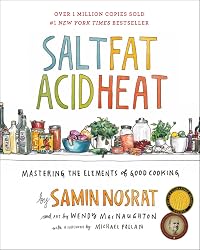
Salt, Fat, Acid, Heat: Mastering the Elements of Good Cooking
by Samin Nosrat
On This Page
Description
*More than 1 million copies sold * New York Times bestseller * Winner of the James Beard Award and multiple IACP Cookbook Awards * Available as a Netflix series *Transform how you prep, cook, and think about food with this visionary master class in cooking by Samin Nosrat that distills decades of professional experience into just four simple elements—from the woman declared "America's next great cooking teacher" by Alice Waters.
Featuring more than 100 recipes from Samin and more than show more 150 illustrations from acclaimed illustrator Wendy MacNaughton!
In the tradition of The Joy of Cooking and How to Cook Everything comes Salt, Fat, Acid, Heat, an ambitious new approach to cooking. Chef and writer Samin Nosrat has taught everyone from professional chefs to middle school kids to author Michael Pollan to cook using her revolutionary, yet simple, philosophy. Master the use of just four elements—Salt, which enhances flavor; Fat, which delivers flavor and generates texture; Acid, which balances flavor; and Heat, which ultimately determines the texture of food—and anything you cook will be delicious. By explaining the hows and whys of good cooking, Salt, Fat, Acid, Heat will teach and inspire a new generation of cooks how to confidently make better decisions in the kitchen and cook delicious meals with any ingredients, anywhere, at any time.
Echoing Samin's own journey from culinary novice to award-winning chef, Salt, Fat Acid, Heat immediately bridges the gap between home and professional kitchens. With charming narrative, illustrated walkthroughs, and a lighthearted approach to kitchen science, Samin demystifies the four elements of good cooking for everyone. Refer to the canon of 100 essential recipes—and dozens of variations—to put the lessons into practice and make bright, balanced vinaigrettes, perfectly caramelized roast vegetables, tender braised meats, and light, flaky pastry doughs.
Destined to be a classic, Salt, Fat, Acid, Heat just might be the last cookbook you'll ever need.
With a foreword by Michael Pollan.
*Named one of the Best Books of the Year by: NPR, BuzzFeed, The Washington Post, Chicago Tribune, Rachel Ray Every Day, San Francisco Chronicle, Elle.com, Glamour, Eater, Newsday, The Seattle Times, Tampa Bay Times, Tasting Table, Publishers Weekly, and more!*. show less
Tags
Recommendations

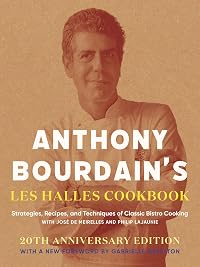
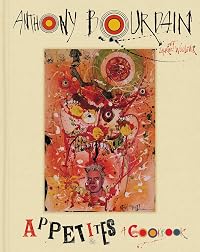
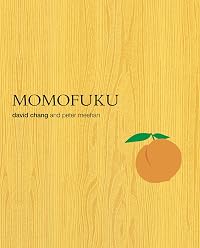
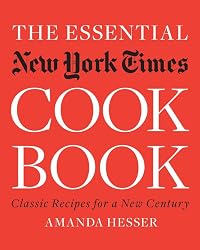



Member Recommendations
Member Reviews
If you loved the Netflix show, think of this as all the entertainment of that and twice the learning. I freely admit to referring to the author as "St. Samin of my Kitchen" and this book is my Kitchen bible. If you are a person who thinks they can't cook, read this book. But really read it--absorb it, take notes. Then PRACTICE. Eventually you will understand that those four elements: salt, fat, acid, heat are TRULY the keys to not just decent cooking, but great cooking. This book gave me a lot of confidence to go "off book" and start improvising more. A few of her recipes are now staples, like the Borani Esfanaj (Persian Spinach Yogurt), which takes me back to my childhood growing up in Los Angeles and frequenting Persian food show more restaurants with my dad. Also--that recipe alone is worth its weight in gold for this tip: placing cooked spinach on a parchment-paper lined cookie sheet to prevent overcooking and discoloration (see p. 372). I've only just begun to try the actual recipes (the first half of the book is a how-to guide to cooking), but I can also highly recommend the Glazed Five-Spice Chicken (338-9), which is well-worth the overnight marinade.
Nosrat's writing style is welcoming and humorous--Wendy MacNaughton's illustrations keep things light and whimsical but still informative. Nosrat is self-effacing in recounting tales of her own learning and even if you think you don't LIKE to cook--spend some time with this book. You may change your mind. show less
Nosrat's writing style is welcoming and humorous--Wendy MacNaughton's illustrations keep things light and whimsical but still informative. Nosrat is self-effacing in recounting tales of her own learning and even if you think you don't LIKE to cook--spend some time with this book. You may change your mind. show less
For those, like me, with the most rudimentary of cooking training and little opportunity to learn more than just how to follow a recipe, this book is eye opening. Perhaps those who are formally trained or schooled at home or in family restaurants by family members who were not afraid to experiment with food, creating their own recipes handed down by generation, take for granted a lot of the knowledge imparted in this book. It is far more than a cookbook -- its 150 recipes do not nearly fill the 480 pages of it. The bulk of it is solid, useful information about why the title elements are important in cooking, how they enhance flavors and why. I have had my copy of Better Homes & Gardens Cookbook since my wedding shower in the 1970s, show more followed shortly by Irma Rombauer's The Joy of Cooking, and later Julia Childs, The Moosewood, and a variety of others followed. But aside from beloved recipes that I have tried and repeated over the decades in those books, and likely know by heart now, I feel I can pass those on to someone else and use this book alone as my cooking bible. Ironically, after all the years of rebelling against by society's cramped expectations about "women's sphere" and therefore pursuing an education and career in a testosterone-driven profession, I have an urge to learn to cook well and adventurously in my declining years. My partner cooks for us; he spoils me that way, but I want to learn to be better at it and share the kitchen with him and this book is going to be my constant companion when I retire and embark on that new adventure. show less
Сочена за най-гениалната книга в кулинарното изкуство, тя просто потвърди отдавнашното ми виждане, че всички форми на това "изкуство" са просто усложнени упражнения в това да накараш продуктите в ресторантската кухня да имат вкус на добри и пресни, традиционни храни и авторката изобщо не крие това.
Колкото и да сотира, фламбира и маринова, всички тия усилия идват от стремежа й да достигне в кухнята на show more ресторанта си оня вкус, който помни от обикновения сандвич със солено домашно сирене и краставица в питка, който майка й е приготвяла за плажа в родния й Иран или кебапът, който чичовците й и сега, по време на семейните събирания, пекат на толкова нагорещена тенекия, че космите на ръцете им изгарят.
Наистина, книгата е добре написана, с ясни и понякога поетични обяснения, но седемнайсет вида сол и няколко "пласта" подкиселяване ми идват както в повече, така и напълно излишни. Повечето от написаното е теория, предназначена за хора, достатъчно опитни в основите на готвенето, която може би ще да е полезна за професионален готвач или фууди-хипстър.
Аз обаче не съм нито едното, нито другото и ако ми се прииска сандвич с домашно сирене и краставица, мога просто да си направя такъв, да го посоля с обикновена сол и да го изям с кеф. А историята, как някакъв международно признат готвач накарал авторката да сложи малко оцет (о ужас!!!) в супата си и нейния тотален шок как това подобрило вкуса, доста ме разсмя. Оцет в супата! Кой да знае, че в кварталната ми шкембежджийница толкова ги разбират работите :Р show less
Колкото и да сотира, фламбира и маринова, всички тия усилия идват от стремежа й да достигне в кухнята на show more ресторанта си оня вкус, който помни от обикновения сандвич със солено домашно сирене и краставица в питка, който майка й е приготвяла за плажа в родния й Иран или кебапът, който чичовците й и сега, по време на семейните събирания, пекат на толкова нагорещена тенекия, че космите на ръцете им изгарят.
Наистина, книгата е добре написана, с ясни и понякога поетични обяснения, но седемнайсет вида сол и няколко "пласта" подкиселяване ми идват както в повече, така и напълно излишни. Повечето от написаното е теория, предназначена за хора, достатъчно опитни в основите на готвенето, която може би ще да е полезна за професионален готвач или фууди-хипстър.
Аз обаче не съм нито едното, нито другото и ако ми се прииска сандвич с домашно сирене и краставица, мога просто да си направя такъв, да го посоля с обикновена сол и да го изям с кеф. А историята, как някакъв международно признат готвач накарал авторката да сложи малко оцет (о ужас!!!) в супата си и нейния тотален шок как това подобрило вкуса, доста ме разсмя. Оцет в супата! Кой да знае, че в кварталната ми шкембежджийница толкова ги разбират работите :Р show less
I was hoping to learn more about the chemistry of cooking, as the title implied. And as a vegan, much of the book is useless to me.
One week later: Last night I made a vegetable melange I've been making for years that's always delicious. I took some ideas on salt from Nosrat's book this time & it made the flavors more subtle, the whole dish more wonderful than it's ever been. My previous rating for the book was 2.5 stars. I'm upping it for the salt chapter alone.
Back again: I've now made the one entree a vegan can eat in this book and had to add my own herbs, lemon, dulse, and some other things. For Nosrat, unless something is categorically "ethnic," seasoning seems to begin and end at salt & pepper, which is funny since she does this show more whole thing on how limited salt & pepper are. You'll need to get creative when using her recipes.
The above recipe was so delicious, I was going to give the book a 4. But 1) with slight variations, it's in about half of the vegan cookbooks I have; and 2) that a 2017 general cookbook indulges the economic, environmental, and ethical nihilism of eating animals to the point of being at least a third about animal products disgusts me. If you don't eat animals, check this book out of the library. If you do eat animals do some thinking about the fate of the planet. The run-off from farms creates dead zones in the oceans. The land taken up for feed could be used to grow food for the underfed or, as in the case of Brazil, could remain forested and the original inhabitants allowed to live unmolested. Eating meat is not sustainable this late in the anthropocene. show less
One week later: Last night I made a vegetable melange I've been making for years that's always delicious. I took some ideas on salt from Nosrat's book this time & it made the flavors more subtle, the whole dish more wonderful than it's ever been. My previous rating for the book was 2.5 stars. I'm upping it for the salt chapter alone.
Back again: I've now made the one entree a vegan can eat in this book and had to add my own herbs, lemon, dulse, and some other things. For Nosrat, unless something is categorically "ethnic," seasoning seems to begin and end at salt & pepper, which is funny since she does this show more whole thing on how limited salt & pepper are. You'll need to get creative when using her recipes.
The above recipe was so delicious, I was going to give the book a 4. But 1) with slight variations, it's in about half of the vegan cookbooks I have; and 2) that a 2017 general cookbook indulges the economic, environmental, and ethical nihilism of eating animals to the point of being at least a third about animal products disgusts me. If you don't eat animals, check this book out of the library. If you do eat animals do some thinking about the fate of the planet. The run-off from farms creates dead zones in the oceans. The land taken up for feed could be used to grow food for the underfed or, as in the case of Brazil, could remain forested and the original inhabitants allowed to live unmolested. Eating meat is not sustainable this late in the anthropocene. show less
I'm a fairly confident cook. Reading this book was like seeing a map of my neighborhood for the first time. I had intuitive knowledge about these different dimensions of food, but had no such framework for thinking about my cooking. This helps me orient myself when I'm cooking and points out areas where I haven't explored as much. So I highly recommend it. I myself couldn't put it down.
Some people complain that the recipes are too vague. That's the point, dummies! Learn to trust your senses!
I do want someone to give me a similar framework for thinking about spices and herbs - that was sort of handwaved in this book, and I accept that, but that doesn't mean I don't want it.
Some people complain that the recipes are too vague. That's the point, dummies! Learn to trust your senses!
I do want someone to give me a similar framework for thinking about spices and herbs - that was sort of handwaved in this book, and I accept that, but that doesn't mean I don't want it.
Nosrat deep dives on the elements of salt, fat, acid, heat. By breaking down cooking by these elements, the author gives us the tools for thinking about recipes as more than a list of instructions to follow literally. The inspirational and instructional value continues in the recipe section where the recipes are treated more like templates that can be realized in many ways.
This is a bit of a weird book, and despite it's fame and influence I don't think it quite lives up to the hype. The biggest issue is who is the intended audience. In places it seems that it's meant for someone who barely knows which end of the knife to hold, but elsewhere it's extremely chef-y.
The first part of the book presents the four basic elements in the title, and is worth reading. But it's hardly comprehensive on any of them, and the omissions are often glaring. For instance, the Heat section doesn't mention using the microwave, and sous vide is never mentioned in the book at all. Meanwhile, there are about 1700 references to her work at Chez Panisse and other gratuitous name dropping.
The second part of the book are the actual show more recipes that make it a cookbook and not just a book about cooking. Although there are a decent amount of cross-references to the theory sections, they can also be used stand-alone.
The stylistic approach is heavily NoCal-centric, with farm-fresh produce and specialty butchers at every corner assumed to be available year-round. There are also a bunch of Persian and Italian inspired recipes, which makes sense considering her background and culinary training. That said, many recipes include hints on variations from other cuisines, which can be useful for inspiration and riffing on a theme.
Overall, the recipes are way too salty and quite greasy. For instance, there are 20 (twenty!) different variations on flavoured whipped cream, in addition to the creme fraiche, mayonnaise, oily dressings, gloppy sauces, and pounds of butter. The baking section is especially disappointing because she [correctly] mentions more than once that weighing is better than measuring, yet the actual recipes are given in cups and tablespoons, not even following her own advice!
Overall, the attempt to reduce all cooking to four basic elements is overly ambitious, doesn't provide enough of a base for a beginner by omitting too many other fundamentals, and overly simplifies the picture for experienced cooks. show less
The first part of the book presents the four basic elements in the title, and is worth reading. But it's hardly comprehensive on any of them, and the omissions are often glaring. For instance, the Heat section doesn't mention using the microwave, and sous vide is never mentioned in the book at all. Meanwhile, there are about 1700 references to her work at Chez Panisse and other gratuitous name dropping.
The second part of the book are the actual show more recipes that make it a cookbook and not just a book about cooking. Although there are a decent amount of cross-references to the theory sections, they can also be used stand-alone.
The stylistic approach is heavily NoCal-centric, with farm-fresh produce and specialty butchers at every corner assumed to be available year-round. There are also a bunch of Persian and Italian inspired recipes, which makes sense considering her background and culinary training. That said, many recipes include hints on variations from other cuisines, which can be useful for inspiration and riffing on a theme.
Overall, the recipes are way too salty and quite greasy. For instance, there are 20 (twenty!) different variations on flavoured whipped cream, in addition to the creme fraiche, mayonnaise, oily dressings, gloppy sauces, and pounds of butter. The baking section is especially disappointing because she [correctly] mentions more than once that weighing is better than measuring, yet the actual recipes are given in cups and tablespoons, not even following her own advice!
Overall, the attempt to reduce all cooking to four basic elements is overly ambitious, doesn't provide enough of a base for a beginner by omitting too many other fundamentals, and overly simplifies the picture for experienced cooks. show less
Members
- Recently Added By
Lists

Top Five Books of 2018
802 works; 265 members

Food
133 works; 2 members

Piglet Tournament of Cookbooks
160 works; 1 member

Books Read in 2021
5,361 works; 114 members

My wishlist
85 works; 1 member

Books I’m curious to Read
4 works; 1 member
Author Information

10+ Works 3,953 Members
Samin Nosrat is a writer, cook, and teacher. She studied English at UC Berkeley. During that time, she worked at Chez Panisse restaurant. Sharing her love of food and words directed her life and career. She has cooked professionally since 2000. Her first book, Salt, Fat, Acid, Heat: The Four Elements of Good Cooking was published in April 2017. show more She has also been a guest speaker for various schools and organizations regarding food, art, culture, and cooking. (Bowker Author Biography) show less
All Editions
Some Editions
Awards and Honors
Awards
Work Relationships
Common Knowledge
- Canonical title
- Salt, Fat, Acid, Heat: Mastering the Elements of Good Cooking
- Original title
- Salt, Fat, Acid, Heat: Mastering the Elements of Good Cooking
- Original publication date
- 2017-04-25
- Related movies
- Salt, Fat, Acid, Heat (2018 | IMDb)
- Epigraph
- Anyone who likes to eat, can soon learn to cook well.
—Jane Grigson - Dedication
- For Alice Waters, who gave me the kitchen, and for Maman, who gave me the world
- Blurbers
- Waters, Alice; Ottolenghi, Yotam; Bloomfield, April; Skloot, Rebecca; Swanson, Heidi
- Original language
- English
- Canonical DDC/MDS
- 641.5
- Canonical LCC
- TX651
Classifications
Statistics
- Members
- 3,569
- Popularity
- 4,604
- Reviews
- 32
- Rating
- (4.34)
- Languages
- 10 — Dutch, English, French, German, Hungarian, Italian, Polish, Spanish, Turkish, Portuguese (Portugal)
- Media
- Paper, Audiobook, Ebook
- ISBNs
- 22
- ASINs
- 7