On This Page
Description
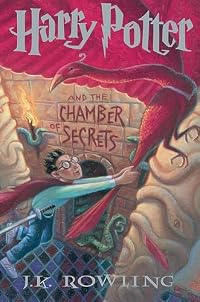
When the Chamber of Secrets is opened again at the Hogwarts School for Witchcraft and Wizardry, second-year student Harry Potter finds himself in danger from a dark power that has once more been released on the school.Tags
Recommendations

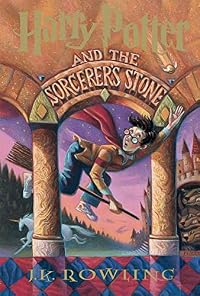
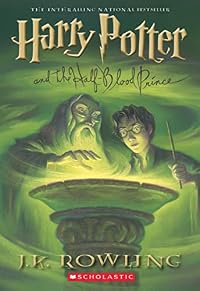
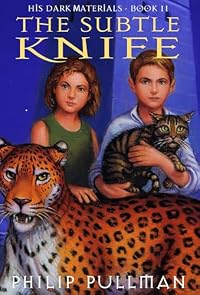
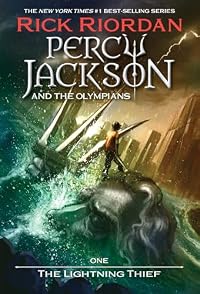


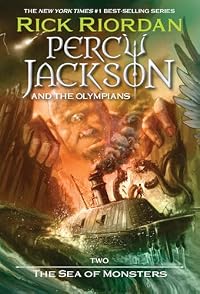
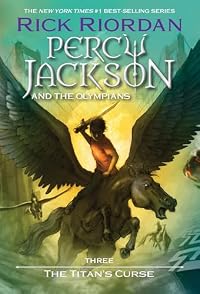
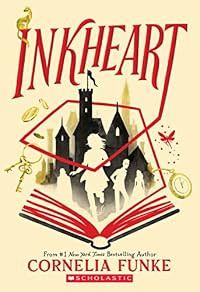
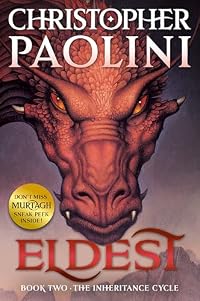
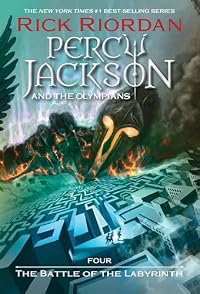
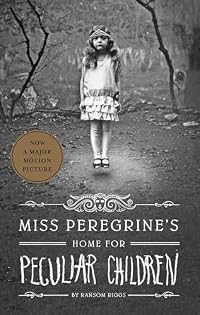
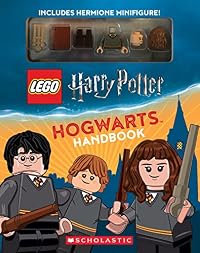
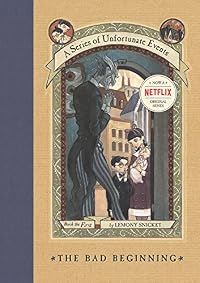
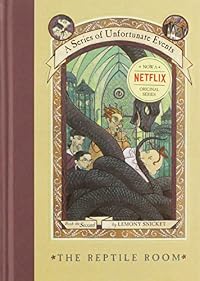
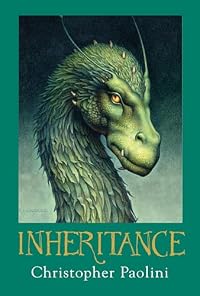
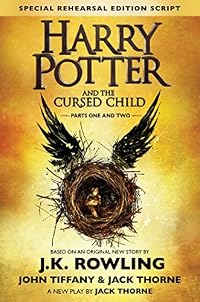
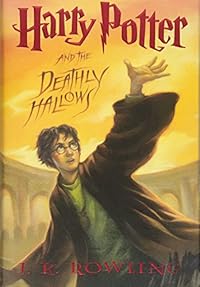
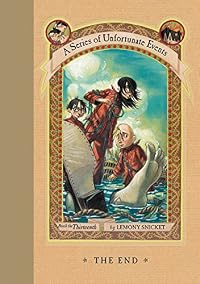
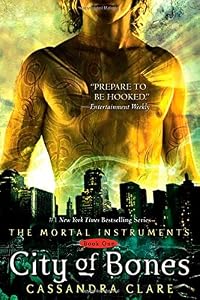
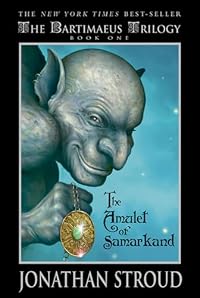
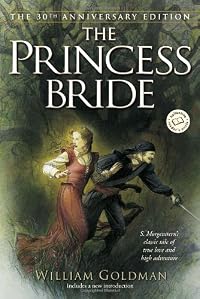
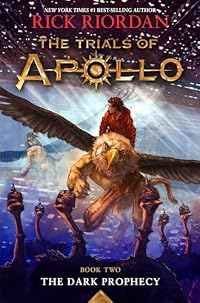
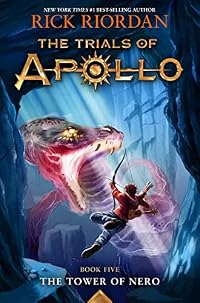
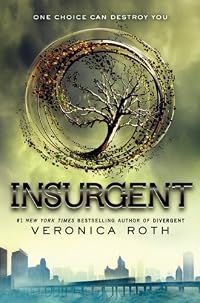
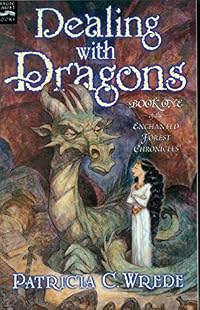

Member Recommendations
readafew An excellent series leaning a little more toward Sci-fi
21

Kathleen_E The first in a great trilogy by a wonderful author, The Stone Mage and the sea will be loved by fans of Harry Potter. It is a young adult book, but like Harry Potter is enjoyed by adults also. The main character, Sal, is a boy who, like Harry Potter, is thrust into great and dangerous events due to his parentage and his hidden ability for the magic of the change. On his way he must be schooled in his magic, make friends, mentors and learn many lessons the hard way!
If you like J. K. Rowling, you will love Sean Williams!
21
readafew the second book in the 13th Reality series great reads.
11
Member Reviews
The second entry in the Harry Potter franchise is, in my opinion, the most underrated one. This is considered by most Harry Potter fans to be the weakest story in the entire saga. However, I respectfully disagree. While I acknowledge a lot of the flaws people have with it, I also have a lot of things I absolutely love that make it stand a hair over the first book, in my opinion. [return][return]My favorite aspect about this whole book is the mystery. Yes, it's not perfect (there are lots of plot holes), but I still consider it very well-written as a whole. Rowling did an ungodly job setting it up and revealing all the major information in the final couple chapters. I tell you, when I first read this book about five years ago, I just show more could not put it down. The mystery had me absolutely enthralled, and the major reveals in the end absolutely blew my mind. I could not stop thinking about them for hours after I had finished the book and put it down. Well done, Rowling.[return][return]Not only do I like the way the mystery is built up and resolved, but I also love the dark tone it sets all over Hogwarts. A lot of people complain about the major shift in tone between this book and the books coming before and after it, but I honestly don't see a problem with it. I love the brooding and ominous air all over Hogwarts in the last 200 pages of this story. The fact that a giant monster is creeping around this massive school and trying to kill students is a very simple, yet effective story beat. It really hooked me in and never let go. I just couldn't help but continue reading to see what happens next. [return][return]Harry Potter continues to show why he's become one of the most iconic fictional characters of all time. Not only does he go on incredible adventures and solve mind-bending mysteries, but he truly has a heart of gold. You just can't hate the guy. He is the perfect protagonist. Not only are his morals completely straight, but he's been through a lot at school and throughout his early life. Making him be bullied by the Dursleys for the first ten years of his life is a great decision as it makes the reader more empathetic towards him. He's poor and humble, and that's partly what makes him so likeable. [return][return]This book is obviously not perfect, though. While Rowling created an engaging mystery, she made it a little too big and complex. Consequently, lots of plot holes propped up. Why did the Basilisk just slither through the pipes and not into school grounds? Why did it stop at paralyzing one victim before retreating temporarily and coming back a few weeks later to hunt more students? Why did Tom Riddle explain the entire mystery to Harry down in the Chamber of Secrets instead of just killing him when he had the chance? How did Harry get the extremely convenient instinct to stab Riddle's diary with a Basilisk fang? Why did Ginny dispose of Riddle's Diary in Myrtle's bathroom where Harry and Ron would conveniently end up in not too long afterwards? I could go on. The point is that there are too many things that happen simply to push the plot forward. The entire final scene between Harry and Riddle in the Chamber of Secrets is chock full of conveniences that ensure that Harry survives and Riddle's diary gets destroyed. [return][return]Also, the first 100 or so pages are a bit slow, in my opinion. Not much happens, and it does get a little boring at times. Thankfully, as soon as Harry hears the Basilisk for the first time, the story instantly gets more exciting, and I just can't stop reading it from that point onwards. show less
Harry Potter enters his second year at Hogwarts with a bang… literally. He crashes into a tree while flying a car to school. The second book in the series has never been my favorite, but I was surprised, upon re-reading it, to discover how many small details foreshadow events in future books. They seem unimportant here, but in retrospect Rowling was clearly setting up the final premise early on.
There are also so many important characters that are introduced in this installment. We meet Dobby and see his eternal loyalty unfold from the first chapters. We meet the entire Weasley family (except the eldest brothers) and visit their home, the Burrow, for the first time. They truly become Harry’s family and so this is an important event. show more We also see Dumbledore’s office for the first time and his role becomes more prominent.
This is also the book where Voldemort becomes more than just a generic baddie. Until now we knew nothing about his past. Learning about his heritage, childhood and “normal” years makes him an interesting adversary, instead of just a villain. I love Harry’s struggle with the similarities between him and his foe. It adds another great layer to the story.
Rowling has an interesting habit of splitting up the core group at the end of many of the books. In the first one, Ron is separated from Hermione and Harry at the chess game. In the second book, Hermione is debilitated before the Chamber of Secrets sequence. In the third book, Ron is again out of commission before the final section. I never really noticed that before, but it’s an interesting trend. Side note: What happened to Neville? He is barely mentioned at all in this book, which is sad.
A few things I'd forgotten about the second book:
1) This is the first time Harry is really disliked or feared by other students. In future books this happens frequently, but this book marks the first time Harry is rejected by many of the people he knows in the wizarding world.
2) I’d forgotten all about Nearly Headless Nick’s deathday party. It provides a chance to meet a few of the house ghosts, which is important in the final books.
3) Fawkes is such a critical character in this book. I’d forgotten how crucial the phoenix’s role is and how important it is that he comes when Harry needs him. It speaks volumes about Harry’s loyalty to Dumbledore at a time when Harry didn’t know him well. show less
There are also so many important characters that are introduced in this installment. We meet Dobby and see his eternal loyalty unfold from the first chapters. We meet the entire Weasley family (except the eldest brothers) and visit their home, the Burrow, for the first time. They truly become Harry’s family and so this is an important event. show more We also see Dumbledore’s office for the first time and his role becomes more prominent.
This is also the book where Voldemort becomes more than just a generic baddie. Until now we knew nothing about his past. Learning about his heritage, childhood and “normal” years makes him an interesting adversary, instead of just a villain. I love Harry’s struggle with the similarities between him and his foe. It adds another great layer to the story.
Rowling has an interesting habit of splitting up the core group at the end of many of the books. In the first one, Ron is separated from Hermione and Harry at the chess game. In the second book, Hermione is debilitated before the Chamber of Secrets sequence. In the third book, Ron is again out of commission before the final section. I never really noticed that before, but it’s an interesting trend. Side note: What happened to Neville? He is barely mentioned at all in this book, which is sad.
A few things I'd forgotten about the second book:
1) This is the first time Harry is really disliked or feared by other students. In future books this happens frequently, but this book marks the first time Harry is rejected by many of the people he knows in the wizarding world.
2) I’d forgotten all about Nearly Headless Nick’s deathday party. It provides a chance to meet a few of the house ghosts, which is important in the final books.
3) Fawkes is such a critical character in this book. I’d forgotten how crucial the phoenix’s role is and how important it is that he comes when Harry needs him. It speaks volumes about Harry’s loyalty to Dumbledore at a time when Harry didn’t know him well. show less
RE-READER ( 4th time ) .... In this book the list of people I dislike is slowly forming into a long list . Lockhart was annoying and I’m glad he is out of the picture . He should be in Azkaban for all his fraud . The Malfoy’s are almost up there with LV and the Dursley’s ... The hatred shown towards muggle-borns is nothing but a fantasy world version of racism . Pure-blood , half-blood , muggle-born ( or the racist term mud / dirty-blood . It’s all so silly really ... You blood line should be the basis of what type of witch or wizard you will become . I mean look at Neville and Hermione ... Neville is pure-blood and Hermione is muggle-born ... Neville can hardly do simple spells and Hermione is the best in her class . I think In show more this book my dislike for Slytherins have increased .. And I know it’s not fair to label all Slytherins in the same bad box , but we have yet met a decent Slytherin witch or wizard . Dobby , where do I begin with him . Always trying to save Harry Potter , yet he put him in more danger than anyone else ... In the end it was Harry who save Dobby . It’s was fascinating learning more about LV past before he became who he is today , how human he was . This book is heavy in real life issues in a fantasy world . Everyone can relate too it ... We have all seen or been apart of things that one consider to be an act of racism or a hate crime of some sort . LV is just a wizarding world version of Hitler . This teaches you about the courage to stand up for what’s right . It teaches you that , as Dumbledore said , it’s our choices that show us who we truly are and not our abilities . That one statement defines the entire book and series . Great book and now on to book 3 show less
Boa continuação, já um pouco mais pré-adolescente, da saga de Harry, consistente como a primeira e com boa e criativa utilização da figura da donzela em apuros (Ginny) e dos charmes da futilidade masculina (Gilderoy, que no filme é extremamente bem retratado). De novo, esperamos que o final amarre todas as informações espalhadas nos capítulos e é o que acontece. A câmara dos segredos, afinal, não é algo de grande importância, mas certamente ligada ao perigo e falhas de segurança que sempre fragilizam instituições das mais diversas. Leitura muito divertida, salvando até mesmo a figura do familiar estabanado, Dobby, com a esperada cena final (mostrando como a boa malícia sobrevive à servitude infeliz).
Second readings are a rare treat these days. Typically, it means I'm reading for pure pleasure, there aren't many other pressing reasons to revisit a book apart (perhaps) for reading with one of the kids (school assignment, or merely to join the conversation). This re-read was aloud, over a few months, and always just before bed. We'd seen the film adaptations, and were familiar with the overall story, so we could marvel at the good bits and not worry too much about the larger narrative arc.
For instance, I'd forgotten that Filch is a Squib: a non-magical child of a magical family. Interesting how Rowling introduces the reader to the various intersections between magical and non-magical people, in her world, and hints at the various show more dynamics in personal relations as well as those between groups. These aren't framed as such, rather they arrive in the form of one or another character. So for Filch, the shame of being non-magical, the distrust of Muggles, the excommunication of such imposing personalities as Hagrid.
Similarly, the idea of a ghost teaching History, particularly History of Magic. Takes old joke of not knowing if the lecturer is alive or dead, making it literal.
For all that, it seems to me this second book is a major climax to the series, in many ways more resonant than the final book. There's no real way to know that except after having read them all, though. We learn of the origin and background of Voldemort / Riddle; Lily's "potent countercurse" (by a Muggle!) in sacrificing her life to save Harry against major Dark Arts wizardry; Ginny is possessed by Voldemort whose efforts are foiled nevertheless; Lucius is behind the plot to scandalize the Weasleys but the actions of Harry - Ron - Ginny defeat him; and the Weasley brand of "pure blood" wizarding family triumphs over the Malfoy brand. Not to mention the key lesson for Harry: he knows Parseltongue because Voldemort put a piece of himself in Harry when giving him the scar; despite the parallels with Riddle, he is different in his choices not his blood.
It's a pleasure to read without any concern or aim except for the fun on the page, right there in front of me. show less
For instance, I'd forgotten that Filch is a Squib: a non-magical child of a magical family. Interesting how Rowling introduces the reader to the various intersections between magical and non-magical people, in her world, and hints at the various show more dynamics in personal relations as well as those between groups. These aren't framed as such, rather they arrive in the form of one or another character. So for Filch, the shame of being non-magical, the distrust of Muggles, the excommunication of such imposing personalities as Hagrid.
Similarly, the idea of a ghost teaching History, particularly History of Magic. Takes old joke of not knowing if the lecturer is alive or dead, making it literal.
For all that, it seems to me this second book is a major climax to the series, in many ways more resonant than the final book. There's no real way to know that except after having read them all, though. We learn of the origin and background of Voldemort / Riddle; Lily's "potent countercurse" (by a Muggle!) in sacrificing her life to save Harry against major Dark Arts wizardry; Ginny is possessed by Voldemort whose efforts are foiled nevertheless; Lucius is behind the plot to scandalize the Weasleys but the actions of Harry - Ron - Ginny defeat him; and the Weasley brand of "pure blood" wizarding family triumphs over the Malfoy brand. Not to mention the key lesson for Harry: he knows Parseltongue because Voldemort put a piece of himself in Harry when giving him the scar; despite the parallels with Riddle, he is different in his choices not his blood.
It's a pleasure to read without any concern or aim except for the fun on the page, right there in front of me. show less
I like Harry Potter more than I expected to. I resisted reading it for a long time thinking that it wasn’t the gritty sword and sorcery fantasy that I love. That was correct, it isn’t, but it isn’t as awful as I expected. I am not a contrarian who has to hate anything that is wildly popular. I see the appeal, and kind of liked Chamber of Secrets, but I can’t see myself loving the series.
Why does Hogwarts need a train? The wizards seem to generally disdain technology, though most of their magic replicates or improves on some muggle technology. Why not a magic portal or the ubiquitous broom stick?
Is Harry Potter a magical Fred Flintstone? Fred replicated technology with various combinations of rocks and dinosaurs. Harry does the show more same thing with magic.
Do British boarding schools make their students compete on a point system? I have always thought of the boarding school system as a vicious system for cranking out representatives of the empire. Developing cruelty and endurance is a good goal for a nation running a vast colonial machine. A competitive point system would quickly crank up the cruelty.
How many co-ed boarding schools are there? There must be some, but that seems like a liability risk for the older students. Harry and crew are able to sneak around Hogwarts almost at will. I would guess that all of the older students eager to make out can do the same. What is the Hogwarts policy on magic birth control? show less
Why does Hogwarts need a train? The wizards seem to generally disdain technology, though most of their magic replicates or improves on some muggle technology. Why not a magic portal or the ubiquitous broom stick?
Is Harry Potter a magical Fred Flintstone? Fred replicated technology with various combinations of rocks and dinosaurs. Harry does the show more same thing with magic.
Do British boarding schools make their students compete on a point system? I have always thought of the boarding school system as a vicious system for cranking out representatives of the empire. Developing cruelty and endurance is a good goal for a nation running a vast colonial machine. A competitive point system would quickly crank up the cruelty.
How many co-ed boarding schools are there? There must be some, but that seems like a liability risk for the older students. Harry and crew are able to sneak around Hogwarts almost at will. I would guess that all of the older students eager to make out can do the same. What is the Hogwarts policy on magic birth control? show less
Nehéz kijönni belőle. Nehéz letenni, és megint ott lenni ebben a gyártási hibás valóságban, ahol Dumbledore valahogy sosem ér rá, de még a Voldemortunk is csak egy pocakos gazduram.
Rowling úgy építi tovább az atmoszférát, ahogy az a nagykönyvben meg van írva. Új szereplők, új lények, Roxfort színei mélyülnek és finomodnak, az egész varázsvilág a szereplők jellemével, no és persze Harry és Tudjukki szembenállásával egyre diverzifikáltabbá válik. Két újdonságot emelnék ki a második részből:
1.) Először mondtam magamban, hogy “Harry, te hülye vagy.”
2.) És immár Harrynek, az üdvöskének is szembe kell néznie azzal, milyen kitaszítottnak lenni, milyen a közösség gyanakvásának show more kereszttüzében állni. (Így jár, aki kígyókkal beszélget.) Úgyhogy még inkább rá van utalva arra a mágiánál is fontosabb dologra, amit mindközönségesen “barátságnak” nevezünk.
Nekem ennél a kötetnél vált egészen nyilvánvalóvá, hogy a HP-sorozat kultikussá válásának egyik központi oka nem is a mágia meg a rejtélyek, mert ezeket a köröket már sokan lefutották előtte. (Persze hogy jobban vagy rosszabbul, azon lehet vitatkozni.) Hanem hogy ez egy barátságregény. Hogy ott vannak a spanjaid, akik különben, egyenként nem nagy számok. Van köztük csóró, van köztük idegesítően tudálékos, no meg olyan is, aki a saját lábában felbotlik. De a barátaid. És ott vannak melletted, pedig rohadtul nagy szarban vagy.
És basszus, ez egyben egy kőkemény társadalomkritika. Ezt is észre kell venni. Mert kik állnak veled szemben? Akik számára a hatalom nem csak eszköz, hanem maga a cél. A folyton “sárvérű!”-t kiáltó rasszisták. A rohadt gazdagok, akik elnyomják és kizsigerelik a házimanóikat. De te nem hátrálsz, pedig esélytelen vagy. Pedig csak egy kölyök vagy. De olyan kölyök, akinek vannak barátai, akikből erőt meríthet. Tudod, hogy igazad van, és ez az igazság is erő. Lehet, hogy félsz, de mész tovább. Úgyhogy Voldemort kösse fel a gatyát, mert előbb-utóbb fenékbe lesz billentve. Minden Voldemort fenékbe lesz billentve.
Mondom, nehezen jöttem ki belőle. Folytatnám tovább a harmadikkal, és így tovább. Majd folytatni is fogom. Most azért tartok egy kis taktikai pihenőt, mert a jó dolgokból érdemes hagyni későbbre is. show less
Rowling úgy építi tovább az atmoszférát, ahogy az a nagykönyvben meg van írva. Új szereplők, új lények, Roxfort színei mélyülnek és finomodnak, az egész varázsvilág a szereplők jellemével, no és persze Harry és Tudjukki szembenállásával egyre diverzifikáltabbá válik. Két újdonságot emelnék ki a második részből:
1.) Először mondtam magamban, hogy “Harry, te hülye vagy.”
2.) És immár Harrynek, az üdvöskének is szembe kell néznie azzal, milyen kitaszítottnak lenni, milyen a közösség gyanakvásának show more kereszttüzében állni. (Így jár, aki kígyókkal beszélget.) Úgyhogy még inkább rá van utalva arra a mágiánál is fontosabb dologra, amit mindközönségesen “barátságnak” nevezünk.
Nekem ennél a kötetnél vált egészen nyilvánvalóvá, hogy a HP-sorozat kultikussá válásának egyik központi oka nem is a mágia meg a rejtélyek, mert ezeket a köröket már sokan lefutották előtte. (Persze hogy jobban vagy rosszabbul, azon lehet vitatkozni.) Hanem hogy ez egy barátságregény. Hogy ott vannak a spanjaid, akik különben, egyenként nem nagy számok. Van köztük csóró, van köztük idegesítően tudálékos, no meg olyan is, aki a saját lábában felbotlik. De a barátaid. És ott vannak melletted, pedig rohadtul nagy szarban vagy.
És basszus, ez egyben egy kőkemény társadalomkritika. Ezt is észre kell venni. Mert kik állnak veled szemben? Akik számára a hatalom nem csak eszköz, hanem maga a cél. A folyton “sárvérű!”-t kiáltó rasszisták. A rohadt gazdagok, akik elnyomják és kizsigerelik a házimanóikat. De te nem hátrálsz, pedig esélytelen vagy. Pedig csak egy kölyök vagy. De olyan kölyök, akinek vannak barátai, akikből erőt meríthet. Tudod, hogy igazad van, és ez az igazság is erő. Lehet, hogy félsz, de mész tovább. Úgyhogy Voldemort kösse fel a gatyát, mert előbb-utóbb fenékbe lesz billentve. Minden Voldemort fenékbe lesz billentve.
Mondom, nehezen jöttem ki belőle. Folytatnám tovább a harmadikkal, és így tovább. Majd folytatni is fogom. Most azért tartok egy kis taktikai pihenőt, mert a jó dolgokból érdemes hagyni későbbre is. show less
Members
- Recently Added By
Published Reviews
ThingScore 75
The atmosphere Rowling creates is unique; the story whizzes along; Harry is an unassuming and completely sympathetic hero. But, truth to tell, you may feel as if you’ve read it all before. Rowling clearly hit on a winning formula with the first Harry Potter book; the second book — though still great fun — feels a tad, well, formulaic.
added by Shortride
Tras derrotar una vez más a lord Voldemort, su siniestro enemigo en Harry Potter y la piedra filosofal, Harry espera impaciente en casa de sus insoportables tíos el inicio del segundo curso del Colegio Hogwarts de Magia y Hechicería. Sin embargo, la espera dura poco, pues un elfo aparece en su habitación y le advierte que una amenaza mortal se cierne sobre la escuela. Así pues, Harry no show more se lo piensa dos veces y, acompañado de Ron, su mejor amigo, se dirige a Hogwarts en un coche volador. Pero ¿puede un aprendiz de mago defender la escuela de los malvados que pretenden destruirla? Sin saber que alguien ha abierto la Cámara de los Secretos, dejando escapar una serie de monstruos peligrosos, Harry y sus amigos Ron y Hermione tendrán que enfrentarse con arañas gigantes, serpientes encantadas, fantasmas enfurecidos y, sobre todo, con la mismísima reencarnación de su más temible adversario. show less
added by Pakoniet
Lists

Favourite Books
1,817 works; 316 members

Top 100 to Read before you Die
109 works; 7 members

READ IN 2020
172 works; 1 member

Secrets Books
94 works; 3 members

Shelf 101
60 works; 1 member

Books Read in 2019
4,052 works; 108 members

Books Read in 2018
4,360 works; 110 members

Movie Adaptations
111 works; 4 members

Best 21st Century Books (So Far)
670 works; 86 members

SLJ's 100 Must-Have YA books
36 works; 2 members

Books Read in 2021
5,361 works; 114 members

Scholastic
15 works; 1 member

Books Read in 2002
195 works; 7 members
Childhood Favorites
427 works; 24 members

Most Popular Young Adult Lit on LT
100 works; 4 members
Best Books Set in Boarding Schools
160 works; 57 members

Books Read in 2017
4,248 works; 129 members

Ghosts
278 works; 18 members

Top Five Books of 2020
982 works; 350 members
Mind Expanding Books by hackerkid
581 works; 8 members

Favorite Childhood Books
1,602 works; 516 members

'Books You Can't Live Without: The Top 100', The Guardian, 2007
156 works; 7 members
Hazel & Katniss & Harry & Starr Podcast
195 works; 1 member

Elaina's
183 works; 1 member

Contemporary Fantasy to Read
63 works; 5 members
Read in 1999–2000
24 works; 1 member

Have read
18 works; 1 member

Read
27 works; 1 member

H
177 works; 2 members
Banned Books I have read
16 works; 2 members

Literature for Children and Teens
41 works; 2 members
Stephen King's 'On Writing' reading list
95 works; 4 members

Harry Potter Books Ranked
8 works; 1 member
Lucy's Long List
69 works; 1 member

Books Read in 2020
4,379 works; 124 members

Books Read in 2023
5,547 works; 145 members

Science Fiction and Fantasy
63 works; 4 members

Books Read in 2015
3,298 works; 126 members

501 Must-Read Books
508 works; 71 members

Elevenses
316 works; 88 members
1001 Children's Books You Must Read Before You Grow Up
774 works; 101 members

Best Young Adult
399 works; 101 members

Nineties
43 works; 10 members
BBC Big Read
191 works; 46 members

Magic Realism
371 works; 52 members

Female Author
1,235 works; 67 members

20th Century Literature
1,161 works; 55 members
Books tagged favorites
390 works; 30 members
Best Fantasy Novels
821 works; 358 members
Novels featuring Orphans
76 works; 10 members
Travel from real to fantasy world -- children's/young adult fiction
125 works; 11 members

Witches and Wizards Oh My
135 works; 12 members

You Couldn't Pay Me to Read That (Take 2)
203 works; 86 members

Read the book and saw the movie
1,170 works; 195 members

1990s
309 works; 17 members
Banned or Challenged Books
400 works; 41 members

Great Audiobooks
96 works; 9 members

Unread books
1,063 works; 87 members

Tagged by Tim or Meh!
91 works; 8 members

Best books I read in 2013
152 works; 3 members
Delete This List
18 works; 2 members
aijowenuwaneaw
10 works; 1 member
Saiyuki Reload Best Summer Reads
159 works; 2 members
Books Read in 2016
4,666 works; 199 members
Books I need to read
20 works; 1 member

Books with Twins
175 works; 12 members

Crime and Mysteries to Read
746 works; 31 members

Books About Boys
175 works; 15 members
Speculative Fiction to Read
706 works; 32 members
Here There Be Dragons
143 works; 23 members
Banned Books Week 2014
268 works; 62 members

Watched the Movie, Probably Won't Read the Book
185 works; 34 members
Children's Fantasy
73 works; 10 members
Best School Stories
219 works; 22 members

Books Read in 2014
2,341 works; 89 members

2000s decade
85 works; 6 members

Books Read in 2012
815 works; 34 members

NPRs your favorites: 100 Best Ever Teen Novels
237 works; 49 members
NPRs Ultimate Backseat Bookshelf: 100 Must-Reads for kids 9-14
222 works; 30 members
NPRs audience picks: 100 best beach reads
105 works; 12 members

Biggest Disappointments
606 works; 163 members
Talk Discussions
Past Discussions
Harry Potter and the Re/Read of the Chamber of Secrets in 75 Books Challenge for 2014 (April 2014)
Harry Potter and the Chamber of Secrets discussion, chapters 10-18 in Hogwarts Express (July 2010)
Harry Potter and the Chamber of Secrets discussion, chapters 1-9 in Hogwarts Express (July 2010)
Chamber of Secrets Chapters 13-18 Discussion in Hogwarts Express (November 2009)
Chamber of Secrets Chapters 9-12 Discussion Thread in Hogwarts Express (July 2009)
Chamber of Secrets Chapters 5-8 Discussion Thread in Hogwarts Express (April 2009)
harry potter and the chamber of secrets ...the worst birthday in Hogwarts Express (April 2008)
Author Information

342+ Works 1,025,538 Members
J. K. (Joanne Kathleen) Rowling was born in Gloucestershire, U. K. on July 31, 1965. She also writes fiction novels under the name of Robert Galbraith. Rowling attended Tutshill Primary and then went on to Wyedean Comprehensive where she was made Head Girl in her final year. She received a degree in French from Exeter University. She later took show more some teaching classes at Moray House Teacher Training College and a teacher-training course in Manchester, England. This extensive education created a perfect foundation to spark the Harry Potter series that Rowling is renowned for. After college, Rowling moved to London to work for Amnesty International, where she researched human rights abuses in Francophone Africa, and worked as a bilingual secretary. In 1992, Rowling quit office work to move to Portugal and teach English as a Second Language. There she met and married her husband, a Portuguese TV journalist. But the marriage dissolved soon after the birth of their daughter. It was after her stint teaching in Portugal that Rowling began to write the premise for Harry Potter. She returned to Britain and settled in Edinburgh to be near her sister, and attempted to at least finish her book, before looking for another teaching job. Rowling was working as a French teacher when her book, Harry Potter and the Philosopher's Stone was published in June of 1997 and was an overnight sensation. Harry Potter and the Philosopher's Stone won the British Book Awards Children's Book of the Year, was shortlisted for the Guardian Fiction Award, and received a Commended citation in the Carnegie Medal awards. She also received 8,000 pounds from the Scottish Arts Council, which contributed to the finishing touches on The Chamber of Secrets. Rowling continued on to win the Smarties Book Prize three years in a row, the only author ever to do so. At the Bologna Book Fair, Arthur Levine from Scholastic Books, bought the American rights to Harry Potter and the Philosopher's Stone for the unprecedented amount of $105,000.00. The book was retitled Harry Potter and the Sorcerer's Stone for it's American release, and proceeded to top the Best Seller's lists for children's and adult books. The American edition won Best of the Year in the School Library Journal, Publishers Weekly, Parenting Magazine and the Cooperative Children's Book Center. It was also noted as an ALA Notable Children's Book as well as Number One on the Top Ten of ALA's Best Books for Young Adults. The Harry Potter Series consists of seven books, one for each year of the main character's attendance at the Hogwarts School of Witchcraft and Wizardry. All of the books in the series have been made into successful movies. She is number 1 on the Hollywood Reporter's '25 Most Powerful Authors' 2016 list. She has also written Fantastic Beasts and Where to Find Them, Quidditch Through the Ages, and The Tales of Beedle the Bard. She won the 2016 PEN/Allen Foundation Literary Service Award. In 2016 she, along with Jack Thorne and John Tiffany, published the script of the play Harry Potter and the cursed child. It became an instant bestseller. Rowling's first novel for an adult audience,The Casual Vacancy, was published by Little Brown in September 2012. She made The New York Times Best Seller List with her title Very Good Lives: The Fringe Benefits of Failure and the Importance of Imagination. She published two bestselling fiction novels under the name of Robert Galbraith: The Cuckoo's Calling and The Silkworm. (Bowker Author Biography) show less
Some Editions
Awards and Honors
Awards
Distinctions
Notable Lists
BBC's Big Read (23)
Greatest Books algorithm (1524)
Hungarian Big Read (17)
Series
Belongs to Publisher Series
Work Relationships
Is contained in
Has the adaptation
Inspired
Has as a reference guide/companion
Has as a student's study guide
Common Knowledge
- Canonical title
- Harry Potter and the Chamber of Secrets
- Original title
- Harry Potter and the Chamber of Secrets
- Original publication date
- 1998-07-02
- People/Characters
- Harry James Potter; Hermione Jean Granger; Ronald Bilius "Ron" Weasley; Colin Creevey; Albus Percival Wulfric Brian Dumbledore; Dudley Dursley (show all 33); Petunia Dursley; Vernon Dursley; Filius Flitwick; Rubeus Hagrid; Gilderoy Lockhart; Draco Malfoy; Lucius Malfoy; Minerva McGonagall; Severus Snape; Pomona Sprout; Lord Voldemort; Arthur Weasley; Fred Weasley; George Weasley; Ginevra Molly "Ginny" Weasley; Molly Weasley; Percy Ignatius Weasley; Cornelius Oswald Fudge; Dean Thomas; Dobby; Gregory Goyle; Lavender Brown; Neville Longbottom; Oliver Wood; Parvati Patil; Peter Pettigrew; Vincent Crabbe
- Important places
- Hogwarts School of Witchcraft and Wizardry, Scotland, UK (fictional); Number 4 Privet Drive, Little Whinging, Surrey, England, UK (fictional); Surrey, England, UK; The Burrow, Ottery St. Catchpole, Devon, England, UK (fictional); Devon, England, UK; Forbidden Forest, Scotland, UK (fictional) (show all 15); Scotland, UK; London, England, UK; Diagon Alley, London, England, UK (fictional); Gringotts Bank, London, England, UK (fictional); King's Cross Station, London, England, UK; Platform 9 3/4, King's Cross Station, London, England, UK (fictional); United Kingdom; England, UK; Chamber of Secrets, Hogwarts School of Witchcraft and Wizardry, Scotland, UK (fictional)
- Related movies
- Harry Potter and the Chamber of Secrets (2002 | IMDb | Chris Columbus)
- Dedication
- For Seán P. F. Harris, getaway driver and foul-weather friend.
- First words
- Not for the first time, an argument had broken out over breakfast at number four, Privet Drive.
- Quotations
- "My dear boy, ... do use your common sense. My books wouldn't have sold half as well if people didn't think I'd done those things. No one wants to read about some ugly old Armenian warlock, even if he did save a village from ... (show all)werewolves. He'd look dreadful on the front cover. No dress sense at all. And the witch who banished the Bandon Banshee had a hairy chin. I mean, come on ..."
"So you've just been taking credit for what a load of other people have done?"
"Harry, Harry," said Lockhart, shaking his head impatiently, "It's not nearly as simple as that. There was work involved. I had to track those people down. Ask them exactly how they managed to do what they did. ^Then I had to put a memory charm on them so they wouldn't remember doing it.^
... No, it's been a lot of work, Harry. It's not all book-signings and publicity photos, you know. You want fame, you have to be prepared for a long hard slog."
Never trust anything that can think for itself if you can't see where it keeps its brain. - Last words
- (Click to show. Warning: May contain spoilers.)And together they walked back through the gateway to the Muggle world.
- Publisher's editor
- Little, Christopher
- Original language
- English
- Canonical DDC/MDS
- 823.914
- Canonical LCC
- PR6068.O93
- Disambiguation notice
- The Latin translation of this book (Harrius Potter et Camera Secretorum) should NOT be combined with the main work (Harry Potter and the Chamber of Secrets), under the "dead languages" exception in the combining rules.
Classifications
Statistics
- Members
- 125,257
- Popularity
- 2
- Reviews
- 1,089
- Rating
- (4.18)
- Languages
- 61 — Afrikaans, Albanian, Arabic, Armenian, Basque, Bengali, Bosnian, Breton, Bulgarian, Burmese, Catalan, Czech, Danish, Dutch, English, Estonian, Faroese, Finnish, French, Georgian, German, Galician, Greek, Hebrew, Hindi, Hungarian, Icelandic, Indonesian, Italian, Japanese, Korean, Latin, Latvian, Lithuanian, Macedonian, Malayalam, Malay, Low German, Norwegian (Bokmål), Norwegian, Farsi/Persian, Polish, Romanian, Russian, Serbian, Croatian, Slovak, Slovenian, Spanish, Swedish, Tamil, Thai, Tibetan, Turkish, Ukrainian, Urdu, Vietnamese, Portuguese (Portugal), Portuguese (Brazil), Chinese, traditional, Chinese, simplified
- Media
- Paper, Audiobook, Ebook
- ISBNs
- 552
- UPCs
- 8
- ASINs
- 179