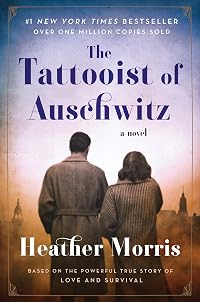
On This Page
Description
"In April 1942, Lale Sokolov, a Slovakian Jew, is forcibly transported to the concentration camps at Auschwitz-Birkenau. When his captors discover that he speaks several languages, he is put to work as a Tätowierer (the German word for tattooist), tasked with permanently marking his fellow prisoners. Imprisoned for more than two and a half years, Lale witnesses horrific atrocities and barbarism--but also incredible acts of bravery and compassion. Risking his own life, he uses his privileged show more position to exchange jewels and money from murdered Jews for food to keep his fellow prisoners alive. One day in July 1942, Lale, prisoner 32407, comforts a trembling young woman waiting in line to have the number 34902 tattooed onto her arm. Her name is Gita, and in that first encounter, Lale vows to somehow survive the camp and marry her"--Dust jacket flap. show lessTags
Recommendations
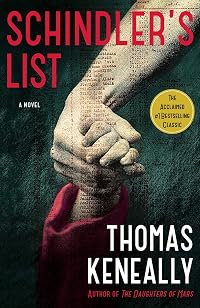

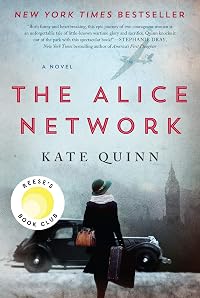
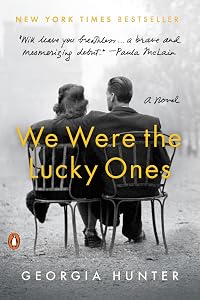
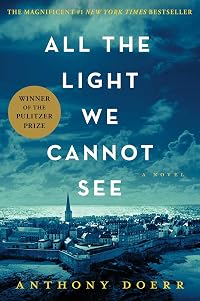
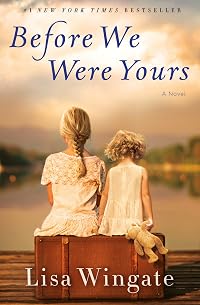

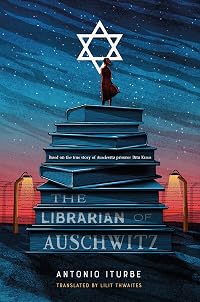
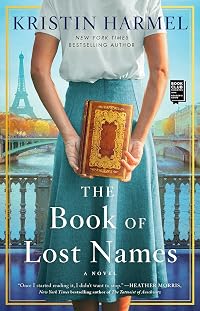
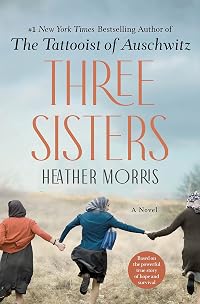
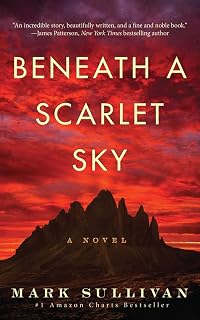

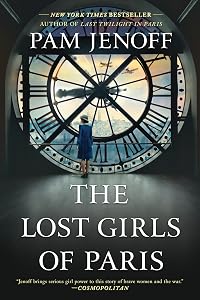
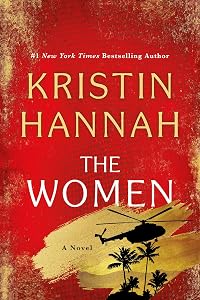
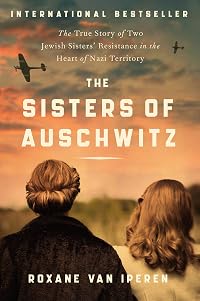


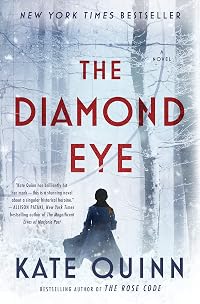
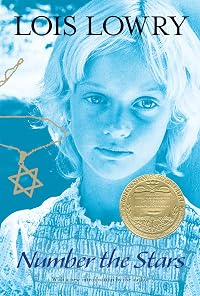
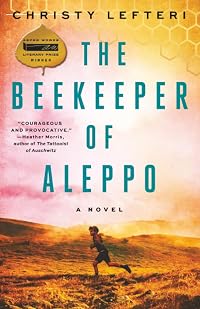
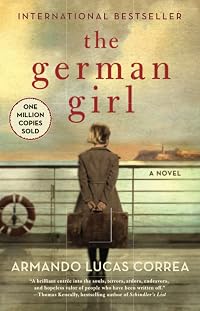
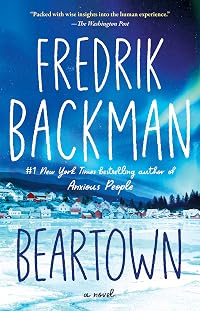
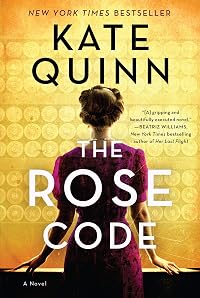


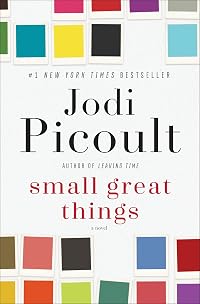
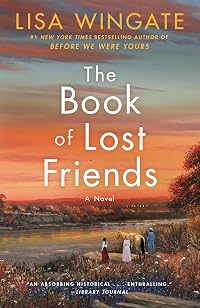
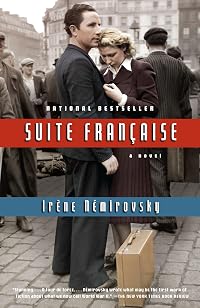
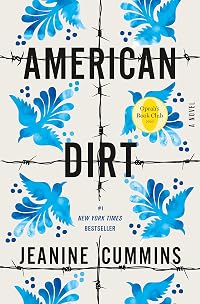
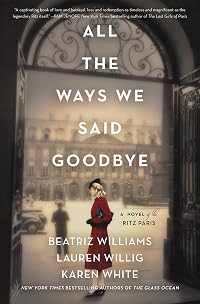
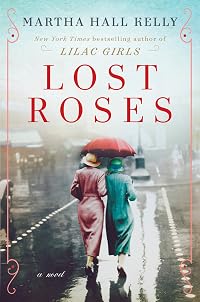




Member Recommendations

Night by Elie Wiesel
Vicki-Hale Night is a story of a young boy surviving Auschwitz and other camps. Elie gives a heartbreaking inside look into life as a Jew in Nazi Germany
Member Reviews
I’ve had The Tattooist of Auschwitz on my TBR list for awhile, knowing I needed to be in the right frame of mind to read it. I finally felt like the time was right and I was right in my assumptions. This was a tough read.
I felt such a tremendous ache when I read this story. I’ve read my fair share of WWII historical fiction, but this story being rooted in truth made it all the more heartbreaking. No matter what I read and learn about WWII I will never be able to wrap my head around the absolute evil that prevailed during this time in our tainted history, especially the horrors that happened amid the barbed wire in the concentration camps. How one person can harbor so much hatred for a fellow human being is incomprehensible to me, show more but to then to pass that hatred onto others who blindly follow this parasite of a person makes the entire situation all the more unbelievable. What saddens me the most is the fact that these misguided feelings and sentiments still rage on in our world today. When will we as a society learn? How many more stories need to be told before we stand and do something to make sure something like this doesn’t happen again?
The fact that this is a debut novel for author Heather Morris is astounding as the narrative sounds like it’s been written by a seasoned veteran, and not someone just starting out on their literary journey! The writing is captivating in its depth, putting you in Auschwitz with Lale, Gita, and all of the other prisoners, which is made all the more terrifying when you realize this account is based on a true story. Lale and Gita existed, and had to endure the horrors they did in Auschwitz together, yet their story is also a ray of hope amid such death and depravity, proving that true love can endure even in the worst conditions humanly possible. Talk about giving hope!
As soon as I read their ending I smiled, but then had to sit the book down, and really put the whole story into perspective. Can you imagine the bond that they must’ve felt after the war ended? To endure everything they did and to make it out alive must’ve made every other fight and life event so trivial. I bet they cherished every moment they had together. I know I would have.
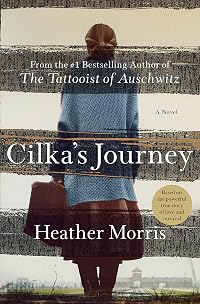
I was so engrossed in The Tattooist of Auschwitz that I finished it within hours of picking it up, and immediately started reading the second book, Cilka’s Journey, despite the fact that it was very, very early in the morning. I plan on reading the trilogy back to back to get the full picture from different perspectives. May we never forget what these brave individuals fought for, and may we never see these things come to pass again. Thank you Heather for telling Lale and Gita’s harrowing story. show less
I felt such a tremendous ache when I read this story. I’ve read my fair share of WWII historical fiction, but this story being rooted in truth made it all the more heartbreaking. No matter what I read and learn about WWII I will never be able to wrap my head around the absolute evil that prevailed during this time in our tainted history, especially the horrors that happened amid the barbed wire in the concentration camps. How one person can harbor so much hatred for a fellow human being is incomprehensible to me, show more but to then to pass that hatred onto others who blindly follow this parasite of a person makes the entire situation all the more unbelievable. What saddens me the most is the fact that these misguided feelings and sentiments still rage on in our world today. When will we as a society learn? How many more stories need to be told before we stand and do something to make sure something like this doesn’t happen again?
The fact that this is a debut novel for author Heather Morris is astounding as the narrative sounds like it’s been written by a seasoned veteran, and not someone just starting out on their literary journey! The writing is captivating in its depth, putting you in Auschwitz with Lale, Gita, and all of the other prisoners, which is made all the more terrifying when you realize this account is based on a true story. Lale and Gita existed, and had to endure the horrors they did in Auschwitz together, yet their story is also a ray of hope amid such death and depravity, proving that true love can endure even in the worst conditions humanly possible. Talk about giving hope!
As soon as I read their ending I smiled, but then had to sit the book down, and really put the whole story into perspective. Can you imagine the bond that they must’ve felt after the war ended? To endure everything they did and to make it out alive must’ve made every other fight and life event so trivial. I bet they cherished every moment they had together. I know I would have.
I was so engrossed in The Tattooist of Auschwitz that I finished it within hours of picking it up, and immediately started reading the second book, Cilka’s Journey, despite the fact that it was very, very early in the morning. I plan on reading the trilogy back to back to get the full picture from different perspectives. May we never forget what these brave individuals fought for, and may we never see these things come to pass again. Thank you Heather for telling Lale and Gita’s harrowing story. show less
I read this book rather quickly, and it is a feel-good book... until you think about it afterwards. Then it's a bit unsettling. It doesn't ring true. This camp where an inmate has the energy and wherewithal to bribe a capo to fetch his girlfriend out of the SS office for a midday quickie is not the Auschwitz we've heard about. It's fiction... yet the author has pictures and background information about the man upon whose life the book was supposedly based. Detail after detail, episode after episode, leads to the question whether her source was displaying a highly selective memory or whether he was a con man, hustler, and pathological liar. Here's another episode: Lale is, supposedly, approached by two young Poles on behalf of a third. show more He's escaped and been recaptured, yet the camp authorities neither shoot him on sight nor toss him in a punishment cell, but leave him free to wander around until his scheduled execution at dawn. Luckily Lale has all sorts of jewels and jewellery filched for him (under the nose of the Nazi guards) by women working in "Canada" (the sorting room for valuables stolen from prisoners living and dead). So he bribes a woman who works in the records office to get the doomed boy onto a transport to another camp. Why not? it's not like the Nazis were known for shooting multiple prisoners, traditionally ten, for each escapee. Nope, they won't notice this fellow missing at all! The whole book is filled with stories like this.
The reviewer on Amazon who referenced Hogan's Heroes was not wrong. show less
The reviewer on Amazon who referenced Hogan's Heroes was not wrong. show less
I think maybe I’m the only one to give this book such a low rating but this book upset me, not because of the horrors of the Holocaust. There are better books out there that show the real suffering and fates of 12 million people. This book was intended to be a movie. Plain and simple. I am not buying that somehow, some way, Lale was so unbelievably lucky that he could essentially run around Auschwitz without too much care to see Gita, that he could bribe SO. MANY. NAZIS. that were trained to kill for the slightest of reasons. He got away with all this smooth talking? This muttering behind SS backs? Exchanging jewels and chocolates received from Soviets who got to leave every day and giving them to kapo and high ranking Nazi officials show more without so much as a talking to? A slap on the wrist? Kapos were willing to exchange chocolate for him to see Gita? He and Gita had the ability to hide behind the administration building for three years to fool around and never get caught? It’s all too good to be true. Nobody is that lucky in the Holocaust. Nobody. I am not saying this book is making light of one of the most heinous tragedies in world history, but for people who did not grow up - like me - devouring WW2 and Holocaust non-fiction and fiction alike, this is not a good teacher of what a horror show it was. This makes it seem like it wasn’t THAT BAD. You know, just be smart. Know 8 languages. Save the girl you love, it’s easy. Sorry, no. I don’t buy it. What I do buy is the ‘additional information’ in the back two pages. The simple documentation of Lale and Gita’s lives. That, indeed, was more believable and realistic to me than the entire book. I looked up the controversy behind this AFTER I read the book, which I'm glad about, because I might have given this an even lower rating than two stars. The whole story feels like a made-for-film script and I'm glad my instincts were right. This book cannot and should not be interpreted as anything but fiction with maybe a hint or two of fact thrown in here and there. It is fiction, with historical aspects. show less
Oof, right in the god damn fucking feels. This is a relatively slim novel at about 260 pages (paperback, not including the authors notes/additional material in the back) but boy howdy, it makes one hell of an impression on the reader. This can be seen as a biography, as it's derived from interviews and conversations the author had with Lale when he was old and widowed.
The ending is hopeful/happy for Lale and Gita, but many people mentioned in this book never get a happy ending because the bulk of this story is set in a concentration camp (Auschwitz-Birkenau) so this story really weighs on the soul. Trigger warnings ahoy - racism, SA, lots of deaths, abuse (physical/mental/emotional) 4.5/5 stars.
The ending is hopeful/happy for Lale and Gita, but many people mentioned in this book never get a happy ending because the bulk of this story is set in a concentration camp (Auschwitz-Birkenau) so this story really weighs on the soul. Trigger warnings ahoy - racism, SA, lots of deaths, abuse (physical/mental/emotional) 4.5/5 stars.
I'm wary of mawkish books based on known traumatic scenarios, so I came to this book with my shields up so to speak.
However, a dozen pages In and I'm committed. The writing takes you to Auschwitz without the emotional overload. Yes, the horrors are evident but more of a background than an in your face horror.
The story of how humans can function in the most dire of circumstances and how easily the horror becomes mundane. Based on a true story so there is weight here that gets missed from plain fiction.
I guess all I can do now is repeat everything that everyone else has said. But instead of that, I'll say that all of us in the book group that read this book thoroughly enjoyed the read and we all have very different and distinctive show more tastes.
First class book show less
However, a dozen pages In and I'm committed. The writing takes you to Auschwitz without the emotional overload. Yes, the horrors are evident but more of a background than an in your face horror.
The story of how humans can function in the most dire of circumstances and how easily the horror becomes mundane. Based on a true story so there is weight here that gets missed from plain fiction.
I guess all I can do now is repeat everything that everyone else has said. But instead of that, I'll say that all of us in the book group that read this book thoroughly enjoyed the read and we all have very different and distinctive show more tastes.
First class book show less
If this wasn’t for book club, I would have DNFed it.
This book makes me so angry. Morris has taken the devastating backdrop of the Holocaust and life in one of the most brutal concentration camps and watered it down and added the most bland romance I’ve ever read. It trivializes and poeticizes the experiences of people in Auschwitz and that really disgusts me. Here’s a line from the book to illustrate my point: “Lale’s mind is on Gita, and several times he presses too hard.” This man is tattooing prisoner numbers on people’s bodies with a needle and he’s zoning out fantasizing about a girl? Give me a break. It’s just sick.
Add to this the fact that Heather Morris has portrayed her book as being historically accurate and show more touted how everything in it has been fact-checked, when in fact this is a bunch of BS. When the Auschwitz Memorial Research Center puts out a 7-page paper on the historical inaccuracies of your book, you really messed up.
Okay, but what about the writing? The book is not even well written or edited. There are so many places where contradictory information is given or things are said/stated that make no sense. Gita’s number isn’t even consistent throughout the book. Big yikes. Lastly, it’s BORING. How you make a Holocaust story boring I do not know. There is absolutely no narrative tension or drama, and the characters are so flat I did not care about them at all.
I could go on for days, but I won’t. Please just do your research before picking this up — or better yet, skip it. show less
This book makes me so angry. Morris has taken the devastating backdrop of the Holocaust and life in one of the most brutal concentration camps and watered it down and added the most bland romance I’ve ever read. It trivializes and poeticizes the experiences of people in Auschwitz and that really disgusts me. Here’s a line from the book to illustrate my point: “Lale’s mind is on Gita, and several times he presses too hard.” This man is tattooing prisoner numbers on people’s bodies with a needle and he’s zoning out fantasizing about a girl? Give me a break. It’s just sick.
Add to this the fact that Heather Morris has portrayed her book as being historically accurate and show more touted how everything in it has been fact-checked, when in fact this is a bunch of BS. When the Auschwitz Memorial Research Center puts out a 7-page paper on the historical inaccuracies of your book, you really messed up.
Okay, but what about the writing? The book is not even well written or edited. There are so many places where contradictory information is given or things are said/stated that make no sense. Gita’s number isn’t even consistent throughout the book. Big yikes. Lastly, it’s BORING. How you make a Holocaust story boring I do not know. There is absolutely no narrative tension or drama, and the characters are so flat I did not care about them at all.
I could go on for days, but I won’t. Please just do your research before picking this up — or better yet, skip it. show less
For someone like me, who is perpetually interested in reading about the Holocaust as a way of trying to understand it, I have to admit I was disappointed in this novel. Though telling a true story, it simply didn't come anywhere close to capturing the emotional dimension of a concentration camp experience.
The book relays the story of Lale and Gita, two Slovakian Jews who were survivors of Auschwitz. They meet at the camp because Lale was assigned the job of tattooing new arrivals with their identification number. So, this novel is a chronological accounting of their three years of captivity, with occasional tidbits about Lale's life before the war. Along the way, it relates many instances of Nazi brutality, prisoner sufferings, and show more risk-taking by one person trying to protect another.
Heather Morris explains in her Afterword that she interviewed Lale multiple times over a period of three years to collect the details of their story (Gita had already died at this point). And it's a fascinating story.
But it reads like a second-hand account. Despite Morris's attempt at recreating dialog, the narrative feels more like the reader is observing the difficulties and stress of living in a death camp -- rather than experiencing them the way a prisoner would. I felt emotionally distant the entire time I was reading.
Morris says she originally envisioned the story of Lale and Gita as a movie (which never happened) and then launched a Kickstarter campaign to make this story into a book. I am guessing that she is not an experienced writer since this appears to be her first book. And that may be the reason for these shortcomings.
See more of my reviews at www.tobyasmith.com show less
The book relays the story of Lale and Gita, two Slovakian Jews who were survivors of Auschwitz. They meet at the camp because Lale was assigned the job of tattooing new arrivals with their identification number. So, this novel is a chronological accounting of their three years of captivity, with occasional tidbits about Lale's life before the war. Along the way, it relates many instances of Nazi brutality, prisoner sufferings, and show more risk-taking by one person trying to protect another.
Heather Morris explains in her Afterword that she interviewed Lale multiple times over a period of three years to collect the details of their story (Gita had already died at this point). And it's a fascinating story.
But it reads like a second-hand account. Despite Morris's attempt at recreating dialog, the narrative feels more like the reader is observing the difficulties and stress of living in a death camp -- rather than experiencing them the way a prisoner would. I felt emotionally distant the entire time I was reading.
Morris says she originally envisioned the story of Lale and Gita as a movie (which never happened) and then launched a Kickstarter campaign to make this story into a book. I am guessing that she is not an experienced writer since this appears to be her first book. And that may be the reason for these shortcomings.
See more of my reviews at www.tobyasmith.com show less
Members
- Recently Added By
Lists

Recommend the 20 best books you've read in the last five years
2,168 works; 606 members

Female Author
1,234 works; 67 members

Historical Fiction
889 works; 91 members

Top Five Books of 2018
802 works; 264 members

Books about World War II
241 works; 22 members

Litsy Awards 2018
248 works; 9 members
Amazon best fictional genre picks monthly for 2018
418 works; 9 members

Books Read in 2020
4,379 works; 124 members

Books Read in 2022
5,168 works; 114 members

Holocaust
100 works; 13 members

Writers at Risk
106 works; 17 members

Books Read in 2019
4,052 works; 110 members

Books Read in 2018
4,360 works; 110 members

Books Read in 2021
5,361 works; 114 members

Llibres que he llegit el 2023
38 works; 1 member

Books I recommend to everyone
29 works; 1 member

Movies/Shows
617 works; 7 members

THE WAR ROOM
813 works; 24 members

Top Five Books of 2024
795 works; 264 members

Films
217 works; 1 member

Check Library
176 works; 1 member
Talk Discussions
Past Discussions
Hello i'am new in 75 Books Challenge for 2022 (August 2022)
Author Information

10 Works 12,464 Members
Heather Morris is a native of New Zealand and now lives in Australia. For several years, while working in a large public hospital in Melbourne, she studied and wrote screenplays, one of which was optioned by an Academy Award-winning screenwriter in the U.S. In 2003 Heather rmet Lale Sokolov and they formed a strong bond with each other. Lale began show more confiding his innermost details of his life during the Holocaust. Heather began writing Lale's story as a screenplay but later reshaped it as her first novel, The Tattooist of Auschwitz. (Bowker Author Biography) show less
All Editions
Some Editions
Awards and Honors
Awards
Distinctions
Notable Lists
Series

Work Relationships
Is contained in
Has the adaptation
Has as a student's study guide
Common Knowledge
- Canonical title
- The Tattooist of Auschwitz
- Original title
- The Tattooist of Auschwitz
- Original publication date
- 2018-01-27
- People/Characters
- Gita Furman (Gita Fuhrmannova); Ludwig "Lale" Eisenberg (Lale Sokolov); Dana; Cilka; Leon; Pepan (show all 17); Josef Mengele; Nadya; Ivana; Victor; Yuri; Stefan Baretski; Houstek; Jakub; Schwarzhuber; Friedrich; Goldie Eisenberg Sokolov
- Important places
- Bratislava, Slovakia; Krompachy, Slovakia; Auschwitz concentration camp; Auschwitz-Birkenau, Poland
- Important events
- Holocaust; World War II
- Dedication
- To the memory of Lale Sokolov. Thank you for trusting me to tell your and Gita's story.
- First words
- Lale tries not to look up. (Prologue)
- Quotations
- He drops to his knees and dry retches. He has nothing to bring up; the only fluid in his body is tears.
Choosing to live is an act of defiance, a form of heroism. - Last words
- (Click to show. Warning: May contain spoilers.)The painting of the Romany woman Gita brought with them from Slovakia still hangs in Gary's house. (Epilogue)
- Blurbers
- Blum, Jenna; Simsion, Graeme
- Original language
- English AUS
Classifications
Statistics
- Members
- 9,002
- Popularity
- 1,195
- Reviews
- 281
- Rating
- (4.00)
- Languages
- 18 — Bulgarian, Catalan, Czech, Danish, Dutch, English, Estonian, Finnish, French, German, Galician, Hungarian, Italian, Polish, Romanian, Spanish, Swedish, Portuguese (Portugal)
- Media
- Paper, Audiobook, Ebook
- ISBNs
- 103
- ASINs
- 16
