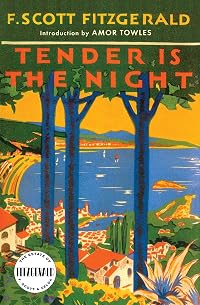
Tender Is the Night
by F. Scott Fitzgerald
On This Page
Description
A story of Americans on the French Riviera in the 1930s is a portrait of psychological disintegration as a wealthy couple supports friends and hangers-on financially and emotionally at the cost of their own stability.Tags
Recommendations




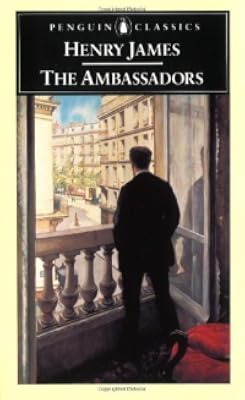
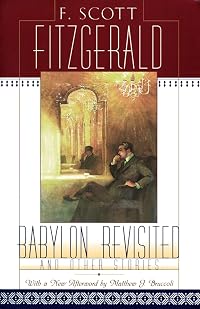


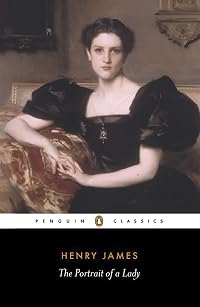
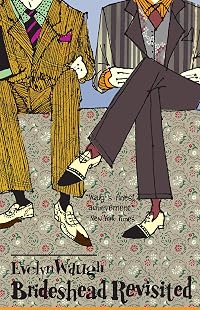




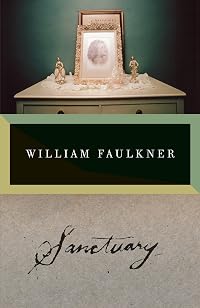


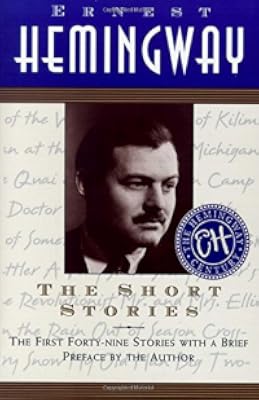
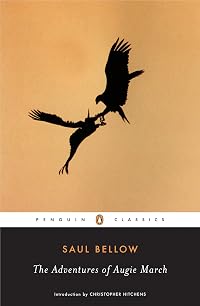

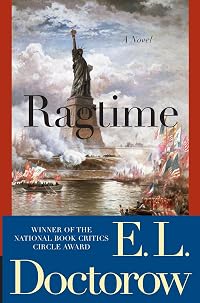


Member Recommendations
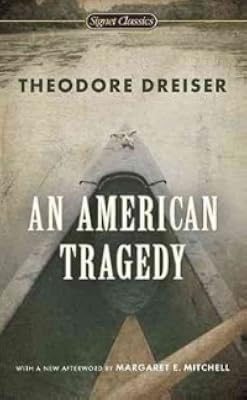
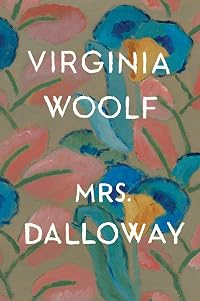
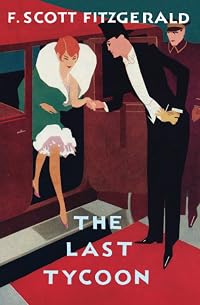
orlando85 IMO it is his best book.
70


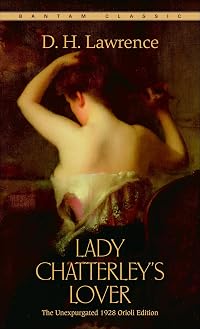
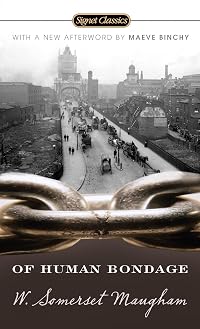
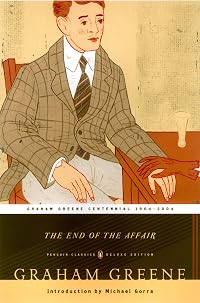
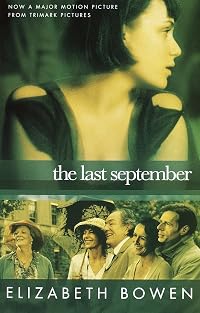
Lex23 Both books beautifully describe a difficult relationship between a man and a woman with a psychiatric background
13

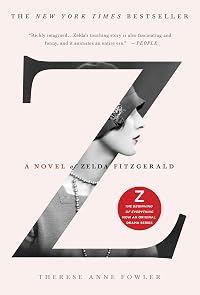
JuliaMaria Fitzgerald und seine Frau gehören auch zum Bekanntenkreis von Dorothy Parker. Die Biografie beschreibt die Atmosphäre der damaligen Zeit sehr gut: die glänzenden Anfänge und den Verfall: Sowohl Dorothy Parker als auch Fitzgerald waren sehr starke Trinker.
Member Reviews
Fitzgerald's tale of rich Americans in Europe between the two world wars is also a tale of Dick Diver, a psychiatrist in the early years of the profession, perhaps too weak to refuse temptation, or too eager to be 'good' to protect himself and others from their obsessions. The writing itself can be exquisite, and the story loops back and forth between the central present and the events that make it what it is. There's a lot of Fitzgerald and Zelda in this, but it's not actually their story. Money, alcohol, the recent destruction, all weigh on these sometimes beautiful people.
Fitzgerald nekem kedves szerzőm, alighanem azért, mert nagyvilágian hajlékony prózája mögött elementáris feszültségek bújnak meg: a széthullás, a talajvesztés apokaliptikus víziója. Fényét pedig csak emelik sziporkázó, artisztikus mondatai, amelyek utánozhatatlanul tudnak megragadni egy képet vagy egy hangulatot. Az éj szelíd trónján főhőseinek nagyjából mindenük megvan, amiről legtöbbünk csak álmodozhat: pénz, hatalom, szépség, jó modor és vonzó személyiség (igaz, igaz, utóbbi háromból kedves olvasóimnak is bőven jutott), ám valami mégsem klappol. És ez a kínzó „de akkor mi nem klappol?”-kérdés az a fonal, ami végighúzódik az egész regényen. Az biztos, hogy Amerikában show more nem találták meg ezt a rejtélyes valamit, mert különben nem kóborolnának bolygó Hollandiként az egész regényidő alatt Európa válogatott tájain – ám hiába, mert sem a Riviéra forró homokján, sem a római romok között, sem a svájci síparadicsomokban nem lelik azt, amit keresnek. Úgyhogy csak rágja, emészti őket valami lassú féreg.
És mivel nekem Fitzgerald kedves szerzőm, ezért nem hallgathatom el a rossz érzéseimet sem*. Az éj szelíd trónján ugyanis, bár nagyvilágiság és feszültség terén nem lehet kivetnivalónk, a hajlékonyság tekintetében elmarad a szerző elbeszéléséinek zömétől**. Talán ezért is hatott most zavarónak az a könyvben, ami általában fel sem tűnik: hogy Fitzgerald valójában elég szűk látókörű alak***. Csak azt látja élesen, ami az ő behatárolt világának integráns része, ami azon túlmutat, valamiképp vázlatosnak tetszik. Itt vannak például a gyerekek. Nicole és Dick Diver két csemetéje számomra végig dekorációnak hatott, puszta eszköznek, amivel az idő múlását érzékelteti a szerző, és egyszer sem jutott eszembe, hogy „jé, tényleg, ezek a porontyok valóban élnek!”**** Miközben meg maga Nicole és Dick látványosan impulzív figurák, szinte látjuk, amint ki akarnak mászni a lapokról. Sőt, magam többször is azon kaptam Fitzgeraldot, hogy lekezelő, mi több: lanyhán megvető általánosításokra ragadtatja magát (illetve szereplőit) bizonyos csoportokkal szemben, pusztán mert azok nem részei az ő zárt, exkluzív, fájdalmas világának. De ettől függetlenül ez egy nagy könyv – páratlanul jeleníti meg a folyamatot, ahogy az ember szépen, finoman padlót fog.
* Ezt pont úgy mondtam, mintha a nem kedves szerzőimet nem bírálnám. Hehe.
** Itt most nyilván lehetne életrajzi párhuzamokkal előhozakodni, hogy miért is marad el, de most inkább nem.
*** Mint író, nyilván – hát mit tudom én, hogy F., mint ember, milyen látókörrel rendelkezett.
**** Egyszer például Dick/Fitzgerald megjegyzi, hogy a gyerekeivel semmi gond, mert „átlagos amerikai gyerekek”. Értem, mit akar az író közölni*****, ugyanakkor magam igen kevés szülővel találkoztam, aki az „átlagost” a saját gyermekével kapcsolatban pozitív tulajdonságként emlegette volna.
***** Alkalmasint azt, hogy a két gyerek nem olyan bolond, mint az anyjuk. show less
És mivel nekem Fitzgerald kedves szerzőm, ezért nem hallgathatom el a rossz érzéseimet sem*. Az éj szelíd trónján ugyanis, bár nagyvilágiság és feszültség terén nem lehet kivetnivalónk, a hajlékonyság tekintetében elmarad a szerző elbeszéléséinek zömétől**. Talán ezért is hatott most zavarónak az a könyvben, ami általában fel sem tűnik: hogy Fitzgerald valójában elég szűk látókörű alak***. Csak azt látja élesen, ami az ő behatárolt világának integráns része, ami azon túlmutat, valamiképp vázlatosnak tetszik. Itt vannak például a gyerekek. Nicole és Dick Diver két csemetéje számomra végig dekorációnak hatott, puszta eszköznek, amivel az idő múlását érzékelteti a szerző, és egyszer sem jutott eszembe, hogy „jé, tényleg, ezek a porontyok valóban élnek!”**** Miközben meg maga Nicole és Dick látványosan impulzív figurák, szinte látjuk, amint ki akarnak mászni a lapokról. Sőt, magam többször is azon kaptam Fitzgeraldot, hogy lekezelő, mi több: lanyhán megvető általánosításokra ragadtatja magát (illetve szereplőit) bizonyos csoportokkal szemben, pusztán mert azok nem részei az ő zárt, exkluzív, fájdalmas világának. De ettől függetlenül ez egy nagy könyv – páratlanul jeleníti meg a folyamatot, ahogy az ember szépen, finoman padlót fog.
* Ezt pont úgy mondtam, mintha a nem kedves szerzőimet nem bírálnám. Hehe.
** Itt most nyilván lehetne életrajzi párhuzamokkal előhozakodni, hogy miért is marad el, de most inkább nem.
*** Mint író, nyilván – hát mit tudom én, hogy F., mint ember, milyen látókörrel rendelkezett.
**** Egyszer például Dick/Fitzgerald megjegyzi, hogy a gyerekeivel semmi gond, mert „átlagos amerikai gyerekek”. Értem, mit akar az író közölni*****, ugyanakkor magam igen kevés szülővel találkoztam, aki az „átlagost” a saját gyermekével kapcsolatban pozitív tulajdonságként emlegette volna.
***** Alkalmasint azt, hogy a két gyerek nem olyan bolond, mint az anyjuk. show less
This semi-autobiographical novel centres around a very wealthy couple, Dick and Nicole Diver, making their base in the French Riviera as they live a life of leisure in the years after the first world war. The first section of the novel is in some ways muted, with a group of not particularly likeable characters and an 18 year old actress, Rosemary, falling for and trying to seduce Dick. The main drama, though, revolves around what is hidden - a mysterious scene with Nicole in the bathroom, which is gossiped and defended so energetically that it even provokes a real, though ultimately harmless, duel.
In later sections, though, which largely take place before the first section, the main story builds, and the pieces of the puzzle are put show more together. It turns out that Nicole's father had had sex with her when she was 12, and at 16 she is suffering from schizophrenia, and admitted to a psychiatric hospital in Switzerland, where she first meets Dick, an ambitious doctor, who writes successful textbooks. He initially is lukewarm in response to her attentions, but either because of a desire to save her, or because of her beauty, or huge wealth, or maybe truly because of love, eventually accepts her need for him and marries her. But the strain of propping up someone so mentally ill takes a toll on him (or is it just an excuse?) and his productivity wanes as his alcoholism takes over. He eventually does have an affair with Rosemary, 4 years after meeting her, but it isn't particularly satisfactory, and he feels increasingly in decline.
Eventually, the marriage does fall apart, almost by default, when Nicole has an affair with someone else. But while she feels increasingly strong, healthy, independent, Dick is increasingly broken and unable to function.
The novel, definitely towards the start, and on the surface, appears a little trivial and superficial, but its ideas and characters linger in the mind, and its great strength is the ambiguity of the main characters, especially of their motives and choices, and the fascinating change in fortunes between Dick and Nicole. The structure is very clever, starting at the fulcrum of the entire novel conceptually. And some of the little descriptions are exciting and so original, as are the ideas. You can't help concluding that there is a great disturbing, haunting reality to Dick and Nicole by the end. show less
In later sections, though, which largely take place before the first section, the main story builds, and the pieces of the puzzle are put show more together. It turns out that Nicole's father had had sex with her when she was 12, and at 16 she is suffering from schizophrenia, and admitted to a psychiatric hospital in Switzerland, where she first meets Dick, an ambitious doctor, who writes successful textbooks. He initially is lukewarm in response to her attentions, but either because of a desire to save her, or because of her beauty, or huge wealth, or maybe truly because of love, eventually accepts her need for him and marries her. But the strain of propping up someone so mentally ill takes a toll on him (or is it just an excuse?) and his productivity wanes as his alcoholism takes over. He eventually does have an affair with Rosemary, 4 years after meeting her, but it isn't particularly satisfactory, and he feels increasingly in decline.
Eventually, the marriage does fall apart, almost by default, when Nicole has an affair with someone else. But while she feels increasingly strong, healthy, independent, Dick is increasingly broken and unable to function.
The novel, definitely towards the start, and on the surface, appears a little trivial and superficial, but its ideas and characters linger in the mind, and its great strength is the ambiguity of the main characters, especially of their motives and choices, and the fascinating change in fortunes between Dick and Nicole. The structure is very clever, starting at the fulcrum of the entire novel conceptually. And some of the little descriptions are exciting and so original, as are the ideas. You can't help concluding that there is a great disturbing, haunting reality to Dick and Nicole by the end. show less
As I progressed through Tender is the Night, I found myself repeatedly asking, “Why?” Why was this story told in such a style? Why the excessive verbosity? Why the overwhelming focus on dialogue, often interrupted by long, detailed descriptions of people and things that seemed entirely irrelevant to the plot? In particular, I found the depictions of random strangers, doors, fences, and balustrades especially distracting, given that none of these elements played any meaningful role in the story.
Throughout the novel, I struggled to connect with the characters, who seemed distant, unlikable, and difficult to relate to on any level. The writing itself did little to help. The lack of emotional engagement with the characters left me show more indifferent to the unfolding drama. I couldn’t care less about their struggles, desires, or even their inevitable downfalls. In fact, I often found myself disengaged and wishing for a tighter, more focused storyline.
This feeling of dissatisfaction isn't new to me; I had a similar experience with Fitzgerald's The Great Gatsby. Both novels share a portrayal of wealthy, privileged characters whose lives revolve around excess, superficiality, and self-absorption. While this may resonate with some readers, I’ve come to realize that Fitzgerald’s world—one of shallow decadence and moral decay—simply doesn’t appeal to me. The characters' struggles felt hollow, their motives inscrutable, and their world one I had no desire to inhabit.
In conclusion, Tender is the Night confirmed that Fitzgerald’s depictions of spoiled, entitled, and morally bankrupt characters are not stories I wish to revisit. While I can appreciate the historical and literary importance of his work, I find that his portrayal of the elite and their turmoil simply doesn’t resonate with me. After both The Great Gatsby and Tender is the Night, I think it’s safe to say I am finished with Fitzgerald’s particular brand of storytelling. show less
Throughout the novel, I struggled to connect with the characters, who seemed distant, unlikable, and difficult to relate to on any level. The writing itself did little to help. The lack of emotional engagement with the characters left me show more indifferent to the unfolding drama. I couldn’t care less about their struggles, desires, or even their inevitable downfalls. In fact, I often found myself disengaged and wishing for a tighter, more focused storyline.
This feeling of dissatisfaction isn't new to me; I had a similar experience with Fitzgerald's The Great Gatsby. Both novels share a portrayal of wealthy, privileged characters whose lives revolve around excess, superficiality, and self-absorption. While this may resonate with some readers, I’ve come to realize that Fitzgerald’s world—one of shallow decadence and moral decay—simply doesn’t appeal to me. The characters' struggles felt hollow, their motives inscrutable, and their world one I had no desire to inhabit.
In conclusion, Tender is the Night confirmed that Fitzgerald’s depictions of spoiled, entitled, and morally bankrupt characters are not stories I wish to revisit. While I can appreciate the historical and literary importance of his work, I find that his portrayal of the elite and their turmoil simply doesn’t resonate with me. After both The Great Gatsby and Tender is the Night, I think it’s safe to say I am finished with Fitzgerald’s particular brand of storytelling. show less
Brilliant and heartbreaking, with the sort of lush romantic prose that makes a fella swoon about the 1930s. I know Fiztgerald was always disturbed by the lack of response to this book, and tried to move adult middle section to the start of the novel to compensate for what he esteemed as a failing of structure, not style. This section, a long telling of the early days of Dick Diver's relationship with his wife Nicole, adds a lot of backstory but very little else. The novel, until that point, had been a chronicle of Dick's slow deterioration and his estrangement from the woman he loves and serves as a sort of perpetual doctor, and the middle section of the novel just grinds to a halt. This section was just comparatively dull, and I'm not show more sure moving these 80ish pages to the start would remedy the novel's pacing issues.
Still, beautiful and sublime, though more bloated in style and context than Gatsby. If not for the unfortunate middle section, it would have been a 5 (a lot of modernist novels suffer from these long digressions---Faulner's The Hamlet, for instance, begins like a house fire and peters off into a dull discussion of mules after 200 pages). show less
Still, beautiful and sublime, though more bloated in style and context than Gatsby. If not for the unfortunate middle section, it would have been a 5 (a lot of modernist novels suffer from these long digressions---Faulner's The Hamlet, for instance, begins like a house fire and peters off into a dull discussion of mules after 200 pages). show less
This is a mess of a book. A beautiful mess, but still a mess.
We’re dropped into the middle of things as Dick and Nicole Driver are living in the Riviera, hosting and entertaining a motley group of friends through a mostly rich and idle summer.
Dick is a successful psychiatrist, and Nicole is a celebrated wealthy beauty who is devotedly in love with him. The lesser planets orbiting these two stars are just that: lesser beings who are shepherded by the Drivers. All seems frothy, light, exciting, and perhaps a bit too rich for a steady diet.
Enter Rosemary, a starlet from America, who turns Dick’s head and is the catalyst for the really messy parts of the story. We have a hint or two that something’s quite wrong, apart from show more Rosemary.
In part two we learn that Nicole has schizophrenia, and Dick is her doctor as well as her husband. The strains of this relationship bring about Dick’s eventual...collapse.
Fitzgerald is fascinated by the rich; he somehow thought they were different from us ordinary folks. But in this book he can’t conceal that their values and lives are shallow and based on the merest ephemera.
What makes the book a mess, I think, is that Fitzgerald seems to be trying to write two quite different narratives as one. It’s clear that Dick and Nicole start out as modeled on Gerald and Sarah Murphy, a wealthy couple who lived on the Riviera for years in much the same way as the Divers of Part One. But in Part Two, the couple morphs into imaginary portraits of Scott and Zelda Fitzgerald. That transition isn’t well-handled (to be fair, I don’t think it could be done well), and the book falters badly because of it.
Fitzgerald’s portrayal of his own disastrous, sloppy slide into alcoholism is brilliantly done, however, and redeemed the book for me.
There’s some beautiful writing here, a lot of it. That made up for some of the weaknesses.
Just as an aside, until I read this I had no idea of the depth and breadth of of Fitzgerald’s fear, disdain, and hatred toward women. He loved them, but they made him miserable; that misery is very much present in this book.
Well worth reading, even if just for the writing and the perfect picture of what would become the Jet Setters in the late 1920’s. show less
We’re dropped into the middle of things as Dick and Nicole Driver are living in the Riviera, hosting and entertaining a motley group of friends through a mostly rich and idle summer.
Dick is a successful psychiatrist, and Nicole is a celebrated wealthy beauty who is devotedly in love with him. The lesser planets orbiting these two stars are just that: lesser beings who are shepherded by the Drivers. All seems frothy, light, exciting, and perhaps a bit too rich for a steady diet.
Enter Rosemary, a starlet from America, who turns Dick’s head and is the catalyst for the really messy parts of the story. We have a hint or two that something’s quite wrong, apart from show more Rosemary.
In part two we learn that Nicole has schizophrenia, and Dick is her doctor as well as her husband. The strains of this relationship bring about Dick’s eventual...collapse.
Fitzgerald is fascinated by the rich; he somehow thought they were different from us ordinary folks. But in this book he can’t conceal that their values and lives are shallow and based on the merest ephemera.
What makes the book a mess, I think, is that Fitzgerald seems to be trying to write two quite different narratives as one. It’s clear that Dick and Nicole start out as modeled on Gerald and Sarah Murphy, a wealthy couple who lived on the Riviera for years in much the same way as the Divers of Part One. But in Part Two, the couple morphs into imaginary portraits of Scott and Zelda Fitzgerald. That transition isn’t well-handled (to be fair, I don’t think it could be done well), and the book falters badly because of it.
Fitzgerald’s portrayal of his own disastrous, sloppy slide into alcoholism is brilliantly done, however, and redeemed the book for me.
There’s some beautiful writing here, a lot of it. That made up for some of the weaknesses.
Just as an aside, until I read this I had no idea of the depth and breadth of of Fitzgerald’s fear, disdain, and hatred toward women. He loved them, but they made him miserable; that misery is very much present in this book.
Well worth reading, even if just for the writing and the perfect picture of what would become the Jet Setters in the late 1920’s. show less
An alcoholic’s tale. The main character is simultaneously self-absorbed and self-loathing. Like Dick Diver, Fitzgerald apparently loses interest in the two main female characters once they pass the age of eighteen. As for the Diver himself, Fitzgerald seems ultimately to be telling us “Don’t feel sorry for him, he’s not worth it.” Moments of brilliance, but overall a sad, unsettling work.
Members
- Recently Added By
Published Reviews
ThingScore 100
Puede que sea una de las novelas más icónicas de cuantas escribieron los prolíficos autores de la Generación perdida. “Suave es la noche” de Francis Scott Fitzgerald es considerada por crítica y pueblo llano como una de las mejores, si no la mejor, obra del escritor norteamericano.
added by josete
The beauty of Tender lies as much in its parts as its whole. In just a snatch of dialogue or a few lines of description, Fitzgerald can evoke the happy, troubled and perilous balance of a group of friends or the moment when a long friendship is ruined for good. Pre-occupied with surfaces, he is never limited by them. His most persuasive characters are complex self-reflective creations; show more glamorous, but with a questioning intelligence, a sense of irony and the possibility of true integrity which makes it all the more tragic when they sacrifice themselves for cheap pleasures or worldly effect. show less
added by Nickelini
Lists

1001 Books You Must Read Before You Die
1,448 works; 1,134 members

The Guardian's 1000 Novels Everyone Must Read
1,005 works; 551 members

Radcliffe's 100 Best Novel of the 20th Century
100 works; 32 members
20th Century Literature
1,161 works; 54 members
Novels from The Guardian's Great American Novelist Tournament
148 works; 24 members

Great American Novels
158 works; 40 members

The Top Ten: Writers Pick Their Favorite Books
240 works; 31 members

Canon de la narrativa universal del siglo XX
254 works; 6 members

Unread books
1,063 works; 87 members

Books featuring alcoholics
103 works; 18 members

French Books
102 works; 15 members

Western World's Greatest Books - Project Gutenberg
295 works; 15 members

Best Love Stories
107 works; 14 members

Banned Books Week 2014
268 works; 63 members

Favorite Literary Love Stories
182 works; 101 members
Folio Society
831 works; 53 members
LibraryThingers' 1001 Books You Must Read Before You Die
442 works; 30 members
Blue Pyramid 1,276 Best Books of All Time
1,248 works; 32 members

Books Featured on Gilmore Girls
307 works; 21 members
Banned or Challenged Books
400 works; 41 members
1,001 BYMRBYD Concensus
723 works; 27 members
Harold Bloom - The Western Canon: D. The Chaotic Age
833 works; 24 members
Best of American Literature
146 works; 9 members

Love Triangles in Literature
108 works; 15 members

Books You Read During High School (For School)
301 works; 53 members

1930s
262 works; 5 members

Modernism
140 works; 8 members

Rory Gilmore Book Club
193 works; 5 members
My list of 100 books to read next
100 works; 4 members

Most Depressing Books
69 works; 16 members
The Modern Library's 100 Best Novels: The Board's List
85 works; 6 members

SHOULD Read Books!
354 works; 9 members
Best Domestic Fiction
77 works; 6 members

Books About Older People
50 works; 11 members

Summer Books
82 works; 9 members

Llibres que he llegit el 2021
54 works; 1 member
American Lit for Eng 11 Research Project
368 works; 6 members
Literature About Adultery
69 works; 10 members

My TBR
371 works; 3 members

Retrospective of 20th- and 21st-century literature
154 works; 1 member
Modern Library's 100 Best Novels
100 works; 2 members
.
396 works; 1 member
Reading LIst
648 works; 1 member

.
194 works; 2 members
The Complete Rory Gilmore Reading List
506 works; 5 members
Best literature ever!
39 works; 1 member
DigitalDreamDoor top 300
300 works; 4 members

The 150 Greatest Novels of All Time
150 works; 6 members

Recommended Reading : 600 Classics Reviewed, Editors of Salem Press, 2015
634 works; 6 members
Canon de la narrativa universal del s. XX (cicutadry)
499 works; 3 members
Books available on Open Library
171 works; 4 members

Mustich's 1000 Books to Read Before You Die: A Life Changing List
1,001 works; 19 members

Greatest Books, allegedly
484 works; 9 members

Best books I read in 2013
152 works; 3 members

Literature About Mental Illness
37 works; 5 members
Left Bank Lit - Paris in the Interwar Decades
20 works; 2 members

Books You Couldn't Finish
202 works; 29 members

Travel Reads
26 works; 1 member
Talk Discussions
Past Discussions
Found: Classic literature starts on a beach teen girl swimming to island with boy in Name that Book (June 2022)
Author Information

635+ Works 143,229 Members
F(rancis) Scott Fitzgerald was born in St. Paul, Minnesota, on September 24, 1896. He was educated at Princeton University and served in the U.S. Army from 1917 to 1919, attaining the rank of second lieutenant. In 1920 Fitzgerald married Zelda Sayre, a young woman of the upper class, and they had a daughter, Frances. Fitzgerald is regarded as one show more of the finest American writers of the 20th Century. His most notable work was the novel, The Great Gatsby (1925). The novel focused on the themes of the Roaring Twenties and of the loss of innocence and ethics among the nouveau riche. He also made many contributions to American literature in the form of short stories, plays, poetry, music, and letters. Ernest Hemingway, who was greatly influenced by Fitzgerald's short stories, wrote that Fitzgerald's talent was "as fine as the dust on a butterfly's wing." Yet during his lifetime Fitzgerald never had a bestselling novel and, toward the end of his life, he worked sporadically as a screenwriter at motion picture studios in Los Angeles. There he contributed to scripts for such popular films as Winter Carnival and Gone with the Wind. Fitzgerald's work is inseparable from the Roaring 20s. Berenice Bobs Her Hair and A Diamond As Big As The Ritz, are two short stories included in his collections, Tales of the Jazz Age and Flappers and Philosophers. His first novel The Beautiful and Damned was flawed but set up Fitzgerald's major themes of the fleeting nature of youthfulness and innocence, unattainable love, and middle-class aspiration for wealth and respectability, derived from his own courtship of Zelda. This Side of Paradise (1920) was Fitzgerald's first unqualified success. Tender Is the Night, a mature look at the excesses of the exuberant 20s, was published in 1934. Much of Fitzgerald's work has been adapted for film, including Tender is the Night , The Great Gatsby, and Babylon Revisited which was adapted as The Last Time I Saw Paris by Metro-Goldwyn-Mayer in 1954. The Last Tycoon, adapted by Paramount in 1976, was a work in progress when Fitzgerald died of a heart attack on December 21, 1940, in Hollywood, California. Fitzgerald is buried in the historic St. Mary's Cemetery in Rockville, Maryland. (Bowker Author Biography) show less
All Editions
Some Editions
Awards and Honors
Distinctions
Notable Lists
Greatest Books algorithm (132)
Bulgarian Big Read (62)
Series
Belongs to Publisher Series
Penguin English Library, 2012 series (2018-06)
Penguin Modern Classics (906)
detebe (23695)
Gallimard, Folio (5926)
Work Relationships
Is contained in
The Great Gatsby / Tender is the Night / This Side of Paradise / The Beautiful and the Damned / The Last Tycoon by F. Scott Fitzgerald
Tender Is the Night / This Side of Paradise / The Great Gatsby / The Last Tycoon by F. Scott Fitzgerald
Has the adaptation
Has as a reference guide/companion
Has as a study
Has as a student's study guide
Common Knowledge
- Canonical title
- Tender Is the Night
- Original title
- Tender is the Night
- Original publication date
- 1934
- People/Characters
- Dick Diver; Nicole Diver; Rosemary Hoyt; Earl Brady; Abe North; Tommy Barban (show all 8); Collis Clay; Baby Warren
- Important places
- French Riviera; Zürich, Zürich, Switzerland; Hôtel Ritz, Paris, France; France; Switzerland
- Related movies
- Tender Is the Night (1985 | IMDb); Tender Is the Night (1962 | IMDb); Tierna es la noche (1990 | IMDb)
- Epigraph
- Already with thee! tender is the night
...But here there is no light,
Save what from heaven is with the breezes blown through verdurous glooms and winding mossy ways.
-Ode to a Nightingale, John Keats - Dedication
- TO
GERALD and SARA
MANY FETES - First words
- The hotel and its bright, tan prayer rug of a beach were one.
On the pleasant shore of the French Riviera, about half way between Marseilles and the Italian border, stands a large, proud, rose-colored hotel. [Sentence one, p. 3, of Scribner edition] - Quotations
- There was a dust of Paris over both of them through which they scented each other: the rubber guard on Dick's fountain pen, the faintest odour of warmth from Rosemary's neck and shoulders.
To limber himself up he stood on his hands on a chair until his fountain pen and coins fell out. - Last words
- (Click to show. Warning: May contain spoilers.)...his latest not was post-marked from Hornell, New York, which is some distance from Geneva and a very small town; in any case he is almost certainly in that section of the country, in one town or another.
- Blurbers
- Hemingway, Ernest; Tomkins, Calvin; Cowley, Malcolm; Daniel, Ann Margaret
- Original language
- English
- Canonical DDC/MDS
- 813.52
- Canonical LCC
- PS3511.I9
- Disambiguation notice*
- Diese deutsche Übersetzung "folgt der ursprünglichen Fassung von 1934. Die 1982 bei Diogenes ebenfalls unter dem Titel 'Zärtlich ist die Nacht' erschienene Ausgabe beruhte auf einer 1951 bei Charles Scribner's Sons postum ... (show all)herausgegebenen Fassung."
*Some information comes from Common Knowledge in other languages. Click "Edit" for more information.
Classifications
Statistics
- Members
- 14,581
- Popularity
- 502
- Reviews
- 195
- Rating
- (3.72)
- Languages
- 22 — Catalan, Chinese, Czech, Danish, Dutch, English, Estonian, Finnish, French, German, Greek, Hungarian, Icelandic, Italian, Norwegian (Bokmål), Polish, Portuguese, Romanian, Russian, Slovenian, Spanish, Swedish
- Media
- Paper, Audiobook, Ebook
- ISBNs
- 258
- UPCs
- 1
- ASINs
- 197