On This Page
Description
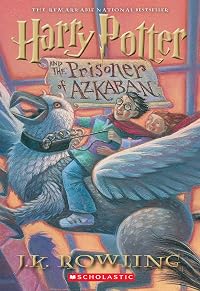
During his third year at Hogwarts School for Witchcraft and Wizardry, Harry Potter must confront the devious and dangerous wizard responsible for his parents' deaths.Tags
Recommendations

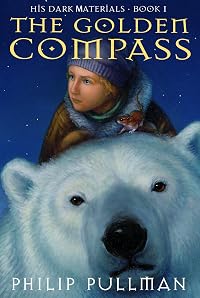
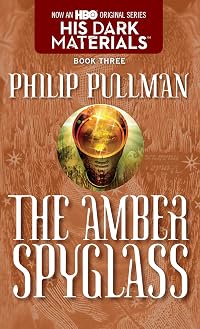
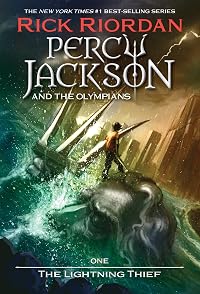
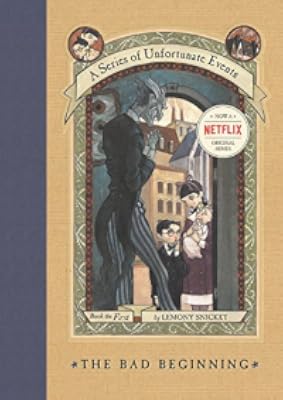
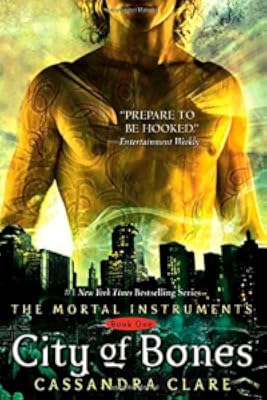
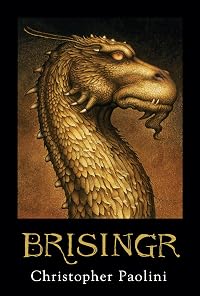
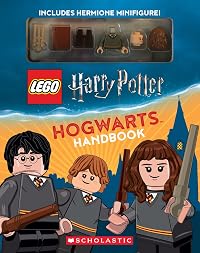
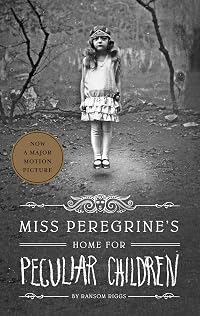

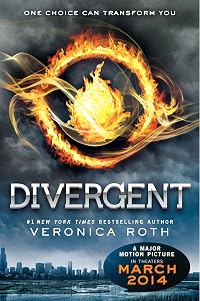

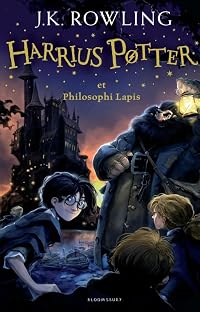
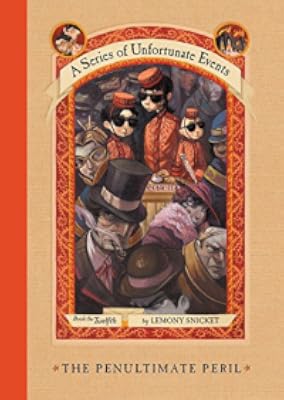
Member Recommendations


Eucaliptus It's not a fantasy but the atmosphere reminded me a lot the one in Harry Potter (especially in the story of the Marauders). However the first half of the book is very slow to read so you must have patience.
13
Member Reviews
I have read and enjoyed the entire Harry Potter series, but this remains my favorite book (even more than the finale). Azkaban is the first in the series to move away from being just for children and more for everyone. The story is faster paced than the previous two, and really expands on the mythology of Rowling's world. What makes Harry a great narrator is that the wizarding world is new to him as well as to readers - he didn't grow up in it, so he still feels wonder at magic. As he learns about Azkaban, and Sirius Black, Harry also learns more about his family and destiny. When the two come face-to-face, it's one of the most exciting scenes in any of the books. Plus, Harry and Hermione show real examples of their magical potential - show more especially Harry learning the patronus spell. I feel this is the first true look at the boy who will be a match for Voldemort. Plus, we get a great new character in Remus Lupin.
But, I think the most important reason I loved this book is that it gave Harry someone to call family. Someone loves him; he is no longer just the shunned boy the Dursley's have taken in. The first two books were good, this one made the series a must-read for each and every subsequent book. show less
But, I think the most important reason I loved this book is that it gave Harry someone to call family. Someone loves him; he is no longer just the shunned boy the Dursley's have taken in. The first two books were good, this one made the series a must-read for each and every subsequent book. show less
Notorious mass murderer Sirius Black has escaped from the most heavily guarded wizarding prison, Azkaban. Known to be a strong supporter of You-Know-Who, he's on his way to Hogwarts to get rid of the Boy-Who-Lived once and for all. But never mind Black, Harry's got his own problems just dealing with the dementors who are the appointed school "guardians" until Black has been caught. And why does Malfoy keep showing up, taunting Harry about Black and revenge?
This is, hands down, my favorite book of the entire series. I think this is really when the series starts to take a turn for the more mature audience. I think we start to see a much darker side to many characters, Harry included - from his childish, petty desire to leaving Neville show more waiting for him in the library while he snuck out of the castle to the deep, burning desire to kill he begins to feel when he learns the lesser known story of Sirius Black's betrayal.
Now that I'm reading this as an adult, I begin to see some of the moral themes Rowling has skillfully put into these books. Prominent in PoA is the theme of hate. She uses Draco Malfoy and Severus Snape to get her point across. Malfoy has a hatred of Harry, driven primarily by his upbringing and jealousy, and he hurts Harry in the worst way possible, through his friends. After an "attack" by Hagrid's hippogriff, Malfoy has his father declare the animal put down. Having my own pet, this would be a devastating announcement. Malfoy knows that the hippogriff didn't do anything dangerous, but he knows taking the life of this animal who means so much to Hagrid will hurt Harry.
Spoilers:
Severus Snape, an old school mate of Sirius Black, hates Black. He wants him to receive the worse punishment possible, regardless of the fact there is strong evidence Sirius is innocent. He refuses to even consider the possibility of there being another side to the story.
End Spoilers:
I think both Malfoy and Snape's hatred make them the most despicable characters in the entire book. Rowling makes both of them look utterly foolish in the moments they are consumed by their hatred, and she shows how much you can hurt someone and how lives can be ruined through hatred.
The ending, of course, is a tragedy. Everyone wants Harry to get away from the Dursleys and he comes so close in this book that you can see the hope in his eyes. About ten years later, I still get slightly teary-eyed at the end of this book.
I strongly encourage anyone who has not read these books and has any sort of fondness towards youth fiction to read this series. The story telling is delightful and the adventure will leave you breathless.
EDIT: Another user pointed this out to me and I thought it was such a great point that I had to amend my review to put it in. Snape's hate of Sirius does come from somewhere. While at school, Sirius, James Potter, and two of their friends were horrible to Snape (and this is shown in much greater detail in later books). One particular prank almost resulted in Snape losing his life. Though Sirius, James, and Snape were just kids, these incidents left their marks. It left Snape so scarred inside that he abuses his position as teacher in order to make Harry, James's son, as miserable as possible, placing the sins of the father upon the shoulders of the son.
In addition to that, Malfoy is a product of his environment, same as everyone else. He's been brought up in a world where money can get him everything and because of that, he can get away with anything, including murder. This would be primarily the fault of his own father. But then again, wouldn't Lucius's behavior be the result of how he was raised? The chain could continue in this fashion and in the end, everyone would be innocent because everyone was just raised wrong. Malfoy is only thirteen in this book. It's hard to say whether he's old enough to be held accountable for his actions or whether he's still too young to know how much he's hurting other people.
I think this book forces us to look at the way we treat other people (as mentioned above, even Harry becomes petty in his treatment of Neville), but it also asks us to take a look at ourselves. We start as the product of our environment, but at some point we have to start taking responsibilities for our own actions. Snape had a horrible childhood, but he has to also step outside of that and grow up. He's not a child, but the grudge he's held all these years make him act like one. It's another reason I love this book: it makes us question the dividing line between innocent childhood and the responsibility of becoming an adult. Where does one end and the other begin? show less
This is, hands down, my favorite book of the entire series. I think this is really when the series starts to take a turn for the more mature audience. I think we start to see a much darker side to many characters, Harry included - from his childish, petty desire to leaving Neville show more waiting for him in the library while he snuck out of the castle to the deep, burning desire to kill he begins to feel when he learns the lesser known story of Sirius Black's betrayal.
Now that I'm reading this as an adult, I begin to see some of the moral themes Rowling has skillfully put into these books. Prominent in PoA is the theme of hate. She uses Draco Malfoy and Severus Snape to get her point across. Malfoy has a hatred of Harry, driven primarily by his upbringing and jealousy, and he hurts Harry in the worst way possible, through his friends. After an "attack" by Hagrid's hippogriff, Malfoy has his father declare the animal put down. Having my own pet, this would be a devastating announcement. Malfoy knows that the hippogriff didn't do anything dangerous, but he knows taking the life of this animal who means so much to Hagrid will hurt Harry.
Spoilers:
Severus Snape, an old school mate of Sirius Black, hates Black. He wants him to receive the worse punishment possible, regardless of the fact there is strong evidence Sirius is innocent. He refuses to even consider the possibility of there being another side to the story.
End Spoilers:
I think both Malfoy and Snape's hatred make them the most despicable characters in the entire book. Rowling makes both of them look utterly foolish in the moments they are consumed by their hatred, and she shows how much you can hurt someone and how lives can be ruined through hatred.
The ending, of course, is a tragedy. Everyone wants Harry to get away from the Dursleys and he comes so close in this book that you can see the hope in his eyes. About ten years later, I still get slightly teary-eyed at the end of this book.
I strongly encourage anyone who has not read these books and has any sort of fondness towards youth fiction to read this series. The story telling is delightful and the adventure will leave you breathless.
EDIT: Another user pointed this out to me and I thought it was such a great point that I had to amend my review to put it in. Snape's hate of Sirius does come from somewhere. While at school, Sirius, James Potter, and two of their friends were horrible to Snape (and this is shown in much greater detail in later books). One particular prank almost resulted in Snape losing his life. Though Sirius, James, and Snape were just kids, these incidents left their marks. It left Snape so scarred inside that he abuses his position as teacher in order to make Harry, James's son, as miserable as possible, placing the sins of the father upon the shoulders of the son.
In addition to that, Malfoy is a product of his environment, same as everyone else. He's been brought up in a world where money can get him everything and because of that, he can get away with anything, including murder. This would be primarily the fault of his own father. But then again, wouldn't Lucius's behavior be the result of how he was raised? The chain could continue in this fashion and in the end, everyone would be innocent because everyone was just raised wrong. Malfoy is only thirteen in this book. It's hard to say whether he's old enough to be held accountable for his actions or whether he's still too young to know how much he's hurting other people.
I think this book forces us to look at the way we treat other people (as mentioned above, even Harry becomes petty in his treatment of Neville), but it also asks us to take a look at ourselves. We start as the product of our environment, but at some point we have to start taking responsibilities for our own actions. Snape had a horrible childhood, but he has to also step outside of that and grow up. He's not a child, but the grudge he's held all these years make him act like one. It's another reason I love this book: it makes us question the dividing line between innocent childhood and the responsibility of becoming an adult. Where does one end and the other begin? show less
This isn't the first time I've read Harry Potter and the Prisoner of Azkaban, but this time I enjoyed it through the eyes of my daughters (7 and 4). It's almost, but not quite, too old for them, and I'm sure that I'll be able to read it again to the younger of the two in a few years. The older loved it, and she gets what's going on, though the vocabulary was occasionally above her age. Every night found her on the edge of her bed while I read, rapt with attention.
And rapt she should be. Harry Potter and the Prisoner of Azkaban is a step up from Sorcerer's Stone and Chamber of Secrets. J.K. Rowling has hit her stride, and she's ready to go beyond a stand alone tale to begin to foreshadow the themes and introduce the secondary characters show more that will fill the remainder of the series. We begin to learn about Severus Snape's rivalry with Harry's father, and Sirius Black, Remus Lupin, and Peter Pettigrew take prominent roles. Dumbledore demonstrates his increasing trust in Harry and Hermoine, and Harry learns more about his father, as well as about himself.
The result is a series of stunning scenes, disguising a substantial bit of backstory, exciting and full of intrigue. Rowling does a great job of placing her hooks, and with each revelation, she lays another hook to keep the reader flipping pages. show less
And rapt she should be. Harry Potter and the Prisoner of Azkaban is a step up from Sorcerer's Stone and Chamber of Secrets. J.K. Rowling has hit her stride, and she's ready to go beyond a stand alone tale to begin to foreshadow the themes and introduce the secondary characters show more that will fill the remainder of the series. We begin to learn about Severus Snape's rivalry with Harry's father, and Sirius Black, Remus Lupin, and Peter Pettigrew take prominent roles. Dumbledore demonstrates his increasing trust in Harry and Hermoine, and Harry learns more about his father, as well as about himself.
The result is a series of stunning scenes, disguising a substantial bit of backstory, exciting and full of intrigue. Rowling does a great job of placing her hooks, and with each revelation, she lays another hook to keep the reader flipping pages. show less
I must say that this used to be my least favorite book in the series. I know how ridiculous that sounds. I just found the book to be... boring, for the most part. The overwhelming focus on Hogsmeade, Buckbeak, and Quidditch in this entry made it a lot less entertaining to me than the other ones. However, upon rereading it, I've changed my opinion slightly. While I do still find certain portions of this book to be quite uninteresting, there's just so much good stuff here that it's hard to ignore it.
This book introduces my favorite character in the entire Harry Potter series: Sirius Black. I must emphasize, however, that he is my favorite character in the books and not in the movies. In the movies, Severs Snape is my favorite character, show more and I'll explain why in an upcoming review. Anyway, I love Sirius's character. This man's story is absolutely incredible. The fact that he used to be a beloved student at Hogwarts and then made the entire school lock down in fear of him a few decades later is so interesting. Thinking about it gives me the shivers. He was a regular guy who got falsely accused of murdering a dozen people and spent over a decade in the worst prison humanity has ever known. Then, he miraculously escaped this dementor-infested hellhole, travelled thousands of miles as a dog, sent the whole of Britain into mass panic, and he hunted down the true murder: Peter Pettigrew. The first time I read the major twist in the Shrieking Shack, I lost my mind. The fact that it is only my 2nd or 3rd favorite plot twist in this franchise speaks volumes about how great of a writer Rowling is.
Another thing I love about Sirius is that he is the first morally gray character in this series. As I mentioned in an earlier review, I don't like how childish the character work is in the first two books. Every single character is either completely good or completely bad. Yeah, some characters like Ron aren't always the kindest, but there aren't any characters who are truly in that grey area. In this book, however, we see that, while Sirius is generally a good guy, some of his actions are very questionable. The fact that he almost killed Snape on purpose when he was 16 is pretty dark, and the fact that he still despises Snape and lets his head bump against the roof of the tunnel as he leaves the Shrieking Shack shows that he is not an entirely good person. It's a sign that the series is now going in a more mature direction, and I love that.
As I said, there are some sections of this book that I find very mundane and that really reduce the quality of the reading experience, but, man, when it gets good, it gets REALLY GOOD. Those last 100 pages are easily some of my favorite in the entire saga. show less
This book introduces my favorite character in the entire Harry Potter series: Sirius Black. I must emphasize, however, that he is my favorite character in the books and not in the movies. In the movies, Severs Snape is my favorite character, show more and I'll explain why in an upcoming review. Anyway, I love Sirius's character. This man's story is absolutely incredible. The fact that he used to be a beloved student at Hogwarts and then made the entire school lock down in fear of him a few decades later is so interesting. Thinking about it gives me the shivers. He was a regular guy who got falsely accused of murdering a dozen people and spent over a decade in the worst prison humanity has ever known. Then, he miraculously escaped this dementor-infested hellhole, travelled thousands of miles as a dog, sent the whole of Britain into mass panic, and he hunted down the true murder: Peter Pettigrew. The first time I read the major twist in the Shrieking Shack, I lost my mind. The fact that it is only my 2nd or 3rd favorite plot twist in this franchise speaks volumes about how great of a writer Rowling is.
Another thing I love about Sirius is that he is the first morally gray character in this series. As I mentioned in an earlier review, I don't like how childish the character work is in the first two books. Every single character is either completely good or completely bad. Yeah, some characters like Ron aren't always the kindest, but there aren't any characters who are truly in that grey area. In this book, however, we see that, while Sirius is generally a good guy, some of his actions are very questionable. The fact that he almost killed Snape on purpose when he was 16 is pretty dark, and the fact that he still despises Snape and lets his head bump against the roof of the tunnel as he leaves the Shrieking Shack shows that he is not an entirely good person. It's a sign that the series is now going in a more mature direction, and I love that.
As I said, there are some sections of this book that I find very mundane and that really reduce the quality of the reading experience, but, man, when it gets good, it gets REALLY GOOD. Those last 100 pages are easily some of my favorite in the entire saga. show less
This is possibly my favorite Harry Potter book, and the one I’ve read most often. Though I’m probably only saying that because it’s where my favorite character, Remus Lupin, is introduced.
And yet, there’s so much I’d forgotten. I was a little surprised by how careful Lupin is. It seems hat he’s quieter than I remember. He truly seems run down, and is generous with a smile. The movies have hardened him in my mind, and in thinking about his past, it seems I’ve also toughened his heart as well. But he’s more a man who is unable to get a job than one who is haunted by his past, at least as depicted here. He’s made a crude peace with it.
Also how did I forget that Remus and Sirius were not on such good terms at the end of show more their run in the Order that they each had suspicions about the other? If they were as close as I’d been expecting them to be, how could they have each suspected each other of being a spy? I think they might have been slightly estranged because of Sirius "pranking" Severus by showing him a werewolf, but that was in year 5. Did their friendship suffer that much? Was it because no one could know who had been compromised? Did they not see much of each other? These books are dark, man.
Foreshadowing is more subtle in this one, with the Dementors playing a significant part in this book, they come back to be important in the fifth as well. This is all the first mention of Cedric. Ooh, that hurts.
And yeah, Severus wants Sirius dead. So just consider how much better things would have gone if Severus had seen reconnecting with Harry as an homage to Lily rather than a betrayal and submission to James?
Man, each book just shows how messed up things are.
I mean, the kids were awesome as well. But the Marauder band do pull a little focus. show less
And yet, there’s so much I’d forgotten. I was a little surprised by how careful Lupin is. It seems hat he’s quieter than I remember. He truly seems run down, and is generous with a smile. The movies have hardened him in my mind, and in thinking about his past, it seems I’ve also toughened his heart as well. But he’s more a man who is unable to get a job than one who is haunted by his past, at least as depicted here. He’s made a crude peace with it.
Also how did I forget that Remus and Sirius were not on such good terms at the end of show more their run in the Order that they each had suspicions about the other? If they were as close as I’d been expecting them to be, how could they have each suspected each other of being a spy? I think they might have been slightly estranged because of Sirius "pranking" Severus by showing him a werewolf, but that was in year 5. Did their friendship suffer that much? Was it because no one could know who had been compromised? Did they not see much of each other? These books are dark, man.
Foreshadowing is more subtle in this one, with the Dementors playing a significant part in this book, they come back to be important in the fifth as well. This is all the first mention of Cedric. Ooh, that hurts.
And yeah, Severus wants Sirius dead. So just consider how much better things would have gone if Severus had seen reconnecting with Harry as an homage to Lily rather than a betrayal and submission to James?
Man, each book just shows how messed up things are.
🐺
"But then...," Lupin muttered, staring at Black so intently it seemed he was trying to read his mind, "... why hasn't he shown himself before now? Unless" --Lupin's eyes suddenly widened, as though he was seeing something beyond Black, something none of the rest could see, "--unless he was the one... unless you switched... without telling me?"
🐀
"Remus!" Pettigrew squeaked, turning to Lupin instead, writhing imploringly in front of him. "You don't believe this... wouldn't Sirius have told you if they'd changed the plan?"
"Not if he thought I was the spy, Peter," said Lupin. "I assume that's why you didn't tell me, Sirius?" he said casually over Pettigrew's head.
"Forgive me, Remus," said Black.
"Not at all, Padfoot, old friend," said Lupin, who was now rolling up his sleeves. "And will you, in turn, forgive me for believing you were the spy?"
"Of course," said Black, and the ghost of a grin was flitting across his gaunt face. He, too, began rolling up his sleeves. "Shall we kill him together?"
"Yes, I think so," said Lupin grimly.
I mean, the kids were awesome as well. But the Marauder band do pull a little focus. show less
4.9★
[By some miracle haven't read the books or seen the movies? Maybe don't continue reading this "review".]
Rating Harry Potter books is impossible to do objectively. If I read these books for the first time now, in my thirties, I'm sure I wouldn't five-star them. As it is, when I read them now, I feel like I'm revisiting my own memories from growing up, and it's impossible for me to not love these characters and this world.
Each time I read these, I feel my perspective and feelings shift slightly. This time around the prevailing feelings were immense annoyance at what a prat Ron was through out, and this crushing sadness for Sirius (I'm tearing up even now, send help.) I think this was the first time I really considered the story show more from the "adults'" perspective. For what James' and Lily's deaths meant for Sirius and Remus, what an insane betrayal it was on Peter's part, how Sirius' world imploded in one night - not only the betrayal of Peter and the loss of his best friend, but also the guilt he must have carried with him. In all honesty, it's difficult to believe anyone would have survived with all of that.
I also very much loved Hermione in this. I've always liked her, but this time I really appreciated her steadfastness in sticking to what she thought was right.
These books just hurt so good. show less
[By some miracle haven't read the books or seen the movies? Maybe don't continue reading this "review".]
Rating Harry Potter books is impossible to do objectively. If I read these books for the first time now, in my thirties, I'm sure I wouldn't five-star them. As it is, when I read them now, I feel like I'm revisiting my own memories from growing up, and it's impossible for me to not love these characters and this world.
Each time I read these, I feel my perspective and feelings shift slightly. This time around the prevailing feelings were immense annoyance at what a prat Ron was through out, and this crushing sadness for Sirius (I'm tearing up even now, send help.) I think this was the first time I really considered the story show more from the "adults'" perspective. For what James' and Lily's deaths meant for Sirius and Remus, what an insane betrayal it was on Peter's part, how Sirius' world imploded in one night - not only the betrayal of Peter and the loss of his best friend, but also the guilt he must have carried with him. In all honesty, it's difficult to believe anyone would have survived with all of that.
I also very much loved Hermione in this. I've always liked her, but this time I really appreciated her steadfastness in sticking to what she thought was right.
These books just hurt so good. show less
I must say that this used to be my least favorite book in the series. I know how ridiculous that sounds. I just found the book to be... boring, for the most part. The overwhelming focus on Hogsmeade, Buckbeak, and Quidditch in this entry made it a lot less entertaining to me than the other ones. However, upon rereading it, I've changed my opinion slightly. While I do still find certain portions of this book to be quite uninteresting, there's just so much good stuff here that it's hard to ignore it.
This book introduces my favorite character in the entire Harry Potter series: Sirius Black. I must emphasize, however, that he is my favorite character in the books and not in the movies. In the movies, Severs Snape is my favorite character, show more and I'll explain why in an upcoming review. Anyway, I love Sirius's character. This man's story is absolutely incredible. The fact that he used to be a beloved student at Hogwarts and then made the entire school lock down in fear of him a few decades later is so interesting. Thinking about it gives me the shivers. He was a regular guy who got falsely accused of murdering a dozen people and spent over a decade in the worst prison humanity has ever known. Then, he miraculously escaped this dementor-infested hellhole, travelled thousands of miles as a dog, sent the whole of Britain into mass panic, and he hunted down the true murder: Peter Pettigrew. The first time I read the major twist in the Shrieking Shack, I lost my mind. The fact that it is only my 2nd or 3rd favorite plot twist in this franchise speaks volumes about how great of a writer Rowling is.
Another thing I love about Sirius is that he is the first morally gray character in this series. As I mentioned in an earlier review, I don't like how childish the character work is in the first two books. Every single character is either completely good or completely bad. Yeah, some characters like Ron aren't always the kindest, but there aren't any characters who are truly in that grey area. In this book, however, we see that, while Sirius is generally a good guy, some of his actions are very questionable. The fact that he almost killed Snape on purpose when he was 16 is pretty dark, and the fact that he still despises Snape and lets his head bump against the roof of the tunnel as he leaves the Shrieking Shack shows that he is not an entirely good person. It's a sign that the series is now going in a more mature direction, and I love that.
As I said, there are some sections of this book that I find very mundane and that really reduce the quality of the reading experience, but, man, when it gets good, it gets REALLY GOOD. Those last 100 pages are easily some of my favorite in the entire saga. show less
This book introduces my favorite character in the entire Harry Potter series: Sirius Black. I must emphasize, however, that he is my favorite character in the books and not in the movies. In the movies, Severs Snape is my favorite character, show more and I'll explain why in an upcoming review. Anyway, I love Sirius's character. This man's story is absolutely incredible. The fact that he used to be a beloved student at Hogwarts and then made the entire school lock down in fear of him a few decades later is so interesting. Thinking about it gives me the shivers. He was a regular guy who got falsely accused of murdering a dozen people and spent over a decade in the worst prison humanity has ever known. Then, he miraculously escaped this dementor-infested hellhole, travelled thousands of miles as a dog, sent the whole of Britain into mass panic, and he hunted down the true murder: Peter Pettigrew. The first time I read the major twist in the Shrieking Shack, I lost my mind. The fact that it is only my 2nd or 3rd favorite plot twist in this franchise speaks volumes about how great of a writer Rowling is.
Another thing I love about Sirius is that he is the first morally gray character in this series. As I mentioned in an earlier review, I don't like how childish the character work is in the first two books. Every single character is either completely good or completely bad. Yeah, some characters like Ron aren't always the kindest, but there aren't any characters who are truly in that grey area. In this book, however, we see that, while Sirius is generally a good guy, some of his actions are very questionable. The fact that he almost killed Snape on purpose when he was 16 is pretty dark, and the fact that he still despises Snape and lets his head bump against the roof of the tunnel as he leaves the Shrieking Shack shows that he is not an entirely good person. It's a sign that the series is now going in a more mature direction, and I love that.
As I said, there are some sections of this book that I find very mundane and that really reduce the quality of the reading experience, but, man, when it gets good, it gets REALLY GOOD. Those last 100 pages are easily some of my favorite in the entire saga. show less
Members
- Recently Added By
Published Reviews
ThingScore 63
All current reviews of Harry Potter books should probably be addressed to some future audience for whom Harry is book rather than phenomenon; at the moment, reviews seem superfluous. For the record, then, O future reader, this latest installment in Harry’s saga is quite a good book.
So far, in terms of plot, the books do nothing very new, but they do it brilliantly
added by Shortride
Lists

1001 Books You Must Read Before You Die
1,448 works; 1,134 members

Read the book and saw the movie
1,170 works; 195 members

Best Fantasy Novels
821 works; 357 members
BBC Big Read
191 works; 46 members

Top-Rated Books on LibraryThing
272 works; 117 members

Best Young Adult
399 works; 101 members

Favorite Childhood Books
1,646 works; 518 members
1001 Children's Books You Must Read Before You Grow Up
774 works; 100 members

NPRs your favorites: 100 Best Ever Teen Novels
237 works; 49 members
NPRs Ultimate Backseat Bookshelf: 100 Must-Reads for kids 9-14
222 works; 30 members
Banned Books Week 2014
268 works; 63 members
Favourite Books
1,819 works; 316 members

Children's Fantasy
73 works; 10 members

Favorite Werewolf Novels
62 works; 30 members
501 Must-Read Books
529 works; 72 members

20th Century Literature
1,161 works; 54 members

Best School Stories
219 works; 21 members
Female Author
1,235 works; 64 members

Carnegie Medal books I've read (shortlist and winners)
86 works; 17 members
The 100 Best Fantasy Books of All Time
100 works; 15 members

1990s
309 works; 17 members

Best Books Set in Boarding Schools
160 works; 57 members

Pleasant Surprises: Books That Exceeded Our Expectations
418 works; 142 members
Here There Be Dragons
143 works; 23 members

Elevenses
316 works; 88 members

Huxley's reading log 2016
84 works; 3 members

NPRs audience picks: 100 best beach reads
105 works; 12 members
books
1 work; 1 member

Top 100 to Read before you Die
109 works; 7 members

SLJ's 100 Must-Have YA books
36 works; 2 members
Mind Expanding Books by hackerkid
581 works; 8 members

Childhood Favorites
427 works; 24 members

Books Read in 2023
5,547 works; 145 members

Books with Twins
175 works; 12 members
Movie Adaptations
111 works; 4 members

Recommend the 20 best books you've read in the last five years
2,168 works; 606 members
Travel from real to fantasy world -- children's/young adult fiction
125 works; 11 members

Most Popular Young Adult Lit on LT
100 works; 4 members
Fate vs. Free Will
63 works; 8 members

Nineties
43 works; 10 members
Saiyuki Reload Best Summer Reads
159 works; 2 members

Books Read in 2001
194 works; 4 members

Secrets Books
94 works; 3 members

Books Read in 2019
4,052 works; 110 members

Books Read in 2018
4,360 works; 110 members

Contemporary Fantasy to Read
63 works; 5 members

READ IN 2020
172 works; 1 member
Read in 1999–2000
24 works; 1 member
Lucy's Long List
69 works; 1 member

Books Read in 2021
5,361 works; 113 members

Have read
18 works; 1 member
Phoebe Bridgers
29 works; 1 member

Harry Potter Books Ranked
8 works; 1 member

H
177 works; 2 members

um actually
76 works; 3 members

Books Read in 2005
174 works; 7 members

Best Vampire & Werewolf Fiction
221 works; 146 members

'Books You Can't Live Without: The Top 100', The Guardian, 2007
156 works; 7 members
Banned Books I have read
16 works; 2 members
Science Fiction and Fantasy
63 works; 4 members
Stephen King's 'On Writing' reading list
95 works; 4 members

Read
27 works; 1 member

Books I need to read
20 works; 1 member

Other Wizard Fiction
45 works; 1 member

2000s decade
85 works; 6 members

Best books read in 2011
200 works; 51 members

Tagged by Tim or Meh!
91 works; 9 members

Unread books
1,063 works; 84 members
Banned or Challenged Books
400 works; 41 members

You Couldn't Pay Me to Read That (Take 2)
203 works; 82 members
Time travel -- children's/young adult fiction
231 works; 11 members
Novels featuring Orphans
76 works; 10 members

Best books I read in 2013
152 works; 3 members
Witches and Wizards Oh My
135 works; 12 members
Delete This List
18 works; 2 members

Watched the Movie, Probably Won't Read the Book
185 works; 34 members

Books Read in 2014
2,343 works; 87 members

Books About Boys
175 works; 15 members

Crime and Mysteries to Read
746 works; 31 members

Blue Pyramid 1,276 Best Books of All Time
1,248 works; 32 members

Books Read in 2015
3,299 works; 129 members
Books Read in 2016
4,666 works; 199 members

Books Read in 2017
4,249 works; 129 members
Bram Stoker Award
238 works; 5 members
Books Read in 2002
197 works; 8 members
Scholastic
15 works; 1 member

Ghosts
278 works; 18 members
Speculative Fiction to Read
706 works; 32 members
Books tagged favorites
390 works; 30 members

Best 21st Century Books (So Far)
670 works; 86 members

Magic Realism
371 works; 52 members
Talk Discussions
Past Discussions
Harry Potter and the Re/Read of The Prisoner of Azkaban in 75 Books Challenge for 2014 (May 2021)
Harry Potter and the Prisoner of Azkaban discussion, chapters 1-8 in Hogwarts Express (October 2010)
Harry Potter and the Prisoner of Azkaban discussion, chapters 9-15 in Hogwarts Express (July 2010)
Prisoner of Azkaban chapters 5-8 discussion in Hogwarts Express (April 2008)
Prisoner of Azkaban chapters 21 & 22 discussion in Hogwarts Express (December 2007)
Prisoner of Azkaban chapters 17-20 discussion in Hogwarts Express (December 2007)
Prisoner of Azkaban chapters 13-16 discussion in Hogwarts Express (December 2007)
Prisoner of Azkaban chapters 9-12 discussion in Hogwarts Express (November 2007)
Prisoner of Azkaban chapters 1-4 discussion in Hogwarts Express (November 2007)
Author Information

J. K. (Joanne Kathleen) Rowling was born in Gloucestershire, U. K. on July 31, 1965. She also writes fiction novels under the name of Robert Galbraith. Rowling attended Tutshill Primary and then went on to Wyedean Comprehensive where she was made Head Girl in her final year. She received a degree in French from Exeter University. She later took show more some teaching classes at Moray House Teacher Training College and a teacher-training course in Manchester, England. This extensive education created a perfect foundation to spark the Harry Potter series that Rowling is renowned for. After college, Rowling moved to London to work for Amnesty International, where she researched human rights abuses in Francophone Africa, and worked as a bilingual secretary. In 1992, Rowling quit office work to move to Portugal and teach English as a Second Language. There she met and married her husband, a Portuguese TV journalist. But the marriage dissolved soon after the birth of their daughter. It was after her stint teaching in Portugal that Rowling began to write the premise for Harry Potter. She returned to Britain and settled in Edinburgh to be near her sister, and attempted to at least finish her book, before looking for another teaching job. Rowling was working as a French teacher when her book, Harry Potter and the Philosopher's Stone was published in June of 1997 and was an overnight sensation. Harry Potter and the Philosopher's Stone won the British Book Awards Children's Book of the Year, was shortlisted for the Guardian Fiction Award, and received a Commended citation in the Carnegie Medal awards. She also received 8,000 pounds from the Scottish Arts Council, which contributed to the finishing touches on The Chamber of Secrets. Rowling continued on to win the Smarties Book Prize three years in a row, the only author ever to do so. At the Bologna Book Fair, Arthur Levine from Scholastic Books, bought the American rights to Harry Potter and the Philosopher's Stone for the unprecedented amount of $105,000.00. The book was retitled Harry Potter and the Sorcerer's Stone for it's American release, and proceeded to top the Best Seller's lists for children's and adult books. The American edition won Best of the Year in the School Library Journal, Publishers Weekly, Parenting Magazine and the Cooperative Children's Book Center. It was also noted as an ALA Notable Children's Book as well as Number One on the Top Ten of ALA's Best Books for Young Adults. The Harry Potter Series consists of seven books, one for each year of the main character's attendance at the Hogwarts School of Witchcraft and Wizardry. All of the books in the series have been made into successful movies. She is number 1 on the Hollywood Reporter's '25 Most Powerful Authors' 2016 list. She has also written Fantastic Beasts and Where to Find Them, Quidditch Through the Ages, and The Tales of Beedle the Bard. She won the 2016 PEN/Allen Foundation Literary Service Award. In 2016 she, along with Jack Thorne and John Tiffany, published the script of the play Harry Potter and the cursed child. It became an instant bestseller. Rowling's first novel for an adult audience,The Casual Vacancy, was published by Little Brown in September 2012. She made The New York Times Best Seller List with her title Very Good Lives: The Fringe Benefits of Failure and the Importance of Imagination. She published two bestselling fiction novels under the name of Robert Galbraith: The Cuckoo's Calling and The Silkworm. (Bowker Author Biography) show less
Some Editions
Awards and Honors
Awards
Distinctions
Notable Lists
BBC's Big Read (24)
Greatest Books algorithm (1523)
Whitcoulls Top 100 Books (57 – 2008)
Whitcoulls Top 100 Books (52 – 2010)
Hungarian Big Read (16)
Series

Belongs to Publisher Series
Estrela do Mar (13)
Work Relationships
Is contained in
Has the adaptation
Inspired
Has as a reference guide/companion
Has as a supplement
Has as a student's study guide
Has as a teacher's guide
Common Knowledge
- Canonical title
- Harry Potter and the Prisoner of Azkaban
- Original title
- Harry Potter and the Prisoner of Azkaban
- Original publication date
- 1999-09-08; 1999
- People/Characters
- Hermione Jean Granger; Ronald Bilius "Ron" Weasley; Ginevra Molly "Ginny" Weasley; Crookshanks; Severus Snape; Albus Percival Wulfric Brian Dumbledore (headmaster) (show all 34); Dudley Dursley; Petunia Dursley; Marjorie Dursley (Aunt Marge); Vernon Dursley; Cornelius Oswald Fudge; Rubeus Hagrid (Keeper of Keys and Grounds, gamekeeper); Draco Malfoy; Minerva McGonagall (Hogwarts Professor, Transfiguration mistress); Sybill Patricia Trelawney (Hogwarts Professor, Divination mistress); Arthur Weasley; Fred Weasley; George Weasley; Molly Weasley; Percy Ignatius Weasley; Peter Pettigrew; Poppy Pomfrey; Stan Shunpike; Oliver Wood; Neville Longbottom; Colin Creevey; Dean Thomas; Filius Flitwick; Gregory Goyle; Lavender Brown; Parvati Patil; Vincent Crabbe; Gilderoy Lockhart; Sirius Black
- Important places
- Hogwarts School of Witchcraft and Wizardry, Scotland, UK (fictional); Number 4 Privet Drive, Little Whinging, Surrey, England, UK (fictional); Surrey, England, UK; Forbidden Forest, Scotland, UK (fictional); Scotland, UK; London, England, UK (show all 13); Diagon Alley, London, England, UK (fictional); Gringotts Bank, London, England, UK (fictional); King's Cross Station, London, England, UK; Platform 9 3/4, King's Cross Station, London, England, UK (fictional); England, UK; Hogsmeade, Scotland, UK; Shrieking Shack, Hogsmeade, Scotland, UK
- Related movies
- Harry Potter and the Prisoner of Azkaban (2004 | IMDb | Alfonso Cuaró | n)
- Dedication
- To Jill Prewett and Aine Kiely,
the Godmothers of Swing
J.K. Rowling
For Tony and Jo
with thanks for being such wonderful friends
Jim Kay - First words
- Harry Potter was a highly unusual boy in many ways.
- Last words
- (Click to show. Warning: May contain spoilers.)And, grinning broadly at the look of horror on Uncle Vernon's face, Harry set off towards the station exit, Hedwig rattling along in front of him, for what looked like a much better summer than the last.
- Publisher's editor
- Mijović, Miličko (Chief); Mikić, Radivoje (Publication); Živković, Jasmina (Technical)
- Original language
- English
- Canonical DDC/MDS
- 823.914; 823.92; 8-44 ROW 3
- Canonical LCC
- PR6068.O93
Classifications
Statistics
- Members
- 122,346
- Popularity
- 3
- Reviews
- 1,082
- Rating
- (4.40)
- Languages
- 53 — Afrikaans, Albanian, Arabic, Armenian, Basque, Bengali, Bosnian, Bulgarian, Catalan, Chinese, Czech, Danish, Dutch, English, Estonian, Faroese, Finnish, French, Georgian, German, Galician, Greek, Hebrew, Hindi, Hungarian, Icelandic, Indonesian, Italian, Japanese, Korean, Latvian, Lithuanian, Malay, Multiple languages, Norwegian (Bokmål), Norwegian, Farsi/Persian, Polish, Romanian, Russian, Serbian, Croatian, Slovak, Slovenian, Spanish, Swedish, Thai, Turkish, Ukrainian, Urdu, Vietnamese, Portuguese (Portugal), Portuguese (Brazil)
- Media
- Paper, Audiobook, Ebook
- ISBNs
- 502
- UPCs
- 6
- ASINs
- 177