
Baltasar and Blimunda
by José Saramago
On This Page
Description
From the recipient of the 1998 Nobel Prize in Literature, a "brilliant . . . enchanting novel" of romance, deceit, religion, and magic set in eighteenth-century Portugal at the height of the Inquisition. National bestseller. Translated by Giovanni Pontiero (New York Times Book Review).Tags
Recommendations
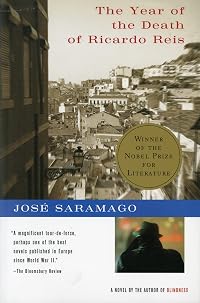
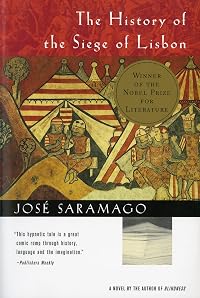
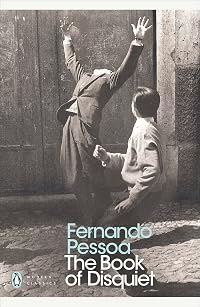

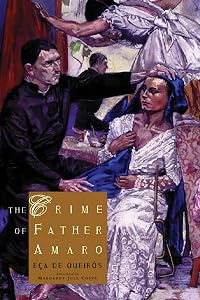























Member Recommendations


jodocus Similar theme on constructing a flying object in the 17/18 century
Member Reviews
Baltasar and Blimunda, set in Portugal in 1711, starts off with a bang, with king Dom Joao V visiting the bedchamber of the queen to ‘perform the royal duty’, and with early chapters describing the lascivious activities of adulterers during Lent and the horrors of the auto-da-fe.
The book has three main story lines: the first relating to the building of the convent at Mafra following a royal decree, made as a promise when the queen conceives, and the second relating to the title characters who fall in love. Baltasar is a man who has lost a hand at war, and Blimunda is a woman who has the power to see (literally) under the surface of things, including people. The last story line relates to the two of them working with Padre show more Bartolomeu Lourenco de Gusmao to build a flying machine which actually gets off the ground using energy extracted from the inner wills of hundreds of people, thus adding a surreal element to the story.
It turns out that Lourenco was a real person who did build a rudimentary airship in 1709 which resembled an enormous bird, and the Mafra National Palace / Monastery was indeed built in reaction to a royal vow when the queen conceived.
This is the historical framework Saramago uses for his book, which delivers an indictment of royalty, who are shown to be vain and cruel. Even in the construction of good works, the poor masses toil like ants to haul giant rocks over great distances. Saramago also indicts religion, showing priests to be hypocrites and rapists, and certainly far from Christ-like. And he adds a touch of magic to the common people, perhaps a sign of hope in this difficult world.
In terms of style, Saramago’s words flow freely, like a melody or a stream, and are often a joy to read. It is a rather dense book, however, with dialogue embedded into paragraphs with minimal punctuation (which I don’t mind but others might), and at times, when something like a procession is described in detail, it is a little less enjoyable to get through. show less
The book has three main story lines: the first relating to the building of the convent at Mafra following a royal decree, made as a promise when the queen conceives, and the second relating to the title characters who fall in love. Baltasar is a man who has lost a hand at war, and Blimunda is a woman who has the power to see (literally) under the surface of things, including people. The last story line relates to the two of them working with Padre show more Bartolomeu Lourenco de Gusmao to build a flying machine which actually gets off the ground using energy extracted from the inner wills of hundreds of people, thus adding a surreal element to the story.
It turns out that Lourenco was a real person who did build a rudimentary airship in 1709 which resembled an enormous bird, and the Mafra National Palace / Monastery was indeed built in reaction to a royal vow when the queen conceived.
This is the historical framework Saramago uses for his book, which delivers an indictment of royalty, who are shown to be vain and cruel. Even in the construction of good works, the poor masses toil like ants to haul giant rocks over great distances. Saramago also indicts religion, showing priests to be hypocrites and rapists, and certainly far from Christ-like. And he adds a touch of magic to the common people, perhaps a sign of hope in this difficult world.
In terms of style, Saramago’s words flow freely, like a melody or a stream, and are often a joy to read. It is a rather dense book, however, with dialogue embedded into paragraphs with minimal punctuation (which I don’t mind but others might), and at times, when something like a procession is described in detail, it is a little less enjoyable to get through. show less
Published in 1982 and set in early 18th-century Portugal during the reign of King John V, this novel centers around the two titular characters, Baltasar Sete-Sóis (Seven Suns) and Blimunda Sete-Luas (Seven Moons). Baltasar is a former soldier who lost his left hand in the War of Spanish Succession. Blimunda is a woman with mystical abilities, including the power to see inside people and objects during her fasting periods. The two meet in Lisbon and fall in love.
Their lives become linked with Father Bartolomeu Lourenço de Gusmão, a real historical figure, who dreams of building a flying machine called the Passarola. Blimunda's mystical powers play a crucial role in collecting the spiritual essences needed to make the machine fly. show more Meanwhile, the construction of the monumental Mafra Convent, a real historical project initiated by King John V, serves as a backdrop to the story.
At its heart, the novel is a love story. Unlike the grand projects surrounding them, Baltasar and Blimunda live a modest life. Their love is founded in mutual understanding and shared hardships. Saramago uses their relationship to contrast with the larger dehumanizing forces at work in society. He portrays human connection as a source of resilience against oppression.
The novel is also an exploration of power, religion, and the human spirit. Saramago is quite critical of the extant power structures, particularly the monarchy and the Catholic Church. The King’s decision to build the Mafra Convent is portrayed as a display of power and piety, but Saramago also exposes the exploitation and suffering of the common people who serve as forced labor. The contrast between the large-scale construction project and the humble aspirations of Baltasar and Blimunda illustrate the disconnect between rulers and ruled.
Religion plays a significant role in the novel. Saramago critiques the Church's position in maintaining social order, often at the expense of the people it claims to serve. This was at a time when the Inquisition was still judging, torturing, and burning people at the stake. Blimunda's mystical abilities introduce elements of mysticism that suggest an alternative, more personal and spiritual form of connection to the divine.
Father Bartolomeu's dreams of flight form one of the primary drivers of the narrative arc. It is a pleasing use of magical realism, representing the desire to escape a hard life. Saramago reflects on the nature of history, and how it is shaped by both grand endeavors and by the smaller-scale actions of ordinary people.
It is written in Saramago's distinctive style, characterized by long sentences, minimal punctuation, and a fluid blending of dialogue and description. This style creates a sense of continuity and flow but it’s an acquired taste. When I first started reading Saramago, I struggled with his style, but now that I’ve read quite a few of his novels, I’ve gotten used to it and find it less noticeable. This book is an unusual blend of historical fiction, magical realism, and social commentary. It is an impressive work that will likely appeal to readers of literary fiction or world literature. I read the English translation from the original Portuguese. show less
Their lives become linked with Father Bartolomeu Lourenço de Gusmão, a real historical figure, who dreams of building a flying machine called the Passarola. Blimunda's mystical powers play a crucial role in collecting the spiritual essences needed to make the machine fly. show more Meanwhile, the construction of the monumental Mafra Convent, a real historical project initiated by King John V, serves as a backdrop to the story.
At its heart, the novel is a love story. Unlike the grand projects surrounding them, Baltasar and Blimunda live a modest life. Their love is founded in mutual understanding and shared hardships. Saramago uses their relationship to contrast with the larger dehumanizing forces at work in society. He portrays human connection as a source of resilience against oppression.
The novel is also an exploration of power, religion, and the human spirit. Saramago is quite critical of the extant power structures, particularly the monarchy and the Catholic Church. The King’s decision to build the Mafra Convent is portrayed as a display of power and piety, but Saramago also exposes the exploitation and suffering of the common people who serve as forced labor. The contrast between the large-scale construction project and the humble aspirations of Baltasar and Blimunda illustrate the disconnect between rulers and ruled.
Religion plays a significant role in the novel. Saramago critiques the Church's position in maintaining social order, often at the expense of the people it claims to serve. This was at a time when the Inquisition was still judging, torturing, and burning people at the stake. Blimunda's mystical abilities introduce elements of mysticism that suggest an alternative, more personal and spiritual form of connection to the divine.
Father Bartolomeu's dreams of flight form one of the primary drivers of the narrative arc. It is a pleasing use of magical realism, representing the desire to escape a hard life. Saramago reflects on the nature of history, and how it is shaped by both grand endeavors and by the smaller-scale actions of ordinary people.
It is written in Saramago's distinctive style, characterized by long sentences, minimal punctuation, and a fluid blending of dialogue and description. This style creates a sense of continuity and flow but it’s an acquired taste. When I first started reading Saramago, I struggled with his style, but now that I’ve read quite a few of his novels, I’ve gotten used to it and find it less noticeable. This book is an unusual blend of historical fiction, magical realism, and social commentary. It is an impressive work that will likely appeal to readers of literary fiction or world literature. I read the English translation from the original Portuguese. show less
last effort from Portugal I endeavoured to read through was the utterly futile Book of Disquiet by Fernando Pessoa. It is with great thankfulness that I can report Saramago is nothing like Pessoa. He is, in fact, very readable.
The novel is set in 18th century Portugal and centres on Baltasar, returning from war with a hook in place of his left hand. He meets Blimunda and they fall in love. They then meet Bartolomeu Lourenco, an actual historical figure, who they end up working for on a project to create a flying machine.
Saramago writes with in a lovely mixture of historical fiction and magic realism. This means that both sides of your brain get involved. He switches back and forth regularly enough so that neither side gets bored and show more this keeps you moving along nicely.
Story and writing style aside, the absolutely showpiece of this novel is the description of the inception and construction of the immense Convent of Mafra. It’s so easy for us in the 21st century to forget just how much manpower went into these monuments. Saramago makes it a captivating read.
Ultimately though, this is a love story, and that permeates every page. show less
The novel is set in 18th century Portugal and centres on Baltasar, returning from war with a hook in place of his left hand. He meets Blimunda and they fall in love. They then meet Bartolomeu Lourenco, an actual historical figure, who they end up working for on a project to create a flying machine.
Saramago writes with in a lovely mixture of historical fiction and magic realism. This means that both sides of your brain get involved. He switches back and forth regularly enough so that neither side gets bored and show more this keeps you moving along nicely.
Story and writing style aside, the absolutely showpiece of this novel is the description of the inception and construction of the immense Convent of Mafra. It’s so easy for us in the 21st century to forget just how much manpower went into these monuments. Saramago makes it a captivating read.
Ultimately though, this is a love story, and that permeates every page. show less
I've only visited Portugal a couple of times, but I did once spend a rainy Saturday in Mafra. The image of that quiet little town absolutely dwarfed by one vast, overblown baroque building, a structure that looks as though the builders somehow managed to read "yards" where the architect had intended "feet", is one you don't easily forget.
Saramago takes the construction of this monstrous convent/palace as the centerpiece of his historical fable set in early 18th century Portugal. The building project, which took decades to complete and cost hundreds of workers' lives and consumed a large share of the gold and silver that were pouring in from the colonies, is used as a vivid illustration of the vanity of kings and the unbridled greed of show more the church. Saramago sets this crazy meglomaniac scheme against the efforts - perhaps equally mad, but undertaken on a human scale and in a scientific spirit of cooperation - by Padre Bartolomeu Lourenço de Gusmão to build a flying machine, which here becomes a sort of metaphor for the Enlightenment : in Saramago's version the aircraft is literally propelled by human willpower.
Saramago's style comes across surprisingly effectively in English translation. The lyrical set-pieces are always punctured by barbs of satirical comment, and the mood of humanist irony suggests that he had Voltaire and Diderot very much in mind. show less
Saramago takes the construction of this monstrous convent/palace as the centerpiece of his historical fable set in early 18th century Portugal. The building project, which took decades to complete and cost hundreds of workers' lives and consumed a large share of the gold and silver that were pouring in from the colonies, is used as a vivid illustration of the vanity of kings and the unbridled greed of show more the church. Saramago sets this crazy meglomaniac scheme against the efforts - perhaps equally mad, but undertaken on a human scale and in a scientific spirit of cooperation - by Padre Bartolomeu Lourenço de Gusmão to build a flying machine, which here becomes a sort of metaphor for the Enlightenment : in Saramago's version the aircraft is literally propelled by human willpower.
Saramago's style comes across surprisingly effectively in English translation. The lyrical set-pieces are always punctured by barbs of satirical comment, and the mood of humanist irony suggests that he had Voltaire and Diderot very much in mind. show less
This is the tale of King João V who makes a vow to build a convent in Mafra if the Queen finally becomes pregnant - a convent that ends up eating up a big part of rural Portugal's, already poor, workforce and the country's coffers - while in its shadow former soldier Baltasar and clairvoyant Blimunda fall in love and renegade Padre Bartolomeu Lourenço de Gusmão aspires to build a flying machine, which will attract the attention of the Inquisition for sure. If you like Saramago's experimental style with his sparing use of periods, this is a fantastic story of the arduous work that goes into the building of a monument, but with an emphasis on the human experience; a severe critique of religious bigotry and political whims; and a show more magical story of love at first sight that becomes a (sort of) happily ever after. As much as I like Saramago's style with his seatbelt-required-length sentences, there are a few chapters in the middle of this one where even I got lost - nothing that a reread didn't rectify, but a bit distracting anyways - but I'm thinking this may be down to translation. My other Saramagos have been translated by the incomparable Margaret Jull Costa and until she has translated this one too, I'll have to trust that the original is clearer than this translation. Note that the original title, Memorial do Convento, describes the overall story better than the English title - our lovers are certainly a big part of the story, but this is not first and foremost a love story. show less
Heillandi skáldverk eftir nóbelsverðlaunahafann José Saramago. Sagan er fyrst og fremst ástarsaga Baltasars og Blimundu en Saramago lætur hana tengjast byggingu klaustursins í Mafra og vefur inn í frásögnina sögulegum persónum á borð við konungshjónin, tónskáldið Domenico Scarlatti og prestinn Bartolomeu de Gusmão sem er talinn vera einn af forvígismönnum flugsins. Kommúnistinn og trúleysinginn Saramago fjallar napurlega um áhrif trúar og einvalds á alþýðuna sem þjáðist en elskaði um leið vöndinn. Heillandi lýsingar af samfélaginu og lífi elskendanna eru burðarás sögunnar og láta fáa ósnortna.
18. yüzyılda, savaşların ve salgın hastalıkların sarstığı Portekiz'de geçen Baltasar ile Blimunda'da, Nobel ödüllü yazar José Saramago, etkileyici bir aşkı anlatırken tarihsel gerçeklerle dokunmuş iki farklı hikâyeyi de romana ustalıkla katıyor: Bekledikleri veliahtın doğumunu kutlamak için manastır inşa ettiren kraliyet ailesi; insanın uçmasını sağlayacak ilk aleti, Passarola'yı yapmaya çalışan Peder Bartolomeu; ve iki âşık: sol kolunu savaşta kaybeden Baltasar ile sıradan insanların göremediklerini görebilen, annesi cadı diye engizisyon tarafından yakılan güzel Blimunda. İktidarın projesi olan Mafra Manastırı ile insan iradesinin projesi olan Passarola da romanın iki önemli show more kahramanı olarak öne çıkıyor. Deha ile çılgınlık arasındaki ince çizgiyi gösteren ve gerçek olayları büyülü bir anlatımın içinde yoğuran Baltasar ile Blimunda, zekâ ve heyecan dolu, unutulmaz bir başyapıt. José Saramago, ustalıklı kurgusu, yoğun ironisi ve karakterlerinin felsefi sorgulamalarıyla, okurlarına bir şölen hazırlamış. Işık Ergüden'in usta işi çevirisiyle. show less
Members
- Recently Added By
Lists

1001 Books You Must Read Before You Die
1,448 works; 1,136 members

Best Historical Fiction
620 works; 261 members

Best Contemporary Literary Fiction (Around the Last 30 Years)
400 works; 124 members

Favourite Books
1,820 works; 310 members

Top Five Books of 2013
1,562 works; 715 members

50 Tough Books for Extreme Readers
71 works; 38 members

Magic Realism
371 works; 52 members
1980s
356 works; 23 members

Nobel Price Winners
222 works; 20 members

Houses and Buildings as Characters in Fiction
182 works; 29 members

Most difficult novels
68 works; 27 members

Harold Bloom - The Western Canon: D. The Chaotic Age
833 works; 24 members

Five star books
1,767 works; 110 members

Experimental Literature
141 works; 19 members
Existentialism
90 works; 11 members
Elegant Prose
80 works; 4 members

Allie's Favourite 150 Books
145 works; 3 members

Historical Fiction Lovers
88 works; 4 members

Favourite Books by Male Authors
29 works; 2 members

Literature in Translation
113 works; 5 members
Best Books of the 20th Century
193 works; 5 members

What are your favourite books?
121 works; 11 members

Favourite Love Stories
53 works; 1 member

recalling favorites...
105 works; 2 members
5 Best 5 Years
71 works; 4 members
My favourite books
96 works; 3 members

Global Reads: Books Set in Western Europe
186 works; 10 members

Fiction with Men's Given Names in the Title
302 works; 11 members

Alphabetical Books
211 works; 3 members

Bibliografia essenziale
86 works; 2 members

As 50 obras essenciais da literatura portuguesa
50 works; 1 member

Books Read in 2025
4,128 works; 98 members
Talk Discussions
Past Discussions
Group Read for July, 2013: Baltasar and Blimunda in 1001 Books to read before you die (July 2013)
Author Information

243+ Works 53,354 Members
José Saramago was born on November 16, 1922. He spent most of his childhood on his parent's farm, except while attending school in Lisbon. Before devoting himself exclusively to writing novels in 1976, he worked as a draftsman, a publisher's reader, an editor, translator, and political commentator for Diario de Lisboa. He is indisputably show more Portugal's best-known literary figure and his books have been translated into more than 25 languages. Although he wrote his first novel in 1947, he waited some 35 years before winning critical acclaim for work such as the Memorial do Convento. His works include The Year of the Death of Ricardo Reis, The Stone Raft, Baltasar and Blimunda, The History of the Siege of Lisbon, The Gospel According to Jesus Christ, and Blindness. At age 75, he was awarded the Nobel Prize for Literature in 1998 for his work in which "parables sustained by imagination, compassion and irony, continually enables us to apprehend an elusory reality." He died from a prolonged illness that caused multiple organ failure on June 18, 2010 at the age of 87. (Bowker Author Biography) show less
Some Editions
Awards and Honors
Awards
Notable Lists
Torchlight List (#166f)
Series
Belongs to Publisher Series
Work Relationships
Is contained in
Common Knowledge
- Canonical title
- Baltasar and Blimunda
- Original title
- Memorial do Convento
- Alternate titles*
- Das Kloster Zu Mafra
- Original publication date
- 1982
- People/Characters
- Baltasar; Blimunda; D. João V (Rei de Portugal); Bartolomeu Lourenço/Gusmão; D. Maria Ana Josefa (Rainha de Portugal)
- Important places
- Lisbon, Portugal; Mafra, Portugal
- Important events
- Construção do Convento de Mafra
- Epigraph
- Een man ging naar de galg en een ander die hem tegenkwam sprak tot hem: Hoe dat nu, waarde heer, dat gij zo gaat? En de veroordeelde antwoordde: Ik ga niet, dezen hier voeren mij.
Pater Manuel Velho
Je sais que je tombe dans l'inexplicable, quand j'affirme que la réalité - cette notion si flottante -, la connaissance la plus exacte possible des êtres est notre point de contact, et notre voie d'accès aux choses qui dÃ... (show all)©passent la réalité.
MARGUERITE YOURCENAR
Google translate: I know that I am falling into the inexplicable when I affirm that reality - this very floating notion - the most effective knowledge possible of beings is our point of contact, and our way of accessing things that surpass reality.
Un uomo andava alla forca: e un altro che lo incontrò gli disse: che succede signor tal dei tali, è così che vene andate? E il condannato rispose: non sono io che vado, sono loro che mi portano.
PADRE MANUEL VELHO
A man was on his way to the gallows when he met another, who asked him: Where are you going, my friend? And the condemned man replied: I'm not going anywhere. They're taking me by force --Padre Manuel Velho - Dedication
- A Isabel, perché nulla perde o ripete,
perché tutto crea e rinnova.
In memoriam Giovanni Pontiero - First words
- Don João, vijfde van die naam op de koninklijke tabel, zal zich vanavond naar het slaapvertrek van zijn vrouw begeven, Dona Maria Ana Josefa, die ruim twee jaar geleden uit Oostenrijk is gekomen om de Portugese kroon kindere... (show all)n te schenken, maar die tot op heden nog niet zwang is geworden.
Don Giovanni, quinto del nome nella successione dei re, andrà questa notte in camera di sua moglie, donna Maria Anna Giuseppa, che è giunta da più di due anni dall'Austria per dare infanti alla corona portoghese e fino ad ... (show all)oggi non ce l'ha fatta a ingravidare.
D. João, quinto do nome na tabela real, irá esta noite ao quarto de sua mulher, D. Maria Ana Josefa, que chegou há mais de dois anos da Áustria para dar infantes à coroa portuguesa e até hoje ainda não emprenhou.
Dom Joao, the fifth monarch so named on the royal list, will pay a visit this night to the bedchamber of the Queen, Dona Maria Ana Josefa, who arrived more than two years ago from Austria to provide heirs for the Portuguese c... (show all)rown, and so far has shown no signs of becoming pregnant. - Quotations
- ...the much quoted immaculate conception of the Virgin Mary occurred but once so that the world might know that know that Almighty God, when He so chooses, has no need of then, though He cannot dispense with women.
- Last words
- (Click to show. Warning: May contain spoilers.)En de wil van Baltasar Zeven-Zonnen maakte zich los maar steeg niet naar de sterren, want hij behoorde aan de aarde en aan Blimunda.
(Click to show. Warning: May contain spoilers.)Sono undici i giustiziati. Il rogo è già molto avanti, le facce si distinguono appena. A quell'estremità brucia un uomo cui manca la mano sinistra. Forse perché ha la barba annerita, prodigio cosmetico della fuliggine, sembra più giovane. E una nuvola chiusa sta al centro del suo corpo. Allora Blimunda disse, Vieni. Si distaccò la volontà di Baltasar Sette-Soli, ma non salì alle stelle, se alla terra apparteneva Blimunda.
(Click to show. Warning: May contain spoilers.)São onze os supliciados. A queima já vai adiantada, os rosto mal se distinguem. Naquele extremo arde um homem a quem falta a mão esquerda. Talvez por ter a barba enegrecida, prodígio cosmético da fuligem, parece mais novo. E uma nuvem fechada está no centro do seu corpo. Então Blimunda disse, Vem, Desprendeu-se a vontade de Baltasar Sete-Sóis, mas não subiu para as estrelas, se à terra pertencia e a Blimunda.
(Click to show. Warning: May contain spoilers.)The will of Baltasar Sete-Sois broke free from his body, but did not ascend to the stars, for it belonged to the earth and to Blimunda. - Original language*
- Portugees
*Some information comes from Common Knowledge in other languages. Click "Edit" for more information.
Classifications
- Genres
- Fiction and Literature, General Fiction, Historical Fiction, Romance
- DDC/MDS
- 869.342 — Literature & rhetoric Spanish Literature Literatures of Portuguese and Galician languages Portuguese fiction 20th Century 1945-1999
- LCC
- PQ9281 .A66 .M4613 — Language and Literature French, Italian, Spanish and Portuguese literatures Portuguese literature Individual authors, 1961-2000
- BISAC
Statistics
- Members
- 2,815
- Popularity
- 6,493
- Reviews
- 57
- Rating
- (3.91)
- Languages
- 38 — Albanian, Arabic, Bulgarian, Catalan, Czech, Danish, Dutch, English, Finnish, French, Georgian, German, Greek, Hebrew, Hungarian, Italian, Japanese, Korean, Lithuanian, Macedonian, Norwegian (Nynorsk), Norwegian (Bokmål), Norwegian, Farsi/Persian, Polish, Romanian, Russian, Serbian, Croatian, Slovak, Slovenian, Spanish, Swedish, Turkish, Portuguese (Portugal), Portuguese (Brazil), Chinese, traditional, Chinese, simplified
- Media
- Paper, Audiobook, Ebook
- ISBNs
- 99
- ASINs
- 22