On This Page
Description
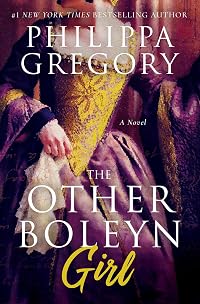
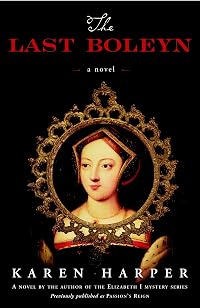
When Mary Boleyn comes to court as an innocent girl of fourteen, she catches the eye of Henry VIII. Dazzled by the king, Mary falls in love with both her golden prince and her growing role as unofficial queen. However, she soon realizes just how much she is a pawn in her family's ambitious plots as the king's interest begins to wane and she is forced to step aside for her best friend and rival: her sister, Anne. Then Mary knows that she must defy her family and her king, and take her fate show more into her own hands. show lessTags
Recommendations

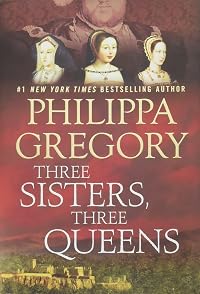
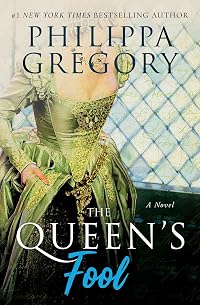

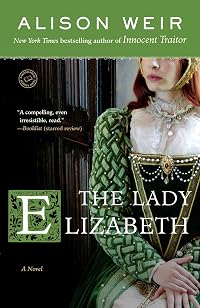
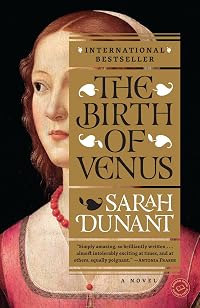


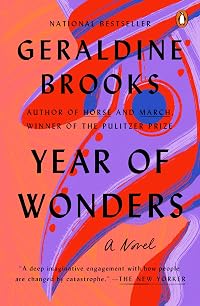
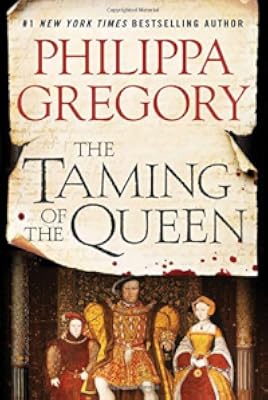
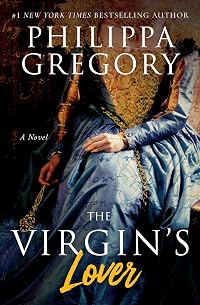
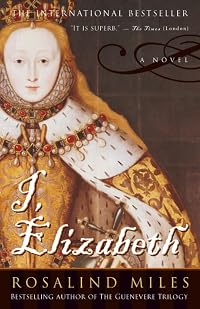


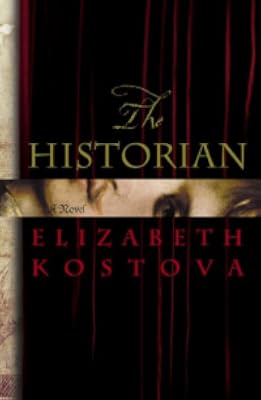
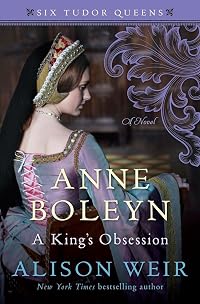
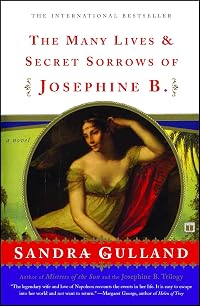
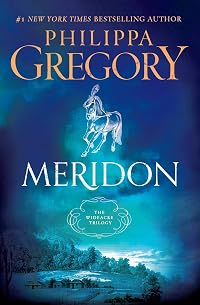
Member Recommendations
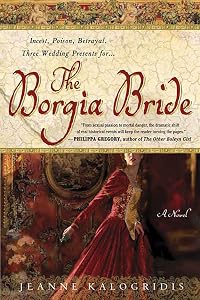
Caramellunacy The Borgia Bride takes a look at another controversial historical figure - Lucrezia Borgia through the eyes of her sister-in-law. There is plenty of scandal, drama, and ambition.
20

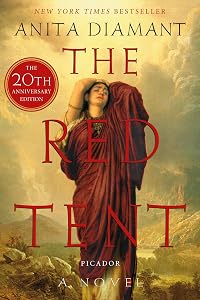
legxleg Although The Twentieth Wife is set in Mughal India, not Tudor England, I think Sundaresan and Gregory write similar romance-infused history about a royal court populated by ambitious courtiers, including some scheming women.
20

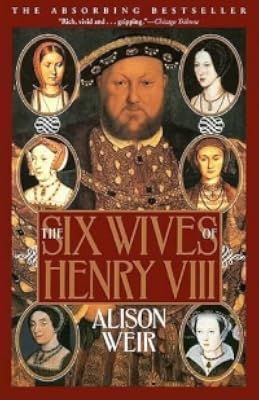
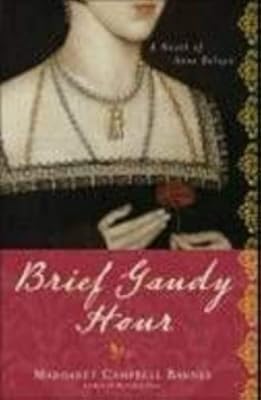
carport I enjoyed this characterization of Anne Boleyn very much. Written in the 1950s, the book contains some inaccuracies, but is an excellent portrait of Henry VIII's notorious wife.
Member Reviews
The Other Boleyn Girl isn’t the sort of book I usually read. But since I found a copy at one of the Little Free Libraries in my neighborhood, and had been on a minor Henry VIII kick at the time, I picked it up. The novel fit into one of the categories for this year’s reading challenge, so I gave it a go.
Phillipa Gregory has made a career of writing about the Tudor age and from the get-go her writing was smooth and easy to read. I learned a lot about the politics of the Tudor era and King Henry VIII and his courtiers, who were all continuously scheming to gain the favor of the King. Though mentioned only passingly in the book, Henry VII, his father, was the monarch who finally united England after a long period of civil wars. As my show more reading progressed it dawned on me that was why Henry VIII wanted a son so badly: he needed an heir and leader to ensure that England stayed united. The book makes it clear it was the only thing this powerful man could be manipulated with. I was aware it was a novel, an interpretation of the bones of history, and not fact… yet it all seemed very plausible.
I also learned Henry’s first wife, Catherine of Aragon, was actually his older brother Arthur’s wife, and she was six years older than Henry, who was pushed to marry her after Arthur died at the age of 16. Pretty strange stuff.
Unlike some historical novels about political scheming, Gregory’s prose made it easy to follow for someone not versed in the era, choosing to convey the events of Anne Boleyn’s rise and fall through the narration of Mary Boleyn, her younger sister and “the other Boleyn girl” of the title. At the young age of 14 Mary is already in an arranged marriage but she catches the eye of Henry who is wont to seduce ladies of the court. She is pushed by her mother's family, the powerful Howards, and tutored to fall into his arms. Her own husband realizes there’s little he can do; “You can’t say no to the King” was a common catchphrase of the book. Henry never realizes how completely he’s being played, which made the whole charade amusing to read, and then heartfelt, as Mary develops real emotions toward the young king.
But then she is then put into a bind, as she loves and respects Queen Catherine as well, whom she serves as lady-in-waiting. The author portrays this tension vividly, and it is fascinating, and heartbreaking, to see the Queen lose her status as the story goes on. This is Mary’s first experience with the hypocrisy of court life, and eventually it sours her on the King and sets her on her own path.
Though the blurbs on the book play up the rivalry and competition between Mary and Anne (“two sisters competing for the greatest prize: the heart of a king”) this was true for only a small part of the book. Mary, pregnant with the king’s son, can’t have sex with him, so scheming Uncle Howard, the closest the book comes to a true villain, pimps out her sister Anne to take up the slack, his reasoning being that it's better to have a Howard girl on the King’s arm than one from a rival noble family like the Seymours. (Of course, history tells us how that turned out.)
As it becomes clear Queen Catherine is too old to produce the son Henry wants, the stakes rise. Mary has both a healthy son and daughter by the King, and though they are illegitimate, there’s a chance her son may be named as Henry’s heir. But then Henry decides to take a new wife, declaring his existing marriage invalid because of that messiness of Catherine's being wed first to his older brother. And Anne aims for that role with a superhuman campaign of flirtation, cajoling, and intrigue.
I thought The Other Boleyn Girl would be one of those books I would read only once for the novelty of its twists and turns, and then pass on. But when I had finished, I did in fact want to keep it and reread it again one day. It was that immersive. There is a reason why popular books are popular, and why book clubs choose one book and not another: they're easy to digest, but also make you think. The novel had the simplicity and timelessness of a fable. And fable it was: a human being’s rise to power, and then fall, through their own devices.
Make no mistake, Anne was the book’s protagonist, even though the title refers to Mary and Mary narrates. Anne is by turns a villainess and a victim. She is driven, charismatic, and expert at projecting false emotions and covering up her real ones. She set herself to snag the king and she did it, even resisting sex with him for ages in order to keep him intrigued. This was the only part the book lagged, the months where Henry waffles about divorcing the Queen as a war in France heats up and cools down. Anne runs herself ragged trying to charm him and keep him appeased. She is a bitch, yet one can’t help feeling sorry for her.
If the book has a fault it’s that the sister rivalry never comes across as believable. Anne throws more barbs at Mary than Mary does at Anne, and even in the ones Mary does throw, she comes across as too nice and restrained. She is, in the book’s first part, the nice girl who does as she’s told and doesn't protest too much. But as Anne begins her fall Mary comes into her own character, a pawn no longer. She finds a new romance after her first husband dies of plague, and boy, was it fun to see how her new love reacts to all the skullduggery going on.
My other favorite characters were Mary’s and Jane’s brother George, a charming rake who may have been homosexual, and Queen Catherine, who never betrayed her dignity even as she was abused and discarded. Henry himself became less of a dupe as the plot went on, unwilling to put up with Anne’s shenanigans when she could not bear him a son either. He reacts with frightening expediency when he decides to move on, leaving Anne stranded in the dust and under arrest for treason. The other characters expect Anne will be divorced and exiled, but in a shocking turn to the characters (if not to the reader) she is executed along with George and many other members of the court. Mary has already positioned herself to make her own exile, to the country estate of her husband with her children, and the author implies she got the better deal out of life.
The Other Boleyn Girl is an epic book, yet surprisingly intimate and cozy. It has wit and banter, and also sheer horror. The descriptions of Anne’s miscarriages, one if which involved giving birth to a literal monster, made my skin crawl as well as any horror author’s.
Recommended. I give it four stars. show less
Phillipa Gregory has made a career of writing about the Tudor age and from the get-go her writing was smooth and easy to read. I learned a lot about the politics of the Tudor era and King Henry VIII and his courtiers, who were all continuously scheming to gain the favor of the King. Though mentioned only passingly in the book, Henry VII, his father, was the monarch who finally united England after a long period of civil wars. As my show more reading progressed it dawned on me that was why Henry VIII wanted a son so badly: he needed an heir and leader to ensure that England stayed united. The book makes it clear it was the only thing this powerful man could be manipulated with. I was aware it was a novel, an interpretation of the bones of history, and not fact… yet it all seemed very plausible.
I also learned Henry’s first wife, Catherine of Aragon, was actually his older brother Arthur’s wife, and she was six years older than Henry, who was pushed to marry her after Arthur died at the age of 16. Pretty strange stuff.
Unlike some historical novels about political scheming, Gregory’s prose made it easy to follow for someone not versed in the era, choosing to convey the events of Anne Boleyn’s rise and fall through the narration of Mary Boleyn, her younger sister and “the other Boleyn girl” of the title. At the young age of 14 Mary is already in an arranged marriage but she catches the eye of Henry who is wont to seduce ladies of the court. She is pushed by her mother's family, the powerful Howards, and tutored to fall into his arms. Her own husband realizes there’s little he can do; “You can’t say no to the King” was a common catchphrase of the book. Henry never realizes how completely he’s being played, which made the whole charade amusing to read, and then heartfelt, as Mary develops real emotions toward the young king.
But then she is then put into a bind, as she loves and respects Queen Catherine as well, whom she serves as lady-in-waiting. The author portrays this tension vividly, and it is fascinating, and heartbreaking, to see the Queen lose her status as the story goes on. This is Mary’s first experience with the hypocrisy of court life, and eventually it sours her on the King and sets her on her own path.
Though the blurbs on the book play up the rivalry and competition between Mary and Anne (“two sisters competing for the greatest prize: the heart of a king”) this was true for only a small part of the book. Mary, pregnant with the king’s son, can’t have sex with him, so scheming Uncle Howard, the closest the book comes to a true villain, pimps out her sister Anne to take up the slack, his reasoning being that it's better to have a Howard girl on the King’s arm than one from a rival noble family like the Seymours. (Of course, history tells us how that turned out.)
As it becomes clear Queen Catherine is too old to produce the son Henry wants, the stakes rise. Mary has both a healthy son and daughter by the King, and though they are illegitimate, there’s a chance her son may be named as Henry’s heir. But then Henry decides to take a new wife, declaring his existing marriage invalid because of that messiness of Catherine's being wed first to his older brother. And Anne aims for that role with a superhuman campaign of flirtation, cajoling, and intrigue.
I thought The Other Boleyn Girl would be one of those books I would read only once for the novelty of its twists and turns, and then pass on. But when I had finished, I did in fact want to keep it and reread it again one day. It was that immersive. There is a reason why popular books are popular, and why book clubs choose one book and not another: they're easy to digest, but also make you think. The novel had the simplicity and timelessness of a fable. And fable it was: a human being’s rise to power, and then fall, through their own devices.
Make no mistake, Anne was the book’s protagonist, even though the title refers to Mary and Mary narrates. Anne is by turns a villainess and a victim. She is driven, charismatic, and expert at projecting false emotions and covering up her real ones. She set herself to snag the king and she did it, even resisting sex with him for ages in order to keep him intrigued. This was the only part the book lagged, the months where Henry waffles about divorcing the Queen as a war in France heats up and cools down. Anne runs herself ragged trying to charm him and keep him appeased. She is a bitch, yet one can’t help feeling sorry for her.
If the book has a fault it’s that the sister rivalry never comes across as believable. Anne throws more barbs at Mary than Mary does at Anne, and even in the ones Mary does throw, she comes across as too nice and restrained. She is, in the book’s first part, the nice girl who does as she’s told and doesn't protest too much. But as Anne begins her fall Mary comes into her own character, a pawn no longer. She finds a new romance after her first husband dies of plague, and boy, was it fun to see how her new love reacts to all the skullduggery going on.
My other favorite characters were Mary’s and Jane’s brother George, a charming rake who may have been homosexual, and Queen Catherine, who never betrayed her dignity even as she was abused and discarded. Henry himself became less of a dupe as the plot went on, unwilling to put up with Anne’s shenanigans when she could not bear him a son either. He reacts with frightening expediency when he decides to move on, leaving Anne stranded in the dust and under arrest for treason. The other characters expect Anne will be divorced and exiled, but in a shocking turn to the characters (if not to the reader) she is executed along with George and many other members of the court. Mary has already positioned herself to make her own exile, to the country estate of her husband with her children, and the author implies she got the better deal out of life.
The Other Boleyn Girl is an epic book, yet surprisingly intimate and cozy. It has wit and banter, and also sheer horror. The descriptions of Anne’s miscarriages, one if which involved giving birth to a literal monster, made my skin crawl as well as any horror author’s.
Recommended. I give it four stars. show less
This is a brilliant novel by a brilliant author. And I speak as someone who generally doesn’t care for historical fiction. Some things Gregory does that reveal her professionalism (a few minor spoilers):
1. She starts with a bang. In the first chapter someone is beheaded. Not only that, but we are also told that he is beheaded because he questions the king’s ability to sire a son, which sets up the reason for all conflict in the rest of the novel. Also, the narrator mentions, shockingly to a modern reader, that she is very young (13, I think) and married. This tells us we are in a very different world from our own. Finally, the chapter's last sentence sums up the meaning of the beheading in a way that prepares us for the dramatic show more tension in the rest of the novel: The narrator’s mother tells her, “There is no room for mistakes at court.”
2. Gregory’s characterization is an excellent example of “show don’t tell.” We aren’t told this person is manipulative, that person is obsessed with having a son, these two sisters hate each other. We’re shown that; we watch what they do and hear what they say. The bad guys (there are a lot of them) are vile.
3. Gregory took the plot from history, but does an excellent job of filling in the details in a convincing but unobtrusive way. She writes about the 16th century believably, but does not fall into the trap of thinking “I found in this fact in my research, so I’m going to find a way to cram it into the novel.” Details are there to the extent that they support the story, no more.
This is a virtuoso writer. show less
1. She starts with a bang. In the first chapter someone is beheaded. Not only that, but we are also told that he is beheaded because he questions the king’s ability to sire a son, which sets up the reason for all conflict in the rest of the novel. Also, the narrator mentions, shockingly to a modern reader, that she is very young (13, I think) and married. This tells us we are in a very different world from our own. Finally, the chapter's last sentence sums up the meaning of the beheading in a way that prepares us for the dramatic show more tension in the rest of the novel: The narrator’s mother tells her, “There is no room for mistakes at court.”
2. Gregory’s characterization is an excellent example of “show don’t tell.” We aren’t told this person is manipulative, that person is obsessed with having a son, these two sisters hate each other. We’re shown that; we watch what they do and hear what they say. The bad guys (there are a lot of them) are vile.
3. Gregory took the plot from history, but does an excellent job of filling in the details in a convincing but unobtrusive way. She writes about the 16th century believably, but does not fall into the trap of thinking “I found in this fact in my research, so I’m going to find a way to cram it into the novel.” Details are there to the extent that they support the story, no more.
This is a virtuoso writer. show less
There's been plenty of books and movies about 'that whore Nan Bullen' and usually her older sister Mary is a side character, so I really enjoyed this book that offered a fresh (if fictional view) on Mary Boleyn. It's hard to not feel bad for her as a pawn of her family's ambition and being used as a plaything of a young king, so it's not hard to see why Mary did what she eventually did, in this book and IRL... and she was probably much happier in the end.
Before King Henry VIII ever considered making Anne Boleyn his wife, her older sister, Mary, was his mistress. Gregory's novel opens and closes with two executions -- it begins with the execution of the Duke of Buckingham in 1521, and ends with the execution of Anne Boleyn in 1536.
With this rather grim events framing her book, the novel proper starts in 1522, with Anne arrival at the Tudor court, where her elder sister, Mary, is already lady-in-waiting to Henry's wife, Queen Katherine. From the very beginning we see that while there is a bond that ties the Boleyn sisters together, there is also a deep rooted rivalry between them.
Historical novelist Gregory uses the perspective of this "other Boleyn girl" to reveal the rivalries and show more intrigues swirling through England. It is a tense time at court: the queen (already quite a few years older than her husband) has yet to produce a male heir to the throne, and people are beginning to question if the aging queen will ever be able to bear children again.
"She (Queen Katherine) looked at me as if for a moment she would seek someone who would understand the dreadful predicament of a woman, in this world ruled by men."
"...Katherine of Aragon was speaking out for the women of the country, for the good wives who should not be put aside just because their husbands had taken a fancy to another, for the women who walked the hard road between kitchen, bedroom, church and childbirth. For the women who deserved more than their husband's whim."
In the midst of all this intrigue, Mary soon catches the king's roving eye. Although she is married and still quite loyal to the queen, her family (her ruthless parents as well as her uncle, the powerful and equally ruthless Duke of Howard) decrees that she put her marriage and loyalties aside and cater to the whims of her king.
The sisters and their brother George were raised with one goal: to advance the Howard family's interests, especially against the Seymours. "We never look back. We have no time for regrets or second thoughts. If a plan goes awry we make another, if one weapon breaks in our hands we find a second. If the steps fall down before us we overleap them and go up."
Bedazzled, it doesn't take Mary very long to fall in love with both her golden king and her role as the his 'unofficial' wife.
A few years and two royal by-blows later however, Mary is shunted aside when the king begins to lose interest in their relationship and her ambitious family fearful that they will lose all the power that they have gained, throws the more ruthless and seductive sister, Anne at the king's head.
From then on Mary--her eyes finally wide open as to how low her family will stoop in order to gain power--watches from the sidelines as her family, led by Anne, begins their high stakes play for the queen's crown.
Anne to Mary, "You can smile when your heart is breaking because you are a woman, and a courtier, and a Howard. That's three reasons for being the most deceitful creature on God's earth."
Finally realizing that she can only depend on herself for her own future, Mary is inspired to take a few risks herself in order to gain some measure of happiness and security.
Mary abandons court life to live with a new husband and her children in the countryside, but love and duty bring her back to Anne time and again.
We share Mary's helplessness as Anne loses favor, and everyone abandons her amid accusations of adultery, incest, and witchcraft. Even the Boleyn parents won't intervene for their children.
Gregory captures not only the dalliances of court but the panorama of political and religious clashes throughout Europe. The authour's characterization of Mary Boleyn was probably the best thing in the novel. Here we see a young and intelligent woman with a heart and a sense of morality that is constantly at war with her feeling of familial obligations. How Mary struggles with this dueling feelings and the decisions she makes -- sometimes good, sometimes bad -- is what makes this novel worth reading.
Book Details:
Title The Other Boleyn Girl
Author Philippa Gregory
Reviewed By Purplycookie show less
With this rather grim events framing her book, the novel proper starts in 1522, with Anne arrival at the Tudor court, where her elder sister, Mary, is already lady-in-waiting to Henry's wife, Queen Katherine. From the very beginning we see that while there is a bond that ties the Boleyn sisters together, there is also a deep rooted rivalry between them.
Historical novelist Gregory uses the perspective of this "other Boleyn girl" to reveal the rivalries and show more intrigues swirling through England. It is a tense time at court: the queen (already quite a few years older than her husband) has yet to produce a male heir to the throne, and people are beginning to question if the aging queen will ever be able to bear children again.
"She (Queen Katherine) looked at me as if for a moment she would seek someone who would understand the dreadful predicament of a woman, in this world ruled by men."
"...Katherine of Aragon was speaking out for the women of the country, for the good wives who should not be put aside just because their husbands had taken a fancy to another, for the women who walked the hard road between kitchen, bedroom, church and childbirth. For the women who deserved more than their husband's whim."
In the midst of all this intrigue, Mary soon catches the king's roving eye. Although she is married and still quite loyal to the queen, her family (her ruthless parents as well as her uncle, the powerful and equally ruthless Duke of Howard) decrees that she put her marriage and loyalties aside and cater to the whims of her king.
The sisters and their brother George were raised with one goal: to advance the Howard family's interests, especially against the Seymours. "We never look back. We have no time for regrets or second thoughts. If a plan goes awry we make another, if one weapon breaks in our hands we find a second. If the steps fall down before us we overleap them and go up."
Bedazzled, it doesn't take Mary very long to fall in love with both her golden king and her role as the his 'unofficial' wife.
A few years and two royal by-blows later however, Mary is shunted aside when the king begins to lose interest in their relationship and her ambitious family fearful that they will lose all the power that they have gained, throws the more ruthless and seductive sister, Anne at the king's head.
From then on Mary--her eyes finally wide open as to how low her family will stoop in order to gain power--watches from the sidelines as her family, led by Anne, begins their high stakes play for the queen's crown.
Anne to Mary, "You can smile when your heart is breaking because you are a woman, and a courtier, and a Howard. That's three reasons for being the most deceitful creature on God's earth."
Finally realizing that she can only depend on herself for her own future, Mary is inspired to take a few risks herself in order to gain some measure of happiness and security.
Mary abandons court life to live with a new husband and her children in the countryside, but love and duty bring her back to Anne time and again.
We share Mary's helplessness as Anne loses favor, and everyone abandons her amid accusations of adultery, incest, and witchcraft. Even the Boleyn parents won't intervene for their children.
Gregory captures not only the dalliances of court but the panorama of political and religious clashes throughout Europe. The authour's characterization of Mary Boleyn was probably the best thing in the novel. Here we see a young and intelligent woman with a heart and a sense of morality that is constantly at war with her feeling of familial obligations. How Mary struggles with this dueling feelings and the decisions she makes -- sometimes good, sometimes bad -- is what makes this novel worth reading.
Book Details:
Title The Other Boleyn Girl
Author Philippa Gregory
Reviewed By Purplycookie show less
Oh my WORD. Nine-tenths of the romance novels I've read were better written than this, and even the one-tenth that weren't provided smut and were quickly over. People LIKED this book? How did they deal with the unbelievably irritating fact (to nitpick one of so many) that the phrase "the other Boleyn girl" was used on EVERY OTHER PAGE for SIX HUNDRED PAGES?
"I am just the other Boleyn girl."
"I am merely the other Boleyn girl."
"Who is this? Is it the other Boleyn girl?"
"It is I, the other Boleyn girl."
The reader: "I DID LOOK AT THE COVER, YOU KNOW. I DO KNOW WHAT THE BOOK IS CALLED. ALSO I MANAGED TO GRASP THE DIFFICULT CONCEPT THAT MARY BOLEYN IS ANNE BOLEYN'S SISTER. I THINK I'VE GOT THIS 'OTHER BOLEYN GIRL' THING DOWN, SO COULD YOU show more PLEASE FIND ANOTHER PHRASE TO COPY AND PASTE AND THEN MAYBE I CAN TAKE A DEEP BREATH AND TURN CAPS LOCK OFF?"
Terrible! show less
"I am just the other Boleyn girl."
"I am merely the other Boleyn girl."
"Who is this? Is it the other Boleyn girl?"
"It is I, the other Boleyn girl."
The reader: "I DID LOOK AT THE COVER, YOU KNOW. I DO KNOW WHAT THE BOOK IS CALLED. ALSO I MANAGED TO GRASP THE DIFFICULT CONCEPT THAT MARY BOLEYN IS ANNE BOLEYN'S SISTER. I THINK I'VE GOT THIS 'OTHER BOLEYN GIRL' THING DOWN, SO COULD YOU show more PLEASE FIND ANOTHER PHRASE TO COPY AND PASTE AND THEN MAYBE I CAN TAKE A DEEP BREATH AND TURN CAPS LOCK OFF?"
Terrible! show less
Philippa Gregory is so good at dramatizing that at times I thought, so this was what happened in the past. I had to remind myself that this is totally a work of fiction, albeit with real characters drawn from history. The book was a bit draggy in the middle of the plot, as the marriage of King Henry and Anne Boleyn failed to materialize for various reasons. But once the marriage took place, the plot moved very fast, so fast you got to pause and consider why Anne suddenly fell from favor. Aside from Anne's climb to be queen, the relationship between Anne and Mary (who is the other Boleyn girl) is also quite intriguing as they seek to outdo each other and yet still loving each other at the same time. They form a triumvirate with George - show more they are the happiest in each other's company. show less
This book had something that surprised me: George Boleyn characterized as a pretty good brother, ambitious courtier and tool to the Family Howard power that he was. I loved how he called his sisters "Annamaria" and "Marianne," until Mistress Anne became so snotty that she forbade him to use either nickname because it insulted her dignity as King's Favorite. Poor old Anne gets no better treatment here than Elizabeth does from Gregory.
Of course, if you are aware of actual historical fact, you will roll your eyes over how Mary Boleyn gets changed into Anne's innocent little sister instead of the French King's used riding mare. You will laugh at the idea that the powers that be allow little Henry Carey, as Henry's bastard son, to be left in show more his mother's care. Apparently everybody completely forgets that Mary's son is also the King's son, and nobody ever troubles her about his education, living quarters, or expectations regarding his future. It's as if such a child were completely useless in the schemes of those vying for royal power. I don't effin' think it would have gone down like that.
Also, since this version of Henry Carey is older than than Elizabeth, how is it he would be hale enough to ride for Scotland with the official news of her death?
But if the story is good and you care naught for accurate detail, who cares, as long as you can nitpick a little bit in your review?
Oh, and one more thing: I liked how the author used a beheading at the beginning and end of the book... nice bit of bracketing there. show less
Of course, if you are aware of actual historical fact, you will roll your eyes over how Mary Boleyn gets changed into Anne's innocent little sister instead of the French King's used riding mare. You will laugh at the idea that the powers that be allow little Henry Carey, as Henry's bastard son, to be left in show more his mother's care. Apparently everybody completely forgets that Mary's son is also the King's son, and nobody ever troubles her about his education, living quarters, or expectations regarding his future. It's as if such a child were completely useless in the schemes of those vying for royal power. I don't effin' think it would have gone down like that.
Also, since this version of Henry Carey is older than than Elizabeth, how is it he would be hale enough to ride for Scotland with the official news of her death?
But if the story is good and you care naught for accurate detail, who cares, as long as you can nitpick a little bit in your review?
Oh, and one more thing: I liked how the author used a beheading at the beginning and end of the book... nice bit of bracketing there. show less
Members
- Recently Added By
Lists

Best Historical Fiction
620 works; 261 members

Read the book and saw the movie
1,170 works; 195 members

Historical Fiction
889 works; 91 members

Favorite Long Books
330 works; 41 members

Female Author
1,234 works; 67 members
Female Protagonist
1,056 works; 57 members

Best Books With Sisters
130 works; 30 members

Top 10 Historical Fiction
10 works; 4 members

Fiction Featuring Real People
81 works; 17 members

BBC Radio 4 Bookclub
340 works; 13 members

Books Read in 2014
2,343 works; 89 members

Books about the Tudors
15 works; 9 members

Best Historical Fiction authors
41 works; 9 members
Books tagged favorites
390 works; 30 members

Books Read in 2015
3,299 works; 126 members

A Good Read (Radio 4)
287 works; 1 member

Set in the 15th and 16th Centuries
28 works; 4 members
Read These Too
458 works; 9 members

The Worst Bestsellers Podcast
295 works; 5 members

Florida
366 works; 3 members

BBC World Book Club
265 works; 5 members

Retrospective of Historical Fiction
48 works; 7 members

Books about King Henry VIII
17 works; 13 members
Author Information

129+ Works 86,549 Members
Philippa Gregory was born in Nairobi, Kenya on January 9, 1954. She received a B.A. in history at Sussex University in 1982 and a Ph.D. in 18th-century literature from the University of Edinburgh in 1984. She has taught at numerous universities and was made a fellow of Kingston University in 1994. Her historical novels include: Wideacre, The show more Queen's Fool, The Virgin's Lover, The Constant Princess, The Boleyn Inheritance, The Other Queen, The White Queen, The Red Queen, The Lady of the Rivers and The White Princess. She has also written several contemporary fiction works including Perfectly Correct, The Little House and Zelda's Cut. She adapted her novel A Respectable Trade, about the slave trade in England, into a four-part series for BBC television. Her script won an award from the Committee for Racial Equality. She won the Feminist Book Fortnight Award in 1990 and the Romantic Novelist of the Year Award in 2002. Her book, The Other Boleyn Girl, won the Parker Romantic Novel of the Year award and was adapted into a major feature film in 2008 starring Natalie Portman and Scarlett Johansson. The White Queen was adapted into an original cable series on the Starz nertwork in 2013 starring Max Irons and Rebecca Ferguson. Her title The Kings Curse made the New York Times bestseller list in 2014. Her title, The Taming of the Queen, made the New York Times bestseller list in 2015. Her latest bestseller is Three Sisters, Three Queens. Gregory also writes children's books, is a regular contributor to newspapers and magazines, a frequent broadcaster for radio and television, and runs a small charity that builds wells in schoolyards in Gambia. (Bowker Author Biography) show less
Some Editions
Awards and Honors
Awards
Notable Lists
Series

Work Relationships
Is contained in
Wideacre / The Favored Child / Meridon / The Constant Princess / The Boleyn Inheritance / The Queen's Fool / The Other Boleyn Girl by Philippa Gregory
The Boleyn Inheritance/The Other Boleyn Girl/The Virgin's Lover/Queen's Fool/Wideacre/Constant Princess/Meridon/Earthly Joys/Virgin Earth by Philippa Gregory
The Other Boleyn Girl / The Virgin's Lover / The Queen's Fool / The Constant Princess / The Other Queen / The White Queen by Philippa Gregory
The Other Boleyn Girl / The Queen's Fool / The Virgin's Lover / The Wise Woman / Virgin Earth / Wideacre / Meridon / The Favored Child / Fallen Skies by Philippa Gregory
The Other Boleyn Girl/The Queen's Fool/The Virgin's Lover/Earthly Joys/Virgin Earth/The Constant Princess by Philippa Gregory
The Virgin's Lover/The Other Boleyn Girl/The Boleyn Inheritance/Wideacre/Meridon by Phillipa Gregory
Has the adaptation
Common Knowledge
- Canonical title
- The Other Boleyn Girl
- Original title
- The Other Boleyn Girl
- Original publication date
- 2001
- People/Characters
- Anne Boleyn; George Boleyn; Mary Boleyn; Thomas Boleyn, 1st Earl of Wiltshire and 1st Earl of Ormond, 1st Viscount Rochford; Henry Carey, 1st Baron Hunsdon; William Carey (show all 11); Catherine of Aragon; Elizabeth I, Queen of England; Henry VIII, King of England; Thomas Howard, 3rd Duke of Norfolk; Sir William Stafford
- Important places
- England, UK; London, England, UK
- Important events
- Reign of Henry VIII; Tudor Era; 16th century
- Related movies
- The Other Boleyn Girl (2008 | IMDb); The Other Boleyn Girl (2003 | IMDb)
- Dedication
- For Anthony
- First words
- Spring 1521
I could hear a roll of muffled drums. - Last words
- (Click to show. Warning: May contain spoilers.)Nobody can say what they will do.
- Blurbers
- Berkman, Pamela; Smith, Liz; Nimura, Janice
- Original language
- English
Classifications
Statistics
- Members
- 16,730
- Popularity
- 399
- Reviews
- 387
- Rating
- (3.95)
- Languages
- 17 — Chinese, Danish, Dutch, English, French, German, Hungarian, Italian, Lithuanian, Norwegian (Bokmål), Portuguese, Romanian, Croatian, Slovenian, Spanish, Swedish, Turkish
- Media
- Paper, Audiobook, Ebook
- ISBNs
- 96
- UPCs
- 2
- ASINs
- 39