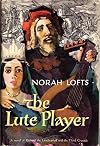
The Lute Player
by Norah Lofts
On This Page
Description
"Richard the Lionhearted, inspired by a vision of the Holy Land, led his knights onto the battlefields of the Third Crusade.... Richard's life was intertwined with the lives of two... women who loved him -- Berengaria, princess of Navarre, and his mother, Eleanor of Aquitaine.... But it is Blondel, the king's lute player, who here steps forward from the shadows to tell this tale of romance, war, and betrayal"--P. 4 of cover.Tags
Recommendations




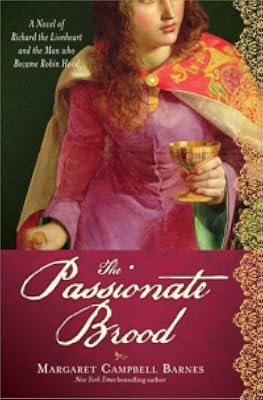
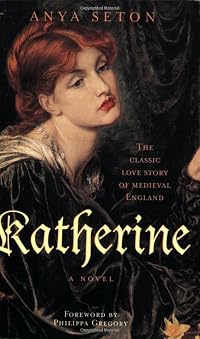
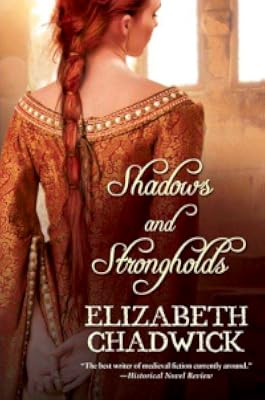


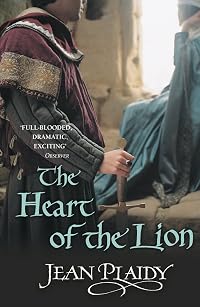
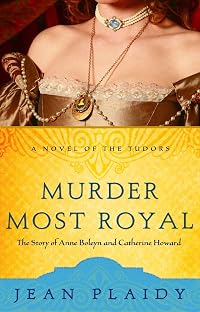
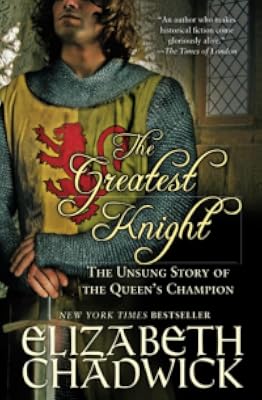
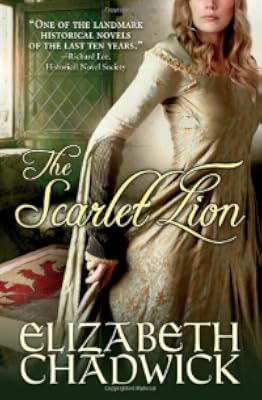


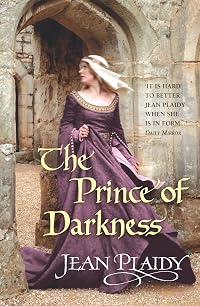
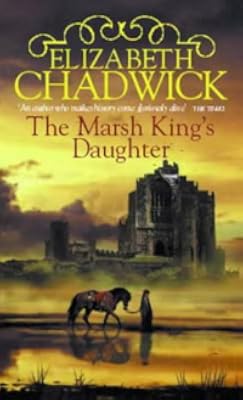

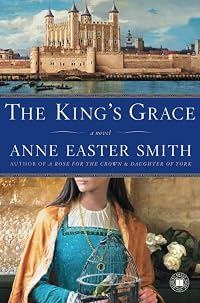
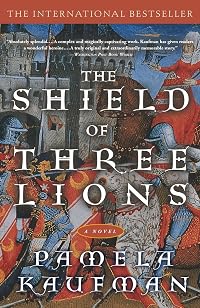


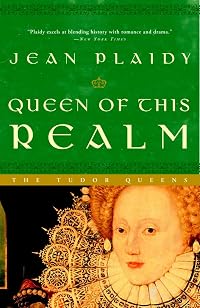





Member Recommendations


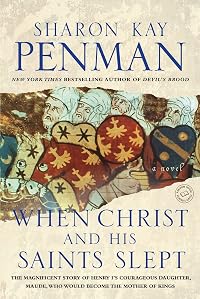
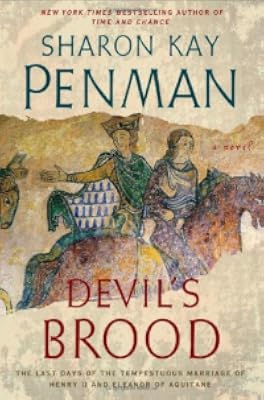
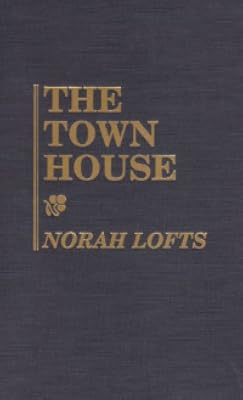
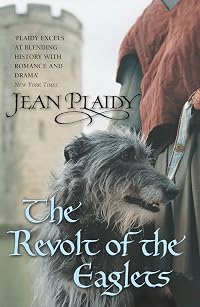
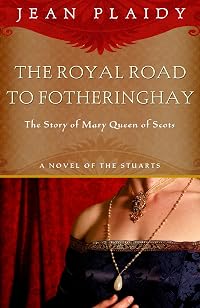
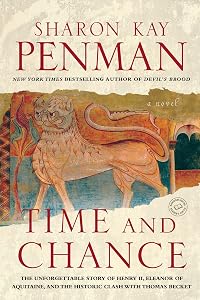
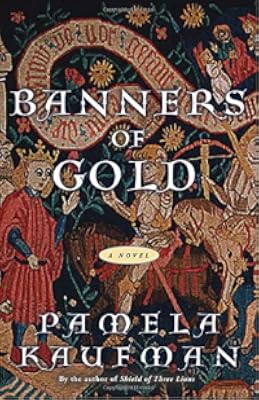
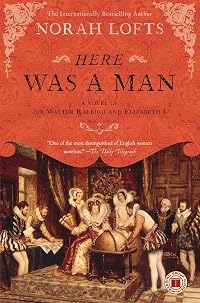
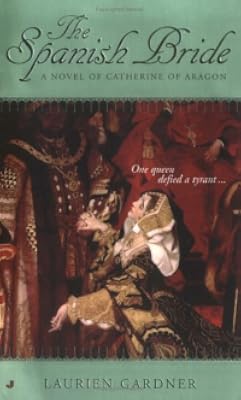
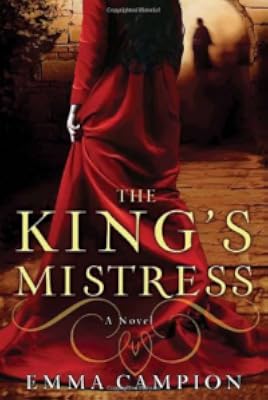
aulsmith Two historical novels about the search for Richard Lionheart after his capture in Germany
Member Reviews
This grand novel is set during the Third Crusade. Although its largest characters are Richard the Lion-Heart, his mother Eleanor of Aquitaine and other historical figures, the story is actually told through the eyes of minor ones such as Richard's musician the lute-player, and a lady of the court who is physically disabled, yet subtly wields influence on all the others. I can't say which I loved more about the book, its rich descriptions of everyday life so long ago: the inner workings of a monastery, the boredom of court ladies cloister in the castle, the struggles of a ruler to make decisions, the sufferings of soldiers on crusade; or the utterly human frustrations and longings its characters undergo in their separate yet intertwined show more quests for love and power. A strange love triangle unfolds through The Lute Player: the musician is hopelessly in enamored of the princess Berengaria, who will stop nothing at seeking Richard's attention, who himself appears to care for no one at all, which frustrates Queen Eleanor, who is trying to arrange his marriage. My knowledge of history is rather weak, so I cannot say where this story is true to the facts. But every time I read it I marvel at its depiction of the strengths and weaknesses of human nature.
from the Dogear Diary show less
from the Dogear Diary show less
The Lute Player is the story of Richard the Lionhearted, as told from the point of view of Blondel, the eponymous lute player; Richard’s mother, Eleanor of Aquitaine; and Anna Apieta, crippled half sister to Richard’s wife, Berengaria. The novel focuses on Richard’s reign of England (a country he spent very little time in), especially the time he spent while on crusade. It’s hard to write about someone in English history who is so well-known and well-loved; what better way than to write his story from the point of view of the people who knew him best?
The book takes a while to get going—most of the beginning is devoted to Berengaria, hopelessly in love with a man who was more in love with the idea of reclaiming the Holy Land. show more In fact, the real action of the book begins with the crusade, which doesn’t actually happen until around page 300! Nonetheless, this novel is written in an engaging style, and many of the characters, especially the ones who are narrators, are well-defined. I feel as though Eleanor of Aquitaine is a difficult person to write about, much less put words into her mouth, and I think Lofts did an admirable job of writing as her. I found myself less sympathetic towards and understanding of Anna, mainly because of her self-deprecating attitude towards her condition and natural acceptance of her spinsterhood.
The book is a little long, however, and it gets wearying after a while. For a book that’s supposed to be about Richard, I got a feel more for some of the other characters—especially since Richard kept haring off at every opportunity. And the major event that happens that changes the relationship between Blondel and Richard isn’t described, only alluded to, so the awkwardness between them seemed a bit contrived. Still, I enjoyed this novel about the late-12th century—though I think there are better novels out there. And I hear that Sharon Kay Penman is in the midst of writing a book about Richard herself… show less
The book takes a while to get going—most of the beginning is devoted to Berengaria, hopelessly in love with a man who was more in love with the idea of reclaiming the Holy Land. show more In fact, the real action of the book begins with the crusade, which doesn’t actually happen until around page 300! Nonetheless, this novel is written in an engaging style, and many of the characters, especially the ones who are narrators, are well-defined. I feel as though Eleanor of Aquitaine is a difficult person to write about, much less put words into her mouth, and I think Lofts did an admirable job of writing as her. I found myself less sympathetic towards and understanding of Anna, mainly because of her self-deprecating attitude towards her condition and natural acceptance of her spinsterhood.
The book is a little long, however, and it gets wearying after a while. For a book that’s supposed to be about Richard, I got a feel more for some of the other characters—especially since Richard kept haring off at every opportunity. And the major event that happens that changes the relationship between Blondel and Richard isn’t described, only alluded to, so the awkwardness between them seemed a bit contrived. Still, I enjoyed this novel about the late-12th century—though I think there are better novels out there. And I hear that Sharon Kay Penman is in the midst of writing a book about Richard herself… show less
The Lute Player is told in several parts, with each part being told in the first person POV of one of the main characters, Blondel the Lute Player, Anna a fictional half sister of Berengaria and Eleanor of Aquitaine, Richard's mother.
The story begins as Blondel finds his way to the Court of Navarre and home to Berengaria and Anna. Berengaria is in love with Richard (who is engaged to the King of France's sister), the hunchbacked Anna is in love with Blondel and Blondel is in love with Berengaria. Richard's engagement is eventually broken and desperate for more funds to finance his crusade, he agrees to marry Berengaria. The rest of the book details known history, the wedding on the way to the crusade, the third crusade itself and show more Richard's alleged preference for young boys, his being taken hostage on the way home from the crusade and his non-existent relationship with his wife.
I love reading medieval fiction and learning of the history of the times, but frankly I found this whole book to be quite boring and by the time it got to the crusade half way through I found myself skimming quite a bit, and the final third covering the last days of Richard and Berengaria were just one big snooze fest, at least for this reader. It could just be me; I've never been that fond of Richard I and Berengaria I found to be bordering on the TSTL category, almost, but not quite. I guess if you're a die hard fan of this ruler and want to learn more about him it might be worth your while, but I would recommend getting this one from the library first (as I did) and then buy it if you like it. show less
The story begins as Blondel finds his way to the Court of Navarre and home to Berengaria and Anna. Berengaria is in love with Richard (who is engaged to the King of France's sister), the hunchbacked Anna is in love with Blondel and Blondel is in love with Berengaria. Richard's engagement is eventually broken and desperate for more funds to finance his crusade, he agrees to marry Berengaria. The rest of the book details known history, the wedding on the way to the crusade, the third crusade itself and show more Richard's alleged preference for young boys, his being taken hostage on the way home from the crusade and his non-existent relationship with his wife.
I love reading medieval fiction and learning of the history of the times, but frankly I found this whole book to be quite boring and by the time it got to the crusade half way through I found myself skimming quite a bit, and the final third covering the last days of Richard and Berengaria were just one big snooze fest, at least for this reader. It could just be me; I've never been that fond of Richard I and Berengaria I found to be bordering on the TSTL category, almost, but not quite. I guess if you're a die hard fan of this ruler and want to learn more about him it might be worth your while, but I would recommend getting this one from the library first (as I did) and then buy it if you like it. show less
Read it due to my interest in both Richard I and the Crusades. It is told in five parts, it is the story of Richard I's imprisonment on his way to to England from the Crusades. It is a highly romantic work of Loft's hero, Richard I, but as a fan of Richard I myself, I found this not my cup of tea.
Boring and draggy in parts, it started out great, but suffers from the fact that it doesn't treat the subject with either enough involvement or enough detachment. I normally love historical fiction, but I felt this book was lacking.
Ratings
Members
- Recently Added By
Lists

Set in the Middle Ages
42 works; 9 members

Henry II and Family - Favorite Fiction
9 works; 1 member
Author Information

85+ Works 6,105 Members
Celebrated novelist Norah Lofts perfected the art of bringing the past alive in her works of historical fiction. She remains one of England's most distinguished and best loved women of letters, selling more than a million books and captivating generations of readers. Lofts' first novel, "I Met a Gypsy", won the American Booksellers' Award for show more 1935. In her long and prolific career, she wrote more than 60 books of nonfiction, biography and historical fiction, animating history and yet preserving historical accuracy. In works such as "Scent of Cloves" (1940), "Bless This House" (1954), and "Crown of Aloes" (1979), period detail and language are blended with a masterful storytelling technique. Lofts is also well known for biographical novels about great and fascinating women of history such as Anne Boleyn and Catherine of Aragon. In addition, Lofts has written thrillers under the pseudonym Peter Curtis and novels as Juliet Astley. Norah (Robinson) Lofts was born in Norfolk, England on August 27, 1904. She credited her history-teaching years, 1925 to 1936, for developing a sense of history which became the foundation for her writings. Married and the mother of two sons, she lived in an ancient English city, among medieval ruins, in a 250-year-old house. She died there on September 10, 1983. (Bowker Author Biography) show less
Awards and Honors
Distinctions
Common Knowledge
- Original publication date
- 1951
- People/Characters
- Richard I, King of England; Berengaria of Navarre, Queen Consort of England; Eleanor of Aquitaine; Blondel; Duchess Anna; Joan, Queen of Sicily
- Important places
- Navarre, Spain; Holy Land; Germany; Aquitaine, France
- Important events
- Third Crusade ( [1189] ∙ [1192])
- First words
- 'Another pack of wolves,' Brother Lawrence said as we rounded a curve in the track and sighted the little group of beggars.
- Quotations
- At the moment I heard there the very voice of England. The punctilious observance coupled with the complete lack of sentiment. One of my Aquitainians would either have considered a lady's convenience sufficient excuse for ign... (show all)oring the rule -- thus being entirely practical; or, if he wished to observe it, he would have done so wholeheartedly without considering her convenience or the nearness of that hill -- thus being completely sentimental. There was the difference, and if there were a single word for it, it would describe all the English, gentle and simple, rich and poor. Scrupulous about the rules, but sceptical too. Stop because you are in earshot, but cynically note that in another moment you would have been over the hill and free of the ritual. Exactly the same attitude as that of the London crowd, the loyalest on earth, who interrupt their cheering with ribald and audible comments about royalty's little physical peculiarities and who really liked Henry all the better for his red nose and potbelly. This apparent inconsistency in the English has made people of other nations call them two-faced and perfidious. I remember that when I was trying to explain the English to Richard I had called them sly. I had almost said 'hypocritical.' Both words were wrong. They had the peculiar capacity of facing both ways. Of seeing all round a subject. [p 182-183]
'If you live long enough, as you well may,' she said, 'you will be glad. Every day this tongue, once so despised and neglected, is being spoken more and more. I am too old, I ... shall not see it, but the day will come when E... (show all)nglish will be heard in Westminster; and it will cross the sea, too, and be heard in Rouen and in Paris and in Rome. ' - Last words
- (Click to show. Warning: May contain spoilers.)'Our work here is done, we are not wanted here any more. Come, let us go to Apieta and build our house.'
Classifications
- Genres
- Fiction and Literature, General Fiction, Historical Fiction
- DDC/MDS
- 823.914 — Literature & rhetoric English & Old English literatures English fiction 1900- 1901-1999 1945-1999
- LCC
- PZ3 .L825 — Language and Literature Fiction and juvenile belles lettres Fiction and juvenile belles lettres Fiction in English
- BISAC
Statistics
- Members
- 279
- Popularity
- 115,591
- Reviews
- 5
- Rating
- (3.59)
- Languages
- English
- Media
- Paper, Audiobook, Ebook
- ISBNs
- 14
- ASINs
- 15