On This Page
Description
Chief Inspector Armand Gamache of the Sûreté du Québec and his team of investigators are called in to the scene of a suspicious death in a rural village south of Montreal. Jane Neal, a local fixture in the tiny hamlet of Three Pines, just north of the U.S. border, has been found dead in the woods. The locals are certain it's a tragic hunting accident and nothing more, but Gamache smells something foul in these remote woods, and is soon certain that Jane Neal died at the hands of someone show more much more sinister than a careless bowhunter.--From publisher description. show lessTags
Recommendations
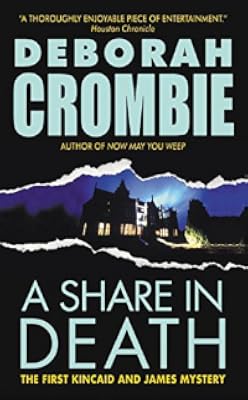
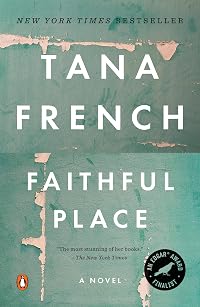
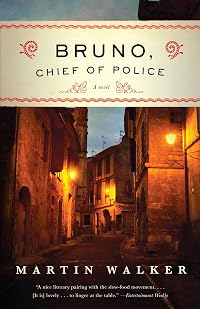
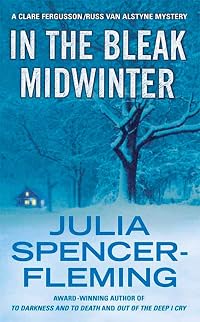

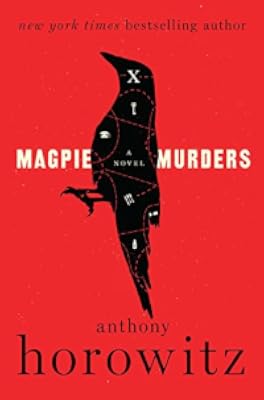
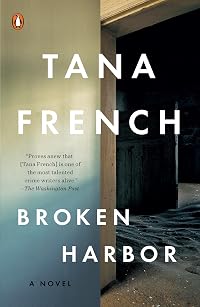
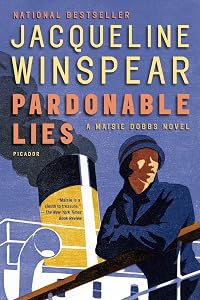
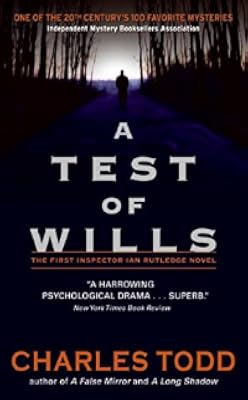

Member Recommendations
sarah-e The first of another fun mystery series: a lovable detective and an entertaining group of supporting characters, all against a lively African backdrop!
63
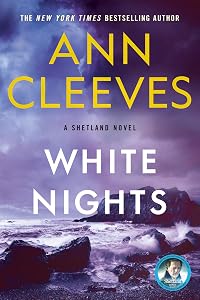
y2pk Inspector Jimmy Perez investigates murder in a small isolated community located on the Shetland Islands of Northern Scotland.
20
wandering_star Both these mystery series are excellent examples of the quirky/cosy end of the spectrum, with extremely engaging characters, an ironic wit and good twisty mysteries.
22
Member Reviews
Our setting is Three Pines, a small village in southern Quebec, and our series detective is Chief Inspector Amand Gamache of the Quebec provincial police force. The mystery to be solved in this volume is the death of Jane Neal, a retired schoolteacher who seemed to be loved by everyone in town. She's been killed by bow and arrow in what might have been a hunting accident.
I hated this book. The characters are thin caricatures (does the town's gay couple need to run the restaurant, the B&B, AND the antique shop?); the murder is solved in a wildly implausible manner; and Gamache himself is an insufferably pompous ass. He prides himself on being a skilled instructor of younger officers, yet when faced with a new team member, his response to show more her inexperienced mistakes is to kick her off the team. To be sure, she has a lot to learn, but she is also making a significant number of the deductions and insights that lead to the murderer being caught.
Simply at the level of competent and attractive prose, Penny's writing is a disaster. There's a sentence or two in every chapter that is so graceless and ugly that I was stopped in my tracks, stunned that a professional editor had allowed it to stand.
And there's a terribly offensive resolution to one subplot, in which the gay couple is the victim of vandalism by a group of boys. One of those boys turns out to be gay himself, and the two men arrange for him to be sentenced to community service working at their restaurant. They describe their motivation as wanting to expose the boy to positive role models of gay men to help him get past his internalized homophobia, but Penny makes it look a lot more like a setup for grooming of a vulnerable kid by predatory men. That's a dangerous stereotype which all by itself is sufficient reason to never pick up another book by this author. show less
I hated this book. The characters are thin caricatures (does the town's gay couple need to run the restaurant, the B&B, AND the antique shop?); the murder is solved in a wildly implausible manner; and Gamache himself is an insufferably pompous ass. He prides himself on being a skilled instructor of younger officers, yet when faced with a new team member, his response to show more her inexperienced mistakes is to kick her off the team. To be sure, she has a lot to learn, but she is also making a significant number of the deductions and insights that lead to the murderer being caught.
Simply at the level of competent and attractive prose, Penny's writing is a disaster. There's a sentence or two in every chapter that is so graceless and ugly that I was stopped in my tracks, stunned that a professional editor had allowed it to stand.
And there's a terribly offensive resolution to one subplot, in which the gay couple is the victim of vandalism by a group of boys. One of those boys turns out to be gay himself, and the two men arrange for him to be sentenced to community service working at their restaurant. They describe their motivation as wanting to expose the boy to positive role models of gay men to help him get past his internalized homophobia, but Penny makes it look a lot more like a setup for grooming of a vulnerable kid by predatory men. That's a dangerous stereotype which all by itself is sufficient reason to never pick up another book by this author. show less
My first experience with Louise Penny, and I'm now a happy fan.
A police procedural, of course, but for me, it is so much more than that.
We don't get the cast of stereotypical characters. Sure, we get a smug new cop who thinks that she knows it all and will show these lazy end-of-career cops a thing or two. But it doesn't lead to either her coming up with the big solution or her coming around to believe that she has much to learn from these veterans.
Instead of routine (unbelievable) dialogue to show "just how angry I am", we get: "I thought you'd be pleased," she half-lied. She actually hadn't thought at all, and if she had, she probably could have predicted his reaction. But since he was comfortably on his Inuk island, she'd retreat to show more hers, equipped with righteous indignation and warmed by moral certitude. She threw great logs of 'I'm right, you're an unfeeling bastard' on to the fire and felt secured and comforted.
And we get pops of inventive description like: The maples and birches and wild cherry trees held their fragile leaves, like thousands of happy hands waving to them upon arrival.
My only dislike was the climactic scene in the basement; it seemed unrealistically over the top.
I thought that this would be a one-off, just to give Louise Penny a try. But I am now launched into the series. show less
A police procedural, of course, but for me, it is so much more than that.
We don't get the cast of stereotypical characters. Sure, we get a smug new cop who thinks that she knows it all and will show these lazy end-of-career cops a thing or two. But it doesn't lead to either her coming up with the big solution or her coming around to believe that she has much to learn from these veterans.
Instead of routine (unbelievable) dialogue to show "just how angry I am", we get: "I thought you'd be pleased," she half-lied. She actually hadn't thought at all, and if she had, she probably could have predicted his reaction. But since he was comfortably on his Inuk island, she'd retreat to show more hers, equipped with righteous indignation and warmed by moral certitude. She threw great logs of 'I'm right, you're an unfeeling bastard' on to the fire and felt secured and comforted.
And we get pops of inventive description like: The maples and birches and wild cherry trees held their fragile leaves, like thousands of happy hands waving to them upon arrival.
My only dislike was the climactic scene in the basement; it seemed unrealistically over the top.
I thought that this would be a one-off, just to give Louise Penny a try. But I am now launched into the series. show less
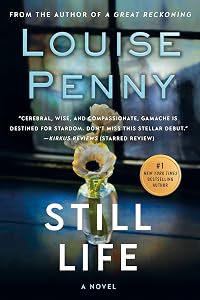
"Still Life," by Louise Penny, takes place in Three Pines, a small rural village south of Montreal. This placid and beautiful hamlet is shaken to its core when a beloved and gentle seventy-six year old woman named Jane Neal is shot through the heart with an arrow.
In charge of the investigation is Chief Inspector of Homicide, Armand Gamache of the Surete du Quebec. Although he is in his mid-fifties, "violent death still surprised him." Gamache is a man of integrity with keen powers of observation, and he is an excellent listener with an uncanny ability to make people reveal their innermost thoughts.
What an incredible book - in an incredible series! I started reading Penny when I got "A Fatal Grace" in the fiction section at my library. show more I devoured it and will now read the rest in order.
These books are mysteries, true, but like other great mystery authors, the books are about the human soul and psyche. Penny's characters think and act on feelings that we all have, but are afraid to acknowledge.
I find the characters so real-to-life, that when the book is done, I find myself missing the new friends I had made. I want to live in Three Pines now, and eat at the bistro for the rest of my life. When I read the first book I found myself planning on checking out books by Ruth Zardo in the poetry section - that's how real her characters are. In fact, I'd love to see Penny publish a book of Ruth's poetry!!
Louise Penny has written a dryly humorous, thoughtful, and engrossing study of a network of close-knit friends and relatives who celebrate their successes and mourn their losses together. Who among them is harboring evil intentions? This book is reminiscent of Christie's Miss Marple mysteries, in that a snake suddenly rears its head in an apparently benign Garden of Eden. Until the snake is found and destroyed, anyone could be the next victim. The author's delineation of the individual personalities is remarkable. The plot is nicely constructed, with enough red herrings to keep the reader off balance.
Penny is a gifted descriptive writer and the dialogue is lively and fast-paced. Gamache, far from being superhuman, makes mistakes but tries to learn from them, and he is an appealing protagonist. The title has a dual meaning. First, it refers to a painting by Jane Neal, called "Fair Day," which may point to the identity of her assailant. Additionally, "still life" is a metaphor for a person whose life is emotionally stunted and who blames others for his problems, instead of developing into a mature and productive adult. All in all, "Still Life" is an auspicious debut novel by a promising new author. show less
In charge of the investigation is Chief Inspector of Homicide, Armand Gamache of the Surete du Quebec. Although he is in his mid-fifties, "violent death still surprised him." Gamache is a man of integrity with keen powers of observation, and he is an excellent listener with an uncanny ability to make people reveal their innermost thoughts.
What an incredible book - in an incredible series! I started reading Penny when I got "A Fatal Grace" in the fiction section at my library. show more I devoured it and will now read the rest in order.
These books are mysteries, true, but like other great mystery authors, the books are about the human soul and psyche. Penny's characters think and act on feelings that we all have, but are afraid to acknowledge.
I find the characters so real-to-life, that when the book is done, I find myself missing the new friends I had made. I want to live in Three Pines now, and eat at the bistro for the rest of my life. When I read the first book I found myself planning on checking out books by Ruth Zardo in the poetry section - that's how real her characters are. In fact, I'd love to see Penny publish a book of Ruth's poetry!!
Louise Penny has written a dryly humorous, thoughtful, and engrossing study of a network of close-knit friends and relatives who celebrate their successes and mourn their losses together. Who among them is harboring evil intentions? This book is reminiscent of Christie's Miss Marple mysteries, in that a snake suddenly rears its head in an apparently benign Garden of Eden. Until the snake is found and destroyed, anyone could be the next victim. The author's delineation of the individual personalities is remarkable. The plot is nicely constructed, with enough red herrings to keep the reader off balance.
Penny is a gifted descriptive writer and the dialogue is lively and fast-paced. Gamache, far from being superhuman, makes mistakes but tries to learn from them, and he is an appealing protagonist. The title has a dual meaning. First, it refers to a painting by Jane Neal, called "Fair Day," which may point to the identity of her assailant. Additionally, "still life" is a metaphor for a person whose life is emotionally stunted and who blames others for his problems, instead of developing into a mature and productive adult. All in all, "Still Life" is an auspicious debut novel by a promising new author. show less
A favorite author mentioned these books so I decided to step beyond my own typical fare into a largely unread genre for me. This is well-written, layered with truly interesting characters, setting, and deep understanding of people and motivations. Everything you want in a mystery.
Since this is book one of many in this series, I loved the bits and pieces of backstory we get of our main character, Chief Inspector Armand Gamache. I'm sure that as the series goes on the reader gets to discover and explore more of his character. For now we know he's a mentor of sorts for his team, and principled to his own detriment. He's been passed up for promotion but not bitter about it, loves his wife, and is observance personified. He is an incredible show more listener for what is said, and what is not. He sees what many do not which, of course, are tools of his expert trade.
“Life is choice. All day, everyday. Who we talk to, where we sit, what we say, how we say it. And our lives become defined by our choices. It's as simple and as complex as that. And as powerful. so when I'm observing that's what I'm watching for. The choices people make”
There is a fundamental need for people to be heard - at a customer service desk to complain, as a teacher of young, malleable minds, a wise friend with broad, proverbial shoulders, or a parent to a strong-willed child. Listening. Patience. The hero to storm a building is as important as the mastermind to plot out the best plan of attack. I rather see our Chief Inspector as the seemingly nonchalant, patient observer, listening and planning his next step. What makes him so intriguing is the subtle way he goes about it, reminding me of other great detectives I have read, like Sherlock, Poirot, or Cormoran Strike.
With such a great main character, the story can be in any setting...this one in a cozy and traditional town where everyone knows your name, temperament, quirks, and at times, some secret or two. In a nutshell, the locals of the town own a piece of the puzzle to solve the murder. Isn't that always how it goes? But even with, for lack of a better word...this formula, characters make or break a story. This is where Louise Penny shines and hooks the reader. Its no wonder she's amassed so many awards for her writing.
I was surprised to see genres in mystery: cozy, crime, hard-boiled, detective, whodunit, etc... I much prefer logic-driven "cozy" mysteries above action-fueled thrillers. I'm certainly going to be reading more of this author. show less
Since this is book one of many in this series, I loved the bits and pieces of backstory we get of our main character, Chief Inspector Armand Gamache. I'm sure that as the series goes on the reader gets to discover and explore more of his character. For now we know he's a mentor of sorts for his team, and principled to his own detriment. He's been passed up for promotion but not bitter about it, loves his wife, and is observance personified. He is an incredible show more listener for what is said, and what is not. He sees what many do not which, of course, are tools of his expert trade.
“Life is choice. All day, everyday. Who we talk to, where we sit, what we say, how we say it. And our lives become defined by our choices. It's as simple and as complex as that. And as powerful. so when I'm observing that's what I'm watching for. The choices people make”
There is a fundamental need for people to be heard - at a customer service desk to complain, as a teacher of young, malleable minds, a wise friend with broad, proverbial shoulders, or a parent to a strong-willed child. Listening. Patience. The hero to storm a building is as important as the mastermind to plot out the best plan of attack. I rather see our Chief Inspector as the seemingly nonchalant, patient observer, listening and planning his next step. What makes him so intriguing is the subtle way he goes about it, reminding me of other great detectives I have read, like Sherlock, Poirot, or Cormoran Strike.
With such a great main character, the story can be in any setting...this one in a cozy and traditional town where everyone knows your name, temperament, quirks, and at times, some secret or two. In a nutshell, the locals of the town own a piece of the puzzle to solve the murder. Isn't that always how it goes? But even with, for lack of a better word...this formula, characters make or break a story. This is where Louise Penny shines and hooks the reader. Its no wonder she's amassed so many awards for her writing.
I was surprised to see genres in mystery: cozy, crime, hard-boiled, detective, whodunit, etc... I much prefer logic-driven "cozy" mysteries above action-fueled thrillers. I'm certainly going to be reading more of this author. show less
One of the pleasures of retirement is having the time to discover that I enjoy a good detective story. The first element of one is to create an interesting sleuth. With Still Life, Louise Penny introduced Chief Inspector Armand Gamache of the Sûreté du Québec. He is educated (Christ Church, Cambridge) and well-dressed. He has a happy marriage. He has risen as high as he ever will, but he is fine with that. He’s not as flawed as some literary detectives, though there are stray references to a recent case that he is believed to have mishandled, but this is never explored. His method is to insert himself into the victim’s community to observe and listen. In his experience, if he waits in this way, the culprit will reveal him- or show more herself. I liked that.
On the final page, case solved, Gamache pauses on his way out of Three Pines, the quiet village that was the scene of the crime, to think again about “the good, kind, flawed people struggling with their lives.” In these characters, Penny has added another element of a good story, well-realized figures one can imagine spending time with.
That is, with the exception of some of the obligatory red herring suspects, who are beyond flawed. Still, a good detective yarn needs to have an array of possible perps that the reader can keep in mind while waiting for the final reveal. Which, in this case, doesn’t happen when Gamache gathers everyone in a living room, although that scene sets the denouement in motion. Nice touch, that, in variation of a set trope of the genre.
Along with the few one-dimensional bad apples, I also have reservations about Agent Yvette Nichol, recently transferred from traffic to the Sûreté and eager to live up to her father’s burdensome aspirations for her. This is her first case; in her eyes, a chance to shine. Gamache tries to introduce her to his method, but she is obtuse. The symbolism of looking in a mirror with a written motto tucked into the frame, “You’re looking at the problem,” which is recalled when she looks through the window of the situation room after she’s been cast out into the cold, is heavy-handed. It also contains her reflection, of course. I’ll suspend judgment and wait until I read more in the series. Is she a one-off? Will she reappear? Does she become Gamache’s nemesis? Or does his patient mentorship eventually pay off?
Another important element for a good story is a sense of place. Not too much detail, just enough to evoke. I think this is another way Penny succeeds here, although my judgment may be clouded by the fact that I lived in Québec’s Eastern Townships for a few years. The memory of that, plus Penny’s judicious brush strokes, vividly portrayed the scene for me. Penny also chose the season and weather well to support her plot.
I’m glad there are eight more Gamache tales waiting for me.
What's that you say? There are nineteen more? Well, I'll get to what I can. show less
On the final page, case solved, Gamache pauses on his way out of Three Pines, the quiet village that was the scene of the crime, to think again about “the good, kind, flawed people struggling with their lives.” In these characters, Penny has added another element of a good story, well-realized figures one can imagine spending time with.
That is, with the exception of some of the obligatory red herring suspects, who are beyond flawed. Still, a good detective yarn needs to have an array of possible perps that the reader can keep in mind while waiting for the final reveal. Which, in this case, doesn’t happen when Gamache gathers everyone in a living room, although that scene sets the denouement in motion. Nice touch, that, in variation of a set trope of the genre.
Along with the few one-dimensional bad apples, I also have reservations about Agent Yvette Nichol, recently transferred from traffic to the Sûreté and eager to live up to her father’s burdensome aspirations for her. This is her first case; in her eyes, a chance to shine. Gamache tries to introduce her to his method, but she is obtuse. The symbolism of looking in a mirror with a written motto tucked into the frame, “You’re looking at the problem,” which is recalled when she looks through the window of the situation room after she’s been cast out into the cold, is heavy-handed. It also contains her reflection, of course. I’ll suspend judgment and wait until I read more in the series. Is she a one-off? Will she reappear? Does she become Gamache’s nemesis? Or does his patient mentorship eventually pay off?
Another important element for a good story is a sense of place. Not too much detail, just enough to evoke. I think this is another way Penny succeeds here, although my judgment may be clouded by the fact that I lived in Québec’s Eastern Townships for a few years. The memory of that, plus Penny’s judicious brush strokes, vividly portrayed the scene for me. Penny also chose the season and weather well to support her plot.
I’m glad there are eight more Gamache tales waiting for me.
What's that you say? There are nineteen more? Well, I'll get to what I can. show less
This the first book in the Inspector Gamache series. I kept hearing about this on different podcasts and decided to take the plunge into Three Pines, the small Canadian village that's not on any map. I am so glad that I did. This is the perfect contemporary cozy mystery!
A well-loved retired teacher is found dead in the woods. It's reportedly a hunting accident, but Inspector Gamache smells murder. This book dives right into eccentric personalities and small town secrets to uncover the truth.
This was laugh out loud funny in several places, nail biting near the end, and completely charming. If you're looking for a fun mystery to take to the beach or to curl up by the fire with a cup of tea, grab this one!
A well-loved retired teacher is found dead in the woods. It's reportedly a hunting accident, but Inspector Gamache smells murder. This book dives right into eccentric personalities and small town secrets to uncover the truth.
This was laugh out loud funny in several places, nail biting near the end, and completely charming. If you're looking for a fun mystery to take to the beach or to curl up by the fire with a cup of tea, grab this one!
For my last day off of the holiday season, I did next to nothing except sit in a chair with a dog on my lap, reading this excellent series debut mystery novel. For those of you who haven't already discovered Three Pines, Quebec, and the talents of Chief Inspector Gamache, may I recommend that you give this book a try. It's a traditional whodunit, dun very well indeed. A retired schoolteacher, the beloved Jane Neal, is found dead of a wound from a hunting arrow in the woods near the village. Could it have been an accident? Why was she out walking without her dog? The entire community comes under scrutiny, and naturally, many secrets are revealed, including why Miss Neal, in all these years, had never invited a single person into any room show more of her home except the kitchen. Just enough red herrings, and no ultimately dishonest false clues of the sort that make a reader cranky. Surprising bits of humor, and delightfully witty banter among some of the friends in the "cast".
Review written January 2011 show less
Review written January 2011 show less
Members
- Recently Added By
Published Reviews
ThingScore 100
The beauty of Louise Penny’s auspicious debut novel, STILL LIFE, is that it’s composed entirely of grace notes, all related to the central mystery of who shot an arrow into the heart of Miss Jane Neal,...
added by y2pk
Lists

100 Mysteries and Thrillers to Read in a Lifetime
99 works; 22 members

Favorite Series
238 works; 94 members

Cerebral Mysteries
34 works; 23 members

Best Female Detectives and "Cozy Mysteries"
23 works; 17 members

Crime and Mysteries to Read
746 works; 31 members

Louise Penny
8 works; 5 members

Top Cops (Detectives in Fiction)
86 works; 24 members

Top Five Books of 2013
1,562 works; 721 members

Arresting Police Procedurals
29 works; 4 members

Survey of Mysteries and Crime Fiction
96 works; 17 members

CBC Books - Canada's 100 (+ bonus 10): Which have you read?
110 works; 23 members

Best 21st Century Books (So Far)
670 works; 86 members
The Best of Canadian Literature
235 works; 33 members

Recommend the 20 best books you've read in the last five years
2,168 works; 601 members

Crime Writers' Association Daggers
76 works; 4 members

Books Set in Canada
80 works; 16 members
MysteryCAT 2014
19 works; 1 member

Jean's 12in12 Mystery List TBR
10 works; 1 member

Murder Mysteries
57 works; 11 members

Female Author
1,234 works; 67 members

Community Books
6 works; 1 member

Books About Murder
313 works; 7 members

Teresa's favorite mystery series and authors
55 works; 2 members

Secrets Books
94 works; 3 members

Small Town Fiction
66 works; 13 members

Serial Killer Books
20 works; 1 member
Detective Stories
343 works; 5 members

Reading Group 2009 Summer
7 works; 1 member
Overdue Podcast
806 works; 9 members
Books Tagged Small Town
58 works; 1 member

BBC World Book Club
265 works; 5 members

Books read in 2014
66 works; 1 member

Our Favorite Comfort Reads
334 works; 200 members

Books Read in 2021
5,361 works; 114 members

Books Read in 2025
4,128 works; 98 members

Canadian Women Writers
14 works; 1 member
Best Audiobooks
240 works; 114 members

Books Read in 2022
5,226 works; 112 members

Evergreen Award™ Winners and Nominees 2005–2024
200 works; 3 members

Cozy Mysteries Book Club
12 works; 1 member

Books Read 2024
23 works; 1 member

Books We Love to Reread
688 works; 296 members
Canadian Historical Fiction 🇨🇦
157 works; 8 members
Book Worlds We'd Like To Visit
322 works; 158 members

Books on my Kindle
162 works; 3 members

Books Read in 2020
4,379 works; 124 members

2000s decade
85 works; 7 members
Books Set in Small Towns and Villages
278 works; 16 members

Books Read in 2013
1,630 works; 51 members

Carole's List
445 works; 13 members

Books Read in 2014
2,343 works; 89 members
Favourite Books
1,819 works; 316 members

Read in 2014
334 works; 11 members

Books Bought & Received as Gifts in 2014
81 works; 1 member

Most Popular Books Tagged Canada
34 works; 1 member
SantaThing 2014 Gifts
299 works; 17 members

Books Read in 2010
631 works; 11 members

Same Title
115 works; 3 members
First Novels
373 works; 17 members

Books Read in 2016
4,666 works; 197 members

Great Audiobooks
96 works; 10 members

Books discovered on LibraryThing
256 works; 36 members

Books Set in Canada
57 works; 10 members

Books Read in 2011
684 works; 20 members
To Read
617 works; 7 members

Canada
42 works; 3 members

World Book Club (BBC World Service)
212 works; 1 member
Author Information

40+ Works 63,507 Members
Louise Penny was born in Toronto, Canada in 1958. She earned a Bachelor of Applied Arts (Radio and Television) from Ryerson Polytechnical Institute (now Ryerson University) in 1979. Before she turned to writing mystery novels in 2004, she was a journalist and radio host for the Canadian Broadcasting Corporation in various cities across Canada for show more 25 years. She writes the Chief Inspector Gamache Novel series. She has won numerous awards including the New Blood Dagger, Arthur Ellis, Barry, Anthony, and Dilys awards for Still Life and the 2007 Agatha Award for Best Novel for A Fatal Grace. Louise's title, The Long Way Home, made the Hot Mystery Title's List for Summer 2014. Her titles The Nature of the Beast made The New York Times best seller list in 2015 and A Great Reckoning made The New York Times best seller list in 2016. (Bowker Author Biography) show less
Some Editions
Awards and Honors
Awards
Series

Belongs to Publisher Series
Work Relationships
Is contained in
Has the adaptation
Common Knowledge
- Canonical title
- Still Life
- Original title
- Still Life
- Alternate titles*
- Das Dorf in den roten Wäldern
- Original publication date
- 2005
- People/Characters
- Armand Gamache (Chief Inspector of Homicide with the Sû | reté | du Quebec); Jean Guy Beauvoir (Inspector, Gamache's second in command); Jane Neal (Miss, 76 years old, retired teacher, painter); Clara Morrow (Mrs., Jane's dear friend and next-door neighbor, Arts Williamsburg show jury member); Peter Morrow (Clara's husband, Royal Academy of Canada member, Arts Williamsburg show jury member); Elise Jacobs (chairperson of the Arts Williamsburg) (show all 20); Henri Lariviere (sculptor, Arts Williamsburg show jury member); Ruth Zardo (né | e Kemp, poet, chief of the volunteer fire department); Olivier Brulé (owner of Olivier's Bistro); Gabri Dubeau (antiques seller, Olivier's lover); Myrna Landers (bookstore owner, former psychologist); Robert Lemieux (Agent, Cowansville Sû | reté | ); Bernard Malenfant (a 14-yr-old bully); Isabelle Lacoste (Agent, Quebec Sû | reté | ); Reine-Marie Gamache (Armand's wife, mother of his daughter); Dr. Sharon Harris (coroner); Michel Brébeuf (Gamache's boss, his old friend and classmate, too); Yvette Nichol (young Sû | reté | agent, newly added to Gamache's homicide squad); Lucy (Jane Neal's dog); Ben Hadley (Peter Morrow's best friend)
- Important places
- Three Pines, Québec, Canada (village in the Eastern townships, a couple of kilometers from the US border); Montréal, Québec, Canada; Olivier's Bistro, Three Pines, Québec, Canada (in the heart of Three Pines); St Rémy, Québec, Canada (the same as Saint-Rémi?); Myrna's Livres, Neufs et Usagés [Myrna's New and Used Books], next to Olivier's Bistro (Each Three Pines' shop has a door connecting to the next. The Bistro's door leads to Myrna's.); Jane Neal's house, Three Pines, Québec, Canada (show all 7); The Hadley House, Three Pines, Québec, Canada
- Related movies
- Still Life (2013 | IMDb | TV); Three Pines (2022 | IMDb)
- Dedication
- This book is given, along with all my heart, to Michael
- First words
- Miss Jane Neal met her maker in the early morning mist of Thanksgiving Sunday.
- Quotations
- She also felt a stirring that suggested she didn't actually like her son. Love, yes. Well, probably. But like?
Evil is unspectacular and always human, and shares our bed and eats at our own table. (From the third verse of 'Herman Melville' by W. H. Auden, quoted by Jane Neal in chapter one)
Every year the hunters shot cows and horses and family pets and each other. And, unbelievably, they sometimes shot themselves, perhaps in a psychotic episode where they mistook themselves for dinner. It was a wise person who ... (show all)knew that some hunters -- not all, but some -- found it challenging to distinguish a pine from a partridge from a person. (Chapter 1)
[Gamache is talking with Myrna Landers]
'The funny thing about murder is that the act is often committed decades before the actual action. Something happens, and it leads, inexorably, to death many years later. A bad ... (show all)seed is planted. It's like those old horror films from the Hammer studios, of the monster, not running, never running, but walking without pause, without thought or mercy, toward its victim. Murder is often like that. It starts way far off.' (chapter 7)
"There are four things that lead to wisdom. They are four sentences we learn to say, and mean."
I don't know.
I need help.
I'm sorry.
I was wrong.
(p. 81-82)
When he [Gamache] looked at you, you were the universe. (p. 119)
The ritual was simple and time-worn. Myrna led it ... The farm women stood in a loose semi-circle of woolen sweaters and mitts and toques, staring at this huge black woman in a bright green cape. The Jolly Green Druid. (p. 20... (show all)8)
Three Pines wasn't on any tourist map, being too far off any main or even secondary road. Like Narnia, it was generally found unexpectedly and with a degree of surprise that such an elderly village should have been hiding in ... (show all)this valley all along.
'Imagine a world where you could do anything. Anything. And get away with it,' said Myrna, warming to the topic again. 'What power. Who here wouldn't be corrupted?'
'We choose our thoughts. We choose our perceptions. We choose our attitudes. We may not think so. We may not believe it, but we do.'
'Clothes, hairstyles, friends. Yes. It starts there. Life is choice. All day, everyday. Who we talk to, where we sit, what we say, how we say it. And our lives become defined by our choices. It's as simple and as complex as t... (show all)hat. And as powerful.'
Nichol could feel herself blush and cursed her body, which had betrayed her for as long as she could remember. She was a blusher. Maybe, came some voice from deep down below blushing level, maybe if you stop pretending you'll... (show all) also stop blushing. - Last words
- (Click to show. Warning: May contain spoilers.)But neither was it still.
- Publisher's editor
- Hobbs, Sherise; Sevier, Ben
- Blurbers
- Crombie, Deborah; Hill, Reginald; Perry, Anne; Spencer-Fleming, Julia; Lovesey, Peter; Robinson, Peter
- Original language*
- Englisch
- Disambiguation notice
- The book information here (from Amazon) states this ISBN is a mass market paperback, 336 pages, but the book I own with this same ISBN is a trade paperback, 312 pages, also published by St. Martin's Minotaur.
*Some information comes from Common Knowledge in other languages. Click "Edit" for more information.
Classifications
Statistics
- Members
- 7,900
- Popularity
- 1,428
- Reviews
- 474
- Rating
- (3.83)
- Languages
- 18 — Czech, Danish, Dutch, English, Estonian, Finnish, French, German, Hungarian, Italian, Japanese, Norwegian (Bokmål), Norwegian, Polish, Russian, Spanish, Swedish, Portuguese (Portugal)
- Media
- Paper, Audiobook, Ebook
- ISBNs
- 88
- ASINs
- 40