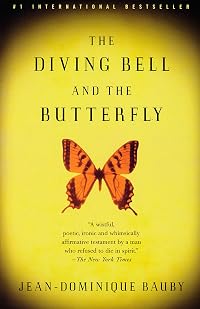
The Diving Bell and the Butterfly: A Memoir of Life in Death
by Jean-Dominique Bauby
On This Page
Description
A triumphant memoir by the former editor-in-chief of French Elle that reveals an indomitable spirit and celebrates the liberating power of consciousness.In 1995, Jean-Dominique Bauby was the editor-in-chief of French Elle, the father of two young children, a 44-year-old man known and loved for his wit, his style, and his impassioned approach to life. By the end of the year he was also the victim of a rare kind of stroke to the brainstem.
After 20 days in a coma, Bauby awoke into a body show more which had all but stopped working: only his left eye functioned, allowing him to see and, by blinking it, to make clear that his mind was unimpaired. Almost miraculously, he was soon able to express himself in the richest detail: dictating a word at a time, blinking to select each letter as the alphabet was recited to him slowly, over and over again. In the same way, he was able eventually to compose this extraordinary book.
By turns wistful, mischievous, angry, and witty, Bauby bears witness to his determination to live as fully in his mind as he had been able to do in his body. He explains the joy, and deep sadness, of seeing his children and of hearing his aged father's voice on the phone. In magical sequences, he imagines traveling to other places and times and of lying next to the woman he loves. Fed only intravenously, he imagines preparing and tasting the full flavor of delectable dishes. Again and again he returns to an "inexhaustible reservoir of sensations," keeping in touch with himself and the life around him.
Jean-Dominique Bauby died two days after the French publication of The Diving Bell and the Butterfly. This book is a lasting testament to his life. show less
Tags
Recommendations
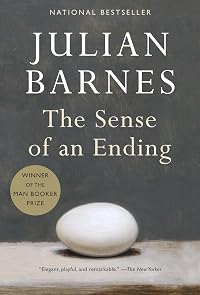
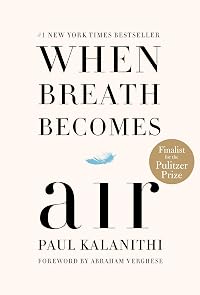

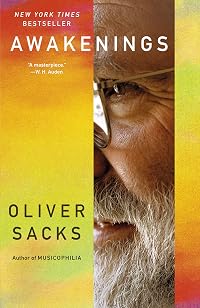


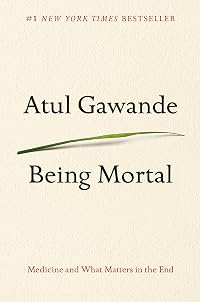





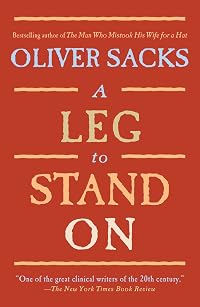
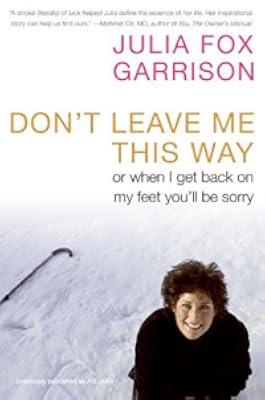
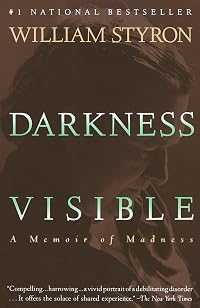
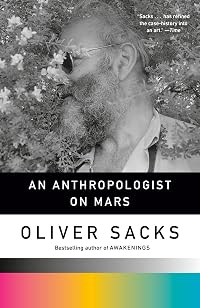











Member Recommendations

SqueakyChu Both books are about personal reactions to adverse life circumstances.

JuliaMaria Das Buch zum Film und umgekehrt


Member Reviews
This may sound a little strange, but the best thing I can relate this memoir to is a pastry. As French as Bauby himself, carefully crafted, elegant, but short, and over far too quickly. This memoir, a mere 80-some pages, both captures the vibrant and fairly hilarious voice of Bauby and glouriously written glimpses at his life leading up to the accident which left him in a coma.
The WAY in which he wrote his memoir is absolutley astounding, and makes this work all the more meaningful. I've read some reviews which berate "The Diving Bell and the Butterfly" for being too short, but I wholeheartedly disagree with those statements. Bauby's writings (both in subjects and in length) have a lovely and elegant rawness to them, and I think the show more shortness amplifies the fact that his life has been cut short.
Overall, wonderfully done, and I am inspired to learn more about Bauby's life and work. show less
The WAY in which he wrote his memoir is absolutley astounding, and makes this work all the more meaningful. I've read some reviews which berate "The Diving Bell and the Butterfly" for being too short, but I wholeheartedly disagree with those statements. Bauby's writings (both in subjects and in length) have a lovely and elegant rawness to them, and I think the show more shortness amplifies the fact that his life has been cut short.
Overall, wonderfully done, and I am inspired to learn more about Bauby's life and work. show less
Impressive (considering the author's efforts) but not quite as moving as other reviews led me to expect. I was sometimes reminded of reading Look Up for Yes, a memoir of life 'locked-in' after a coma, written years back by an American woman named Julia Tavalaro. Both memoirs affirm the critical importance of compassionate caregivers and attentive speech therapists. But Tavalaro's, for whatever reason, came off as significantly more personal.
So what can I say about The Diving-Bell that hasn't been said yet? One aspect of the book that stood out to me, owing to my own background and interests, were his periodic references to Arabs and Islam. I'll discuss that here, since no other review I've read yet have touched on this (admittedly show more small, but interesting) aspect of the story. So here it is. Bauby's references to Arabs were, unfortunately, usually related to violence and extremism, ssuch as the murder of seven monks in Algeria (during the 90s I think) and, later, a friend taken hostage by Hezboallah. Bauby also calls on images of the Thousand and One Nights, an image of Aladdin's cave, and a postal stamp from a Middle Eastern country in an attempt to conjure up his feelings about wealth, adventure, and exoticism. It reminds the reader that, sadly, Bauby's days of travel were done... but it also rubbed me slightly the wrong way.
Please note. I don't mean to suggest that this memoir was shallow, insensitive, or any less worth reading for those perhaps silly reasons. But those things do illustrate how seamlessly those perceptions about the Arab/Muslim world (exotic, dangerous) seemed to have been woven into Bauby's worldview. (In the same vein, while daydreaming about being able to rise from his bed, via TV, and take part in famous military endeavors included a reference to parachuting into Dien Bien Phu.)
Anyway, I suppose Bauby's being French accounts for these things, in a specific sense... but his being a member of the 'West' accounts for them in a larger sense. So I guess in addition to being an impressive memoir of dealing with a terrible health crisis, this short memoir can also be read as an exercise in postcolonial awareness. And I do wonder what the author would have thought about that; he came off seeming a very thoughtful guy. Wish he were still around to tell us. show less
So what can I say about The Diving-Bell that hasn't been said yet? One aspect of the book that stood out to me, owing to my own background and interests, were his periodic references to Arabs and Islam. I'll discuss that here, since no other review I've read yet have touched on this (admittedly show more small, but interesting) aspect of the story. So here it is. Bauby's references to Arabs were, unfortunately, usually related to violence and extremism, ssuch as the murder of seven monks in Algeria (during the 90s I think) and, later, a friend taken hostage by Hezboallah. Bauby also calls on images of the Thousand and One Nights, an image of Aladdin's cave, and a postal stamp from a Middle Eastern country in an attempt to conjure up his feelings about wealth, adventure, and exoticism. It reminds the reader that, sadly, Bauby's days of travel were done... but it also rubbed me slightly the wrong way.
Please note. I don't mean to suggest that this memoir was shallow, insensitive, or any less worth reading for those perhaps silly reasons. But those things do illustrate how seamlessly those perceptions about the Arab/Muslim world (exotic, dangerous) seemed to have been woven into Bauby's worldview. (In the same vein, while daydreaming about being able to rise from his bed, via TV, and take part in famous military endeavors included a reference to parachuting into Dien Bien Phu.)
Anyway, I suppose Bauby's being French accounts for these things, in a specific sense... but his being a member of the 'West' accounts for them in a larger sense. So I guess in addition to being an impressive memoir of dealing with a terrible health crisis, this short memoir can also be read as an exercise in postcolonial awareness. And I do wonder what the author would have thought about that; he came off seeming a very thoughtful guy. Wish he were still around to tell us. show less
In 1995, Jean-Dominique Bauby was living a relatively successful life. He was forty-three-years-old; a doting father to two young children with a rewarding career. As the editor-in-chief for the French magazine, Elle, he was a man who was highly regarded by his colleagues. He was someone who was deeply loved and held in the highest esteem for his sharp wit, his indomitable sense of style, and his impassioned approach to life.
However, by the end of the year in 1995, Jean-Dominique had suffered a major health crisis that effectively knocked his world off its axis. He became the victim of an extremely rare kind of stroke to the brain stem. After twenty days spent in a coma, Jean-Dominique eventually awoke inside of a body that had show more essentially stopped working: only his left eye functioned properly, allowing him to see, and, by blinking, to clearly impart to others that his mind remained unimpaired. Almost miraculously, he was soon able to communicate with others; relearning the ability to express himself in the richest detail, using a unique form of the alphabet.
It was by blinking to select letters one by one as this special alphabet was slowly recited to him, over and over again, that Jean-Dominique learned to communicate again with those around him. In the same unique way, he was eventually able to compose this extraordinary book. Again and again he returns to an "inexhaustible reservoir of sensations," thus managing to keep in touch with himself and the life around him.
At times wistful, mischievous, angry and witty, Jean-Dominique bears witness to his inherent determination to live life as fully within his mind as he had once been able to in his body. He explains the joy, and the deep sadness, he feels at seeing his children; at hearing his aged father's voice on the phone. In magical sequences, he imagines traveling to other places and times; of lying next to the woman he loves. Fed only intravenously, he imagines preparing and tasting the full flavor of delectable dishes.
Jean-Dominique Bauby died two days after the French publication of his book. Yet The Diving Bell and the Butterfly remains as a poignant testimony to a lifetime well-lived - a lasting testament to life itself. Already being greeted with extraordinary acclaim - this is the astonishing, profoundly moving memoir of a man afflicted by locked-in syndrome, a state of almost total paralysis that leaves the victim, in the author's own words, "like a mind in a jar."
Given the serious topic of this book, Mr. Bauby writes his story without a hint of self-indulgence. I was expecting that there might be a certain amount of bitterness, anger, or depression for his situation that Mr. Bauby was feeling - a sense of sorrow for the way his life turned out. Instead, I found it to be a remarkably poignant and courageous memoir, still surprisingly hopeful even in the face of such a devastating illness.
While Mr. Bauby had such incredible difficulty in creating this book, not an ounce of that struggle to communicate is found in his writing. There was an easiness to his writing style that I really appreciated. I give this book an A! show less
However, by the end of the year in 1995, Jean-Dominique had suffered a major health crisis that effectively knocked his world off its axis. He became the victim of an extremely rare kind of stroke to the brain stem. After twenty days spent in a coma, Jean-Dominique eventually awoke inside of a body that had show more essentially stopped working: only his left eye functioned properly, allowing him to see, and, by blinking, to clearly impart to others that his mind remained unimpaired. Almost miraculously, he was soon able to communicate with others; relearning the ability to express himself in the richest detail, using a unique form of the alphabet.
It was by blinking to select letters one by one as this special alphabet was slowly recited to him, over and over again, that Jean-Dominique learned to communicate again with those around him. In the same unique way, he was eventually able to compose this extraordinary book. Again and again he returns to an "inexhaustible reservoir of sensations," thus managing to keep in touch with himself and the life around him.
At times wistful, mischievous, angry and witty, Jean-Dominique bears witness to his inherent determination to live life as fully within his mind as he had once been able to in his body. He explains the joy, and the deep sadness, he feels at seeing his children; at hearing his aged father's voice on the phone. In magical sequences, he imagines traveling to other places and times; of lying next to the woman he loves. Fed only intravenously, he imagines preparing and tasting the full flavor of delectable dishes.
Jean-Dominique Bauby died two days after the French publication of his book. Yet The Diving Bell and the Butterfly remains as a poignant testimony to a lifetime well-lived - a lasting testament to life itself. Already being greeted with extraordinary acclaim - this is the astonishing, profoundly moving memoir of a man afflicted by locked-in syndrome, a state of almost total paralysis that leaves the victim, in the author's own words, "like a mind in a jar."
Given the serious topic of this book, Mr. Bauby writes his story without a hint of self-indulgence. I was expecting that there might be a certain amount of bitterness, anger, or depression for his situation that Mr. Bauby was feeling - a sense of sorrow for the way his life turned out. Instead, I found it to be a remarkably poignant and courageous memoir, still surprisingly hopeful even in the face of such a devastating illness.
While Mr. Bauby had such incredible difficulty in creating this book, not an ounce of that struggle to communicate is found in his writing. There was an easiness to his writing style that I really appreciated. I give this book an A! show less
http://wineandabook.com/2011/08/17/review-the-diving-bell-and-the-butterfly-by-j...
In 1995, Jean-Dominique Bauby, then editor at French Elle, was taking his son to see a play when he suffered a massive stroke that left him completely and utterly paralyzed. Diagnosed with "locked in syndrome," this basically meant that the only part of his body he could move was his left eyelid. Utilizing an alphabet that arranged the letters in frequency of occurrence, Bauby dictated this memoir. By blinking.
Let me reiterate: He wrote this book by blinking his left eye. BLINKING HIS EYE. WROTE A BOOK. WITH HIS LEFT EYE. This memoir is the best kick in the pants any aspiring author could ask for. Feeling uninspired? Mundane distractions of day to day show more living stealing your attention? If Bauby could write a book BY FREAKING BLINKING HIS LEFT EYE, there is now ABSOLUTELY NO VALID EXCUSE for not writing. None. Consider yourself inspired.
And it's a good read. Quick, simple, but incredibly moving, Bauby relates with such clarity and lyricism what it feels like to become a prisoner inside your own body. The most heartbreaking parts for me came when Bauby reflects on the things he misses he had once taken for granted. Since Bauby can no longer eat (remember: he can't swallow. Only blink his left eye and write better than most can hope), Bauby relates which meals and smells he misses the most (like french fries). He misses grabbing a glass of scotch and taking a long bath with a good book. He misses being able to reach out and ruffle his son's hair. Those simple images were the most beautiful, most universal, most honest, and the hardest to read.
Rubric rating: 8. If Bauby had lived long enough to have written more, I definitely would have sought it out. show less
In 1995, Jean-Dominique Bauby, then editor at French Elle, was taking his son to see a play when he suffered a massive stroke that left him completely and utterly paralyzed. Diagnosed with "locked in syndrome," this basically meant that the only part of his body he could move was his left eyelid. Utilizing an alphabet that arranged the letters in frequency of occurrence, Bauby dictated this memoir. By blinking.
Let me reiterate: He wrote this book by blinking his left eye. BLINKING HIS EYE. WROTE A BOOK. WITH HIS LEFT EYE. This memoir is the best kick in the pants any aspiring author could ask for. Feeling uninspired? Mundane distractions of day to day show more living stealing your attention? If Bauby could write a book BY FREAKING BLINKING HIS LEFT EYE, there is now ABSOLUTELY NO VALID EXCUSE for not writing. None. Consider yourself inspired.
And it's a good read. Quick, simple, but incredibly moving, Bauby relates with such clarity and lyricism what it feels like to become a prisoner inside your own body. The most heartbreaking parts for me came when Bauby reflects on the things he misses he had once taken for granted. Since Bauby can no longer eat (remember: he can't swallow. Only blink his left eye and write better than most can hope), Bauby relates which meals and smells he misses the most (like french fries). He misses grabbing a glass of scotch and taking a long bath with a good book. He misses being able to reach out and ruffle his son's hair. Those simple images were the most beautiful, most universal, most honest, and the hardest to read.
Rubric rating: 8. If Bauby had lived long enough to have written more, I definitely would have sought it out. show less
THE DIVING BELL AND THE BUTTERFLY (1997) got a lot of press when it was adapted for the screen in 2007. I remember reading about it then, but I have not seen the film, and now, having read the book, I can't figure out how they made a movie from it. Because at just 43 years old, author Jean-Dominique Bauby (editor of the French ELLE magazine) was totally paralyzed, a quadriplegic, when he "wrote" it, following a massive stroke and a lengthy coma. He awoke to find an ophthalmologist sewing his right eye shut to prevent damage to the cornea. His only method of communication came later, with the help of an understanding speech therapist. Together they devised an alphabet code with Bauby blinking his left eye, painstakingly spelling out show more words one letter at a time, telling us bits of his life, about his children, his aged father, his girlfriend (he had recently divorced), and the seaside hospital which has become his home. I found it especially poignant that there is no bitterness or anger to be found in any of these short vignetes - of his prayers, dreams, non-progress toward recovery, being bathed and handled, a short outing by wheelchair to the beach, visits from family and friends and more. The diving bell of the title is the body that imprisons him, and the butterfly is his mind, still very much alive and functioning, flitting about between hopes, memories and what is happening to him in his present, hopeless state.
I read this slim volume in just a few hours, but it's not an easy read. What happened without warning to this previously healthy, vigorous young man is almost too much to contemplate. Bauby died just two days after this book was published. I will hesitantly recommend it, primarily because the fact that it got written at all is a triumph of the human spirit - of mind over (inert) matter.
The book was dedicated to his children, and to Claude Mendibil, the woman-therapist who worked out his alphabet code and tirelessly transcribed, letter by letter, word by word, the story found here. Bravo to her too, for her selfless dedication. And Godspeed, Monsieur Bauby.
- Tim Bazzett, author of the memoir, BOOKLOVER show less
I read this slim volume in just a few hours, but it's not an easy read. What happened without warning to this previously healthy, vigorous young man is almost too much to contemplate. Bauby died just two days after this book was published. I will hesitantly recommend it, primarily because the fact that it got written at all is a triumph of the human spirit - of mind over (inert) matter.
The book was dedicated to his children, and to Claude Mendibil, the woman-therapist who worked out his alphabet code and tirelessly transcribed, letter by letter, word by word, the story found here. Bravo to her too, for her selfless dedication. And Godspeed, Monsieur Bauby.
- Tim Bazzett, author of the memoir, BOOKLOVER show less
A fascinating peek behind the veil of locked-in syndrome to the soaring spirit of the imprisoned poet. Bauby is witty, vulnerable, and vivid as he narrates his mind’s journeys. In a word, he is alive. He is persistently and resiliently alive. And, he is complicated. He writes about three separate love interests, having left his children’s mother for another woman just months before his coma. An intriguing story without resolution, he himself stands as a tragic poem.
Suppose a book, written in near-impossible circumstances and universally praised ever since, disappointed you, left you unsatisfied? Would that tell you much about the book itself, or more about you its reader?
First the facts. In 1995 Jean-Dominique Bauby, editor-in-chief of the magazine Elle, suffered a massive stroke which even a decade earlier would have killed him. Not now though - today medical science can keep you alive...after a fashion. His brain-stem irreparably damaged, the result was locked-in syndrome: gradually emerging from a deep coma weeks later, Bauby found himself in a hospital bed, conscious but trapped inside his own inert body. It is a condition which evokes the same horror as Edgar Allan Poe's Premature show more Burial - waking to find yourself buried alive - and explains this book's title: the paralysed body as a diving bell, a mere rigid container, and trapped within it, fluttering against its windows, the zigzagging butterfly of his mind.
In fact, locked-in syndrome varies in its severity; Bauby was able to blink his left eyelid and, with time, learned to move his head. And it was with this single eyelid that, after six months in this condition, he began to dictate his book to Claude Mendibil, a freelance editor - composing and memorising paragraphs of text every morning, then spelling them out one letter of the alphabet at a time. Le Scaphandre Et Le Papillon is an account, in twenty-nine short chapters, of the hospital at Berck-sur-mer and his own helpless condition there, memories of his former life, fantasies and even an occasional joke. It's beautifully written, very moving - and all the while, of course, you are reminding yourself of just how it was written; rarely can a book have been drafted in such extremis. And yet...I still came away disappointed.
I guess different readers will see different things in it. A purely practical mind will wonder about the technology, and whether keeping people alive in such circumstances really is a medical advance or not. Bauby was lucky in one respect at least: able to blink, the outside world realised immediately that he was fully conscious; yet you can't help but picture others, less fortunate, no less conscious but fully "locked-in" and assumed to be insentient, who lie alone and (in Bauby's own appalling phrase) "...abandoned to a vegetable existence..."
A humanitarian might be spurred into action, into helping these abandoned ones (Bauby himself, in the last year of his life, set up the Association du Locked-In Syndrome from his own hospital bed).
A moralist, on the other hand, might try to connect Bauby's former life - his love of rich food, wine, good living - with his subsequent "punishment" (unable even to swallow, he is fed sludge through a tube).
A philosopher might go deeper and see Bauby's predicament as a metaphor: for the hugely restricted lives we are all forced to lead as members of society.
And there will be some who, while impressed by the prose and sheer courage of its author, still put the book down disappointed. Is that our fault as readers, were we expecting too much, expecting a glimpse of a living hell - only to find that it wasn't? Or were we looking for something a lot more profound which the book couldn't live up to? Moreover, should we feel guilty about having such thoughts (could I have written, well, anything at all in those circumstances?)
So we are left wondering what prompts us to take a book like this (or books about prison camps, disasters, madness) down from the bookshop shelf in the first place. Pure curiosity, to see what locked-in syndrome looks like from the inside? But if it's only curiosity, why would the book disappoint you? Voyeurism then, a modern version of the carnival freak-show? Or is it inspiration, watching as someone battles almost unimaginable odds? And thus it is, finally, a book which leads you to question your own motives and very character. show less
First the facts. In 1995 Jean-Dominique Bauby, editor-in-chief of the magazine Elle, suffered a massive stroke which even a decade earlier would have killed him. Not now though - today medical science can keep you alive...after a fashion. His brain-stem irreparably damaged, the result was locked-in syndrome: gradually emerging from a deep coma weeks later, Bauby found himself in a hospital bed, conscious but trapped inside his own inert body. It is a condition which evokes the same horror as Edgar Allan Poe's Premature show more Burial - waking to find yourself buried alive - and explains this book's title: the paralysed body as a diving bell, a mere rigid container, and trapped within it, fluttering against its windows, the zigzagging butterfly of his mind.
In fact, locked-in syndrome varies in its severity; Bauby was able to blink his left eyelid and, with time, learned to move his head. And it was with this single eyelid that, after six months in this condition, he began to dictate his book to Claude Mendibil, a freelance editor - composing and memorising paragraphs of text every morning, then spelling them out one letter of the alphabet at a time. Le Scaphandre Et Le Papillon is an account, in twenty-nine short chapters, of the hospital at Berck-sur-mer and his own helpless condition there, memories of his former life, fantasies and even an occasional joke. It's beautifully written, very moving - and all the while, of course, you are reminding yourself of just how it was written; rarely can a book have been drafted in such extremis. And yet...I still came away disappointed.
I guess different readers will see different things in it. A purely practical mind will wonder about the technology, and whether keeping people alive in such circumstances really is a medical advance or not. Bauby was lucky in one respect at least: able to blink, the outside world realised immediately that he was fully conscious; yet you can't help but picture others, less fortunate, no less conscious but fully "locked-in" and assumed to be insentient, who lie alone and (in Bauby's own appalling phrase) "...abandoned to a vegetable existence..."
A humanitarian might be spurred into action, into helping these abandoned ones (Bauby himself, in the last year of his life, set up the Association du Locked-In Syndrome from his own hospital bed).
A moralist, on the other hand, might try to connect Bauby's former life - his love of rich food, wine, good living - with his subsequent "punishment" (unable even to swallow, he is fed sludge through a tube).
A philosopher might go deeper and see Bauby's predicament as a metaphor: for the hugely restricted lives we are all forced to lead as members of society.
And there will be some who, while impressed by the prose and sheer courage of its author, still put the book down disappointed. Is that our fault as readers, were we expecting too much, expecting a glimpse of a living hell - only to find that it wasn't? Or were we looking for something a lot more profound which the book couldn't live up to? Moreover, should we feel guilty about having such thoughts (could I have written, well, anything at all in those circumstances?)
So we are left wondering what prompts us to take a book like this (or books about prison camps, disasters, madness) down from the bookshop shelf in the first place. Pure curiosity, to see what locked-in syndrome looks like from the inside? But if it's only curiosity, why would the book disappoint you? Voyeurism then, a modern version of the carnival freak-show? Or is it inspiration, watching as someone battles almost unimaginable odds? And thus it is, finally, a book which leads you to question your own motives and very character. show less
Members
- Recently Added By
Lists

Best Autobiographies and Memoirs
370 works; 67 members

Non-Fiction Worth Reading
1,016 works; 262 members

Top Five Books of 2022
736 works; 272 members

Fictional Characters With Disabilities
43 works; 9 members

Books translated from Romance Languages into English
102 works; 7 members

Books To Get From The Library
115 works; 5 members

Disabled author's autobiography
36 works; 4 members

Read the book and saw the movie
1,170 works; 195 members

Books Read in 2016
4,666 works; 199 members

Animals in the Title
498 works; 11 members

Penguin Random House
458 works; 4 members

Books Read in 2022
5,168 works; 114 members

Books Read in 2024
4,623 works; 126 members

Books That Made Us Cry
278 works; 145 members

Weirdo Nonfiction
138 works; 3 members

Non-Fiction
68 works; 1 member
Author Information

2+ Works 4,919 Members
Jean-Dominique Bauby was just 43 years old when he suffered a massive stroke. At the time, he was a magazine editor. While the stroke spared Bauby's life and mind, it left him paralyzed. Self-described as "like a mind in a jar," Bauby was unable to move or speak. His only means of communication was his ability to blink his left eyelid. Before this show more condition claimed his life, Bauby painfully put his experiences and wisdom into the books, The Diving Bell and The Butterfly, by correlating eye-blinking patterns and the French alphabet for transcription. (Bowker Author Biography) show less
Some Editions
Awards and Honors
Series
Belongs to Publisher Series
dtv (12565)
Work Relationships
Common Knowledge
- Canonical title
- The Diving Bell and the Butterfly: A Memoir of Life in Death
- Original title
- Le Scaphandre et le Papillon
- Original publication date
- 1997-05-13
- People/Characters
- Jean-Dominique Bauby
- Important places
- Paris, France; Berck-Plage, Hauts-de-France, France
- Related movies
- Le scaphandre et le papillon (2007 | IMDb)
- Dedication
- For my children, Théophile and Céleste . . .
And my deepest gratitude to Claude Mendibil,
whose all-important contribution to these
pages will become clear as my story unfolds. - First words
- Through the frayed curtain at my window, a wan glow announces the break of day.
- Last words
- (Click to show. Warning: May contain spoilers.)I'll be off now.
- Blurbers
- Nuland, Sherwin B.; Ozick, Cynthia; Weil, Andrew; Wiesel, Elie; White, Edmund; Prose, Francine (show all 7); Sacks, Oliver
- Original language
- French
Classifications
- Genres
- Biography & Memoir, General Nonfiction, Nonfiction
- DDC/MDS
- 362.19681 — Society, government, & culture Social problems and social services Social Welfare People with physical illnesses Services to people with specific conditions Diseases Diseases of nervous system and mental disorders Cerebrovascular dseases, stroke
- LCC
- RC388.5 .B39513 — Medicine Internal medicine Internal medicine Neurosciences. Biological psychiatry. Neuropsychiatry Neurology. Diseases of the nervous system
- BISAC
Statistics
- Members
- 4,917
- Popularity
- 2,858
- Reviews
- 163
- Rating
- (3.95)
- Languages
- 21 — Catalan, Chinese, Czech, Dutch, English, Finnish, French, German, Greek, Hungarian, Icelandic, Italian, Lithuanian, Marathi, Polish, Portuguese, Romanian, Spanish, Swedish, Thai, Turkish
- Media
- Paper, Audiobook, Ebook
- ISBNs
- 85
- ASINs
- 27