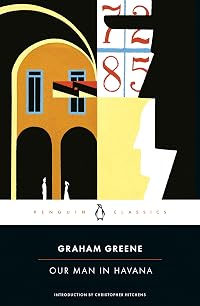
Our Man in Havana
by Graham Greene 
On This Page
Description
MI6's man in Havana is Wormold, a former vacuum-cleaner salesman turned reluctant secret agent out of economic necessity. To keep his job, he files bogus reports based on Charles Lamb's Tales from Shakespeare and dreams up military installations from vacuum-cleaner designs. Then his stories start coming disturbingly First published in 1959 against the backdrop of the Cold War, Our Man in Havana remains one of Graham Greene's most widely enjoyed novels. It is an espionage thriller, a show more penetrating character study, and a political satire of government intelligence that still resonates today. show lessTags
Recommendations






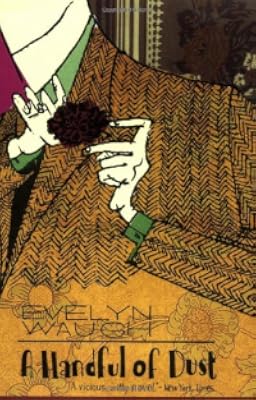
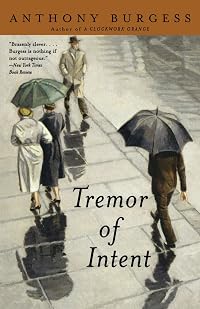

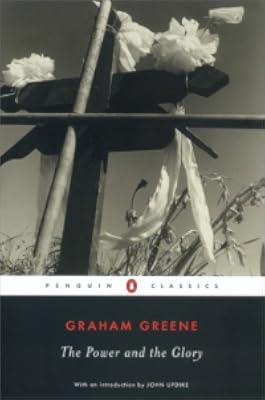

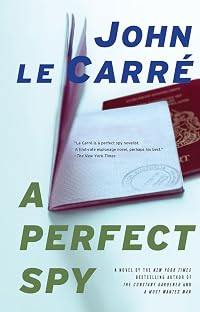










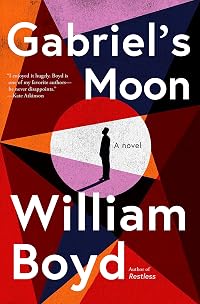
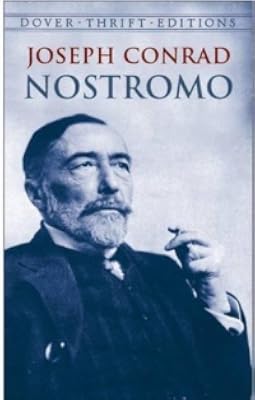
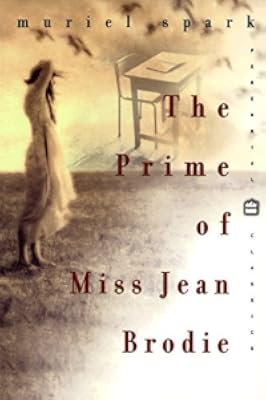
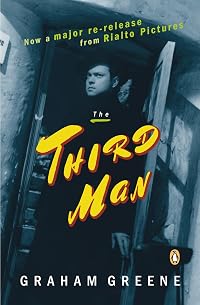
Member Recommendations
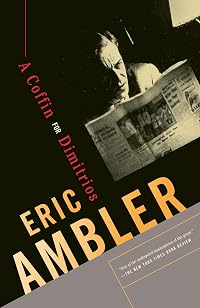
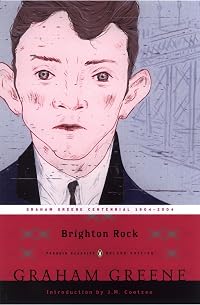
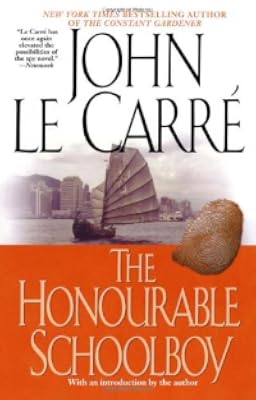
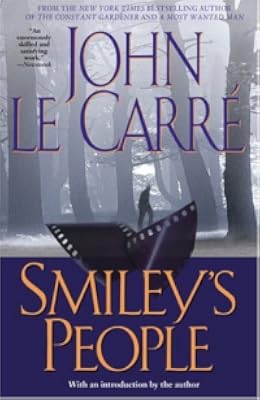
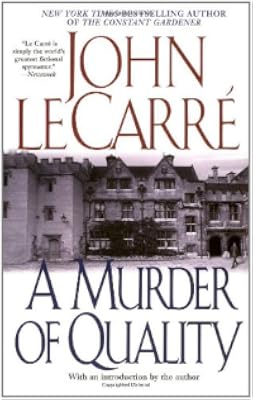
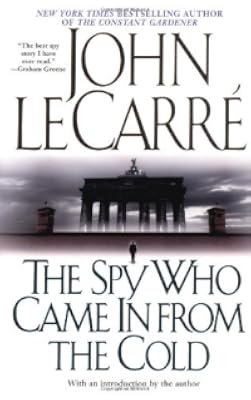
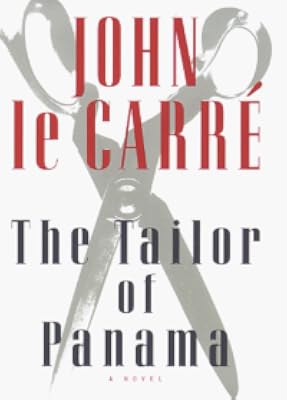
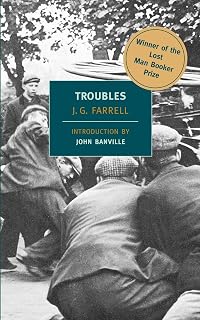
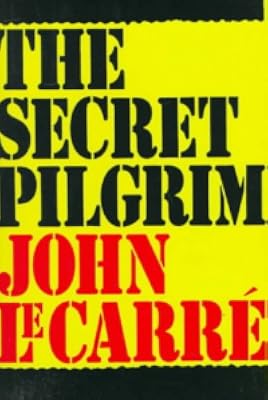
chrisharpe Le Carré's 1996 novel was inspired by Greene's "Our Man in Havana".
31
alalba In both books the main character makes up stories as a way of keeping his job, in both cases, they become reality.
20

terrazoon Good satires are hard to find. Although the subject matter is different, if you like one you will probably like the other.



sunking47 Incompetent spies in over their heads, tragicomedy ensues.
Member Reviews
Note: this review is a rewrite of my original 2011 review, with new comments for 2020 where appropriate.
This book was inspired by Greene’s experience working for MI6 during the Second World War and particularly the story of Agent Garbo, who invented a ring of agents he “controlled” (and, naturally, collected expenses for). On my first read of this book, back in 2011, I had read only a magazine article about Garbo. I have since read Ben Macintyre’s excellent Double Cross, and J. C. Masterman’s The Double-Cross System, which I think really added to my enjoyment this time. (“Aha, there’s that comment about the code grouping for the word ‘eunuch’!” I said to myself. Greene thought that was hilarious when he was in the show more intelligence service and actually found a way to work it into one of his cables.)
Although this is billed by Greene as an “entertainment” rather than a heavy-hitting novel, it is one that is read best at home with a cup of tea. It is very carefully put together, and the comedy is there in spades: the recruitment scene, the reports, the spiralling out of control as British intelligence think their man in Havana is really hot stuff. It is also rewarding to see Wormold develop as a person: he becomes more assured and assertive as he realizes what his priorities in life are.
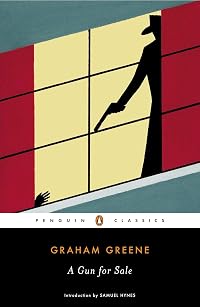
This book and A Gun for Sale are probably my favourite Greenes. I’d definitely recommend them if you like le Carré, or perhaps as a warmup to le Carré if you are intimidated by the latter. show less
This book was inspired by Greene’s experience working for MI6 during the Second World War and particularly the story of Agent Garbo, who invented a ring of agents he “controlled” (and, naturally, collected expenses for). On my first read of this book, back in 2011, I had read only a magazine article about Garbo. I have since read Ben Macintyre’s excellent Double Cross, and J. C. Masterman’s The Double-Cross System, which I think really added to my enjoyment this time. (“Aha, there’s that comment about the code grouping for the word ‘eunuch’!” I said to myself. Greene thought that was hilarious when he was in the show more intelligence service and actually found a way to work it into one of his cables.)
Although this is billed by Greene as an “entertainment” rather than a heavy-hitting novel, it is one that is read best at home with a cup of tea. It is very carefully put together, and the comedy is there in spades: the recruitment scene, the reports, the spiralling out of control as British intelligence think their man in Havana is really hot stuff. It is also rewarding to see Wormold develop as a person: he becomes more assured and assertive as he realizes what his priorities in life are.
This book and A Gun for Sale are probably my favourite Greenes. I’d definitely recommend them if you like le Carré, or perhaps as a warmup to le Carré if you are intimidated by the latter. show less
There was always another side to a joke, the side of the victim." (pg. 74)
A Dr. Strangelove-esque spy spoof in which a hapless vacuum-cleaner salesman living in Cuba is recruited by British intelligence and decides to invent agents and stories for his reports. However, people on both sides of the Cold War divide begin taking him seriously, and then people start turning up dead…
Our Man in Havana is Greene's somewhat cynical roasting of the intelligence profession. He exposes the inherent absurdity of some of its aspects, or rather the aspects which are emphasised and exaggerated in spy fiction. Witness, for example, the scene on page 24 when the over-cautious spymaster Hawthorne is trying to recruit our baffled salesman, Wormold:
"Again show more the explanation that seemed most probable to Wormold was that the stranger was an eccentric inspector from [the vacuum-cleaner company] headquarters, but surely he had reached the limits of eccentricity when he added in a low voice, "You go to the Gents and I'll follow you."
"The Gents? Why should I?"
"Because I don't know the way."
In a mad world it always seems simpler to obey. Wormold led the stranger through a door at the back, down a short passage, and indicated the toilet. "It's in there."
"After you, old man."
"But I don't need it."
"Don't be difficult," the stranger said."
Greene clearly finds the whole system rather silly, and this is the essence of the quote with which I started this review. It's alright to have a joke (whether that's Wormold playing at spies, or the whole lot of them) but people can get hurt. Agents die, countries war, and for what? In Greene's view, people are taking risks "for a Boy's Own Paper game." (pg. 113). He suggests that the East and the West are both as bad as each other, that problems result because of a few ambitious men at the top (pg. 181), and that people should be loyal to love and not to countries (pg. 195).
For the record, I don't agree with Greene's rather half-baked views, and in Our Man in Havana we see the same side of the man who later wrote a naïve defence of defector Kim Philby. (Something I consciously try and ignore when thinking of Greene, who is becoming one of my favourite writers, for Philby was a seriously nasty piece of work.) But if you can ignore this sort of thing – and, in truth, it does seem rather quaint to read about these early-Cold War issues from a 2015 viewpoint – then you'll be entertained by a quick, funny and well-crafted spoof-thriller. Don't feel like you have to admire a writer's political views or personal life in order to admire his writing. Just enjoy the book. After all, it's alright to have a joke but people can get hurt if it is taken too seriously." show less
A Dr. Strangelove-esque spy spoof in which a hapless vacuum-cleaner salesman living in Cuba is recruited by British intelligence and decides to invent agents and stories for his reports. However, people on both sides of the Cold War divide begin taking him seriously, and then people start turning up dead…
Our Man in Havana is Greene's somewhat cynical roasting of the intelligence profession. He exposes the inherent absurdity of some of its aspects, or rather the aspects which are emphasised and exaggerated in spy fiction. Witness, for example, the scene on page 24 when the over-cautious spymaster Hawthorne is trying to recruit our baffled salesman, Wormold:
"Again show more the explanation that seemed most probable to Wormold was that the stranger was an eccentric inspector from [the vacuum-cleaner company] headquarters, but surely he had reached the limits of eccentricity when he added in a low voice, "You go to the Gents and I'll follow you."
"The Gents? Why should I?"
"Because I don't know the way."
In a mad world it always seems simpler to obey. Wormold led the stranger through a door at the back, down a short passage, and indicated the toilet. "It's in there."
"After you, old man."
"But I don't need it."
"Don't be difficult," the stranger said."
Greene clearly finds the whole system rather silly, and this is the essence of the quote with which I started this review. It's alright to have a joke (whether that's Wormold playing at spies, or the whole lot of them) but people can get hurt. Agents die, countries war, and for what? In Greene's view, people are taking risks "for a Boy's Own Paper game." (pg. 113). He suggests that the East and the West are both as bad as each other, that problems result because of a few ambitious men at the top (pg. 181), and that people should be loyal to love and not to countries (pg. 195).
For the record, I don't agree with Greene's rather half-baked views, and in Our Man in Havana we see the same side of the man who later wrote a naïve defence of defector Kim Philby. (Something I consciously try and ignore when thinking of Greene, who is becoming one of my favourite writers, for Philby was a seriously nasty piece of work.) But if you can ignore this sort of thing – and, in truth, it does seem rather quaint to read about these early-Cold War issues from a 2015 viewpoint – then you'll be entertained by a quick, funny and well-crafted spoof-thriller. Don't feel like you have to admire a writer's political views or personal life in order to admire his writing. Just enjoy the book. After all, it's alright to have a joke but people can get hurt if it is taken too seriously." show less
Graham Greene's entertainments are very much alike, just like Dick Francis mystery novels. But they are so much better than Dick Francis novels.
This entertainment is particularly enjoyable. It contains all the usual Greene tropes assembled in the most appealing manner. The characters are thin and tremendously enjoyable. The dialogue is drily witty and occasionally hilarious. There are tragic deaths and miserable lives. Minor characters are, inevitably, killed but not for the usual Hollywood reasons. Rather their deaths are utterly tragic and symbolic of the casualties of global conflict. There are cynical policemen and alcoholics of every profession. As in "The Ministry of Fear" and "The Third Man" the protagonist's minor actions set show more into motion important and inevitably tragic events. He gets the girl, but soberly, and in a mad, arbitrary, and merciless world.
Jeremy Northam's reading is excellent. show less
This entertainment is particularly enjoyable. It contains all the usual Greene tropes assembled in the most appealing manner. The characters are thin and tremendously enjoyable. The dialogue is drily witty and occasionally hilarious. There are tragic deaths and miserable lives. Minor characters are, inevitably, killed but not for the usual Hollywood reasons. Rather their deaths are utterly tragic and symbolic of the casualties of global conflict. There are cynical policemen and alcoholics of every profession. As in "The Ministry of Fear" and "The Third Man" the protagonist's minor actions set show more into motion important and inevitably tragic events. He gets the girl, but soberly, and in a mad, arbitrary, and merciless world.
Jeremy Northam's reading is excellent. show less
Graceless, gormless Wormold, a British sales agent for an American vacuum cleaner company in barely pre-Revolution Havana, has a problem. His adolescent daughter Milly, a manipulative and materialistic minx, spends well beyond his paltry earnings in her quest to ensnare the Red Vulture. That's a person, not a bird, one Captain Segura, who is the police torturer and possessor of a cigarette case covered in human skin. (An assertion Milly makes but Segura denies.) Wormold is fighting a losing battle, trying to sell a home appliance that's less useful than a broom in a country that's teetering on the brink of collapse. The power goes off too often to make it a sensible purchase, despite Wormold's trips to Cienfuegos (the Cuban Navy's main show more port) and points east (where the Revolutionary Army is strongest) to drum up business. What he *does* drum up is the interest of the state security apparatus. You see, Wormold is a British spy.
Good heavens, not a real one! He was worrying his way through a daily daiquiri with his German friend Dr. Hasselbacher when a Brit called Hawthorne inveigles him into the bathroom. That sounds, well, louche is I suppose the least offensive term, but it's what happens so have a séance and take it up with Greene if it's too sordid for you. What Hawthorne wants, I suppose, is a reason to visit Havana from his base in more-staid Kingston, Jamaica. (In 1958, when the book takes place, Havana was the Las Vegas of the Caribbean.) It also doesn't hurt his standing with MI6 to have a sub-agent in uneasy, revolution-bound Cuba. Wormold gets the nod, though to be honest I don't see a single reason why...oh wait...Milly the Minx is spending Daddy into bankruptcy (her initial salvo when we meet her is to demand a horse to go with the saddle she's just bought) so of course Wormold is in need of funds. Money always talks to men with debts.
From that match-to-fuse moment, a farce of atomic power begins to whirl from one end of the world to the other. Some sage adivce given to Wormold by WWI veteran Hasselbacher, to make his reports to London out of whole cloth on the principle that no one can disprove a lie, leads to Wormold's entire life being turned upside down. As he hurries from fire to fire atop an ever-increasing reactor fire of anxiety-into-terror, Wormold's lies begin to morph into the truth. Hawthorne's sub-agent becomes London's Agent of the Month, so to speak, as the wildly inventive reports he files bear fruit. As the book was written long before the events of the Missile Crisis, it really seems as though Greene was prescient: He has Wormold invent secret bases where mysterious equipment (drawings attached to his report were actually of a scaled-up vacuum cleaner) was being assembled. MI6 wants photos, of course; Raul the pilot (an invented sub-agent of Wormold's) suddenly dies in a crash. This is evidence that Wormold is onto something, obviously.
More and more of Wormold's fabulous reports are borne out as his "contacts" begin to suffer for his lies. Wormold himself comes in for assassination by the Other Side! He averts his fate, being a devout coward, and then has to do the worst-imaginable thing to escape his fate. (Read it, you'll see.) In the end, Greene can't design a better fate for Wormold and Milly than the one he puts on the page. It's perfect, it flows naturally from what's happened in the story, and it's hilarious. The humor of this book, like most of Greene's work, is dark to black. Be warned that there is little of this sixty-year-old send-up of National Security run amok that isn't viewable as critical of the State from 2019's perspective as well. Is that sad or inevitable, or perhaps both?
My favorite moment in the story comes when Wormold, busily inventing actions for his fictitious sub-agents to get up to, muses on the creative process:
Beautifully said, Author Greene. Just beautiful. And so very true. show less
Good heavens, not a real one! He was worrying his way through a daily daiquiri with his German friend Dr. Hasselbacher when a Brit called Hawthorne inveigles him into the bathroom. That sounds, well, louche is I suppose the least offensive term, but it's what happens so have a séance and take it up with Greene if it's too sordid for you. What Hawthorne wants, I suppose, is a reason to visit Havana from his base in more-staid Kingston, Jamaica. (In 1958, when the book takes place, Havana was the Las Vegas of the Caribbean.) It also doesn't hurt his standing with MI6 to have a sub-agent in uneasy, revolution-bound Cuba. Wormold gets the nod, though to be honest I don't see a single reason why...oh wait...Milly the Minx is spending Daddy into bankruptcy (her initial salvo when we meet her is to demand a horse to go with the saddle she's just bought) so of course Wormold is in need of funds. Money always talks to men with debts.
From that match-to-fuse moment, a farce of atomic power begins to whirl from one end of the world to the other. Some sage adivce given to Wormold by WWI veteran Hasselbacher, to make his reports to London out of whole cloth on the principle that no one can disprove a lie, leads to Wormold's entire life being turned upside down. As he hurries from fire to fire atop an ever-increasing reactor fire of anxiety-into-terror, Wormold's lies begin to morph into the truth. Hawthorne's sub-agent becomes London's Agent of the Month, so to speak, as the wildly inventive reports he files bear fruit. As the book was written long before the events of the Missile Crisis, it really seems as though Greene was prescient: He has Wormold invent secret bases where mysterious equipment (drawings attached to his report were actually of a scaled-up vacuum cleaner) was being assembled. MI6 wants photos, of course; Raul the pilot (an invented sub-agent of Wormold's) suddenly dies in a crash. This is evidence that Wormold is onto something, obviously.
More and more of Wormold's fabulous reports are borne out as his "contacts" begin to suffer for his lies. Wormold himself comes in for assassination by the Other Side! He averts his fate, being a devout coward, and then has to do the worst-imaginable thing to escape his fate. (Read it, you'll see.) In the end, Greene can't design a better fate for Wormold and Milly than the one he puts on the page. It's perfect, it flows naturally from what's happened in the story, and it's hilarious. The humor of this book, like most of Greene's work, is dark to black. Be warned that there is little of this sixty-year-old send-up of National Security run amok that isn't viewable as critical of the State from 2019's perspective as well. Is that sad or inevitable, or perhaps both?
My favorite moment in the story comes when Wormold, busily inventing actions for his fictitious sub-agents to get up to, muses on the creative process:
Sometimes he was scared at the way these people grew in the dark without his knowledge.
Beautifully said, Author Greene. Just beautiful. And so very true. show less
You might be inclined to think the term “intelligence agency” is an oxymoron. Graham Greene, possibly the world’s most famous author of spy novels in the English language, probably thought so when he wrote Our Man in Havana.
Jim Wormold is a vacuum cleaner salesman in Havana, Cuba. With a name and occupation like that, you couldn’t possibly be more inconspicuous. That is probably why Wormold gets tapped to be an intelligence agent by the British secret service. But politics and international intrigues aren’t Wormold’s passion. He spends his days managing his mostly empty shop and drinking daiquiris in bars with his friend Dr. Hasselbach. What actually matters most in his life is his teenage daughter Milly. For her birthday, show more the demanding prima donna wants a horse and a membership at a country club so she will have a good place to stable it. Wormold is strapped for cash due to lackluster vacuum cleaner sales, but he’s a bit of a pushover and gives in without having a clear sense of how he can afford this venture.
Wormold is a mediocre man with financial troubles and this makes him easy prey when a British agent stationed in Kingston, Jamaica approaches Wormold with a solution to his problems. He railroads Wormold into accepting an assignment to run an espionage station in Havana. The task is to recruit a team of agents and pay them to gather information about any suspicious activities going on in Cuba. This is of prime importance to the British government since the 1950s were a time of political turbulence on the island and they were paranoid about the spread of communism throughout the Third World.
But none of that matters to Wormold. His preoccupation is with making easy money and he does what any ordinary man in his situation would do: he juices the fools for as much as he can. The agents he recruits are either people he made up or members of the country club who have no idea they have been hired as spies. He sends the secret service a diagram of a vacuum cleaner, telling them it is a new weapon being built in Oriente province, the hotbed of revolutionary activity since the 19th century Cuban Wars of Independence and beyond.
Back in London, Hawthorn meets with his superior officer and instead of putting two and two together to figure out that the diagram is a prank played by Wormold the vacuum cleaner salesman, they marvel at the ingenuity of the communists and decide they need to ramp up their intelligence gathering operations in the Caribbean. Occam’s razor has failed. Wormold rakes in the cash, getting all he asks for to run his agency in Havana while the secret service expose themselves as incompetent dolts.
The story pivots when fiction collides with reality. Wormold learns that one of his made up agents named Raul has just been assassinated. Since Raul is not a real person, that means a real person named Raul, who probably had nothing to do with espionage games, got killed. The gravity of the situation hits home when Wormold realizes that the intelligence he shipped off to London has been intercepted. We never learn for sure who intercepted it or who they work for, but it is certain that Wormold’s life is in danger.
The narrative offers many possible culprits for the interception, but evidence appears to point in the direction of Dr. Hasselbacher, Wormold’s drinking buddy. We can never be sure that Hasselbacher is a spy, but he has a copy of the book Wormold is using to encode and decipher written communications between his office and the agency in London, although Hasselbacher claims he only has it for leisure reading. Hasselbacher is unusual nonetheless. In an early chapter, he has a discussion with a man in a bar in which he tells the man that he is a creation of Hasselbacher’s imagination as if the old man is having a conversation with a character he wrote into a novel. Hasselbacher therefore primes the reader for the theme of fiction intruding into reality and the consequences of that dilemma. Later on we learn that Hasselbacher has spent his life feeling guilty because he killed one man while enlisted during World War I. Throughout the novel, he expresses disillusionment with the Cold War and the games played by espionage agencies which casts doubt on him being an intelligence agent. But there are other reasons why he can’t be dismissed as innocent.
Another possibility is Segura, a captain at the Havana police department who is in charge of torturing political prisoners. He is involved in one of the novel’s subplots since he wants to marry Milly, Wormold’s teenage daughter. We learn that Segura knows everything that Wormold is up to and has a list of all the espionage agents in Cuba, something Wormold decides he needs to get ahold of in the name of duty to his agency.
Making matters worse, Wormold learns of a plot to assassinate him. He becomes suspicious of an English businessman named Carter who he encounter both at a banquet and one night when Wormold invites him out to go drinking and whoring in the sordid backstreets of Havana. It is in this second half of the novel that Wormold proves himself to be more than just an everyday man. He outsmarts both his assassin and Segura. Ultimately he humiliates the secret service when they catch on to his deceptions, figuring out that he is doing little more than exploiting them for money by making up nonsense.
Much of the novel’s meaning revolves around Wormold falling in love with Beatrice, an assistant spy who is sent to Havana to help him run his office. Initially the agency in London chooses her because she speaks French and Cubans speak Spanish so the ignoramuses decide she will be the best choice for Wormold’s secretary. Through their collaboration and conversation we learn that she doesn’t take Cold War espionage any more seriously than Wormold does. They agree that international politics are just games played by adults who are little more than children who never grew up. The big political issues aren’t what is important. What really matters is how the little people of the world run their day to day affairs, at least until the big powers intrude into their lives. That’s when action must be taken. This is Voltaire’s idea that satisfaction only comes from tending one’s own garden, but Greene adds his own twist by saying sometimes necessity calls for engagement.
This novel is a comedy in the Shakespearean sense of the word, meaning it ends with a marriage rather than a death as it would in a tragedy. The marriage of Wormold and Beatrice plays off against the failure of Segura in his pursuit of Wormold’s daughter Milly. In the latter case, Milly and Segura are linked in that they both represent facets of class consciousness and class mobility. Milly wants to rise above her station in with her pursuit of the horse and membership at the country club while Segura represents class mobility through politics. Being notorious in Cuba for torturing prisoners, Segura is an unsympathetic character. But at the end, he tells Wormold of his family’s poverty and his father’s involvement in activism. The secret he reveals makes him a slightly more sympathetic character in the end. But still, he is repulsive to Milly who uses him just like Wormold uses the British secret service. Their marriage is an impossibility.
In the former case, Wormold, the divorcee, falls in love with Beatrice and the two make plans for a new life after being relocated to their homeland of England. Neither of them are interested in class mobility and find happiness together in building a relationship around satisfaction with what they have. Their success in marriage contrasted with Segura’s failure in courting Milly indicates the values expressed by the story. To paraphrase Hawthorn when he tells his boss why he chose Wormold for the position of spymaster, Womrold is the kind of man who minds his pennies while letting the dollars take care of themselves. For the agency, this means he won’t interfere in the business of his superiors, but in the parameters of the story, it means he has what it takes to survive and find success and do his job despite all the absurd conflicts of world governments. Graham Greene confronts us directly with what he believes is important in life.
Our Man in Havana parodies the trope of the spy as superhero. The idea of Western governments locked in a battle between good and evil with communism gets deflated and turned upside down by portraying the intelligence agency as being managed by dunces engaged in a political game that nobody can win. Jim Wormold is an ordinary man who turns the whole system inside out with mistakes. By day he is a mediocre vacuum cleaner salesman, but by night he masters the danger he got sucked into. His motivations are humble. He simply wants to buy his daughter the birthday present she wants. After the whole situation blows over, he finds solace by returning to a life of humility in marriage where politics are of little relevance.
The novel is a little improbable. It’s a fantastic story that isn’t easy to believe, but this shortcoming is overshadowed by the message the story delivers. Besides, the plot twists are gutsy and unpredictable, never short of suspense. The characters are also well written and built almost entirely through effective dialogue rather than description. On the other hand, some of the characters are introduced for no specific purpose like Beatrice’s office assistant for example. What’s great about the characters is how Greene makes all the main players sympathetic in one way or another. Even Carter gains some sympathy as being just an ordinary man being used as a tool in a spy game; his social awkwardness, insecurity, and shyness around women make him out to be more of a victim than a villain. The only characters without sympathetic qualities are Hawthorn and the other superior officers in the spy agency.
As a novel, it succeeds with the kind of ironic humor you find in Alfred Hitchcock combined with the character arcs and ethics you find in Shakespeare. References to Shakespeare are laced throughout the narrative too. The book used by the agency for code writing and code cracking is one in which an author updates Shakespeare’s plays using modern language and prose while characters make references to Shakespeare throughout. It would be interesting to hear how a scholar with more expertise in Shakespeare than me would interpret these references.
I fear that Graham Greene’s message in Our Man in Havana might fall flat in our age when people are more politically engaged then ever while simultaneously being more ignorant about how governments work. Somehow, political discourse these days has more to do with being loud, ideological, and popular on social media than being right. Managing what’s right in front of us has become less important it seems. The style of the novel is somewhat dated too. But that isn’t a reason to avoid it since it advocates for a worldview that should at least be taken into consideration. And this is done in such an entertaining way. At least it offers a good break to those who are weary of overblown postmodern maximalism where conflicts are impossible to resolve. show less
Jim Wormold is a vacuum cleaner salesman in Havana, Cuba. With a name and occupation like that, you couldn’t possibly be more inconspicuous. That is probably why Wormold gets tapped to be an intelligence agent by the British secret service. But politics and international intrigues aren’t Wormold’s passion. He spends his days managing his mostly empty shop and drinking daiquiris in bars with his friend Dr. Hasselbach. What actually matters most in his life is his teenage daughter Milly. For her birthday, show more the demanding prima donna wants a horse and a membership at a country club so she will have a good place to stable it. Wormold is strapped for cash due to lackluster vacuum cleaner sales, but he’s a bit of a pushover and gives in without having a clear sense of how he can afford this venture.
Wormold is a mediocre man with financial troubles and this makes him easy prey when a British agent stationed in Kingston, Jamaica approaches Wormold with a solution to his problems. He railroads Wormold into accepting an assignment to run an espionage station in Havana. The task is to recruit a team of agents and pay them to gather information about any suspicious activities going on in Cuba. This is of prime importance to the British government since the 1950s were a time of political turbulence on the island and they were paranoid about the spread of communism throughout the Third World.
But none of that matters to Wormold. His preoccupation is with making easy money and he does what any ordinary man in his situation would do: he juices the fools for as much as he can. The agents he recruits are either people he made up or members of the country club who have no idea they have been hired as spies. He sends the secret service a diagram of a vacuum cleaner, telling them it is a new weapon being built in Oriente province, the hotbed of revolutionary activity since the 19th century Cuban Wars of Independence and beyond.
Back in London, Hawthorn meets with his superior officer and instead of putting two and two together to figure out that the diagram is a prank played by Wormold the vacuum cleaner salesman, they marvel at the ingenuity of the communists and decide they need to ramp up their intelligence gathering operations in the Caribbean. Occam’s razor has failed. Wormold rakes in the cash, getting all he asks for to run his agency in Havana while the secret service expose themselves as incompetent dolts.
The story pivots when fiction collides with reality. Wormold learns that one of his made up agents named Raul has just been assassinated. Since Raul is not a real person, that means a real person named Raul, who probably had nothing to do with espionage games, got killed. The gravity of the situation hits home when Wormold realizes that the intelligence he shipped off to London has been intercepted. We never learn for sure who intercepted it or who they work for, but it is certain that Wormold’s life is in danger.
The narrative offers many possible culprits for the interception, but evidence appears to point in the direction of Dr. Hasselbacher, Wormold’s drinking buddy. We can never be sure that Hasselbacher is a spy, but he has a copy of the book Wormold is using to encode and decipher written communications between his office and the agency in London, although Hasselbacher claims he only has it for leisure reading. Hasselbacher is unusual nonetheless. In an early chapter, he has a discussion with a man in a bar in which he tells the man that he is a creation of Hasselbacher’s imagination as if the old man is having a conversation with a character he wrote into a novel. Hasselbacher therefore primes the reader for the theme of fiction intruding into reality and the consequences of that dilemma. Later on we learn that Hasselbacher has spent his life feeling guilty because he killed one man while enlisted during World War I. Throughout the novel, he expresses disillusionment with the Cold War and the games played by espionage agencies which casts doubt on him being an intelligence agent. But there are other reasons why he can’t be dismissed as innocent.
Another possibility is Segura, a captain at the Havana police department who is in charge of torturing political prisoners. He is involved in one of the novel’s subplots since he wants to marry Milly, Wormold’s teenage daughter. We learn that Segura knows everything that Wormold is up to and has a list of all the espionage agents in Cuba, something Wormold decides he needs to get ahold of in the name of duty to his agency.
Making matters worse, Wormold learns of a plot to assassinate him. He becomes suspicious of an English businessman named Carter who he encounter both at a banquet and one night when Wormold invites him out to go drinking and whoring in the sordid backstreets of Havana. It is in this second half of the novel that Wormold proves himself to be more than just an everyday man. He outsmarts both his assassin and Segura. Ultimately he humiliates the secret service when they catch on to his deceptions, figuring out that he is doing little more than exploiting them for money by making up nonsense.
Much of the novel’s meaning revolves around Wormold falling in love with Beatrice, an assistant spy who is sent to Havana to help him run his office. Initially the agency in London chooses her because she speaks French and Cubans speak Spanish so the ignoramuses decide she will be the best choice for Wormold’s secretary. Through their collaboration and conversation we learn that she doesn’t take Cold War espionage any more seriously than Wormold does. They agree that international politics are just games played by adults who are little more than children who never grew up. The big political issues aren’t what is important. What really matters is how the little people of the world run their day to day affairs, at least until the big powers intrude into their lives. That’s when action must be taken. This is Voltaire’s idea that satisfaction only comes from tending one’s own garden, but Greene adds his own twist by saying sometimes necessity calls for engagement.
This novel is a comedy in the Shakespearean sense of the word, meaning it ends with a marriage rather than a death as it would in a tragedy. The marriage of Wormold and Beatrice plays off against the failure of Segura in his pursuit of Wormold’s daughter Milly. In the latter case, Milly and Segura are linked in that they both represent facets of class consciousness and class mobility. Milly wants to rise above her station in with her pursuit of the horse and membership at the country club while Segura represents class mobility through politics. Being notorious in Cuba for torturing prisoners, Segura is an unsympathetic character. But at the end, he tells Wormold of his family’s poverty and his father’s involvement in activism. The secret he reveals makes him a slightly more sympathetic character in the end. But still, he is repulsive to Milly who uses him just like Wormold uses the British secret service. Their marriage is an impossibility.
In the former case, Wormold, the divorcee, falls in love with Beatrice and the two make plans for a new life after being relocated to their homeland of England. Neither of them are interested in class mobility and find happiness together in building a relationship around satisfaction with what they have. Their success in marriage contrasted with Segura’s failure in courting Milly indicates the values expressed by the story. To paraphrase Hawthorn when he tells his boss why he chose Wormold for the position of spymaster, Womrold is the kind of man who minds his pennies while letting the dollars take care of themselves. For the agency, this means he won’t interfere in the business of his superiors, but in the parameters of the story, it means he has what it takes to survive and find success and do his job despite all the absurd conflicts of world governments. Graham Greene confronts us directly with what he believes is important in life.
Our Man in Havana parodies the trope of the spy as superhero. The idea of Western governments locked in a battle between good and evil with communism gets deflated and turned upside down by portraying the intelligence agency as being managed by dunces engaged in a political game that nobody can win. Jim Wormold is an ordinary man who turns the whole system inside out with mistakes. By day he is a mediocre vacuum cleaner salesman, but by night he masters the danger he got sucked into. His motivations are humble. He simply wants to buy his daughter the birthday present she wants. After the whole situation blows over, he finds solace by returning to a life of humility in marriage where politics are of little relevance.
The novel is a little improbable. It’s a fantastic story that isn’t easy to believe, but this shortcoming is overshadowed by the message the story delivers. Besides, the plot twists are gutsy and unpredictable, never short of suspense. The characters are also well written and built almost entirely through effective dialogue rather than description. On the other hand, some of the characters are introduced for no specific purpose like Beatrice’s office assistant for example. What’s great about the characters is how Greene makes all the main players sympathetic in one way or another. Even Carter gains some sympathy as being just an ordinary man being used as a tool in a spy game; his social awkwardness, insecurity, and shyness around women make him out to be more of a victim than a villain. The only characters without sympathetic qualities are Hawthorn and the other superior officers in the spy agency.
As a novel, it succeeds with the kind of ironic humor you find in Alfred Hitchcock combined with the character arcs and ethics you find in Shakespeare. References to Shakespeare are laced throughout the narrative too. The book used by the agency for code writing and code cracking is one in which an author updates Shakespeare’s plays using modern language and prose while characters make references to Shakespeare throughout. It would be interesting to hear how a scholar with more expertise in Shakespeare than me would interpret these references.
I fear that Graham Greene’s message in Our Man in Havana might fall flat in our age when people are more politically engaged then ever while simultaneously being more ignorant about how governments work. Somehow, political discourse these days has more to do with being loud, ideological, and popular on social media than being right. Managing what’s right in front of us has become less important it seems. The style of the novel is somewhat dated too. But that isn’t a reason to avoid it since it advocates for a worldview that should at least be taken into consideration. And this is done in such an entertaining way. At least it offers a good break to those who are weary of overblown postmodern maximalism where conflicts are impossible to resolve. show less
A divorced father with a demanding and manipulative teenage daughter and an iffy vacuum cleaner business in Havana, Wormold takes to spying for British Intelligence. He’s mainly in it for the money though, and quickly learns to manipulate the system, filing expense reports for fabricated agents and sources, which necessitates fabricating intelligence. He’s so successful that he’s sent a secretary and radio operator, the quicker to get the reports out. He soon makes enemies while some of his fake intel appears to be coming true.
Graham Greene manages to humanize and squeeze humor out of the dark side of Wormold’s spying business, despite some actual danger. Nobody turns out quite as bad as first seems, except some you wouldn’t show more expect. show less
Graham Greene manages to humanize and squeeze humor out of the dark side of Wormold’s spying business, despite some actual danger. Nobody turns out quite as bad as first seems, except some you wouldn’t show more expect. show less
This absurdist espionage novel combines droll cynicism with sweet romanticism in a deliciously hair-raising manner. In many respects, it's an anti-spy story, more interested in the rich development of characters through dramatic irony, rather than cultivating the thrills of mystery and danger. The hero of the tale sets himself against the machinations of states and powers, while trying to defend his real loyalties, the foremost being to his teenage daughter.
Greene's book is a speedy read, partly because so much of it is dialogue. The talk is full of clever ambiguities, and I found it easy to imagine as a well-constructed play for the stage. Evidently, the 1959 film adaptation with Alec Guiness in the lead was successful. It's clearly a show more classic of Cold War English "intelligence" fiction, one that would pair nicely with Deighton's Ipcress File, a slightly later and much darker tale, but one of comparable length and pacing. show less
Greene's book is a speedy read, partly because so much of it is dialogue. The talk is full of clever ambiguities, and I found it easy to imagine as a well-constructed play for the stage. Evidently, the 1959 film adaptation with Alec Guiness in the lead was successful. It's clearly a show more classic of Cold War English "intelligence" fiction, one that would pair nicely with Deighton's Ipcress File, a slightly later and much darker tale, but one of comparable length and pacing. show less
Members
- Recently Added By
Published Reviews
ThingScore 100
10 of the Greatest Cold War Spy Novels
“Possibly the greatest writer of prose to devote so much of his time to the theme of espionage, Greene was himself briefly an intelligence agent. His WW 2 experiences in London, dealing with a disinformation-dealing agent in Portugal, provided the impetus for this satirical and prescient look at the spy game. Wormhold, a British vacuum salesman in Havana show more during the Batista regime, becomes a spy for the MI6 to better provide for his daughter (he’s a single parent). The reports Wormhold concocts involve imaginary agents, whose salaries he collects. But his lively reports begin to greatly interest London, who send in reinforcements, initiating a deadly black comedy of errors, making the hapless agent a Soviet target. In an instance of perfect casting, Alec Guinness portrayed Wormhold in the 1959 film version.” show less
“Possibly the greatest writer of prose to devote so much of his time to the theme of espionage, Greene was himself briefly an intelligence agent. His WW 2 experiences in London, dealing with a disinformation-dealing agent in Portugal, provided the impetus for this satirical and prescient look at the spy game. Wormhold, a British vacuum salesman in Havana show more during the Batista regime, becomes a spy for the MI6 to better provide for his daughter (he’s a single parent). The reports Wormhold concocts involve imaginary agents, whose salaries he collects. But his lively reports begin to greatly interest London, who send in reinforcements, initiating a deadly black comedy of errors, making the hapless agent a Soviet target. In an instance of perfect casting, Alec Guinness portrayed Wormhold in the 1959 film version.” show less
added by feeling.is.first
Toward the end, as we go into a business luncheon at which Wormold is due to die, things begin to warm, and it seems we will get what we came for. But when, for a climax, a dog wanders into the dining room, laps the whisky Wormold spilled, dies, and thus gives warning of poison, things simply fall apart. I never saw a dog drink hard liquor, and don't believe this one did. However, I do believe show more he could read, and had had a look at the script, to know what he should do. All in all, little as a Greene fan likes to say it, this book misses, and in a thoroughly heartbreaking way, for it misses needlessly where it might have rung the bell. show less
added by John_Vaughan
For once, Greene's Roman Catholic hang-ups, which make novels such as The End of the Affair so desolate, are kept in check - even joked about. "Hail Mary, quite contrary", prays convent-educated Milly, aged four. Nine years later she sets fire to a small American boy called Thomas Earl Parkman Junior because he's a Protestant - "and if there was going to be a persecution, Catholics could show more always beat Protestants at that game." show less
added by John_Vaughan
Lists

The Guardian's 1000 Novels Everyone Must Read
1,005 works; 549 members

Best Spy Fiction
153 works; 102 members

1001 Books You Must Read Before You Die
1,448 works; 1,137 members
20th Century Literature
1,161 works; 54 members

Top Five Books of 2013
1,562 works; 715 members
Best Satire
188 works; 29 members

1950s
340 works; 22 members

Recommend the 20 best books you've read in the last five years
2,168 works; 608 members

Favourite Books
1,820 works; 311 members
Best Espionage (Fiction)
55 works; 20 members
Year 9 Reading List
29 works; 3 members

Top Five Books of 2015
811 works; 241 members

Best Antiheroes and Antiheroines
119 works; 7 members
Top 100 Mystery Novels of All Time
98 works; 9 members

Books Set on Islands
190 works; 24 members

Allie's Favourite 150 Books
145 works; 3 members

SHOULD Read Books!
354 works; 9 members
Overdue Podcast
808 works; 9 members

Read This Next
120 works; 3 members

Summer Books
82 works; 9 members

Nifty Fifties
129 works; 14 members

Books Read in 2020
4,379 works; 123 members

Books Read in 2019
4,052 works; 108 members

Books available on Open Library
171 works; 4 members
Stephen King's 'On Writing' reading list
95 works; 4 members

Art Bourgeau's Favorites [Mystery Lovers Companion, 1986]
124 works; 2 members

Books With Place Names in the Title
315 works; 12 members
School Made Us Read It
380 works; 197 members

Novels with a city or town in the title
61 works; 1 member
Author Information

356+ Works 87,436 Members
Born in 1904, Graham Greene was the son of a headmaster and the fourth of six children. Preferring to stay home and read rather than endure the teasing at school that was a by-product of his father's occupation, Greene attempted suicide several times and eventually dropped out of school at the age of 15. His parents sent him to an analyst in show more London who recommended he try writing as therapy. He completed his first novel by the time he graduated from college in 1925. Greene wrote both entertainments and serious novels. Catholicism was a recurring theme in his work, notable examples being The Power and the Glory (1940) and The End of the Affair (1951). Popular suspense novels include: The Heart of the Matter, Our Man in Havana and The Quiet American. Greene was also a world traveler and he used his experiences as the basis for many books. One popular example, Journey Without Maps (1936), was based on a trip through the jungles of Liberia. Greene also wrote and adapted screenplays, including that of the 1949 film, The Third Man, which starred Orson Welles. He died in Vevey, Switzerland in 1991. (Bowker Author Biography) show less
Graham Greene has a Legacy Library. Legacy libraries are the personal libraries of famous readers, entered by LibraryThing members from the Legacy Libraries group.
Some Editions
Awards and Honors
Distinctions
Notable Lists
Torchlight List (#78)
Series
Belongs to Publisher Series
Lanterne (L 16)
Medusa [Mondadori] (429)
Biblioteca Folha (20)
Proa Butxaca (23)
Arion Press (88)
A tot vent (195)
Libro amigo [Bruguera] (736)
Work Relationships
Is contained in
Has the adaptation
Is abridged in
Inspired
Has as a student's study guide
Common Knowledge
- Canonical title
- Our Man in Havana
- Original title
- Our Man in Havana
- Original publication date
- 1958
- People/Characters
- James Wormold; Milly Wormold; Dr Hasselbacher; Captain Segura; Henry Hawthorne; Beatrice Severn (show all 15); William Carter; Raúl; Professor Sanchez; Lopez; Teresa; Rudy; Dr Baun; Engineer Cifuentes; the Chief
- Important places
- Caribbean Region; Cuba; Havana, Cuba; Jamaica; Kingston, Jamaica; London, England, UK
- Related movies
- Our Man in Havana (1959 | IMDb)
- Epigraph
- And the sad man is cock of all his jests
GEORGE HERBERT - First words
- 'That nigger going down the street,' said Dr Hasselbacher standing in the Wonder Bar, 'he reminds me of you, Mr Wormold.'
- Quotations
- The separating years approached them both, like a station down the line, all gain for her and all loss for him.
You should dream more, Mr. Wormold. Reality in our century is not something to be faced.
He was aware whenever he entered the shop of a vacuum that had nothing to do with his cleaners.
In a mad world it always seemed simpler to obey.
As long as nothing happens, anything is possible, you agree? It is a pity that a lottery is ever drawn. I lose a hundred and forty thousand dollars a week, and I am a poor man.
He thought with tenderness, Milly will be home soon. He was glad that she could still accept fairy stories: a virgin who bore a child, pictures that wept or spoke words of love in the dark. Hawthorne and his kind were equally... (show all) credulous, but what they swallowed were nightmares, grotesque stories out of science fiction.
‘Do you remember the clown last year, Milly?’
‘He walked off the end of a ladder and fell in a bucket of whitewash.’
‘He falls in it every night at ten o’clock. We should all be clowns, Milly. Donâ... (show all)€™t ever learn from experience.’
‘Reverend Mother says …’
‘Don’t pay any attention to her. God doesn’t learn from experience, does He, or how could He hope anything of man? It’s the scientists who add the digits and make the same sum who cause the trouble. Newton discovering gravity — he learned from experience and after that…’
‘I thought it was from an apple.’
‘It’s the same thing. It was only a matter of time before Lord Rutherford went and split the atom. He had learned from experience too, and so did the men of Hiroshima. If only we had been born clowns, nothing bad would happen to us except a few bruises and a smear of whitewash. Don’t learn from experience, Milly. It ruins our peace and our lives.’ - Last words
- (Click to show. Warning: May contain spoilers.)'There are three of us,' Wormold said, and she realized the chief problem of their future - that he would never be quite mad enough.
- Original language
- English
Classifications
Statistics
- Members
- 6,000
- Popularity
- 2,147
- Reviews
- 156
- Rating
- (3.88)
- Languages
- 22 — Albanian, Catalan, Czech, Danish, Dutch, English, Estonian, Finnish, French, German, Hungarian, Italian, Japanese, Norwegian (Bokmål), Norwegian, Polish, Portuguese, Romanian, Russian, Spanish, Swedish, Turkish
- Media
- Paper, Audiobook, Ebook
- ISBNs
- 127
- ASINs
- 80