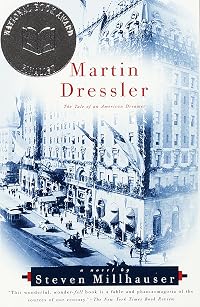
Martin Dressler: The Tale of an American Dreamer
by Steven Millhauser
On This Page
Description
Winner of the Pulitzer Prize and National Book Award Finalist Young Martin Dressler begins his career as an industrious helper in his father's cigar store. In the course of his restless young manhood, he makes a swift and eventful rise to the top, accompanied by two sisters--one a dreamlike shadow, the other a worldly business partner. As the eponymous Martin's vision becomes bolder and bolder he walks a haunted line between fantasy and reality, madness and ambition, art and industry, show more a sense of doom builds piece-by-hypnotic piece until this mesmerizing journey into the heart of an American dreamer reaches its bitter-sweet conclusion. show lessTags
Recommendations























Member Recommendations
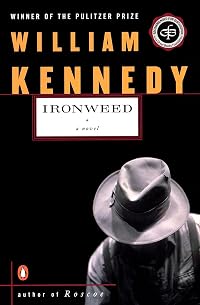
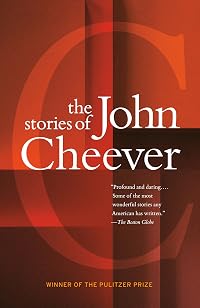
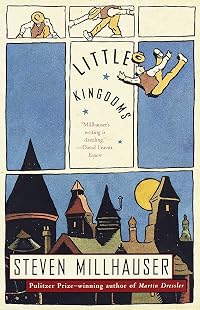
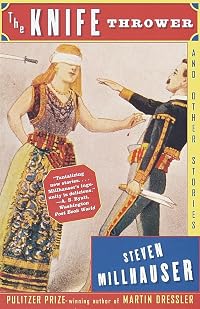
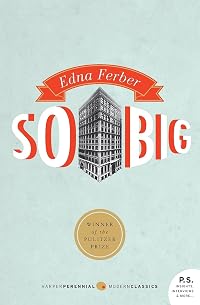
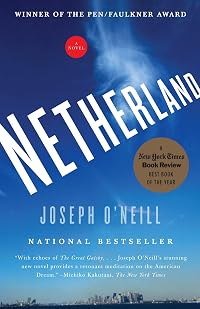
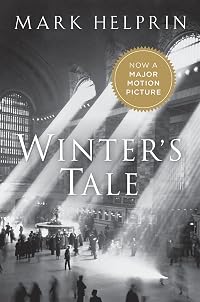
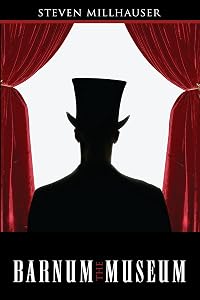
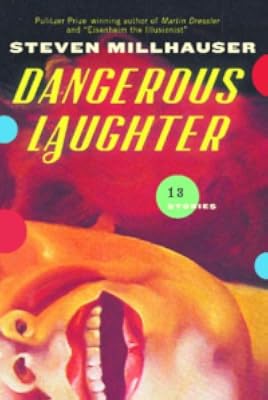
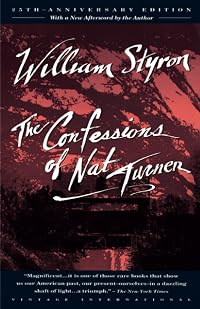
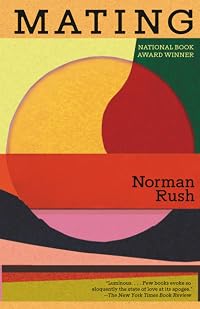
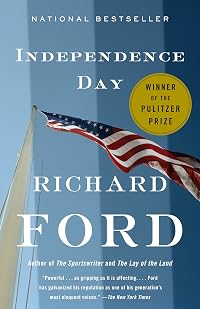
Othemts These novels share in common a central figure who represents certain ideals of the American character as well unexpected turns toward magical realism late in the narrative.

Member Reviews
“...Was there then something wrong with him, that he couldn't just rest content? Must he always be dreaming up improvements? And it seemed to Martin that if only he could imagine something else, something great, something greater, something as great as the whole world, then he might rest awhile.”
The setting is New York City, in the late 19th century. Martin Dressler is a teenager with big ideas and even bigger dreams, as he toils industriously at his father’s cigar shop. In his mid-teens he finds work at a famous hotel landmark and quickly begins to move up in the world.
By his early 20s, he owns a string of restaurants. During this rise, he has befriended a pair of sisters- one he marries and one becomes a business partner.
This show more novel is an odd mix of the mundane and the fantastical, as Martin’s dreams become mystically grotesque, growing so unwieldy and unlikely that he is destined for a downfall. I was reminded of the over-indulgences of Citizen Kane. The first two- thirds of the book is fairly conventional and well-written. For me, in the final third, as the American Dream begins to implode, the narrative falters. That might have been the author’s intention but it was a failing in the story for me. Guardedly recommended. show less
The setting is New York City, in the late 19th century. Martin Dressler is a teenager with big ideas and even bigger dreams, as he toils industriously at his father’s cigar shop. In his mid-teens he finds work at a famous hotel landmark and quickly begins to move up in the world.
By his early 20s, he owns a string of restaurants. During this rise, he has befriended a pair of sisters- one he marries and one becomes a business partner.
This show more novel is an odd mix of the mundane and the fantastical, as Martin’s dreams become mystically grotesque, growing so unwieldy and unlikely that he is destined for a downfall. I was reminded of the over-indulgences of Citizen Kane. The first two- thirds of the book is fairly conventional and well-written. For me, in the final third, as the American Dream begins to implode, the narrative falters. That might have been the author’s intention but it was a failing in the story for me. Guardedly recommended. show less
Como ya dije en su momento en la reseña de 'Risas peligrosas', Millhauser es un escritor esquivo, que huye tanto del éxito como del fracaso. Con 'Martin Dressler. Historia de un soñador americano' obtuvo el Premio Pulitzer en 1997, algo que parece no haber influido en la vida de Millhauser, que ya veía reconocida su obra por la crítica especializada. Con todo lo que se publica en este país, es una pena que escritores de su talla, y en concreto de novelas como 'Martin Dressler', pasen de puntillas por las librerías. Y es que Millhauser en un escritor que sabe narrar.
La historia transcurre en Nueva York, a finales del siglo XIX, en plena expansión de esta gran ciudad, cuando los edificios empezaban a querer rozar las nubes. Una show more ciudad en la que tenían cabida todo tipo de individuos, desde charlatanes, hasta genios y visionarios de un futuro que estaba al alcance de sus manos. Un mundo donde los soñadores tenían material sobre el que poder trabajar. Es el Sueño Americano, y Martin Dressler es un soñador. Martin, hijo de un humilde tabaquero, tiene la cabeza llena de sueños a los que dar rienda suelta. Siendo tan solo un niño, su mente desborda de ideas imaginativas. Desde su puesto en la tabaquería de sus padres, Martin irá ascendiendo, en una espiral de ambición pero también de obsesión por alcanzar un ideal. Millhauser nos va contando este ascenso en un argumento lineal, por lo que es mejor contar lo menos posible para no desbaratar su lectura.
La creación del mundo que Martin tiene en la cabeza resulta fascinante, mezcla de un 'Ciudadano Kane' o un 'Metrópolis' visto por Tim Burton, en los que tiene lugar el particular imaginario de Millhauser, con sus arquitecturas imposibles, sus miniaturas y su imaginación desbordante. Y es que Millhauser nos propone un cuento, una fábula en la que un sueño puede ser un fin en sí mismo, y en donde la redención y la paz pueden residir más en el fracaso que en el éxito. Un cuento, en fin, compuesto por dos tramas, una la del soñador irredento en busca del ideal, y otra en la que tienen lugar tres mujeres, una madre y sus dos hijas, una bella, etérea y melancólica, y la otra fea, enérgica y vivaz, dando lugar a una cierta duplicidad.
'Martin Dressler' es una historia magnífica, que nos habla del afán de superación y de los bellos sueños del protagonista, sin importar la cruel realidad. show less
La historia transcurre en Nueva York, a finales del siglo XIX, en plena expansión de esta gran ciudad, cuando los edificios empezaban a querer rozar las nubes. Una show more ciudad en la que tenían cabida todo tipo de individuos, desde charlatanes, hasta genios y visionarios de un futuro que estaba al alcance de sus manos. Un mundo donde los soñadores tenían material sobre el que poder trabajar. Es el Sueño Americano, y Martin Dressler es un soñador. Martin, hijo de un humilde tabaquero, tiene la cabeza llena de sueños a los que dar rienda suelta. Siendo tan solo un niño, su mente desborda de ideas imaginativas. Desde su puesto en la tabaquería de sus padres, Martin irá ascendiendo, en una espiral de ambición pero también de obsesión por alcanzar un ideal. Millhauser nos va contando este ascenso en un argumento lineal, por lo que es mejor contar lo menos posible para no desbaratar su lectura.
La creación del mundo que Martin tiene en la cabeza resulta fascinante, mezcla de un 'Ciudadano Kane' o un 'Metrópolis' visto por Tim Burton, en los que tiene lugar el particular imaginario de Millhauser, con sus arquitecturas imposibles, sus miniaturas y su imaginación desbordante. Y es que Millhauser nos propone un cuento, una fábula en la que un sueño puede ser un fin en sí mismo, y en donde la redención y la paz pueden residir más en el fracaso que en el éxito. Un cuento, en fin, compuesto por dos tramas, una la del soñador irredento en busca del ideal, y otra en la que tienen lugar tres mujeres, una madre y sus dos hijas, una bella, etérea y melancólica, y la otra fea, enérgica y vivaz, dando lugar a una cierta duplicidad.
'Martin Dressler' es una historia magnífica, que nos habla del afán de superación y de los bellos sueños del protagonista, sin importar la cruel realidad. show less
When I first moved to New York in 1986 Times Square was a bit of a seething pit filled with adult movie theaters, sex shops, Off-Track Betting counters, seedy bars, and restaurants offering $5 steak dinners. I sort of loved it. Set among the filth were a few very cool bars and elegant little restaurants that had seen it all for years. A few years later, Disney came in and cleaned it up, painting over the graffiti with Disney princess blue and replacing billboards with electronic signage and establishments like the M&M Store. I hate Times Square now, my body seizes up when I have to scamper across Broadway to reach a theater or get to Hell's Kitchen. It is safer, it is cleaner, but it lacks humanity and has replaced the magic of show more discovery with the assault of bombast and the surprise of unique (if sometimes repellent) visuals with the limitless embrace of iconography. I thought about that a lot as I read this fairy tale, written at the end of the 20th century and set at the end of the 19th.
Our hero, a Horatio Alger type, grows from the dutiful son of a cigar store owner to a mogul, immersed in an endless urge to create new worlds, eventually separating himself from the majesty of his city to an invented wonderland that extends far into the sky and almost as far down into the island's bedrock. A number of women ride alongside Martin on the journey, and his relationships mirror his professional life, valuing the illusion over the substance at every turn.
The writing is pure magic. There is lots of humor and plenty of pathos. I am glad that I opted for the audiobook, though I am sure this is marvelous in print, since George Guidall infuses Martin with life and spirit. I swear I don't know how I am going to limit my Fiction Best of list to 10 this year when books this good keep jumping in front of me and assaulting me with their excellence. show less
Our hero, a Horatio Alger type, grows from the dutiful son of a cigar store owner to a mogul, immersed in an endless urge to create new worlds, eventually separating himself from the majesty of his city to an invented wonderland that extends far into the sky and almost as far down into the island's bedrock. A number of women ride alongside Martin on the journey, and his relationships mirror his professional life, valuing the illusion over the substance at every turn.
The writing is pure magic. There is lots of humor and plenty of pathos. I am glad that I opted for the audiobook, though I am sure this is marvelous in print, since George Guidall infuses Martin with life and spirit. I swear I don't know how I am going to limit my Fiction Best of list to 10 this year when books this good keep jumping in front of me and assaulting me with their excellence. show less
To: Caleb Carr. This is how you write a novel that shows (deftly) how much you know about 19th-century New York.
To: Mark Helprin. This is how you write a magic-realist book about 19th-century New York and still make it cohesive and focused.
There's a lot more going on beneath the surface of this simple fable than at first appears. Slight shades of Terry Gilliam, Brian Moore (The Great Victorian Collection), and Baz Luhrmann, but set in an only slightly askew version of Gilded Age/turn of the century NYC. The themes of striving for success, the American dream, the phantasmagoria of consumer culture, and the nature of reality and illusion are still very timely. The book started out in the realm of the plausible and built to a vivid fever show more dream of fantasy in the final third. I will look forward to reading more of Millhauser's work. show less
To: Mark Helprin. This is how you write a magic-realist book about 19th-century New York and still make it cohesive and focused.
There's a lot more going on beneath the surface of this simple fable than at first appears. Slight shades of Terry Gilliam, Brian Moore (The Great Victorian Collection), and Baz Luhrmann, but set in an only slightly askew version of Gilded Age/turn of the century NYC. The themes of striving for success, the American dream, the phantasmagoria of consumer culture, and the nature of reality and illusion are still very timely. The book started out in the realm of the plausible and built to a vivid fever show more dream of fantasy in the final third. I will look forward to reading more of Millhauser's work. show less
Martin Dressler is nine years old in 1881 when he has his first business idea, to dress the window of his father’s Manhattan tobacco shop in a distinctive way. The boy works hard for the shop and has for several years; the Dresslers are dour German immigrants to whom work and thrift come naturally. Pleasure, affection, or satisfaction have no place, suspect as the harbingers of ruin.
From these humble beginnings, Martin makes his way in the New York in the 1890s, earning astonishing success, even as a teenager. Through clever anticipation of customers’ wants, constant willingness to revise his approach, and an innate grasp of what constitutes service, young Martin constructs an empire. He learns how to tap into expectations and, show more later, to create them.
Millhauser excels at presenting New York, a city under rapid expansion, so that it appears almost like a child learning to walk and talk, and from whom we anticipate great things. Everyone has an idea, it seems, as though entrepreneurs stand on every corner, awaiting their chance at the big time. Consequently, though Martin may seem larger than life, he fits right in, except that he thinks more boldly than most.
He personifies several themes, one of which involves fascination with modern technology, which promises to make daily life easier, alongside a contradictory desire to remain in the past, anchored to what people already know. Accordingly, architecture and decorative styles figure heavily, and the author details them down to the smallest brick. His people hunger for the newness and their ability to possess it, yet fear what they might have lost, leaving behind what they grew up with.
I admire Millhauser’s finely wrought depiction of these changes, which feel both exterior and personal. Martin Dressler won the Pulitzer Prize and has been rightly celebrated for its prose and descriptive marvels, making the New York of bygone years into a character. I also like Millhauser’s deft, subtle touch, in which he plumbs nascent, unexpressed desires, followed often by rapid, impulsive action. You never know quite what to expect — for the first half of the novel, anyway — which keeps the pages turning.
However, the narrative depends entirely on one character, and Martin grows tiresome. In the beginning, you want him to break his restraints, venture out on his own, find his fortune. But nothing ever satisfies him, and he doesn’t know why, nor does he bother to think about it, much. That may be true to life, especially for someone who grew up with nothing but work and duty.
But past a certain point, there’s a diminishing return. As Martin grows ever grander in his visions, longing to create something so splendid, even he’ll be happy, you know what will result. You also know that in courting a particular woman — and what a bizarre courtship — he’s heading for trouble. Where the first half of the narrative feels volatile, the second half settles into predictability.
More significantly, Martin’s the only character whose inner life comes across, and success erodes his appeal, which leaves the reader nowhere to go. Our hero talks only of his business plans, get easily annoyed if anyone criticizes them, and seems to understand, or want to understand, people only in relation to himself. A narcissist, in other words, bent on greater and greater grandiosity. In keeping with that portrait, there are only so many descriptions of decorative garishness that I can take, so I wound up flipping through some of them.
Martin Dressler the novel is beautifully written and evocative, but Martin Dressler the man is hard to approach, full of much, yet empty. I think that’s the point, and it comes with no surprise. show less
From these humble beginnings, Martin makes his way in the New York in the 1890s, earning astonishing success, even as a teenager. Through clever anticipation of customers’ wants, constant willingness to revise his approach, and an innate grasp of what constitutes service, young Martin constructs an empire. He learns how to tap into expectations and, show more later, to create them.
Millhauser excels at presenting New York, a city under rapid expansion, so that it appears almost like a child learning to walk and talk, and from whom we anticipate great things. Everyone has an idea, it seems, as though entrepreneurs stand on every corner, awaiting their chance at the big time. Consequently, though Martin may seem larger than life, he fits right in, except that he thinks more boldly than most.
He personifies several themes, one of which involves fascination with modern technology, which promises to make daily life easier, alongside a contradictory desire to remain in the past, anchored to what people already know. Accordingly, architecture and decorative styles figure heavily, and the author details them down to the smallest brick. His people hunger for the newness and their ability to possess it, yet fear what they might have lost, leaving behind what they grew up with.
I admire Millhauser’s finely wrought depiction of these changes, which feel both exterior and personal. Martin Dressler won the Pulitzer Prize and has been rightly celebrated for its prose and descriptive marvels, making the New York of bygone years into a character. I also like Millhauser’s deft, subtle touch, in which he plumbs nascent, unexpressed desires, followed often by rapid, impulsive action. You never know quite what to expect — for the first half of the novel, anyway — which keeps the pages turning.
However, the narrative depends entirely on one character, and Martin grows tiresome. In the beginning, you want him to break his restraints, venture out on his own, find his fortune. But nothing ever satisfies him, and he doesn’t know why, nor does he bother to think about it, much. That may be true to life, especially for someone who grew up with nothing but work and duty.
But past a certain point, there’s a diminishing return. As Martin grows ever grander in his visions, longing to create something so splendid, even he’ll be happy, you know what will result. You also know that in courting a particular woman — and what a bizarre courtship — he’s heading for trouble. Where the first half of the narrative feels volatile, the second half settles into predictability.
More significantly, Martin’s the only character whose inner life comes across, and success erodes his appeal, which leaves the reader nowhere to go. Our hero talks only of his business plans, get easily annoyed if anyone criticizes them, and seems to understand, or want to understand, people only in relation to himself. A narcissist, in other words, bent on greater and greater grandiosity. In keeping with that portrait, there are only so many descriptions of decorative garishness that I can take, so I wound up flipping through some of them.
Martin Dressler the novel is beautifully written and evocative, but Martin Dressler the man is hard to approach, full of much, yet empty. I think that’s the point, and it comes with no surprise. show less
Martin Dressler, the ambitious son of a cigar maker, has big dreams even as a young child. He starts by delivering cigars for his father and finds an ingenious way to make profits soar. As a teenager, he starts his career employed as a young hotel bellhop. He catches the eye of the hotel owner and soon becomes his secretary and mentor. As a young man he falls under the spell of a mother and her two grown daughters while building hotels of his own. One daughter becomes his business partner when he delves into opening a chain of diners while the other daughter, Caroline, mystifies him with her silent, elusive personality. She reminds him of a girl he used to know...Strangely enough, he ends up marrying this shadowy, ghostly woman.
This is show more not a coming of age story. Readers watch as Martin goes through childhood and teenage years to adulthood without exposing friendships; it's as if he doesn't have any, puberty, or any other angst-y growing up tribulation. His personality is firmly grounded in business. There is a moment when Martin decides it is time for him to lose his virginity and almost without ceremony or fanfare, he visits a brothel. This becomes a matter of fact, once a week habit he continues into adulthood. Not much is made of sex either way. However, his wedding night is particularly uncomfortable.
What is especially fun to watch is late nineteenth century New York City growing up along side Martin. The street names change over the years. Buildings grow taller. Oil lamps are crowded out by electricity one by one. The Manhattan we know today competes with Martin's metropolis of his dreams until they are both so large there isn't room enough for the both of them. But, which New York lives on? show less
This is show more not a coming of age story. Readers watch as Martin goes through childhood and teenage years to adulthood without exposing friendships; it's as if he doesn't have any, puberty, or any other angst-y growing up tribulation. His personality is firmly grounded in business. There is a moment when Martin decides it is time for him to lose his virginity and almost without ceremony or fanfare, he visits a brothel. This becomes a matter of fact, once a week habit he continues into adulthood. Not much is made of sex either way. However, his wedding night is particularly uncomfortable.
What is especially fun to watch is late nineteenth century New York City growing up along side Martin. The street names change over the years. Buildings grow taller. Oil lamps are crowded out by electricity one by one. The Manhattan we know today competes with Martin's metropolis of his dreams until they are both so large there isn't room enough for the both of them. But, which New York lives on? show less
As in Millhauser’s previous books, this book recreates the origin of something specifically American—this time not the department store, but the chain restaurant and the modern hotel, built atop a labyrinth of luxury stores. If any other writer would have written a novel on this subject, Martin Dressler would have been simply a boring businessman, but Millhauser’s genius is to know that the origin of most things is ambivalent. He is also a first-rate anthropologist of Americana, and knows that this is the only society where pragmatism, action, and a business-like view of life are (or rather, once were) not necessarily the opposite—as in all other societies—but the other face of a dreamer’s vision. Thus, Martin Dressler is show more the archetype of this paradoxical and specifically American union. For Dressler, building a modern hotel is a project meant to create a world into itself, a magic world that would link together various small, separate elements. In other words, something akin to a novel.
Like in “Paradise Park” and “The Dream of the Consortium” from The Knife Thrower, Dressler’s desire to build ever more spectacular hotels that would enclose the entire world within their walls, becomes a desire to find a total replica or a perfect copy of the real world: a hotel where you could find the pleasures of the countryside or of nature or of high culture without the inconveniences of travel. A pre-Las Vegas. One could even say that Dressler’s project to build a Grand Cosmo, a hotel that would rival the world itself and ultimately make it superfluous is…the Internet. The dream of a magic world ends up becoming a perversion, the perversion of a soul always hungry for something bigger.
Millhauser’s books are not always liked by the “average reader” because for most people it is hard to move back and forth between a realist esthetics and one rooted in symbols, and this is what reading Millhauser requires. His books are apparently realist, but it is a faux realism because they all have a higher, symbolic level, and often are modern fables. But ultimately what makes him a great writer is his incantatory style, the dream-like atmosphere emanating from his prose. show less
Like in “Paradise Park” and “The Dream of the Consortium” from The Knife Thrower, Dressler’s desire to build ever more spectacular hotels that would enclose the entire world within their walls, becomes a desire to find a total replica or a perfect copy of the real world: a hotel where you could find the pleasures of the countryside or of nature or of high culture without the inconveniences of travel. A pre-Las Vegas. One could even say that Dressler’s project to build a Grand Cosmo, a hotel that would rival the world itself and ultimately make it superfluous is…the Internet. The dream of a magic world ends up becoming a perversion, the perversion of a soul always hungry for something bigger.
Millhauser’s books are not always liked by the “average reader” because for most people it is hard to move back and forth between a realist esthetics and one rooted in symbols, and this is what reading Millhauser requires. His books are apparently realist, but it is a faux realism because they all have a higher, symbolic level, and often are modern fables. But ultimately what makes him a great writer is his incantatory style, the dream-like atmosphere emanating from his prose. show less
Members
- Recently Added By
Lists

Pulitzer Prize Winners for Fiction
102 works; 54 members

Boarding House and Hotel Fiction
73 works; 25 members

Magic Realism
371 works; 52 members

Best Workplace Fiction
47 works; 18 members

Books Set in New York City
127 works; 22 members
National Book Award Finalists - Fiction
377 works; 12 members

American Lit for Eng 11 Research Project
368 works; 6 members

Myth (Reuse and Retelling)
188 works; 24 members

Fiction with Men's Given Names in the Title
302 works; 11 members

Books Read in 2024
4,727 works; 128 members

Pulitzer Prize-Winning Books
42 works; 10 members
Author Information

45+ Works 5,690 Members
Some Editions
Awards and Honors
Awards
Series
Belongs to Publisher Series
Common Knowledge
- Canonical title*
- Martin Dressler ou le roman d'un rêveur américain
- Original title
- Martin Dressler - The Tale of an American Dreamer
- Alternate titles
- Martin Dressler
- People/Characters
- Martin Dressler; Emmeline Vernon; Catherine Vernon; Margaret Vernon; Mr. Westerhoven; Charley Stratemeyer (show all 9); Otto Dressler; Mrs. Dressler; Walter Dundee
- Important places
- New York, New York, USA; Manhattan, New York, New York, USA
- Epigraph*
- /
- Dedication
- To my sister, Carla
- First words
- There once lived a man named Martin Dressler, a shopkeeper's son, who rose from modest beginnings to a height of dreamlike good fortune.
- Last words
- (Click to show. Warning: May contain spoilers.)He was in no hurry.
- Original language*
- Anglais (Etats-Unis) (Etats-Unis)
*Some information comes from Common Knowledge in other languages. Click "Edit" for more information.
Classifications
Statistics
- Members
- 1,807
- Popularity
- 12,126
- Reviews
- 59
- Rating
- (3.52)
- Languages
- 6 — Dutch, English, French, German, Italian, Spanish
- Media
- Paper, Audiobook, Ebook
- ISBNs
- 23
- ASINs
- 9