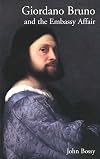
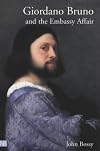
Giordano Bruno and the Embassy Affair
by John Bossy
On This Page
Description
This book tells a true detective story set mainly in Elizabethan London during the years of cold war just before the Armada of 1588. The mystery is the identity of a spy working in a foreign embassy to frustrate Catholic conspiracy and propaganda aimed at the overthrow of Queen Elizabeth and her government. The suspects in the case are the inmates of the house, an old building in the warren of streets and gardens between Fleet Street and the Thames. These include the ambassador, a civilized show more Frenchman, his wife, his daughter, his secretary, his clerk and his priest, the tutor, the chef, the butler, and the concierge. They also include a runaway friar, the Neapolitan philosopher, poet, and comedian Giordano Bruno, who wrote masterpieces of Italian literature, who was later burned in Rome for his anti-papal opinions, and who has been revered in Italy for his honorable and heroic resistance to papal authority. Others in the cast are Queen Elizabeth, her formidable secretary of state Sir Francis Walsingham, and King Henry III of France; poets, courtiers, and scholars; statesmen, conspirators, go-betweens, and stool-pigeons. When not in London, the action takes place in Paris and Oxford; a good deal of it happens on the river Thames. The hero or villain, who calls himself Fagot, does his work most effectively, is not found out, and disappears. In the first part of the book these events are narrated. In the second the spy is identified and his story put together. John Bossy’s brilliant research, backed by his forensic and literary skills, solves a centuries-old mystery. His book makes a major contribution to the political and intellectual history of the wars of religion in Europe and to the domestic history of Elizabethan England. Not least, it is compelling reading. show lessTags
Recommendations






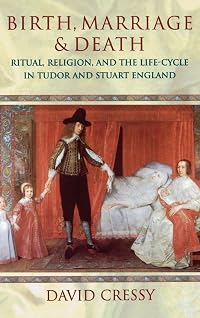
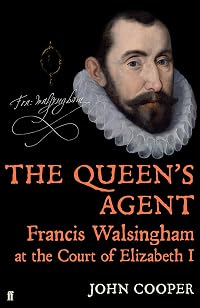
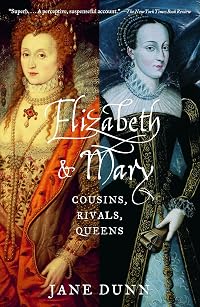
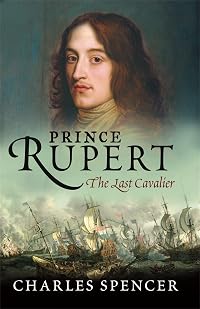





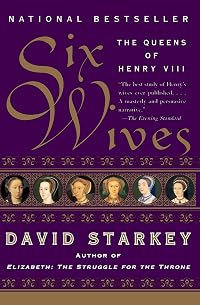

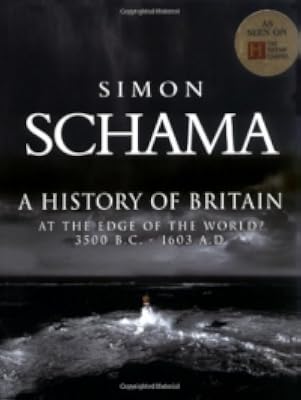
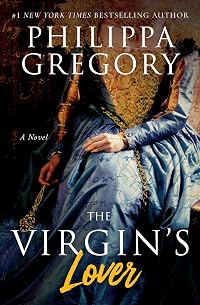
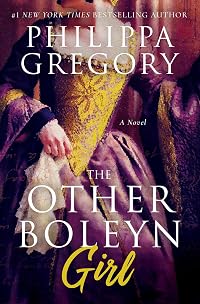

Member Recommendations
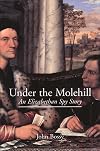
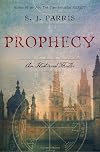
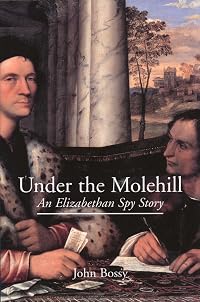
PuddinTame The events discussed in Bossy's book are novelized in Prophecy
Member Reviews
Bossy identifies Giordano Bruno as Henry Fagot, a secret agent reporting to Francis Walsingham from within the French embassy in London. But, as Bossy himself admits in a preface, this identification isn't based on very solid evidence. The book is too dense to be very readable, and too speculative to be very interesting, I'm sad to say.
Ratings
Members
- Recently Added By
Author Information

11+ Works 519 Members
John Bossy is emeritus professor of history at the University of York.
Awards and Honors
Work Relationships
Has the (non-series) sequel
Common Knowledge
- Original publication date
- 1991 (copyright) (copyright)
- People/Characters
- Giordano Bruno; Henry Fagot (pseudonym); Michel de Castelnau, Sieur de la Mauvissiere; Sir Francis Walsingham; Elizabeth I, Queen of England; Mary, Queen of Scots (show all 19); Robert Dudley, 1st Earl of Leicester; John Florio; Henri III, King of France; Henri IV, King of France; William Herle; Girault de la Chassaigne; Guillaume de l'Aubespine, baron de Châteauneuf; Nicolas Leclerc, Seigneur de Courcelles; Thomas Morgan; Sir Philip Sidney; Sir Edward Stafford; Francis Throckmorton; Henry Howard, 1st Earl of Northampton
- Important places
- London, England, UK
- Epigraph
- Melior est canis vivens leone mortuo
A live dog is better than a dead lion.
Ecclesiates 9:4
Puzzo sarrebe l'istorico, che, trattando la sua materia, volesse ordinar vocaboli stimati novi e riformar i vecchi, e far di modo che il lettore sii piú trattenuto a osservarlo e interpretarlo come gramatico, che intender... (show all)lo come istorico
A historian would be an imbecile if, in expounding his subject, he should decide to invent a brand new set of terms, and to abolish the old ones; whence his reader would have more ado to keep track of him as a grammarian, than to understand him as a historian.
Giordano Bruno, La cena de le Ceneri (DI, p.121) - Dedication
- For Pete and Belinda,
with love and gratitude - First words
- At the beginning of my career as a historian, which is now some time ago, I wrote a Ph. D thesis on the relations, political and other, between France and the Elizabethan Catholics. (Preface)
This book tells a story, and because it tells a story I cannot, dear reader, reveal to you here and now what happens in it. (To the Reader)
In the spring of 1583 Michel de Castelnau, seigneur de Mauviessière in Touraine, had been living in London for nearly eight years as ambassador to Queen Elizabeth from King Henri III of France. (chapter 1) - Last words
- (Click to show. Warning: May contain spoilers.)Let malcontents and teeth-grinders take their chance in the Strand with the rest of the venomous rabble, and leave Diana's river to her nymphs and her faithful lovers, her swans and her stars. (main text)
(Click to show. Warning: May contain spoilers.)Since it turned out that it did, there is room for saying, after more sympathetic things, that it served him right. (Epilogue)
Classifications
- Genres
- History, Nonfiction, Biography & Memoir, General Nonfiction
- DDC/MDS
- 942.05 — History & geography History of Europe England and Wales England 1485-1603, Tudors
- LCC
- DA356 .B67 — History of Europe, Asia, Africa and Oceania Great Britain History of Great Britain England History By period Modern, 1485- Tudors, 1485-1603 Elizabeth I, 1558-1603. Elizabethan age
- BISAC
Statistics
- Members
- 149
- Popularity
- 219,876
- Reviews
- 1
- Rating
- (3.35)
- Languages
- English, Italian, Spanish
- Media
- Paper, Ebook
- ISBNs
- 6
- ASINs
- 1