
In the Company of the Courtesan
by Sarah Dunant
On This Page
Description
My lady, Fiammetta Bianchini, was plucking her eyebrows and biting color into her lips when the unthinkable happened and the Holy Roman Emperor's army blew a hole in the wall of God's eternal city, letting in a flood of half-starved, half-crazed troops bent on pillage and punishment.Thus begins In the Company of the Courtesan, Sarah Dunant's epic novel of life in Renaissance Italy. Escaping the sack of Rome in 1527, with their stomachs churning on the jewels they have swallowed, the show more courtesan Fiammetta and her dwarf companion, Bucino, head for Venice, the shimmering city born out of water to become a miracle of east-west trade: rich and rancid, pious and profitable, beautiful and squalid.
With a mix of courage and cunning they infiltrate Venetian society. Together they make the perfect partnership: the sharp-tongued, sharp-witted dwarf, and his vibrant mistress, trained from birth to charm, entertain, and satisfy men who have the money to support her.
Yet as their fortunes rise, this perfect partnership comes under threat, from the searing passion of a lover who wants more than his allotted nights to the attentions of an admiring Turk in search of human novelties for his sultan's court. But Fiammetta and Bucino's greatest challenge comes from a young crippled woman, a blind healer who insinuates herself into their lives and hearts with devastating consequences for them all.
A story of desire and deception, sin and religion, loyalty and friendship, In the Company of the Courtesan paints a portrait of one of the world's greatest cities at its most potent moment in history: It is a picture that remains vivid long after the final page.
From the Hardcover edition.
. show less
Tags
Recommendations
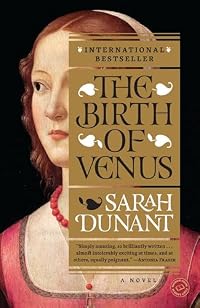


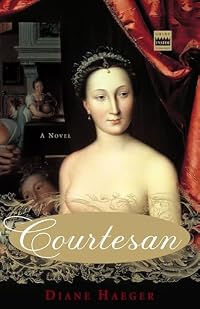


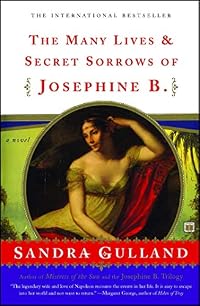
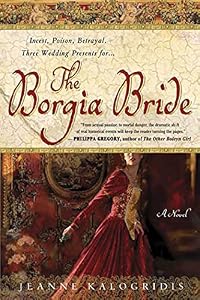



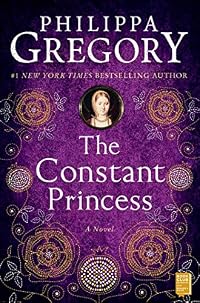








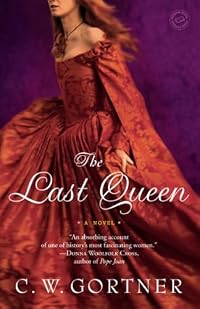



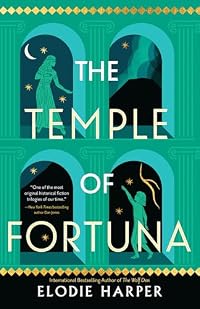

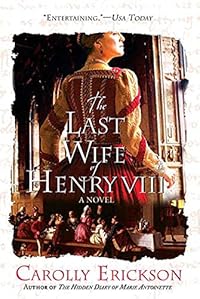
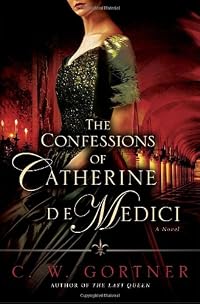
Member Recommendations
AdonisGuilfoyle The fact and fiction of Venice

Member Reviews
With this, her second foray into historical fiction Sarah Dunant gives her readers another brilliantly written novel. Obviously well researched, Dunant's depiction of the Italian Renaissance setting is so realistic as to be magical. She transports the reader to 1527 and keeps them there for the duration.
The story is that of Fiametta, the titular courtesan and her dwarf companion, Bucino. They lose everything they hold dear, and barely escape with their lives when Rome is sacked and destroyed around them. Fiametta's legendary beauty was damaged in an encounter with "Lutheran harpies", and the two voyage to her matriarchal home in Venice to rest and recover. Sadly Fiametta's mother has long since died and almost nothing remains of her show more fortune. With the help of La Draga an eerily blind, crippled healer, Fiametta is nursed back to health and works hard to regain her status as the high class companion to the wealthy and titled men of her time. All is well until an accident involving Bucino sends him seeking after La Draga. To her misfortune, his discovery of her secret ends in an accusation of witchcraft and subsequent trial.
Dunant's Venice is truly compelling, shown to the reader by the unusually astute observer Bucino, narrator of this story. At times he is companion, helper, business manager, confidant and exotic plaything. He uses his status as a dwarf to full advantage, even pretending to be a drooling idiot to further their cause. He is quite a sympathetic character; one can't help but like him for his loyalty to his mistress. He stands by her through thick and thin, even when there is considerable danger to his own skin. Indeed his loyalty makes him reject an offer that, had he accepted, would have set him up in luxury. Only once does Fiametta push him to the breaking point. She falls in love with a young client, and starts giving him freely what Bucino as her pimp thinks should be paid.
The courtesan Fiametta is both vain and shallow, excellent qualities in a woman who lives by her beauty. Under her flighty facade she has a core of steel, to have survived not only the rape of Rome, but also the setbacks that awaited her in the expected haven of Venice. Although Fiametta is a slightly lesser character, her relationship with Bucino is the backbone of the story and the heart of the book; all events in some way revolve around her. La Draga the mysterious blind healer, has a terrible secret, this and her powers leave a permanent mark on the courtesan and her dwarf. Dunant's characters are absolutely irresistible.
This fascinating novel is well fleshed out with historical figures and events. Even La Draga herself is a real person, although some liberties are admittedly taken with her story. All in all, an exceptionally satisfying way to wile away an afternoon or two. show less
The story is that of Fiametta, the titular courtesan and her dwarf companion, Bucino. They lose everything they hold dear, and barely escape with their lives when Rome is sacked and destroyed around them. Fiametta's legendary beauty was damaged in an encounter with "Lutheran harpies", and the two voyage to her matriarchal home in Venice to rest and recover. Sadly Fiametta's mother has long since died and almost nothing remains of her show more fortune. With the help of La Draga an eerily blind, crippled healer, Fiametta is nursed back to health and works hard to regain her status as the high class companion to the wealthy and titled men of her time. All is well until an accident involving Bucino sends him seeking after La Draga. To her misfortune, his discovery of her secret ends in an accusation of witchcraft and subsequent trial.
Dunant's Venice is truly compelling, shown to the reader by the unusually astute observer Bucino, narrator of this story. At times he is companion, helper, business manager, confidant and exotic plaything. He uses his status as a dwarf to full advantage, even pretending to be a drooling idiot to further their cause. He is quite a sympathetic character; one can't help but like him for his loyalty to his mistress. He stands by her through thick and thin, even when there is considerable danger to his own skin. Indeed his loyalty makes him reject an offer that, had he accepted, would have set him up in luxury. Only once does Fiametta push him to the breaking point. She falls in love with a young client, and starts giving him freely what Bucino as her pimp thinks should be paid.
The courtesan Fiametta is both vain and shallow, excellent qualities in a woman who lives by her beauty. Under her flighty facade she has a core of steel, to have survived not only the rape of Rome, but also the setbacks that awaited her in the expected haven of Venice. Although Fiametta is a slightly lesser character, her relationship with Bucino is the backbone of the story and the heart of the book; all events in some way revolve around her. La Draga the mysterious blind healer, has a terrible secret, this and her powers leave a permanent mark on the courtesan and her dwarf. Dunant's characters are absolutely irresistible.
This fascinating novel is well fleshed out with historical figures and events. Even La Draga herself is a real person, although some liberties are admittedly taken with her story. All in all, an exceptionally satisfying way to wile away an afternoon or two. show less
16th-Century Venice... Courtesans.... A pleasurable summer historical novel read about the partnership between a courtesan and a her partner/pimp/dwarf. Rome is sacked and after their home and business id destroyed, the two hit the road for Venice and attempt to make a come back. The characters and the settings felt real. I plan on reading more of Dunant.
When Charles V’s troops sack Rome in 1527, famed courtesan Fiammetta Bianchini and her pimp Bucino are forced to flee. Joining other refugees on the road, Fiammetta and Bucino are eventually able to reach the safety of Venice. With none of their accustomed luxuries, and with the meagre resources they were able to take when they fled, Fiammetta and Bucino begin to plan how they will once again rise through the ranks of the courtesans in a new city.
I really enjoyed In The Company of The Courtesan. The Renaissance Venetian (and to a slightly lesser degree the Roman) setting were vividly written with plenty of historic details included, especially on the themes of prostitution, religion and aspects of everyday life. The sordid hypocrisy show more of elite Venetian society, who try to reconcile the Catholic Church’s teachings with their greed, need for status and their desire for a lavish lifestyle, is also quite fun to read.
I particularly liked Bucino’s perspective as narrator. As a dwarf, Bucino faces challenges I never considered and this adds a uniqueness to the story. Bucino is quite a sympathetic character and readers learn quite a bit about him, and while Fiammetta is also likable her development seems more one dimensional. La Draga, a minor character, is also very interesting and, along with Bucino, adds some flair to the story.
In The Company Of The Courtesan is not overly driven by plot, and the characterisation of Fiammetta in particular could’ve been stronger. Despite this, it is still a very engaging and entertaining story. I’ll definitely pick up more of Dunant’s books. show less
I really enjoyed In The Company of The Courtesan. The Renaissance Venetian (and to a slightly lesser degree the Roman) setting were vividly written with plenty of historic details included, especially on the themes of prostitution, religion and aspects of everyday life. The sordid hypocrisy show more of elite Venetian society, who try to reconcile the Catholic Church’s teachings with their greed, need for status and their desire for a lavish lifestyle, is also quite fun to read.
I particularly liked Bucino’s perspective as narrator. As a dwarf, Bucino faces challenges I never considered and this adds a uniqueness to the story. Bucino is quite a sympathetic character and readers learn quite a bit about him, and while Fiammetta is also likable her development seems more one dimensional. La Draga, a minor character, is also very interesting and, along with Bucino, adds some flair to the story.
In The Company Of The Courtesan is not overly driven by plot, and the characterisation of Fiammetta in particular could’ve been stronger. Despite this, it is still a very engaging and entertaining story. I’ll definitely pick up more of Dunant’s books. show less
In the Company of the Courtesan – Sarah Dunant
Audio performance by Steven Hoye
4 stars
From the convent to a brothel. The first Sarah Dunant book that I read was Sacred Hearts. This book looks at an entirely different cross-section of 16th century Italy. Far from the detailed picture of the religious lives of secluded nuns, In the Company of the Courtesanexamines the lives of a high class whore and her pimp, the dwarf, Bucino. In coarse, gritty language, Bucino relates the story of their narrow escape from the sack of Rome and Fiammetta’s eventual recovery of health and fortune in her native Venice.
Dunant describes Venice and its layers of society with amazing attention to detail. Life can be luxurious for the prosperous, but also show more brutal, dangerous and ugly. Bucino and Fiammetta interact with Venice and each other in a way that seemed both theatrical and completely genuine. A courtesan and her dwarf? What are they if not actors?
Some of the drama is comedic, but much of it is distinctly tragic. I was glad that the ending allowed an optimistic outlook for the further adventures of Bucino and Fiammetta.
show less
Audio performance by Steven Hoye
4 stars
From the convent to a brothel. The first Sarah Dunant book that I read was Sacred Hearts. This book looks at an entirely different cross-section of 16th century Italy. Far from the detailed picture of the religious lives of secluded nuns, In the Company of the Courtesanexamines the lives of a high class whore and her pimp, the dwarf, Bucino. In coarse, gritty language, Bucino relates the story of their narrow escape from the sack of Rome and Fiammetta’s eventual recovery of health and fortune in her native Venice.
Dunant describes Venice and its layers of society with amazing attention to detail. Life can be luxurious for the prosperous, but also show more brutal, dangerous and ugly. Bucino and Fiammetta interact with Venice and each other in a way that seemed both theatrical and completely genuine. A courtesan and her dwarf? What are they if not actors?
Some of the drama is comedic, but much of it is distinctly tragic. I was glad that the ending allowed an optimistic outlook for the further adventures of Bucino and Fiammetta.
show less
This just happened to be the book I needed right now. Full of interesting places, people, plot and full, rich, smart ways to construct sentences. I love so many turns of phrase here! Probably not historically accurate, but the writer admits she is no historian and neither am I. But there IS a lengthy bibliography here. We follow the story from the perspective of a "dwarf" during an attack on Rome, and the escape to Venice with the "lady" he assists, a courtesan working her way up. I wasn't very interested in the courtesan aspect, but everything else was interesting and there was plenty more to it. And like I said, even on a sentence level it was on point. Escapist reading but great at being that.
This is a fun read. Narrated by Buccino, who is a dwarf and the pimp to the most fabulous courtesan in Rome - or she is until the sack of Rome in the 1520s, at which point they barely escape the city with their lives and their jewels. At which point they set out to Venice and aim to conquer the city anew. You can;t help feeling for them in their struggles, but when things start to unravel, they do so with alarming rapidity. They discover that there is a limit to influence and that being sorry can't actually undo the damage, no matter how hard they try. A good story, well told and it's a most engaging set of characters.
Summary: In the Company of the Courtesan is the second of Sarah Dunant's triad of works about the fate of women in Renaissance Italy. Options available to young women were limited, they could either become wives (The Birth of Venus), nuns (Sacred Hearts), or whores. This book explores the life of this last group of women by following the fate of Fiametta Bianchini, once the most famous courtesan in Rome, as seen through the eyes of Bucino Teodoldo, a dwarf who is her companion and business manager. The pair of them must flee Rome following the sack of the city in 1527, and they return to Fiametta's childhood home of Venice bruised, scarred, shorn, and with only a tiny handful of jewels they were able to smuggle out of Rome. Their only show more hope for survival is to get Fiametta established as a high-class courtesan once again, a task that will take all of their skills, charms, and wiles. For beauty is fleeting, tastes are fickle, reputations are tenuous, and the life of a prostitute is never easy in a city where even the most private sins can become public business.
Review: This is an odd book in that, while I quite enjoyed it and found it very absorbing, I can't exactly say why. It wasn't the characters; Bucino is interesting, and a good choice for a narrator, but I found Fiametta rather tiresome, especially in the last third or so of the book. It wasn't a burning desire to find out what would happen; the story certainly wasn't boring, but it was not particularly plot-driven either, and there really isn't one through-line of story that carries from beginning to end. The setting was certainly well-done - Dunant excels, as always, at bringing historical Italy to life from a unique perspective - but a masterful setting isn't enough to keep me coming back for more. I think what I enjoyed most was the interesting way Dunant wove her themes throughout the story, packing in a heavy dose of musings on the nature of beauty and lust and sex and love and religion and sin without ever letting her writing get bogged down by philosophical musings. I've always enjoyed questions of that nature, and the courtesans of Renaissance Italy embody so many of these issues that it was fascinating to watch the way they might play out. Choosing Bucino as a narrator was an inspired move; it allowed Dunant to tell a story about the life of the courtesan while still keeping the focus off of the salacious details in the bedroom, and his own deformity made the contrasts to his mistress all the more stark. 4 out of 5 stars.
Recommendation: I enjoyed this one more than The Birth of Venus but not quite as much as Sacred Hearts; regardless, all three are vividly-drawn works of historical fiction told from a unique perspective, and should appeal to most readers of the genre. show less
Review: This is an odd book in that, while I quite enjoyed it and found it very absorbing, I can't exactly say why. It wasn't the characters; Bucino is interesting, and a good choice for a narrator, but I found Fiametta rather tiresome, especially in the last third or so of the book. It wasn't a burning desire to find out what would happen; the story certainly wasn't boring, but it was not particularly plot-driven either, and there really isn't one through-line of story that carries from beginning to end. The setting was certainly well-done - Dunant excels, as always, at bringing historical Italy to life from a unique perspective - but a masterful setting isn't enough to keep me coming back for more. I think what I enjoyed most was the interesting way Dunant wove her themes throughout the story, packing in a heavy dose of musings on the nature of beauty and lust and sex and love and religion and sin without ever letting her writing get bogged down by philosophical musings. I've always enjoyed questions of that nature, and the courtesans of Renaissance Italy embody so many of these issues that it was fascinating to watch the way they might play out. Choosing Bucino as a narrator was an inspired move; it allowed Dunant to tell a story about the life of the courtesan while still keeping the focus off of the salacious details in the bedroom, and his own deformity made the contrasts to his mistress all the more stark. 4 out of 5 stars.
Recommendation: I enjoyed this one more than The Birth of Venus but not quite as much as Sacred Hearts; regardless, all three are vividly-drawn works of historical fiction told from a unique perspective, and should appeal to most readers of the genre. show less
Members
- Recently Added By
Lists

Best Historical Fiction
620 works; 261 members

Historical Fiction
889 works; 91 members

Books Set in Italy
167 works; 19 members

Pleasant Surprises: Books That Exceeded Our Expectations
418 works; 143 members

Authors from England
147 works; 4 members

Books Set in Rome
98 works; 2 members

Troublesome bodies
110 works; 7 members

Travel Reads
26 works; 1 member
Author Information

15+ Works 14,544 Members
She began her career writing mysteries, but with her last book, TRANSGRESSIONS (ReganBooks/HarperCollins), graduated to more ambitious, cutting-edge psychological thrillers. Three of her six books, including TRANSGRESSIONS, have been shortlisted for Britain's prestigious Edgar equivalent, the Golden Dagger award, and her third novel, FATLANDS, won show more the Silver Dagger. As a journalist and critic she has worked extensively in print, radio and television, where for many years she hosted her own show on BBC2. She has also edited two books of essays. Dunant lives in London with her family. (Publisher Provided) Sarah Dunant was born Linda Dunant in London, England on August 8, 1950. She read history at Newnham College, Cambridge. Before becoming a full-time author, she worked in theatre, radio and television. Her works include The Birth of Venus, In the Company of the Courtesan, Sacred Hearts, Snow Storms in a Hot Climate, Transgressions, Mapping the Edge, and Blood and Beauty. She is also the author of A Hannah Wolfe Crime Novel series. (Bowker Author Biography) show less
Some Editions
Awards and Honors
Distinctions
Common Knowledge
- Canonical title
- In the Company of the Courtesan
- Original title
- In the Company of the Courtesan
- Original publication date
- 2006
- People/Characters
- Fiametta Bianchini; Bucino Teodoldi; Elena "La Draga" Crusichi; Tiziano Vecellio
- Important places
- Venice, Veneto, Italy; Rome, Italy
- Important events
- Sack of Rome (1527)
- First words
- My lady, Fiammetta Bianchini, was plucking her eyebrows and biting color into her lips when the unthinkable happened and the Holy Roman Emperor's army blew a hole in the wall of God's eternal city, letting in a flood of half-... (show all)starved, half-crazed troops bent on pillage and punishment.
- Last words
- (Click to show. Warning: May contain spoilers.)I pick up her bag, and she follows us into the house.
Classifications
Statistics
- Members
- 2,994
- Popularity
- 5,887
- Reviews
- 88
- Rating
- (3.63)
- Languages
- 10 — Catalan, Dutch, English, Finnish, French, German, Italian, Portuguese, Spanish, Swedish
- Media
- Paper, Audiobook, Ebook
- ISBNs
- 48
- UPCs
- 1
- ASINs
- 5