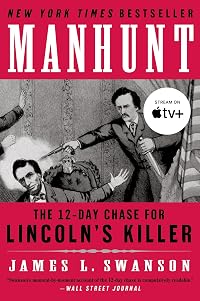
Manhunt: The 12-Day Chase for Lincoln's Killer
by James L. Swanson
On This Page
Description
The murder of Abraham Lincoln set off the greatest manhunt in American history. From April 14 to April 26, 1865, the assassin led Union cavalry and detectives on a wild twelve-day chase through the streets of Washington, D.C., across the swamps of Maryland, and into the forests of Virginia, while the nation, still reeling from the just-ended Civil War, watched in horror. A Confederate sympathizer and a member of a celebrated acting family, John Wilkes Booth threw away his fame and wealth for show more a chance to avenge the South's defeat. Based on rare archival materials, obscure trial transcripts, and Lincoln's own blood relics, this book is a fully documented work, but it is also a tale of murder, intrigue, and betrayal, an hour-by-hour account told through the eyes of the hunted and the hunters.--From publisher description. show lessTags
Recommendations

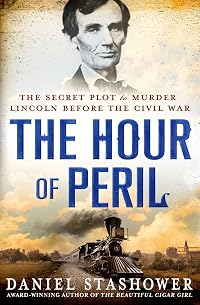
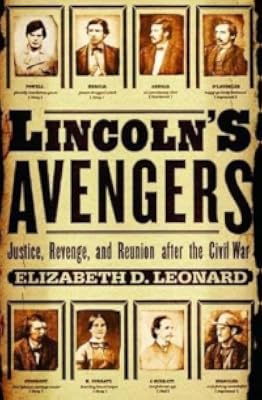
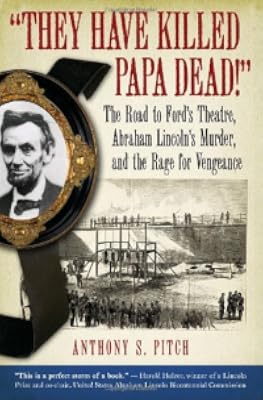
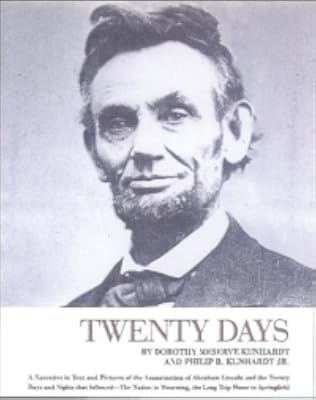





Member Recommendations
The Devil in the White City: Murder, Magic, and Madness at the Fair That Changed America by Erik Larson
thatwordnerd Both books tell a true story, with a multitude of sources, but are written in a way that makes the reader feel as if it is almost fiction. The reader is not hit over the head with facts and is able to get sucked into the story and the era.
40

The Assassin's Accomplice: Mary Surratt and the Plot to Kill Abraham Lincoln by Kate Clifford Larson
kathleen.morrow A more in-depth analysis of Mary Surratt's roll in the assassination and her trial
Member Reviews
***NO SPOILERS***
Countless books have been written about Abraham Lincoln but far fewer about his assassin John Wilkes Booth. As someone who's uncomfortable with books devoted to criminals, I think this is just as well; however, to provide a complete history of Lincoln, Booth can't be ignored. Manhunt is a thorough, carefully researched account of this man, a staunch supporter of the Confederacy who'd been plotting against Lincoln for a long time before finally shooting him on April 14, 1865. (Lincoln died the next day.)
Before reading Manhunt I knew exactly three things about Booth: that he was an actor, that he shot Lincoln in Ford's Theatre while Lincoln watched a play, and that he broke his leg while escaping. He was a cardboard show more villain, and I didn't realize anyone found him fascinating. I was wrong. As author James L. Swanson said in the acknowledgements:
The hunt for Booth was complicated and frustrating for the manhunters. As he attempted to escape to the deep South, Booth was helped by many Confederate sympathizers, some more willing than others. He had several co-conspirators, and Lincoln wasn't the only political figure plotted against. Booth and his co-conspirators had an ambitious plan that fortunately fell apart.
Swanson's research is impressive, as is to be expected considering he's a Lincoln scholar specifically concentrating on the assassination. As he explains in the afterword, he's been fascinated by this since he was ten years old, when he received what I consider a disturbing but what Swanson calls "unusual," birthday gift from his grandmother: a framed engraving of Booth's Deringer pistol.
Although I admire Swanson's research and detailed account (especially in how he brought to life the fringe characters no one thinks about), I was at times uncomfortable with the tone. Swanson wrote this in the third person, but the understanding is that the reader is (often, but not always) inside Booth's mind; therefore, Lincoln gets labeled a "tyrant," and the Confederacy is viewed as something admirable and the sympathizers who help Booth noble.
All the while, Swanson never implied that Booth's actions should be condemned. That isn't to say Swanson actually admires the man, but if I didn't know what the author is all about I could have mistaken this book as a commendation of Booth. At the least, Manhunt has an underlying sympathy that leads me to believe Swanson feels Booth is more someone people should try to understand than to condemn. I heartily disagree. Booth was a madman, a famous and arrogant actor obsessed with fame and with being admired. In murdering Lincoln he wanted to forever be remembered as a hero who "died for my country." I enjoyed every page of this captivating book, yet my feelings about it are mixed.
For its ability to make Booth and 1865 come alive and for the exhaustive detail and Swanson's research, this historical true-crime is, however, deserving of praise and its Edgar Award. It's a page-turner that I'd never have read had it not been recommended to me. I'm tired of being inside Booth's deranged mind, though, and won't seek out more books about him. show less
Countless books have been written about Abraham Lincoln but far fewer about his assassin John Wilkes Booth. As someone who's uncomfortable with books devoted to criminals, I think this is just as well; however, to provide a complete history of Lincoln, Booth can't be ignored. Manhunt is a thorough, carefully researched account of this man, a staunch supporter of the Confederacy who'd been plotting against Lincoln for a long time before finally shooting him on April 14, 1865. (Lincoln died the next day.)
Before reading Manhunt I knew exactly three things about Booth: that he was an actor, that he shot Lincoln in Ford's Theatre while Lincoln watched a play, and that he broke his leg while escaping. He was a cardboard show more villain, and I didn't realize anyone found him fascinating. I was wrong. As author James L. Swanson said in the acknowledgements:
Special thanks to a Southern friend who, after insisting on anonymity, disclosed her family's secret custom: ever since April 15, 1866—the first anniversary of the murder—they have held their annual cotillion on that day to celebrate the assassination of Abraham Lincoln and to honor their Brutus.and further, in the afterword:
[Booth's] fame is of a peculiar kind. Booth was reviled as a fiend during the manhunt. The newspaper editorials, letters from private citizens, mob violence, and the treatment of his body are proof enough of that. Yes, in some quarters there were those who hated Lincoln and admired Booth, but the devotees of the cult of “Our Brutus” dared not express public sympathy for the assassin. Then, over time, something changed. Booth became part of American folklore and his image morphed from evil murderer of a president into fascinating antihero—the brooding, misguided, romantic, and tragic assassin. Booth is not celebrated for the murder, but he has in some way been forgiven for it. What else can explain the presence of large street banners, decorated with the assassin’s photo, hanging from lampposts along his F Street escape route, directing tourists to Ford’s Theatre? In comparison, the display of Lee Harvey Oswald banners in Dallas, or James Earl Ray banners in Memphis, would be obscene.After finishing this book I have a multi-dimensional understanding of this despicable man and of how people felt (and still feel) about him.
The hunt for Booth was complicated and frustrating for the manhunters. As he attempted to escape to the deep South, Booth was helped by many Confederate sympathizers, some more willing than others. He had several co-conspirators, and Lincoln wasn't the only political figure plotted against. Booth and his co-conspirators had an ambitious plan that fortunately fell apart.
Swanson's research is impressive, as is to be expected considering he's a Lincoln scholar specifically concentrating on the assassination. As he explains in the afterword, he's been fascinated by this since he was ten years old, when he received what I consider a disturbing but what Swanson calls "unusual," birthday gift from his grandmother: a framed engraving of Booth's Deringer pistol.
Although I admire Swanson's research and detailed account (especially in how he brought to life the fringe characters no one thinks about), I was at times uncomfortable with the tone. Swanson wrote this in the third person, but the understanding is that the reader is (often, but not always) inside Booth's mind; therefore, Lincoln gets labeled a "tyrant," and the Confederacy is viewed as something admirable and the sympathizers who help Booth noble.
All the while, Swanson never implied that Booth's actions should be condemned. That isn't to say Swanson actually admires the man, but if I didn't know what the author is all about I could have mistaken this book as a commendation of Booth. At the least, Manhunt has an underlying sympathy that leads me to believe Swanson feels Booth is more someone people should try to understand than to condemn. I heartily disagree. Booth was a madman, a famous and arrogant actor obsessed with fame and with being admired. In murdering Lincoln he wanted to forever be remembered as a hero who "died for my country." I enjoyed every page of this captivating book, yet my feelings about it are mixed.
For its ability to make Booth and 1865 come alive and for the exhaustive detail and Swanson's research, this historical true-crime is, however, deserving of praise and its Edgar Award. It's a page-turner that I'd never have read had it not been recommended to me. I'm tired of being inside Booth's deranged mind, though, and won't seek out more books about him. show less
James L. Swanson brings a lifetime of interest and study of Abraham Lincoln, as well as a large personal research library, to this tale of the manhunt for Lincoln's assassin. The book touches upon the events leading up to the assassination, as well as the eventual trial. However, the greatest focus is upon the 12 days from John Wilkes Booth's infamous act in Ford's Theater, through his escape into Maryland, to his eventual capture and death at Garrett's Farm in Virginia.
I found this book as engrossing as Capote's "In Cold Blood" or Larson's "The Devil in White City." Swanson's use of original material gives a 'real-time' immediacy and urgency to the action. He promises that all statements within quotations are derived from this show more original documentation. I would have been happier if these were adequately footnoted, but this would have likely made the book significantly longer. There are end notes with general attribution. Not a dry academic tome, it races along for the general history reader like me.
I found much that I didn't know or the telling detail which spoke vividly for me, such as: Booth's encounter with U. S. Grant as they drove to the train station. Fanny Seward's spirited defense of her father from would-be killer Powell. Confederate courier Thomas Jones' hiding Booth and Herold for five days in a dense Maryland pine thicket, confounding potential capturers.
I was also taken by the idiocy of the ragtag band of co-conspirators. Powell's bonehead appearance at the Surratt Boardinghouse, walking in on Federal officials and into quick arrest. Booth's lack of a well thought out escape plan. Atzerodt's mindless meandering rather than quick escape. Booth and Herold's inexplicable decisions to tarry in Indiantown and then at Garrett's Farm when immediate flight South was of the essence. It should give conspiracy theorists of all stripes pause. More often than not, we are not dealing with a brilliant mastermind, but rather lucky numbskulls. show less
I found this book as engrossing as Capote's "In Cold Blood" or Larson's "The Devil in White City." Swanson's use of original material gives a 'real-time' immediacy and urgency to the action. He promises that all statements within quotations are derived from this show more original documentation. I would have been happier if these were adequately footnoted, but this would have likely made the book significantly longer. There are end notes with general attribution. Not a dry academic tome, it races along for the general history reader like me.
I found much that I didn't know or the telling detail which spoke vividly for me, such as: Booth's encounter with U. S. Grant as they drove to the train station. Fanny Seward's spirited defense of her father from would-be killer Powell. Confederate courier Thomas Jones' hiding Booth and Herold for five days in a dense Maryland pine thicket, confounding potential capturers.
I was also taken by the idiocy of the ragtag band of co-conspirators. Powell's bonehead appearance at the Surratt Boardinghouse, walking in on Federal officials and into quick arrest. Booth's lack of a well thought out escape plan. Atzerodt's mindless meandering rather than quick escape. Booth and Herold's inexplicable decisions to tarry in Indiantown and then at Garrett's Farm when immediate flight South was of the essence. It should give conspiracy theorists of all stripes pause. More often than not, we are not dealing with a brilliant mastermind, but rather lucky numbskulls. show less
I thought I knew a lot about Lincoln's assassination but this book was full of new-to-me information. This is nonfiction that reads like fiction - engaging and surprisingly unpredictable. Some of the assumptions made about people's thoughts and motives felt more assumed than deduced, but there was enough evidence brought forth to make it convincing. It was a good reminder that all these momentous events in history involved regular humans who act like regular humans. Which includes stupid, vain, foolhardy, brave, sensible, and honorable - often in equal measures.
Manhunt: The Twelve-Day Chase for Lincoln's Killer, by James Swanson (Morrow, 2006) is a fascinating and well-written account of the immediate lead-up and aftermath of Lincoln's assassination. Unlike many books on the subject, Lincoln does not get center stage here: John Wilkes Booth does (just, I suspect, as the famous actor would have hoped). Swanson does quite a nice job of both setting the stage for the shooting of Lincoln (and the near-murder of William Seward) and then the conspirators' escape from Washington. Others have as well. What Swanson does more ably than I've read in a long time is describe Booth's escape and the events of the twelve days following the assassination.
Deftly alternating perspectives between Booth and his show more fleeing co-conspirators to the "manhunters" who are hot on their tails, Swanson brings the race to life. He also demonstates just how much evidence existed against Dr. Samuel Mudd, whose descendants have worked relentlessly to clear his name but who clearly knew who Booth was and understood what he was doing by assisting the escape.
While the book falls into some speculative traps at certain points (how can we know just what Booth and Herold spoke to each other during their five days in a Maryland pine thicket as they waited to cross into Virginia, for example), and also contained a few unwelcome editorial interjections, its flaws are few compared to the great research that Swanson brings to bear here. My only major problem with the text was its lack of citations - sure, I believe Swanson that he got all his direct conversational quotes from primary accounts ... but it sure would be nice to know what's coming from where. We don't get that, and it's unfortunate.
Nonetheless, this was an attention-holding book, and I think gets at the anxiety and fear and real importance of those twelve days in America's history.
http://philobiblos.blogspot.com/2007/02/book-review-manhunt.html show less
Deftly alternating perspectives between Booth and his show more fleeing co-conspirators to the "manhunters" who are hot on their tails, Swanson brings the race to life. He also demonstates just how much evidence existed against Dr. Samuel Mudd, whose descendants have worked relentlessly to clear his name but who clearly knew who Booth was and understood what he was doing by assisting the escape.
While the book falls into some speculative traps at certain points (how can we know just what Booth and Herold spoke to each other during their five days in a Maryland pine thicket as they waited to cross into Virginia, for example), and also contained a few unwelcome editorial interjections, its flaws are few compared to the great research that Swanson brings to bear here. My only major problem with the text was its lack of citations - sure, I believe Swanson that he got all his direct conversational quotes from primary accounts ... but it sure would be nice to know what's coming from where. We don't get that, and it's unfortunate.
Nonetheless, this was an attention-holding book, and I think gets at the anxiety and fear and real importance of those twelve days in America's history.
http://philobiblos.blogspot.com/2007/02/book-review-manhunt.html show less
Compared to the historical account I read earlier this year of a serial killer from the midwest, this book had everything the other didn't. It was engaging from the first page, combining facts of the case with GOOD WRITING.
I learned a great deal more about Lincoln's life, as well as Booth's life than I had before--the most interesting part of that being that I thought I knew about both, and I learned in reading this book I did not. It was very interesting. It's a quick read despite the 400 pages, but so thorough and utterly worth it.
It also drew my attention that Booth was killed on my birthday--(one or two years before I was born, that is).
I learned a great deal more about Lincoln's life, as well as Booth's life than I had before--the most interesting part of that being that I thought I knew about both, and I learned in reading this book I did not. It was very interesting. It's a quick read despite the 400 pages, but so thorough and utterly worth it.
It also drew my attention that Booth was killed on my birthday--(one or two years before I was born, that is).
I'm always impressed when a writer takes a familiar story and inflates it with details I never knew. Textbooks edit history for brevity -- after all, how many high school kids want to read two hundred pages when two paragraphs will do? But so much drama gets lost in the process. The loss is probably the chief reason many people think history is boring: Just facts and dates; no story.
Researchers can find a tremendous amount of detail among old documents, though, and breathe a story back into the bland facts. Take James Swanson's Manhunt: The 12-Day Chase for Lincoln's Killer, for instance. Nearly everyone knows the basics: Young actor John Wilkes Booth shot Abraham Lincoln while the president watched a play from the balcony of Ford's show more Theater on the first Friday evening after the South surrendered the Civil War. A couple weeks later Booth was cornered and killed in a Virginia barn. Textbook facts, right?
It turns out there was plenty of drama in the intervening twelve days. So much, in fact, that if you didn't know this book was history, you'd think it was written as a movie screenplay draft. It's got all the basics of a flick featuring a bad guy on the lam with investigators in pursuit. But this is history -- done with an engaging narrative.
Swanson begins the story just before the crime, early in the day before Booth learned that the First Couple would be attending the theater. The author then leads his reader through the city of Washington as Booth hatches his plan, conspires with others, and sets everything into motion. Most of the book follows the trail of Booth and a fellow fugitive making their way across the farmlands of Maryland and Virginia. It also keeps up on the progress of the chase put together by military detectives and soldiers.
The picture painted by Swanson is rich with detail and actual quotations (derived from investigations and testimonies). You'd think there had been a camera crew along with the fugitives to document everything: from Booth's bridge crossing past the guards on the first night, through his hiding five days in a pine thicket, to the many encounters with strangers who aided and abetted him along the way. The 25-year old Booth was a somewhat well-known actor before the assassination of Lincoln, but was known (at least by name and description) by everyone in the days following. The army was looking for him --- yet there were those who helped (or at least didn't hinder) him. One former Confederate intelligence officer single-handedly thwarted the manhunt by hiding the fugitives in the pine thicket.
There's Booth and fellow fugitive David Herold sitting, talking, and relaxing on the porch bench at Garrett's Farm. I'm not saying it's a sympathetic figure -- he wasn't, and his treatment of the few people who didn't immediately assist him demonstrated that -- but it's a scene I had never considered.
I like history but not "textbook history". The most fascinating stories are often edited out of textbooks for brevity. With the deleted words, much of the drama is cut, too. It takes detailed books like this one, focusing on one interesting event, to energize the facts and dates we learned in high school.
Find more of my reviews at Mostly NF. show less
Researchers can find a tremendous amount of detail among old documents, though, and breathe a story back into the bland facts. Take James Swanson's Manhunt: The 12-Day Chase for Lincoln's Killer, for instance. Nearly everyone knows the basics: Young actor John Wilkes Booth shot Abraham Lincoln while the president watched a play from the balcony of Ford's show more Theater on the first Friday evening after the South surrendered the Civil War. A couple weeks later Booth was cornered and killed in a Virginia barn. Textbook facts, right?
It turns out there was plenty of drama in the intervening twelve days. So much, in fact, that if you didn't know this book was history, you'd think it was written as a movie screenplay draft. It's got all the basics of a flick featuring a bad guy on the lam with investigators in pursuit. But this is history -- done with an engaging narrative.
Swanson begins the story just before the crime, early in the day before Booth learned that the First Couple would be attending the theater. The author then leads his reader through the city of Washington as Booth hatches his plan, conspires with others, and sets everything into motion. Most of the book follows the trail of Booth and a fellow fugitive making their way across the farmlands of Maryland and Virginia. It also keeps up on the progress of the chase put together by military detectives and soldiers.
The picture painted by Swanson is rich with detail and actual quotations (derived from investigations and testimonies). You'd think there had been a camera crew along with the fugitives to document everything: from Booth's bridge crossing past the guards on the first night, through his hiding five days in a pine thicket, to the many encounters with strangers who aided and abetted him along the way. The 25-year old Booth was a somewhat well-known actor before the assassination of Lincoln, but was known (at least by name and description) by everyone in the days following. The army was looking for him --- yet there were those who helped (or at least didn't hinder) him. One former Confederate intelligence officer single-handedly thwarted the manhunt by hiding the fugitives in the pine thicket.
There's Booth and fellow fugitive David Herold sitting, talking, and relaxing on the porch bench at Garrett's Farm. I'm not saying it's a sympathetic figure -- he wasn't, and his treatment of the few people who didn't immediately assist him demonstrated that -- but it's a scene I had never considered.
I like history but not "textbook history". The most fascinating stories are often edited out of textbooks for brevity. With the deleted words, much of the drama is cut, too. It takes detailed books like this one, focusing on one interesting event, to energize the facts and dates we learned in high school.
Find more of my reviews at Mostly NF. show less
This meticulously researched history about the assassination of Abraham Lincoln and the ensuing hunt for John Wilkes Booth is presented like a literary thriller, and thrill it does. Somehow, it doesn't seem to matter that we know what's going to happen; Swanson brings the times to life with fascinating details about the leading figures, and a real feel for drama.
Members
- Recently Added By
Published Reviews
But for the most part the narrative - which relies on numerous first-hand and contemporary accounts, as well as Swanson's own retracing of Booth's steps - has a convincing feel, full of detail and dialogue. Manhunt is an enjoyable, and often exciting, portrayal of what must have been twelve of the most turbulent days in American history
added by John_Vaughan
Lists

Perspectives Book Club Picks
49 works; 3 members

Edgar Award
418 works; 15 members

Books Read in 2006
421 works; 8 members

Books Set in Washington DC
34 works; 7 members
Author Information

23 Works 8,073 Members
James L.Swanson is the Edgar Award winning author of the New York Times bestseller Manhunt: The 12-Day Chase for Lincoln's Killer. In 2009 in Newsweek magazine, Patricia Cornwell named Swanson's Manhunt and Truman Capote's In Cold Blood as the two best nonfiction crime books ever. In 2006, Entertainment Weekly magazine named Manhunt one of the ten show more best books of the year. Swanson has degrees in history from The University of Chicago, where he was a student of John Hope Franklin, and law from the University of California, Los Angeles. He has held a number of government and think-tank posts in Washington, D.C., including at the United States Department of Justice. He serves on the advisory council of the Ford's Theatre Society. His other books include the acclaimed photographic history Lincoln's Assassins: Their Trial and Execution, as well as Chasing Lincoln's Killer, and adaptations of Manhunt and Bloody Crimes for young readers. In 2014 his title, The President Has Been Shot!: The Assasination of Joh F. Kennedy, made The New York Times Best Seller List. James L. Swanson was born on Lincoln's birthday. (Publisher Provided) show less
Awards and Honors
Awards
Series
Belongs to Publisher Series
Common Knowledge
- Canonical title
- Manhunt: The 12-Day Chase for Lincoln's Killer
- Original publication date
- 2006
- People/Characters
- Abraham Lincoln; Ezra W. Abbott (as Ezra Abbott); Acres (shoemaker); Mary Jane Anderson; Samuel B. Arnold (as Samuel Arnold); E. R. Artman (show all 324); George A. Atzerodt; John Atzerodt; Christopher C. Augur (as Christopher Columbus Augur); Joseph Baden; Sergeant Bagley; Absalom R. Bainbridge; Lafayette C. Baker; Luther Byron Baker; James Barnes; Joseph K. Barnes; P. T. Barnum; Edward Bates; Finis L. Bates; Carrie Bean; S. H. Beckwith; William H. Bell (as William Bell); Judah P. Benjamin (as Judah Benjamin); James Benton (as Major Benton); Carl Bersch; John Best; Daniel R. Bigley; Montgomery Blair; D. Willard Bliss (as Willard Bliss); Asia Booth Clarke; Edwin Booth; John Wilkes Booth; Junius Brutus Booth; Mary Ann Holmes Booth; Charles Boucher; Belle Boyd; Mathew Brady (as Matthew Brady); Washington Briscoe; Noah Brooks; John Brown, abolitionist; Dan Bryant; William Bryant; George Bullock; George W. Bunker; Francis Burke; Joseph Burroughs ("John Peanuts" | as John Burroughs "John Peanut"); William Burtles; George Cadwalader; John Caldwell; Martha Carter; David Kellogg Cartter (as David Cartter); John Cass; Celestino (sea captain); Salmon P. Chase; Samuel Knapp Chester; Ida F. Clark; P. W. Clark; Virginia Clarke (as Virginia Clark); William Clark; John Sleeper Clarke; Joseph Clarke; John Clarvoe; William Clendenin; Silas T. Cobb; Everton Conger; Boston Corbett; George Cottingham; Samuel Cox, Jr.; Samuel Cox, Sr.; Thomas Crawford; Crisman (accomplice of Booth); Charles A. Dana; David Dana; Jefferson Davis; Peregrine Davis; Thomas Davis; Appolonia Dean; John Debonay; Henry Deringer; Eli Devoe (as Eli Devore); John Adams Dix (as John A. Dix); Edward P. Doherty; Alphonso Donn; R. C. Drum; Thomas T. Eckert (as Thomas Eckert); Emory Upton (mentioned as Major General Emory); Richard S. Ewell (as R. S. Ewell); James P. Ferguson; Maunsell B. Field; John Fletcher, stable foreman; Charles Forbes; Henry Clay Ford; James R. Ford (as James Ford); John T. Ford; George Francis; Detective Franklin; Ned Freeman; General Gamble; George Gardiner; Thomas L. Gardiner; Alexander Gardner; Cora Lee Garrett; Fannie Garrett; John M. Garrett; Lillian Florence Garrett; Richard Baynham Garrett; Richard H. Garrett; William Garrett; Simon Gavacan; Zachariah W. Gemmill; Izora Gouldman; Jesse Gouldman; Julia Gouldman; Jennie Gourlay; Thomas Gourlay; Julia Dent Grant; Ulysses S. Grant; Rose Greenhow; Horatio Greenough; John Greenawalt; Mary Ann Griffin; Phineas T. Gurley; James Hackett; Dion Haco; John Parker Hale; Lucy Hale; Henry W. Halleck; Winfield Scott Hancock; Emerick Hansell; Thomas Harbin; James A. Hardie; Clara Harris; William Henry Harrison; John F. Hartranft; Harry Hawk; William Cross Hazelton; T. J. Hemphill; Michael Henry; David Herold; C. Dwight Hess; Britten A. Hill; Lucinda Holloway; General Holt; J. Holt; B. B. Hough; John J. Hughes; Dunbar Hylton; Andrew Jackson; Susan Jackson; William S. Jett; Jim (former slave); Andrew Johnson; Joseph E. Johnston; Robert R. Jones; Thomas A. Jones; Elizabeth Keckly; Laura Keene; W. R. Keim; John F. Kelly; J. R. Kenly; John Kennedy; William Kent; Henry Key; John H. Kimball; Albert Freeman Africanus King; Sergeant Koerth; Richard Lawrence; Charles A. Leale; James E. Leaman; Somerset Leaman; Edwin Gray Lee; John Lee; Robert E. Lee; Mary Todd Lincoln; Robert Todd Lincoln; Tad Lincoln; William Wallace Lincoln; John Lloyd; Joshua Lloyd; Alexander Lovett; Charles Lucas; William Lucas; James A. McDevitt; General McDowell; James McPhail; James L. Maddox; John F. Madlock; Patrick Charles Martin; John Matthews; Montgomery Meigs; Henry Merrick; Hezekiah Metz; Clark Mills; John Millward; J. B. Montgomery; Lieutenant-Colonel Morgan; R. C. Morgan; Richard Morgan; W. W. Morris; John Singleton Mosby; George Mudd; Henry Lowe Mudd, Jr.; Samuel A. Mudd; Sarah Frances Mudd; Seaton Munroe; T. Naylor; Colonel Newport; Basil Norris; James O'Beirne; Michael O'Laughlen; H. S. Olcott; Osborn H. Oldroyd; Abram B. Olin; Colonel Orr; Lee Harvey Oswald; Nathan Page; Commander Parker; J. H. Pendleton; William Petersen; Lucy Peyton; Randolph Peyton; Sarah Jane Peyton; Henry B. Phillips; F. H. Pierpont; Allan Pinkerton; Lewis Powell; James W. Purdum; William Queen; Elizabeth Quesenberry; Henry Rathbone; General Rawlins; James Earl Ray; Almarin C. Richards; Hartman Richter; Franklin Robey; George Robinson; Betsy Rollins; William Rollins; Charles H. Rosch; General Rucker; Mortimer B. Ruggles; Henry Safford; Thomas Sampson; Wesley Severs; Anna Seward; Augustus Seward; Frances Seward; William Henry Seward; Frederick Seward; Fanny Seward; William Shakespeare; William Tecumseh Sherman; Sarah Slater; J. P. Slough; James Smith; John L. Smith; H. W. Smith; William M. Smith; Edman Spangler; James Speed; Lyman Sprague; Edwin M. Stanton; Ellen Stanton; General Stevens; General Stevenson; Joseph B. Stewart; Mr. Stockton; Frederick Stone; Robert King Stone; Richard Stuart; Isabel Sumner; Anna Surratt; John Surratt; John Harrison Surratt, Jr.; Mary E. Surratt; Mary Swann; Oswell Swann; W. B. Sweitzer; Charles Sabin Taft; Peter Taltavul; James Tanner; Colonel Taylor; Tom Taylor; Zachary Taylor; Sam Thomas; John C. Thompson; Champe Thornton; James Thornton; General Torbert; George Alfred Townsend; Solomon Townsend; Peter Trotter; Ella Turner; J. W. Turner; Mary Ann Turner; Samuel Langhorne Clemens; H. L. Tyng; Julius Ulke; Charles Urquhart; John P. Usher; Sig Vanodi; T. S. Verdi; James Walker; John R. Walton; John Ware; Henry Warren; Frank Washington; George Washington; Captain Watkins; John Weaver; Lewis Weichmann; Gideon Welles; H. H. Welles; John Welles; Mary Jane Welles; William Wermerskirch; Walt Whitman; Captain Willauer; Parson Wilmer; W. W. Winship; William Withers; Henry Woodland; Dr. Woodward; Colonel Zeilin
- Important places
- Ford's Theatre, Washington, D.C., USA; Grover's Theatre, Washington, D.C., USA; Washington, D.C., USA; Willard's Hotel, Washington, D.C., USA
- Important events
- Assassination of Abraham Lincoln
- Epigraph
- I have never had a feeling politically that did not spring from the Declaration of Independence...that which gave promise that in due time the weights should be lifted from the shoulders of all men, and that all should have a... (show all)n equal chance...Now, my friends, can this country be saved upon that basis?...If it can't be saved upon that principle...if this country cannot be saved without giving up on that principle...I would rather be assassinated on this spot than to surrender it.
--President-elect Abraham Lincoln during a speech on February 22, 1861, ten days before taking the oath of office as the sixteenth president of the United States.
This man's appearance, his pedigree, his coarse jokes and anecdotes, his vulgar similes, and his policy are a disgrace to the seat he holds...he is...the tool of the North, to crush out, or try to crush out slavery, by robber... (show all)y, rapine, slaughter and bought armies...a false president yearning for a kingly succession...
--John Wilkes Booth to his sister at a private home shortly before President Lincoln's reelection in November 1864. - Dedication
- For my parents, Lennart and Dianne Swanson
- First words
- It looked like a bad day for photographers.
- Last words
- (Click to show. Warning: May contain spoilers.)Today, almost a century and a half since the great chase for Lincoln's killer began, its blued steel needle still dances on its spindle, still pointing the way South.
- Blurbers
- Maslin, Janet; McPherson, James M.; Goodwin, Doris Kearns; Cornwell, Patricia; Franklin, John Hope; Pearl, Nancy (show all 10); Collins, Ronald K. L.; Smith, Liz; Steers Jr., Edward; Mauro, Tony
Classifications
- Genres
- History, General Nonfiction, Nonfiction, Biography & Memoir
- DDC/MDS
- 364.1524097309034 — Society, government, & culture Social problems and social services Crime Criminal offenses Offenses against the person Homicide Assassination
- LCC
- E457.5 .S993 — History of the United States United States Civil War period, 1861-1865 Lincoln's administrations, 1861-April 15, 1865
- BISAC
Statistics
- Members
- 3,372
- Popularity
- 4,992
- Reviews
- 86
- Rating
- (4.08)
- Languages
- 6 — Dutch, English, French, Japanese, Portuguese, Spanish
- Media
- Paper, Audiobook, Ebook
- ISBNs
- 29
- ASINs
- 22