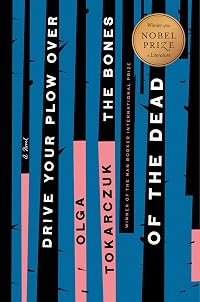
Drive Your Plow Over the Bones of the Dead
by Olga Tokarczuk
On This Page
Description
In a remote Polish village, Janina devotes the dark winter days to studying astrology, translating the poetry of William Blake, and taking care of the summer homes of wealthy Warsaw residents. Her reputation as a crank and a recluse is amplified by her not-so-secret preference for the company of animals over humans. Then a neighbor, Big Foot, turns up dead. Soon other bodies are discovered, in increasingly strange circumstances. As suspicions mount, Janina inserts herself into the show more investigation, certain that she knows whodunit. If only anyone would pay her mind . . . -- A deeply satisfying thriller cum fairy tale, Drive Your Plow over the Bones of the Dead is a provocative exploration of the murky borderland between sanity and madness, justice and tradition, autonomy and fate. Whom do we deem sane? it asks. Who is worthy of a voice? show lessTags
Recommendations
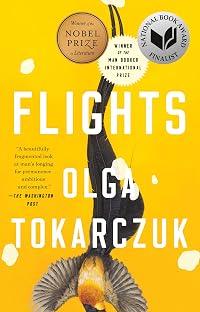

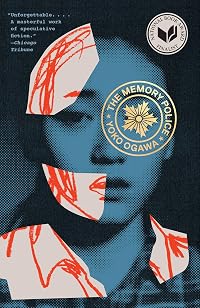
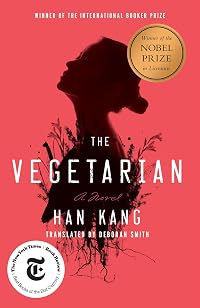

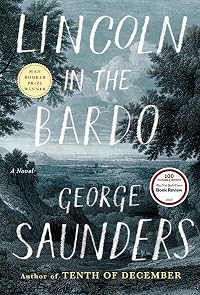
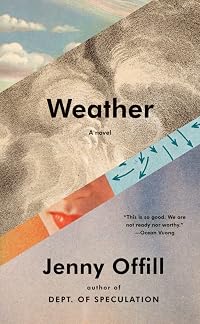
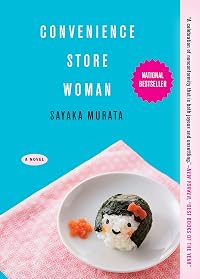
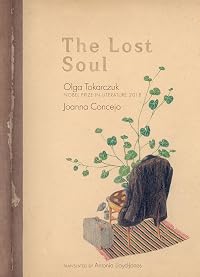


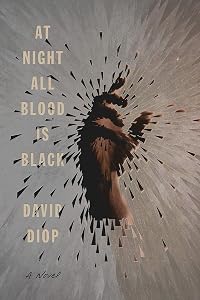
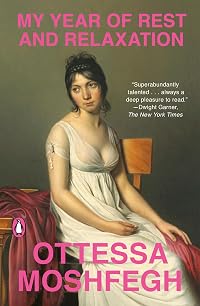
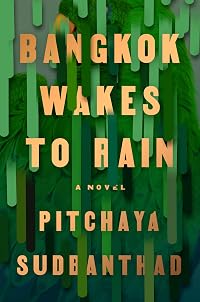
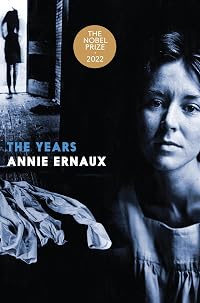
Member Recommendations

Bookwomble The book of Blakean aphorisms from which Olga Tokarczuk took the title of her book.
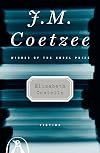
vwinsloe Eccentric vegetarian literary types
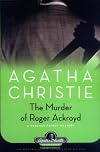
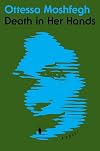
Member Reviews
A richly imagined old woman narrator and her enigmatic interactions with the other people in a remote Polish village serve as the vessel for Tokarczuk’s subtle prose, which lures us into believing that we all begin as sparks from a star, that nature’s tally of our misdeeds is ongoing, and that the human psyche evolved to defend us against seeing the truth. And how do we figure the narrator's observation regarding the local writer?:
In a way, people like her, those who wield a pen, can be dangerous. At once a suspicion of fakery springs to mind—that such a Person is not him or herself, but an eye that’s constantly watching, and whatever it sees it changes into sentences; in the process it strips reality of its most essential show more quality—its inexpressibility. show less
In a way, people like her, those who wield a pen, can be dangerous. At once a suspicion of fakery springs to mind—that such a Person is not him or herself, but an eye that’s constantly watching, and whatever it sees it changes into sentences; in the process it strips reality of its most essential show more quality—its inexpressibility. show less
Because of my Polish heritage, I thought it remiss of me to not have read anything by Olga Tokarczuk who has won both the Booker Prize and the Nobel Prize for Literature. Drive your Plow over the Bones of the Dead is often classified as a murder mystery but I found it more philosophical than suspenseful.
The narrator, Janina Duszejko, introduces herself in the opening sentence: “I am already at an age and additionally in a state where I must always wash my feet thoroughly before bed, in the event of having to be removed by an ambulance in the Night.” She lives in an isolated village on the Czech-Polish border and devotes her time to studying astrology and translating William Blake. One by one, men in the area are found murdered. show more Since the victims are all hunters, Janina concludes that animals are responsible for the deaths. Of course, this theory results in her being scorned and dismissed by virtually everyone.
Part of the appeal of the book is the quirky narrator. She prefers to use nicknames rather than people’s actual names and she prefers animals to people. Though she knows that she lacks any real power and that people are laughing at her, she refuses to be dismissed as a silly old woman and continues to rail against injustices. She suffers from an unidentified chronic illness and bouts of crying; the latter seem to indicate how deeply troubled she is about the world.
Janina is very attuned to nature. When she comes across a familiar fox, she speaks of “seeing an old friend” and she refers to deer as “Young Ladies” and calls her dogs her “Little Girls”. When it rains she describes hearing “the rustle of grass growing, the ivy climbing up the walls, and the mushroom spore expanding underground. After the rain, when the Sun breaks through the clouds for a while, everything takes on such depth that one’s eyes are filled with tears.” Interestingly, each chapter begins with a quote from William Blake whose poetry emphasizes the importance of being close to the natural world. For example, “A dog starv’d at his Master’s Gate/Predicts the ruin of the State” and “A Skylark wounded in the wing,/A Cherubim does cease to sing” and “A Robin Red breast in a Cage/Puts all Heaven in a Rage” are three such quotations used.
Janina equates animal killings and the murder of humans. She wishes she could write warnings in animal script: “[people] won’t take pity on your poor souls, for they say you haven’t got souls. They don’t see their brethren in you, they won’t give you their blessing. The nastiest criminal has a soul, but not you, beautiful Deer, nor you, Boar, nor you, wild Goose, nor you Pig, nor you, Dog.” She asks, “What sort of world is this? Somebody’s body is made into shoes, into meatballs, sausages, a bedside rug, someone’s bones are boiled to make broth . . . Shoes, sofas, a shoulder bag made of someone’s belly, keeping warm with someone else’s fur, eating someone’s body, cutting it into bits and frying it in oil . . . This mass killing, cruel, impassive, automatic, without any pangs of conscience, without the slightest pause for thought, though plenty of thought is applied to ingenious philosophies and theologies. What sort of a world is this, where killing and pain are the norm? What on earth is wrong with us?”
The novel also examines how women and the old are marginalized and disregarded. She knows she is seen as a little old lady, a silly old bag, a crazy old crone and a madwoman. She hears people “snorting with laughter” at her and not taking her seriously, especially because she is a woman; when she has a conversation with a man, she knows that if she shared his gender “he’d have heard me out, considered his arguments and debated the matter. But to him I was just an old woman, gone off her rocker living in this wilderness. Useless and unimportant.”
Though serious in subject matter, the book also has humour. I loved Janina’s theory of testosterone autism: “With age, many men come down with testosterone autism, the symptoms of which are a gradual decline in social intelligence and capacity for interpersonal communication, as well as a reduced ability to formulate thoughts. The Person beset by this Ailment becomes taciturn and appears to be lost in contemplation. He develops an interest in various Tools and machinery, and he’s drawn to the Second World War and the biographies of famous people, mainly politicians and villains. His capacity to read novels almost entirely vanishes; testosterone autism disturbs the character’s psychological understanding.”
One element that did annoy me is the extended passages on astrology. They slow down the pace and diminish the suspense. Since I don’t believe in astrology, I tended to skim those sections, but perhaps that’s an example of how we tend to tune out people, like Janina, whose ideas are unconventional.
I understand why the author is a rather controversial figure in her home country of Poland. She does not stint on criticizing its culture and religion. At one point she rants, “people in our country don’t have the ability to club together to form a community . . . This is a land of neurotic egotists, each of whom, as soon as he finds himself among others, starts to instruct, criticize, offend, and show off his undoubted superiority.”
For a thriller, this book is slow-paced and not particularly suspenseful so it is not recommended to anyone looking for a quick, action-packed read. What it does have is a lot of ideas which are perhaps outside the parameters of conventional thinking but ideas that nonetheless should be given some consideration.
Note: Please check out my reader's blog (https://schatjesshelves.blogspot.com/) and follow me on Twitter (@DCYakabuski). show less
The narrator, Janina Duszejko, introduces herself in the opening sentence: “I am already at an age and additionally in a state where I must always wash my feet thoroughly before bed, in the event of having to be removed by an ambulance in the Night.” She lives in an isolated village on the Czech-Polish border and devotes her time to studying astrology and translating William Blake. One by one, men in the area are found murdered. show more Since the victims are all hunters, Janina concludes that animals are responsible for the deaths. Of course, this theory results in her being scorned and dismissed by virtually everyone.
Part of the appeal of the book is the quirky narrator. She prefers to use nicknames rather than people’s actual names and she prefers animals to people. Though she knows that she lacks any real power and that people are laughing at her, she refuses to be dismissed as a silly old woman and continues to rail against injustices. She suffers from an unidentified chronic illness and bouts of crying; the latter seem to indicate how deeply troubled she is about the world.
Janina is very attuned to nature. When she comes across a familiar fox, she speaks of “seeing an old friend” and she refers to deer as “Young Ladies” and calls her dogs her “Little Girls”. When it rains she describes hearing “the rustle of grass growing, the ivy climbing up the walls, and the mushroom spore expanding underground. After the rain, when the Sun breaks through the clouds for a while, everything takes on such depth that one’s eyes are filled with tears.” Interestingly, each chapter begins with a quote from William Blake whose poetry emphasizes the importance of being close to the natural world. For example, “A dog starv’d at his Master’s Gate/Predicts the ruin of the State” and “A Skylark wounded in the wing,/A Cherubim does cease to sing” and “A Robin Red breast in a Cage/Puts all Heaven in a Rage” are three such quotations used.
Janina equates animal killings and the murder of humans. She wishes she could write warnings in animal script: “[people] won’t take pity on your poor souls, for they say you haven’t got souls. They don’t see their brethren in you, they won’t give you their blessing. The nastiest criminal has a soul, but not you, beautiful Deer, nor you, Boar, nor you, wild Goose, nor you Pig, nor you, Dog.” She asks, “What sort of world is this? Somebody’s body is made into shoes, into meatballs, sausages, a bedside rug, someone’s bones are boiled to make broth . . . Shoes, sofas, a shoulder bag made of someone’s belly, keeping warm with someone else’s fur, eating someone’s body, cutting it into bits and frying it in oil . . . This mass killing, cruel, impassive, automatic, without any pangs of conscience, without the slightest pause for thought, though plenty of thought is applied to ingenious philosophies and theologies. What sort of a world is this, where killing and pain are the norm? What on earth is wrong with us?”
The novel also examines how women and the old are marginalized and disregarded. She knows she is seen as a little old lady, a silly old bag, a crazy old crone and a madwoman. She hears people “snorting with laughter” at her and not taking her seriously, especially because she is a woman; when she has a conversation with a man, she knows that if she shared his gender “he’d have heard me out, considered his arguments and debated the matter. But to him I was just an old woman, gone off her rocker living in this wilderness. Useless and unimportant.”
Though serious in subject matter, the book also has humour. I loved Janina’s theory of testosterone autism: “With age, many men come down with testosterone autism, the symptoms of which are a gradual decline in social intelligence and capacity for interpersonal communication, as well as a reduced ability to formulate thoughts. The Person beset by this Ailment becomes taciturn and appears to be lost in contemplation. He develops an interest in various Tools and machinery, and he’s drawn to the Second World War and the biographies of famous people, mainly politicians and villains. His capacity to read novels almost entirely vanishes; testosterone autism disturbs the character’s psychological understanding.”
One element that did annoy me is the extended passages on astrology. They slow down the pace and diminish the suspense. Since I don’t believe in astrology, I tended to skim those sections, but perhaps that’s an example of how we tend to tune out people, like Janina, whose ideas are unconventional.
I understand why the author is a rather controversial figure in her home country of Poland. She does not stint on criticizing its culture and religion. At one point she rants, “people in our country don’t have the ability to club together to form a community . . . This is a land of neurotic egotists, each of whom, as soon as he finds himself among others, starts to instruct, criticize, offend, and show off his undoubted superiority.”
For a thriller, this book is slow-paced and not particularly suspenseful so it is not recommended to anyone looking for a quick, action-packed read. What it does have is a lot of ideas which are perhaps outside the parameters of conventional thinking but ideas that nonetheless should be given some consideration.
Note: Please check out my reader's blog (https://schatjesshelves.blogspot.com/) and follow me on Twitter (@DCYakabuski). show less
An aging hippie property caretaker encounters mayhem - a good deal of astrology and new age thinking thrown in. Irascible and picky, our unreliable narrator gets us to thinking about what constitutes murder and humanity. Much more than a mystery, this is an exploration of themes having to do with aging, vegetarianism, existentialism and reconciling our responsibility as a species against what kind of world we really want to have.
"The prison is not outside, but inside each of us." "...people are only capable of understanding what they invent for themselves and feed on."
"The prison is not outside, but inside each of us." "...people are only capable of understanding what they invent for themselves and feed on."
This book is an atypical mystery where the focus is not so much on a string of disappearances and deaths as on the state of mind of the first-person narrator, Mrs. Duszejko (Mrs. D), a sixty-something woman who lives in a rural Polish village and attempts to “assist” the investigators. It starts with a neighbor’s death from choking but promptly moves into a close examination of Mrs. D’s inner world. She is a former engineer, currently working as a teacher of English and assisting a former student in translating William Blake’s poetry into Polish. There are numerous references to Blake throughout the novel, and his verse opens each chapter.
Readers will be able to tell that Mrs. D has issues, and these play a role in the plot. For the most part, her Ailments (as she calls them) are not spelled out but left up to the reader to decipher. This book poses philosophical questions that provide food-for-thought about the relationship between humans and animals. It explores the nature of the limits we place upon each other, and especially upon aging women.
I have mixed feelings about this book. On the one hand, I found it engrossing and was curious to see where it was headed. I tend to enjoy eccentric characters, and Mrs. D is quite a colorful individual. I liked her group of unusual friends, a group of fellow eccentrics, and could picture them sitting around a kitchen table, sipping cups of black tea, and discussing the goings on of the community. I enjoyed the descriptions of the Polish countryside in winter and what it is like to live in such harsh conditions. I learned several interesting facts about nature. I particularly liked the author’s expressive writing style (with credit to the translator, as I read the English translation from the original Polish). For example:
On the other hand, if the author was going for social commentary, I do not think she succeeds, as some of her key points are contradicted through the characters’ actions. The logical result of these actions would be the opposite of what I believe is the intended message. It is hard to spell this out without spoilers. The subtle humor was a bit too dark for my personal taste and it contains rather gory and disturbing descriptions of deaths of people and animals. I am not sorry to have read it but felt a bit of a letdown at the end. If anyone is looking for a “literary mystery,” this book would be a good fit. show less
- Mrs. D’s eccentricities include:
- • Preference for animals over humans
- • Belief
- that certain laws are immoral
- • Passion for astrology, how planets and star-signs rule a person’s fate
- • Strong aversion to hunting and what she sees as religious hypocrisy
- • Viewing the neighboring Czech Republic as a utopia of sorts
Readers will be able to tell that Mrs. D has issues, and these play a role in the plot. For the most part, her Ailments (as she calls them) are not spelled out but left up to the reader to decipher. This book poses philosophical questions that provide food-for-thought about the relationship between humans and animals. It explores the nature of the limits we place upon each other, and especially upon aging women.
I have mixed feelings about this book. On the one hand, I found it engrossing and was curious to see where it was headed. I tend to enjoy eccentric characters, and Mrs. D is quite a colorful individual. I liked her group of unusual friends, a group of fellow eccentrics, and could picture them sitting around a kitchen table, sipping cups of black tea, and discussing the goings on of the community. I enjoyed the descriptions of the Polish countryside in winter and what it is like to live in such harsh conditions. I learned several interesting facts about nature. I particularly liked the author’s expressive writing style (with credit to the translator, as I read the English translation from the original Polish). For example:
“We left the house and were instantly engulfed by the familiar cold, wet air that reminds us every winter that the world was not created for Mankind, and for at least half the year it shows us how very hostile it is to us. The frost brutally assailed our cheeks, and clouds of white steam came streaming from our mouths. The porch light went out automatically and we walked across the crunching snow in total darkness, except for Oddball’s headlamp, which pierced the pitch dark in one shifting spot, just in front of him, as I tripped along in the Murk behind him.”
On the other hand, if the author was going for social commentary, I do not think she succeeds, as some of her key points are contradicted through the characters’ actions. The logical result of these actions would be the opposite of what I believe is the intended message. It is hard to spell this out without spoilers. The subtle humor was a bit too dark for my personal taste and it contains rather gory and disturbing descriptions of deaths of people and animals. I am not sorry to have read it but felt a bit of a letdown at the end. If anyone is looking for a “literary mystery,” this book would be a good fit. show less
Only people who don't know her call the elderly Mrs Janina Dusjejko by her first name. She's never thought it belonged to her, and calls herself Duszejko. Other people, too, have names that don't fit, so she gives them names that do: Dizzy, Oddball, Good News, Bigfoot. She lives on an isolated plateau, so close to the Czech republic the phone signal is as likely to come from there as from Poland. In winter, she acts as caretaker for the holiday houses on the plateau, with Oddball and Bigfoot her closest neighbours.
When the story starts, Dusjejko, the narrator, has little to do with her neighbours, but that changes when Oddball calls her out in the middle of the night. Bigfoot is dead, choked to death on a bone from a deer he has killed show more and eaten. His death is followed by others, all of them hunters, so Dusjejko formulates the theory that the animals are taking revenge.
Dusjejko has an appealing voice: wry, funny and observant. She once built bridges in the Middle East, but her Ailments have limited her activity. Now she teaches English to primary school children one day a week, helps her friend Dizzy translate Blake into Polish, and casts horoscopes. Like Blake she has a mystical view of the natural world and animals are as important to her as people are.
This is a philosophical, comic crime investigation, with a pinch of politics and sociology. I loved it. show less
When the story starts, Dusjejko, the narrator, has little to do with her neighbours, but that changes when Oddball calls her out in the middle of the night. Bigfoot is dead, choked to death on a bone from a deer he has killed show more and eaten. His death is followed by others, all of them hunters, so Dusjejko formulates the theory that the animals are taking revenge.
Dusjejko has an appealing voice: wry, funny and observant. She once built bridges in the Middle East, but her Ailments have limited her activity. Now she teaches English to primary school children one day a week, helps her friend Dizzy translate Blake into Polish, and casts horoscopes. Like Blake she has a mystical view of the natural world and animals are as important to her as people are.
This is a philosophical, comic crime investigation, with a pinch of politics and sociology. I loved it. show less
William Blake is present not only in the title but throughout this highly unusual novel. Blake sets the tone, he is there to kick off each chapter, to guide the protest of the quirky protagonist, to fuel her Anger. What an excellent base for the author to launch her own protest against pervasive religiosity in her land!
Another author I must mention in connection with Drive Your Plow is Friedrich Dürrenmatt. The Swiss writer is often credited with establishing the style of 'philosophical crime novel'. Well, Olga Tokarczuk could teach old Friedrich a lesson or two in that department. The murder mystery is a vehicle that pulls the reader along. The mystery is not hard to solve but the method of getting there in the head of a cantankerous show more old woman soon becomes more interesting than the answer to the riddle itself. The narrator is not like anyone else you have met either in life or in written form. Listen to her! Her point of view might be distorted, extreme but what we see through her eyes makes us wonder if our own 'doors of perception' offer a clear enough view of the world. show less
Another author I must mention in connection with Drive Your Plow is Friedrich Dürrenmatt. The Swiss writer is often credited with establishing the style of 'philosophical crime novel'. Well, Olga Tokarczuk could teach old Friedrich a lesson or two in that department. The murder mystery is a vehicle that pulls the reader along. The mystery is not hard to solve but the method of getting there in the head of a cantankerous show more old woman soon becomes more interesting than the answer to the riddle itself. The narrator is not like anyone else you have met either in life or in written form. Listen to her! Her point of view might be distorted, extreme but what we see through her eyes makes us wonder if our own 'doors of perception' offer a clear enough view of the world. show less
59. Drive Your Plow Over the Bones of the Dead by Olga Tokarczuk
translation: from Polish by [[Antonia Lloyd-Jones]] (2018)
OPD: 2009
format: 274-page hardcover
acquired: 2020 read: Oct 16 – Nov 3 time reading: 8:44, 1.9 mpp
rating: 4½
genre/style: contemporary Fiction theme: TBR
locations: contemporary rural Poland
about the author: “A Polish writer, activist, and public intellectual”, winner of the Nobel Prize for Literature in 2018. Born in western Poland in 1962.
A curious fun book. Astrology, vegetarianism, hunting and murder (or is it revenge?). Logic is really not the main thing on the surface here. We follow Mrs. Duszejko's narrative, and she thinks about what the star charts say about when we will die, and the inheritance of show more acquired experience, and about all those innocent hunted critters in a hunting community. She also tears people down in narrative, privately to us, while kindly serving them comforting warm tea on a winter day. Anger is a theme.
We're in rural Poland, a short diving distance outside a small town where hunting is part of the culture and economy. In the rural area there are about 8 homes, and three residents who stay through the bitter winters, including Mrs. Duszejko, who doesn't like her first name or any names given at birth. She calls people by whatever feature about them strikes her. In the opening, Oddball tells her Bigfoot has died alone in his home, and so on.
Olga Tokarczuk is listed on Wikipedia as an activist, although I don't know anything about what that exactly means for her. But usually in implies some effort to against the grain. Independent minded Mrs. Duszejko goes hard against the grain, connecting to society really only through teaching school children English, and helping a friend translate William Blake into Polish. The book's title is from a William Blake poem, Proverbs of Hell, (It's paraphrased. The poem is a list of about 80 strange and unconnected proverbs. See here: https://poets.org/poem/proverbs-hell ), and each chapter is headed with a line from that poem. There are a lot of games with Blake working through the text (and I certainly didn't pick up on most of them.)
Despite the fun, it's also an uneven pace, sometimes grounding to a very slow pace. It rewards most in completing, leaving us to wonder what to make of Mrs. Duszejko. She is, perhaps, a modern-day witch. And I assume that says something about our cultural crimes today, and those who try to speak out about them.
Overall this wintery book of dead men leaves us in warm place, smiling a little, and noting a whole lot going on. Not sure where this sits in terms of her Nobel Prize, but I'm happy to have read it, and hope to read more by her.
2023
https://www.librarything.com/topic/354226#8281309 show less
translation: from Polish by [[Antonia Lloyd-Jones]] (2018)
OPD: 2009
format: 274-page hardcover
acquired: 2020 read: Oct 16 – Nov 3 time reading: 8:44, 1.9 mpp
rating: 4½
genre/style: contemporary Fiction theme: TBR
locations: contemporary rural Poland
about the author: “A Polish writer, activist, and public intellectual”, winner of the Nobel Prize for Literature in 2018. Born in western Poland in 1962.
A curious fun book. Astrology, vegetarianism, hunting and murder (or is it revenge?). Logic is really not the main thing on the surface here. We follow Mrs. Duszejko's narrative, and she thinks about what the star charts say about when we will die, and the inheritance of show more acquired experience, and about all those innocent hunted critters in a hunting community. She also tears people down in narrative, privately to us, while kindly serving them comforting warm tea on a winter day. Anger is a theme.
We're in rural Poland, a short diving distance outside a small town where hunting is part of the culture and economy. In the rural area there are about 8 homes, and three residents who stay through the bitter winters, including Mrs. Duszejko, who doesn't like her first name or any names given at birth. She calls people by whatever feature about them strikes her. In the opening, Oddball tells her Bigfoot has died alone in his home, and so on.
Olga Tokarczuk is listed on Wikipedia as an activist, although I don't know anything about what that exactly means for her. But usually in implies some effort to against the grain. Independent minded Mrs. Duszejko goes hard against the grain, connecting to society really only through teaching school children English, and helping a friend translate William Blake into Polish. The book's title is from a William Blake poem, Proverbs of Hell, (It's paraphrased. The poem is a list of about 80 strange and unconnected proverbs. See here: https://poets.org/poem/proverbs-hell ), and each chapter is headed with a line from that poem. There are a lot of games with Blake working through the text (and I certainly didn't pick up on most of them.)
Despite the fun, it's also an uneven pace, sometimes grounding to a very slow pace. It rewards most in completing, leaving us to wonder what to make of Mrs. Duszejko. She is, perhaps, a modern-day witch. And I assume that says something about our cultural crimes today, and those who try to speak out about them.
Overall this wintery book of dead men leaves us in warm place, smiling a little, and noting a whole lot going on. Not sure where this sits in terms of her Nobel Prize, but I'm happy to have read it, and hope to read more by her.
2023
https://www.librarything.com/topic/354226#8281309 show less
Members
- Recently Added By
Lists

Best 21st Century Books (So Far)
670 works; 85 members

Recommend the 20 best books you've read in the last five years
2,168 works; 601 members

Top Five Books of 2020
982 works; 350 members

EU Fiction: 1950-2022
223 works; 70 members

Top Five Books of 2021
604 works; 181 members

The Guardian's 100 best books of the 21st century
100 works; 21 members

Nobel Price Winners
222 works; 20 members

Top Five Books of 2022
736 works; 272 members

Books With Interesting Titles
173 works; 14 members

Kirkus Starred Fiction Reviews of Books Published in 2019
411 works; 12 members

Books Read in 2020
4,379 works; 124 members

Five star books
1,767 works; 110 members

Books Read in 2022
5,168 works; 114 members

Favorite Books in Translation
320 works; 133 members

Books With Complete Sentence Titles
374 works; 15 members

Books for Dustin
19 works; 1 member

CXB Books read in 2026
5 works; 1 member

Books We Discovered On LibraryThing
530 works; 130 members

Books Read in 2025
4,091 works; 97 members

Widely acclaimed, one book per year
105 works; 3 members

TBR of Books I Don't Own
132 works; 1 member

Books With the Most Memorable Titles
478 works; 158 members

Books for Birute
39 works; 1 member

2024
34 works; 1 member

NYT Readers best of 21st C
100 works; 8 members

Not the NYT list of top 100 21st century books
100 works; 6 members

Stuff from Bard
70 works; 1 member

At the Library
217 works; 1 member

Books Read in 2021
5,361 works; 114 members

Unmarried women
66 works; 6 members

Books Read in 2026
1,942 works; 66 members
Author Information

35+ Works 11,356 Members
All Editions
Some Editions
Awards and Honors
Series
Belongs to Publisher Series
Common Knowledge
- Canonical title
- Drive Your Plow Over the Bones of the Dead
- Original title
- Prowadź swój pług przez kości umarłych
- Original publication date
- 2009 (Original Polnisch) (Original Polnisch); 2011 (Deutsch) (Deutsch); 2018 (English: Lloyd-Jones) (English: Lloyd-Jones)
- People/Characters
- Janina Duszejko; Oddball (Świętopełk Świerszczyński); Big Foot; Dizzy (Dionizy); Black Coat (Świerszczyński Jr.); Good News (show all 12); Anzelm Innerd; Grey Lady; Borys Sznajder; Wolf Eye; Father Rustle; Doctor Ali
- Important places
- Poland; Kłodsko Valley, Poland; Wrocław, Lower Silesia, Poland; Luftzug, Poland; Achthozja, Poland
- Dedication*
- Für Zbyszek und Agata
- First words
- I am already at an age and additionally in a state where I must always wash my feet thoroughly before bed, in the event of having to be removed by an ambulance in the Night.
- Last words
- (Click to show. Warning: May contain spoilers.)But I know I still have plenty of time.
- Blurbers
- Proulx, Annie; Perry, Sarah; Alexievich, Svetlana; Theroux, Marcel; Battersby, Eileen; Kassabova, Kapka (show all 11); Mars-Jones, Adam; Jordan, Justine; Moss, Chris; Aslanyan, Anna; Anderson, Darran
- Original language
- Polish
- Canonical DDC/MDS
- 891.8537
- Canonical LCC
- PG7179.O37
*Some information comes from Common Knowledge in other languages. Click "Edit" for more information.
Classifications
- Genres
- Fiction and Literature, General Fiction, Mystery
- DDC/MDS
- 891.8537 — Literature & rhetoric Literatures of other languages East Indo-European and Celtic literatures West and South Slavic languages (Bulgarian, Slovene, Polish, Czech, Slovak, Serbo-Croatian, and Macedonian) Polish Polish fiction 1919–1989
- LCC
- PG7179 .O37 — Language and Literature Slavic languages and literatures. Baltic languages. Albanian language Slavic. Baltic. Albanian Slavic Polish
- BISAC
Statistics
- Members
- 4,393
- Popularity
- 3,395
- Reviews
- 183
- Rating
- (3.93)
- Languages
- 23 — Basque, Chinese, Czech, Danish, Dutch, English, Estonian, Finnish, French, German, Greek, Hebrew, Hungarian, Italian, Polish, Portuguese, Romanian, Russian, Sinhalese, Slovenian, Spanish, Swedish, Turkish
- Media
- Paper, Audiobook, Ebook
- ISBNs
- 81
- ASINs
- 12