On This Page
Description
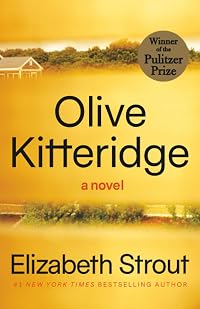
At the edge of the continent, in the small town of Crosby, Maine, lives Olive Kitteridge, a retired schoolteacher who deplores the changes in her town and in the world at large but doesn't always recognize the changes in those around her.Tags
Recommendations
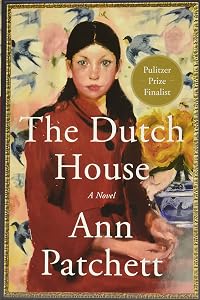
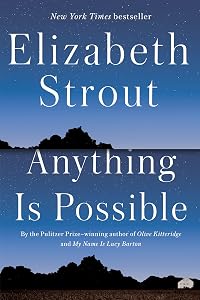
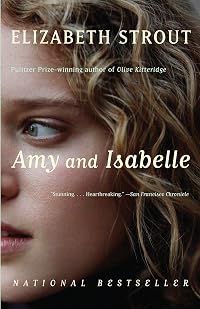
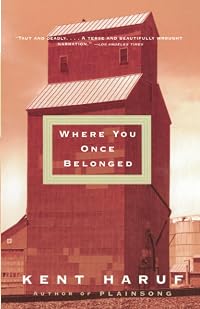
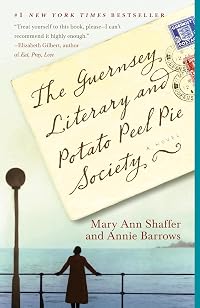
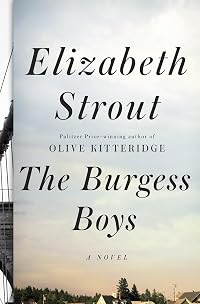
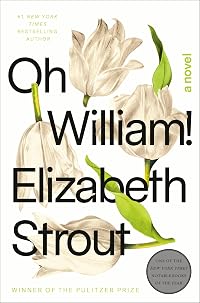
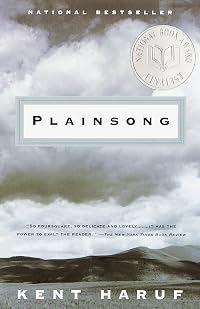


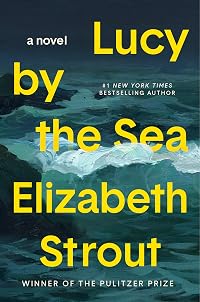
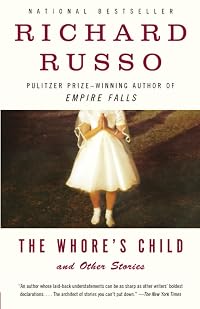
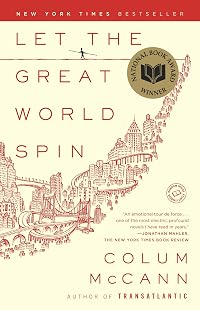
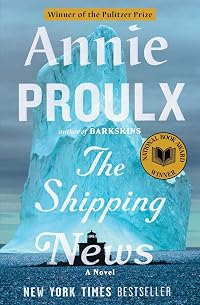
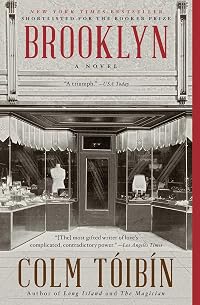

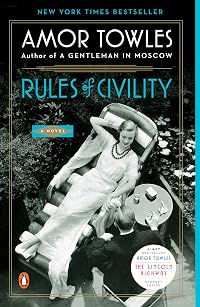
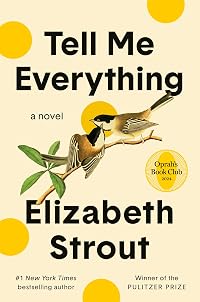
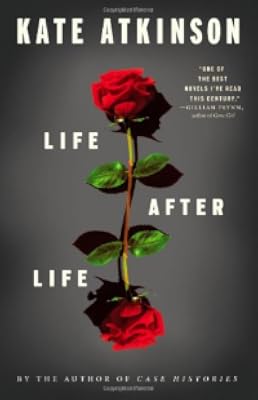
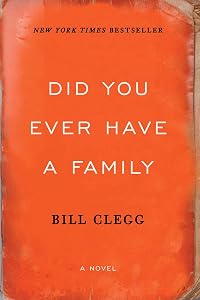
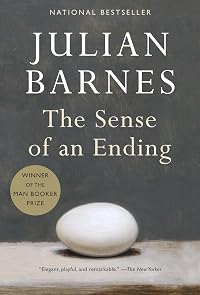
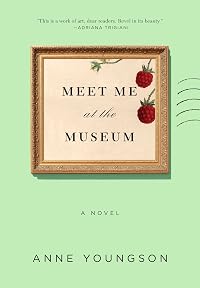
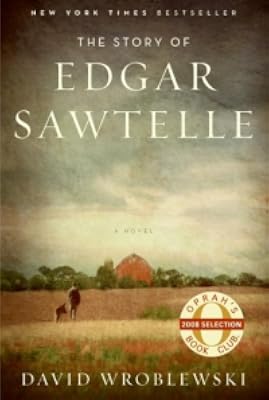
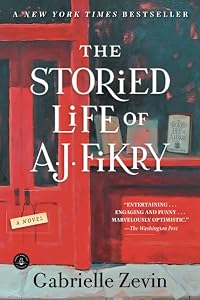
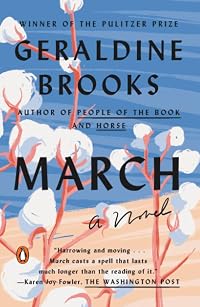
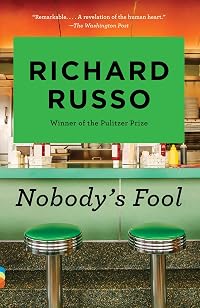
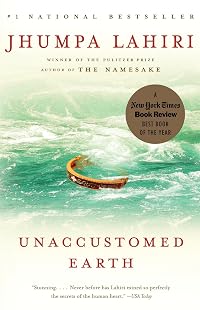
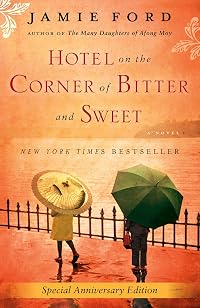
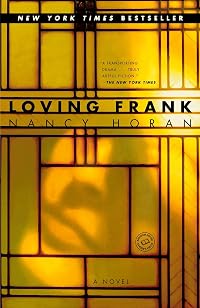
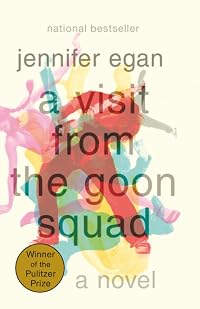
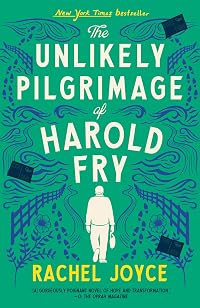
Member Recommendations
gust Ook een verhalenbundel met terugkerende personages in de verschillende verhalen
Also recommended by ainsleytewce
80
RidgewayGirl Both tell the life story of a woman in short story form, with compassion and an unflinching eye.
20


CurrerBell Maine regionalism can often be at its best when written as a collection of short stories, character studies, or vignettes all united around a single character, as in the case of Elizabeth Strout's Olive Kitteridge, Mary Ellen Chase's The Edge of Darkness, and Sarah Orne Jewett's The Country of the Pointed Firs.
10

Ciruelo A strong willed and contrary woman is the foundation of each book.
10
thelittlematchgirl both are stories about women some people will find unlikeable and some will want to be friends with.
10

SqueakyChu another crotchety old woman - about whom it's fun to read
10

2810michael Mest pga opbygningen med novelleagtige kapitler, der portrætterer en by og dens personer
10
akblanchard Short stories set in small-town New England
sturlington Two Pulitzer Prize winners set in Maine

ShortStoryLover While the settings in these books are very different, both are collections of linked stories in which the main characters are revealed through a kind of multi-faceted prism, as the reader experiences them not just through the main characters' points view but also through the points of view of the other characters.
Member Reviews
Not a novel in the traditional sense with one story arc, instead Strout uses the interconnected vignette to show the life and effect that Olive Kitteridge has in her small town. She is a woman who has many sides to her personality and almost all of them unattractive. My first note about the book is how on earth does Henry stand her? She’s judgemental, paranoid and suffers the hubris that many with low self-esteem have. She hates anyone she feels threatened by (Dr. Sue) and condemns anyone who she thinks is below her. It’s hard to think well of her and few people do. I wondered how differently this book might have been received if Strout had made her a man instead. We tend to forgive these same traits in a man that we revile in a show more woman. Olive is flawed, as are we all, but she means well. Not exactly a loving curmudgeon, but there are glimmers. You have to wait for them though.
It’s through other people that we see Olive more fully. Sometimes there are moments of kindness and tenderness amid the judgement and manipulation. Any feelings of sympathy, empathy or compassion are reserved for those other people, most of whom have thoughts of, or actually commit, suicide. I guess a life lived too close to Olive Kitteridge makes that seem like a good idea. The most sympathy goes to Henry, who must see something worthwhile in his wife and in the end, when he’s in the nursing home, she does well by him. She also reveals some startling depths of feeling and how much of what she does seems against her will. I think she’d like to act better in some circumstances, and over time I think she bit her tongue more often.
Not all of the stories are equally interesting or feature Olive prominently and some of them I just skimmed. I did like how some introduced entirely new things and others elaborated on previous stories. The time seemed to jump around a lot though and could have used some date stamping along with the chapter titles. I doubt I’ll revisit the book, but I don’t regret the time I spent with it. show less
It’s through other people that we see Olive more fully. Sometimes there are moments of kindness and tenderness amid the judgement and manipulation. Any feelings of sympathy, empathy or compassion are reserved for those other people, most of whom have thoughts of, or actually commit, suicide. I guess a life lived too close to Olive Kitteridge makes that seem like a good idea. The most sympathy goes to Henry, who must see something worthwhile in his wife and in the end, when he’s in the nursing home, she does well by him. She also reveals some startling depths of feeling and how much of what she does seems against her will. I think she’d like to act better in some circumstances, and over time I think she bit her tongue more often.
Not all of the stories are equally interesting or feature Olive prominently and some of them I just skimmed. I did like how some introduced entirely new things and others elaborated on previous stories. The time seemed to jump around a lot though and could have used some date stamping along with the chapter titles. I doubt I’ll revisit the book, but I don’t regret the time I spent with it. show less
People tell me they find this book depressing. At best, they condemn it as too realistic as if the function of literature should be to distract us from such things. Even I found the beginning difficult because Olive seemed to not give her kind husband Henry a break, but Henry is kind effortlessly. He would certainly find this book depressing. Olive doesn't have the choice to make an effort to be more like Henry. She has as little insight into who she is as Henry until the book's end. No one in the book really does and thus they suffer when they realize that life doesn't really work out the way they've been told. When they notice, they become surprised, then angry, then depressed and think it's just them. Maybe that's what people mean by show more "too realistic" but this refusal to see the conventional as desirable is why I like this book so much and had to immediately start the sequel Olive, Again as soon as I finished. show less
Look, this isn’t easy. Not a good time. And, fittingly, not easy to empathize with—these are stories about rich white people getting old and having problems. Everyone in this book has a place to live, plenty of food, a community. But they’re suffering. And the sufferings meld and mix into a mosaic that is almost hopeful. You don’t need to like any of these people—they aren’t nice. But you might learn something about self awareness, about dealing with depression, about inheriting the pain of our parents and where we might be able to take that pain. Great writing. Recommended? I’m really not sure.
After the initial few chapters, I almost gave up on this book. I began to doubt if the story would ever get around to really telling something about this Olive person. But I stuck it out because when she did appear, I was smitten with that no-nonsense, panty-hose wearing, thick ankled, unapologetic Olive character. The transformation from entertaining words on the page to memorable woman wasn't until the last quarter of the book. That happened for me when she visited her son in New York.
Now I'm breathlessly awaiting the DVDs of the Frances McDormand rendition to arrive.
Now I'm breathlessly awaiting the DVDs of the Frances McDormand rendition to arrive.
There is truth, wisdom, and compassion to spare in these pages. Elizabeth Strout has created a 21st century original in Olive Kitteridge, a woman who speaks her mind and damn the consequences. Olive is blind and insightful in equal measure. She is harsh and brash, but never sentimental, never phoney. The stories in this volume shine whenever Olive's name is mentioned. You might wince or cheer when she is led away by airport security, but she is bound to elicit a response. Awarded the Pulitzer Prize.
This is not the sort of book that I would expect to stay up half the night reading and then pick up immediately the next morning, upon my son's departure for school, to finish. Such behavior by me is generally reserved for a good murder mystery or thriller. This book is made up of less sensational stuff, but was strangely compelling. Not that there weren't touches of the sensational in the lives of Olive Kitteridge's neighbors, occasionally even in the life of Olive herself -- but the focus of the book seemed more upon how we muddle through life: our actions, reactions and interactions; and how our actions are perceived by, and affect, others.
This book left me feeling unsettled. I don't like books that have phony-feeling endings that show more tie up all the loose ends neatly, but this book was the opposite extreme. The glimpses of Olive and her family and neighbors left me with so many unanswered questions . . . I guess that's one of the points, that life is like that and the people we know, we know only so much about . . . show less
This book left me feeling unsettled. I don't like books that have phony-feeling endings that show more tie up all the loose ends neatly, but this book was the opposite extreme. The glimpses of Olive and her family and neighbors left me with so many unanswered questions . . . I guess that's one of the points, that life is like that and the people we know, we know only so much about . . . show less
I am still wondering why I finished reading Olive Kitteridge, the Pulitzer Prize winning 2008 novel by Elizabeth Strout. Usually, I need at least one central character in a novel to be likeable even as he or she struggles with personal demons.
But, in this novel, the main character - for whom the book is named - is neither likeable nor struggling to surmount her demons. She's actually manipulative, condescending, and over-the-top critical of absolutely everyone she meets. She humiliates her husband, Henry, endlessly mainly, I think, because his everlasting cheeriness irritates her.
She has clearly assaulted her son, Christopher, both mentally and emotionally until, as a grown man, he runs as far away from her as he can get. After show more therapy, he does attempt rapprochement only to face Olive's continuing inability to accept any criticism or to see any fault in her own actions.
Olive shys away from any self-awareness, which frustrated this reader, since I wanted her to mature, at least somewhat, by the end of Strout's tale.
By story's end, Olive Kitteridge is still 73 going on 7. show less
But, in this novel, the main character - for whom the book is named - is neither likeable nor struggling to surmount her demons. She's actually manipulative, condescending, and over-the-top critical of absolutely everyone she meets. She humiliates her husband, Henry, endlessly mainly, I think, because his everlasting cheeriness irritates her.
She has clearly assaulted her son, Christopher, both mentally and emotionally until, as a grown man, he runs as far away from her as he can get. After show more therapy, he does attempt rapprochement only to face Olive's continuing inability to accept any criticism or to see any fault in her own actions.
Olive shys away from any self-awareness, which frustrated this reader, since I wanted her to mature, at least somewhat, by the end of Strout's tale.
By story's end, Olive Kitteridge is still 73 going on 7. show less
Members
- Recently Added By
Published Reviews
ThingScore 75
Each of the 13 tales serves as an individual microcosm of small-town life, with its gossip, small kindnesses, and everyday tragedies. Not all the minor characters stand out the way Henry and Olive do, and there are a pile of them to keep straight by the end. I also couldn’t quite place how one story, “Ship in a Bottle,” meshed with the rest. But those are small flaws far outweighed by show more the book’s compassion and intelligence. show less
added by Shortride
The pleasure in reading “Olive Kitteridge” comes from an intense identification with complicated, not always admirable, characters. And there are moments in which slipping into a character’s viewpoint seems to involve the revelation of an emotion more powerful and interesting than simple fellow feeling—a complex, sometimes dark, sometimes life-sustaining dependency on others.
added by SqueakyChu
Olive Kitteridge might be described by some as a battle axe or as brilliantly pushy, by others as the kindest person they had ever met. Olive herself has always been certain that she is 100% correct about everything - although, lately, her certitude has been shaken. This indomitable character appears at the centre of these narratives that comprise Olive Kitteridge. In each of them, we watch show more Olive, a retired schoolteacher, as she struggles to make sense of the changes in her life and the lives of those around her always with brutal honesty, if sometimes painfully. Olive will make you laugh, nod in recognition, as well as wince in pain or shed a tear or two. We meet her stoic husband, bound to her in a marriage both broken and strong, and her own son, tyrannised by Olive's overbearing sensitivities. The reader comes away, amazed by this author's ability to conjure this formidable heroine and her deep humanity that infiltrates every page. show less
added by Lemeritus
Lists

Pulitzer Prize Winners for Fiction
102 works; 54 members

Recommend the 20 best books you've read in the last five years
2,168 works; 606 members

Fiction Featuring Cranky, Eccentric Old Folks
80 works; 35 members

Best 21st Century Books (So Far)
670 works; 86 members

Best Contemporary Literary Fiction (Around the Last 30 Years)
388 works; 124 members

Read the book and saw the movie
1,170 works; 195 members

Must-Read Maine
146 works; 91 members
Favourite Books
1,819 works; 316 members

Top Five Books of 2014
1,064 works; 398 members

Unreliable Narrators
170 works; 43 members

Top Five Books of 2017
757 works; 231 members

Unread books
1,063 works; 87 members

Family Drama
56 works; 14 members

Pulitzer Prize-Winning Books
42 works; 10 members
Top Five Books of 2016
795 works; 229 members

Top Five Books of 2019
387 works; 111 members

Five star books
1,767 works; 110 members

Female Author
1,234 works; 67 members
Female Protagonist
1,056 works; 57 members

2008-2012 Notable Books for Adults
127 works; 10 members

BBC Radio 4 Bookclub
341 works; 13 members

Short Story Collections and Anthologies
261 works; 42 members
Literature About Women and Girls
394 works; 39 members

Elena Ferrante's 40 favourite books by female authors
40 works; 10 members
Contemporary Fiction
109 works; 7 members

Fiction with Women's Names in the Title
378 works; 15 members

My E-Book Collection - Opinions Welcome
92 works; 10 members

Books Set in Maine
42 works; 6 members

Books Read in 2015
3,299 works; 129 members
Books with a Character's Name as the Title
130 works; 10 members

Books Featured on Readers' Review of the Diane Rehm Show
161 works; 8 members

End of Your Life Book Club
134 works; 4 members

Dysfunctional Families
133 works; 7 members
SantaThing 2014 Gifts
299 works; 17 members
Literary Travelogue of the United States Challenge
133 works; 6 members
Books Set in Small Towns and Villages
278 works; 16 members

Books Read in 2022
5,168 works; 114 members

GeoCAT 2016
15 works; 1 member

Reading Group 2009 Fall
3 works; 1 member

Academia in Fiction
158 works; 23 members
Books Read in 2016
4,666 works; 199 members

Llibres que he llegit el 2019
42 works; 1 member

Books Read in 2020
4,379 works; 124 members

AP Lit
363 works; 6 members
CXB Books read in 2025
16 works; 1 member

Fiction Books Worthy of Reading Again
37 works; 1 member
NYT 100 best books of 21st C
100 works; 31 members

Books Read in 2025
4,091 works; 97 members

BBC World Book Club
265 works; 5 members

NYT Readers best of 21st C
100 works; 8 members
Recommended Reading : 600 Classics Reviewed, Editors of Salem Press, 2015
634 works; 6 members

Books We Discovered On LibraryThing
530 works; 130 members

Books Read in 2024
4,623 works; 126 members

.
184 works; 1 member

Books You Couldn't Finish
202 works; 32 members

Biggest Disappointments
606 works; 168 members

Short Story and Novella Collections
47 works; 6 members

Global Reads: Books by American Authors
10 works; 1 member

READ IN 2021
239 works; 4 members

Books Read in 2021
5,361 works; 114 members
Books Tagged Small Town
58 works; 1 member
Rebel Women Reading List
25 works; 2 members

Books Read in 2019
4,052 works; 110 members

Alphabetical Books
211 works; 3 members

To Read
617 works; 7 members

the old and the restless
62 works; 14 members

A Rainbow of Books: Colors in the Title
570 works; 24 members

Allie's Wishlist
217 works; 2 members

Books About Older People
50 works; 11 members

2000s (the decade, not the century)
184 works; 11 members

World Book Club (BBC World Service)
212 works; 1 member
Author Information

23+ Works 33,462 Members
Elizabeth Strout (born January 6, 1956) is an American author of fiction. She was born in Portland, Maine. After graduating from Bates College, she spent a year in Oxford, England. In 1982 she graduated with honors, and received both a law degree from the Syracuse University College of Law and a Certificate of Gerontology from the Syracuse School show more of Social Work. Strout wrote Amy and Isabelle over the course of six or seven years, which when published was shortlisted for the 2000 Orange Prize and nominated for the 2000 PEN/Faulkner Award for fiction. Amy and Isabelle was made into a television movie starring Elisabeth Shue and was produced by Oprah Winfrey's studio, Harpo Films. Strout was a NEH (National Endowment for the Humanities) professor at Colgate University during the Fall Semester of 2007, where she taught creative writing. She was also on the faculty of the MFA program at Queens University of Charlotte in Charlotte, North Carolina. In 2009 Strout was honored with a Pulitzer Prize for Fiction for Olive Kitteridge, a collection of connected short stories she wrote about a woman and her immediate family who lived on the coast of Maine. Strout also wrote The Burgess Boys in 2013 which made The New York Times Best Seller List. Ms. Strout's title, My name is Lucy Barton, made the New York Times Best Seller List in 2016. Her newest title, Anything is Possible (2017), won the 2018 Story Prize. (Bowker Author Biography) show less
Some Editions
Awards and Honors
Awards
Distinctions
Series

Belongs to Publisher Series
Work Relationships
Is contained in
Contains
Has the adaptation
Is abridged in
Common Knowledge
- Canonical title*
- Mit Blick aufs Meer
- Original title
- Olive Kitteridge
- Alternate titles*
- Olive Kitteridge
- Original publication date
- 2008-03-25
- People/Characters
- Olive Kitteridge; Henry Kitteridge; Christopher Kitteridge; Denise Thibodeau; Henry Thibodeau; Kevin Coulson (show all 30); Patty Crane Howe; Angela O'Meara; Harmon Coulson; Bonnie Coulson; Daisy Foster; Nina; Tim; Jane Houlton; Bob Houlton; Donna Granger; Alan Granger; Roger Larkin; Louise Larkin; Marlene Monroe Bonney; Kerry Monroe; Anita Harwood; Julie; Winnifred "Winnie" Harwood; Jim Harwood; Suzanne; Ann; Rebecca Brown; David Brown; Jack Kennison
- Important places
- Crosby, Maine, USA; Maine, USA; New York, New York, USA
- Related movies
- Olive Kitteridge (2014 | IMDb)
- Dedication
- For my mother
who can make life magical
and is the best storyteller I know - First words
- For many years Henry Kitteridge was a pharmacist in the next town over, driving every morning on snowy roads, or rainy roads, or summertime roads, when the wild raspberries shot their new growth in brambles along the last sec... (show all)tion of town before he turned off to where the wider road led to the pharmacy.
- Quotations
- Olive had sat in her bedroom and wept like a baby, not so much for this country but for the city itself, which had seemed to her to become suddenly no longer a foreign, hardened place, but as fragile as a class of kindergarte... (show all)n children, brave in their terror.
She showed him the library built the year before Henry's stroke, with its cathedral ceiling and skylights. He looked at the books, and she wanted to say, "Stop that," as though he were reading her diary.
Who, who, does not have their basket of trips.
He wanted to put his arms around her, but she had a darkness that seemed to stand beside her like an acquaintance that would not go away. – "Pharmacy"
Angie... felt she had figured something out too late, and that must be the way of life, to get something figured out when it was too late. – "The Piano Player"
But after a certain point in a marriage, you stopped having a certain kind of fight, Olive thought, because when the years behind you were more than the years in front of you, things were different. – "A Different Road"
Olive felt something she had not expected to feel again: a sudden surging greediness for life. – "Security"
A gift to be able to know someone for so many years.
It was as if marriage had been a long, complicated meal, and now there was this lovely dessert. - Last words
- (Click to show. Warning: May contain spoilers.)She did not want to leave it yet.
- Blurbers
- Straight, Susan; Packer, Ann; Bausch, Richard
- Original language
- English
- Canonical DDC/MDS
- 813.54
- Canonical LCC
- PS3569.T736
*Some information comes from Common Knowledge in other languages. Click "Edit" for more information.
Classifications
Statistics
- Members
- 11,222
- Popularity
- 814
- Reviews
- 657
- Rating
- (3.91)
- Languages
- 18 — Catalan, Chinese, Czech, Danish, Dutch, English, Estonian, Finnish, French, German, Greek, Indonesian, Italian, Polish, Spanish, Swedish, Turkish, Portuguese (Portugal)
- Media
- Paper, Audiobook, Ebook
- ISBNs
- 89
- ASINs
- 41
