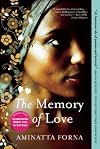
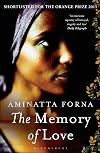
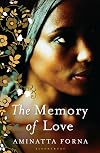
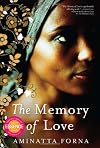
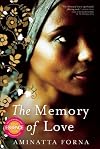
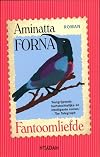
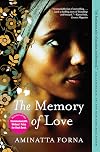
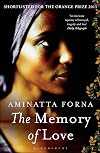
The Memory of Love
by Aminatta Forna
On This Page
Description
Adrian Lockheart is a psychologist escaping his life in England. Arriving in Freetown in the wake of civil war, he struggles with the intensity of the heat, dirt and secrets this country hides. A story unfolds about ordinary people in extrordinary circumstances and the indelible effects of the past.Tags
Recommendations




















Member Recommendations

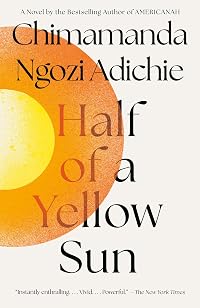
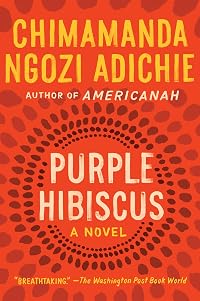
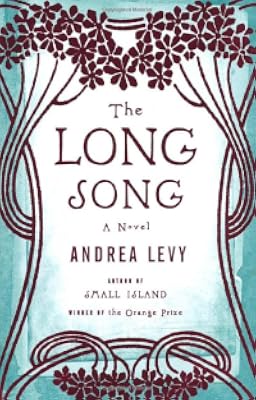
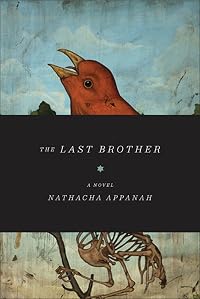
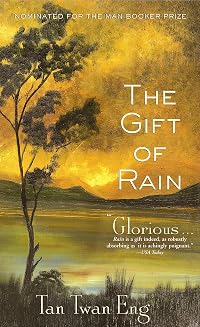
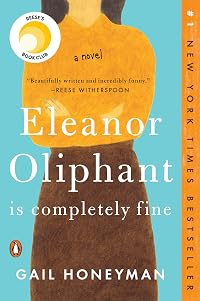
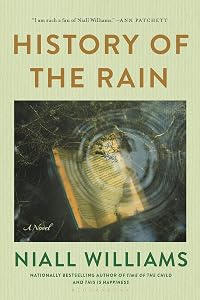
tangentialine same elegiac, lyrical tone; same discussion of the ravages of civil war; analysis of white-black people interaction.
20
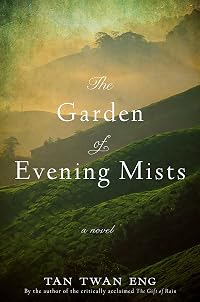
tangentialine same elegiac, lyrical tone; same discussion of the ravages of civil war; also, outsider who comes to help.
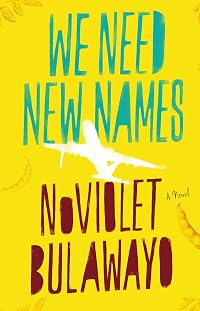
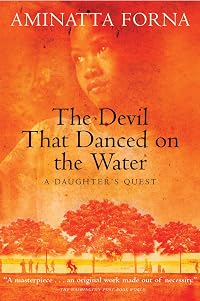
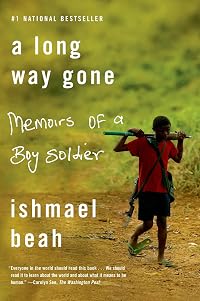
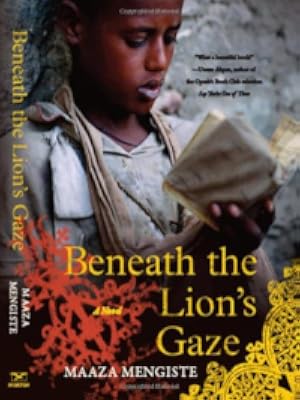
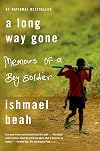
anonymous user Not a literary masterpiece, but a young girl's memoir of her harrowing experiences in Sierra Leone during the period of Forna's book.
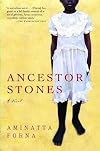
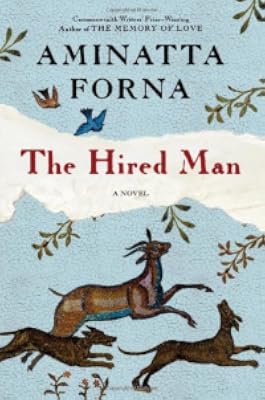
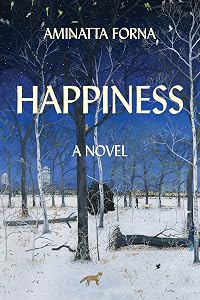
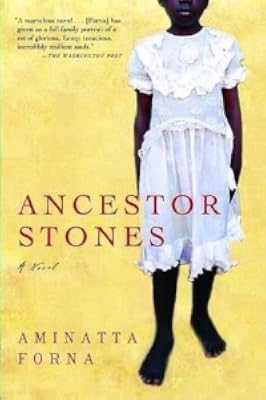
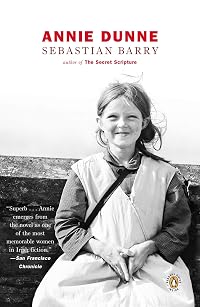
whymaggiemay Forna's first book about the civil war, told by four women.
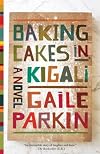
krazy4katz Angel is a baker who makes cakes to support her husband and grandchildren. The story takes place in Rwanda after the genocidal war of 1994. Through her baking of cakes, Angel heals those around her as well as herself.
Member Reviews
This enchanting novel is set in Freetown, the capital of Sierra Leone, at the end of the country's civil war that lasted from 1991-2002. Adrian Lockheart, a British psychologist who has left his family to pursue a more personally fulfilling career, is at the bedside of Elias Cole, a former university professor and dean who is nearing the end of his life. Adrian encourages Elias to share his story with him on weekly therapeutic visits , and Cole tells him about his career, including his friendship with Julius Kamara, another university professor, and his young wife Saffia, who Julius sees for the first time at a faculty gathering just before the successful Apollo 11 moon landing in 1969. He is immediately entranced by her, and spends show more much of his spare time thinking of ways to get closer to her.
The story of Elias and Saffia is interwined with Adrian's experiences in post-war Sierra Leone, along with his friendship with Kai, a talented young surgeon who has used Adrian's living quarters as a place to crash prior to the psychologist's arrival. The men become close friends, although Kai is clearly scarred by his experiences during the recent civil war, which he is unable to share with his friend.
Adrian's primary interest is in diagnosing and treating victims of post-traumatic stress disorder (PTSD), and he cares for several hospitalized patients who appear to suffer from this problem due to the civil war. He attempts to get several of them to talk about their experiences, but few of these poor souls are willing or able to share their stories or accede to his treatment plans. His colleagues and Kai are respectful of his work, but they tell him that his methods have little chance to make any impact on the lives of his patients, due to the country's lack of resources and the different cultural beliefs about mental health.
Elias is the only person who will talk freely about the past with Adrian, and through the life of the dying man and his relationships with Julius and Saffia he learns about the country's postcolonial history, including the devastating civil war that destroyed the fabric of the country and the will of thousands of Sierra Leoneans.
Adrian falls in love with a local woman, whose ties to the other major characters provide a tension to and deeper understanding of their stories. As their relationship deepens, Adrian is forced to decide whether to stay in Sierra Leone, where he is loved and believes he has much to offer, while Kai agonizes over his long held desire to move to the United States where he can practice medicine and exorcise the internal demons that plague his dreams and affect his work.
The Memory of Love is a stunning and deeply moving novel about love in its different forms, and how it can affect and be affected by greed, selfishness, personal ambition and war. The narrative is superb, and I found myself emotionally tied to the lives of the characters as much as any other book I've read in the past decade. show less
The story of Elias and Saffia is interwined with Adrian's experiences in post-war Sierra Leone, along with his friendship with Kai, a talented young surgeon who has used Adrian's living quarters as a place to crash prior to the psychologist's arrival. The men become close friends, although Kai is clearly scarred by his experiences during the recent civil war, which he is unable to share with his friend.
Adrian's primary interest is in diagnosing and treating victims of post-traumatic stress disorder (PTSD), and he cares for several hospitalized patients who appear to suffer from this problem due to the civil war. He attempts to get several of them to talk about their experiences, but few of these poor souls are willing or able to share their stories or accede to his treatment plans. His colleagues and Kai are respectful of his work, but they tell him that his methods have little chance to make any impact on the lives of his patients, due to the country's lack of resources and the different cultural beliefs about mental health.
Elias is the only person who will talk freely about the past with Adrian, and through the life of the dying man and his relationships with Julius and Saffia he learns about the country's postcolonial history, including the devastating civil war that destroyed the fabric of the country and the will of thousands of Sierra Leoneans.
Adrian falls in love with a local woman, whose ties to the other major characters provide a tension to and deeper understanding of their stories. As their relationship deepens, Adrian is forced to decide whether to stay in Sierra Leone, where he is loved and believes he has much to offer, while Kai agonizes over his long held desire to move to the United States where he can practice medicine and exorcise the internal demons that plague his dreams and affect his work.
The Memory of Love is a stunning and deeply moving novel about love in its different forms, and how it can affect and be affected by greed, selfishness, personal ambition and war. The narrative is superb, and I found myself emotionally tied to the lives of the characters as much as any other book I've read in the past decade. show less
‘This is their reality. And who is going to come and give the people who live here therapy to cope with this?’ asks Attila and waves a hand at the view. ‘You call it a disorder, my friend. We call it life.’ – Aminatta Forna, The Memory of Love
In 2001, British psychologist Adrian Lockheart volunteers to help with mental health services in Sierra Leone, where residents are recovering from civil war. Terminally ill, aging academic Elias Cole, one of Adrian’s patients, tells Adrian his story of love and loss, almost as if he is seeking absolution. Adrian develops a friendship with local surgeon, Kai Mansaray, who is haunted by his own past traumas and lost love. Adrian is the focal point for the convergence of these three show more storylines.
This is a novel that works on multiple levels. It is a story of obsessive love, betrayal, the transience of memories, the recent history of Sierra Leone (1960s to 2000s), political corruption, and the traumatic impact of war on mind, body, and soul. Forna expertly weaves the storylines together and the common elements become more pronounced as the story progresses. The writing is stunning – elegant, expressive, and emotionally convincing. It is a pleasing blend of plot and characterization. I found it engrossing and kept trying to figure out all the interconnections. I am not sure what else I could ask from a book.
Be aware that it contacts graphic descriptions of war-related violence and symptoms of PTSD. show less
In 2001, British psychologist Adrian Lockheart volunteers to help with mental health services in Sierra Leone, where residents are recovering from civil war. Terminally ill, aging academic Elias Cole, one of Adrian’s patients, tells Adrian his story of love and loss, almost as if he is seeking absolution. Adrian develops a friendship with local surgeon, Kai Mansaray, who is haunted by his own past traumas and lost love. Adrian is the focal point for the convergence of these three show more storylines.
This is a novel that works on multiple levels. It is a story of obsessive love, betrayal, the transience of memories, the recent history of Sierra Leone (1960s to 2000s), political corruption, and the traumatic impact of war on mind, body, and soul. Forna expertly weaves the storylines together and the common elements become more pronounced as the story progresses. The writing is stunning – elegant, expressive, and emotionally convincing. It is a pleasing blend of plot and characterization. I found it engrossing and kept trying to figure out all the interconnections. I am not sure what else I could ask from a book.
Be aware that it contacts graphic descriptions of war-related violence and symptoms of PTSD. show less
The Memory of Love takes place shortly after Sierra Leone's Civil War (1991-99). Adrian, a British psychologist, has returned to the country following an initial short volunteer experience. He's left his wife and daughter at home in the hopes of making a difference, helping the people of Sierra Leone recover from trauma. His methods are viewed skeptically at first, but eventually he begins to have a positive impact on his patients. Kai is a brilliant young surgeon working in the same hospital, and haunted by war trauma and lost love:
And when he wakes from dreaming of her, is it not the same for him? The hollowness in his chest, the tense yearning, the loneliness he braces against every morning until he can immerse himself in work and show more forget. Not love. Something else, something with a power that endures. Not love, but a memory of love. (p. 185)
Kai is still in love with Nenebah, a woman who left him some time ago. He also misses his best friend Tejani, who left the country to practice medicine in the US. Kai toys with the idea of joining him, and takes steps necessary for immigration, but is clearly ambivalent about leaving other loved ones behind in Sierra Leone.
In Sierra Leone, silence rules the day: the war is simply not discussed; personal stress is suppressed, as if it's all a big secret. Most of Adrian's cases suffer from post-traumatic stress disorder, having witnessed horrific violence during the war that they have been unable to deal with on an emotional and psychological level. And then there is Elias, the patient who on the surface appears the most "normal." Elias checks himself into the hospital, knowing he is near the end of his life. He has a compelling need to unload his personal story on someone, and Adrian begins meeting with him. Elias worked at the university, first as a lecturer and ultimately as dean. While his personal circumstances kept him away from most of the violence, he and other academics were arrested under suspicion of some vaguely described wrongdoing. Elias describes his response to this event, and its impact on important people in his life, in a matter-of-fact way but gradually Adrian realizes there's much more to Elias' story.
Aminatta Forna uses patient stories, gradually revealed through Adrian's therapy, to help the reader imagine the war's events. She also builds a web of people which I found fascinating. Kai and Adrian's lives intersect first on a professional level and later in deeply personal ways. The connections between people and events unfold slowly, and for me each revelation was very emotional. This is especially true of Elias; when his "sins of omission" are revealed, his real character becomes known, as does a connection that binds him with both Adrian and Kai. The ending was especially wrenching and yet somehow, just right.
This is a superb book; I was transfixed and couldn't put it down. show less
And when he wakes from dreaming of her, is it not the same for him? The hollowness in his chest, the tense yearning, the loneliness he braces against every morning until he can immerse himself in work and show more forget. Not love. Something else, something with a power that endures. Not love, but a memory of love. (p. 185)
Kai is still in love with Nenebah, a woman who left him some time ago. He also misses his best friend Tejani, who left the country to practice medicine in the US. Kai toys with the idea of joining him, and takes steps necessary for immigration, but is clearly ambivalent about leaving other loved ones behind in Sierra Leone.
In Sierra Leone, silence rules the day: the war is simply not discussed; personal stress is suppressed, as if it's all a big secret. Most of Adrian's cases suffer from post-traumatic stress disorder, having witnessed horrific violence during the war that they have been unable to deal with on an emotional and psychological level. And then there is Elias, the patient who on the surface appears the most "normal." Elias checks himself into the hospital, knowing he is near the end of his life. He has a compelling need to unload his personal story on someone, and Adrian begins meeting with him. Elias worked at the university, first as a lecturer and ultimately as dean. While his personal circumstances kept him away from most of the violence, he and other academics were arrested under suspicion of some vaguely described wrongdoing. Elias describes his response to this event, and its impact on important people in his life, in a matter-of-fact way but gradually Adrian realizes there's much more to Elias' story.
Aminatta Forna uses patient stories, gradually revealed through Adrian's therapy, to help the reader imagine the war's events. She also builds a web of people which I found fascinating. Kai and Adrian's lives intersect first on a professional level and later in deeply personal ways. The connections between people and events unfold slowly, and for me each revelation was very emotional. This is especially true of Elias; when his "sins of omission" are revealed, his real character becomes known, as does a connection that binds him with both Adrian and Kai. The ending was especially wrenching and yet somehow, just right.
This is a superb book; I was transfixed and couldn't put it down. show less
#ReadAroundTheWorld. #Sierra Leone
"And there are others still who say love is but a beautiful form of madness."
The Memory of Love is a dual timeline historical fiction set in Sierra Leone in the 1960s and 2000s. The author Aminatta Forne was born in Scotland and raised in Sierra Leone where her father was from. He was executed on trumped up charges when she was only 11. The book is set in a post-war context and deals with both love and trauma. It has been shortlisted for both the Warwick Prize for Writing and the Orange Prize for Fiction and won the Commonwealth Writers’ Prize.
British psychologist Adrian Lockheart arrives in Sierra Leone in 2001, after the civil war between government forces and rebel insurgents has ended. The war show more began in 1991 and left fifty thousand people dead, and 2.5 million displaced. He specialises in PTSD and has been sent there to try and help the Sierra Leoneans process their grief and trauma. Adrian is something of a great white saviour figure, and takes a long time to recognise that he may not actually be wanted there, and that possibly 99% of the population is suffering from what he calls PTSD but they call life. As Forna points out, “War had the effect of encouraging people to try to stay alive. Poverty, too. Survival was simply too hard-won to be given up lightly.”
One of Adrian’s patients is a retired professor Elias Cole whose health is failing. Elias begins to tell the story of his life in the 1960s when he became obsessively enamoured of Saffia, the wife of his colleague Julius. Elias’ obsession has far reaching consequences of betrayal that echo into the next generation.
Adrian also develops a friendship with Kai Mansaray, a local surgeon who also suffers nightmares related to war-time trauma and a broken relationship with Nenebah. Adrian becomes involved with musician Mamakaye despite having a wife and child back in England. This relationship draws the three characters together in an unexpected turn of events.
This was a beautifully written book with well-fleshed out characters. The audio-narration by Kobna Holdbrook-Smith
was excellent. My only difficulty was I didn’t like many of them. Elias was entitled and manipulative, Adrian was just meh. The women in the story may have been more likeable, but sadly did not have a voice of their own, their stories being told by the men. I would definitely read another book by this author. show less
"And there are others still who say love is but a beautiful form of madness."
The Memory of Love is a dual timeline historical fiction set in Sierra Leone in the 1960s and 2000s. The author Aminatta Forne was born in Scotland and raised in Sierra Leone where her father was from. He was executed on trumped up charges when she was only 11. The book is set in a post-war context and deals with both love and trauma. It has been shortlisted for both the Warwick Prize for Writing and the Orange Prize for Fiction and won the Commonwealth Writers’ Prize.
British psychologist Adrian Lockheart arrives in Sierra Leone in 2001, after the civil war between government forces and rebel insurgents has ended. The war show more began in 1991 and left fifty thousand people dead, and 2.5 million displaced. He specialises in PTSD and has been sent there to try and help the Sierra Leoneans process their grief and trauma. Adrian is something of a great white saviour figure, and takes a long time to recognise that he may not actually be wanted there, and that possibly 99% of the population is suffering from what he calls PTSD but they call life. As Forna points out, “War had the effect of encouraging people to try to stay alive. Poverty, too. Survival was simply too hard-won to be given up lightly.”
One of Adrian’s patients is a retired professor Elias Cole whose health is failing. Elias begins to tell the story of his life in the 1960s when he became obsessively enamoured of Saffia, the wife of his colleague Julius. Elias’ obsession has far reaching consequences of betrayal that echo into the next generation.
Adrian also develops a friendship with Kai Mansaray, a local surgeon who also suffers nightmares related to war-time trauma and a broken relationship with Nenebah. Adrian becomes involved with musician Mamakaye despite having a wife and child back in England. This relationship draws the three characters together in an unexpected turn of events.
This was a beautifully written book with well-fleshed out characters. The audio-narration by Kobna Holdbrook-Smith
was excellent. My only difficulty was I didn’t like many of them. Elias was entitled and manipulative, Adrian was just meh. The women in the story may have been more likeable, but sadly did not have a voice of their own, their stories being told by the men. I would definitely read another book by this author. show less
People think that war is the worst this country has ever seen; they have no idea what peace is like. The courage it takes simply to endure.
British psychologist Adrian Lockheart has accepted a one-year appointment in Sierra Leone, thinking he can make a difference in this country recovering from a brutal civil war. Initially he has only two patients at the hospital – a woman, Agnes, and a dying man, Elias Cole. Cole doesn't want to talk about the recent war, but about the woman he loved 30 years ago and how his desire for her affected his life. Adrian forms a friendship with a young surgeon, Kai, despite Kai's skepticism that Adrian can accomplish anything there. Adrian doesn't know what it's like to live there and to have lived show more through the war. How could Adrian hope to understand the survivors, and what does he think he can offer them? Adrian is persistent and he gradually finds a place to use his skills. As Elias, Kai, and others tell Adrian parts of their stories, the pieces begin to take shape in an unexpected way.
This book required more effort to read than I was expecting. It is more complex than Forna's earlier novel, Ancestor Stones. It was worth the effort. Although the story is told from multiple perspectives, I experienced it mainly from Adrian's perspective – an outsider who gradually made sense of the unfamiliar surroundings until it began to feel like home. However, Kai was the character I was most drawn to. Although Adrian believed he could help individuals cope with the psychological trauma left from the war, his motive for being there wasn't exactly altruistic. He was looking for excitement that was missing from his life at home. He could leave any time he wanted to. Kai was born there and could not easily leave.
This is the first book I've read that focuses on mental health issues in developing countries. Adrian's goal is to reintegrate the psychologically wounded into normal society, but he has no idea what normal means in this place and time. Adrian isn't able to help anyone until he adjusts his expectations. As challenging as provision of and access to mental health care can be in the developed world, the challenges are even greater in a developing country just emerging from a decade of civil war. Psychiatric referrals don't seem to be a consideration for hospital staff.
Kai has never once treated a would-be suicide. War had the effect of encouraging people to try to stay alive. Poverty, too. Survival was simply too hard-won to be given up lightly.
Recommended, particularly for readers preparing for careers in relief and international development. show less
British psychologist Adrian Lockheart has accepted a one-year appointment in Sierra Leone, thinking he can make a difference in this country recovering from a brutal civil war. Initially he has only two patients at the hospital – a woman, Agnes, and a dying man, Elias Cole. Cole doesn't want to talk about the recent war, but about the woman he loved 30 years ago and how his desire for her affected his life. Adrian forms a friendship with a young surgeon, Kai, despite Kai's skepticism that Adrian can accomplish anything there. Adrian doesn't know what it's like to live there and to have lived show more through the war. How could Adrian hope to understand the survivors, and what does he think he can offer them? Adrian is persistent and he gradually finds a place to use his skills. As Elias, Kai, and others tell Adrian parts of their stories, the pieces begin to take shape in an unexpected way.
This book required more effort to read than I was expecting. It is more complex than Forna's earlier novel, Ancestor Stones. It was worth the effort. Although the story is told from multiple perspectives, I experienced it mainly from Adrian's perspective – an outsider who gradually made sense of the unfamiliar surroundings until it began to feel like home. However, Kai was the character I was most drawn to. Although Adrian believed he could help individuals cope with the psychological trauma left from the war, his motive for being there wasn't exactly altruistic. He was looking for excitement that was missing from his life at home. He could leave any time he wanted to. Kai was born there and could not easily leave.
This is the first book I've read that focuses on mental health issues in developing countries. Adrian's goal is to reintegrate the psychologically wounded into normal society, but he has no idea what normal means in this place and time. Adrian isn't able to help anyone until he adjusts his expectations. As challenging as provision of and access to mental health care can be in the developed world, the challenges are even greater in a developing country just emerging from a decade of civil war. Psychiatric referrals don't seem to be a consideration for hospital staff.
Kai has never once treated a would-be suicide. War had the effect of encouraging people to try to stay alive. Poverty, too. Survival was simply too hard-won to be given up lightly.
Recommended, particularly for readers preparing for careers in relief and international development. show less
The Memory of Love is set in the aftermath of Sierra Leone's long civil war (March of 1991 through January of 2002)and where now many of the survivors are suffering from various conditions of post traumatic stress. The story opens with the first person narrative of Elias Cole, an elderly academic who is telling his story to psychiatric, Adrian Lockheart. Lockheart is a British psychiatrist who has come to the city convinced he can be of help. He meets Kai Mansaray, an orthopedic surgeon born and raised in Sierra Leone. Kai has always dreamed of leaving the country as have most of his friends and relatives.
I can honestly say that when I began the book I had little interest in it, other than reading something set in Sierra Leone. I show more thought the author did a wonderful job of drawing me into the narrative of the three men. Elias' story is mostly told from the past and I found it the most compelling in the beginning. Before long long, both Adam and Kai's story became just as fascinating. I wasn't sure how their stories tied together until the last third of the book, but I was certain from the beginning they would connect in some way.
I have never read anything by Aminatta Forna but I would definitely do so again. She had a beautiful way of writing and her story wove together an intricate tapestry of betrayal, tragedy and loss. The Memory of Love looks hard at the scars that civil wars leaves behind. It's an ambitious novel, but one that richly rewards the reader with complexity and depth in storytelling. show less
I can honestly say that when I began the book I had little interest in it, other than reading something set in Sierra Leone. I show more thought the author did a wonderful job of drawing me into the narrative of the three men. Elias' story is mostly told from the past and I found it the most compelling in the beginning. Before long long, both Adam and Kai's story became just as fascinating. I wasn't sure how their stories tied together until the last third of the book, but I was certain from the beginning they would connect in some way.
I have never read anything by Aminatta Forna but I would definitely do so again. She had a beautiful way of writing and her story wove together an intricate tapestry of betrayal, tragedy and loss. The Memory of Love looks hard at the scars that civil wars leaves behind. It's an ambitious novel, but one that richly rewards the reader with complexity and depth in storytelling. show less
The novel is set in Sierra Leone, at various times in its tumultuous history. There are two main story lines. Adrian Lockheart is a British psychologist who takes a government posting in the capital city near the turn of the 21st century, hoping to help people suffering from PTSD in the wake of civil unrest and outright war. He is less than successful at this, in great part because he completely lacks understanding of the nature of the problem his prospective patients face. What would “normal” mean to a population that is continuing to live with the aftereffects of multiple conflicts, political upheaval and widespread deprivation? This is pointed out to Adrian by two local residents who each become very important to him: Kai, an show more orthopedic surgeon who is a victim of trauma himself; and Mamakay, a woman with whom Adrian falls in love. He is also drawn into the history of a dying man, Elias Cole, who tells Adrian his version of revolutionary events of the 1970s, somewhat in the manner of a man seeking absolution for his role.
My knowledge of the history of this country was minimal to non-existent before I picked up The Memory of Love. I found myself floundering a bit, precisely because I could not put the characters and their background into any familiar context. An early reference to book titles intrigued me. I looked them up, and they are actual books. I did a little more research, and penciled in a rough time-line inside the cover of my paperback for ready reference. This helped me immensely, and I am extremely glad I took the trouble. But....BUT....did the author expect her readers to be better informed than I was going in? And, in general, were they? SInce the book was published in Britain, and since Sierra Leone was once a British colony/protectorate, and later an independent member of the Commonwealth, I suspect the answer may be "yes". In general, I have no problem with an author giving their readers the benefit of the doubt this way, or even expecting them to do their homework before or while reading. It did make for a bit of a slow start for me, but I am more than happy that I put in the extra effort, and stuck with the story.
I thought the parts where Adrian was confronted with the Big Question---what am I doing here?---were very revealing. The curse of "the white man's burden" acting on him, in his naivete about what his sort of therapy might accomplish under the existing circumstances. Perhaps some actual personal guilt, as his own grandfather had been a part of the colonial government.
Having finished the novel, I considered whether to give it 4 1/2 or 5 stars. The hesitation came from one or two elements that left me wondering "why" and from pondering whether being left with that question is a good thing or a bad thing. I settled on 4 ½, but that is not to say that I didn’t find this an incredibly powerful read. I may return to it one day, and a second read could very well cause me to bestow that last half star. show less
My knowledge of the history of this country was minimal to non-existent before I picked up The Memory of Love. I found myself floundering a bit, precisely because I could not put the characters and their background into any familiar context. An early reference to book titles intrigued me. I looked them up, and they are actual books. I did a little more research, and penciled in a rough time-line inside the cover of my paperback for ready reference. This helped me immensely, and I am extremely glad I took the trouble. But....BUT....did the author expect her readers to be better informed than I was going in? And, in general, were they? SInce the book was published in Britain, and since Sierra Leone was once a British colony/protectorate, and later an independent member of the Commonwealth, I suspect the answer may be "yes". In general, I have no problem with an author giving their readers the benefit of the doubt this way, or even expecting them to do their homework before or while reading. It did make for a bit of a slow start for me, but I am more than happy that I put in the extra effort, and stuck with the story.
I thought the parts where Adrian was confronted with the Big Question---what am I doing here?---were very revealing. The curse of "the white man's burden" acting on him, in his naivete about what his sort of therapy might accomplish under the existing circumstances. Perhaps some actual personal guilt, as his own grandfather had been a part of the colonial government.
Having finished the novel, I considered whether to give it 4 1/2 or 5 stars. The hesitation came from one or two elements that left me wondering "why" and from pondering whether being left with that question is a good thing or a bad thing. I settled on 4 ½, but that is not to say that I didn’t find this an incredibly powerful read. I may return to it one day, and a second read could very well cause me to bestow that last half star. show less
Members
- Recently Added By
Published Reviews
ThingScore 100
Farlig aktuell roman fra Sierra Leone
Om lidenskap, besettelse og borgerkrig.
Om lidenskap, besettelse og borgerkrig.
added by annek49
Forna’s characters weave in and out of each other’s lives, often with entirely unforeseeable and shocking consequences. They are so well drawn, and so universally authentic, that each time the narrative view switches from one to the other one almost longs for a convenient twodimensional caricature as light relief from possession. With whom can the reader most easily identify? Adrian, the show more English ingénu? Kai, the heroic surgeon who cannot see the green grass in the other field? Cole, the sell-out? Or Agnes — whose mind has quite rightly opted to walk rather than think about what she must endure?
Forna’s intense research into surgery and psychiatry is as lightly worn as her ability to hide her own craft as a writer...Let us hope that it takes its place where it deserves to be: not at the top of the pile of “African Literature” but outside any category altogether — and at the top of award shortlists show less
Forna’s intense research into surgery and psychiatry is as lightly worn as her ability to hide her own craft as a writer...Let us hope that it takes its place where it deserves to be: not at the top of the pile of “African Literature” but outside any category altogether — and at the top of award shortlists show less
added by vancouverdeb
This is an ambitious project. Forna has written before about the power of storytelling to talk our lives into different shapes. Here she moves deftly between the enchantments of different narratives: the therapeutic, the confessional, the traumatic – flashbacks, nightmares, hauntings, fugue states where stories are lost or distorted beyond recognition and the sweetly joyous themes of new show more love, renewal, springing hope, second chances..... Forna understands that it is only by making patterns out of chaos that humans find the courage to continue living. And in this affecting, passionate and intelligent novel about the redemptive power of love and storytelling, she shows how it is done. show less
added by vancouverdeb
Lists

Favourite Women's Prize for Fiction, Orange & Bailey's Prize contenders
132 works; 52 members

Recommend the 20 best books you've read in the last five years
2,168 works; 604 members

Best African Books
126 works; 46 members

Must-Read Books by Black Authors
114 works; 92 members

Black Authors
386 works; 28 members

Top Five Books of 2015
811 works; 241 members

International IMPAC Dublin Literary Award
179 works; 6 members

BBC Radio 4 Bookclub
341 works; 13 members

Big Jubilee List
70 works; 3 members
Talk Discussions
Past Discussions
April-June Theme Read: War and Regions in Conflict in Reading Globally (February 2024)
The Memory of Love by Aminatta Forna in 75 Books Challenge for 2022 (February 2022)
The Memory of Love by Aminatta Forna in Orange January/July (July 2011)
Author Information

11+ Works 2,278 Members
Some Editions
Awards and Honors
Awards
Distinctions
Common Knowledge
- Canonical title*
- Fantoomliefde
- Original title
- The Memory of Love
- Original publication date
- 2010-04-10 (UK) (UK); 2011-01-04 (US) (US)
- People/Characters
- Adrian Lockheart; Elias Cole; Kai Mansaray; Julius Kamara; Saffia Kamara; Mamakay (show all 7); Agnes
- Important places
- Sierra Leone
- Dedication
- For Simon, with Love
- First words
- On the iron-framed bed a single, scant sheet has moulded itself into the form of the human beneath.
- Quotations
- People think war is the worst this country has ever seen: they have no idea what peace is like. The courage it takes simply to endure.
And when he wakes from dreaming of her, is it not the same for him? The hollowness in his chest, the tense yearning, the loneliness he braces against every morning until he can immerse himself in work and forget. Not love. So... (show all)mething else, something with a power that endures. Not love, but a memory of love.
I think it would be wrong to say I ever followed Saffia. In conversation the names of places she liked to visit or where she did her shopping might arise. Later, I might jot the detail down in my notebook. And if I hap... (show all)pened to find myself there at any of those times, naturally I would look to see if she happened to be there also. Sometimes I might say hello. Other times, I thought it better not to intrude on her thoughts. I might have watched her from a distance. That was all.
Julius believed in himself. He didn’t fear death – for death was too insignificant, too small, it resided below the level of his contempt. He had survived a serious childhood illness that killed many others. He drew po... (show all)wer from the fact of it, as though it proved he was blessed.
The Dean was a small man, dark-skinned, balding and possessed of a quicksilver energy, with tiny hands and feet, and high round buttocks which pitched him forward, so he appeared to approach the world at a trot.
We are like caged pets, we elderly. Like mice or hamsters, constantly reordering our small spaces, taking turns going round and round on the wheel to stop ourselves from going mad. - Last words
- (Click to show. Warning: May contain spoilers.)They do not see, for they cannot, as they cross the peninsula bridge, the letters traced by a boy's forefinger into cement on the far side of the bridge wall half a century ago, beneath the initials of the men who once worked the bridge. J.K.
- Blurbers
- Caputo, Philip; Desai, Kiran; Ali, Monica; Habila, Helon
*Some information comes from Common Knowledge in other languages. Click "Edit" for more information.
Classifications
Statistics
- Members
- 755
- Popularity
- 37,350
- Reviews
- 47
- Rating
- (3.94)
- Languages
- 10 — Czech, Danish, Dutch, English, Finnish, German, Norwegian (Bokmål), Norwegian, Polish, Spanish
- Media
- Paper, Audiobook, Ebook
- ISBNs
- 27
- ASINs
- 8