
Andrew Motion
Author of Philip Larkin: A Writer's Life
About the Author
Andrew Motion is Professor of Creative Writing at the University of East Anglia.
Image credit: photo credit: Johnny Ring
Series
Works by Andrew Motion
The Folio Book of War Poetry — Editor — 9 copies
The Ring of Words: Poems from the "Daily Telegraph" Arvon Foundation International Poetry Competition (1999) 4 copies
Gravity Archives 2 copies
MIR poets five: two poems 1 copy
The Collection: Poems by Patients, Carers and Staff from the Royal Marsden Hospital Paperback (2008) 1 copy
Coming Home 1 copy
Associated Works
The Dylan Companion: A Collection of Essential Writing About Bob Dylan (1990) — Contributor, some editions — 103 copies
100 Journeys for the Spirit: Sacred, Inspiring, Mysterious, Enlightening (2010) — Contributor — 67 copies
Tagged
Common Knowledge
- Birthdate
- 1952-10-26
- Gender
- male
- Education
- University of Oxford (University College)
- Occupations
- poet
biographer
novelist - Organizations
- Friends of the British Library (Vice President)
- Awards and honors
- Newdigate Prize for poetry (1975)
Eric Gregory Award (1976)
Whitbread Prize for Biography
Dylan Thomas Award
Knight Bachelor
Poet Laureate of the United Kingdom (1999-2009) - Agent
- Pat Kavanagh (PFD)
- Nationality
- UK
- Birthplace
- London, England, UK
- Places of residence
- Stisted, Essex, England, UK
Islington, London, England, UK - Associated Place (for map)
- England, UK
Members
Reviews
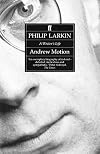
Poets are a bit like comedians, in my book. It is not that they make you laugh, but that I have to like the poet to like his/her work. I knew that reading a biography of Larkin could destroy any enjoyment of his poetry and, sadly, that is what this book has done.
It is hard to know how far to blame Larkin, and where to put the responsibility onto Andrew Motion's shoulders. Larkin knew that he was somewhat lacking in the social skills. Motion professes to have been a friend of Larkin but the show more book, which the London Review of Books described as, "Honest but not prurient", often reads to me as 'catty'. Motion will say (paraphrased) Larkin hated foreigners, treated his women (including mum) appallingly, sometimes appeared to know only four letter adjectives, but was, really, a nice man. This comes across as disingenuous.
The only two times, in the entire book, that I found any sympathy with Larkin was in two events towards the end of his life. Firstly, he accidentally kills a hedgehog, with his lawn mower. He had been feeding the little chap each morning and was distraught, crying inconsolably - almost the first sign of human sentiment that he shows. He then gains brownie points for his treatment of Monica, through her illness, where he finds that he is more upset than her, when she moves out.
Motion passes off Larkin's extreme right wing views as based upon ignorance, and thus excusable. He (Motion) seems to delight in Larkin's confusion when his heroine, Margaret Thatcher, becomes PM and promptly proceeds to tear down the grants to universities, and libraries in general.
Larkin, I believe, knew that his life was not something of which to be proud and that was why he begged for his diaries to be destroyed: perhaps, it would have been better for him to be thought a bigot, for remarks in his work, than to have the full extent of his bigotry so ruthlessly exposed.
Informative, but not, for me, an enjoyable read. show less
It is hard to know how far to blame Larkin, and where to put the responsibility onto Andrew Motion's shoulders. Larkin knew that he was somewhat lacking in the social skills. Motion professes to have been a friend of Larkin but the show more book, which the London Review of Books described as, "Honest but not prurient", often reads to me as 'catty'. Motion will say (paraphrased) Larkin hated foreigners, treated his women (including mum) appallingly, sometimes appeared to know only four letter adjectives, but was, really, a nice man. This comes across as disingenuous.
The only two times, in the entire book, that I found any sympathy with Larkin was in two events towards the end of his life. Firstly, he accidentally kills a hedgehog, with his lawn mower. He had been feeding the little chap each morning and was distraught, crying inconsolably - almost the first sign of human sentiment that he shows. He then gains brownie points for his treatment of Monica, through her illness, where he finds that he is more upset than her, when she moves out.
Motion passes off Larkin's extreme right wing views as based upon ignorance, and thus excusable. He (Motion) seems to delight in Larkin's confusion when his heroine, Margaret Thatcher, becomes PM and promptly proceeds to tear down the grants to universities, and libraries in general.
Larkin, I believe, knew that his life was not something of which to be proud and that was why he begged for his diaries to be destroyed: perhaps, it would have been better for him to be thought a bigot, for remarks in his work, than to have the full extent of his bigotry so ruthlessly exposed.
Informative, but not, for me, an enjoyable read. show less
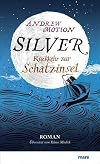
Lange habe icht nicht mehr ein so überflüssiges, ärgerliches, rundheraus schlechtes Buch gelesen! Im Buchladen sah es verlockend aus, die Idee klang vielversprechend: eine Fortschreibung der Schatzinsel, Sohn und Tochter von Jim Hawkins und Long John Silver kehren noch einmal zurück, um den Rest des Schatzes zu bergen. Warum nicht?
Aber das Ergebnis ist einfach nur grottig. Der Plot: in allen Details hanebüchen, unlogisch und absurd. Die Personen: Pappfiguren, die an den Fäden des show more Autors hierhin und dorthin gehen, in gestelzten Dialogen dummes Zeug von sich geben und vollkommen unverständliche Entscheidungen treffen. Zeitkolorit und Nautik: schweigen wir lieber davon, der Autor hat schlichtweg keine Ahnung wovon er schreibt. Schreibstil: Abgründe, ich sage nur Abgründe! Das Buch ist in der ersten Person als Rückblick von Jim Hawkins jun. geschrieben, und die Hälfte des Buch ist angefüllt mit schwülstigen Selbstbetrachtungen, bei denen man nur schreiend weglaufen möchte. Beispiel gefällig? "Ich drückte diese Gedanken nicht in Worten aus - natürlich nicht. Sie überkamen mich wie eine Welle der Kraft, der Möglichkeit, die ich seitdem in solchen Begriffen für mich fasse." WÜRG Oder hier noch ein Beispiel für den zupackenden, vorwärtstreibenden Stil des Autors: "Dann blickte ich wieder zum Weißen Felsen. Dann sah ich die Farne, die den Weißen Felsen bedeckten. Dann sah ich zwischen den Farnen einen Schatten. Dann sah ich wie dieser Schatten Form annahm. Dann sah ich, wie sich die Form in eine Person verwandelte. Dann sah ich, dass die Person ein Gesicht hatte. Dann sah ich, dass das Gesicht Augen und eine Nase und einen Mund hatte. Dann sah ich Natty." AHHHHHHHHHHHHH Ich habe wirklich lange lange lange nicht mehr (wenn überhaupt jemals) einen solchen grottenschlechten Scheiß gelesen.
Null Punkte! Setzen! show less
Aber das Ergebnis ist einfach nur grottig. Der Plot: in allen Details hanebüchen, unlogisch und absurd. Die Personen: Pappfiguren, die an den Fäden des show more Autors hierhin und dorthin gehen, in gestelzten Dialogen dummes Zeug von sich geben und vollkommen unverständliche Entscheidungen treffen. Zeitkolorit und Nautik: schweigen wir lieber davon, der Autor hat schlichtweg keine Ahnung wovon er schreibt. Schreibstil: Abgründe, ich sage nur Abgründe! Das Buch ist in der ersten Person als Rückblick von Jim Hawkins jun. geschrieben, und die Hälfte des Buch ist angefüllt mit schwülstigen Selbstbetrachtungen, bei denen man nur schreiend weglaufen möchte. Beispiel gefällig? "Ich drückte diese Gedanken nicht in Worten aus - natürlich nicht. Sie überkamen mich wie eine Welle der Kraft, der Möglichkeit, die ich seitdem in solchen Begriffen für mich fasse." WÜRG Oder hier noch ein Beispiel für den zupackenden, vorwärtstreibenden Stil des Autors: "Dann blickte ich wieder zum Weißen Felsen. Dann sah ich die Farne, die den Weißen Felsen bedeckten. Dann sah ich zwischen den Farnen einen Schatten. Dann sah ich wie dieser Schatten Form annahm. Dann sah ich, wie sich die Form in eine Person verwandelte. Dann sah ich, dass die Person ein Gesicht hatte. Dann sah ich, dass das Gesicht Augen und eine Nase und einen Mund hatte. Dann sah ich Natty." AHHHHHHHHHHHHH Ich habe wirklich lange lange lange nicht mehr (wenn überhaupt jemals) einen solchen grottenschlechten Scheiß gelesen.
Null Punkte! Setzen! show less
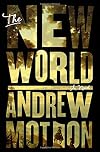
While Motion's prose is flawless, the disconcerted and often rambling nature of his narrative makes this book tedious to finish. Nonetheless, "The New World" succeeds in igniting a nostalgia for the original "Treasure Island" in the hearts and minds of its readers and if a book's success can be measured by the emotions it invokes- then "The New World" is that type of novel which truly opens the door to another realm.
Other than his narrative, Motion succeeds in entrancing his readers and show more building upon Stevenson's original work. Well worth a read if you hunger after simpler times where friend and foe fought side by side on the high-seas and crossed paths with the denizens of the New World in the American hinterlands. show less
Other than his narrative, Motion succeeds in entrancing his readers and show more building upon Stevenson's original work. Well worth a read if you hunger after simpler times where friend and foe fought side by side on the high-seas and crossed paths with the denizens of the New World in the American hinterlands. show less
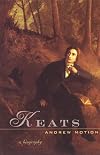
I've been picking through this biography for a paper, and can't wait to sit down and read the whole thing! Keats was a fascinating and tragic figure.
------------
I think I have some things to say about Keats, but it's late, and reading about the end of his life has made me sad. Review to come.
------------
OK. Where to begin? I should mention that I've been a fan of Keats, as much as I can be a fan without being particularly skilled at reading and understanding poetry, for several years. The show more odes, "The Eve of St. Agnes," "Lamia," "La Belle Dame Sans Merci," and oh my God "To Autumn." So beautiful. I have less success with the longer poems, like "Hyperion" and "Endymion." But his shorter poems and his letters have made me fall in love with him. When I spent the summer in London and Scotland, studying library science, one of our assignments was to make site visits of libraries and museums. I made Keats my assignment. I visited his Hampstead home, where he lived with his friend Brown and next door to the woman who would become his fiancee and his obsession. I visited Winchester, where he spent some time and which inspired him to write my favorite of his poems, "To Autumn." I walked the very path that Keats walked just a year before his death. Last year I visited Italy, and it wouldn't have been complete without a mini pilgrimage to the rooms near the Spanish Steps where Keats spent his final weeks. And upon reading this biography, I discovered that I'd been unknowingly stalking Keats throughout my earlier travels. I'd been to the Giant's Causeway in Northern Ireland, which astonished and inspired Keats. I'd been to the birthplace of Robert Burns, where Keats made a pilgrimage on his walking tour of Scotland. I'd been to Ben Nevis, and stayed a short walk from the hospital in London where Keats trained to become a surgeon. I point this out just to show that I feel a weird sense of connection with Keats, in addition to my admiration, and that's what led me to read this large and intimidating biography. Which, I should point out, contains quite a bit of in-depth discussion and analysis of poetry. Be ye warned.
I thought I had a general understanding of Keats. Who he was. What his life was like. And while I had a decent understanding of the basic trajectory of his life, I was shocked at how much I learned about him, and how affecting his story was. Keats lived a difficult life filled with challenges and grief, which I knew, and I hesitate to just give an extensive timeline of his life. So instead I'll just point out some of the things that I didn't know. He was born in the East End of London. John Keats was a Cockney! I had no idea. I always imagined him speaking with a posh British accent. Imagining him with a Cockney accent makes him more approachable. More human. He was also, kind of, a little bit of a misogynist. Normally this would be a big deal-breaker for me, but reading about his life, and knowing about the time, I was somehow able to understand, if not accept, where he was coming from. Largely because he was aware that his views of women were "not right," and because there were a few women who were important in his life and who he respected. Most importantly, I learned that Keats was politically minded, savvy, and while the negative reviews of his work that prevailed in his day upset him, he knew to expect them. He was mainly upset because they affected his ability to make a living as a poet, not because he was the delicate, sensitive poet that he gained a reputation for being. He was actually kind of a dude. He spent half the book treating himself for VD, so he was obviously no shy and retiring violet. There are reports that he once beat a butcher's boy for tormenting a kitten. He wasn't afraid of a fight, he was social, and while he wasn't willing to play the game in the literary world, he absolutely knew that it existed and how it would affect him. Again, this was a pleasant surprise that made him more vivid in my imagination, and more human.
I feel like I'm rambling. Which happens when I have a lot to say about a topic that I find interesting. So let me reign myself in, and just address how absolutely heartrending I find the end of his life. He was so very, very young when he died. Just over 25 years old. He had barely known Fanny Brawne, his fiancee, his great love, and his jealous obsession. He was a trained surgeon who had nursed two family members with tuberculosis until their deaths, and so had every idea of what his own death from that disease would look like. He was separated from family and friends, in a foreign country, horribly ill and subjected to bleedings and starvation diets in the attempt of a cure, he had little hope of a lasting reputation as a poet. His letters from his last weeks, and the descriptions of his friend and nurse Severn, are absolutely heartbreaking. Andrew Motion tells the story in such a way that you can feel Keats' anguish at his impending death. You know that poem by Dylan Thomas, "Do Not Go Gentle?" It was very much on my mind as I read about the end of Keats' life. His grief and anguish were never from a place of self-pity or fear. Instead, it was anger and rage. Anger that his progress as a poet would cease. Anger that he must leave Fanny Brawne before their relationship could be fully realized. Anger that all the beauty and horror and poverty and brilliance of the world were disappearing for him. It was raw and brutal, and it brought me to tears. I wonder if he would be gratified to know that he is now considered one of the pre-eminent English poets. I hope so.
To wrap up, and to sum up my feelings about Keats after having read hundreds of pages about him and his poetry, let me quote Hugh Grant from the Bridget Jones's Diary movie: "Fuck me, I love Keats." show less
------------
I think I have some things to say about Keats, but it's late, and reading about the end of his life has made me sad. Review to come.
------------
OK. Where to begin? I should mention that I've been a fan of Keats, as much as I can be a fan without being particularly skilled at reading and understanding poetry, for several years. The show more odes, "The Eve of St. Agnes," "Lamia," "La Belle Dame Sans Merci," and oh my God "To Autumn." So beautiful. I have less success with the longer poems, like "Hyperion" and "Endymion." But his shorter poems and his letters have made me fall in love with him. When I spent the summer in London and Scotland, studying library science, one of our assignments was to make site visits of libraries and museums. I made Keats my assignment. I visited his Hampstead home, where he lived with his friend Brown and next door to the woman who would become his fiancee and his obsession. I visited Winchester, where he spent some time and which inspired him to write my favorite of his poems, "To Autumn." I walked the very path that Keats walked just a year before his death. Last year I visited Italy, and it wouldn't have been complete without a mini pilgrimage to the rooms near the Spanish Steps where Keats spent his final weeks. And upon reading this biography, I discovered that I'd been unknowingly stalking Keats throughout my earlier travels. I'd been to the Giant's Causeway in Northern Ireland, which astonished and inspired Keats. I'd been to the birthplace of Robert Burns, where Keats made a pilgrimage on his walking tour of Scotland. I'd been to Ben Nevis, and stayed a short walk from the hospital in London where Keats trained to become a surgeon. I point this out just to show that I feel a weird sense of connection with Keats, in addition to my admiration, and that's what led me to read this large and intimidating biography. Which, I should point out, contains quite a bit of in-depth discussion and analysis of poetry. Be ye warned.
I thought I had a general understanding of Keats. Who he was. What his life was like. And while I had a decent understanding of the basic trajectory of his life, I was shocked at how much I learned about him, and how affecting his story was. Keats lived a difficult life filled with challenges and grief, which I knew, and I hesitate to just give an extensive timeline of his life. So instead I'll just point out some of the things that I didn't know. He was born in the East End of London. John Keats was a Cockney! I had no idea. I always imagined him speaking with a posh British accent. Imagining him with a Cockney accent makes him more approachable. More human. He was also, kind of, a little bit of a misogynist. Normally this would be a big deal-breaker for me, but reading about his life, and knowing about the time, I was somehow able to understand, if not accept, where he was coming from. Largely because he was aware that his views of women were "not right," and because there were a few women who were important in his life and who he respected. Most importantly, I learned that Keats was politically minded, savvy, and while the negative reviews of his work that prevailed in his day upset him, he knew to expect them. He was mainly upset because they affected his ability to make a living as a poet, not because he was the delicate, sensitive poet that he gained a reputation for being. He was actually kind of a dude. He spent half the book treating himself for VD, so he was obviously no shy and retiring violet. There are reports that he once beat a butcher's boy for tormenting a kitten. He wasn't afraid of a fight, he was social, and while he wasn't willing to play the game in the literary world, he absolutely knew that it existed and how it would affect him. Again, this was a pleasant surprise that made him more vivid in my imagination, and more human.
I feel like I'm rambling. Which happens when I have a lot to say about a topic that I find interesting. So let me reign myself in, and just address how absolutely heartrending I find the end of his life. He was so very, very young when he died. Just over 25 years old. He had barely known Fanny Brawne, his fiancee, his great love, and his jealous obsession. He was a trained surgeon who had nursed two family members with tuberculosis until their deaths, and so had every idea of what his own death from that disease would look like. He was separated from family and friends, in a foreign country, horribly ill and subjected to bleedings and starvation diets in the attempt of a cure, he had little hope of a lasting reputation as a poet. His letters from his last weeks, and the descriptions of his friend and nurse Severn, are absolutely heartbreaking. Andrew Motion tells the story in such a way that you can feel Keats' anguish at his impending death. You know that poem by Dylan Thomas, "Do Not Go Gentle?" It was very much on my mind as I read about the end of Keats' life. His grief and anguish were never from a place of self-pity or fear. Instead, it was anger and rage. Anger that his progress as a poet would cease. Anger that he must leave Fanny Brawne before their relationship could be fully realized. Anger that all the beauty and horror and poverty and brilliance of the world were disappearing for him. It was raw and brutal, and it brought me to tears. I wonder if he would be gratified to know that he is now considered one of the pre-eminent English poets. I hope so.
To wrap up, and to sum up my feelings about Keats after having read hundreds of pages about him and his poetry, let me quote Hugh Grant from the Bridget Jones's Diary movie: "Fuck me, I love Keats." show less
Lists
Awards


You May Also Like


Associated Authors
Statistics
- Works
- 79
- Also by
- 28
- Members
- 2,255
- Popularity
- #11,371
- Rating
- 4.0
- Reviews
- 91
- ISBNs
- 173
- Languages
- 5
