

Lawrence Osborne
Author of The Accidental Connoisseur: An Irreverent Journey Through the Wine World
About the Author
Works by Lawrence Osborne
The Accidental Connoisseur: An Irreverent Journey Through the Wine World (2004) 281 copies, 5 reviews
The Naked Tourist: In Search of Adventure and Beauty in the Age of the Airport Mall (2006) 98 copies, 6 reviews
Associated Works
Tagged
Common Knowledge
- Birthdate
- 1958
- Gender
- male
- Education
- University of Cambridge (Fitzwilliam College)
Harvard University - Occupations
- novelist
journalist - Nationality
- UK
- Places of residence
- New York, New York, USA
Bangkok, Thailand
France
Italy
Morocco
Mexico (show all 7)
Istanbul, Turkey
Members
Reviews
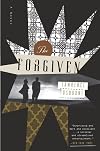
A group of westerners gather for a party at a remote village in Morocco that has been restored by their hosts, a gay couple. Dally and Richard, living in the desert like “feudal lords,” throw this weekend bacchanal yearly. They are already resented and even reviled by the Moroccans, including those they employ. Then an English couple on the way to the party hit and kill a local boy with their car. Its an accident, but tensions rise further. There’s misunderstanding and some contempt on show more both sides.
As an act of atonement, the driver, David, goes off with the father of the boy to the burial in a distant place. His wife, Jo, stays behind at the party, which gets increasingly hedonistic.
Lawrence Osborne expresses the attitudes of both sides, the westerners and Moroccans, in a way they themselves will never understand. He also deftly and artfully describes the desert, which is almost a character itself. “The fig trees in the garden shuddered as if beaten with sticks, but there was little wind during those moments. The hour of dusk could be tasted, but not seen.” And “Far off, where the desert met the sky, there was a pale, elongated glimmer of straw-gold light. The wind was cool, indifferent.” show less
As an act of atonement, the driver, David, goes off with the father of the boy to the burial in a distant place. His wife, Jo, stays behind at the party, which gets increasingly hedonistic.
Lawrence Osborne expresses the attitudes of both sides, the westerners and Moroccans, in a way they themselves will never understand. He also deftly and artfully describes the desert, which is almost a character itself. “The fig trees in the garden shuddered as if beaten with sticks, but there was little wind during those moments. The hour of dusk could be tasted, but not seen.” And “Far off, where the desert met the sky, there was a pale, elongated glimmer of straw-gold light. The wind was cool, indifferent.” show less
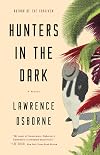
This has all of the atmosphere and style of an old (good) movie from the 1950s or '60s, packed as it is with lush and playful conversations, mysterious characters, and gorgeous settings. From page to page, it builds layers and complexity, and showcases the sort of noir-Hitchcock feel it embraces with a wink a every corner. All told, it's a haunting and compulsive read, spiraling on itself in a way that makes for a wonderfully fun read that's gorgeously written and beautifully show more imagined.
Absolutely, I'd recommend this, and without a doubt I'll be looking up more of Osborne's work sooner than later. show less
Absolutely, I'd recommend this, and without a doubt I'll be looking up more of Osborne's work sooner than later. show less
 This review was written for LibraryThing Early Reviewers.
Hunters in the Dark is my first Lawrence Osborne novel, though I’d often heard him compared to Graham Greene and Paul Bowles. Reading a little into Osborne’s background, I was struck by how rare it is to see a writer like him these days, one who lives as nomad moving from one locale to another, for whom traveling and writing are synonymous. Hunters in the Dark is a template of this. In the novel, the main character, twenty-something-year-old Robert Grieve, finds himself in Cambodia, show more running afoul and adrift in world that is both alluring and alien to him. This alone might be enough to turn off a lot of readers, myself included, but Osborne deftly avoids falling into the common pitfall of white-man-in-awe-of-exotic-East. There is a hint of that wide-eyed awe only because our main character is such fish out of water, but Osborne quickly turns that tired trope on its head in startling new ways.
Hunters in the Dark evokes the kind of tension and contrasts we see in Henry James’s Daisy Miller: the old world butting heads with a new world and modernity; how innocence and wonder is strafed by cynicism and nihilism. Here it is the Western world that is in decline: “They were middle-class and unemployed, or so it seemed, their education now of little value, and they seemed to be able to scrounge enough money to take leave of their senses for months on end. Once upon a time, the Khmers had been in awe of them. But now, their dirtiness and scruffiness and unruliness had dimmed their image at the very moment that the Chinese and Thais had come into considerable amounts of money. The barangs no longer seemed as formidable as their grandparents, even if their grandparents had been hippies in the sixties.”
Disillusioned with his life as a teacher back in England, Robert takes off to Southeast Asia, first spending time in Thailand, then crossing the border into Cambodia. He becomes swept up in the notion of starting a new life, of shedding his life of predetermined days, a ‘life measured out in coffee spoons’ so to speak. Robert is our naive, ingenuous Daisy Miller, who loses himself in a country of deep ancient history, but also a country that is just coming to terms with the trauma of the Pol Pot regime.
It is a visit to a casino where he spends the last of his savings and wins the princely sum of $2000 that changes everything. The money sets into motion a complex series of events, not unlike the beating wings of a butterfly setting off a hurricane.
Robert hires Ouksa, a Cambodian driver, who takes him around to various sights. He plays tourist long enough to meet Simon Beaucamp, a charismatic, smooth-talking American who takes Robert to visit his luxurious house overlooking the river, despite the protestations from Ouksa who senses something awry about Simon. Robert later makes it to Phnom Penh. This time without any of his belongings. Without his passport and no money, he wonders around in a stupor until he finds luck again when he is hired as an English tutor to the daughter of a wealthy Khmer family. In this role, he decides fate has given him an opportunity to reinvent himself. He takes the name of his American acquaintance, Simon.
What is remarkable about Hunters is how subtle the menace is throughout and how it colors and infuses the smallest gestures and actions. Osborne’s writing is precise, the details sharp and specific. When he describes something, you experience it exactly; the scene appears in your mind in sharp relief. And yet his writing also casts shadows, and double-edged meanings and symbols abound:
“When Ouksa had driven off, the two white men sat on the veranda with gin and tonics. The open rafters of the house seemed immense in the night shadows, the moths spinning around the wooden beams. It looked like a house which Simon had built himself since it was so much better looking than the houses he had seen up till then. Simon put on some music from the house above them. He took out his ornate Moroccan chessboard, with its pieces carved from argun wood and hand-painted, and they set it up on the coffee table between them. He said he had bought long ago in Essaouria on the Atlantic coast and it had a spirit that helped his game. He laid out the piece and they flipped for black and white and Robert got black. He kicked off his sandals and the alcohol swelled within him and he absorbed the humid smell of datura coming in from the forest. The roneat music was faintly chiming out in the pitch-black fields, a wailing of fiddles as well. Simon made the first move and soon he was winning easily. He was the kind of player who had all his moves prepared in his head long before he touched a single pawn.”
Osborne’s writing is precise, but the tone is ambiguous and mysterious, portending something sinister or profound in ways that I found delightfully unsettling.
Hunters feels like an old school psychological thriller that would have felt right at home in the hands of Alfred Hitchcock. But it’s a thriller that pushes the boundaries of the genre with its obsession with the ideas of fate and chance. Fate and chance here are not just abstract themes but the very fulcrums that turn the plot.
In the end, the whirlwind of experiences changes Robert. His Western confidence in certainties is forever tainted: “Karma swirled around all things, lending them destinies over which mere desire had no control. It made one’s little calculations irrelevant.” Ultimately, I think Osborne is giving us a critique of Western life and its modern ideas of individualism and linear thinking at the level of plot and narrative structure. But it isn’t just a simple contrast of East versus West. It is also a contrast of modes of thinking: rational European versus a Khmer one that puts equal weight on omens, signs, and spirits. It is a book about different belief systems colliding and crashing into each other with violent consequences. show less
Hunters in the Dark evokes the kind of tension and contrasts we see in Henry James’s Daisy Miller: the old world butting heads with a new world and modernity; how innocence and wonder is strafed by cynicism and nihilism. Here it is the Western world that is in decline: “They were middle-class and unemployed, or so it seemed, their education now of little value, and they seemed to be able to scrounge enough money to take leave of their senses for months on end. Once upon a time, the Khmers had been in awe of them. But now, their dirtiness and scruffiness and unruliness had dimmed their image at the very moment that the Chinese and Thais had come into considerable amounts of money. The barangs no longer seemed as formidable as their grandparents, even if their grandparents had been hippies in the sixties.”
Disillusioned with his life as a teacher back in England, Robert takes off to Southeast Asia, first spending time in Thailand, then crossing the border into Cambodia. He becomes swept up in the notion of starting a new life, of shedding his life of predetermined days, a ‘life measured out in coffee spoons’ so to speak. Robert is our naive, ingenuous Daisy Miller, who loses himself in a country of deep ancient history, but also a country that is just coming to terms with the trauma of the Pol Pot regime.
It is a visit to a casino where he spends the last of his savings and wins the princely sum of $2000 that changes everything. The money sets into motion a complex series of events, not unlike the beating wings of a butterfly setting off a hurricane.
Robert hires Ouksa, a Cambodian driver, who takes him around to various sights. He plays tourist long enough to meet Simon Beaucamp, a charismatic, smooth-talking American who takes Robert to visit his luxurious house overlooking the river, despite the protestations from Ouksa who senses something awry about Simon. Robert later makes it to Phnom Penh. This time without any of his belongings. Without his passport and no money, he wonders around in a stupor until he finds luck again when he is hired as an English tutor to the daughter of a wealthy Khmer family. In this role, he decides fate has given him an opportunity to reinvent himself. He takes the name of his American acquaintance, Simon.
What is remarkable about Hunters is how subtle the menace is throughout and how it colors and infuses the smallest gestures and actions. Osborne’s writing is precise, the details sharp and specific. When he describes something, you experience it exactly; the scene appears in your mind in sharp relief. And yet his writing also casts shadows, and double-edged meanings and symbols abound:
“When Ouksa had driven off, the two white men sat on the veranda with gin and tonics. The open rafters of the house seemed immense in the night shadows, the moths spinning around the wooden beams. It looked like a house which Simon had built himself since it was so much better looking than the houses he had seen up till then. Simon put on some music from the house above them. He took out his ornate Moroccan chessboard, with its pieces carved from argun wood and hand-painted, and they set it up on the coffee table between them. He said he had bought long ago in Essaouria on the Atlantic coast and it had a spirit that helped his game. He laid out the piece and they flipped for black and white and Robert got black. He kicked off his sandals and the alcohol swelled within him and he absorbed the humid smell of datura coming in from the forest. The roneat music was faintly chiming out in the pitch-black fields, a wailing of fiddles as well. Simon made the first move and soon he was winning easily. He was the kind of player who had all his moves prepared in his head long before he touched a single pawn.”
Osborne’s writing is precise, but the tone is ambiguous and mysterious, portending something sinister or profound in ways that I found delightfully unsettling.
Hunters feels like an old school psychological thriller that would have felt right at home in the hands of Alfred Hitchcock. But it’s a thriller that pushes the boundaries of the genre with its obsession with the ideas of fate and chance. Fate and chance here are not just abstract themes but the very fulcrums that turn the plot.
In the end, the whirlwind of experiences changes Robert. His Western confidence in certainties is forever tainted: “Karma swirled around all things, lending them destinies over which mere desire had no control. It made one’s little calculations irrelevant.” Ultimately, I think Osborne is giving us a critique of Western life and its modern ideas of individualism and linear thinking at the level of plot and narrative structure. But it isn’t just a simple contrast of East versus West. It is also a contrast of modes of thinking: rational European versus a Khmer one that puts equal weight on omens, signs, and spirits. It is a book about different belief systems colliding and crashing into each other with violent consequences. show less
This review was written for LibraryThing Early Reviewers.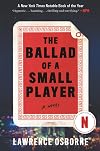
Lord Doyle, as he is known in the casinos of Macau, is actually a lawyer on the run after embezzling a fortune. "It was too late to regret how I had turned out." He lives in hotels, plays baccarat and loses often. He likens it to "death by guillotine." "Everyone knows you're not a real player until you secretly prefer losing." "We laughed. I was the jolliest loser."
Doyle employs immense superstition, awareness, and interpretation of signs surrounding the game. Everything matters and show more indicates luck and its flow of good luck and bad luck. On the edge of losing everything, he keeps playing until he finally does. "It was just money, like fluids passing between animals."
A prostitute nurses him back to health, and he takes some of her savings to start all over. The tension is built into the story. It ebbs and flows as Doyle trolls casinos, wonders how to pay his growing hotel bill, and finally goes on a winning streak that hints at the supernatural. In a reversal of before, suddenly he can't lose. "I felt a cold, stable hatred toward the world and toward myself as I went down the carpet-padded corridor with one of my cases filled with about five hundred thousand."
Macau and the eastern mindset are beautifully drawn as well as the superstition and belief in the supernatural associated with gambling there - perhaps anywhere. show less
Doyle employs immense superstition, awareness, and interpretation of signs surrounding the game. Everything matters and show more indicates luck and its flow of good luck and bad luck. On the edge of losing everything, he keeps playing until he finally does. "It was just money, like fluids passing between animals."
A prostitute nurses him back to health, and he takes some of her savings to start all over. The tension is built into the story. It ebbs and flows as Doyle trolls casinos, wonders how to pay his growing hotel bill, and finally goes on a winning streak that hints at the supernatural. In a reversal of before, suddenly he can't lose. "I felt a cold, stable hatred toward the world and toward myself as I went down the carpet-padded corridor with one of my cases filled with about five hundred thousand."
Macau and the eastern mindset are beautifully drawn as well as the superstition and belief in the supernatural associated with gambling there - perhaps anywhere. show less
Lists
Awards


You May Also Like


Associated Authors
Statistics
- Works
- 23
- Also by
- 3
- Members
- 2,192
- Popularity
- #11,705
- Rating
- 3.6
- Reviews
- 200
- ISBNs
- 138
- Languages
- 9
- Favorited
- 3
