
Tahar Ben Jelloun
Author of The Sand Child
About the Author
Controversial winner of the prestigious French Prix Goncourt (1987), Tahar Ben Jelloun is a Moroccan writer who has not found much favor at home, despite his growing popularity abroad. According to some North African critics, Ben Jelloun intentionally sets out to please foreign readers. The critics show more contend that his writing reinforces European stereotypes by pandering to western tastes for quaint folklore and traditions, and exotic scenery. Moroccan critics have accused Ben Jelloun of creating artificial, fabricated stories that fail to convey a true picture of Morocco. They have also been offended by his criticism of Morocco, and the fact that he reveals sides of Moroccan life that are usually kept hidden. Ben Jelloun's story of a girl dressed as a boy, L'Enfant du Sable (The Sand Child) (1985), was scandalous in their eyes. After Ben Jelloun won the Prix Goncourt, a number of critics changed their minds and have begun to praise his work. (Bowker Author Biography) show less
Works by Tahar Ben Jelloun
Il razzismo spiegato a mia figlia. Con «1998-2018. Il razzismo è in buona salute». Nuova ediz. (2018) 10 copies
Strade 3 copies
Le mille e una notte - volume primo 2 copies
El Niño de Arena / La noche sagrada 2 copies
Fiancee de l'eau, La (Play) 2 copies
Jelloun Tahar Ben 1 copy
Il libro del buoi 1 copy
Το πανδοχείο της αγάπης 1 copy
Die tiefste der Einsamkeiten: Das emotionale und sexuelle Elend der nordafrikanischen Immigranten 1 copy
La nuit sacrée 1 copy
La Prière de l'absent ; {L'Enfant} de sable ; La Nuit sacrée ; Les Yeux baissés ; La Nuit de l'erreur (2010) 1 copy
Yoksullar Hanı 1 copy
Grains de peau: Asilah, mémoire d'enfance — Author — 1 copy
Tanca'da Sessiz Bir Gün 1 copy
Les Amandiers sont morts de leurs blessures Suivi de Cicatrices du soleil Et Le Discours du chameau (Collection Voix) (1976) 1 copy
حين تترنح ذاكرة أمي 1 copy
L'Ange aveugle - Jour de silence à Tanger - La Réclusion solitaire, coffret de 3 volumes (1996) 1 copy
Arzila: Estação de Espuma 1 copy
Islam svar p ̄dina frḡor 1 copy
Associated Works
La bibliothèque des écrivains: Le livre qui a changé leur vie (2021) — Contributor — 4 copies, 1 review
Tagged
Common Knowledge
- Canonical name
- Ben Jelloun, Tahar
- Birthdate
- 1944-12-01
- Gender
- male
- Occupations
- Writer
Sociologist - Awards and honors
- doctor honoris causa University of Gent, Belgium (2011)
Prix Goncourt (1987) - Nationality
- Morocco
- Birthplace
- Fes, Morocco
- Places of residence
- Fes, Morocco (birth)
Tangier, Morocco
Rabat, Morocco
El Hajeb disciplinary camp, Morocco
Ahermemou disciplinary camp, Morocco
Tetouan, Morocco (show all 8)
Casablanca, Morocco
Paris, France - Associated Place (for map)
- Morocco
Members
Reviews
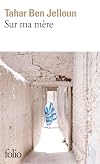
La mémoire défaillante de ma mère l'a replongée,
pendant les derniers mois de sa vie, dans son enfance.
Redevenue soudain une petite fille, puis une très jeune
fille tôt mariée, elle s'est mise à me parler, à se confier,
convoquant les morts et les vivants.
L'amour filial, fort et passionnel, est souvent enrobé
de pudeur et de non-dits. En racontant son passé, ma
mère s'est libérée d'une vie où elle fut rarement heureuse. Pendant des journées entières, je l'ai écoutée,
j'ai show more suivi ses incohérences, j'ai souffert et en même
temps je l'ai découverte.
" Sur ma mère " a été écrit à partir des fragments
de souvenirs qu'elle m'a livrés. Ils m'ont permis de
reconstituer sa vie dans la vieille médina de Fès des
années trente et quarante, d'imaginer ses moments
de joie, de deviner ses frustrations. Chaque fois, j'ai
inventé ses émotions et j'ai dû lire ou plutôt traduire
ses silences.
" Sur ma mère " est un vrai roman car il est le récit
d'une vie dont je ne connaissais rien, ou presque. show less
pendant les derniers mois de sa vie, dans son enfance.
Redevenue soudain une petite fille, puis une très jeune
fille tôt mariée, elle s'est mise à me parler, à se confier,
convoquant les morts et les vivants.
L'amour filial, fort et passionnel, est souvent enrobé
de pudeur et de non-dits. En racontant son passé, ma
mère s'est libérée d'une vie où elle fut rarement heureuse. Pendant des journées entières, je l'ai écoutée,
j'ai show more suivi ses incohérences, j'ai souffert et en même
temps je l'ai découverte.
" Sur ma mère " a été écrit à partir des fragments
de souvenirs qu'elle m'a livrés. Ils m'ont permis de
reconstituer sa vie dans la vieille médina de Fès des
années trente et quarante, d'imaginer ses moments
de joie, de deviner ses frustrations. Chaque fois, j'ai
inventé ses émotions et j'ai dû lire ou plutôt traduire
ses silences.
" Sur ma mère " est un vrai roman car il est le récit
d'une vie dont je ne connaissais rien, ou presque. show less
Can anything so horrific, so dark, so degrading, yet actually be a joy to read? This Moroccan writer supplies the reader with gorgeous prose, imagery and mirrors the deepest parts of a human soul with this wonderful book.
Jelloun supplies the reader with a testament to human strength and survival with this fictionalized version of a true event – a man’s tormented 18 years in a black hole, in a prison in Morocco called Tazmamart (1973-1991).
The prison cell is without light, 10x5 feet, show more with a ventilation hole and a small hole for his excrement. Full of scorpions, cockroaches and subject to the heat and cold of the seasons, the occupant survives at the edge of death, half starved, without exercise and without light. When he finally emerges, he is a broken man, a foot shorter and riddled with medical problems. Most of the men did not survive.
For such an absolutely terrifying topic, the prose is crisp and forgiving and non-judgmental. Jelloun has a true gift for probing the depths of human character. He does not lecture, throw political arrows or in any way proselytize – he manages to convey the hopelessness, torment and human degradation in a way that is so much more effective than angry rhetoric can ever convey. Ultimately, the Islamic religion suffuses his life as his body begins to decay and wither away.
Highly recommended. show less
Jelloun supplies the reader with a testament to human strength and survival with this fictionalized version of a true event – a man’s tormented 18 years in a black hole, in a prison in Morocco called Tazmamart (1973-1991).
The prison cell is without light, 10x5 feet, show more with a ventilation hole and a small hole for his excrement. Full of scorpions, cockroaches and subject to the heat and cold of the seasons, the occupant survives at the edge of death, half starved, without exercise and without light. When he finally emerges, he is a broken man, a foot shorter and riddled with medical problems. Most of the men did not survive.
For such an absolutely terrifying topic, the prose is crisp and forgiving and non-judgmental. Jelloun has a true gift for probing the depths of human character. He does not lecture, throw political arrows or in any way proselytize – he manages to convey the hopelessness, torment and human degradation in a way that is so much more effective than angry rhetoric can ever convey. Ultimately, the Islamic religion suffuses his life as his body begins to decay and wither away.
Highly recommended. show less
Chilling tale of one of the few survivors of the secret prison in Tazmamart, Morocco. The book is called a novel, but is based on the true story of a group of young officers who took part in a failed coup in 1971 in Rabat. They were imprisoned, but after a year or so transferred to a secret prison in Tazmamart, a place in the desert. They were kept in tiny cells, that looked more like big graves than rooms (there was no light for example), and given no more than the very bare minimum to show more survive. Over the years most of them died of horrible diseases or simply of despair and loss of hope. The main character of this book describes how he survived 18 years of this hell because of his mental strength and his faith in Allah.
It is difficult to even try to imagine what it must have been like to have to survive these chilling circumstances. However, Tahar Ben Jelloun has found a way to at least let you get very close to this cruel reality. The prose is very bare and simple yet effective.
I love to read to imagine other realities. This is one of the most gruesome realities I have ever encountered, even more so because this is based on a true story. show less
It is difficult to even try to imagine what it must have been like to have to survive these chilling circumstances. However, Tahar Ben Jelloun has found a way to at least let you get very close to this cruel reality. The prose is very bare and simple yet effective.
I love to read to imagine other realities. This is one of the most gruesome realities I have ever encountered, even more so because this is based on a true story. show less
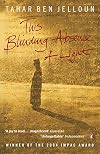
"Most of those who died did not die of hunger but of hatred. Feeling hatred diminishes you. It eats at you from within and attacks the immune system. When you have hatred inside you, it always crushes you in the end."
This book is based on the testimony of Aziz Binebine, a young officer cadet, who in 1971 took part in the coup to overthrow King Hassan II of Morocco at his 42nd birthday celebration at his Skhirat palace. The plot failed, the king survived but almost 100 guests died. Despite show more claiming, like most of the coup participants, to have had no prior knowledge of the plot or having fired no shots Aziz Binebine was sentenced to 20 years in the hellhole prison at Tazmamart with 57 other men.
At Tazmamart the cells were 10ft long and 5ft wide, with ceilings so low the prisoners were unable to stand upright and worse of all were underground so in constant darkness. Each tomb had an air vent, a tiny hole in the floor that served as the lavatory and were crawling with scorpions the men could hear but not see. There was no medical attention, no exercise, and no light. The only time they were allowed out was to bury one of their fellow in-mates.
It took thirteen years before the outside world learnt that Tazmamart existed and another five years before it was shut down by which time there were only 28 survivors.
Despite it's grim background this can by no means be seen as outwardly political neither is it autobiographical although it is told in the first person. Rather it speaks of man's ability to adapt and will to survive. Rather coincidentally I re-watched the movie "Lucy" last night. In that film Morgan Freeman's character talks of human brains desire to propagate if conditions are favourable or to seek immortality if they are not.
To survive and to stay sane, each in-mate takes on a certain role. One becomes a talking clock, another recites passages from the Qur'an, whilst another invents a card game with imaginary cards. The narrator,Salim, becomes the groups storyteller, recounting stories from books that he's read or films that he's seen. He is not religious when he arrives in Tazmamart but to escape the torments of his body he must take on a certain religious mysticism, lose all memories of hate in his past,and seek out the hidden depths of his mind. Horrible deaths alternate with inspired collective efforts to stay alive.
Through Salim the reader realises that ideas can never be imprisoned, they are free to travel everywhere and anywhere, that the human spirit can adapt to almost any circumstances, that it is hatred not love that holds us back. Despite the grim background I found this an up-lifting tale, a shaft of light in a world of darkness, I really enjoyed the author's writing style and as such I would highly recommend it. show less
This book is based on the testimony of Aziz Binebine, a young officer cadet, who in 1971 took part in the coup to overthrow King Hassan II of Morocco at his 42nd birthday celebration at his Skhirat palace. The plot failed, the king survived but almost 100 guests died. Despite show more claiming, like most of the coup participants, to have had no prior knowledge of the plot or having fired no shots Aziz Binebine was sentenced to 20 years in the hellhole prison at Tazmamart with 57 other men.
At Tazmamart the cells were 10ft long and 5ft wide, with ceilings so low the prisoners were unable to stand upright and worse of all were underground so in constant darkness. Each tomb had an air vent, a tiny hole in the floor that served as the lavatory and were crawling with scorpions the men could hear but not see. There was no medical attention, no exercise, and no light. The only time they were allowed out was to bury one of their fellow in-mates.
It took thirteen years before the outside world learnt that Tazmamart existed and another five years before it was shut down by which time there were only 28 survivors.
Despite it's grim background this can by no means be seen as outwardly political neither is it autobiographical although it is told in the first person. Rather it speaks of man's ability to adapt and will to survive. Rather coincidentally I re-watched the movie "Lucy" last night. In that film Morgan Freeman's character talks of human brains desire to propagate if conditions are favourable or to seek immortality if they are not.
To survive and to stay sane, each in-mate takes on a certain role. One becomes a talking clock, another recites passages from the Qur'an, whilst another invents a card game with imaginary cards. The narrator,Salim, becomes the groups storyteller, recounting stories from books that he's read or films that he's seen. He is not religious when he arrives in Tazmamart but to escape the torments of his body he must take on a certain religious mysticism, lose all memories of hate in his past,and seek out the hidden depths of his mind. Horrible deaths alternate with inspired collective efforts to stay alive.
Through Salim the reader realises that ideas can never be imprisoned, they are free to travel everywhere and anywhere, that the human spirit can adapt to almost any circumstances, that it is hatred not love that holds us back. Despite the grim background I found this an up-lifting tale, a shaft of light in a world of darkness, I really enjoyed the author's writing style and as such I would highly recommend it. show less
Lists
Awards


You May Also Like


Associated Authors
Statistics
- Works
- 125
- Also by
- 8
- Members
- 4,963
- Popularity
- #5,054
- Rating
- 3.7
- Reviews
- 127
- ISBNs
- 625
- Languages
- 23
- Favorited
- 8