

Chris Skidmore (1) (1981–)
Author of Death and the Virgin Queen: Elizabeth I and the Dark Scandal That Rocked the Throne
For other authors named Chris Skidmore, see the disambiguation page.
Works by Chris Skidmore
Death and the Virgin Queen: Elizabeth I and the Dark Scandal That Rocked the Throne (2010) 234 copies, 7 reviews
Tagged
Common Knowledge
- Legal name
- Skidmore, Christopher James
- Birthdate
- 1981-05-17
- Gender
- male
- Education
- University of Oxford (Christ Church)
- Occupations
- Member of Parliament (UK)
teacher - Organizations
- University of Bristol
- Awards and honors
- Gibbs Prize
- Short biography
- Chris Skidmore was born in Bristol in 1981. He was educated at Bristol Grammar School and Christ Church, Oxford, where he was a St Cyre's and Dixon Scholar and President of the Oxford University Historical Society. He graduated in 2002 with a double first and was awarded a Gibbs Prize. Chris conducted postgraduate research at Oxford, where he was a convenor of a graduate seminar on the Tudor nobility. He was an adviser and researcher to Bristol's bid for European Capital City of Culture 2008 and was research assistant to Robert Lacey for his Great Tales of English History series. Chris has also written for the Western Daily Press and People Magazine. Chris currently teaches Early Modern History part-time at Bristol University.
Chris' first book, Edward VI: The Lost King of England was published in 2007. His latest book, Death and The Virgin, an investigation into the mysterious death of Amy Robsart, is published in February 2010.
http://chrisskidmore.co.uk/about.html... - Nationality
- England
UK - Birthplace
- Bristol, Gloucestershire, England, UK
- Associated Place (for map)
- England, UK
Members
Reviews

When people think of the Tudors, they often remember only 4 monarchs - the two Henrys (VII and VIII) and the two princesses: Mary and Elizabeth. But sandwiched between them, there are two more reigns: the minority of Edward VI and the extremely short reign of Jane Grey.
Skidmore decides to tell the story of the third male Tudor monarch - the boy who was crowned king when he was only 9 and who did not live to see his 16th birthday. That history had often been told in the tale of the Seymour show more and Dudley families fight for supremacy, with the king almost as an afterthought. Skidmore disagrees - the king, albeit young, is an active participant in his own reign, especially in the later years. The history got even more muddled after his death, when Mary tried to push the country back to the old religion and the historical Edward and the mythical banner of the Reformation got mixed, losing the picture of who Edward was or what he really did (and did not do).
The introduction sets the tone of the book - it is attempting to show the king as a boy and the king as a real sovereign and not just as a hapless poppet for his protector(s). Skidmore uses Edward's diary, correspondence and other written artifact liberally, citing them often (and sometimes in length); he adds the notes of different ambassadors and his own court to try to paint a picture which is a bit different from we all know (if one knows anything at all).
He partially succeeds. The problem is not the author though - the problem is that it did not matter how bright and zealous Edward was, he was still a boy. Skidmore makes quite a few good arguments for his independence and own decisions (including the act that tries to change the succession in order to save the Reformation and the new faith) but no matter how you read and write that whole story, it is not dominated by Edward but by the men who were supposed to help him lead his country - his two maternal uncles and Dudley (and his whole private council).
And herein lies the story. History is written by the winners and the next monarch has all the reasons to try to convince the world that her brother was misguided and used and that he did not mean what had been done. One wonders how different history would have been if Edward had lived (or if Mary had lived longer). Elizabeth coming on the throne put the country back on the Reformation path but she did not need her brother's humanity either - she needed him as an icon and a banner. Truth mattered very little.
In a way, that's probably the best we can get in terms of biography for the boy who never grew up. Skidmore manages to add more details in some places and to show Edward as a boy and a human being - a very religious one, with his own views on how the church and the country have to be ran. How much that was influenced by everyone around him will never be known but I can see the argument that he did not just act for others (or others acted for him) and that what is known as the Edward VI reformation indeed happened because he wanted it, not just because his protectors did.
I am not sure how accessible this book will be if you are not familiar with those years. Just keeping track of who is who can be daunting (Skidmore starts using the new name as soon as it is bestowed). There is a useful mini-biographies section at the start of the book with the names of the main players (including all their name changes and what's not) but unless you pay attention and look for them, things can get confusing. And yet, it should work as an introduction to a monarch who tends to get forgotten. Although as is usual for the modern historians, Skidmore over-promises a bit - despite it showing Edward as his own man, the book is still the Seymour and Dudley show - and they still overshadow their young charge (and pretty much die for it - only the youngest ones survive to live another day under the last Tudor monarch).
I learned a few new things about Edward (although I knew the story of Jane's succession from Eric Ives' [Lady Jane Grey] and I think that this is the part where history had judged the whole mess wrongly - Dudley may have grasped the moment and possibly influenced Edward but Skidmore does show the story a bit differently, with Edward driving it (and Ives corroborates) and not just being used).
We will probably never know the complete history - too much time had passed, too many interests had muddled the story. And Skidmore serves the young king well - showing him both regal and still being a child; enjoying life and trying to be what everyone expected him to be. show less
Skidmore decides to tell the story of the third male Tudor monarch - the boy who was crowned king when he was only 9 and who did not live to see his 16th birthday. That history had often been told in the tale of the Seymour show more and Dudley families fight for supremacy, with the king almost as an afterthought. Skidmore disagrees - the king, albeit young, is an active participant in his own reign, especially in the later years. The history got even more muddled after his death, when Mary tried to push the country back to the old religion and the historical Edward and the mythical banner of the Reformation got mixed, losing the picture of who Edward was or what he really did (and did not do).
The introduction sets the tone of the book - it is attempting to show the king as a boy and the king as a real sovereign and not just as a hapless poppet for his protector(s). Skidmore uses Edward's diary, correspondence and other written artifact liberally, citing them often (and sometimes in length); he adds the notes of different ambassadors and his own court to try to paint a picture which is a bit different from we all know (if one knows anything at all).
He partially succeeds. The problem is not the author though - the problem is that it did not matter how bright and zealous Edward was, he was still a boy. Skidmore makes quite a few good arguments for his independence and own decisions (including the act that tries to change the succession in order to save the Reformation and the new faith) but no matter how you read and write that whole story, it is not dominated by Edward but by the men who were supposed to help him lead his country - his two maternal uncles and Dudley (and his whole private council).
And herein lies the story. History is written by the winners and the next monarch has all the reasons to try to convince the world that her brother was misguided and used and that he did not mean what had been done. One wonders how different history would have been if Edward had lived (or if Mary had lived longer). Elizabeth coming on the throne put the country back on the Reformation path but she did not need her brother's humanity either - she needed him as an icon and a banner. Truth mattered very little.
In a way, that's probably the best we can get in terms of biography for the boy who never grew up. Skidmore manages to add more details in some places and to show Edward as a boy and a human being - a very religious one, with his own views on how the church and the country have to be ran. How much that was influenced by everyone around him will never be known but I can see the argument that he did not just act for others (or others acted for him) and that what is known as the Edward VI reformation indeed happened because he wanted it, not just because his protectors did.
I am not sure how accessible this book will be if you are not familiar with those years. Just keeping track of who is who can be daunting (Skidmore starts using the new name as soon as it is bestowed). There is a useful mini-biographies section at the start of the book with the names of the main players (including all their name changes and what's not) but unless you pay attention and look for them, things can get confusing. And yet, it should work as an introduction to a monarch who tends to get forgotten. Although as is usual for the modern historians, Skidmore over-promises a bit - despite it showing Edward as his own man, the book is still the Seymour and Dudley show - and they still overshadow their young charge (and pretty much die for it - only the youngest ones survive to live another day under the last Tudor monarch).
I learned a few new things about Edward (although I knew the story of Jane's succession from Eric Ives' [Lady Jane Grey] and I think that this is the part where history had judged the whole mess wrongly - Dudley may have grasped the moment and possibly influenced Edward but Skidmore does show the story a bit differently, with Edward driving it (and Ives corroborates) and not just being used).
We will probably never know the complete history - too much time had passed, too many interests had muddled the story. And Skidmore serves the young king well - showing him both regal and still being a child; enjoying life and trying to be what everyone expected him to be. show less
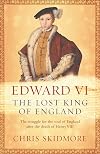
A well written history book aimed at the more general reader. Edward VI came to the throne after the death of his father Henry VIII in 1547, he was nine years old at the time and he died when he was 15. Skidmore makes a case for him having some influence on the government of England, in spite of the fact that the country was run by a Council of nobles largely under the influence of the Duke of Somerset (Edward Seymour) and later the Duke of Northumberland (John Dudley.)
Skidmore case rests show more largely on Edwards education and his academic abilities which were well recorded at the time. The young King kept a diary, but there is little here that points to him having much influence and just when he was approaching his age of consent he became terminally ill. (he died well over two years away from gaining real power). The History is really about the rival factions at court in an age when religion was almost as important as nobility of birth. The reformers (protestants) held the upper hand and were intent on securing the throne and so the country, but they were opposed by other factions and those out for personal gain. It was a time when monastery and church lands were up for grabs and families could and did take every opportunity to enrich themselves. Skidmore’s focus on the boy king does not get in the way of the history telling although opportunities are missed in analysing motives and wider social issues.
Skidmore’s book fills in the gap as to what was happening between the reigns of Henry VIII and ‘bloody” Mary I st. It paints a lively picture of a country in danger of being torn apart through infighting amongst those nearest to the throne. Edward VI although king in name looked on much of this from the sidelines. He was largely a pawn in a battle for power, although being a kings pawn he was the figurehead of that battle.
Whoever wrote the blurb on the dust jacket had not read the book, because there are two glaring errors of fact and interpretation. It says that Skidmore reveals how the countryside rebellions were orchestrated by the plotters at court - no he didn’t and no they were not. It goes on to claim that Edwards reign is equally as important as those of Henry VIII and Elizabeth 1st - of course it wasn’t. Dust jacket blurbs like this do an intelligently written history no favours at all.
The book has notes, a bibliography and an index. It also contains potted biographies of many of the leading courtiers, giving both their titles and their family names. This is most useful because Dukedoms and Earldoms frequently passed from one family to another and so the reader needs to be aware of the family name to that he can navigate through the influence, wealth and religious persuasions of the characters. A four star read. show less
Skidmore case rests show more largely on Edwards education and his academic abilities which were well recorded at the time. The young King kept a diary, but there is little here that points to him having much influence and just when he was approaching his age of consent he became terminally ill. (he died well over two years away from gaining real power). The History is really about the rival factions at court in an age when religion was almost as important as nobility of birth. The reformers (protestants) held the upper hand and were intent on securing the throne and so the country, but they were opposed by other factions and those out for personal gain. It was a time when monastery and church lands were up for grabs and families could and did take every opportunity to enrich themselves. Skidmore’s focus on the boy king does not get in the way of the history telling although opportunities are missed in analysing motives and wider social issues.
Skidmore’s book fills in the gap as to what was happening between the reigns of Henry VIII and ‘bloody” Mary I st. It paints a lively picture of a country in danger of being torn apart through infighting amongst those nearest to the throne. Edward VI although king in name looked on much of this from the sidelines. He was largely a pawn in a battle for power, although being a kings pawn he was the figurehead of that battle.
Whoever wrote the blurb on the dust jacket had not read the book, because there are two glaring errors of fact and interpretation. It says that Skidmore reveals how the countryside rebellions were orchestrated by the plotters at court - no he didn’t and no they were not. It goes on to claim that Edwards reign is equally as important as those of Henry VIII and Elizabeth 1st - of course it wasn’t. Dust jacket blurbs like this do an intelligently written history no favours at all.
The book has notes, a bibliography and an index. It also contains potted biographies of many of the leading courtiers, giving both their titles and their family names. This is most useful because Dukedoms and Earldoms frequently passed from one family to another and so the reader needs to be aware of the family name to that he can navigate through the influence, wealth and religious persuasions of the characters. A four star read. show less
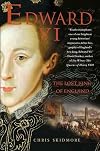
I did not particularly enjoy this book, and I can't quite tell if I've just exhausted my enjoyment of detailed historical works in this era, or if it's simply not the best fit for my reading style. Honestly, I'm not going to worry about it, I'm just going to move some different nonfic farther up my to-read list instead. I had a lot of notes, I'll include a section just to remind myself.
-
It's not great. Heavily quoted, and falling into the trap of finding lots of primary sources and thus show more feeling the need to include everything, but everything, in lengthy descriptions. Switching up naming conventions several times is not a great plan when describing messy plots and counterplots. It's just possible to follow if you're familiar with the main actors, but I feel bad for the even more casual reader. And then, there's something a little try-hard about underlining the importance of this era. Like, I get you need to justify your work, but it's giving, "you all thought he was the least important, but actually he was the MOST important, so there", to the detriment of ...accuracy, I guess. I don't love some of his interpretations of character, and I'm not a scholar and neither of us knows these people, but some of it really rubbed me the wrong way. Also I guess underlying all that is that much of the story focuses on people I just find unappetizing. I know I chose to read it, but all the Seymours and Dudleys can go away now and bother someone else. show less
-
It's not great. Heavily quoted, and falling into the trap of finding lots of primary sources and thus show more feeling the need to include everything, but everything, in lengthy descriptions. Switching up naming conventions several times is not a great plan when describing messy plots and counterplots. It's just possible to follow if you're familiar with the main actors, but I feel bad for the even more casual reader. And then, there's something a little try-hard about underlining the importance of this era. Like, I get you need to justify your work, but it's giving, "you all thought he was the least important, but actually he was the MOST important, so there", to the detriment of ...accuracy, I guess. I don't love some of his interpretations of character, and I'm not a scholar and neither of us knows these people, but some of it really rubbed me the wrong way. Also I guess underlying all that is that much of the story focuses on people I just find unappetizing. I know I chose to read it, but all the Seymours and Dudleys can go away now and bother someone else. show less
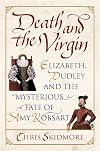
This comprehensive and highly readable book analyses the evidence surrounding the mysterious death of Amy Robsart, found at the bottom of a flight of stairs with her neck broken one day in September 1560, at a time when her husband Lord Robert Dudley sought the hand in marriage of the young Queen Elizabeth. The author examines all the evidence available, which was recently (2008) embellished by the discovery in the National Archives of the original coroner's report believed lost for show more centuries, and slightly earlier (1978) by the discovery in the British Library of a contemporary journal. He looks at all the theories: murder by Dudley or others; plain accident; accident exacerbated by possible illness; or suicide, brought upon by despair caused either or both by illness or abandonment by Dudley. A reasonable case can be made for any of these theories and the author does not come down firmly in favour of any one or the other of them (though the back cover of the book, in typical overblown publisher's style, claims that the author "puts an end to centuries of speculation"). Suicide might seem the least likely option, due to the disgrace this would attract in an age where the fate of the soul after death was taken extremely seriously. Most historians have tended to shy away from believing that Dudley did away with his wife in order to marry the Queen, as he would have had to be very stupid not to foresee the consequences that transpired in fact, i.e. that the scandal created by the death made it less likely that he could marry the Queen, not more so; and also as the contemporary evidence seems to show genuine shock on his part and a seeming desire to have the matter investigated, even if only for the most part to clear his own name. This seems logical to me. Yet some of the evidence in the journal discovered in 1978 in the British Library does point towards some murky plotting, at least by Dudley's supporters, if not by the main himself (though the source is very biased) . The coroner's report concluded it was an accident and the evidence it contains about injuries from falling down the stairs fits this conclusion, but could also fit a conclusion of injuries caused by inflicted violence. We will surely never know for certain what happened, though my own view is still that murder by Dudley is unlikely for the reasons given above; sometimes, accidents really do happen.
Much of the book covers the broader background to Elizabeth's attempts to dodge marriage either with Robert Dudley, or with anyone else, which speak to the stubbornness of the Queen's character, and her enormous caution in committing herself irrevocably to any one course of action (a feature which I think also makes murder carried out at her orders an very unconvincing explanation for poor Amy's death). show less
Much of the book covers the broader background to Elizabeth's attempts to dodge marriage either with Robert Dudley, or with anyone else, which speak to the stubbornness of the Queen's character, and her enormous caution in committing herself irrevocably to any one course of action (a feature which I think also makes murder carried out at her orders an very unconvincing explanation for poor Amy's death). show less
Awards

You May Also Like


Statistics
- Works
- 5
- Members
- 828
- Popularity
- #30,824
- Rating
- 3.6
- Reviews
- 23
- ISBNs
- 33
