
Anosh Irani
Author of The Song of Kahunsha
About the Author
Image credit: bcbooklook
Works by Anosh Irani
Associated Works
Tagged
Common Knowledge
- Birthdate
- 1974
- Gender
- male
- Education
- University of British Columbia, Canada (BA|Creative Writing)
- Occupations
- playwright
writer
writer in residence - Nationality
- India
Canada - Birthplace
- Mumbai, India
- Places of residence
- Mumbai, India
Montreal, Quebec, Canada
Vancouver, British Columbia, Canada - Associated Place (for map)
- Canada
Members
Reviews
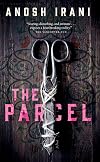
"The parcel" is really a ten-year-old girl, sold by her family into prostitution. This is the story of Madhu, born a boy but is transgender and lives as a woman. At 40 years of age, Madhu has left prostitution and is now a beggar. She is pressed into service by the head of her clan to prepare "the parcel" for life as a prostitute.
This is an incredibly deep novel about marginalized people who aren't accepted by their families and society in general. We watch Madhu participate in the show more victimization of the parcel, knowing that she herself was similarly victimized and marginalized. There is no moral ambiguity in Mr. Irani's writing; there is a recognition that characters have complex motivations and of the crucial need for belonging and acceptance that can bring people to dark places. A difficult read, but a good book. show less
This is an incredibly deep novel about marginalized people who aren't accepted by their families and society in general. We watch Madhu participate in the show more victimization of the parcel, knowing that she herself was similarly victimized and marginalized. There is no moral ambiguity in Mr. Irani's writing; there is a recognition that characters have complex motivations and of the crucial need for belonging and acceptance that can bring people to dark places. A difficult read, but a good book. show less
India fascinates me and the more books I read that are set in India the more I am fascinated. In Dahanu Road Anosh Irani has captured the story of an entire group of people that I never knew existed. In addition to telling the story of ethnic Persians who are Zoroastrians he gives the Romeo and Juliet story a new twist.
Zairos Irani is a modern young man living in the Zoroastrian community of chickoo farmers on Dahanu Road. Chickoos are a fruit that were brought to India by the Portuguese and show more they flourish in the south Indian climate. Zairos’ grandfather Shapur started the chickoo farm and has done very well financially. Labour is provided by Warli tribals some of whom owned the land the farm is on before the grandfather took it over. He obtained the land by selling liquor on credit to the Warli people and then, when they couldn’t pay their bills, he took the land. Zairos reveres his grandfather but throughout the book he learns more about his history that gives him pause.
Kusum is a Warli woman whose husband frequently beats her. She would like to divorce him but knows that he will never let her go unless she can get enough money to repay him for all he spent on their wedding. She talks to her father Ganpat who decides to go to Shapur Irani to ask for the money. When Shapur refuses Ganpat hangs himself from one of the chickoo trees. Zairos discovers him and then meets Kusum when she comes to view the body. Even through his horror of finding the body Zairos is attracted to Kusum. Thus begins their love story.
I understand Zairos motivation in pursuing Kusum; it’s an age-old story. But Kusum is somewhat of an enigma to me. Yes, she wants to leave her abusive husband and Zairos seems a means to doing that but over and above that she genuinely seems to love Zairos. They have so little in common but they can’t stay away from each other. Of course passion is like that, isn’t it?
I think this would be an excellent book for a book club to discuss. There are lots of cultural differences to talk about plus there are all the personalities and their motivations. Maybe I’ll suggest it to one of my clubs. show less
Zairos Irani is a modern young man living in the Zoroastrian community of chickoo farmers on Dahanu Road. Chickoos are a fruit that were brought to India by the Portuguese and show more they flourish in the south Indian climate. Zairos’ grandfather Shapur started the chickoo farm and has done very well financially. Labour is provided by Warli tribals some of whom owned the land the farm is on before the grandfather took it over. He obtained the land by selling liquor on credit to the Warli people and then, when they couldn’t pay their bills, he took the land. Zairos reveres his grandfather but throughout the book he learns more about his history that gives him pause.
Kusum is a Warli woman whose husband frequently beats her. She would like to divorce him but knows that he will never let her go unless she can get enough money to repay him for all he spent on their wedding. She talks to her father Ganpat who decides to go to Shapur Irani to ask for the money. When Shapur refuses Ganpat hangs himself from one of the chickoo trees. Zairos discovers him and then meets Kusum when she comes to view the body. Even through his horror of finding the body Zairos is attracted to Kusum. Thus begins their love story.
I understand Zairos motivation in pursuing Kusum; it’s an age-old story. But Kusum is somewhat of an enigma to me. Yes, she wants to leave her abusive husband and Zairos seems a means to doing that but over and above that she genuinely seems to love Zairos. They have so little in common but they can’t stay away from each other. Of course passion is like that, isn’t it?
I think this would be an excellent book for a book club to discuss. There are lots of cultural differences to talk about plus there are all the personalities and their motivations. Maybe I’ll suggest it to one of my clubs. show less
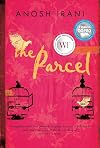
Anosh Irani has a poetic style that shows the inner torments of a transgendered person living in hellish circumstances in a brothel in Bombay. He gives the reader a sense of the terrible violence and abuse done both to and by his subject, Madhu.
This is a terrible story and yet valuable for giving insight into the life and the feelings of Madhu. She chooses castration and a life of prostitution because she knows that her family will never accept her. She has understood that there will not be show more a place for her in her society, and decides that the support and love she finds within the brothel community is the best life she can choose. She discovers that the love there is mixed with exploitation and abuse, and her only physical comfort is with a man who lives outside the community. Even within the transgendered hijra community, there are castes and rivalries, and many hijras despise those who turn to sex work. She longs for her absent parents, and like the others in her brothel she dreams of a life where she can be who she is, even knowing how unrealistic that is.
In a twisted sense of caring, when asked to prepare a young girl to be raped, Madhu thinks that she can save the girl from a life of violence by teaching her to deny herself and her own feelings – exactly what Madhu cannot do in her own life. She takes pride in her ability to prepare young girls without violence, and feels that she is saving them from a worse alternative. By training the girls to be numb, she thinks, there will be no need to use violence. This will not only spare the girls direct physical violence, but it will leave them with a spark of hope and prevent them from going crazy. Is this merely rationalization on Madhu’s part, or is it a reflection of what she has had to do in her own life?
Irani also voices the rationalization of Bombay’s proper citizens, who know but avoid thinking of the violence and abuse in the city’s prostitution district. They think that by allowing rape in the brothels, they are protecting other girls and women from the violence of men. And so they choose to ignore it, or to avoid dealing with an unpalatable subject.
This is of course a difficult read, both because of the pain in Madhu’s life, and because of the prospect that the girl faces. Madhu and the others in the brothel refer to her as a parcel to be prepared for opening, and that helps them distance themselves from what they are doing. Irani also focuses mainly on Madhu and her struggles, leaving the girl’s world to be seen and guessed at from outside. Without this, it might have been too much to deal with, as perhaps it should be. Reading this, I had a feeling like the feeling I had on reading Umberto Eco’s The Prague Cemetery, that aspects of the story are too repellant to want to read, but here, unlike Eco’s novel, I was also engrossed in discovering the hijra’s life in Bombay, how she chose to live in the brothel and how she turned to sex work and numbing her pain.
And in spite of the evocative language that Irani uses, his narrative can also be distancing. Except for Madhu’s inner thoughts, Irani describes most situations in a detached matter-of-fact style, whether the cell in which the girl is kept or the revenge that a brothel’s leader inflicts on the man who violated her. Madhu’s experiences and feelings are vivid and the language gives a sensuous picture of the parts of Bombay as Madhu sees them.
I was disappointed in the ending, though, which seemed melodramatic, and the liberal tone in the Epilogue seems simply out of place. I suppose that Irani had to so something to close the story, and a realistic ending could lead readers to despair. After all, there are few happy endings in a story like this, whether it takes place in Bombay or in North America. The book explores a life and a perspective that is rarely shown and calls for empathy where it would not often be offered. And that is enough in a well-written novel. show less
This is a terrible story and yet valuable for giving insight into the life and the feelings of Madhu. She chooses castration and a life of prostitution because she knows that her family will never accept her. She has understood that there will not be show more a place for her in her society, and decides that the support and love she finds within the brothel community is the best life she can choose. She discovers that the love there is mixed with exploitation and abuse, and her only physical comfort is with a man who lives outside the community. Even within the transgendered hijra community, there are castes and rivalries, and many hijras despise those who turn to sex work. She longs for her absent parents, and like the others in her brothel she dreams of a life where she can be who she is, even knowing how unrealistic that is.
In a twisted sense of caring, when asked to prepare a young girl to be raped, Madhu thinks that she can save the girl from a life of violence by teaching her to deny herself and her own feelings – exactly what Madhu cannot do in her own life. She takes pride in her ability to prepare young girls without violence, and feels that she is saving them from a worse alternative. By training the girls to be numb, she thinks, there will be no need to use violence. This will not only spare the girls direct physical violence, but it will leave them with a spark of hope and prevent them from going crazy. Is this merely rationalization on Madhu’s part, or is it a reflection of what she has had to do in her own life?
Irani also voices the rationalization of Bombay’s proper citizens, who know but avoid thinking of the violence and abuse in the city’s prostitution district. They think that by allowing rape in the brothels, they are protecting other girls and women from the violence of men. And so they choose to ignore it, or to avoid dealing with an unpalatable subject.
This is of course a difficult read, both because of the pain in Madhu’s life, and because of the prospect that the girl faces. Madhu and the others in the brothel refer to her as a parcel to be prepared for opening, and that helps them distance themselves from what they are doing. Irani also focuses mainly on Madhu and her struggles, leaving the girl’s world to be seen and guessed at from outside. Without this, it might have been too much to deal with, as perhaps it should be. Reading this, I had a feeling like the feeling I had on reading Umberto Eco’s The Prague Cemetery, that aspects of the story are too repellant to want to read, but here, unlike Eco’s novel, I was also engrossed in discovering the hijra’s life in Bombay, how she chose to live in the brothel and how she turned to sex work and numbing her pain.
And in spite of the evocative language that Irani uses, his narrative can also be distancing. Except for Madhu’s inner thoughts, Irani describes most situations in a detached matter-of-fact style, whether the cell in which the girl is kept or the revenge that a brothel’s leader inflicts on the man who violated her. Madhu’s experiences and feelings are vivid and the language gives a sensuous picture of the parts of Bombay as Madhu sees them.
I was disappointed in the ending, though, which seemed melodramatic, and the liberal tone in the Epilogue seems simply out of place. I suppose that Irani had to so something to close the story, and a realistic ending could lead readers to despair. After all, there are few happy endings in a story like this, whether it takes place in Bombay or in North America. The book explores a life and a perspective that is rarely shown and calls for empathy where it would not often be offered. And that is enough in a well-written novel. show less
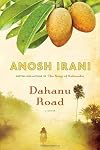
This novel reads like a fable. Like an ancient story telling a lesson.The story takes place inDahanu outside Bombay and tries to explain the relationship between the landowners(Irani) and the local tribe ( Warlis). It is an ancient story of good vs Evil, right and wrong, wealth vs poverty.
The novel has dark humour,beauty and terrible sadness. Still I found it distant and difficult to follow the past and present used and although it touched me, “Dahanu Road” didn’t move me.
The novel has dark humour,beauty and terrible sadness. Still I found it distant and difficult to follow the past and present used and although it touched me, “Dahanu Road” didn’t move me.
Lists
Awards


You May Also Like


Associated Authors
Statistics
- Works
- 8
- Also by
- 2
- Members
- 470
- Popularity
- #52,370
- Rating
- 3.6
- Reviews
- 33
- ISBNs
- 51
- Languages
- 6
- Favorited
- 1