
Christopher Tolkien (1924–2020)
Author of The Silmarillion
About the Author
Christopher Reuel Tolkien was born on November 21, 1924 in Leeds, England. He is author J.R.R. Tolkien's youngest son and is known for having edited and published much of his father's work posthumously, including The Children of Húrin. Christopher Tolkien, who grew up in Oxford, U.K., listening to show more tales of the Bagginses and their adventures, set to work as his father's editor far earlier than that. He was an editor from the age of 5, catching inconsistencies in his father's bedtime tales, and was promised tuppence by his father for every mistake he noticed in "The Hobbit". As a young man he was typing up manuscripts and drawing maps of Middle-earth and around the time he was commissioned an officer in the [Royal Air Force] in 1945, his father was already calling him his chief critic and collaborator. He was also responsible for composing the original map of Middle-earth included with the The Lord of the Rings series when it was first published in the mid-1950s. Christopher also brought us The Silmarillion, The Children of Húrin, The History of Middle-earth series and many others. Christopher Tolkien passed away on January 16, 2020 at the age of 95. (Bowker Author Biography) show less
Disambiguation Notice:
Do not combine with J.R.R. Tolkien.
Series
Works by Christopher Tolkien
The Fall of Númenor and Other Tales from the Second Age of Middle-Earth (2022) — Contributor — 1,377 copies, 13 reviews
The History of Middle-earth Box Set #2: The Lays of Beleriand / The Shaping of Middle-earth / The Lost Road (The History of Middle-earth Box Sets, 2) (2024) 99 copies
The Bovadium Fragments, Together with The Origin of Bovadium (2025) — Editor; Editor — 93 copies, 2 reviews
Cebolinha: O mestre - cuca Nº88 2 copies
The Lost Road and Other Writings 2 copies
The Treason of Isendard 1 copy
Index 1 copy
The War of the Ring 1 copy
Morgoth's Ring 1 copy
The People of Middle-Earth 1 copy
The War of the Jewels 1 copy
Battle of the Goths and Huns 1 copy
Associated Works
Sir Gawain and the Green Knight / Pearl / Sir Orfeo (1330) — Editor, some editions; Preface, some editions; Editor, some editions — 4,147 copies, 24 reviews
The Shaping of Middle-Earth: The Quenta, the Ambarkanta and the Annals (1986) — Editor — 2,406 copies, 8 reviews
Beowulf: A Translation and Commentary, Together with Sellic Spell (2014) — Editor — 2,089 copies, 17 reviews
The Peoples of Middle-Earth (The History of Middle-Earth, Vol. 12) (1996) — Editor — 1,175 copies, 3 reviews
Tree and Leaf: Including "Mythopoeia" and "The Homecoming of Beorhtnoth" (2001) — Preface — 854 copies, 10 reviews
The Lay of Aotrou and Itroun together with The Corrigan Poems (2016) — Preface — 446 copies, 14 reviews
The Letters of J. R. R. Tolkien : Revised and expanded edition (2023) — Assistance — 297 copies, 2 reviews
Piers Plowman; with Sir Gawain and the Green Knight, Pearl and Sir Orfeo (anon.) (1975) — Editor, some editions — 69 copies
The Great Tales Never End: Essays in Memory of Christopher Tolkien (2022) — in memory of — 67 copies, 2 reviews
Die Geschichte der Kinder Hurins. Sonderausgabe. (2002) — Foreword, some editions — 19 copies, 1 review
Tagged
Common Knowledge
- Canonical name
- Tolkien, Christopher
- Legal name
- Tolkien, Christopher John Reuel
- Birthdate
- 1924-11-21
- Date of death
- 2020-01-15
- Gender
- male
- Education
- Dragon School, Oxford, England, UK
The Oratory School, Caversham
University of Oxford (Trinity College) - Occupations
- editor
Lecturer in Old and Middle English and Old Icelandic
RAF officer
literary executor - Organizations
- Inklings
Oxford University (New College)
Royal Air Force - Awards and honors
- Tolkien Society Honorary Membership
Tolkien Society Gold Badge
Tolkien Society Awards Outstanding Contribution (2014) - Relationships
- Tolkien, J. R. R. (father)
Tolkien, John (brother)
Tolkien, Priscilla (sister)
Tolkien, Mabel Suffield (grandmother)
Tolkien, Baillie (second wife)
Tolkien, Simon (son) (show all 9)
Tolkien, Tracy (daughter in-law)
Tolkien, Hilary (uncle)
Childe, Wilfred Rowland (godfather) - Nationality
- UK
- Birthplace
- Leeds, Yorkshire, England, UK
- Places of residence
- France
Leeds, Yorkshire, England, UK - Place of death
- Draguignan, Var, France
- Map Location
- England, UK
- Disambiguation notice
- Do not combine with J.R.R. Tolkien.
Members
Discussions
Book Discussion: The Silmarillion in The Green Dragon (April 2023)
OT: New The Silmarillion 2022 Illustrated Deluxe edition in Folio Society Devotees (November 2022)
Silmarillion read-through in Council of Elrond (February 2021)
Silmarillion in Book talk (December 2012)
The Children of Húrin Book Discussion: Post after you finish the book. in The Green Dragon (October 2008)
Reviews

It is unreasonable of me to rate this 5⭐, and yet this is where we find ourselves! 🧐
Of the 144 pages, about 35 contain Tolkien's words, but they are interesting in being post-apocalyptic science fiction! Set hundreds of years in the future following an environmental catastrophe, archeologists/philologists draw comically inaccurate conclusions about mid-20th century Oxford based on fragmentary documents relating to the consumerist worship of motor vehicles, with consequent traffic show more congestion and its fatal ecological impact. The satire that starts out whimsically enough, rather like LotR, proceeds to a very dark place.
Given the story is written as a mock academic piece with fictitious footnotes, the editorial contributions of Tolkien Jr are not always easily distinguishable from the story, which actually nicely added to the meta-ness of it.
The bulk of the book, then, is Ovenden's social history of Oxford's mid 20th century industrial and urban development, and the town planning battles (with maps) that raged around motor infrastructure, as this forms the context for Tolkien's story.
It's unlikely I'd otherwise give a 5⭐ review to a local history essay about urban development, and yet as it relates to Prof. T., here, as I said, do we find ourselves 🤨 show less
Of the 144 pages, about 35 contain Tolkien's words, but they are interesting in being post-apocalyptic science fiction! Set hundreds of years in the future following an environmental catastrophe, archeologists/philologists draw comically inaccurate conclusions about mid-20th century Oxford based on fragmentary documents relating to the consumerist worship of motor vehicles, with consequent traffic show more congestion and its fatal ecological impact. The satire that starts out whimsically enough, rather like LotR, proceeds to a very dark place.
Given the story is written as a mock academic piece with fictitious footnotes, the editorial contributions of Tolkien Jr are not always easily distinguishable from the story, which actually nicely added to the meta-ness of it.
The bulk of the book, then, is Ovenden's social history of Oxford's mid 20th century industrial and urban development, and the town planning battles (with maps) that raged around motor infrastructure, as this forms the context for Tolkien's story.
It's unlikely I'd otherwise give a 5⭐ review to a local history essay about urban development, and yet as it relates to Prof. T., here, as I said, do we find ourselves 🤨 show less
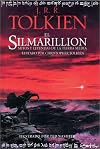
"En el principio Eru, que en la lengua élfica es llamado Ilúvatar, hizo a los Ainur de su pensamiento; y ellos hicieron una Gran Música delante de él. En esta música empezó el mundo
Continuándo con la aventura de leer completo el Legendarium de Tolkien llega "El Simarillion", la clase de libro sobre el que no tengo idea de como hablar ¿Cómo juzgas la obra de una vida? ¿Cómo hablas de la manera que tiene Tolkien de explotar y dar tantos matices a su tema recurrente (a.k.a. la show more obsesión)? ¿De que manera hablas de los personajes cuando son tantos y tan bien definidos? Supongo que no hay manera correcta de hacerlo aunque trataré de dar algo de sentido a mis palabras.
Esta obra es literalmente el inicio de Arda, el mundo donde seubica la Tierra Mieda, de como Ilúvatar la concibió y los Valar la construyeron. La primera historia, Ainulindalë, es absolutamente hermosa. Concentrar tanta genialidad en tas pocas paginas es asombroso, sólo con esa yo ya quería continuar y ver como se desenvolvía.
Lo que ya entra de lleno a la Quenta Simarillion se me hizó pesado de leer, no porque aburra sino porque son tantos sucesos, tantos personajes, tantos nombres que mi cabeza pedía tiempo para procesarlo todo, y la verdad es que, aunque los Valar son importantes en toda la historia, el verdadera protagonista innamovible fue Melkor, creador del mal en Arda y "el Valar caído", cuya existencia influye en todo lo que suederá en la Tierra Media.
No creo que exista en el género obra similar ni un mundo tan bien pensado y es poco probable que lo que Tolkien ha creado alguien logre igualarlo. show less
Continuándo con la aventura de leer completo el Legendarium de Tolkien llega "El Simarillion", la clase de libro sobre el que no tengo idea de como hablar ¿Cómo juzgas la obra de una vida? ¿Cómo hablas de la manera que tiene Tolkien de explotar y dar tantos matices a su tema recurrente (a.k.a. la show more obsesión)? ¿De que manera hablas de los personajes cuando son tantos y tan bien definidos? Supongo que no hay manera correcta de hacerlo aunque trataré de dar algo de sentido a mis palabras.
Esta obra es literalmente el inicio de Arda, el mundo donde seubica la Tierra Mieda, de como Ilúvatar la concibió y los Valar la construyeron. La primera historia, Ainulindalë, es absolutamente hermosa. Concentrar tanta genialidad en tas pocas paginas es asombroso, sólo con esa yo ya quería continuar y ver como se desenvolvía.
Lo que ya entra de lleno a la Quenta Simarillion se me hizó pesado de leer, no porque aburra sino porque son tantos sucesos, tantos personajes, tantos nombres que mi cabeza pedía tiempo para procesarlo todo, y la verdad es que, aunque los Valar son importantes en toda la historia, el verdadera protagonista innamovible fue Melkor, creador del mal en Arda y "el Valar caído", cuya existencia influye en todo lo que suederá en la Tierra Media.
No creo que exista en el género obra similar ni un mundo tan bien pensado y es poco probable que lo que Tolkien ha creado alguien logre igualarlo. show less
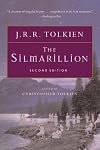
This was my second time through (my third attempt in total) and it took me over a year (I started May 2014). I was intentionally slow this time around. It's true, this is a very hard book. It's fiction, but this is not straightforward bubblegum. This is the fiber to The Lord of the Rings's meat and potatoes. You might read of Gondolin in the comparative bubblegum of The Hobbit, but the reality of this book is that it is religious text, prophecy, cosmology, and history all in one. But yes, show more fiction, and all from the mind of one man.
Tolkien devoted much of his life to writing the history, and it remained unfinished at his death. How? You try writing a self-contained fictional history of over ten thousand years. Though unfinished, its creation and development bookends the releases of his two most popular books. Even in the bird's-eye view of the mythos, you can see Tolkien's philosophy, religion, and worldview. Interestingly, when the stories zoom in to examine these characters in depth is when the moral ambiguity dissolves into place. There are complaints that Tolkien's characters are weird black or white, good or bad, but these people have never read anything beyond his two popular books. What to think of the characters that are presented as among the greatest mortals to ever grace Middle-Earth, but commit fratricide? Or the tragic warrior held in high esteem that unwittingly plays into the hands of a demon, killing his closest friends and entering an incestuous relationship? This is Tolkien at his most Shakespearian if you can take it.
If you've tried, and failed, at this book, but maintain a love of Tolkien, I cannot recommend enough following along to lectures on what you've just read. The Tolkien Professor is great and knowledgeable not only of this work but all the other supporting ones.
I guess I'm off to read The History of Middle-earth now.
---
First read: Oct 17, 2013-Dec 3, 2013
Second read: May 21, 2014-Oct 12, 2015 show less
Tolkien devoted much of his life to writing the history, and it remained unfinished at his death. How? You try writing a self-contained fictional history of over ten thousand years. Though unfinished, its creation and development bookends the releases of his two most popular books. Even in the bird's-eye view of the mythos, you can see Tolkien's philosophy, religion, and worldview. Interestingly, when the stories zoom in to examine these characters in depth is when the moral ambiguity dissolves into place. There are complaints that Tolkien's characters are weird black or white, good or bad, but these people have never read anything beyond his two popular books. What to think of the characters that are presented as among the greatest mortals to ever grace Middle-Earth, but commit fratricide? Or the tragic warrior held in high esteem that unwittingly plays into the hands of a demon, killing his closest friends and entering an incestuous relationship? This is Tolkien at his most Shakespearian if you can take it.
If you've tried, and failed, at this book, but maintain a love of Tolkien, I cannot recommend enough following along to lectures on what you've just read. The Tolkien Professor is great and knowledgeable not only of this work but all the other supporting ones.
I guess I'm off to read The History of Middle-earth now.
---
First read: Oct 17, 2013-Dec 3, 2013
Second read: May 21, 2014-Oct 12, 2015 show less

I tried to read, this, I really did, back when I first finished The Lord Of The Rings and wanted more more MORE. The opening chapters defeated me, however, which really is a pity. I wasn't sure how to deal with a brand new creation myth, for one thing. As a Catholic teen, it seemed to close to blasphemy. As a Catholic teen who wasn't all that enamoured of being a Catholic, it was too much like religion. Then again the archaic language was also off-putting, and though the chapters were short, show more the reading was long, so it seemed to take forever to get to the point. So I gave up. Still, I must have dipped in and out of it, flicked through, read passages here and there, because this time I did read it, and quite a bit of it was oddly familiar.
I think the creation myth is interesting, because it isn't 'let there be light' or anything like it. Everything here starts with song, then comes the world. Getting light to the world is a long and fraught process, and, indeed, that's where a lot of the trouble comes from. First you have the lamps, which mean old Melkor knocks down, then you have the trees, which Ungoliant eats, then at last you have the sun and the moon, put up in the sky as a last resort where mean old Melkor can't get them.
Once you get past the creation myth and the descriptions of the Valar and the lands of the West, the story really kicks off, and keeps kicking all the way. We already know from the appendices that The Lord Of The Rings is only the tail end of a story that begins when Iluvatar starts the singing, a tale packed with the epic and the extraordinary, any one page of which could be spun into a trilogy of its own. The silmarils are created, Melkor steals them, Feanor, the first great elvish asshole, swears his vow, murders his kin, heads back to Middle Earth and the fun starts. So we have sieges and chases and betrayals and cruel fates and massive destruction and triumph in adversity and the whole damn thing. It gets especially Wagnerian around poor old Turin, a veritable Siegfried, and the whole shebang ends, appropriately, with a literal deus ex machina.
Marvelous stuff. Mythic grandeur, evocative with magic, drenched with evil, tragic with nobility and rife with unbearable sadness. I would have loved it.
There's also a bit about that fecker Sauron and the fall of Numenor, more detailed than the account from the appendices, and another chapter about the lead-up to the War of the Ring, more detailed in some ways and less in others, so they both make good additions if you're into that sort of thing. I know I am.
2021 - listened to this on audio, the recording by Martin Shaw is justifiably legendary in its own right. show less
I think the creation myth is interesting, because it isn't 'let there be light' or anything like it. Everything here starts with song, then comes the world. Getting light to the world is a long and fraught process, and, indeed, that's where a lot of the trouble comes from. First you have the lamps, which mean old Melkor knocks down, then you have the trees, which Ungoliant eats, then at last you have the sun and the moon, put up in the sky as a last resort where mean old Melkor can't get them.
Once you get past the creation myth and the descriptions of the Valar and the lands of the West, the story really kicks off, and keeps kicking all the way. We already know from the appendices that The Lord Of The Rings is only the tail end of a story that begins when Iluvatar starts the singing, a tale packed with the epic and the extraordinary, any one page of which could be spun into a trilogy of its own. The silmarils are created, Melkor steals them, Feanor, the first great elvish asshole, swears his vow, murders his kin, heads back to Middle Earth and the fun starts. So we have sieges and chases and betrayals and cruel fates and massive destruction and triumph in adversity and the whole damn thing. It gets especially Wagnerian around poor old Turin, a veritable Siegfried, and the whole shebang ends, appropriately, with a literal deus ex machina.
Marvelous stuff. Mythic grandeur, evocative with magic, drenched with evil, tragic with nobility and rife with unbearable sadness. I would have loved it.
There's also a bit about that fecker Sauron and the fall of Numenor, more detailed than the account from the appendices, and another chapter about the lead-up to the War of the Ring, more detailed in some ways and less in others, so they both make good additions if you're into that sort of thing. I know I am.
2021 - listened to this on audio, the recording by Martin Shaw is justifiably legendary in its own right. show less
Lists
Favourite Books (3)
2024-25 reading (1)
Five star books (1)
Folio Society (1)
Unread books (3)
Comfort Reads (1)
1970s (1)
Overdue Podcast (1)
Art of Reading (1)
LOTR wishlist (1)
Awards


You May Also Like


Associated Authors
Statistics
- Works
- 38
- Also by
- 41
- Members
- 64,532
- Popularity
- #219
- Rating
- 4.1
- Reviews
- 521
- ISBNs
- 496
- Languages
- 33
- Favorited
- 15