
Mike Ashley
Author of The Mammoth Book of Historical Whodunits
About the Author
Mike Ashley has specialized in the history of science fiction and fantasy for more than 30 years. He is the author and editor of over a hundred books that in total have sold over a million copies worldwide.
Image credit: Los Angeles Review of Books
Series
Works by Mike Ashley
A Brief History of British Kings and Queens: British Royal History from Alfred the Great to the Present (2002) 369 copies, 2 reviews
British Kings & Queens: The Complete Biographical Encyclopedia of the Kings & Queens of Great Britain (1998) 361 copies, 5 reviews
The Mammoth Book of Extreme Science Fiction: New Generation Far-Future SF (2006) — Editor — 352 copies, 7 reviews
The Pendragon Chronicles: Heroic Fantasy From the Time of King Arthur (1989) — Editor — 326 copies, 2 reviews
Queens of the Abyss: Lost Stories from the Women of the Weird (2020) — Editor — 156 copies, 4 reviews
The Camelot Chronicles: Heroic Adventures from the Age of Legend (1992) — Editor — 137 copies, 1 review
The Mammoth Book of Locked-Room Mysteries and Impossible Crimes (2000) — Editor — 135 copies, 1 review
The Mammoth Book of Men O'War: Stories from the Glory Days of Sail (1999) — Editor — 107 copies, 1 review
The Chronicles of the Holy Grail: The Ultimate Quest from the Age of Arthurian Literature (1996) — Editor — 79 copies, 1 review
Moonrise: The Golden Age of Lunar Adventures (British Library Science Fiction Classics) (2018) — Editor — 70 copies, 3 reviews
The Darker Sex: Tales of the Supernatural and Macabre by Victorian Women Writers (2009) — Editor — 55 copies, 2 reviews
Menace of the Machine: The Rise of AI in Classic Science Fiction (2019) — Editor — 46 copies, 1 review
Beyond Time: Classic Tales of Time Unwound (British Library Science Fiction Classics) (2019) — Editor — 44 copies
Menace of the Monster: Classic Tales of Creatures from Beyond (2019) — Editor — 44 copies, 2 reviews
The Feminine Future: Early Science Fiction by Women Writers (Dover Thrift Editions) (2015) — Editor — 43 copies, 3 reviews
The Time Machines: The Story of the Science-Fiction Pulp Magazines from the Beginning to 1950 (2000) 41 copies
The End of the World: and Other Catastrophes (British Library Science Fiction Classics) (2019) — Editor — 41 copies, 1 review
The Mammoth Book of Hearts of Oak: Classic and New Stories from the Age of Fighting Sail (2001) — Editor — 41 copies, 1 review
Transformations: The Story of the Science Fiction Magazines from 1950 to 1970 (2005) 38 copies, 1 review
Nature's Warnings: Classic Stories of Eco-Science Fiction (British Library Science Fiction Classics) (2020) — Editor — 35 copies
The Mammoth Book of Sea Battles: Great Stories and Classic Tales from the Golden Age of Naval Warfare (2001) 32 copies, 1 review
Spaceworlds (British Library Science Fiction Classics): Stories of Life in the Void: 17 (2021) — Editor — 30 copies, 1 review
Weird Sisters: Tales from the Queens of the Pulp Era: 57 (British Library Tales of the Weird) (2025) — Editor — 28 copies
The Collected Classical Stories and Classic Who Dunnits/boxed Set (2 volume set) (1996) — Editor — 27 copies
The Whisperers and Other Stories: A Lifetime of the Supernatural (British Library Hardback Classics) (2022) — Editor — 25 copies
The Magic Mirror: Lost Supernatural and Mystery Stories by Algernon Blackwood (1989) — Editor — 19 copies, 2 reviews
Science Fiction Rebels: The Story of the Science-Fiction Magazines from 1981 to 1990 (Liverpool Science Fiction Texts and Studies LUP) (2016) 16 copies
The Gernsback Days: A Study of the Evolution of Modern Science Fiction from 1911 to 1936 (2004) 16 copies
Bewitched: The Ghostly Tales of Edith Wharton: 18 (British Library Gilded Nightmares) (2025) — Editor — 15 copies, 1 review
Vampires: Classic Tales (Dover Mystery, Detective, Ghost Stories and Other Fiction) (2011) — Editor — 12 copies
Great American Ghost Stories: Chilling Tales by Poe, Bierce, Hawthorne and Others (2008) — Editor — 12 copies
Perfectly Impossible 2 copies
When Spirits Talk 2 copies
Porte sul futuro 2 copies
The Corruption of Perfection 1 copy
The Work of William F. Temple: An Annotated Bibliography & Guide (Bibliographies of Modern Authors, No. 28) (1994) 1 copy
Il meglio di Weird Tales 1 copy
The Mammoth Book of New Comic Fantasy II — Editor — 1 copy
Arthurian Tales 1 copy
Associated Works
A Rival From the Grave: The Complete Tales of Jules de Grandin, Volume Four (2018) — Foreword — 94 copies
Great Horror Stories: Tales by Stoker, Poe, Lovecraft and Others (2008) — Introduction — 46 copies, 2 reviews
The Merriest Knight: The Collected Arthurian Tales of Theodore Goodridge Roberts (2001) — Editor, some editions — 16 copies, 1 review
Tagged
Common Knowledge
- Other names
- Ashley, Michael Raymond Donald (birth name)
- Birthdate
- 1948-10-01
- Gender
- male
- Occupations
- editor
writer - Awards and honors
- Munsey Award (2020)
- Nationality
- UK
- Birthplace
- Southall, Middlesex, England, UK
- Places of residence
- Chatham, Kent, England, UK
- Map Location
- England, UK
Members
Reviews
Bewitched: The Ghostly Tales of Edith Wharton: 18 (British Library Gilded Nightmares) by Mike Ashley
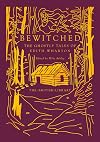
‘’[...]and in the innermost room, the holy of holies, the soul sits alone and waits for a footstep that never comes.’’
This must be one of the most moving sentences I have ever read…
Edith Wharton is one of my favourite writers. I was already familiar with her ghost stories and I think she deserves anthologies upon anthologies. So, no need for introductions and boring talkie-talkie. The Introduction by Mike Ashley who edited the collection is a masterpiece in itself.
Without further show more ado…
‘’I’m not afraid of solitude.’’
The Lady’s Maid’s Bell: A brilliant young woman finds a job as a lady’s maid in a remote estate in the countryside. She enjoys the quiet and the fact that her mistress is kind and sensitive allows her to show her caring and observant nature. For the house is too quiet, a room has to remain locked at all times and a bell rings as an omen of danger. This is arguably the most well-known ghost story by Wharton and her writing is chilling. Emma Saxon’s character is unforgettable. If you haven’t watched the TV adaptation for the British series Shades of Darkness, watch it immediately!
The House of the Dead Hand: With a distinctive Italian flair and elegant sensuality, this story is set in Siena where the past walks by your side. An Englishman finds himself in the heart of a tale of artistic obsession that defies even death. The story could have been influenced by the works of Oscar Wilde and Edgar Allan Poe with Wharton’s unmistakable clarity.
‘’And I suppose, poor ineffectual demon, that’s why it beats its beautiful wings in vain in the void.’’
Afterward: This is a story for December dusks and winter mornings…An American couple finds an estate in Dorset and encounters a ghost that can only be acknowledged…afterward. One of the most famous ghost stories and one of the most heartbreaking…
‘’We had been put in the mood for ghosts.’’
The Eyes: A rather flighty, superfluous young man finds himself haunted by a pair of eye staring at him while he is lying on his bed. The gaze is one of confidence, intent, even maliciousness. Is this gaze a harbinger? A piece of conscience? If the eyes are the symbols of our souls, do we see it reflected in someone else’s stare? The ending of the story is phenomenal.
The Triumph of Night: A young man finds himself stranded in the coldest and darkest of nights on a station platform. A chance meeting leads him to find shelter with a kind stranger and his uncle in a lavish estate. But the house is cold, its shadow heavy. And Faxon unwittingly becomes a catalyst in a story of a dark presence and an unfortunate family. One of the most perplexing stories you’ll ever read.
Bewitched: Three farmers are invited to an estate in the middle of the night by a stern woman. She informs them that her husband is under a spell. The spell of a young woman. Except the girl happens to be dead…Well, missy, if your husband prefers a ghost to you, time to change, lady…Despite the somewhat flimsy plot, the story is extremely atmospheric and sad. If you couldn’t be with the one you love in this life, would you be willing to be with them beyond the river?
‘’The boy was silent: certainly there was a gate ahead, and presumably, behind the dripping tress, some sort of dwelling. Unless there was just a field and the sea…the sea whose hungry voice I heard asking and asking, close below us. No wonder the place was called the Bay of the Dead! [...] The sea whined down there as if it were feeding time, and the Furies, its keepers, had forgotten it…’’
Miss Mary Pask: The narrator of the story is persuaded to visit a woman living alone somewhere in the rugged landscape of Brittany, close to the ocean. It is a dark night when he reaches his destination and a serious fever has left its mark on his health. I can’t say more because this tale is easily spoiled. All I will say is that it is perfect for cold, long nights. What if ghosts experience loneliness same as living people? Or even more…
The Moving Finger: The haunting tale of a husband who demanded a portrait of his wife. When she dies suddenly, the portrait begins to age showing a face as it would have been had she been alive. And her husband grows older and older…A Wilde-esque story of obsession and despair.
Mr Jones: An adventurous young woman inherits an estate in the Sussex Downs. However, everything seems strange and shady. A certain Mr Jones, who seems to be ever-sick and ever-frail but practically orders everyone about, denies access to the house, at first. Then, certain rooms shouldn’t be disturbed, keys are lost, locks are broken, chimneys break, and the people in the village seem unwilling even to step close to the house. So, Jane, aided by a good friend, must uncover the reason she can’t be the mistress to her own house. This story keeps you guessing, making you feel uneasy page after page. It is a masterpiece.
Pomegranate Seed: A young woman finds her life upside down when mysterious letters arrive for her husband. The envelope betrays a woman’s handwriting, her husband grows more and more distant, and the house is darkened by the presence of his deceased first wife. Another atmospheric story of obsessio,n but I was disappointed by the ending.
The Fullness of Life: A woman who adored Art and culture dies. The Spirit of Life hears her confession about her boring life with her husband who could not meet her needs. She is given a new partner in the afterlife, a perfect match, a true soulmate for all eternity. But what happens when you realise that your soulmate was right in front of your eyes all along?
Wharton’s stories are not just ‘ghost stories’. They contain multitudes. Solitude, voluntary or not, is a prominent theme. Whether by choice, by character, or by necessity brought upon by actions and circumstances, solitude is everywhere. You can feel alone even within a marriage. Even ghosts may be plagued by the feeling of loneliness since the line that separates loneliness and solitude is so thin…
The truth is that people are dangerous. Not solitude. But that’s just me…
Obsession is another important theme throughout the collection. She depicts obsession as motivation and a feeling that ghosts may experience more acutely than mortals. Her spectres, after all, are never sheet-clad entities that wail and wander, but ‘actual’ beings. And her characters, especially the women, are tangible, complex. Troubled. Troubled to a fault.
Like all of us.
And the uncanny feeling, the unease that springs out of every page, is one of the features that make her stories so special and unforgettable.
This is a jewel of a collection. Beautiful edition, but this is to be expected from every book by the British Library. One teeny-tiny suggestion. The Reckoning should have been included, in my opinion.
‘’Do you know where I usually sleep? Down below there - in the garden!’’ Her laugh shrilled out again. ‘’There’s a shady corner down at the bottom where the sun never bothers one. Sometimes I sleep there till the stars come out.’’
My reviews can also be found on https://theopinionatedreaderblog.wordpress.com/ show less
This must be one of the most moving sentences I have ever read…
Edith Wharton is one of my favourite writers. I was already familiar with her ghost stories and I think she deserves anthologies upon anthologies. So, no need for introductions and boring talkie-talkie. The Introduction by Mike Ashley who edited the collection is a masterpiece in itself.
Without further show more ado…
‘’I’m not afraid of solitude.’’
The Lady’s Maid’s Bell: A brilliant young woman finds a job as a lady’s maid in a remote estate in the countryside. She enjoys the quiet and the fact that her mistress is kind and sensitive allows her to show her caring and observant nature. For the house is too quiet, a room has to remain locked at all times and a bell rings as an omen of danger. This is arguably the most well-known ghost story by Wharton and her writing is chilling. Emma Saxon’s character is unforgettable. If you haven’t watched the TV adaptation for the British series Shades of Darkness, watch it immediately!
The House of the Dead Hand: With a distinctive Italian flair and elegant sensuality, this story is set in Siena where the past walks by your side. An Englishman finds himself in the heart of a tale of artistic obsession that defies even death. The story could have been influenced by the works of Oscar Wilde and Edgar Allan Poe with Wharton’s unmistakable clarity.
‘’And I suppose, poor ineffectual demon, that’s why it beats its beautiful wings in vain in the void.’’
Afterward: This is a story for December dusks and winter mornings…An American couple finds an estate in Dorset and encounters a ghost that can only be acknowledged…afterward. One of the most famous ghost stories and one of the most heartbreaking…
‘’We had been put in the mood for ghosts.’’
The Eyes: A rather flighty, superfluous young man finds himself haunted by a pair of eye staring at him while he is lying on his bed. The gaze is one of confidence, intent, even maliciousness. Is this gaze a harbinger? A piece of conscience? If the eyes are the symbols of our souls, do we see it reflected in someone else’s stare? The ending of the story is phenomenal.
The Triumph of Night: A young man finds himself stranded in the coldest and darkest of nights on a station platform. A chance meeting leads him to find shelter with a kind stranger and his uncle in a lavish estate. But the house is cold, its shadow heavy. And Faxon unwittingly becomes a catalyst in a story of a dark presence and an unfortunate family. One of the most perplexing stories you’ll ever read.
Bewitched: Three farmers are invited to an estate in the middle of the night by a stern woman. She informs them that her husband is under a spell. The spell of a young woman. Except the girl happens to be dead…Well, missy, if your husband prefers a ghost to you, time to change, lady…Despite the somewhat flimsy plot, the story is extremely atmospheric and sad. If you couldn’t be with the one you love in this life, would you be willing to be with them beyond the river?
‘’The boy was silent: certainly there was a gate ahead, and presumably, behind the dripping tress, some sort of dwelling. Unless there was just a field and the sea…the sea whose hungry voice I heard asking and asking, close below us. No wonder the place was called the Bay of the Dead! [...] The sea whined down there as if it were feeding time, and the Furies, its keepers, had forgotten it…’’
Miss Mary Pask: The narrator of the story is persuaded to visit a woman living alone somewhere in the rugged landscape of Brittany, close to the ocean. It is a dark night when he reaches his destination and a serious fever has left its mark on his health. I can’t say more because this tale is easily spoiled. All I will say is that it is perfect for cold, long nights. What if ghosts experience loneliness same as living people? Or even more…
The Moving Finger: The haunting tale of a husband who demanded a portrait of his wife. When she dies suddenly, the portrait begins to age showing a face as it would have been had she been alive. And her husband grows older and older…A Wilde-esque story of obsession and despair.
Mr Jones: An adventurous young woman inherits an estate in the Sussex Downs. However, everything seems strange and shady. A certain Mr Jones, who seems to be ever-sick and ever-frail but practically orders everyone about, denies access to the house, at first. Then, certain rooms shouldn’t be disturbed, keys are lost, locks are broken, chimneys break, and the people in the village seem unwilling even to step close to the house. So, Jane, aided by a good friend, must uncover the reason she can’t be the mistress to her own house. This story keeps you guessing, making you feel uneasy page after page. It is a masterpiece.
Pomegranate Seed: A young woman finds her life upside down when mysterious letters arrive for her husband. The envelope betrays a woman’s handwriting, her husband grows more and more distant, and the house is darkened by the presence of his deceased first wife. Another atmospheric story of obsessio,n but I was disappointed by the ending.
The Fullness of Life: A woman who adored Art and culture dies. The Spirit of Life hears her confession about her boring life with her husband who could not meet her needs. She is given a new partner in the afterlife, a perfect match, a true soulmate for all eternity. But what happens when you realise that your soulmate was right in front of your eyes all along?
Wharton’s stories are not just ‘ghost stories’. They contain multitudes. Solitude, voluntary or not, is a prominent theme. Whether by choice, by character, or by necessity brought upon by actions and circumstances, solitude is everywhere. You can feel alone even within a marriage. Even ghosts may be plagued by the feeling of loneliness since the line that separates loneliness and solitude is so thin…
The truth is that people are dangerous. Not solitude. But that’s just me…
Obsession is another important theme throughout the collection. She depicts obsession as motivation and a feeling that ghosts may experience more acutely than mortals. Her spectres, after all, are never sheet-clad entities that wail and wander, but ‘actual’ beings. And her characters, especially the women, are tangible, complex. Troubled. Troubled to a fault.
Like all of us.
And the uncanny feeling, the unease that springs out of every page, is one of the features that make her stories so special and unforgettable.
This is a jewel of a collection. Beautiful edition, but this is to be expected from every book by the British Library. One teeny-tiny suggestion. The Reckoning should have been included, in my opinion.
‘’Do you know where I usually sleep? Down below there - in the garden!’’ Her laugh shrilled out again. ‘’There’s a shady corner down at the bottom where the sun never bothers one. Sometimes I sleep there till the stars come out.’’
My reviews can also be found on https://theopinionatedreaderblog.wordpress.com/ show less
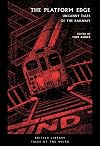
La antología "The Platform Edge: Uncanny Tales of the Railways" es una cuidada selección de cuentos, editada e introducida por Mike Ashley, que explora la dualidad inherente a la experiencia ferroviaria: el progreso vertiginoso y la ineludible amenaza. El ferrocarril, desde sus albores en el siglo XIX, simbolizó la modernidad, pero también se erigió como un espacio de confinamiento, velocidad descontrolada y tragedia recurrente, engendrando inevitablemente un nuevo folclore de fantasmas show more y sucesos extraños.
El volumen está estructurado temáticamente en tres grandes secciones que trazan un recorrido geográfico y cronológico.
Departures in the Light (Partidas en la luz): Esta primera sección se centra en los ferrocarriles de superficie y la época dorada de las locomotoras de vapor. Recopila historias victorianas y eduardianas, muchas de ellas recuperadas tras décadas de olvido, que capturan el terror gótico de la cabina aislada y la vía solitaria. Aquí encontramos narraciones sobre trenes y máquinas embrujadas, como «The Strange Story of Engine Number 651» (1902) de Victor L. Whitechurch, donde la protagonista es una locomotora poseída por un espíritu vengativo, o relatos de terror psicológico como «The Man with the Cough» (1894) de Mary Louisa Molesworth. El misterio se entrelaza con lo sobrenatural, destacando piezas como «The Tragedy in the Train» (1905) de Huan Mee, que opera como un intrigante enigma de habitación cerrada sobre raíles. La tragedia se repite noche tras noche, torturando a los lugareños, como en un relato de descarrilamiento en los Alpes.
Approaches in the Dark (Aproximaciones en la oscuridad): El foco se traslada a la claustrofobia y la negrura de los sistemas de metro, principalmente el Tube de Londres. En estos túneles, el horror adquiere un matiz más moderno, urbano y a menudo cósmico o psicológico. Se incluyen piezas icónicas de la ficción extraña como «A Subway Named Möbius» (1950) de A.J. Deutsch, donde un vagón desaparece sin dejar rastro en una dimensión alternativa, o historias de terror subterráneo más directo, como «The Underground People» (1955) de Rosemary Timperley.
Return to the Light? (¿Regreso a la luz?): El epílogo temático de la obra presenta un par de relatos que expanden la temática ferroviaria a nuevos horizontes. El volumen concluye con contribuciones significativas de autores contemporáneos del género, incluyendo a F. Scott Fitzgerald con la novelette «A Short Trip Home» (1927) y la incursión en la feria de atracciones con «The Companion» (1976) de Ramsey Campbell, donde los mayores temores de un hombre se materializan en un tren fantasma de carnaval.
El terror, como disciplina literaria, ha encontrado en la tecnología un aliado tan prolífico como aterrador. La antología "The Platform Edge" es la prueba irrefutable de que el tren no es solo un medio de transporte, sino un escenario gótico en movimiento, un laberinto de hierro y humo donde las normas de la realidad se suspenden.
Mike Ashley, con su erudita introducción, sienta las bases para esta tesis. Al rememorar la fascinación inicial, pero también el horror por la velocidad y los accidentes (como el que casi le cuesta la vida a Charles Dickens en Staplehurst en 1865), el editor nos recuerda que el mito del tren fantasma nació casi simultáneamente a la propia invención del ferrocarril. El tren, con su estruendo y su implacable horario, introduce la fatalidad y la precariedad de la vida humana en un mundo en rápida industrialización, un eco sombrío de la máquina de progreso.
Lo que distingue a esta colección, en línea con el mérito de la serie «British Library Tales of the Weird», es su labor de arqueología literaria. Ashley no se limita a los textos canónicos (aunque el espíritu de "The Signalman" de Dickens planea sobre toda la obra), sino que rescata rarezas y gemas olvidadas que cubren más de un siglo de escritura. La cronología de los relatos, desde finales del siglo XIX hasta casi el final del siglo XX, permite apreciar la evolución del género de lo insólito.
En las secciones de trenes de superficie, predomina la atmósfera del cuento de fantasmas tradicional, con su suspense de alcoba de tren y la niebla que rodea la estación desierta, como en «A Strange Night» (1897) de L.G. Moberly. Sin embargo, Ashley intercala "rarezas refrescantes", demostrando que no todo es terror fantasmagórico puro: «A Smoking Ghost» (1885) de W.G. Kelly, por ejemplo, ofrece una perspectiva más irónica sobre la adicción y el más allá. La inclusión de «The Tragedy in the Train» de Huan Mee (1905), un misterio sin elementos sobrenaturales, subraya la capacidad del tren para convertirse, en sí mismo, en el escenario perfecto de un crimen inescrutable.
El cambio de paisaje a la oscuridad del metro en Approaches in the Dark marca un giro estilístico hacia el horror moderno. En este entorno, el fantasma gótico cede paso a lo psíquico, la ciencia ficción y el horror corporal o conceptual.
El cuento «A Subway Named Möbius» (1950) de A. J. Deutsch, por ejemplo, es una pieza fundamental de la ciencia ficción especulativa, que utiliza la red de metro como metáfora de la complejidad topológica, uniendo la ingeniería a la lógica del caos y la desaparición.
"The Platform Edge" es mucho más que una simple recopilación de historias de trenes; es un estudio de facto sobre la geografía del miedo en la era industrial y post-industrial. Mike Ashley ofrece un equilibrio entre nombres canónicos (Wallace, Benson, Fitzgerald, Campbell) y la restauración de voces olvidadas (Underhill, Whitechurch). Esta antología es una lectura esencial para cualquier aficionado a la literatura de lo insólito y un recordatorio literario de por qué, incluso hoy, no podemos evitar sentir una punzada de cautela al mirar el borde del andén. show less
El volumen está estructurado temáticamente en tres grandes secciones que trazan un recorrido geográfico y cronológico.
Departures in the Light (Partidas en la luz): Esta primera sección se centra en los ferrocarriles de superficie y la época dorada de las locomotoras de vapor. Recopila historias victorianas y eduardianas, muchas de ellas recuperadas tras décadas de olvido, que capturan el terror gótico de la cabina aislada y la vía solitaria. Aquí encontramos narraciones sobre trenes y máquinas embrujadas, como «The Strange Story of Engine Number 651» (1902) de Victor L. Whitechurch, donde la protagonista es una locomotora poseída por un espíritu vengativo, o relatos de terror psicológico como «The Man with the Cough» (1894) de Mary Louisa Molesworth. El misterio se entrelaza con lo sobrenatural, destacando piezas como «The Tragedy in the Train» (1905) de Huan Mee, que opera como un intrigante enigma de habitación cerrada sobre raíles. La tragedia se repite noche tras noche, torturando a los lugareños, como en un relato de descarrilamiento en los Alpes.
Approaches in the Dark (Aproximaciones en la oscuridad): El foco se traslada a la claustrofobia y la negrura de los sistemas de metro, principalmente el Tube de Londres. En estos túneles, el horror adquiere un matiz más moderno, urbano y a menudo cósmico o psicológico. Se incluyen piezas icónicas de la ficción extraña como «A Subway Named Möbius» (1950) de A.J. Deutsch, donde un vagón desaparece sin dejar rastro en una dimensión alternativa, o historias de terror subterráneo más directo, como «The Underground People» (1955) de Rosemary Timperley.
Return to the Light? (¿Regreso a la luz?): El epílogo temático de la obra presenta un par de relatos que expanden la temática ferroviaria a nuevos horizontes. El volumen concluye con contribuciones significativas de autores contemporáneos del género, incluyendo a F. Scott Fitzgerald con la novelette «A Short Trip Home» (1927) y la incursión en la feria de atracciones con «The Companion» (1976) de Ramsey Campbell, donde los mayores temores de un hombre se materializan en un tren fantasma de carnaval.
El terror, como disciplina literaria, ha encontrado en la tecnología un aliado tan prolífico como aterrador. La antología "The Platform Edge" es la prueba irrefutable de que el tren no es solo un medio de transporte, sino un escenario gótico en movimiento, un laberinto de hierro y humo donde las normas de la realidad se suspenden.
Mike Ashley, con su erudita introducción, sienta las bases para esta tesis. Al rememorar la fascinación inicial, pero también el horror por la velocidad y los accidentes (como el que casi le cuesta la vida a Charles Dickens en Staplehurst en 1865), el editor nos recuerda que el mito del tren fantasma nació casi simultáneamente a la propia invención del ferrocarril. El tren, con su estruendo y su implacable horario, introduce la fatalidad y la precariedad de la vida humana en un mundo en rápida industrialización, un eco sombrío de la máquina de progreso.
Lo que distingue a esta colección, en línea con el mérito de la serie «British Library Tales of the Weird», es su labor de arqueología literaria. Ashley no se limita a los textos canónicos (aunque el espíritu de "The Signalman" de Dickens planea sobre toda la obra), sino que rescata rarezas y gemas olvidadas que cubren más de un siglo de escritura. La cronología de los relatos, desde finales del siglo XIX hasta casi el final del siglo XX, permite apreciar la evolución del género de lo insólito.
En las secciones de trenes de superficie, predomina la atmósfera del cuento de fantasmas tradicional, con su suspense de alcoba de tren y la niebla que rodea la estación desierta, como en «A Strange Night» (1897) de L.G. Moberly. Sin embargo, Ashley intercala "rarezas refrescantes", demostrando que no todo es terror fantasmagórico puro: «A Smoking Ghost» (1885) de W.G. Kelly, por ejemplo, ofrece una perspectiva más irónica sobre la adicción y el más allá. La inclusión de «The Tragedy in the Train» de Huan Mee (1905), un misterio sin elementos sobrenaturales, subraya la capacidad del tren para convertirse, en sí mismo, en el escenario perfecto de un crimen inescrutable.
El cambio de paisaje a la oscuridad del metro en Approaches in the Dark marca un giro estilístico hacia el horror moderno. En este entorno, el fantasma gótico cede paso a lo psíquico, la ciencia ficción y el horror corporal o conceptual.
El cuento «A Subway Named Möbius» (1950) de A. J. Deutsch, por ejemplo, es una pieza fundamental de la ciencia ficción especulativa, que utiliza la red de metro como metáfora de la complejidad topológica, uniendo la ingeniería a la lógica del caos y la desaparición.
"The Platform Edge" es mucho más que una simple recopilación de historias de trenes; es un estudio de facto sobre la geografía del miedo en la era industrial y post-industrial. Mike Ashley ofrece un equilibrio entre nombres canónicos (Wallace, Benson, Fitzgerald, Campbell) y la restauración de voces olvidadas (Underhill, Whitechurch). Esta antología es una lectura esencial para cualquier aficionado a la literatura de lo insólito y un recordatorio literario de por qué, incluso hoy, no podemos evitar sentir una punzada de cautela al mirar el borde del andén. show less
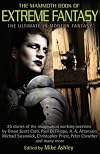
The editor describes his definition of "extreme fantasy" this way: "In all of the stories, the authors have taken a fantastic idea -- and I mean fantastic in both its senses -- and then seen how far they can push it."
Like most anthologies, this one is a bit of a mixed bag. Some of the stories do, indeed, have fantastic (in both senses) ideas, but fall down in the execution. A couple of them puzzle me with their inclusion, as their only claim to extremity is some actually pretty mild horror show more elements. One or two are just kind of unpleasant. But there are also some brilliant little gems of wonderful weirdness, and the book as a whole left me, in the end, feeling as if I'd just taken a nice, long walk through a fascinatingly surreal landscape.
Rating: It's always difficult to know how to rate an anthology like this, but since the good stuff was so good, and since the collection as a whole felt so worthwhile to me, I feel pretty good about giving it a 4/5. show less
Like most anthologies, this one is a bit of a mixed bag. Some of the stories do, indeed, have fantastic (in both senses) ideas, but fall down in the execution. A couple of them puzzle me with their inclusion, as their only claim to extremity is some actually pretty mild horror show more elements. One or two are just kind of unpleasant. But there are also some brilliant little gems of wonderful weirdness, and the book as a whole left me, in the end, feeling as if I'd just taken a nice, long walk through a fascinatingly surreal landscape.
Rating: It's always difficult to know how to rate an anthology like this, but since the good stuff was so good, and since the collection as a whole felt so worthwhile to me, I feel pretty good about giving it a 4/5. show less
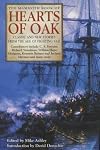
In The Mammoth Book of Hearts of Oak: Classic and New Stories from the Age of Fighting Sail, Mike Ashley brings together 22 stories involving the Royal Navy from 1760 to 1821. The authors include some of the bright lights of contemporary Historic Naval fiction like David Donachie and Richard Woodman as well as the patriarchs of the genre, Marryat and Forester. More than half of the stories were written for this anthology by established writers of mystery, science fiction, horror and show more historical novels. Some are new appearances of stories by old masters like Sir Arthur Conan Doyle and William Hope Hodgson. Despite the various origins, every story is a winner. As I read, I waited for the inevitable clunkers that fill out an anthology of this size – or at least the stories that were simply not to my taste. I am pleased to say that my expectations were not met. I enjoyed every story. In his thoughtful introduction, David Donachie muses on the enduring lure of Historic Naval Fiction, as well as on his own writing. He provides as good a response as any I’ve encountered to the folks who ask us, “Why do you read that stuff?” This anthology proves my long-held contention that short stories are an excellent fit with Historic Naval Fiction. I’d like to see more. show less
Lists
Awards


You May Also Like


Associated Authors
Statistics
- Works
- 168
- Also by
- 46
- Members
- 12,667
- Popularity
- #1,847
- Rating
- 3.6
- Reviews
- 180
- ISBNs
- 381
- Languages
- 7
- Favorited
- 4
