

Nicanor Parra (1914–2018)
Author of Poems and Antipoems
About the Author
Nicanor Segundo Parra Sandoval was born in San Fabián de Alico, Chile on September 15, 1914. He received degrees in mathematics and physics from the University of Chile in 1938. He later studied mechanics at Brown University in Providence, Rhode Island and cosmology at the University of Oxford in show more England. He taught theoretical physics at the University of Chile for decades. He was a poet who pioneered the literary movement that became known as anti-poetry. He published his first book, Singer Without a Name, in 1937. His other books include Poems and Antipoems, Emergency Poems, Artifacts, and The Sermons and Teachings of the Christ of Elqui. In 1963, he spent six months in the Soviet Union translating the work of several Soviet poets into Spanish. He received Chile's National Literary Prize in 1969 and the Cervantes Prize in 2011. He died on January 23, 2018 at the age of 103. (Bowker Author Biography) show less
Image credit: from web site: http://www.nicanorparra.uchile.cl
Works by Nicanor Parra
Chistes parra desorientar policia a la poesia (Coleccion Visor de poesia) (Spanish Edition) (1989) 19 copies
El último apaga la luz / The Last One Out Shuts the Lights (Spanish Edition) (2018) 18 copies, 1 review
So para maiores de cem anos. antologia anti poetica (Em Portugues do Brasil) (2018) 12 copies, 1 review
Antipoesie 4 copies
Obras completas y algo + (1975-2006: de "News from Nowhere" a "Discursos de sobremesa") (2006) 3 copies
Poemas 2 copies
LA CUECA LARGA Y OTROS POEMAS 2 copies
Parra : artefactos visuales : Fundación Telefónica, Madrid, 25 de abril a 10 de junio de 2001] (2001) 1 copy
100 años de Nicanor Parra 1 copy
La camisa de fuerza 1 copy
Ecopoemas Nicanor Parra: El cielo se está cayendo a pedazos (Ecolibri) (Spanish Edition) (2016) 1 copy
Hojas de parra 1 copy
obras completas II 1 copy
La cueca larga 1 copy
Artefactos 1 copy
Voy y Vuelvo 1 copy
Poesia politica 1 copy
Anti-poems 1 copy
Obra Gruesa Texto Completo 1 copy
Associated Works
World Poetry: An Anthology of Verse from Antiquity to Our Time (1998) — Contributor — 499 copies, 2 reviews
Against Forgetting: Twentieth-Century Poetry of Witness (1993) — Contributor — 377 copies, 2 reviews
The Serpent and the Fire: Poetries of the Americas from Origins to Present (2024) — Contributor — 17 copies
Näin ihminen vastaa — Contributor — 1 copy
Tagged
Common Knowledge
- Legal name
- Parra Sandoval, Nicanor
- Birthdate
- 1914-09-05
- Date of death
- 2018-01-23
- Gender
- male
- Education
- Brown University
University of Chile
University of Oxford - Occupations
- professor
poet
mathematician
physicist - Organizations
- American Academy of Arts and Letters (Foreign Honorary, Literature, 2003)
- Awards and honors
- Premio Juan Rulfo (1991)
National Prize for Literature Chile (1969)
Premio Miguel de Cervantes (2011) - Relationships
- Parra, Catalina (daughter)
Parra Sandoval, Roberto (brother)
Parra, Violeta (sister) - Nationality
- Chile
- Birthplace
- San Fabian de Alico, Chile
- Places of residence
- Santiago, Chile
England, UK
USA - Place of death
- La Reina, Chile
- Map Location
- Chile
- Associated Place (for map)
- Chile
Members
Reviews

Em honra de Nicanor Parra (1914 - 2018)
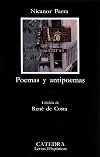
Não vou mentir, Parra foi um poeta fundamental para que eu me embrenhasse na adoração e estudo da poesia, seu Poemas y Antipoemas foi tão fundamental na minha formação e abriu tantos leques do que convenciou-se chamar antipoesia, fazendo com que eu me aproximasse dessa linguagem definitivamente.
Hoje reli parte de sua obra nessa edição majestosa e tenho certeza que até aos olhos mais treinados continua tão impactante quanto quando foi lançada show more há várias décadas.
Pussykatten
Este gato se está poniendo viejo
Hacen algunos meses
Hasta su propia sombra
Le parecía algo sobrenatural.
Sus mostachos eléctricos
lo detectaban todo:
Escarabajo,
mosca,
matapiojo,
Todo tenía para él un valor específico.
Ahora se lo pasa
Acurrucado cerca del brasero.
Que el perro lo olfatee
O que las ratas le muerdan la cola
Son hechos que para él no tienen ninguna importancia.
El mundo pasa sin pena ni gloria
A través de sus ojos entornados.
¿ Sabiduría?
¿misticismo?
¿nirvana?
Seguramente las tres cosas juntas
Y sobre todo
tiempotranscurrido.
El espinazo blanco de ceniza
Nos indica que él es un gato
Que se sitúa más allá del bien y del mal. show less
Não vou mentir, Parra foi um poeta fundamental para que eu me embrenhasse na adoração e estudo da poesia, seu Poemas y Antipoemas foi tão fundamental na minha formação e abriu tantos leques do que convenciou-se chamar antipoesia, fazendo com que eu me aproximasse dessa linguagem definitivamente.
Hoje reli parte de sua obra nessa edição majestosa e tenho certeza que até aos olhos mais treinados continua tão impactante quanto quando foi lançada show more há várias décadas.
Pussykatten
Este gato se está poniendo viejo
Hacen algunos meses
Hasta su propia sombra
Le parecía algo sobrenatural.
Sus mostachos eléctricos
lo detectaban todo:
Escarabajo,
mosca,
matapiojo,
Todo tenía para él un valor específico.
Ahora se lo pasa
Acurrucado cerca del brasero.
Que el perro lo olfatee
O que las ratas le muerdan la cola
Son hechos que para él no tienen ninguna importancia.
El mundo pasa sin pena ni gloria
A través de sus ojos entornados.
¿ Sabiduría?
¿misticismo?
¿nirvana?
Seguramente las tres cosas juntas
Y sobre todo
tiempotranscurrido.
El espinazo blanco de ceniza
Nos indica que él es un gato
Que se sitúa más allá del bien y del mal. show less
Soliloquio del individuo
Yo soy el Individuo.
Primero viví en una roca
(Allí grabé algunas figuras).
Luego busqué un lugar más apropiado.
Yo soy el Individuo.
Primero tuve que procurarme alimentos,
Buscar peces, pájaros, buscar leña,
(Ya me preocuparía de los demás asuntos).
Hacer una fogata,
Leña, leña, dónde encontrar un poco de leña,
Algo de leña para hacer una fogata,
Yo soy el Individuo.
Al mismo tiempo me pregunté,
Fui a un abismo lleno de aire;
Me respondió una voz:
Yo soy el show more Individuo.
Después traté de cambiarme a otra roca,
Allí también grabé figuras,
Grabé un río, búfalos,
Grabé una serpiente
Yo soy el Individuo.
Pero no. Me aburrí de las cosas que hacía,
El fuego me molestaba,
Quería ver más,
Yo soy el Individuo.
Bajé a un valle regado por un río,
Allí encontré lo que necesitaba,
Encontré un pueblo salvaje,
Una tribu,
Yo soy el Individuo.
Vi que allí se hacían algunas cosas,
Figuras grababan en las rocas,
Hacían fuego, ¡también hacían fuego!
Yo soy el Individuo.
Me preguntaron que de dónde venía.
Contesté que sí, que no tenía planes determinados,
Contesté que no, que de allí en adelante.
Bien.
Tomé entonces un trozo de piedra que encontré en un río
Y empecé a trabajar con ella,
Empecé a pulirla,
De ella hice una parte de mi propia vida.
Pero esto es demasiado largo.
Corté unos árboles para navegar,
Buscaba peces,
Buscaba diferentes cosas,
(Yo soy el Individuo).
Hasta que me empecé a aburrir nuevamente.
Las tempestades aburren,
Los truenos, los relámpagos,
Yo soy el Individuo.
Bien. Me puse a pensar un poco,
Preguntas estúpidas se me venían a la cabeza.
Falsos problemas.
Entonces empecé a vagar por unos bosques.
Llegué a un árbol y a otro árbol;
Llegué a una fuente,
A una fosa en que se veían algunas ratas:
Aquí vengo yo, dije entonces,
¿Habéis visto por aquí una tribu,
Un pueblo salvaje que hace fuego?
De este modo me desplacé hacia el oeste
Acompañado por otros seres,
O más bien solo.
Para ver hay que creer, me decían,
Yo soy el Individuo.
Formas veía en la obscuridad,
Nubes tal vez,
Tal vez veía nubes, veía relámpagos,
A todo esto habían pasado ya varios días,
Yo me sentía morir;
Inventé unas máquinas,
Construí relojes,
Armas, vehículos,
Yo soy el Individuo.
Apenas tenía tiempo para enterrar a mis muertos,
Apenas tenía tiempo para sembrar,
Yo soy el Individuo.
Años más tarde concebí unas cosas,
Unas formas,
Crucé las fronteras
y permanecí fijo en una especie de nicho,
En una barca que navegó cuarenta días,
Cuarenta noches,
Yo soy el Individuo.
Luego vinieron unas sequías,
Vinieron unas guerras,
Tipos de color entraron al valle,
Pero yo debía seguir adelante,
Debía producir.
Produje ciencia, verdades inmutables,
Produje tanagras,
Di a luz libros de miles de páginas,
Se me hinchó la cara,
Construí un fonógrafo,
La máquina de coser,
Empezaron a aparecer los primeros automóviles,
Yo soy el Individuo.
Alguien segregaba planetas,
¡Árboles segregaba!
Pero yo segregaba herramientas,
Muebles, útiles de escritorio,
Yo soy el Individuo.
Se construyeron también ciudades,
Rutas
Instituciones religiosas pasaron de moda,
Buscaban dicha, buscaban felicidad,
Yo soy el Individuo.
Después me dediqué mejor a viajar,
A practicar, a practicar idiomas,
Idiomas,
Yo soy el Individuo.
Miré por una cerradura,
Sí, miré, qué digo, miré,
Para salir de la duda miré,
Detrás de unas cortinas,
Yo soy el Individuo.
Bien.
Mejor es tal vez que vuelva a ese valle,
A esa roca que me sirvió de hogar,
Y empiece a grabar de nuevo,
De atrás para adelante grabar
El mundo al revés.
Pero no: la vida no tiene sentido. show less
Yo soy el Individuo.
Primero viví en una roca
(Allí grabé algunas figuras).
Luego busqué un lugar más apropiado.
Yo soy el Individuo.
Primero tuve que procurarme alimentos,
Buscar peces, pájaros, buscar leña,
(Ya me preocuparía de los demás asuntos).
Hacer una fogata,
Leña, leña, dónde encontrar un poco de leña,
Algo de leña para hacer una fogata,
Yo soy el Individuo.
Al mismo tiempo me pregunté,
Fui a un abismo lleno de aire;
Me respondió una voz:
Yo soy el show more Individuo.
Después traté de cambiarme a otra roca,
Allí también grabé figuras,
Grabé un río, búfalos,
Grabé una serpiente
Yo soy el Individuo.
Pero no. Me aburrí de las cosas que hacía,
El fuego me molestaba,
Quería ver más,
Yo soy el Individuo.
Bajé a un valle regado por un río,
Allí encontré lo que necesitaba,
Encontré un pueblo salvaje,
Una tribu,
Yo soy el Individuo.
Vi que allí se hacían algunas cosas,
Figuras grababan en las rocas,
Hacían fuego, ¡también hacían fuego!
Yo soy el Individuo.
Me preguntaron que de dónde venía.
Contesté que sí, que no tenía planes determinados,
Contesté que no, que de allí en adelante.
Bien.
Tomé entonces un trozo de piedra que encontré en un río
Y empecé a trabajar con ella,
Empecé a pulirla,
De ella hice una parte de mi propia vida.
Pero esto es demasiado largo.
Corté unos árboles para navegar,
Buscaba peces,
Buscaba diferentes cosas,
(Yo soy el Individuo).
Hasta que me empecé a aburrir nuevamente.
Las tempestades aburren,
Los truenos, los relámpagos,
Yo soy el Individuo.
Bien. Me puse a pensar un poco,
Preguntas estúpidas se me venían a la cabeza.
Falsos problemas.
Entonces empecé a vagar por unos bosques.
Llegué a un árbol y a otro árbol;
Llegué a una fuente,
A una fosa en que se veían algunas ratas:
Aquí vengo yo, dije entonces,
¿Habéis visto por aquí una tribu,
Un pueblo salvaje que hace fuego?
De este modo me desplacé hacia el oeste
Acompañado por otros seres,
O más bien solo.
Para ver hay que creer, me decían,
Yo soy el Individuo.
Formas veía en la obscuridad,
Nubes tal vez,
Tal vez veía nubes, veía relámpagos,
A todo esto habían pasado ya varios días,
Yo me sentía morir;
Inventé unas máquinas,
Construí relojes,
Armas, vehículos,
Yo soy el Individuo.
Apenas tenía tiempo para enterrar a mis muertos,
Apenas tenía tiempo para sembrar,
Yo soy el Individuo.
Años más tarde concebí unas cosas,
Unas formas,
Crucé las fronteras
y permanecí fijo en una especie de nicho,
En una barca que navegó cuarenta días,
Cuarenta noches,
Yo soy el Individuo.
Luego vinieron unas sequías,
Vinieron unas guerras,
Tipos de color entraron al valle,
Pero yo debía seguir adelante,
Debía producir.
Produje ciencia, verdades inmutables,
Produje tanagras,
Di a luz libros de miles de páginas,
Se me hinchó la cara,
Construí un fonógrafo,
La máquina de coser,
Empezaron a aparecer los primeros automóviles,
Yo soy el Individuo.
Alguien segregaba planetas,
¡Árboles segregaba!
Pero yo segregaba herramientas,
Muebles, útiles de escritorio,
Yo soy el Individuo.
Se construyeron también ciudades,
Rutas
Instituciones religiosas pasaron de moda,
Buscaban dicha, buscaban felicidad,
Yo soy el Individuo.
Después me dediqué mejor a viajar,
A practicar, a practicar idiomas,
Idiomas,
Yo soy el Individuo.
Miré por una cerradura,
Sí, miré, qué digo, miré,
Para salir de la duda miré,
Detrás de unas cortinas,
Yo soy el Individuo.
Bien.
Mejor es tal vez que vuelva a ese valle,
A esa roca que me sirvió de hogar,
Y empiece a grabar de nuevo,
De atrás para adelante grabar
El mundo al revés.
Pero no: la vida no tiene sentido. show less
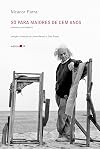
Quando li boa parte da poesia de Nicanor Parra em espanhol há cerca de uma década achei-o exuberante e se tornou prontamente um dos meus poeta favoritos, acho que essa coletânea é tradução não faz juz ao que vi na época, mas também mostra uma coisa que não percebi naquele momento: que Parra foi isentão demais durante a ditadura de Pinochet. Percebo isso hoje porque estamos vivendo um momento realmente fascista no Brasil de hoje é me pergunto se também eu não estou sendo leve show more demais diante das barbaridades presentes no Brasil de hoje.
Tem um poema presente nesta coletânea que menciona que não é de "direita nem esquerda", o que no mínimo é suspeito. É quase como se ele fosse o equivalente ao Caetano Velozo para nós, não é lá nem cá, talvez até um pouco pior, contra a ditadura, mas isentão demais para ser um soco no estômago.
Me pergunto se Violeta Parra, se viva, se manteria tão amena quanto o irmão durante a ditadura. Mas suicidas sentem mais, muito mais. show less
Tem um poema presente nesta coletânea que menciona que não é de "direita nem esquerda", o que no mínimo é suspeito. É quase como se ele fosse o equivalente ao Caetano Velozo para nós, não é lá nem cá, talvez até um pouco pior, contra a ditadura, mas isentão demais para ser um soco no estômago.
Me pergunto se Violeta Parra, se viva, se manteria tão amena quanto o irmão durante a ditadura. Mas suicidas sentem mais, muito mais. show less
This is the short note I made about this book back in 2005 when I read it:
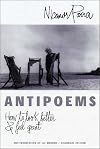
>>This poet is both subversive and fun. It's guys like this that basically piss off right wing conservatives, to put it mildly (haha!). Seriously though, Nicanor Parra is a well known Chilean poet known for his humor and unconventional verse. So, what is antipoetry? Well, simply put it is the opposite of poetry, and yet it is not quite as easy as that. Antipoetry can be understood from the concept of antimatter. In show more her introduction to the book, Werner writes that "viewed through the lens of antimatter, antipoetry mirrors poetry, not as its adversary but as its complement; it is not by nature negative, but negative where poetry is positive, and vice versa; it is as opposite, complete, and interdependent as the shape left behind in the fabric where the garment has been cut out" (x).
I think that is a great way to look at it, as a complement, and in the case of Parra's work, as a playful poetry. Read why the poet thinks he should be awarded the Nobel Prize for Reading, what's the problem with philosophy (who does the dishes), and admire some visual artefactos (yes, he draws as well). The book is fun to read and reread. For the squeamish, there are some words (yes, he says "shit" and other chosen words of "color"), but nothing a reader can't handle. He addresses life, politics, math, philosophy, women, humor, etc. As an interesting touch, for bilingual readers, do look at the translation, or rather antitranslation. She was encouraged by Parra to use more cultural equivalents rather than literal translations. The results are some interesting and subtle differences between the poems and the translations, creating something new, maybe subversive, well worth it if you pay attention. Overall, this book is very highly recommended. show less
>>This poet is both subversive and fun. It's guys like this that basically piss off right wing conservatives, to put it mildly (haha!). Seriously though, Nicanor Parra is a well known Chilean poet known for his humor and unconventional verse. So, what is antipoetry? Well, simply put it is the opposite of poetry, and yet it is not quite as easy as that. Antipoetry can be understood from the concept of antimatter. In show more her introduction to the book, Werner writes that "viewed through the lens of antimatter, antipoetry mirrors poetry, not as its adversary but as its complement; it is not by nature negative, but negative where poetry is positive, and vice versa; it is as opposite, complete, and interdependent as the shape left behind in the fabric where the garment has been cut out" (x).
I think that is a great way to look at it, as a complement, and in the case of Parra's work, as a playful poetry. Read why the poet thinks he should be awarded the Nobel Prize for Reading, what's the problem with philosophy (who does the dishes), and admire some visual artefactos (yes, he draws as well). The book is fun to read and reread. For the squeamish, there are some words (yes, he says "shit" and other chosen words of "color"), but nothing a reader can't handle. He addresses life, politics, math, philosophy, women, humor, etc. As an interesting touch, for bilingual readers, do look at the translation, or rather antitranslation. She was encouraged by Parra to use more cultural equivalents rather than literal translations. The results are some interesting and subtle differences between the poems and the translations, creating something new, maybe subversive, well worth it if you pay attention. Overall, this book is very highly recommended. show less
You May Also Like


Associated Authors
Statistics
- Works
- 71
- Also by
- 8
- Members
- 725
- Popularity
- #35,031
- Rating
- 4.0
- Reviews
- 13
- ISBNs
- 76
- Languages
- 11
- Favorited
- 8
