
Fleur Jaeggy
Author of Sweet Days of Discipline
About the Author
Disambiguation Notice:
(ita) Fleur Jaeggy è moglie di Roberto Calasso
Works by Fleur Jaeggy
Vattenstatyerna 1 copy
Tagged
Common Knowledge
- Birthdate
- 1940-07-31
- Gender
- female
- Occupations
- writer
translator - Relationships
- Calasso, Roberto (husband)
- Nationality
- Switzerland
- Birthplace
- Zurich, Zurich, Switzerland
- Places of residence
- Rome, Italy
Milan, Italy - Disambiguation notice
- Fleur Jaeggy è moglie di Roberto Calasso
- Associated Place (for map)
- Switzerland
Members
Reviews

This is maybe my favorite type of writing. Short, direct. Every sentence carefully chosen and packed with meaning, distant but actually incisive. Unsettling maybe, with a violence to them that is personal. I could open at random and find 5 lines to quote, to think on. Words I liked from reviews: brutal, relentless, terse, deceptively casual, unnerving, enchanted and disturbed, contrary, impish.
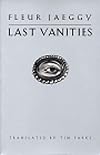
This is the only Jaeggy I've managed to get my hands on since stumbling upon the hype of Sweet Days of Discipline. I just randomly found this at Myopic in Chicago during our second trip to see some live music...so glad it happened. I guess this is in the shadow of her "famous" (relatively...) work, but dear god, this is everything I call home in language and approach to internal sinister-sketchy, twitchy, murky female mind. With this slim volume she has already immediately become an all time show more highly personal favorite--whole pieces and single sentences here seared me the way, say, Mishima and Nabokov managed to when I was a teenager. This is everything to small me. show less

Spoilers below
Haunting collection of loosely connected tales. Connected mostly by their macabre and decadent themes. The psychological horrors her characters inhabit creep up on you...
Boo!....Like that.
Scare you? No? Don't worry, Fleur Jaeggy will. And if she doesn't scare you, she'll certainly disturb you. And she'll do it in only 95 pages, comprising seven stories. Every story lingers, long after you've finished, like regrets.
In the title story, a husband thinks his wife is ill, as their show more golden anniversary approaches. He's disappointed too when she turns out not to be ill at all...well, not physically ill, as he thought. His wife doesn't much care for him wishing any kind of ill upon her, and does something discreet, though drastic, in triumphant retaliation.
An overly generous man, in "The Free House" has opened his large house to the mentally ill. He and his wife sleep in separate beds. The man's wife spies on these mentally ill while her husband sleeps. She spies on a promiscuous nineteen year-old girl in particular. Exciting! Though she'll soon wish she hadn't spied. What business do the so-called "sane" have spying on the so-called "insane" anyway?
In "The Twins," orphaned, identical twins, grow up loving only one another for the rest of their lives. I'll leave it at that.
A woman promised her father she'd find a good man to marry, in "The Promise". After he dies, in honor of his memory, she gives it a good go, and sleeps with three men in her village. Dissatisfied with all three, she's nevertheless quelled her conscience. She kept her promise to her father. She did her best to find a good man to marry. Not finding any, now she can live happily, as she is, and as her father never knew her to be, with the woman she's loved all along.
Fleur Jaeggy is a stylist's stylist. Her prose is concise. Absent are parentheticals and semi-colons. Digressions don't exist. Not to say her language isn't euphonious. Because it is. She makes her prose sound more like poetry than prose.
Jaeggy's minimalism is more minimal than Hemingway's, Carver's, and Didion's. She's heard the right words and placed them on the page in the precise order she heard them. Stripped down. Bare naked writing. Wordiness be banished, her wonderful writing declares. The irony of her minimalist style is that she packs abundant, maximal substance into each short piece. I can't wait to be eminently disturbed by her diminuitive work again. show less
Haunting collection of loosely connected tales. Connected mostly by their macabre and decadent themes. The psychological horrors her characters inhabit creep up on you...
Boo!....Like that.
Scare you? No? Don't worry, Fleur Jaeggy will. And if she doesn't scare you, she'll certainly disturb you. And she'll do it in only 95 pages, comprising seven stories. Every story lingers, long after you've finished, like regrets.
In the title story, a husband thinks his wife is ill, as their show more golden anniversary approaches. He's disappointed too when she turns out not to be ill at all...well, not physically ill, as he thought. His wife doesn't much care for him wishing any kind of ill upon her, and does something discreet, though drastic, in triumphant retaliation.
An overly generous man, in "The Free House" has opened his large house to the mentally ill. He and his wife sleep in separate beds. The man's wife spies on these mentally ill while her husband sleeps. She spies on a promiscuous nineteen year-old girl in particular. Exciting! Though she'll soon wish she hadn't spied. What business do the so-called "sane" have spying on the so-called "insane" anyway?
In "The Twins," orphaned, identical twins, grow up loving only one another for the rest of their lives. I'll leave it at that.
A woman promised her father she'd find a good man to marry, in "The Promise". After he dies, in honor of his memory, she gives it a good go, and sleeps with three men in her village. Dissatisfied with all three, she's nevertheless quelled her conscience. She kept her promise to her father. She did her best to find a good man to marry. Not finding any, now she can live happily, as she is, and as her father never knew her to be, with the woman she's loved all along.
Fleur Jaeggy is a stylist's stylist. Her prose is concise. Absent are parentheticals and semi-colons. Digressions don't exist. Not to say her language isn't euphonious. Because it is. She makes her prose sound more like poetry than prose.
Jaeggy's minimalism is more minimal than Hemingway's, Carver's, and Didion's. She's heard the right words and placed them on the page in the precise order she heard them. Stripped down. Bare naked writing. Wordiness be banished, her wonderful writing declares. The irony of her minimalist style is that she packs abundant, maximal substance into each short piece. I can't wait to be eminently disturbed by her diminuitive work again. show less
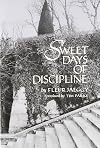
Prose like cut-glass in an almost plotless tale of schoolgirl obsession. "Her looks were those of an idol, disdainful. Perhaps that was why I wanted to conquer her....The first thing I thought was she had been further than I had." I found it another of those oddly compelling novels I'm drawn to (like Pond) where not much happens but the writing sweeps you along.
Lists
Awards


You May Also Like


Associated Authors
Statistics
- Works
- 16
- Members
- 1,483
- Popularity
- #17,315
- Rating
- 3.6
- Reviews
- 35
- ISBNs
- 107
- Languages
- 17
- Favorited
- 8