
Dina Nayeri
Author of Another Faust
About the Author
Image credit: Dina Nayeri
Series
Works by Dina Nayeri
Vanþakkláti flóttamaðurinn 1 copy
Associated Works
The Decameron Project: 29 New Stories from the Pandemic (2020) — Contributor — 157 copies, 5 reviews
Tagged
Common Knowledge
- Canonical name
- Nayeri, Dina
- Birthdate
- 1979
- Gender
- female
- Education
- Princeton University
Havard University - Occupations
- consultant
project manager - Relationships
- Nayeri, Daniel (brother)
- Nationality
- Iran (birth)
Netherlands - Birthplace
- Iran
- Places of residence
- Amsterdam, Netherlands
Members
Discussions
What are you reading the week of September 20, 2019? in What Are You Reading Now? (September 2019)
Reviews
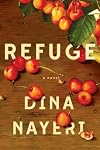
Having fled Iran with her mother many years ago after her mother was persecuted for her religious beliefs, Niloofar lived as a refugee in Oklahoma as a child, but went on to excel in school and earn degrees from prestigious institutions. In the intervening decades, Niloo has seen her father just a handful of times, but finds herself ashamed of his old-world habits and vices. Now married to a French national and herself a university professor in Amsterdam, Niloo on a whim attends a local show more Farsi poetry night frequented by fellow Iranian ex-pats and refugees, a decision which ultimately threatens to upend the life she has built for herself.
This book gave me a greater and more thorough appreciation for the internal struggles refugees contend with, even long after immigration, resettlement and the building of a successful and stable new life — troubling thoughts and lifelong psychological insecurities frequently remain. I enjoyed the writing and grew fond of the characters, though I wasn't entirely satisfied with the ending, feeling unsure and unconvinced that everyone was going to be OK. It's possible I just didn't read enough into the text, but an additional reassuring sentence or two would have helped me. Overall, recommended. show less
This book gave me a greater and more thorough appreciation for the internal struggles refugees contend with, even long after immigration, resettlement and the building of a successful and stable new life — troubling thoughts and lifelong psychological insecurities frequently remain. I enjoyed the writing and grew fond of the characters, though I wasn't entirely satisfied with the ending, feeling unsure and unconvinced that everyone was going to be OK. It's possible I just didn't read enough into the text, but an additional reassuring sentence or two would have helped me. Overall, recommended. show less
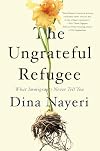
Nayeri shares her own refugee story (she fled with her mother and younger brother from Iran after the revolution, when she was ten and spent over a year in refugee camps before arriving in Oklahoma), and she also examines the current refugee experience, thirty years later, as most European countries, the U.S., and the U.K. have become much less welcoming to refugees and asylum seekers (let alone immigrants in general). Why do asylum officers look for reasons to reject, rather than reasons to show more rescue? Why do host countries insist on a performance of gratitude? Above all, why is it so difficult to believe that people who have fled their homes, often leaving everything behind and braving a dangerous route, are truly in need of sanctuary, and that Western countries are well-placed to provide it?
See also: When Stars Are Scattered (MG/YA/graphic), Other Words for Home (MG), Almost American Girl (YA), The Septembers of Shiraz (fiction), All You Can Ever Know (memoir), The Line Becomes A River (memoir), Everything Sad is Untrue by Daniel Nayeri (YA)
Quotes
In a refugee camp, stories are everything. (6)
There is nothing worse than waiting for someone else to act. (65)
Perhaps that's the purpose of prayer: that it reaches human ears. (99)
Even when first-order needs were in question, love was all for us, the only thing more basic than home or country. (107)
Sometimes invented stories are true in more important ways... (113)
As for volunteers, even the most good-hearted want to feel thanked. They have come for that silent look of admiration that's free to most, but so costly if you're tapped for gratitude by everyone you meet. (116)
"The complicated thing is that dignity changes as different needs are met." (Paul Hutchings, 128)
To some, help must always come with a slap on the wrist. (re: Trump changes to SNAP, 140)
...shouldn't wanting a better life be enough on its own? ...Isn't a wasted life also a life that is in danger?
...There is no logical or just reason for a mediocre few, shielded from competition, propped up by inherited riches and passports, to feast on the world's resources under the guise of meritocracy. (161)
But charity and welcome are different things. Why do we ask the desperate to strip off their dignity as the price of help? (175)
We started to understand that in America, you choose your story and make it true. (192)
This was a common complaint among refugees: the future brings anxiety because you don't belong, and can't move forward. The past brings depression, because you can't go home, your memories fade, and everything you know is gone. (207-208)
...there's the sense of entitlement and heroism that follows escape... (220)
...they're not looking to rescue. They're looking to reject. (re: asylum interviewers, 224)
[My mother] thinks that, if something is true, we should all remember it the same way.....truth requires point of view, as well [as facts]. (227)
"They apply the logic of a democratic nation to brutal dictatorships." (Pouri, 234)
"Everyone chooses something that's most essential to their identity. We're willing to lie around it, but not about it." We can lie in service of our formative story, but not in opposition to it. (cousin Pooyan, 249)
"Who would spend eleven years in jail if they could go back? At some point, is it so hard to believe that home isn't an option?" (Pouri, 255)
"Showing someone the truth of your past is so complicated." Memories are full of inconsistencies. (Pouri, 256)
Refugees will spend the rest of their lives battling to be believed. Not because they are liars but because they're forced to make their facts fit narrow conceptions of truth. (260)
"No one leaves home, unless home is the mouth of a shark." (poet Warsan Shire, 262)
And here is the biggest lie in the refugee crisis. It isn't the faulty individual stories. It is the language of disaster often used to describe incoming refugees - deluge or flood or swarm. These words are lies.
Many news outlets report total asylum requests as a proxy for asylum seekers [but some are second requests]... (262)
What few broken and wretched lives the richest nations take in, they should do so graciously, as the chief consumers of the world's bounty. In many cases, the pursuit of that bounty is the very thing that has impoverished and war-ravaged the East. (263)
There are things we crave from each other whose value we diminish by asking for them: love, gratitude, understanding. (300)
When you have no rights, everyone has power over you. (305)
We are constantly assimilating to each other, all of us, because we want to love and be loved. (324)
We are all immigrants from the past, and home lives inside the memory, where we lock it up and pretend it is unchanged. (final sentence, 346) show less
See also: When Stars Are Scattered (MG/YA/graphic), Other Words for Home (MG), Almost American Girl (YA), The Septembers of Shiraz (fiction), All You Can Ever Know (memoir), The Line Becomes A River (memoir), Everything Sad is Untrue by Daniel Nayeri (YA)
Quotes
In a refugee camp, stories are everything. (6)
There is nothing worse than waiting for someone else to act. (65)
Perhaps that's the purpose of prayer: that it reaches human ears. (99)
Even when first-order needs were in question, love was all for us, the only thing more basic than home or country. (107)
Sometimes invented stories are true in more important ways... (113)
As for volunteers, even the most good-hearted want to feel thanked. They have come for that silent look of admiration that's free to most, but so costly if you're tapped for gratitude by everyone you meet. (116)
"The complicated thing is that dignity changes as different needs are met." (Paul Hutchings, 128)
To some, help must always come with a slap on the wrist. (re: Trump changes to SNAP, 140)
...shouldn't wanting a better life be enough on its own? ...Isn't a wasted life also a life that is in danger?
...There is no logical or just reason for a mediocre few, shielded from competition, propped up by inherited riches and passports, to feast on the world's resources under the guise of meritocracy. (161)
But charity and welcome are different things. Why do we ask the desperate to strip off their dignity as the price of help? (175)
We started to understand that in America, you choose your story and make it true. (192)
This was a common complaint among refugees: the future brings anxiety because you don't belong, and can't move forward. The past brings depression, because you can't go home, your memories fade, and everything you know is gone. (207-208)
...there's the sense of entitlement and heroism that follows escape... (220)
...they're not looking to rescue. They're looking to reject. (re: asylum interviewers, 224)
[My mother] thinks that, if something is true, we should all remember it the same way.....truth requires point of view, as well [as facts]. (227)
"They apply the logic of a democratic nation to brutal dictatorships." (Pouri, 234)
"Everyone chooses something that's most essential to their identity. We're willing to lie around it, but not about it." We can lie in service of our formative story, but not in opposition to it. (cousin Pooyan, 249)
"Who would spend eleven years in jail if they could go back? At some point, is it so hard to believe that home isn't an option?" (Pouri, 255)
"Showing someone the truth of your past is so complicated." Memories are full of inconsistencies. (Pouri, 256)
Refugees will spend the rest of their lives battling to be believed. Not because they are liars but because they're forced to make their facts fit narrow conceptions of truth. (260)
"No one leaves home, unless home is the mouth of a shark." (poet Warsan Shire, 262)
And here is the biggest lie in the refugee crisis. It isn't the faulty individual stories. It is the language of disaster often used to describe incoming refugees - deluge or flood or swarm. These words are lies.
Many news outlets report total asylum requests as a proxy for asylum seekers [but some are second requests]... (262)
What few broken and wretched lives the richest nations take in, they should do so graciously, as the chief consumers of the world's bounty. In many cases, the pursuit of that bounty is the very thing that has impoverished and war-ravaged the East. (263)
There are things we crave from each other whose value we diminish by asking for them: love, gratitude, understanding. (300)
When you have no rights, everyone has power over you. (305)
We are constantly assimilating to each other, all of us, because we want to love and be loved. (324)
We are all immigrants from the past, and home lives inside the memory, where we lock it up and pretend it is unchanged. (final sentence, 346) show less
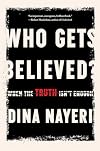
Who Gets Believed? by Dina Nayeri is a moving and also very enlightening book about what goes into the biases we all have. Touching on the personal and the broader societal aspects the reader is asked to look at themselves as much as at others.
This is one of those books that, while introducing plenty of new information for most readers is less about that new information and more about making us look at what we likely already know on some level. From that new perspective we can work on our show more own weaknesses in this area as well as work on making the bureaucracies that surround us more equitable.
The stories used to highlight and illustrate just how much we have a skewed sense of who is believable are powerful and relatable even if from a less extreme place. By that, I mean that while most of us haven't been tortured repeatedly just because we aren't being believed, we have all experienced that feeling of helplessness when we know we are telling the truth but can't convince someone else. Or how most of us have not believed someone, even someone we love, only to find out later they were telling us the truth. Or how facts can be used to tell untruths.
I came to this book looking for help with trying to make a better society. I found that help but was brought to the realization that even while working on societal issues I can also improve society by improving myself, by understanding my biases and, when I find myself not being the person I should, making adjustments to my way of thinking.
Reviewed from a copy made available by the publisher via NetGalley. show less
This is one of those books that, while introducing plenty of new information for most readers is less about that new information and more about making us look at what we likely already know on some level. From that new perspective we can work on our show more own weaknesses in this area as well as work on making the bureaucracies that surround us more equitable.
The stories used to highlight and illustrate just how much we have a skewed sense of who is believable are powerful and relatable even if from a less extreme place. By that, I mean that while most of us haven't been tortured repeatedly just because we aren't being believed, we have all experienced that feeling of helplessness when we know we are telling the truth but can't convince someone else. Or how most of us have not believed someone, even someone we love, only to find out later they were telling us the truth. Or how facts can be used to tell untruths.
I came to this book looking for help with trying to make a better society. I found that help but was brought to the realization that even while working on societal issues I can also improve society by improving myself, by understanding my biases and, when I find myself not being the person I should, making adjustments to my way of thinking.
Reviewed from a copy made available by the publisher via NetGalley. show less

Childhood memories are cherished things, brought forward in our lives as we grow up, and which slowly become dreamlike with distortions, filters, and embellishments. So it is with Saba Hafezi's memories of her twin sister, Mahtab. Inseparable, the girls grow up in the warmth of a village in Iran, where they are the cherished and pampered children of a well-educated Christian couple. Surrounded by secrets, of their faith, their education, and their mother's activities, they nonetheless feel show more grounded and secure.
And then Mahtab and their mother are gone.
Saba remembers the day they left to go to America. The ride to the airport, the mystery of where they were going and why, the color of her mother's scarf as she and Mahtab disappear in the crowd. Saba had been sick and not allowed to see Mahtab, a painful first that left Saba hollow. But they would be together soon, and on their way to America, the dream land the twins idolized as though it were a movie star or rock singer. But in a confusing twist of fate, Saba sees her mother and Mahtab leave without her. Crushed, Saba returns home with her father. From that day on Saba lives two lives: one, constricted by tradition and religion, in her rural hometown and the other in a fantasy America where her twin lives an extravagant and unfettered dream.
Saba grows up motherless and yet surrounded by mothers. Khanom Basir, the Evil One, wants the best for Saba, as long as that doesn't include marriage to her beloved son, Reza. Khanom Mansoori, the Ancient One, is nearly ninety and treats Saba as though she were the daughter she never had. Khanom Omidi, the Sweet One, squirrels away money made from her yogurt sales and always has a treat for the lonely girl. These three old woman, try to fill the void, but never really understand the well-educated and headstrong Saba. Their voices and memories add additional layers to the story of her life.
As Saba navigates the shoals of adolescence, first love, arranged marriage, and adulthood, snippets of meaning float to the surface which suggest that Saba's memories might hide a darker truth. The boundaries between memory, truth, and story are fluid and one's life is composed of bits of each. Just as Saba must choose how she tells her life story, so must the reader choose what to believe.
In an author's note, Dina Nayeri describes her own life story as the inverse of Saba's. Dina was raised in exile in America and dreams of what her life might have been like had her family remained in Iran after the revolution. She writes that this book is her own "Mahtab dream".
Although a first novel and in need of some tightening, A Teaspoon of Earth and Sea is intriguing and complex with some beautifully written passages. I look forward to seeing how the author's style evolves in future novels. show less
And then Mahtab and their mother are gone.
Saba remembers the day they left to go to America. The ride to the airport, the mystery of where they were going and why, the color of her mother's scarf as she and Mahtab disappear in the crowd. Saba had been sick and not allowed to see Mahtab, a painful first that left Saba hollow. But they would be together soon, and on their way to America, the dream land the twins idolized as though it were a movie star or rock singer. But in a confusing twist of fate, Saba sees her mother and Mahtab leave without her. Crushed, Saba returns home with her father. From that day on Saba lives two lives: one, constricted by tradition and religion, in her rural hometown and the other in a fantasy America where her twin lives an extravagant and unfettered dream.
Saba grows up motherless and yet surrounded by mothers. Khanom Basir, the Evil One, wants the best for Saba, as long as that doesn't include marriage to her beloved son, Reza. Khanom Mansoori, the Ancient One, is nearly ninety and treats Saba as though she were the daughter she never had. Khanom Omidi, the Sweet One, squirrels away money made from her yogurt sales and always has a treat for the lonely girl. These three old woman, try to fill the void, but never really understand the well-educated and headstrong Saba. Their voices and memories add additional layers to the story of her life.
As Saba navigates the shoals of adolescence, first love, arranged marriage, and adulthood, snippets of meaning float to the surface which suggest that Saba's memories might hide a darker truth. The boundaries between memory, truth, and story are fluid and one's life is composed of bits of each. Just as Saba must choose how she tells her life story, so must the reader choose what to believe.
In an author's note, Dina Nayeri describes her own life story as the inverse of Saba's. Dina was raised in exile in America and dreams of what her life might have been like had her family remained in Iran after the revolution. She writes that this book is her own "Mahtab dream".
Although a first novel and in need of some tightening, A Teaspoon of Earth and Sea is intriguing and complex with some beautifully written passages. I look forward to seeing how the author's style evolves in future novels. show less
 This review was written for LibraryThing Early Reviewers.
Lists
Awards


You May Also Like


Associated Authors
Statistics
- Works
- 14
- Also by
- 5
- Members
- 1,647
- Popularity
- #15,595
- Rating
- 3.6
- Reviews
- 101
- ISBNs
- 111
- Languages
- 6
- Favorited
- 1
