
Brad Watson (1) (1955–2020)
Author of Miss Jane
For other authors named Brad Watson, see the disambiguation page.
About the Author
Brad Watson lives in Cambridge, Massachusetts, and Foley, Alabama.
Works by Brad Watson
Kindred Spirits {story} 2 copies
Associated Works
Tales of Two Americas: Stories of Inequality in a Divided Nation (2017) — Contributor — 229 copies, 7 reviews
The O. Henry Prize Stories 2017 (The O. Henry Prize Collection) (2017) — Juror — 55 copies, 1 review
Don't Quit Your Day Job: Acclaimed Authors and the Day Jobs They Quit (2010) — Contributor — 45 copies
Astoria to Zion: Twenty-Six Stories of Risk and Abandon from Ecotone's First Decade (2014) — Contributor — 15 copies, 1 review
Tagged
Common Knowledge
- Legal name
- Watson, Wilton Brad
- Birthdate
- 1955-07-24
- Date of death
- 2020-07-08
- Gender
- male
- Education
- Meridian Junior College
Mississippi State University (BA|English)
University of Alabama (MFA|Creative Writing & American Literature) - Occupations
- garbage collector
carpenter
reporter
editor
short story writer
novelist (show all 8)
teacher
public relations - Organizations
- Harvard University
University of West Florida (writer-in-residence)
University of Alabama (writer-in-residence)
University of Mississippi (Grisham writer-in-residence)
University of California, Irvine (writer-in-residence)
University of Wyoming (show all 7)
The Montgomery Advertiser - Cause of death
- heart attack
- Nationality
- USA
- Birthplace
- Meridian, Mississippi, USA
- Places of residence
- Tuscaloosa, Alabama, USA
Mobile, Alabama, USA
Montgomery, Alabama, USA
Cambridge, Massachusetts, USA
Pensacola, Florida, USA
Oxford, Mississippi, USA (show all 7)
Irvine, California, USA - Place of death
- Laramie, Wyoming, USA
- Associated Place (for map)
- USA
Members
Reviews

It's been more than fifteen years since I first read Brad Watson's first story collection, THE LAST DAYS OF THE DOGMEN. Then I found it in my shelves a couple years ago and was just going to look briefly at the first story, and ended up reading the whole book again. Because Watson knows how to create a tiny universe unto itself in the space of just 15-20 pages. The art of the short story, done well, is a tough trick, but Watson has mastered it. He does it again with this collection, ALIENS show more IN THE PRIME OF THEIR LIVES.
Just twelve stories, and all of them pretty damn good, although there is a kind of vaguely unhappy "sameness" to several of them, presented as what seem to be childhood recollections varnished with a thin but skillful veneer of invention; or tales of faltering marriages or relationships. Good FICTION, actually.
The three unnamed brothers in "Vacuum" seem unworried about the unstable nature of their parents' marriage, and you get the impression that they'll survive, no matter what happens. In "Water Dog God" you get Maeve, a wild child victim of incest, who shows up out of the wood with a pack of dogs. "Carl's Outside" gives us another child coping in the shadow of a troubled marriage. "Alamo Plaza" recounts a long-ago family vacation on the Gulf Coast recalled years later by the middle child. "Visitation" is what it sounds like, a divorced father trying to make his weekends with his son meaningful.
If I had to pick one weak story it would be "Fallen Nellie," the shortest, and a rather gruesome one that brought to mind Jim Crace's novel, BEING DEAD, a book I didn't particularly love.
The strongest story is, I think, the title one, about two teenagers, the girl pregnant, with strange overtones of the supernatural or, perhaps better, "alien" worlds. It's a damn fine story which may leave you scratching your head wondering what was real and what was imagined.
I thoroughly enjoyed Watson's stories. He's still got it. If you like a good short story, you'll like this book. I'll recommend it. show less
Just twelve stories, and all of them pretty damn good, although there is a kind of vaguely unhappy "sameness" to several of them, presented as what seem to be childhood recollections varnished with a thin but skillful veneer of invention; or tales of faltering marriages or relationships. Good FICTION, actually.
The three unnamed brothers in "Vacuum" seem unworried about the unstable nature of their parents' marriage, and you get the impression that they'll survive, no matter what happens. In "Water Dog God" you get Maeve, a wild child victim of incest, who shows up out of the wood with a pack of dogs. "Carl's Outside" gives us another child coping in the shadow of a troubled marriage. "Alamo Plaza" recounts a long-ago family vacation on the Gulf Coast recalled years later by the middle child. "Visitation" is what it sounds like, a divorced father trying to make his weekends with his son meaningful.
If I had to pick one weak story it would be "Fallen Nellie," the shortest, and a rather gruesome one that brought to mind Jim Crace's novel, BEING DEAD, a book I didn't particularly love.
The strongest story is, I think, the title one, about two teenagers, the girl pregnant, with strange overtones of the supernatural or, perhaps better, "alien" worlds. It's a damn fine story which may leave you scratching your head wondering what was real and what was imagined.
I thoroughly enjoyed Watson's stories. He's still got it. If you like a good short story, you'll like this book. I'll recommend it. show less
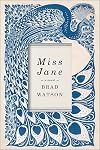
Very difficult for me to review this book, so hard to describe how powerful and beautiful I found it.(Beware- Reading a summary of the topic can be misleading!) The writing is lyrical, deep, and moving. The characters and sense of time and place are all well developed, this book sucked me into it's world. I think I will always remember Miss Jane.
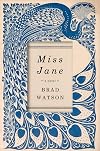
First off, let me say that there is a kind of old-fashioned sweetness about this book and its title character that makes it a pure pleasure to read, and Brad Watson obviously knows his rural Mississippi setting of the early 20th century and uses it to great advantage. That said, the subject matter - the unavoidable central focus of the story - is sometimes difficult to read about. Because Jane Chisolm, born at home in 1915, was marked by a rare birth defect which would have a profound effect show more on her life. Her condition is finally given a name in a pamphlet given to her at age sixteen by the doctor who delivered her.
"She sat down on her bed, set down the pamphlet, looked again at the drawing. Read the words she'd never seen or heard before printed there, defining her: 'Urogenital sinus anomaly. Persistent cloaca.' They made no sense."
To explain: a urogenital sinus anomaly is a defect in which the urethra and vagina both open into a common channel. A persistent cloaca is a disorder whereby the rectum, vagina, and urinary tract meet and fuse, creating a cloaca, a single common channel. And in Jane's particular case the condition was exacerbated by a lack of sphincter control. Simply put, she had no control over her basest bodily functions, and was forced to wear a kind of diaper her whole life.
And yet .. and yet. MISS JANE is an admirable and compelling character, because in all other ways she is a normal little girl, who matures into an attractive young woman with a normal sexual curiosity, urges, feelings and emotions. Which makes it doubly sad for her to finally be able to put words to her chronic problem just as she is falling in love with a boy from a neighboring farm. But she knows it will only end in disappointment. And it does.
But Jane is not the only compelling character here. Watson has filled his narrative with a cast of interesting and well-developed characters. First there is Ed Thompson, the caring country doctor who delivered Jane, who takes her case to heart, corresponding with specialists in Baltimore and Memphis, keeping her parents informed, and becoming a personal friend to the Chisolms, and to Jane especially. And the doctor keeps a flock of peafowl on his place, a colorful touch which brought to mind another southern writer, Flannery O'Connor. And of course Jane's parents are also integral and important figures in her story. Her father, a successful farmer who supervises his own crops and animals, as well as a couple of tenant farmer families, also maintains a still and, when the Great Depression hits, becomes his own best customer of its product. Although a man of few words, Chisolm obviously loves his damaged daughter deeply. It shows in the way he takes her fishing, indulges her love of dogs, and teaches her to mind the store he keeps for his tenants. And, perhaps most of all, in the life insurance policy he takes out with Jane as beneficiary. Jane's mother, Ida, is more of a mystery, bitter and withdrawn after Jane's birth, she leaves much of Jane's raising to her older daughter, Grace, who becomes a calculating and colorful character in her own right as the story progresses.
Jane's story covers a good part of the twentieth century - thru wars and flu epidemics, prohibition and brothels, the Depression and more. Jane moves from the farm to the city and back again, the important people in her life grow old and disappear or die, but Jane perseveres, living her quiet life. Watson (who based the character of Jane on a great-aunt) effectively portrays the life of a woman who lived bravely and productively despite her physical problems and limitations, a woman who came to appreciate the rhythms and cycles of nature and the simple pleasures of gardening and a solitary life.
The very 'quietness' and stoicism of Jane's story brought to mind another favorite book of mine: STONER, John Williams's quiet novel of the long and lonely life of a farm boy turned college professor.
In the end, MISS JANE is a kind of love story. All kinds of love are represented. There is Jane's first love for Elijah Key, one which was never to be, but she never forgot it. There is the bond between Jane and her father. And there is that life-long affection between Jane and her doctor, a kind and lonely man. And there is, finally, that 'sweetness' I mentioned here at the outset. Which results, I think, from the fact that writing MISS JANE was a labor of love for Watson. A tribute to the quiet fortitude of a woman alone. I enjoyed this book so very much. Highly recommended.
- Tim Bazzett, author of the memoir, BOOKLOVER show less
"She sat down on her bed, set down the pamphlet, looked again at the drawing. Read the words she'd never seen or heard before printed there, defining her: 'Urogenital sinus anomaly. Persistent cloaca.' They made no sense."
To explain: a urogenital sinus anomaly is a defect in which the urethra and vagina both open into a common channel. A persistent cloaca is a disorder whereby the rectum, vagina, and urinary tract meet and fuse, creating a cloaca, a single common channel. And in Jane's particular case the condition was exacerbated by a lack of sphincter control. Simply put, she had no control over her basest bodily functions, and was forced to wear a kind of diaper her whole life.
And yet .. and yet. MISS JANE is an admirable and compelling character, because in all other ways she is a normal little girl, who matures into an attractive young woman with a normal sexual curiosity, urges, feelings and emotions. Which makes it doubly sad for her to finally be able to put words to her chronic problem just as she is falling in love with a boy from a neighboring farm. But she knows it will only end in disappointment. And it does.
But Jane is not the only compelling character here. Watson has filled his narrative with a cast of interesting and well-developed characters. First there is Ed Thompson, the caring country doctor who delivered Jane, who takes her case to heart, corresponding with specialists in Baltimore and Memphis, keeping her parents informed, and becoming a personal friend to the Chisolms, and to Jane especially. And the doctor keeps a flock of peafowl on his place, a colorful touch which brought to mind another southern writer, Flannery O'Connor. And of course Jane's parents are also integral and important figures in her story. Her father, a successful farmer who supervises his own crops and animals, as well as a couple of tenant farmer families, also maintains a still and, when the Great Depression hits, becomes his own best customer of its product. Although a man of few words, Chisolm obviously loves his damaged daughter deeply. It shows in the way he takes her fishing, indulges her love of dogs, and teaches her to mind the store he keeps for his tenants. And, perhaps most of all, in the life insurance policy he takes out with Jane as beneficiary. Jane's mother, Ida, is more of a mystery, bitter and withdrawn after Jane's birth, she leaves much of Jane's raising to her older daughter, Grace, who becomes a calculating and colorful character in her own right as the story progresses.
Jane's story covers a good part of the twentieth century - thru wars and flu epidemics, prohibition and brothels, the Depression and more. Jane moves from the farm to the city and back again, the important people in her life grow old and disappear or die, but Jane perseveres, living her quiet life. Watson (who based the character of Jane on a great-aunt) effectively portrays the life of a woman who lived bravely and productively despite her physical problems and limitations, a woman who came to appreciate the rhythms and cycles of nature and the simple pleasures of gardening and a solitary life.
The very 'quietness' and stoicism of Jane's story brought to mind another favorite book of mine: STONER, John Williams's quiet novel of the long and lonely life of a farm boy turned college professor.
In the end, MISS JANE is a kind of love story. All kinds of love are represented. There is Jane's first love for Elijah Key, one which was never to be, but she never forgot it. There is the bond between Jane and her father. And there is that life-long affection between Jane and her doctor, a kind and lonely man. And there is, finally, that 'sweetness' I mentioned here at the outset. Which results, I think, from the fact that writing MISS JANE was a labor of love for Watson. A tribute to the quiet fortitude of a woman alone. I enjoyed this book so very much. Highly recommended.
- Tim Bazzett, author of the memoir, BOOKLOVER show less
Jane Chisolm is born with a birth defect that leaves her incontinent and likely unable to bear children. This is the early 20th c. in rural Mississippi and nothing can be done to fix it. As a result, she is unable to live a normal life. Her one attempt at school ends in humiliation and marriage is out of the question. Yet, despite this, Jane leads a very fulfilling and mostly happy life.
Miss Jane is written by author Brad Watson who based the character of Jane on his aunt. The story covers show more her life from her birth and is a tender and poignant portrayal of a woman, who by all accounts and based on the mores of the time, had every reason to be bitter but who is able to rise above her physical limitations. Although hers is mostly a solitary life, she finds joy in small things, nature walks, a country dance, the company of her doctor who wants, more than anything, to find someone who can fix her problem. Interestingly, her calm acceptance of her limits is contrasted with her sister who, despite being able to lead a normal life, refuses to accept what was perceived as the acceptable role for a woman at the time.
Miss Jane is a story about how physical disabilities can both limit a life and free it from the confines of society. This is a story that could easily cross the line from touching to maudlin but perhaps because it is based on his own family, Watson never crosses the line. As a result, Miss Jane is touching without being manipulative, quiet without becoming boring, a deceptively simple tale about a character who could easily elicit pity from the reader but instead demands their empathy.
Thanks to Edelweiss and W.W. Norton & Co. for the opportunity to read this book in exchange for an honest review show less
Miss Jane is written by author Brad Watson who based the character of Jane on his aunt. The story covers show more her life from her birth and is a tender and poignant portrayal of a woman, who by all accounts and based on the mores of the time, had every reason to be bitter but who is able to rise above her physical limitations. Although hers is mostly a solitary life, she finds joy in small things, nature walks, a country dance, the company of her doctor who wants, more than anything, to find someone who can fix her problem. Interestingly, her calm acceptance of her limits is contrasted with her sister who, despite being able to lead a normal life, refuses to accept what was perceived as the acceptable role for a woman at the time.
Miss Jane is a story about how physical disabilities can both limit a life and free it from the confines of society. This is a story that could easily cross the line from touching to maudlin but perhaps because it is based on his own family, Watson never crosses the line. As a result, Miss Jane is touching without being manipulative, quiet without becoming boring, a deceptively simple tale about a character who could easily elicit pity from the reader but instead demands their empathy.
Thanks to Edelweiss and W.W. Norton & Co. for the opportunity to read this book in exchange for an honest review show less
Lists
Awards


You May Also Like


Associated Authors
Statistics
- Works
- 7
- Also by
- 15
- Members
- 1,161
- Popularity
- #22,135
- Rating
- 3.8
- Reviews
- 65
- ISBNs
- 52
- Languages
- 4
- Favorited
- 5

