
Alan Booth (1) (1946–1993)
Author of The Roads to Sata
For other authors named Alan Booth, see the disambiguation page.
Works by Alan Booth
Looking for the Lost: Journeys Through a Vanishing Japan (Kodansha Globe) (1995) 222 copies, 5 reviews
Associated Works
Tagged
Common Knowledge
- Birthdate
- 1946-12-05
- Date of death
- 1993-01-24
- Gender
- male
- Education
- University of Birmingham
- Occupations
- journalist
travel writer - Nationality
- England
UK - Birthplace
- London, England, UK
- Place of death
- Tokyo, Japan
Members
Reviews

The Roads to Sata describes a journey Booth made in the summer and autumn of 1977, walking from Cape Soya in the north of Hokkaido to Cape Sata at the southern extreme of the Japanese archipelago, a distance of some 3000 km, which he covered in the space of about four months. Which probably makes this one of the longest pub-crawls in history - the quantity of alcohol consumed in the course of the journey is quite impressive, even by 1970s standards. You often have to wonder how he managed to show more get up in the morning and carry on walking...
Boozing apart, this is an interesting and very entertaining account of the bits of Japan you normally don't hear very much about.
Booth is a contemporary of people like Bruce Chatwin and Paul Theroux, and he shares something of their habit of commenting acerbically on the things he doesn't like. But he is far from being an ignorant gaijin who has parachuted in from elsewhere to make fun of the locals - after seven years in the country he understands Japanese history and culture and knows what he's looking at, and he's more than capable of holding an intelligent conversation with the people he meets - even if he is liable to start singing Japanese folksongs at them at the smallest provocation. His irritation at the thoughtless xenophobia he keeps encountering (the people who assume he can't understand Japanese even when they are talking to him in that language; the schoolboys who treat him as a circus freak; the inns that are mysteriously fully-booked when he appears) is always tempered by his assurances that not all Japanese are like that, and that even the ones who are like that can often be won over after a couple of beers...
This probably isn't a very useful guidebook in practical terms, but it does help you get Japanese geography straight in your mind. Obviously, it's all describing how things were forty years ago, much will have changed in the meantime, but some things (like the climate and the stark contrast between rural and city life) probably haven't. Booth's type of walking, mostly over motor roads and covering distances of around 30km a day, isn't something you would necessarily want to reproduce either. On the whole, when you find yourself trudging along over mile after mile of asphalt with cars roaring past you, you start asking yourself why you aren't at least on a bicycle... show less
Boozing apart, this is an interesting and very entertaining account of the bits of Japan you normally don't hear very much about.
Booth is a contemporary of people like Bruce Chatwin and Paul Theroux, and he shares something of their habit of commenting acerbically on the things he doesn't like. But he is far from being an ignorant gaijin who has parachuted in from elsewhere to make fun of the locals - after seven years in the country he understands Japanese history and culture and knows what he's looking at, and he's more than capable of holding an intelligent conversation with the people he meets - even if he is liable to start singing Japanese folksongs at them at the smallest provocation. His irritation at the thoughtless xenophobia he keeps encountering (the people who assume he can't understand Japanese even when they are talking to him in that language; the schoolboys who treat him as a circus freak; the inns that are mysteriously fully-booked when he appears) is always tempered by his assurances that not all Japanese are like that, and that even the ones who are like that can often be won over after a couple of beers...
This probably isn't a very useful guidebook in practical terms, but it does help you get Japanese geography straight in your mind. Obviously, it's all describing how things were forty years ago, much will have changed in the meantime, but some things (like the climate and the stark contrast between rural and city life) probably haven't. Booth's type of walking, mostly over motor roads and covering distances of around 30km a day, isn't something you would necessarily want to reproduce either. On the whole, when you find yourself trudging along over mile after mile of asphalt with cars roaring past you, you start asking yourself why you aren't at least on a bicycle... show less
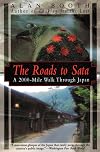
This was recommended by Will Ferguson, as an inspiration for his trip in "Hokkaido Highway Blues". But it is much worse than Ferguson's story.
By walking instead of hitchhiking, Booth ends up having many fewer interactions with Japanese people. Ferguson has extended conversations with people who pick him up. Booth's interactions are more adversarial, as in 'No, leave me alone, I don't need a ride.'
Unlike Ferguson, Booth has little sense of humor. Booth goes to major tourist sites, which, show more having been to them all myself, I found less interesting.
Unfortunately, the major theme of the story is how Booth can never be accepted by the Japanese (even though he lives in Tokyo and has a Japanese wife), and can never truly understand Japan. Ferguson brings these issues up, but they aren't central to his story.
Many, or even most, of his interactions seem to have been negative. Most of the most detailed portraits he gives are negative ones: children who treat him like a circus freak, innkeepers who lie to him because they don't want to host a Westerner. This isn't great reading.
Despite all these negatives, I still liked the book! It just pales in comparison to Ferguson's book.
> The people spoke with different accents, but the same proportion were gracious and kind and the same proportion treated me like a freak, explaining, if they got the chance, that Japan had had so little contact with foreigners (in modern times for only five generations) and that it was their native inquisitiveness, and not rudeness, that had got the better of them. Walk the length of Japan: what for? To hear a nation with a two-thousand-year history complain of growing pains?
> The men of Iwate state flatly that their sake is better because their rice is better. The men of Akita counter that their sake is better because their water is better. I have studiously avoided taking sides in this dispute because I have found that, by maintaining a noncommittal silence, I have cup after cup of free sake urged upon me in an effort to elicit the judgment I shall never give
> "I know everything about England," crowed one particularly cocky little horror who had elbowed and shoved the polite girl out of the way. "Oh yes? Well, what's the capital?" "Don't know, but I can speak English conversation." "Go on, then." "Yes no yes no yes no yes no." And I had to put up with several minutes of this chant before the kids eventually grew tired of me and went off to strangle cats or something. … I turned round finally and told them it was rude to treat people like circus freaks, but the tallest of them simply repeated my words in the same nonsensical nasal voice while the others fell about laughing
> Worse than this and the ear-wrenching noise was the fact that halfway through the tunnel I ran out of oxygen. It was the filthiest place I could remember being in. The circle of rusty daylight at the end of it looked like the bottom of a stopped-up lavatory bowl, and the closer I got to the air again the more unbreathable it appeared. I emerged finally, choking, spitting, one side of my body covered with soot and slime from the tunnel wall, my mouth as dry as a dung brick, and found I had to sit for nearly a quarter of an hour on the grass verge by the highway to recover my breath, by which time it had begun to rain.
> "You're full?" She nodded, her thumb still in her mouth. We stood and looked at each other with pained expressions on our faces. "Well, in that case I wonder if you'd let me have some matches?" The woman fished into her apron pocket and gave me a box of the ryokan's matches. I walked down the village street to a little yellow public telephone and dialed the number on the matchbox. It wasn't even necessary to disguise my voice. "Hello, do you have any rooms free?" "Yes, how many of you are there? We're..."
> "Be careful." "What of?" Officer Uehara was silent for a long moment, and I was spooning up the last of the curry rice when he said, softly but quite distinctly: "Foxes." "What?" "Be careful of the foxes. Their spirits can bewitch you." I looked up expecting to see a broad grin, but there was not the least trace of humor in his face.
> when I had put on my kimono again and come back into the living room, I found to my astonishment that the couple had phoned my wife, whom I had not seen for more than three months, and who was waiting eight hundred kilometers away in Tokyo to wish me a happy anniversary. … I offered to pay for the meals and the room, and Mrs. Takahashi flew into a mock rage and threatened to box my ears for such a suggestion. We said goodbye on the main street of tiny Nakasu, bowing to each other while neighbors gaped. Mrs. Takahashi plucked a small pink handkerchief from her sleeve, dabbed her eyes with it, and stuffed it into her bag, and I left her village the sadder for a kindness that I could not repay because I was not meant to.
> "I'm not a funny foreigner," I said. "I'm an ordinary foreigner." There was a short silence, and the master coughed. "Er... what... er... would you like to drink?" "He heard me!" laughed the customer. "Yes," I said, "you have quite a loud voice." The traditional pantomime followed, in which the customer went through the motions of an elaborate and completely insincere apology, ending with an offer to buy me some beer show less
By walking instead of hitchhiking, Booth ends up having many fewer interactions with Japanese people. Ferguson has extended conversations with people who pick him up. Booth's interactions are more adversarial, as in 'No, leave me alone, I don't need a ride.'
Unlike Ferguson, Booth has little sense of humor. Booth goes to major tourist sites, which, show more having been to them all myself, I found less interesting.
Unfortunately, the major theme of the story is how Booth can never be accepted by the Japanese (even though he lives in Tokyo and has a Japanese wife), and can never truly understand Japan. Ferguson brings these issues up, but they aren't central to his story.
Many, or even most, of his interactions seem to have been negative. Most of the most detailed portraits he gives are negative ones: children who treat him like a circus freak, innkeepers who lie to him because they don't want to host a Westerner. This isn't great reading.
Despite all these negatives, I still liked the book! It just pales in comparison to Ferguson's book.
> The people spoke with different accents, but the same proportion were gracious and kind and the same proportion treated me like a freak, explaining, if they got the chance, that Japan had had so little contact with foreigners (in modern times for only five generations) and that it was their native inquisitiveness, and not rudeness, that had got the better of them. Walk the length of Japan: what for? To hear a nation with a two-thousand-year history complain of growing pains?
> The men of Iwate state flatly that their sake is better because their rice is better. The men of Akita counter that their sake is better because their water is better. I have studiously avoided taking sides in this dispute because I have found that, by maintaining a noncommittal silence, I have cup after cup of free sake urged upon me in an effort to elicit the judgment I shall never give
> "I know everything about England," crowed one particularly cocky little horror who had elbowed and shoved the polite girl out of the way. "Oh yes? Well, what's the capital?" "Don't know, but I can speak English conversation." "Go on, then." "Yes no yes no yes no yes no." And I had to put up with several minutes of this chant before the kids eventually grew tired of me and went off to strangle cats or something. … I turned round finally and told them it was rude to treat people like circus freaks, but the tallest of them simply repeated my words in the same nonsensical nasal voice while the others fell about laughing
> Worse than this and the ear-wrenching noise was the fact that halfway through the tunnel I ran out of oxygen. It was the filthiest place I could remember being in. The circle of rusty daylight at the end of it looked like the bottom of a stopped-up lavatory bowl, and the closer I got to the air again the more unbreathable it appeared. I emerged finally, choking, spitting, one side of my body covered with soot and slime from the tunnel wall, my mouth as dry as a dung brick, and found I had to sit for nearly a quarter of an hour on the grass verge by the highway to recover my breath, by which time it had begun to rain.
> "You're full?" She nodded, her thumb still in her mouth. We stood and looked at each other with pained expressions on our faces. "Well, in that case I wonder if you'd let me have some matches?" The woman fished into her apron pocket and gave me a box of the ryokan's matches. I walked down the village street to a little yellow public telephone and dialed the number on the matchbox. It wasn't even necessary to disguise my voice. "Hello, do you have any rooms free?" "Yes, how many of you are there? We're..."
> "Be careful." "What of?" Officer Uehara was silent for a long moment, and I was spooning up the last of the curry rice when he said, softly but quite distinctly: "Foxes." "What?" "Be careful of the foxes. Their spirits can bewitch you." I looked up expecting to see a broad grin, but there was not the least trace of humor in his face.
> when I had put on my kimono again and come back into the living room, I found to my astonishment that the couple had phoned my wife, whom I had not seen for more than three months, and who was waiting eight hundred kilometers away in Tokyo to wish me a happy anniversary. … I offered to pay for the meals and the room, and Mrs. Takahashi flew into a mock rage and threatened to box my ears for such a suggestion. We said goodbye on the main street of tiny Nakasu, bowing to each other while neighbors gaped. Mrs. Takahashi plucked a small pink handkerchief from her sleeve, dabbed her eyes with it, and stuffed it into her bag, and I left her village the sadder for a kindness that I could not repay because I was not meant to.
> "I'm not a funny foreigner," I said. "I'm an ordinary foreigner." There was a short silence, and the master coughed. "Er... what... er... would you like to drink?" "He heard me!" laughed the customer. "Yes," I said, "you have quite a loud voice." The traditional pantomime followed, in which the customer went through the motions of an elaborate and completely insincere apology, ending with an offer to buy me some beer show less
I really enjoyed this book. It depicts Japan well in all its absurdities but true beauty while driving the point home with the sentence "you can't understand Japan" because you really can't.
Throughout the novel I was reminded of my own experiences in Japan, whether that was in the mass metropolitan of Tokyo or the little side streets of Higashi Hagi all the way to the west of Japan. Ironically my experiences were the opposite of Booth's. The only times I found repulsion to my foreign-ness show more was in Tokyo while the little towns of Japan didn't even seem surprised that I spoke Japanese.
But Booth does an excellent job of pinpointing the true moments of Japanese-ness and writing it in a truly exquisite way while also demonstrating his exasperation with everyday encounters.
Oh how we all get sick of hearing "jouzu desu ne" (you're so good {at Japanese}!) after uttering the single word "konnichiwa" (hello). I must count myself fortunate that I've never been offered a fork.
I highly recommend this book to those who are familiar and unfamiliar with Japan or to those who are familiar with being a foreigner in another country. An incredibly written insight to what it is to be a foreigner even when you are fluent in the language of the respective country! show less
Throughout the novel I was reminded of my own experiences in Japan, whether that was in the mass metropolitan of Tokyo or the little side streets of Higashi Hagi all the way to the west of Japan. Ironically my experiences were the opposite of Booth's. The only times I found repulsion to my foreign-ness show more was in Tokyo while the little towns of Japan didn't even seem surprised that I spoke Japanese.
But Booth does an excellent job of pinpointing the true moments of Japanese-ness and writing it in a truly exquisite way while also demonstrating his exasperation with everyday encounters.
Oh how we all get sick of hearing "jouzu desu ne" (you're so good {at Japanese}!) after uttering the single word "konnichiwa" (hello). I must count myself fortunate that I've never been offered a fork.
I highly recommend this book to those who are familiar and unfamiliar with Japan or to those who are familiar with being a foreigner in another country. An incredibly written insight to what it is to be a foreigner even when you are fluent in the language of the respective country! show less
Back in the 1970s, Alan Booth decided to go on an adventure. Though it may not have seemed as magical as Bilbo Baggins' quest, people's reaction to it was just as exasperating. After all, it's not every day, that you encounter someone traversing your country on foot: from its northernmost point (Cape Soya) all the way to its southern counterpart (Cape Sata).
I wasn't sure what to expect, which is why I have shelved this book under "travel guide". The Roads to Sata is much closer to a memoir show more however, which can be a good and a bad thing.
On the upside, it has plenty of partial area maps shown at the beginning of each chapter, so one can follow the locations mentioned. On the downside though, I often found it necessary to google pictures of the places being mentioned, in order to fully appreciate the descriptions provided. Yes... I like pretty things ok? Shoot me... just please wait till AFTER I visited Japan.
I don't normally do (auto)biographies: try as I might I can rarely avoid utter boredom. With this book, that wasn't a problem... for the most part. Those haikus annoyed me to no end, even if they were admittedly funny in places. But I don't do poetry, and I definitely don't do maudlin. In the end, skipping the poems saved the book from losing that 1/2 star, as far as I'm concerned.
It was really interesting seeing various people's reaction when they found out about the author's reason for his trip. Having them constantly offer rides to Booth along the way, was also really sweet. It made me wonder how many would do that in my own country? Heck, I even found the rude children cute in their own way... and I totally promised myself not to get mad if/when they'll tease me similarly.
Two distinct episodes remain in my memory:
1)The author's rather unpleasant experience at the Hiroshima Peace Memorial Museum, being accused of having contributed to the atom bomb's massacre. It made me contemplate my own hypothetical reaction to such a situation. I still haven't reached a satisfactory conclusion.
2)A young man's disbelief that a foreigner could speak Japanese:
Score: 4.7/5
Let me tell you, if a trip to Japan was just a possibility BEFORE, now it's a definite thing.
These final quotes however, make for a better conclusion:
I wasn't sure what to expect, which is why I have shelved this book under "travel guide". The Roads to Sata is much closer to a memoir show more however, which can be a good and a bad thing.
On the upside, it has plenty of partial area maps shown at the beginning of each chapter, so one can follow the locations mentioned. On the downside though, I often found it necessary to google pictures of the places being mentioned, in order to fully appreciate the descriptions provided. Yes... I like pretty things ok? Shoot me... just please wait till AFTER I visited Japan.
I don't normally do (auto)biographies: try as I might I can rarely avoid utter boredom. With this book, that wasn't a problem... for the most part. Those haikus annoyed me to no end, even if they were admittedly funny in places. But I don't do poetry, and I definitely don't do maudlin. In the end, skipping the poems saved the book from losing that 1/2 star, as far as I'm concerned.
It was really interesting seeing various people's reaction when they found out about the author's reason for his trip. Having them constantly offer rides to Booth along the way, was also really sweet. It made me wonder how many would do that in my own country? Heck, I even found the rude children cute in their own way... and I totally promised myself not to get mad if/when they'll tease me similarly.
Two distinct episodes remain in my memory:
1)The author's rather unpleasant experience at the Hiroshima Peace Memorial Museum, being accused of having contributed to the atom bomb's massacre. It made me contemplate my own hypothetical reaction to such a situation. I still haven't reached a satisfactory conclusion.
2)A young man's disbelief that a foreigner could speak Japanese:
"Niigata... toi(it's a long way). Go with car."
"It's really very kind of you, " I said, again in Japanese, "but I can't accept, and anyway, you seem to be going in the other direction. What I want is..."
He went on miming. "Niigata... toi... toi... toi..."
His girlfriend wound down the rear window and said, "Ne..."
"What?"
"He seems to be speaking Japanese."
"Baka na! (Don't be silly!)"
And the pantomime continued.
Score: 4.7/5
Let me tell you, if a trip to Japan was just a possibility BEFORE, now it's a definite thing.
These final quotes however, make for a better conclusion:
show less
"Do you like the Japanese?"
"Which Japanese?"
"Do you feel at home in Japan?"
"No, I think it would be a peculiarly thick-skinned foreigner who was able to do that."
"Do you think you've learned much during the last four months?"
"Yes, I think I've learned a bit about Japan and a lot about myself."
Lists
Awards

You May Also Like


Associated Authors
Statistics
- Works
- 8
- Also by
- 1
- Members
- 701
- Popularity
- #36,119
- Rating
- 4.0
- Reviews
- 18
- ISBNs
- 132
- Languages
- 6
- Favorited
- 1