

Anne Rivers Siddons (1936–2019)
Author of The House Next Door
About the Author
Novelist Anne Rivers Siddons was born in Fairburn, Georgia in 1936. She studied at Auburn University in Alabama and Oglethorpe University in Atlanta. Siddons was an editor and columnist for the Auburn Plainsman, senior editor for Atlanta magazine and worked in advertising. Her treatment of the show more South in her novels often earns comparisons to Margaret Mitchell. One of her books, Peachtree Road, won her Georgia author of the year honors (1988). Her novels include: Sweetwater Creek, Off Season and Burnt Mountain. In 2014 her title, The Girls of August, made The New York Times Best Seller List. (Bowker Author Biography) show less
Image credit: Hachette Book Group
Works by Anne Rivers Siddons
The Lone Ranger Volume 2 5 copies
Plantation 2 copies
Kings Oath, Fox's Earth 1 copy
Skin River 1 copy
Islands 1 copy
Nora, Nora 1 copy
Fault Lines / Low Country 1 copy
Fox's Earth 1 copy
Paradise Creek 1 copy
Up Island 1 copy
Associated Works
Reader's Digest Select Editions 2001 v03 #255: The Villa / 24 Hours / Nora, Nora / Force 12 (2001) — Contributor — 51 copies
Reader's Digest Condensed Books 1993 v01: Every Living Thing / All Around the Town / Colony / Death Penalty (1992) — Author — 31 copies
Reader's Digest Condensed Books: Decisive Measures • In a Dry Season • 24 Hours • Nora, Nora (2001) 4 copies
Livros Condensados: A Visita | Nora, Nora | A Sombra nas Areias | Mais Cedo ou Mais Tarde (2002) — Author — 4 copies
Readers Digest Select Editions: The Empty Chair / The Other Side of the Dale / Code to Zero / Nora, Nora (2003) — Author — 2 copies
Tagged
Common Knowledge
- Canonical name
- Siddons, Anne Rivers
- Birthdate
- 1936-01-09
- Date of death
- 2019-09-11
- Gender
- female
- Education
- Auburn University
- Occupations
- novelist
- Awards and honors
- Georgia Writers Hall of Fame
- Nationality
- USA
- Birthplace
- Fairburn, Georgia, USA
- Place of death
- Charleston, South Carolina, USA
- Associated Place (for map)
- USA
Members
Discussions
Mystery/Horror, house is evil, the architect did it in Name that Book (August 2013)
Reviews
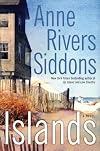
Life in the low country fairly smokes off the pages of this one. Descriptions of the island and ocean, creeks and swamps are rich and detailed and speak of a very deep love for these endangered places. It made me want to go there and experience it myself.
However, this novel wasn’t perfect. Sure, it was full of the usual Siddons vocabulary – bone-deep, blood-warm, skinned, winesap, V-shaped kitten smile and days that flowed on. It had boats, love for community and the outdoors, great show more meals and even greater friends. Unfortunately I didn’t really buy it. Early on in the novel she creates an atmosphere of closeness and intimacy that I didn’t believe. Fantasy all of it. The nearly wordless communication between the older friends. The complete comfort in sharing and living in each other’s pockets. The benevolent acceptance of the newcomer. It was all too much to take. Siddons’s ability to stifle you in this fusty love-in is remarkable though. It was about as believable as the still drinkable, months old, open bottle of merlot she threw in at the beginning. Not.
Oh and Siddons’s perception of motorcyclists is laughable and antiquated no matter how enlightened she wanted to be. The same old macho stereotypes of men and the outlandish, headstrong women. Can’t anyone be normal and ride a bike? Can’t anyone ride anything except a Harley? Can’t anyone ride and not have tattoos or a huge beard or wear chaps? Oy vey. I guess when real motorcyclists start writing books, then we’ll have reality for a change.
The story itself follows a common theme Siddons employs – the viper in the midst. Someone in this fantastically wonderful group of bosom buddies is not what they seem. There will be shenanigans and betrayal, but from whom? I was so caught up in the group dynamic that I almost missed it. Almost. My love of thrillers saved me from looking the fool. Anny isn't as strong or clearly defined as some of the other central heroines of novels past (Smokey and Kate come to mind) and neither is the villain (Georgina anyone?) and I missed that sharpness of character
I did wish that she would stop killing people off though. Every few chapters someone dies and it got to be a real downer by the third one. It felt like a cheap device used just to keep my emotions engaged and my sensibilities off balance. As if she knew the mild and nearly-enviable calm of the everyday lives of the characters weren’t enough to keep people from putting it aside in favor of more exciting books. It seemed as if she were putting off her inevitable conclusion and stringing me along in a way that didn’t add suspense. Sure people were dying, but the lack of suspicious circumstances eked away a lot of the import those deaths could have had. Since there was no framework of suspicion and doubt, no focal suspect, no chain of events to follow the impact of, the ending was substantially diminished and seemed out of place; tacked on. A kinder, gentler “thriller” for those who need emotion, but no blood. show less
However, this novel wasn’t perfect. Sure, it was full of the usual Siddons vocabulary – bone-deep, blood-warm, skinned, winesap, V-shaped kitten smile and days that flowed on. It had boats, love for community and the outdoors, great show more meals and even greater friends. Unfortunately I didn’t really buy it. Early on in the novel she creates an atmosphere of closeness and intimacy that I didn’t believe. Fantasy all of it. The nearly wordless communication between the older friends. The complete comfort in sharing and living in each other’s pockets. The benevolent acceptance of the newcomer. It was all too much to take. Siddons’s ability to stifle you in this fusty love-in is remarkable though. It was about as believable as the still drinkable, months old, open bottle of merlot she threw in at the beginning. Not.
Oh and Siddons’s perception of motorcyclists is laughable and antiquated no matter how enlightened she wanted to be. The same old macho stereotypes of men and the outlandish, headstrong women. Can’t anyone be normal and ride a bike? Can’t anyone ride anything except a Harley? Can’t anyone ride and not have tattoos or a huge beard or wear chaps? Oy vey. I guess when real motorcyclists start writing books, then we’ll have reality for a change.
The story itself follows a common theme Siddons employs – the viper in the midst. Someone in this fantastically wonderful group of bosom buddies is not what they seem. There will be shenanigans and betrayal, but from whom? I was so caught up in the group dynamic that I almost missed it. Almost. My love of thrillers saved me from looking the fool. Anny isn't as strong or clearly defined as some of the other central heroines of novels past (Smokey and Kate come to mind) and neither is the villain (Georgina anyone?) and I missed that sharpness of character
I did wish that she would stop killing people off though. Every few chapters someone dies and it got to be a real downer by the third one. It felt like a cheap device used just to keep my emotions engaged and my sensibilities off balance. As if she knew the mild and nearly-enviable calm of the everyday lives of the characters weren’t enough to keep people from putting it aside in favor of more exciting books. It seemed as if she were putting off her inevitable conclusion and stringing me along in a way that didn’t add suspense. Sure people were dying, but the lack of suspicious circumstances eked away a lot of the import those deaths could have had. Since there was no framework of suspicion and doubt, no focal suspect, no chain of events to follow the impact of, the ending was substantially diminished and seemed out of place; tacked on. A kinder, gentler “thriller” for those who need emotion, but no blood. show less
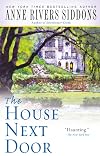
This work of Southern gothic / horror fiction is a little slow to start but once it gets going it's riveting!
Colquitt and Walter Kennedy live in a lovely home in a friendly Atlanta suburb. They and their neighbors visit one another regularly, enjoy cocktails after work, play tennis on weekends, and attend parties at various homes. The Kennedys are pleased to live next door to a vacant lot whose narrowness and ravined terrain have always ensured it stays vacant, an oasis of natural beauty in show more their neighborhood. Until a young couple hires a hot-shot architect who designs a spectacular house that seems to just grow out of the land. The house is still under construction when odd things start to happen. Not just odd, but downright malevolent and horrific.
I stayed up way too late a couple of nights "waiting for that other shoe to drop." It left me on edge and vaguely anxious; spooked by noises in the night (or in the daytime). Reminds me of the hoopla around [book:The Amityville Horror|325534] - a book I read when it first came out in the late '70s. A perfect Halloween read! show less
Colquitt and Walter Kennedy live in a lovely home in a friendly Atlanta suburb. They and their neighbors visit one another regularly, enjoy cocktails after work, play tennis on weekends, and attend parties at various homes. The Kennedys are pleased to live next door to a vacant lot whose narrowness and ravined terrain have always ensured it stays vacant, an oasis of natural beauty in show more their neighborhood. Until a young couple hires a hot-shot architect who designs a spectacular house that seems to just grow out of the land. The house is still under construction when odd things start to happen. Not just odd, but downright malevolent and horrific.
I stayed up way too late a couple of nights "waiting for that other shoe to drop." It left me on edge and vaguely anxious; spooked by noises in the night (or in the daytime). Reminds me of the hoopla around [book:The Amityville Horror|325534] - a book I read when it first came out in the late '70s. A perfect Halloween read! show less

I first read this book when it was released in 1989. I have re-read it many times over the years, and just finished reading it again. Those first two hundred pages are just so redolent of a lost era; one that happened before I was born, but I heard about from my parents who grew up in the same time, just considerably further north. Siddons telling of Shep Bondurant's childhood is so nostalgic and evocative; I just love the first 200 pages of this book.
So it isn't really like Gone With the show more Wind at all, except in the broadest sense that the world the main characters loved so well has disappeared. Yes, most of the action does take place in Atlanta, but you can't compare A Tree Grows In Brooklyn with Bonfire of the Vanities simply because the action takes place in the 5 boroughs of NYC.
Lucy Bondurant has nothing in common with Scarlett O'Hara.....in fact, she is the polar opposite of Scarlett. Lucy can't save her own self, let alone be responsible for anyone else. Scarlett was strong, manipulative and a realist. Lucy, too is manipulative, but she manipulates from the position of weakness, neediness and extreme idealism.
Few of the characters are noble; they are all flawed in some way; the reader doesn't have to like or admire any of them, it is interesting enough just to observe them.
After reading many reviews, it seems as though many readers didn't understand the ending. The bridge in question is the same bridge that Shep and Lucy's group of friends all jumped off from during their swimming excursions of the Chattahoochee River. In high school, Shep was too afraid of heights to jump from the bridge, and he was mocked for his inability. When Shep stands on the railing of the bridge and Sarah calls out to him; he is not attempting suicide, and she is not encouraging him. With Lucy dead he is finally free; his burden has been lifted and he is no longer responsible for his crazy, wonderful, troubled cousin. I kind of think that he and Sarah finally got together after the last scene of this book.
Oh, and for the people who complained that the book starts out with Lucy's funeral, creating a spoiler......bullshit! At the beginning of the book, the reader has no idea who Lucy is; you know nothing about her, so the fact that she is being buried is immaterial. You have to read the book, find out who Lucy was, and what her life was like. You need to know the details of her relationship with her cousin Shep. Something tells me that these people who complained about "knowing how it ended" are probably the same people who loved the movie Titanic......even though they knew it sank with hundreds of people on board.
I wouldn't recommend this to anyone who is seeking a great romance, because it isn't a romance novel at all. More tragic than anything else, as many of Siddons novels seem to be. I would recommend it to any open-minded person who enjoys a good, epic, slice of life novel. show less
So it isn't really like Gone With the show more Wind at all, except in the broadest sense that the world the main characters loved so well has disappeared. Yes, most of the action does take place in Atlanta, but you can't compare A Tree Grows In Brooklyn with Bonfire of the Vanities simply because the action takes place in the 5 boroughs of NYC.
Lucy Bondurant has nothing in common with Scarlett O'Hara.....in fact, she is the polar opposite of Scarlett. Lucy can't save her own self, let alone be responsible for anyone else. Scarlett was strong, manipulative and a realist. Lucy, too is manipulative, but she manipulates from the position of weakness, neediness and extreme idealism.
Few of the characters are noble; they are all flawed in some way; the reader doesn't have to like or admire any of them, it is interesting enough just to observe them.
After reading many reviews, it seems as though many readers didn't understand the ending. The bridge in question is the same bridge that Shep and Lucy's group of friends all jumped off from during their swimming excursions of the Chattahoochee River. In high school, Shep was too afraid of heights to jump from the bridge, and he was mocked for his inability. When Shep stands on the railing of the bridge and Sarah calls out to him; he is not attempting suicide, and she is not encouraging him. With Lucy dead he is finally free; his burden has been lifted and he is no longer responsible for his crazy, wonderful, troubled cousin. I kind of think that he and Sarah finally got together after the last scene of this book.
Oh, and for the people who complained that the book starts out with Lucy's funeral, creating a spoiler......bullshit! At the beginning of the book, the reader has no idea who Lucy is; you know nothing about her, so the fact that she is being buried is immaterial. You have to read the book, find out who Lucy was, and what her life was like. You need to know the details of her relationship with her cousin Shep. Something tells me that these people who complained about "knowing how it ended" are probably the same people who loved the movie Titanic......even though they knew it sank with hundreds of people on board.
I wouldn't recommend this to anyone who is seeking a great romance, because it isn't a romance novel at all. More tragic than anything else, as many of Siddons novels seem to be. I would recommend it to any open-minded person who enjoys a good, epic, slice of life novel. show less

I tried to enjoy this book. I really did. I love historical fiction, but the main character/narrator's observations of his cousin Lucy just absolutely grated on me. I got about 1/3 through the story and stopped not long after Lucy taunts/dares her cousin to do something that she KNOWS he is deadly terrified of (heights) and that just really illustrated what kind of a cunt Lucy was.
I get that Lucy did not have an easy childhood between her dad and mom, but it seems that regardless of her show more environment she would still have been an narcissist. I was sick of Shep's devotion to her and his willingness to forgive her pretty much anything, and the way he went on about her magnificence/darkness (reminded me of Twilight and how Edward was obsessively described) After about 200 pages of this (out of nearly 600) I decided enough was enough and I was not going to waste any more time. show less
I get that Lucy did not have an easy childhood between her dad and mom, but it seems that regardless of her show more environment she would still have been an narcissist. I was sick of Shep's devotion to her and his willingness to forgive her pretty much anything, and the way he went on about her magnificence/darkness (reminded me of Twilight and how Edward was obsessively described) After about 200 pages of this (out of nearly 600) I decided enough was enough and I was not going to waste any more time. show less
Lists
100 Hemskaste (1)
ScaredyKit 2025 (1)
1970s Horror (1)
Which house? (1)
Awards


You May Also Like


Associated Authors
Statistics
- Works
- 41
- Also by
- 11
- Members
- 13,363
- Popularity
- #1,741
- Rating
- 3.7
- Reviews
- 307
- ISBNs
- 470
- Languages
- 14
- Favorited
- 50