
Jasper Ridley (1920–2004)
Author of The Freemasons: A History of the World's Most Powerful Secret Society
About the Author
Jasper Ridley's many works include: Napoleon III and Eugenie; Garibaldi; and Mussolini. He lives and works in London, England.
Works by Jasper Ridley
Historia de Inglaterra. 1 copy
Associated Works
Tagged
Common Knowledge
- Other names
- Ridley, Jasper Godwin
- Birthdate
- 1920-05-25
- Date of death
- 2004-07-01
- Gender
- male
- Education
- Sorbonne University
Magdalen College, Oxford (BA|Philosophy, Politics, and Economics) - Occupations
- barrister
biographer
historian - Organizations
- Carpenters' Company
English PEN - Awards and honors
- Royal Society of Literature (Fellow)
- Relationships
- Romilly, Esmond (friend)
Toynbee, Philip (friend) - Nationality
- England
UK - Birthplace
- West Hoathly, West Sussex, England, UK
- Places of residence
- Tunbridge Wells, Kent, England, UK
- Associated Place (for map)
- England, UK
Members
Reviews

This is an extremely well researched biography of this key figure, the Archbishop who led the new Church of England at the outset of the English Reformation in the early and mid 16th century. The author draws reasoned conclusions from the evidence available to paint a picture that rejects both the Protestant hagiography of later centuries and the Catholic view that he was an evil heretic who subverted true religion for over twenty years (Queen Mary was keen that Cranmer be a scapegoat for show more her father's seismic shift in religious policy in abandoning Papal supremacy and establishing the Church of England). Cranmer emerges as a comparatively moderate and decent figure by the standards of the time. He often looked for ways to treat his Catholic opponents in religious disputes comparatively leniently (while at the same time treating considerably more harshly those Protestants whom he saw as betraying the Reformation); and he would argue with King Henry to try to soften some of his policies, while supporting him fully in public. Of course, from a modern humanitarian viewpoint, it must be acknowledged that Cranmer still sent religious opponents to their deaths, sometimes for beliefs that he himself had held and promoted at earlier and later times. But this was a characteristic of the time that seems so alien and horrible to us now - the fact that learned men could argue passionately and at length about issues such as the extent to which Christ was or was not physically or symbolically present in the bread and wine of the mass, and in all sincerity believe that their opponents should be imprisoned and killed for holding a different view on the issue. The many chapters that dwell on what are to the modern reader very arcane disputes do drag somewhat; but overall this is an impressive biography. show less
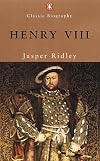
A very readable and absorbing biography of this monarch who was so pivotal to England's religious, political, and military history. It is very full on foreign policy, though the endless twists and turns of Henry's support of or opposition to France's King Francois and the Emperor Charles V get very repetitive after a while. It is also very thorough in covering the twists and turns of Henry's religious policy, which was far more erratic and complex than simply being loyal to Rome at first and show more then breaking away and becoming a Protestant as it is often depicted. One becomes rather sickened by the endless arrests and executions of those who oppose the religious settlement at any given moment, with Catholics and Protestants often suffering at the same time and sometimes even being executed together in the same horrific bloodletting on the same day. Politically also, the endless (very often flimsy) accusations of high treason and resulting executions make reading parts of this book rather like reading accounts of Stalin's Soviet Union. So it is quite a negative work in many ways, but very effective in bringing across the nature of Henry's rule in a way that books focusing more traditionally on his marital life do not (though this aspect is covered properly here as well). Henry was undoubtedly a tyrant and, in my view, probably the worst monarch England or Britain has ever had, worse than John or Richard III -though he was more popular than either of them and retained the almost Stalinist devotion of most of his subjects up to the end. show less
A good biography of an infamous English king. Jasper Ridley provides a study of Henry VIII's life, without focusing overly much on the various personalities of his six wives - a mistake many biographers make. In addition, Ridley also refuses to blame Henry's councilors and advisers for the policies enacted during his reign. Instead, Ridley focuses on Henry, who emerges not as a spoiled child led by those around him but as a pseudo-politician able to sacrifice those closest to him for show more political whims. Highly recommended for those interested in this English sovereign. show less
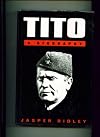
As with any Jasper Ridley book, the writing and the narrative is easy to read. However, I would have preferred that the author cover more extensively the years that Tito governed Yugoslavia, including his relations with other communist leaders in the USSR, China and Albania
Awards

You May Also Like


Associated Authors
Statistics
- Works
- 23
- Also by
- 1
- Members
- 2,204
- Popularity
- #11,638
- Rating
- 3.6
- Reviews
- 20
- ISBNs
- 98
- Languages
- 7
- Favorited
- 1