
Lawson Fusao Inada
Author of Only What We Could Carry: The Japanese American Internment Experience
About the Author
Works by Lawson Fusao Inada
3 Northwest poets 1 copy
Associated Works
From Totems to Hip-Hop: A Multicultural Anthology of Poetry Across the Americas 1900-2002 (2002) — Contributor — 182 copies
Breaking Silence: An Anthology of Contemporary Asian-American Poets (1983) — Contributor — 30 copies, 1 review
Premonitions: The Kaya Anthology of New Asian North American Poetry (1995) — Contributor — 27 copies
Tagged
Common Knowledge
- Gender
- male
Members
Reviews

3.75 stars. this is a really good collection, and one that highlights so many different perspectives (many totally unique and that i haven't seen at all in other books of this topic). it's a long one, but it's worth it. there are essays, photographs, poetry, excerpts from longer books of fiction and nonfiction (i am not a fan of excerpts in general but it worked here), letters, communications from government officials. it's comprehensive and really well done.
i found this short poem (by show more anonymous) really moving:
"Now, after two years,
Everyone can distinguish
The sound of his own ess hall gong." show less
i found this short poem (by show more anonymous) really moving:
"Now, after two years,
Everyone can distinguish
The sound of his own ess hall gong." show less
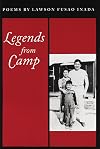
I'm not big on poetry -- I'm the first to admit that; however, I truly enjoyed reading 'Legends'. Some poems you'll read quickly and shallowly, just picking up the tones and patterns before moving on. Other poems you'll sit with, pick apart, and visualize each stanza as a page from a larger story. But then, that's the beauty of Inada's work, isn't it? And if you've ever had the privilege of hearing Inada speak or teach, you're certain to catch the jazzy rhythms of his speech in each line -- show more even the poems that aren't about jazz. show less
The Big Aiiieeeee! : an anthology of Chinese American and Japanese American Literature by Frank Chin
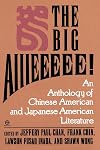
I initially read this anthology in college; I've picked it up several times since then for a revisit. Perhaps the first most important thing to know about it is the breadth of material. The Big Aiiieeeee contains translated poetry, sketchwork, fiction, autobiography/memoir and sociological materials, as well as commentary to help contextualize each piece. Some people may enjoy that diversity of sources - I do, very much, although I may not enjoy all pieces the same; but if you're looking for show more something like a short story collection, this is not your book.
The book takes on the challenge of beginning to present some of the history of Chinese and Japanese Americans and to articulate some of the contours of possible experiences for persons of those groups. Some of the material is now a bit out of date, but still presents a compelling snapshot of perspectives at the time the book was published. The diversity of sources, writers, and perspectives provides a rounded and complex picture - perhaps the best thing that readers can take away from it is that there is no one, single, definitive experience, and two persons with similarly non-white appearances and backgrounds can have markedly different feelings and experiences of being an American. There are many cautionary tales - experiences we should feel badly about - and can learn from, going forward.
This book is a great way to become acquainted with a diversity of source material, and good launching pad for further reading. It's probably not great for someone who wants a cohesive portrait or argument or an "easy read." show less
The book takes on the challenge of beginning to present some of the history of Chinese and Japanese Americans and to articulate some of the contours of possible experiences for persons of those groups. Some of the material is now a bit out of date, but still presents a compelling snapshot of perspectives at the time the book was published. The diversity of sources, writers, and perspectives provides a rounded and complex picture - perhaps the best thing that readers can take away from it is that there is no one, single, definitive experience, and two persons with similarly non-white appearances and backgrounds can have markedly different feelings and experiences of being an American. There are many cautionary tales - experiences we should feel badly about - and can learn from, going forward.
This book is a great way to become acquainted with a diversity of source material, and good launching pad for further reading. It's probably not great for someone who wants a cohesive portrait or argument or an "easy read." show less
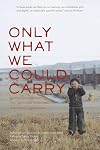
Only What We Could Carry is an excellent story which gives readers an incredible perspective as to the horrors, challenges, and unfair reality of what Japanese-Americans had to face during their relocation to internment camps. The story’s title describes how Japanese Americans were allowed to bring only the minimal amount of what they could carry. Despite the unfair treatment Japanese Americans were subjected to, many did the best they could to make the best of their situation.
Awards


You May Also Like


Associated Authors
Statistics
- Works
- 11
- Also by
- 9
- Members
- 488
- Popularity
- #50,612
- Rating
- 3.7
- Reviews
- 6
- ISBNs
- 18
- Favorited
- 1