
A. E. W. Mason (1865–1948)
Author of The Four Feathers
About the Author
Image credit: From "The War Illustrated" (1915)
Series
Works by A. E. W. Mason
The Royal Exchange : a note on the occasion of the bicentenary of the Royal Exchange Assurance 3 copies
The Vicar's Conversion 2 copies
At the Villa Rose & The Affair at the Semiramis Hotel: Detective Gabriel Hanaud's Cases (2 Books in One Edition) (2019) 2 copies
El viaje del "Willing Mind" 2 copies
Relato africano 2 copies
Peiffer 1 copy
Kaunitar mürginoolega 1 copy
The Turnstile - Vol. II 1 copy
The Turnstile - Vol. I 1 copy
Ensign Knightley 1 copy
An Inconvenience of Habit 1 copy
The Last Salute 1 copy
The Right Thing 1 copy
The Guide 1 copy
The Great Monopoly 1 copy
Dimoussi and the Pistol 1 copy
The Conjurer 1 copy
The Schoolmaster and Felicia 1 copy
The Trouble at Beaulieu 1 copy
La última aventura de Lewis 1 copy
Un hombre decidido 1 copy
Los desertores 1 copy
Associated Works
101 Years' Entertainment: The Great Detective Stories 1841-1941 (1941) — Contributor — 111 copies, 1 review
Bodies from the Library 5: Forgotten Stories of Mystery and Suspense from the Golden Age of Detection (2022) — Contributor — 47 copies, 1 review
Detective-verhalen — Contributor — 3 copies
Storm Over the Nile [1955 film] — Original book — 2 copies
My Most Exciting Story: A Collection of Stories Chosen by Their Own Authors (1936) — Contributor — 1 copy
Tagged
Common Knowledge
- Legal name
- Mason, Alfred Edward Woodley
- Birthdate
- 1865-05-07
- Date of death
- 1948-11-22
- Gender
- male
- Education
- Dulwich College
University of Oxford (Trinity College) (Classics) (1887) - Occupations
- actor
novelist
soldier, British Army
military intelligence officer
Member of Parliament - Organizations
- Royal Marine Light Infantry
Naval Intelligence Division
Liberal Party - Nationality
- UK
- Birthplace
- Camberwell, London, England, UK
- Place of death
- London, England, UK
- Map Location
- England, UK
Members
Reviews
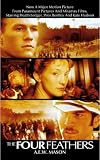
This is a great book. This is typically billed as an adventure novel, and yes there is adventure, but it is the characters that make this book.
The story structure kind of reminds me of Count of Monte Cristo in that something crucial happens and the rest of the book follows the characters in the aftermath while the main character has an epic quest to fulfill. The crux of this story is that the protagonist Harry quits the military because he is afraid that he will be a coward and disgrace his show more family and fiancé.
I found this to be an excellent and insightful premise. Harry quits not because he is afraid of dying but because he is unsure of himself and how he will react when in danger. I think this is a feeling everyone can relate to. Often when we are about to face a challenge or large change in life our own insecurities can make us afraid and think it would be better just to avoid it entirely.
Also, part of why Harry commits his error is because he is surrounded by men who do not understand him. This is a position many young men find themselves in. In male culture fear, insecurity, and just emotions in general are not easily discussed which is very hard on young men, especially those that are more introspective like Harry.
In addition to Harry’s journey there is his fiancé (Ethne) who is trying to make the best decision in a difficult scenario and there is his best friend Durrance whose life is not going how he wanted it to and has to make choice’s between what he wants and what’s good for everyone else. The core characters of Harry, Ethne, and Durrance are largely compelling and there are plenty of memorable side characters.
I recommend this book to anyone looking for an adventure with a little more emotion and food for thought. show less
The story structure kind of reminds me of Count of Monte Cristo in that something crucial happens and the rest of the book follows the characters in the aftermath while the main character has an epic quest to fulfill. The crux of this story is that the protagonist Harry quits the military because he is afraid that he will be a coward and disgrace his show more family and fiancé.
I found this to be an excellent and insightful premise. Harry quits not because he is afraid of dying but because he is unsure of himself and how he will react when in danger. I think this is a feeling everyone can relate to. Often when we are about to face a challenge or large change in life our own insecurities can make us afraid and think it would be better just to avoid it entirely.
Also, part of why Harry commits his error is because he is surrounded by men who do not understand him. This is a position many young men find themselves in. In male culture fear, insecurity, and just emotions in general are not easily discussed which is very hard on young men, especially those that are more introspective like Harry.
In addition to Harry’s journey there is his fiancé (Ethne) who is trying to make the best decision in a difficult scenario and there is his best friend Durrance whose life is not going how he wanted it to and has to make choice’s between what he wants and what’s good for everyone else. The core characters of Harry, Ethne, and Durrance are largely compelling and there are plenty of memorable side characters.
I recommend this book to anyone looking for an adventure with a little more emotion and food for thought. show less
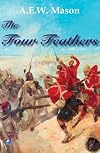
The classic 1939 film adaptation, although the plot is slightly different and more action based than the original source, has long ingrained the gist of A.E.W. Mason’s The Four Feathers on my imagination, but I was still slightly apprehensive before reading the novel. Although the story sounds like a boy’s own adventure – a soldier accused of cowardice travels incognito into battle to restore his honour – the book was written in 1902, and Victorian prose can be difficult to digest. show more However, I was pleasantly surprised by Mason’s style, which is plainly phrased for the most part, but also poetic in places – the symbolic device of Ethne’s violin – and modestly romantic.
Harry Feversham’s future seems determined – he will become a soldier, like his father and a long line of Feversham ancestors before him, and marry his beautiful Irish fiancée, Ethne Eustace. Yet Harry is haunted by his father’s stories of cowards during the Crimean War and the harsh treatment meted out to them by fellow soldiers, and on the eve of his regiment being sent into battle in the Sudan, Harry resigns his commission. He is sent three white feathers – the sign of a coward – and then Ethne adds the final insult to make up the four feathers of the title. Shamed by his former friends, and rejected by Ethne and his proud father, Harry decides to atone for his moment of weakness by winning back the respect of those who labelled him a coward.
The largest presence in the story is not Harry, or the war in Egypt, but honour, or at least an inflated Victorian concept of male pride. The question I was asking myself throughout is not why Harry resigns – whether for Ethne’s sake, or because his mother died and his father doesn’t understand him – but rather why he joined up in the first place! Basically, Harry’s problem is that he thinks too much. Instead of facing his fears by going to Egypt with his friends, he backs out because he’s afraid of letting everyone down. His Pimpernel-esque quest to prove his honour is both entertaining and satisfying, but ultimately unnecessary if he had only been honest with himself and his father.
A secondary thread of the story, similarly confusing, is the tangled affair of Harry, Ethne and Harry’s best friend, Jack Durrance. Jack met and fell in love with Ethne first, but stepped aside when Harry also fell for her, thanks to the machinations of an interfering third party. With Harry away in Egypt, fighting for his lost honour, Jack tries again with Ethne. They become friends and write to each other, but when Jack returns home wounded, Ethne takes pity on him and agrees to marry him, because ‘two lives should not be spoiled because of her’. I was ready to hate Ethne for hurting both men, but Mason’s characters are so believable that I finished with conflicting sympathies, wanting all three to be happy!
My knowledge of the historical battles described in The Four Feathers is slim to non-existent, but Mason crafts an evocative and disturbing background of heat, sand and incredible endurance. The ‘House of Stone’, where Harry meets up with Trench, nearly gave me claustrophobia!
Distinct from the film version, the novel is definitely worth a read. show less
Harry Feversham’s future seems determined – he will become a soldier, like his father and a long line of Feversham ancestors before him, and marry his beautiful Irish fiancée, Ethne Eustace. Yet Harry is haunted by his father’s stories of cowards during the Crimean War and the harsh treatment meted out to them by fellow soldiers, and on the eve of his regiment being sent into battle in the Sudan, Harry resigns his commission. He is sent three white feathers – the sign of a coward – and then Ethne adds the final insult to make up the four feathers of the title. Shamed by his former friends, and rejected by Ethne and his proud father, Harry decides to atone for his moment of weakness by winning back the respect of those who labelled him a coward.
The largest presence in the story is not Harry, or the war in Egypt, but honour, or at least an inflated Victorian concept of male pride. The question I was asking myself throughout is not why Harry resigns – whether for Ethne’s sake, or because his mother died and his father doesn’t understand him – but rather why he joined up in the first place! Basically, Harry’s problem is that he thinks too much. Instead of facing his fears by going to Egypt with his friends, he backs out because he’s afraid of letting everyone down. His Pimpernel-esque quest to prove his honour is both entertaining and satisfying, but ultimately unnecessary if he had only been honest with himself and his father.
A secondary thread of the story, similarly confusing, is the tangled affair of Harry, Ethne and Harry’s best friend, Jack Durrance. Jack met and fell in love with Ethne first, but stepped aside when Harry also fell for her, thanks to the machinations of an interfering third party. With Harry away in Egypt, fighting for his lost honour, Jack tries again with Ethne. They become friends and write to each other, but when Jack returns home wounded, Ethne takes pity on him and agrees to marry him, because ‘two lives should not be spoiled because of her’. I was ready to hate Ethne for hurting both men, but Mason’s characters are so believable that I finished with conflicting sympathies, wanting all three to be happy!
My knowledge of the historical battles described in The Four Feathers is slim to non-existent, but Mason crafts an evocative and disturbing background of heat, sand and incredible endurance. The ‘House of Stone’, where Harry meets up with Trench, nearly gave me claustrophobia!
Distinct from the film version, the novel is definitely worth a read. show less

Summary: Harry Feversham resigns from his military posting before it is sent into duty. His three friends send him white feathers, symbols of cowardice. When his fianceé finds out, she adds a fourth and breaks off their engagement. Harry must then redeem himself and his courage to each of the people who gave him feathers. Meanwhile, his fiance is being wooed by his former friend, and must choose where her loyalties truly lie.
Review: I was surprised - this book was originally published in show more 1902, and I ordinarily have a hard time getting into and staying interested in literature from that time period. However, this read pretty easily, and relatively quickly; not as quickly as modern literature where the language is more familiar, but the language and the tone was modern-feeling enough not to be off-putting. I also was surprised with the way the story was structured - I was under the impression that most of the book was about Harry's attempts to reclaim his honor. However, about 80% of the book is from the point of view of Ethne (the fianceé) and Durrance (Harry's friend). That doesn't really detract from it being an adventure story, oddly enough. The morals about honor and courage and pride also manage to make their point without being overly saccarhine or bludgeoning.
Recommendation: If you're in the mood to read a turn-of-the-century classic, you could do much worse than this entertaining adventure story. show less
Review: I was surprised - this book was originally published in show more 1902, and I ordinarily have a hard time getting into and staying interested in literature from that time period. However, this read pretty easily, and relatively quickly; not as quickly as modern literature where the language is more familiar, but the language and the tone was modern-feeling enough not to be off-putting. I also was surprised with the way the story was structured - I was under the impression that most of the book was about Harry's attempts to reclaim his honor. However, about 80% of the book is from the point of view of Ethne (the fianceé) and Durrance (Harry's friend). That doesn't really detract from it being an adventure story, oddly enough. The morals about honor and courage and pride also manage to make their point without being overly saccarhine or bludgeoning.
Recommendation: If you're in the mood to read a turn-of-the-century classic, you could do much worse than this entertaining adventure story. show less
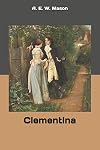
The best bits are in the middle, so to speak. After a slow start, we get stuck into an adventure story, after which the narrative is somewhat flat.
The author composes several quality action scenes. The fights are vivid and expertly drawn.
I like the title character very much. She’s an interesting and enchanting lady.
In all, I found this to be an entertaining story.
The author composes several quality action scenes. The fights are vivid and expertly drawn.
I like the title character very much. She’s an interesting and enchanting lady.
In all, I found this to be an entertaining story.
Lists
Which house? (2)
Best War Stories (1)
Awards


You May Also Like


Associated Authors
Statistics
- Works
- 75
- Also by
- 24
- Members
- 1,844
- Popularity
- #13,956
- Rating
- 3.6
- Reviews
- 43
- ISBNs
- 456
- Languages
- 9