
Ellis Peters (1913–1995)
Author of A Morbid Taste for Bones
About the Author
Ellis Peters is the pseudonym for Edith Pargeter, who was born in Horsehay, Shropshire. She was a chemist's assistant from 1933 to 1940 and participated during World War II in the Women's Royal Navy Service. The name "Ellis Peters" was adopted by Edith Pargeter to clearly mark a division between show more her mystery stories and her other work. Her brother was Ellis and Petra was a friend from Czechoslovakia, thus the name. She came to writing mysteries, she says, "after half a lifetime of novel-writing." Her detective fiction features well-rounded, knowledgeable characters with whom the reader can empathize. Her most famous literary creation is the medieval monk Brother Cadfael. The blend of history and the formula of the detective story gives Peters's works their popular appeal. As detective hero, Brother Cadfael remains faithful to the requirements of the formula, yet the historical milieu in which he operates is both fully realized and well textured. Peters received the Mystery Writers of America's Edgar Award in 1963 and the Crime Writers Association's Silver Dagger Award in 1981. (Bowker Author Biography) show less
Image credit: Edith Mary Pargeter ('Ellis Peters'), 1989
Series
Works by Ellis Peters
The Heaven Tree Trilogy: The Heaven Tree, The Green Branch, The Scarlet Seed (1993) 512 copies, 6 reviews
The Brother Cadfael Mysteries: Monk's Hood / The Leper of St. Giles / The Sanctuary Sparrow / One Corpse Too Many (1995) 167 copies, 3 reviews
The Dominic Felse Omnibus (The Piper on The Mountain, Mourning Raga, Death to the Landlords) (1991) 53 copies
Brother Cadfael Omnibus: Dead Man's Ransom | The Pilgrim of Hate | An Excellent Mystery (1999) 34 copies
The Detective Omnibus (City of Gold and Shadows / Flight of a Witch / Funeral of Figaro) (1992) 31 copies, 1 review
The George Felse Omnibus: Fallen Into the Pit; Death and the Joyful Woman; A Nice Derangement of Epitaphs (1994) 29 copies
The Brother Cadfael Mysteries: A Morbid Taste for Bones / The Raven in the Foregate / The Rose Rent (1999) 28 copies
Brother Cadfael Omnibus: The Rose Rent | The Hermit of Eyton Forest | The Raven in the Foregate (2001) 25 copies
The Devil's Novice / The Disappearance of the Saturnalia Silver / Blind Justice / He Came with the Rain (2000) 6 copies
By This Strange Fire 4 copies
Brother Cadfael: Monk's Hood, The Leper of St. Giles, The Sanctuary Sparrow, One Corpse Too Many [enhanced audiotrack] (1999) 4 copies
Let Nothing You Dismay! 2 copies
Cadfael: Series 3 (The Rose Rent | St. Peter's Fair | Raven in the Foregate) [1997 TV episodes] 1 copy
The Duchess and the Doll 1 copy
Monk's Hood [abridged] 1 copy
Historical Whodunnits 1 copy
Associated Works
The Mammoth Book of Historical Whodunits (1993) — Preface; Foreword & Contributor — 611 copies, 4 reviews
Cadfael Country: Shropshire and the Welsh Borders (1990) — Introduction, some editions — 81 copies, 1 review
Who Killed Father Christmas? and Other Seasonal Mysteries (2023) — Contributor — 77 copies, 2 reviews
Bodies from the Library 5: Forgotten Stories of Mystery and Suspense from the Golden Age of Detection (2022) — Contributor — 47 copies, 1 review
Once Upon a Crime: Historical Mysteries From Ellery Queen's Mystery Magazine (1994) — Contributor — 29 copies
The Confession of Brother Haluin | Murder on Tour: A Rock'n'Roll Mystery | A Wicked Slice (1989) — Contributor — 2 copies
Cadfael: Series 3-4 — Original books — 2 copies
Cadfael: Series 1-2 — Original books — 1 copy
Tagged
Common Knowledge
- Legal name
- Pargeter, Edith Mary
- Other names
- Redfern, John
Carr, Jolyon
Benedict, Peter
Peters, Ellis
Pargeter, Edith - Birthdate
- 1913-09-28
- Date of death
- 1995-10-14
- Gender
- female
- Education
- Dawley Church of England School
Coalbrookdale High School for Girls - Occupations
- author
chemist's assistant
Women's Royal Naval Service (WWII)
historical novelist
translator - Awards and honors
- British Empire Medal (1944)
Cartier Diamond Dagger (1993)
Order of the British Empire (Officer ∙ 1994)
Czechoslovak Society for International Relations, Gold Medal and ribbon (1968) - Short biography
- Edith Mary Pargeter, BEM (September 28, 1913 in Horsehay, Shropshire, England –October 14, 1995) was a prolific author of works in many categories, especially history and historical fiction, and was also honoured for her translations of Czech classics; she is probably best known for her murder mysteries, both historical and modern. Born in the village of Horsehay (Shropshire, England), she had Welsh ancestry, and many of her short stories and books (both fictional and non-fictional) were set in Wales and its borderlands, and/or have Welsh protagonists.
During World War II, she worked in an administrative role in the Women's Royal Naval Service, and received the British Empire Medal - BEM.
Pargeter wrote under a number of pseudonyms; it was under the name Ellis Peters that she wrote the highly popular series of Brother Cadfael medieval mysteries, many of which were made into films for television. - Nationality
- UK
- Birthplace
- Horsehay, Shropshire, England, UK
- Places of residence
- Horsehay, Shropshire, England, UK
Shrewsbury, Shropshire, England, UK - Place of death
- Shrewsbury, Shropshire, England, UK
- Burial location
- cremated, ashes scattered
- Map Location
- England, UK
Members
Reviews
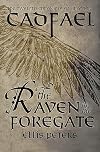
Summary: A graceless priest comes to Holy Cross church in Foregate and alienates his parish and is found dead, while a young man who came with him, assigned to Cadfael, is not what he seems.
December of 1141 finds both Abbot Radulfus and Hugh Beringar on the road. The Abbot is called to Winchester for a council to reaffirm church loyalties to King Stephen, now free after an exchange in which Robert of Gloucester returned to the side of Empress Maud. He returns with a priest, formerly clerk to show more Bishop Henry, along with his housekeeper, Diota Hammet and her nephew Benet, an apparently simple, unskilled young man. He is assigned to help Cadfael. Shortly after, Hugh, who assumed but has never been confirmed in the office of Sheriff, goes to a council with Stephen, his future uncertain.
Father Ailnoth is appointed to the parish of Holy Cross in Foregate. The former priest, Father Adam has recently died and was loved by the parish for his pastoral care, particularly the mercy he showed and the light penances he gave when the people came to confess their sins. Father Ailnoth is cut of different cloth and in just the brief time before Christmas has alienated most of his parish. Passionate but believing Eluned could not resist the enticements of men but came in genuine penitence. Ailnoth refuses her absolution, penance, and communion. Cast out from the church, she throws herself in a pond. A young worker comes pleading for Ailnoth to baptize his dying infant. Ailnoth will not come until he finishes praying his office. The infant dies and then Ailnoth refuses the babe burial in consecrated ground. He strikes boys with his staff when their play near the parish house annoys him. He accuses the baker, an upright man and known for his bread, of giving short measure, He gets into a property dispute.
Meanwhile, Cadfael has taken joy getting to know the lad Benet who works hard at all the tasks he has given with cheer. He quickly realizes there is more to Benet than was apparent. He’s a quick study with the herbs, and can be trusted to look after things in Cadfael’s absence. But he wonders, who is this young man, really? He notices when Diota visits not only his affection for his aunt but the message he slips her. He also sees the visit of Sanan Berniere from the house of local noble Ralph Giffard, formerly associated with Maud, and the instant bond that forms between her and Benet, who is plainly not cut out for a monastic life.
Christmas Eve is a cold blustery night signaling the coming of winter. Cadfael is out walking when he sees Father Ailnoth rapidly walking out of town, and Giffard unhappily walking back. He also notes clues that Benet and likely Sanan had been in his workshop during the latter part of Matins. Early Christmas morning, Diota comes to the monastery. Father Ailnoth never returned home. A search is formed and his body is found, out past the mill, with a wound on the back of his head.
There are a host of suspects who had motives to kill the priest. Hugh arrives home as newly confirmed Sheriff to confront this situation. He also has a task from Stephen, to hunt down Ninian Bachilar, a supporter of Maud suspected to be in Shrewsbury. Giffard, eager to put his connections with Maud in the past, announces that Benet is Ninian, from the secret message Diota had carried, and accuses him of murdering Father Ailnoth, who had learned of the young man’s true identity from Giffard. Father Ailnoth’s hasty mission out of town was to confront Ninian, who had been supposed to meet Giffard.
Benet/Ninian, with the help of Sanan has gone into hiding, but not before telling Cadfael the truth. In fact, Cadfael at points warns the young man not to tell him certain things. Neither Cadfael nor Hugh are convinced that Ninian is Father Ailnoth’s killer and play a coy game of turning a blind eye to what each knows about the fugitive young man and the woman who loves him. The discovery of two missing articles, not found with Ailnoth’s body, hold the clues to how Ailnoth met his end, if the pieces can be put together.
Peters makes an interesting contrast in the story between the graceless Ailnoth and the ways Hugh and Cadfael approach his death, seeking truth to be sure but without jumping to graceless conclusions, seeing all those who could be suspects in their full humanity. There is a commentary here about how law is administered, both in church and society. In Cadfael, we see devotion to God and in Hugh, devotion to the king, and yet both pursue very different paths than the hapless Father Ailnoth, who never had the chance to learn mercy. show less
December of 1141 finds both Abbot Radulfus and Hugh Beringar on the road. The Abbot is called to Winchester for a council to reaffirm church loyalties to King Stephen, now free after an exchange in which Robert of Gloucester returned to the side of Empress Maud. He returns with a priest, formerly clerk to show more Bishop Henry, along with his housekeeper, Diota Hammet and her nephew Benet, an apparently simple, unskilled young man. He is assigned to help Cadfael. Shortly after, Hugh, who assumed but has never been confirmed in the office of Sheriff, goes to a council with Stephen, his future uncertain.
Father Ailnoth is appointed to the parish of Holy Cross in Foregate. The former priest, Father Adam has recently died and was loved by the parish for his pastoral care, particularly the mercy he showed and the light penances he gave when the people came to confess their sins. Father Ailnoth is cut of different cloth and in just the brief time before Christmas has alienated most of his parish. Passionate but believing Eluned could not resist the enticements of men but came in genuine penitence. Ailnoth refuses her absolution, penance, and communion. Cast out from the church, she throws herself in a pond. A young worker comes pleading for Ailnoth to baptize his dying infant. Ailnoth will not come until he finishes praying his office. The infant dies and then Ailnoth refuses the babe burial in consecrated ground. He strikes boys with his staff when their play near the parish house annoys him. He accuses the baker, an upright man and known for his bread, of giving short measure, He gets into a property dispute.
Meanwhile, Cadfael has taken joy getting to know the lad Benet who works hard at all the tasks he has given with cheer. He quickly realizes there is more to Benet than was apparent. He’s a quick study with the herbs, and can be trusted to look after things in Cadfael’s absence. But he wonders, who is this young man, really? He notices when Diota visits not only his affection for his aunt but the message he slips her. He also sees the visit of Sanan Berniere from the house of local noble Ralph Giffard, formerly associated with Maud, and the instant bond that forms between her and Benet, who is plainly not cut out for a monastic life.
Christmas Eve is a cold blustery night signaling the coming of winter. Cadfael is out walking when he sees Father Ailnoth rapidly walking out of town, and Giffard unhappily walking back. He also notes clues that Benet and likely Sanan had been in his workshop during the latter part of Matins. Early Christmas morning, Diota comes to the monastery. Father Ailnoth never returned home. A search is formed and his body is found, out past the mill, with a wound on the back of his head.
There are a host of suspects who had motives to kill the priest. Hugh arrives home as newly confirmed Sheriff to confront this situation. He also has a task from Stephen, to hunt down Ninian Bachilar, a supporter of Maud suspected to be in Shrewsbury. Giffard, eager to put his connections with Maud in the past, announces that Benet is Ninian, from the secret message Diota had carried, and accuses him of murdering Father Ailnoth, who had learned of the young man’s true identity from Giffard. Father Ailnoth’s hasty mission out of town was to confront Ninian, who had been supposed to meet Giffard.
Benet/Ninian, with the help of Sanan has gone into hiding, but not before telling Cadfael the truth. In fact, Cadfael at points warns the young man not to tell him certain things. Neither Cadfael nor Hugh are convinced that Ninian is Father Ailnoth’s killer and play a coy game of turning a blind eye to what each knows about the fugitive young man and the woman who loves him. The discovery of two missing articles, not found with Ailnoth’s body, hold the clues to how Ailnoth met his end, if the pieces can be put together.
Peters makes an interesting contrast in the story between the graceless Ailnoth and the ways Hugh and Cadfael approach his death, seeking truth to be sure but without jumping to graceless conclusions, seeing all those who could be suspects in their full humanity. There is a commentary here about how law is administered, both in church and society. In Cadfael, we see devotion to God and in Hugh, devotion to the king, and yet both pursue very different paths than the hapless Father Ailnoth, who never had the chance to learn mercy. show less

It is so hard to choose a favorite from the excellent Brother Cadfael Chronicles, but for me this might just be the one.
Our intrepid and very human monk sets out in the bleak of winter to track down two refuge children who are fleeing from the civil war with their companion, a nun, only to find themselves lost in the storm and at the mercy of a roving band of brigands. Naturally, Brother Cadfael happens upon a terrible murder and another wonderfully crafted mystery chock full of love, lust, show more adventure, greed and violence.
So vividly does Peters describe each scene that at times I almost felt I was there with Cadfael, trudging through the heart of the blizzard, in the middle of Britain's little ice age, my heart swelling with pity at the awful discovery he makes.
And as if all that were not enough, we get to meet Olivier de Bretagne, one of my favorite characters in the series. show less
Our intrepid and very human monk sets out in the bleak of winter to track down two refuge children who are fleeing from the civil war with their companion, a nun, only to find themselves lost in the storm and at the mercy of a roving band of brigands. Naturally, Brother Cadfael happens upon a terrible murder and another wonderfully crafted mystery chock full of love, lust, show more adventure, greed and violence.
So vividly does Peters describe each scene that at times I almost felt I was there with Cadfael, trudging through the heart of the blizzard, in the middle of Britain's little ice age, my heart swelling with pity at the awful discovery he makes.
And as if all that were not enough, we get to meet Olivier de Bretagne, one of my favorite characters in the series. show less
Warning: this review contains spoilers (albeit for events that are part of the historical record).
This book broke my heart. Edward I should have been ashamed of himself for his appalling treatment of the Welsh. His weaselling with words and dicking around with delay tactics were irritating; his callous breaking up of the princes and princesses of Wales and his grossly disproportionate death sentence for David left me fuming.
Edith Pargeter writes very well to fill matters of historical show more record with suspense and tension, and to bring the personalities to life as characters with whom readers can identify. I especially liked Eleanor and Elizabeth -- Elizabeth's defiant retort to Edward of "YOU were the one who told me to marry David and love and obey him, so anything I do on that score is YOUR fault" was breathtakingly awesome. In your face, Longshanks!
The quartet as a whole is recommended. It's even better to read if you know the area of Gwynedd or can look up pictures as you read. Seeing the landscape will bring home just how much Llywelyn valued the defence of his homeland. show less
This book broke my heart. Edward I should have been ashamed of himself for his appalling treatment of the Welsh. His weaselling with words and dicking around with delay tactics were irritating; his callous breaking up of the princes and princesses of Wales and his grossly disproportionate death sentence for David left me fuming.
Edith Pargeter writes very well to fill matters of historical show more record with suspense and tension, and to bring the personalities to life as characters with whom readers can identify. I especially liked Eleanor and Elizabeth -- Elizabeth's defiant retort to Edward of "YOU were the one who told me to marry David and love and obey him, so anything I do on that score is YOUR fault" was breathtakingly awesome. In your face, Longshanks!
The quartet as a whole is recommended. It's even better to read if you know the area of Gwynedd or can look up pictures as you read. Seeing the landscape will bring home just how much Llywelyn valued the defence of his homeland. show less
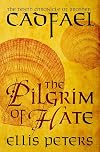
Summary: The Feast of the translation of St. Winifred is the occasion of new found love, a fugitive fleeing from murder, thievery, and a miracle, all of which engage Cadfael’s attention.
Abbot Radulfus has just returned from a legatine council where the support of the religious was urged for Empress Maud, maneuvering to be crowned Queen, seizing the crown from Stephen. The council ended in disorder and murder when Stephen’s wife sends an emissary to plead for his release, and a band show more attempts his murder only to be foiled by one of Maud’s knights, Rainald Bossard, who is stabbed in the back for his efforts, with the murderer at large. Radulfus is deeply disturbed by the murder and the depths of disorder he sees in the country.
Nevertheless, he returns at a time of celebration, the anniversary of the translation of the remains of Saint Winifred to the Abbey. The celebration finds Cadfael troubled. Only he and Hugh know that her actual remains lay in Wales, something Cadfael deeply believes she would have wanted. But does she look with favor on his subterfuge? Miracles continue to occur in Wales, but not in Shrewsbury. Cadfael hopes for a sign that what he did was right.
The Feast draws a crowd of pilgrims of all sorts. Among them are those who hope for a miracle. Dame Alice Weaver hopes for one for her nephew Rhun, a young man with a withered leg and twisted foot, able to walk only with crutches. Rhun is more concerned for his sister Melangell, who, without a dowry, faces a hard life. Cadfael ministers to Rhun, working the knotted muscles, but Rhun refuses potions to ease his pain, wishing them for others with greater need. There are also four suspicious merchants, actually thieves, causing mischief throughout the story, with Hugh close on their tails. Finally, two other pilgrims traveling together attract Cadfael’s attention. One is Ciaran, under a vow to walk barefoot to Wales, wearing a heavy cross that cuts into his neck that he refuses to remove. He is accompanied by Matthew that has taken a vow to accompany Ciaran. Along the way, he has occasion to render assistance to Melangell, the beginning of a growing bond between them.
Then Olivier de Bretagne shows up, who we first encountered in The Virgin in the Ice, when he works with Cadfael to rescue some refugee children. He is hoping to persuade Hugh to come over to Empress Maud’s side. Having sworn fealty to King Stephen, Hugh will not abandon his word. In a way, Olivier expected nothing less. He asks help on another matter. He is seeking Luc Meverel, son of the murdered Rainald Bossard, who went missing after the murder. Meanwhile Hugh is seeking Bossard’s murderer. Could these two be among the pilgrims, perhaps even guests at the abbey?
All these threads come to a head at the procession of the saints relic’s to the abbey church and the service that followed. Matthew and Melangell are in the procession, transported in both worship and love. Earlier, Ciaran had confided in Melangell that he released Matthew from his vow and was going alone to Wales, slipping away during the festivities. He swears her to silence. Then, as pilgrims approach the reliquary in prayer, it comes Rhun’s turn. He comes with no expectation for himself, praying for Melangell, when suddenly he puts his crutches aside, putting weight on the twisted foot which untwists, his atrophied leg becoming strong before the eyes of all. He climbs the steps, then kneels, and the church bursts out in praise. Cadfael, who has ministered to the young man, knows the extent of the miracle and the sign he has been given
But all is not wonderful. When Matthew learns Ciaran has left, and that Melangell knew of it, in anger, he strikes her on the cheeks, and goes in pursuit. Olivier goes after them on one road, believing one of them is Luc. Cadfael and Hugh learn they had taken a different path and follow, believing one is a murderer. Meanwhile, remember those thieves? They turn up as well, putting Cadfael at great risk. Meanwhile, a grieving Melangell waits in uncertainty back in Shrewsbury.
The procession and miracle, to me were a high point in the writing in this whole series, as if Peters were caught up in the events as well. The miracle comes as a grace, as all such works of God do. Rhun seems surprised as any, going forward in submission to his Aunt and out of love for Melangell. And Cadfael receives another gift, time with Olivier. Hugh notes their connection, and even resemblance, and is entrusted with a confidence from Cadfael, a mark of their ever-deepening friendship. This is all wonderful writing, reminding the reader that amid turmoil, evil, and murder, there is a deeper goodness, a richer beauty, and a wonder to be embraced. show less
Abbot Radulfus has just returned from a legatine council where the support of the religious was urged for Empress Maud, maneuvering to be crowned Queen, seizing the crown from Stephen. The council ended in disorder and murder when Stephen’s wife sends an emissary to plead for his release, and a band show more attempts his murder only to be foiled by one of Maud’s knights, Rainald Bossard, who is stabbed in the back for his efforts, with the murderer at large. Radulfus is deeply disturbed by the murder and the depths of disorder he sees in the country.
Nevertheless, he returns at a time of celebration, the anniversary of the translation of the remains of Saint Winifred to the Abbey. The celebration finds Cadfael troubled. Only he and Hugh know that her actual remains lay in Wales, something Cadfael deeply believes she would have wanted. But does she look with favor on his subterfuge? Miracles continue to occur in Wales, but not in Shrewsbury. Cadfael hopes for a sign that what he did was right.
The Feast draws a crowd of pilgrims of all sorts. Among them are those who hope for a miracle. Dame Alice Weaver hopes for one for her nephew Rhun, a young man with a withered leg and twisted foot, able to walk only with crutches. Rhun is more concerned for his sister Melangell, who, without a dowry, faces a hard life. Cadfael ministers to Rhun, working the knotted muscles, but Rhun refuses potions to ease his pain, wishing them for others with greater need. There are also four suspicious merchants, actually thieves, causing mischief throughout the story, with Hugh close on their tails. Finally, two other pilgrims traveling together attract Cadfael’s attention. One is Ciaran, under a vow to walk barefoot to Wales, wearing a heavy cross that cuts into his neck that he refuses to remove. He is accompanied by Matthew that has taken a vow to accompany Ciaran. Along the way, he has occasion to render assistance to Melangell, the beginning of a growing bond between them.
Then Olivier de Bretagne shows up, who we first encountered in The Virgin in the Ice, when he works with Cadfael to rescue some refugee children. He is hoping to persuade Hugh to come over to Empress Maud’s side. Having sworn fealty to King Stephen, Hugh will not abandon his word. In a way, Olivier expected nothing less. He asks help on another matter. He is seeking Luc Meverel, son of the murdered Rainald Bossard, who went missing after the murder. Meanwhile Hugh is seeking Bossard’s murderer. Could these two be among the pilgrims, perhaps even guests at the abbey?
All these threads come to a head at the procession of the saints relic’s to the abbey church and the service that followed. Matthew and Melangell are in the procession, transported in both worship and love. Earlier, Ciaran had confided in Melangell that he released Matthew from his vow and was going alone to Wales, slipping away during the festivities. He swears her to silence. Then, as pilgrims approach the reliquary in prayer, it comes Rhun’s turn. He comes with no expectation for himself, praying for Melangell, when suddenly he puts his crutches aside, putting weight on the twisted foot which untwists, his atrophied leg becoming strong before the eyes of all. He climbs the steps, then kneels, and the church bursts out in praise. Cadfael, who has ministered to the young man, knows the extent of the miracle and the sign he has been given
But all is not wonderful. When Matthew learns Ciaran has left, and that Melangell knew of it, in anger, he strikes her on the cheeks, and goes in pursuit. Olivier goes after them on one road, believing one of them is Luc. Cadfael and Hugh learn they had taken a different path and follow, believing one is a murderer. Meanwhile, remember those thieves? They turn up as well, putting Cadfael at great risk. Meanwhile, a grieving Melangell waits in uncertainty back in Shrewsbury.
The procession and miracle, to me were a high point in the writing in this whole series, as if Peters were caught up in the events as well. The miracle comes as a grace, as all such works of God do. Rhun seems surprised as any, going forward in submission to his Aunt and out of love for Melangell. And Cadfael receives another gift, time with Olivier. Hugh notes their connection, and even resemblance, and is entrusted with a confidence from Cadfael, a mark of their ever-deepening friendship. This is all wonderful writing, reminding the reader that amid turmoil, evil, and murder, there is a deeper goodness, a richer beauty, and a wonder to be embraced. show less
Lists
Which house? (1)
Women in War (1)
THE WAR ROOM (1)
Favorite Series (1)
Edad Media (1)
Garden-fiction (1)
Monastic life (1)
Edgar Award (1)
Next in Series (1)
Historical Fiction (21)
Detective Stories (12)
British Mystery (14)
1970s (1)
Female Author (1)
Read in 2006 (3)
al.vick-series (2)
Awards


You May Also Like


Associated Authors
Statistics
- Works
- 149
- Also by
- 65
- Members
- 58,662
- Popularity
- #246
- Rating
- 3.9
- Reviews
- 1,064
- ISBNs
- 1,757
- Languages
- 25
- Favorited
- 171
